



Animal Coloring Pages Printable Overview
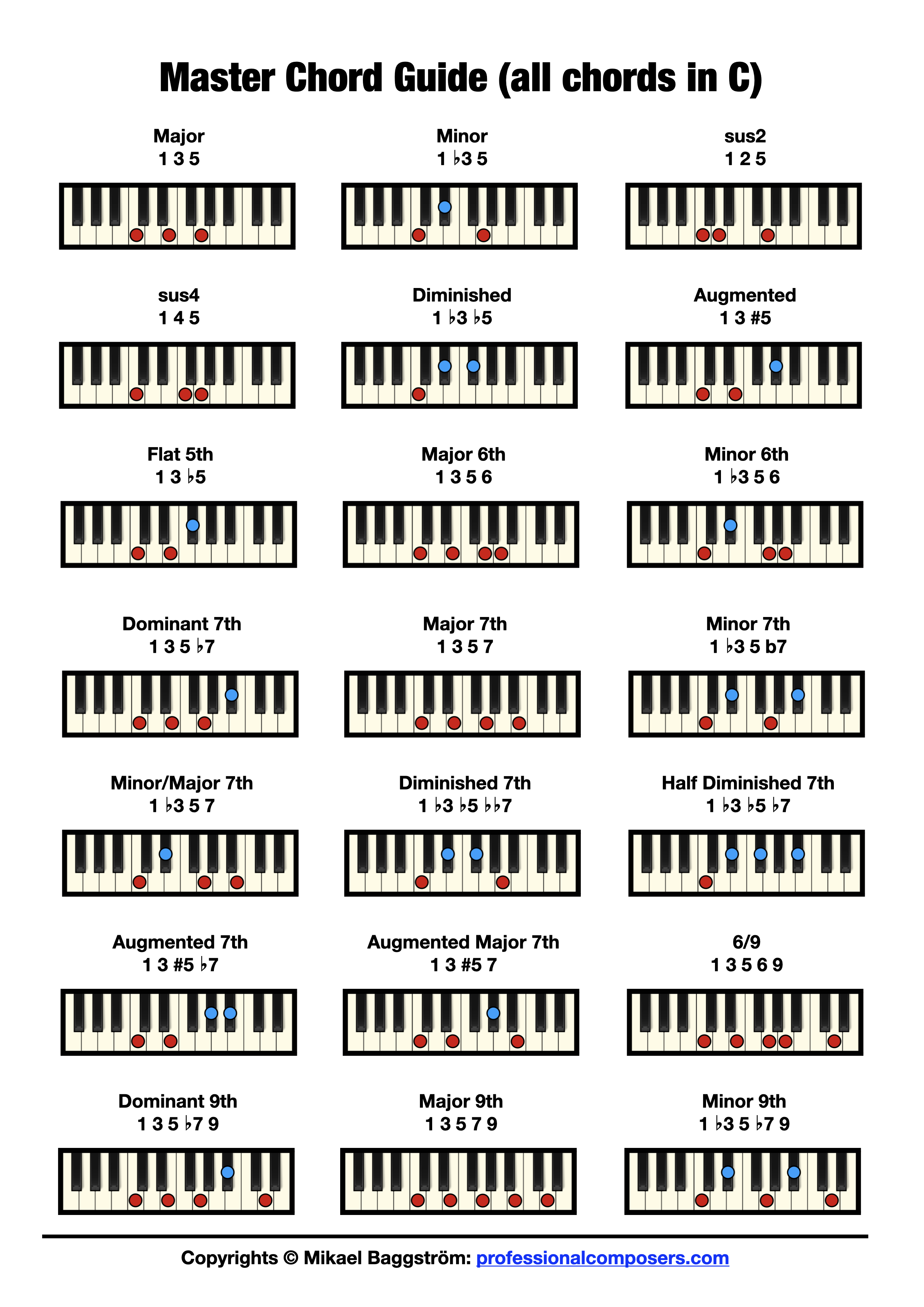
A common misconception about chord chart piano is that it's a complex and daunting tool, but in reality, it's a simple and incredibly useful resource for any pianist. This chart, often a pianist's best friend, is a straightforward guide, offering a visual representation of chords and their formations. While the format may vary, the essence remains the same: a quick reference for pianists to navigate and understand chord progressions and music notation with ease.
Understanding Chord Chart Piano: A Quick Overview
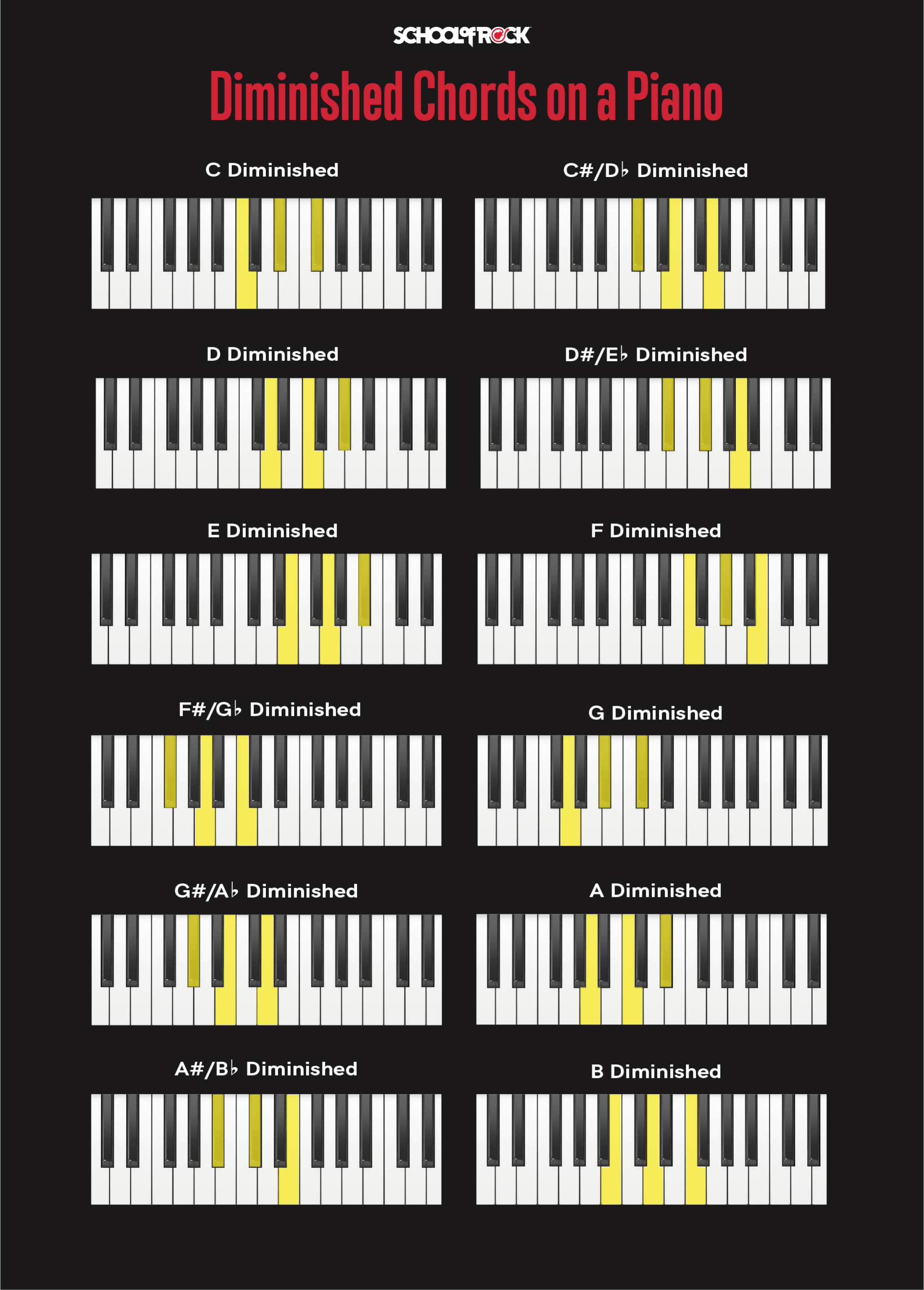
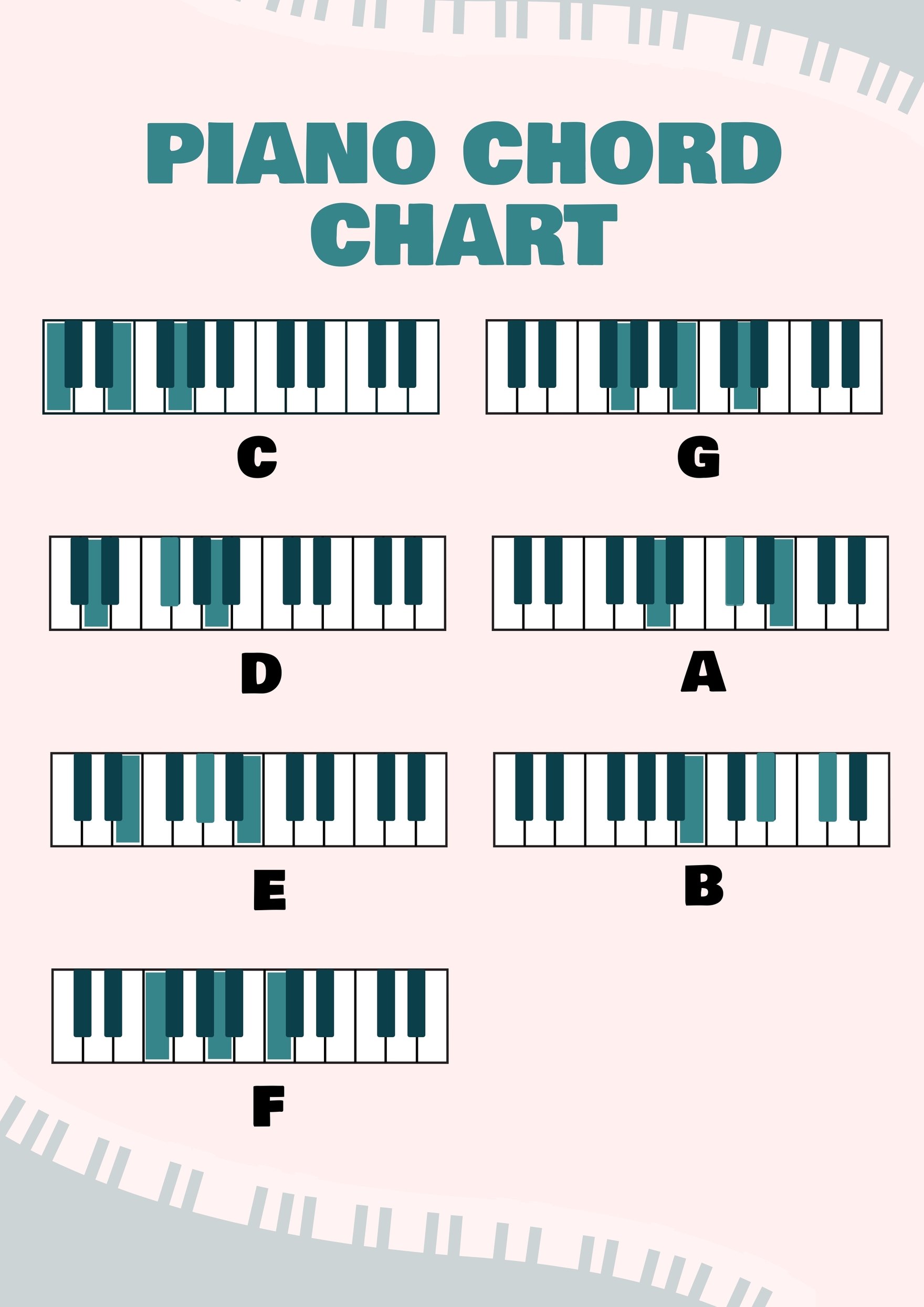
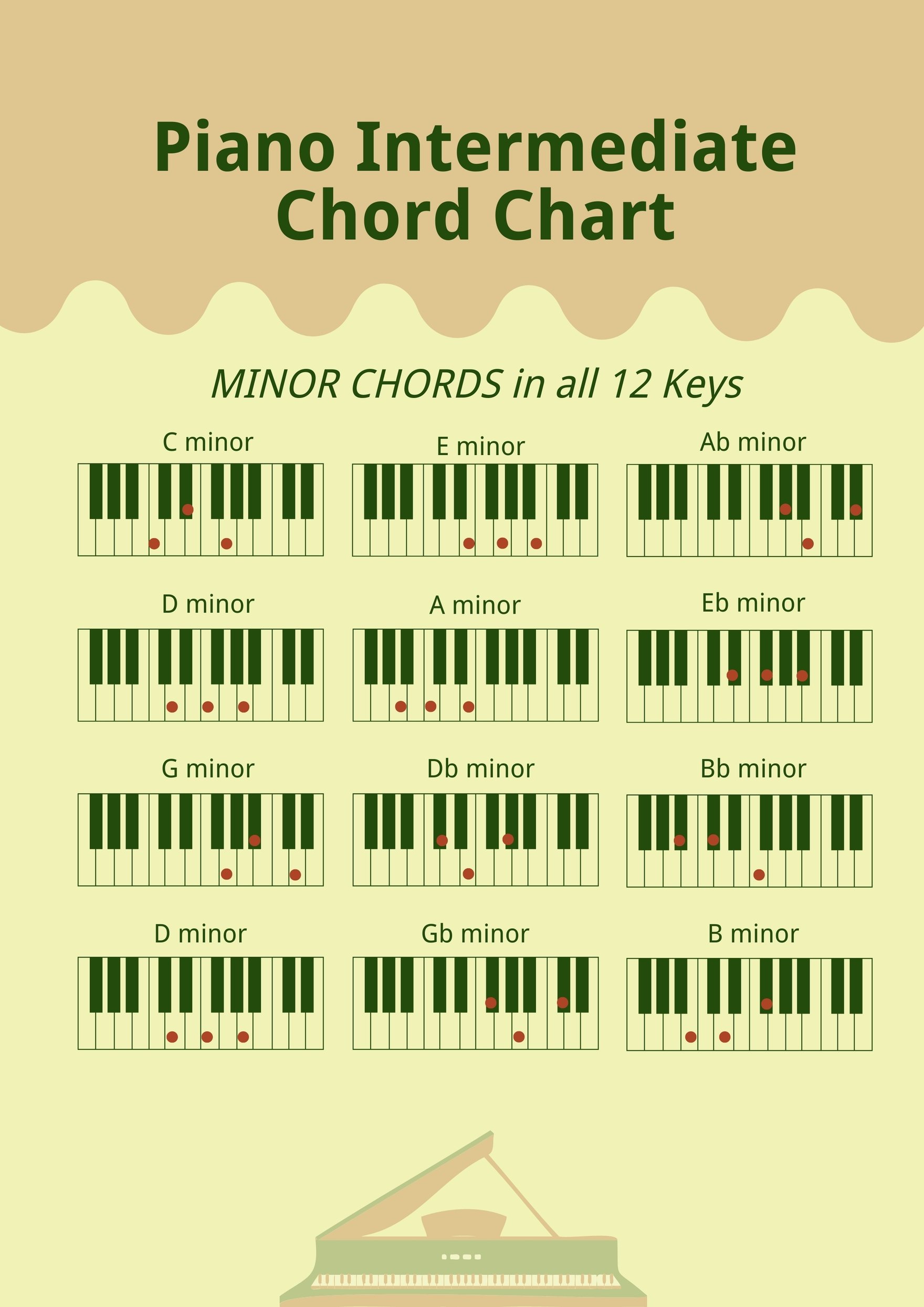
A chord chart piano is a valuable tool for musicians, offering a visual representation of chord structures and their corresponding finger positions on the piano. This chart acts as a quick reference guide, aiding pianists in playing various chords efficiently. It displays the piano keys and indicates where your fingers should be placed to form specific chords.
Comparing Common Chord Chart Formats
There are several formats for chord chart piano, each with its own advantages. The most common formats include:
Standard Notation: This traditional method uses symbols and notes to represent chords. It provides a comprehensive view of chord structure but can be complex for beginners.
Piano Chord Diagram: A simpler approach, often used for beginners, shows the piano keys and finger positions for each chord. It's an easy-to-read visual guide.
Chord Symbol Notation: A concise format using letters, numbers, and symbols to represent chords. While quick to read, it may require some familiarity to interpret accurately.
Step-by-Step Guide: Reading and Using a Chord Chart Piano
Follow these steps to effectively read and utilize a chord chart piano:
Identify the Chord: Start by locating the chord you want to play. Chord charts often list chords alphabetically or by their function in a song.
Find the Diagram: Look for the corresponding diagram or symbol representing the chord. This will show the finger positions and keys involved.
Place Your Fingers: Position your fingers according to the diagram. Ensure your fingers are correctly placed on the indicated keys.
Strum or Play: Once your fingers are in position, strum or play the chord. Adjust your fingers slightly if needed to achieve a clear, harmonious sound.
Practice and Memorize: Repeat this process for different chords. With practice, you'll memorize common chord shapes and positions, making playing smoother and faster.
Avoiding Common Misreadings and Pitfalls
To ensure accurate interpretation, watch out for these common misreadings:
Chord Chart Piano Variations: Different charts may use slightly different symbols or notations. Always refer to the legend or key provided with the chart to understand the specific symbols used.
Major and Minor Chords: Distinguish between major and minor chords, as their finger positions can be similar but result in different sounds. Pay attention to the chord symbol or diagram to ensure you're playing the correct type.
Finger Positioning: Ensure your fingers are correctly placed on the keys. Misplaced fingers can result in an incorrect chord or a dissonant sound.
Factors Affecting Accuracy and Real-World Use
Several factors can influence the accuracy and practicality of using a chord chart piano:
Instrument Type: While these charts are designed for pianos, they can also be adapted for other keyboard instruments. However, the finger positions may vary slightly due to differences in key sizes and layouts.
Chord Progressions: In real-world playing, you'll often encounter chord progressions, where chords change rapidly. Practicing and memorizing common progressions will help you transition smoothly between chords.
Advanced Chord Techniques: As you advance, you may encounter more complex chords and techniques. Some charts may not cover these, so you might need to refer to more specialized resources.
Choosing the Right Chord Chart Format for Your Needs
Select the most suitable chord chart piano format based on your skill level and goals:
Beginners: Opt for a piano chord diagram or a chart with simple, easy-to-understand symbols. These provide a clear visual guide without overwhelming complexity.
Intermediate Players: Consider a chart that offers a balance between simplicity and detail. Look for charts that include both chord symbols and diagrams, providing a quick reference for common chords.
Advanced Musicians: Choose a comprehensive chart with a wide range of chords and variations. These charts often include advanced techniques and less common chord structures.
Keeping Your Reference Reliable for Future Use
To ensure your chord chart piano remains a reliable reference:
Regular Practice: Consistent practice is key. The more you use the chart, the more familiar you'll become with chord shapes and positions, reducing the need for constant reference.
Update and Expand: As your skills progress, consider updating your chart or adding new sections for advanced chords and techniques. This keeps your reference relevant and useful.
Digital vs. Physical: Digital charts offer convenience, but physical charts can be more durable and easier to reference quickly during live performances. Consider having both for different scenarios.
Chord charts are a fantastic tool, and it's great to have a solid understanding of how to use them effectively. Remember, the exact details may differ slightly based on your specific needs and the resources you're working with, so adapt and customize as you see fit.
There's a wealth of knowledge to explore in the world of music, and we've got plenty of guides to help you along the way. Feel free to browse our other resources; you might find some hidden gems to enhance your musical journey!
Related: Square Roots Chart: A Quick Reference Guide
Many folks assume that a square roots chart is only for advanced math whizzes, but it's actually a super useful tool for all kinds of calculations and quick references. While it might look a bit intimidating at first, with its rows and columns of numbers, it's a simple and efficient way to find square roots without the need for complex calculations. Think of it as a handy cheat sheet! The square roots chart is your go-to resource, offering an easy-to-read format that can vary depending on your needs and preferences.
Understanding the Square Roots Chart
The square roots chart is a handy reference tool that simplifies the process of finding the square root of a number. It's like having a quick guide to uncover the values hidden beneath the radical sign. This chart is a visual representation, often in table form, that displays the square roots of various numbers, making it easier to grasp and apply this mathematical concept.
Key Details and Categories
Before diving into the chart, let's clarify some basics. The square root of a number is the value that, when multiplied by itself, gives you the original number. For example, the square root of 9 is 3, because 3 x 3 = 9. The square roots chart typically covers a range of numbers, usually starting from 0 and going up to a certain limit, depending on the chart's scope. It's important to note that the chart usually focuses on positive square roots, as negative numbers have two square roots, and the chart aims to provide a concise reference.
Reading Square Roots: A Step-by-Step Guide
Using the square roots chart is straightforward. Here's a simple guide:
- Identify the number for which you need to find the square root. Let's say you want to find the square root of 16.
- Locate the number on the chart. Square root charts are often organized with numbers increasing from left to right and top to bottom.
- Read the corresponding value in the chart. For our example, you'll find that the square root of 16 is 4.
- Verify the result by squaring the value you found. In this case, 4 x 4 = 16, confirming that the chart provided the correct square root.
Variations and Differences
While the square roots chart is a valuable tool, it's essential to understand that variations exist. Different charts may have slight differences in formatting, especially when considering international standards or specific mathematical contexts. For instance, some charts might include negative numbers or provide additional information like decimal approximations. It's always a good practice to refer to the specific chart's guidelines and ensure you're using the right one for your needs. Additionally, for precise calculations, especially in advanced mathematics or engineering, a square root calculator might be more suitable, offering a higher level of accuracy and flexibility.
So, there you have it! A square roots chart is a handy tool, offering a quick reference for those tricky square roots. Remember, it's always a good idea to check the specific guidelines or standards relevant to your context, as exact values may differ slightly.
Feel free to explore more of our practical guides and resources. We've got a whole collection of tips and tricks to make your work easier and more efficient. Happy learning and stay curious!
Related: How to read a newborn size chart?
Many new parents might assume that all newborns are the same size, but that's not quite true! While it's a common misconception, the reality is that newborn size charts actually vary quite a bit.
These charts, which include details like birth weight percentiles and infant head circumference, are a handy tool to understand a baby's growth and development. They provide a simple, visual way to track and compare a newborn's size and can help parents and healthcare professionals ensure a baby is growing as expected. It's worth noting that these charts may differ based on various factors, so it's always best to consult a healthcare professional for personalized guidance.
The Newborn Size Chart: A Quick Overview
The newborn size chart is a handy tool for parents and caregivers to understand and track a baby's growth and development during their first few weeks of life. It provides a visual representation of a baby's typical measurements, including length, weight, and head circumference, and helps identify any potential concerns. This chart is a great reference for new parents, offering a simple way to monitor their baby's progress.
Comparing Standards and Formats
There are different standards and formats for newborn size charts, depending on the region and medical guidelines. The most common ones are based on international or metric standards, which are widely used and accepted globally. These charts typically use centimeters (cm) for length and weight measurements and provide a comprehensive view of a baby's growth. Some charts may also include additional details, such as body mass index (BMI) or specific growth percentiles.
Step-by-Step Guide to Using the Chart
Using a newborn size chart is straightforward:
Obtain a reliable chart from a trusted source, such as a healthcare provider or a reputable online resource. Ensure it follows the appropriate standard for your region.
Measure your baby's length, weight, and head circumference accurately. For length, place your baby on a flat surface and gently stretch them out, measuring from the top of the head to the heel. Weigh your baby on a scale designed for infants. Head circumference is measured using a tape measure, just above the eyebrows and around the largest part of the head.
Locate the corresponding values on the chart. The chart typically has age or week ranges on one axis and measurement values on the other. Find the appropriate age range and then identify the value that matches your baby's measurement.
Interpret the results. The chart will show percentiles, indicating where your baby's measurements fall in comparison to other babies of the same age. A percentile of 50% is considered average, while values above or below indicate a larger or smaller size, respectively.
Track progress over time. Repeat these measurements regularly (weekly or monthly) and plot the results on the chart to visualize your baby's growth pattern. This helps identify any significant deviations or concerns.
Common Misreadings and Pitfalls
It's important to note that newborn size charts are general guidelines and may not represent every baby's growth accurately. Here are some common misreadings and how to avoid them:
Interpreting Percentiles: Percentiles don't indicate a baby's health or development; they simply show where a measurement falls in comparison to others. A lower percentile doesn't necessarily mean a problem, as long as the baby is healthy and growing consistently.
Aging Out of the Chart: Some charts have limited age ranges. If your baby is older than the chart's maximum age, you may need to consult a different chart or discuss with your healthcare provider.
Measuring Inaccurately: Always use proper measuring techniques to ensure accurate results. Inconsistent or incorrect measurements can lead to misleading interpretations.
Factors Affecting Accuracy
Several factors can influence a baby's growth and, consequently, their position on a newborn size chart:
Genetics: A baby's size can be influenced by their parents' height and build.
Nutrition: Adequate nutrition is crucial for healthy growth. Breastmilk or formula provides the necessary nutrients, but solid food introduction can also impact growth patterns.
Health Conditions: Certain medical conditions or premature birth can affect a baby's growth. Consult your doctor if you have concerns.
Gender: On average, baby girls tend to be slightly smaller than baby boys, but this varies widely.
Choosing the Right Chart for Your Needs
While standard newborn size charts are widely available and useful, some parents may require more specialized charts. Here are a few variations:
Premature Baby Charts: If your baby was born prematurely, a specialized chart may be more accurate for tracking their growth.
International Charts: If you're traveling or living abroad, ensure you have a chart that follows the local standard.
Growth Charts for Specific Concerns: In some cases, doctors may recommend specialized charts to monitor a baby with a specific health condition or growth concern.
Remember, while newborn size charts are valuable tools, they should be used as a guide, and any concerns should be discussed with a healthcare professional.
Hey there, we hope this guide has given you a clear understanding of newborn size charts and their practical use. Remember, while the basics remain the same, exact details can vary slightly, so always refer to reliable sources and adapt to your specific needs.
Feel free to explore our other guides for more insights and tips on various parenting topics. We've got a range of resources to help you navigate this exciting journey, so take a look and find what resonates with you!