How to Use a Bike Size Chart?
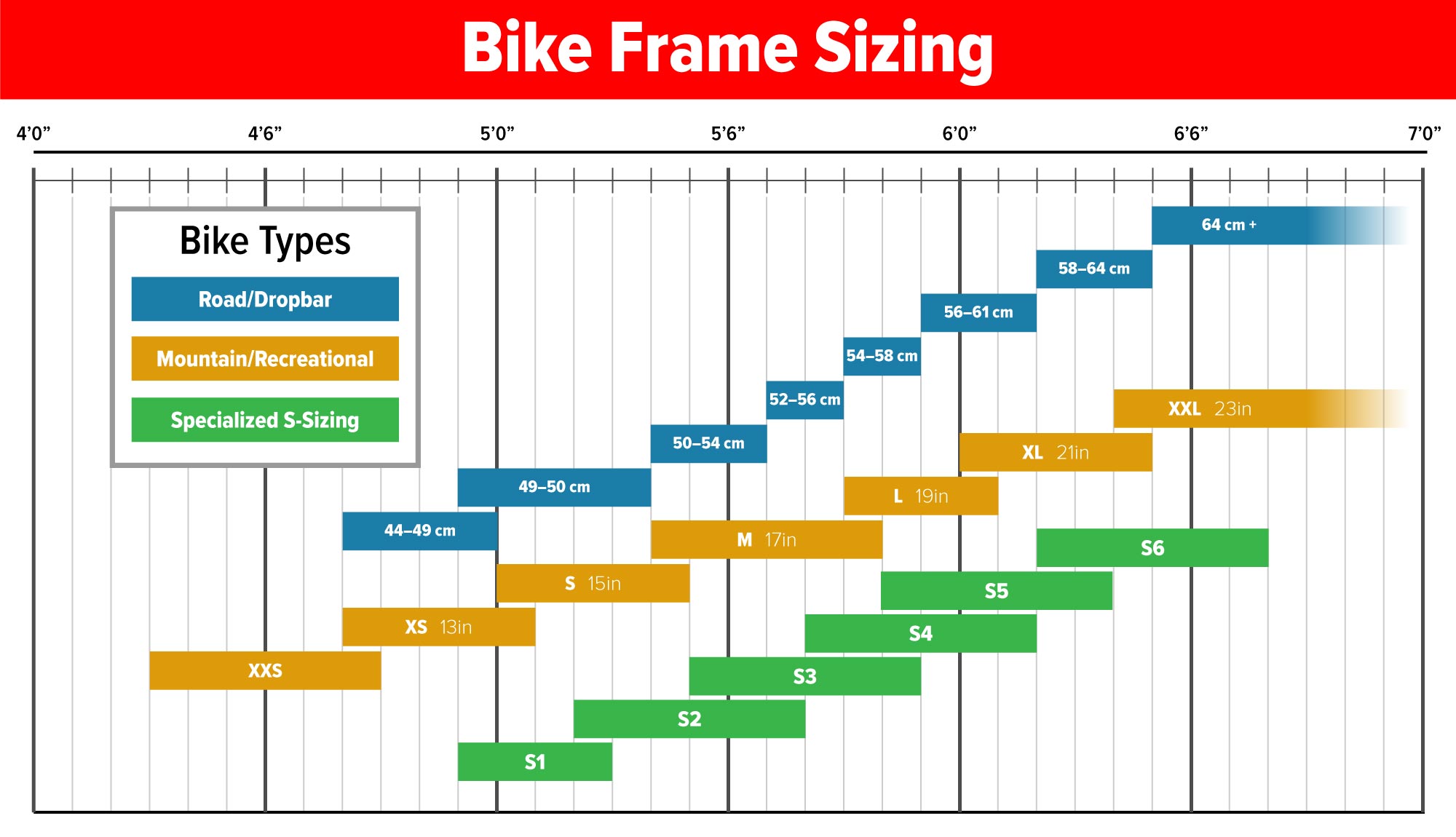
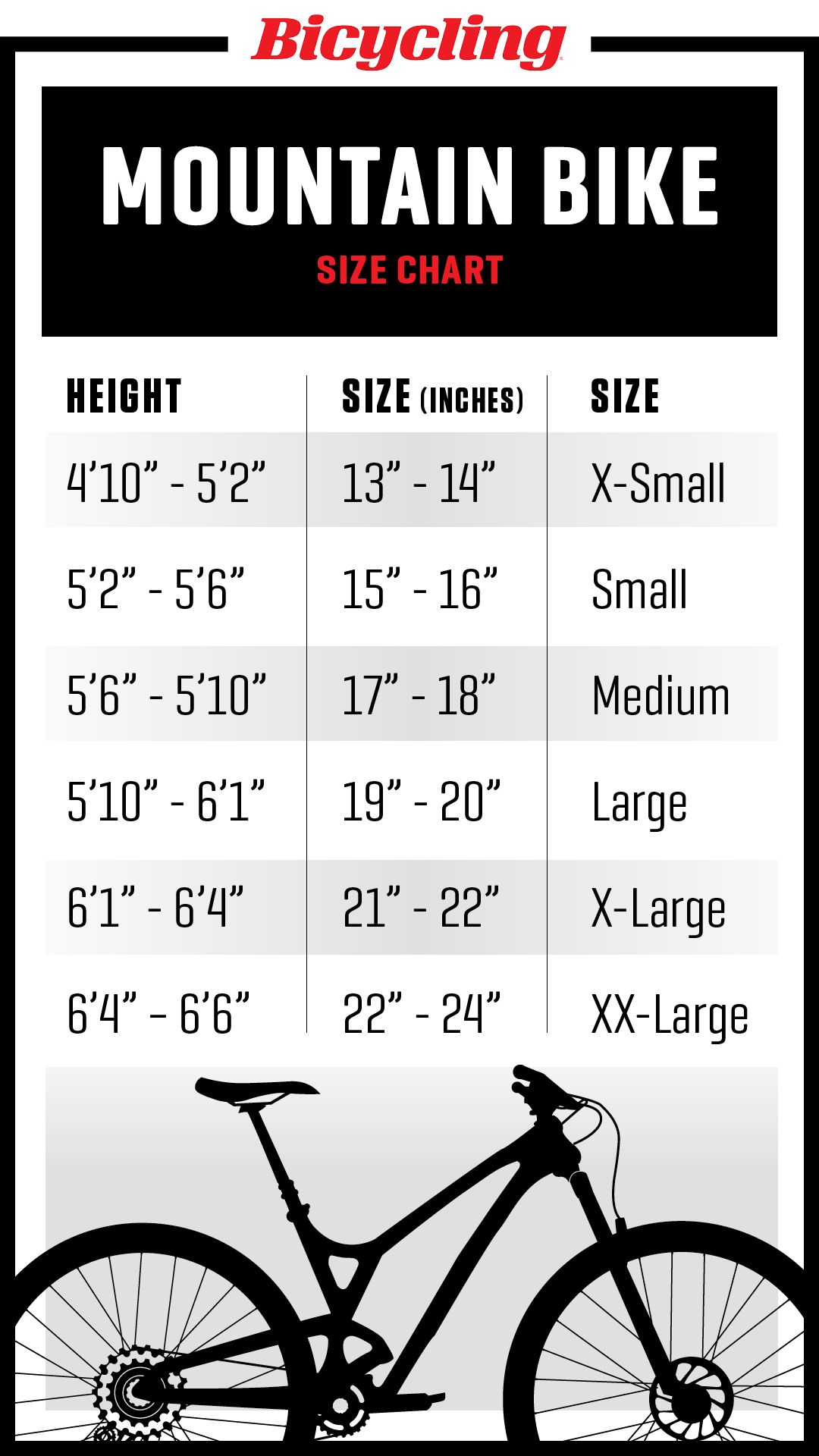
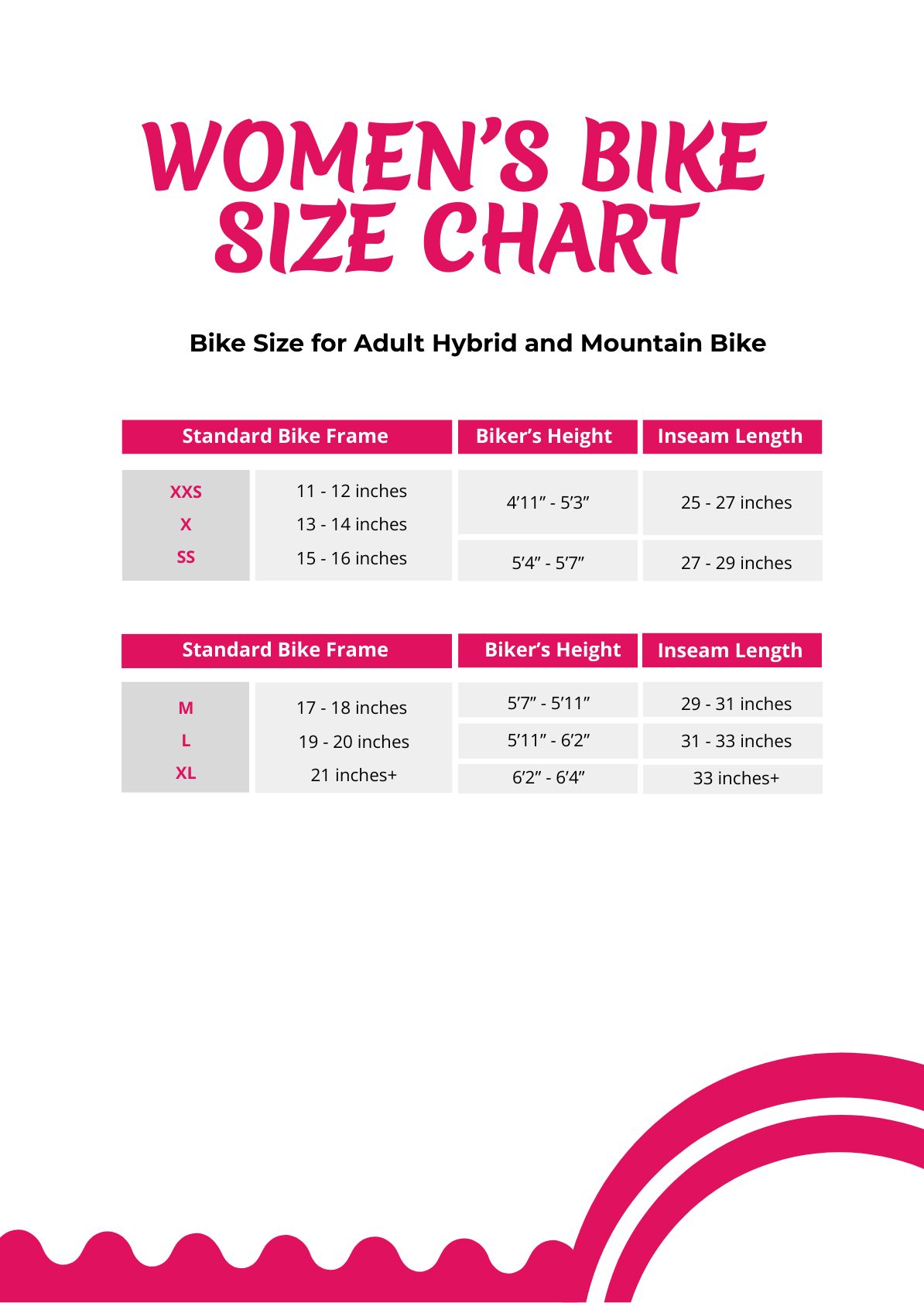
Our bike size chart offers clear reference values and a simple guide to help you find the perfect fit.
A bike size chart is a handy tool for any cyclist, offering a quick and easy way to find the perfect bike fit. This guide will walk you through the ins and outs of these charts, ensuring you know how to use them effectively. From frame size to wheel dimensions, we'll cover it all, so you can make an informed choice and enjoy a comfortable ride.
The Essential Guide to Bike Size Charts
A bike size chart is your go-to tool for finding the perfect bike fit. It's a simple yet powerful reference that ensures you get the right size bike for your body and riding style. These charts are designed to make the sizing process straightforward, but there are a few things to keep in mind to ensure an accurate fit.
Understanding the Options: Standards and Formats
Bike size charts can vary depending on the standard used. The most common are the imperial (inch) and metric (centimeter) systems, with the latter being more prevalent internationally. These charts typically cover various bike types, from road bikes to mountain bikes, and often include specific measurements like frame size, wheel size, and seat height.
Step-by-Step Guide to Using a Bike Size Chart
Using a bike size chart is straightforward, but precision is key. Here's a simple process to ensure you get the right size:
Identify the Standard: First, determine the standard used in the chart. This is usually indicated at the top or bottom of the chart. If you're unsure, check the manufacturer's website or ask a bike expert.
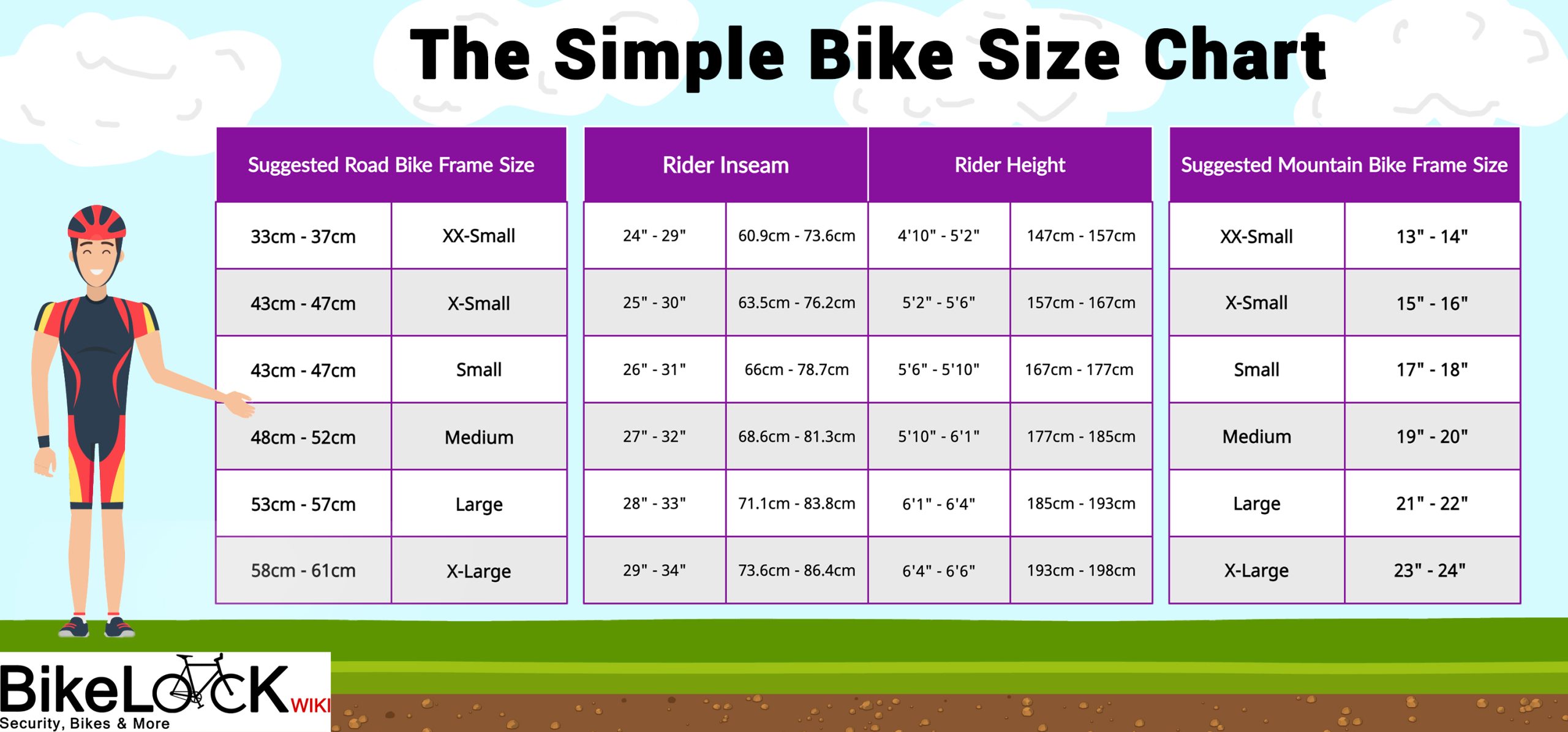
Measure Yourself: Take accurate measurements of your body. You'll need your height, inseam (the inner leg measurement from crotch to ankle), and sometimes arm length. These measurements will be crucial for finding the right frame size and overall bike fit.
Match Your Measurements: Refer to the chart and find the section that corresponds to your height and inseam. This will give you a starting point for frame size.
Consider Your Riding Style: Bike size charts often provide recommendations based on riding style. For example, if you're a casual rider, you might opt for a more upright position, while a racing enthusiast would lean towards a more aggressive, stretched-out position.
Adjust for Comfort: Once you have a frame size, consider making adjustments for comfort. This could mean tweaking the seat height or handlebar width to find your ideal riding position.
Common Misreadings and How to Avoid Them
While bike size charts are straightforward, there are a few potential pitfalls to avoid:
Misinterpreting Frame Size: Frame size is a critical measurement, but it's not always the only factor. Some charts provide a range of frame sizes for a given height, and you should choose the one that best suits your riding style and comfort.
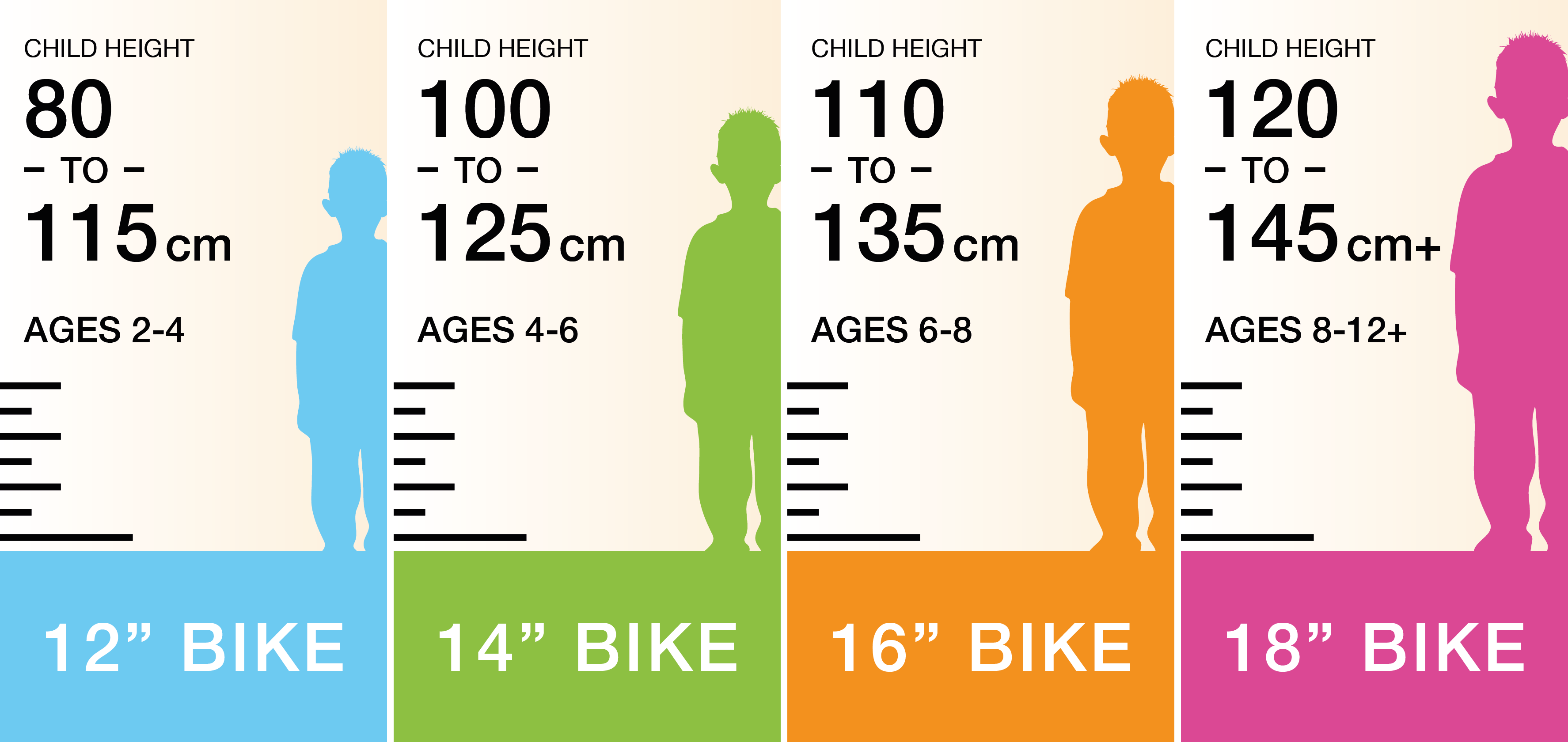
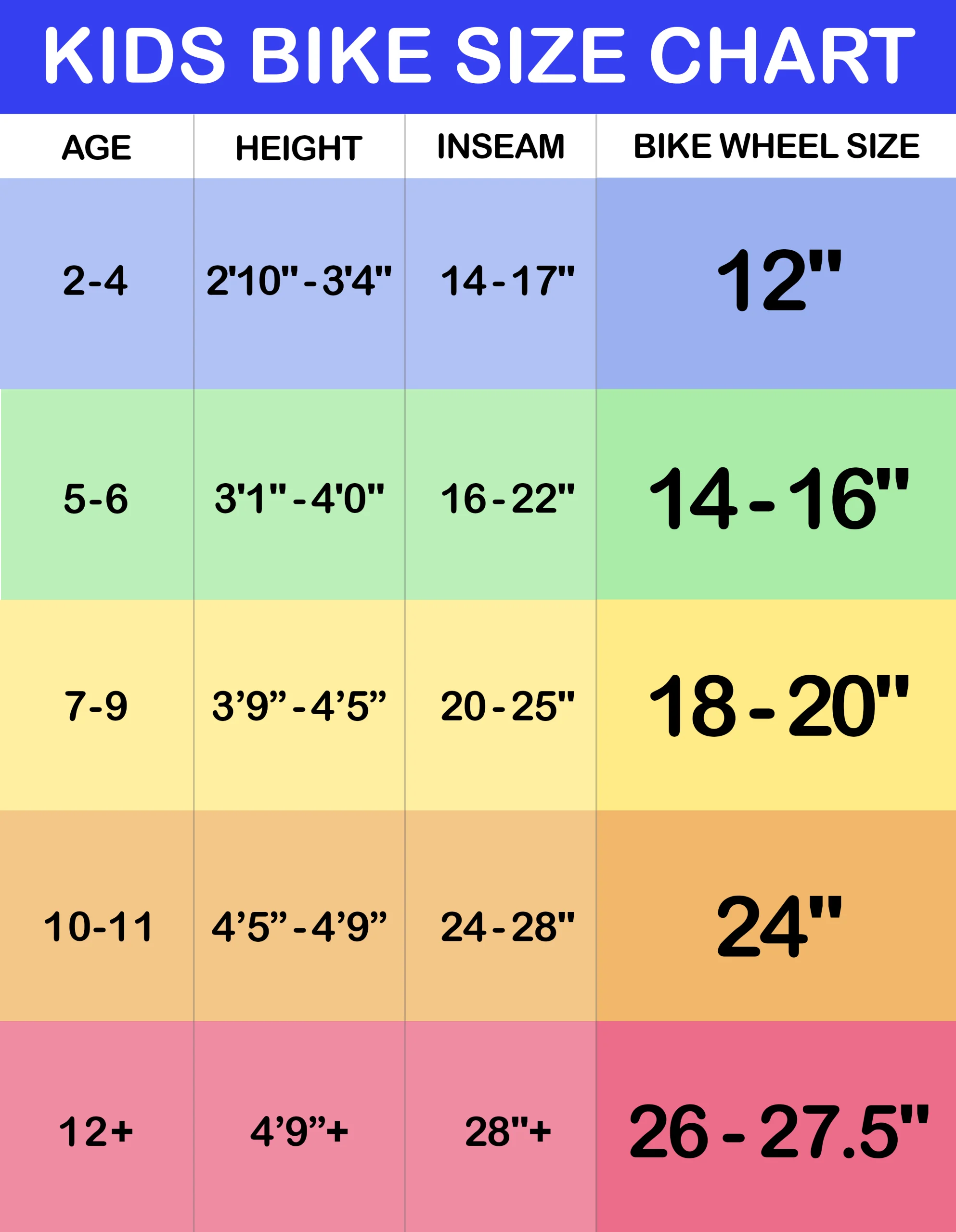
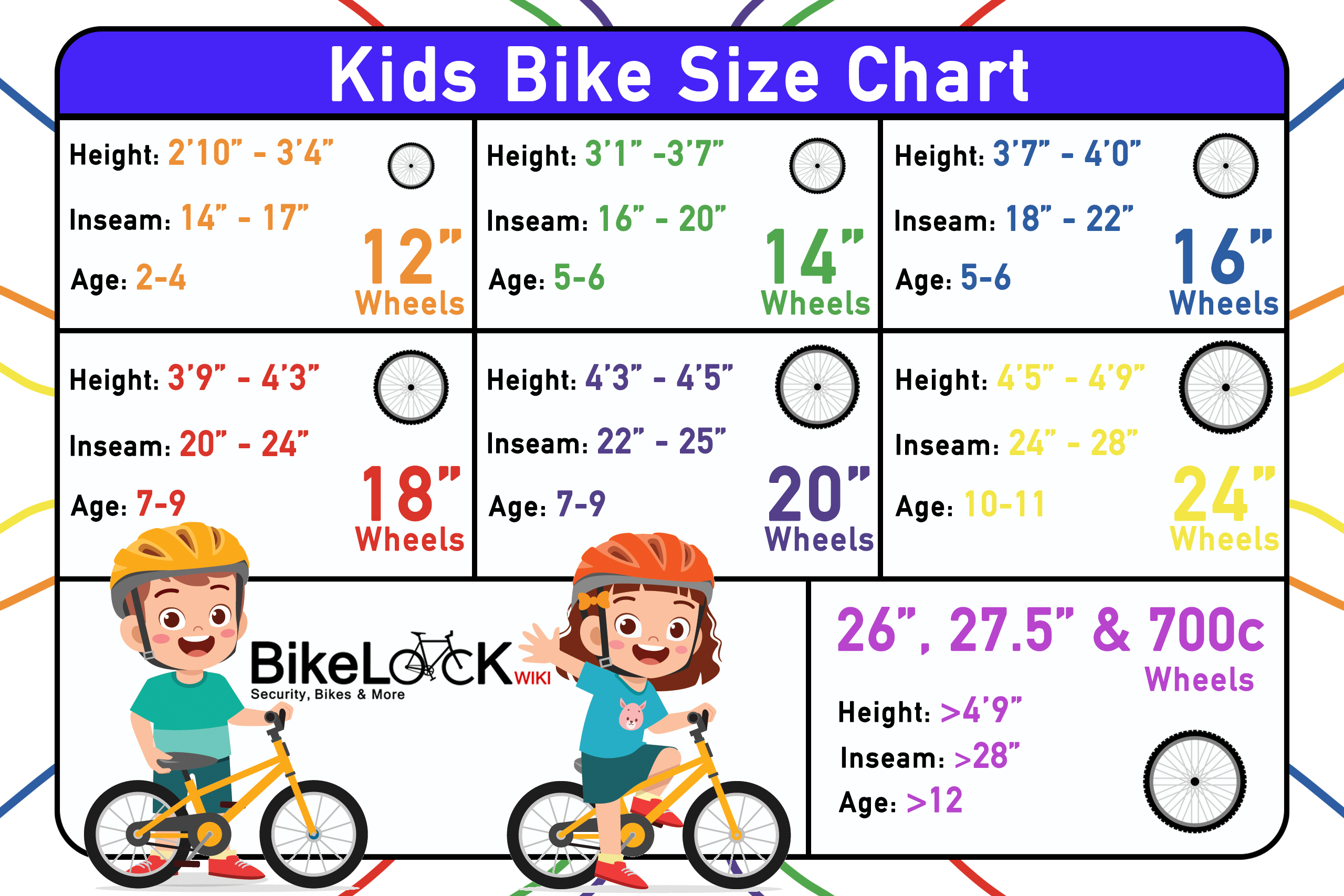
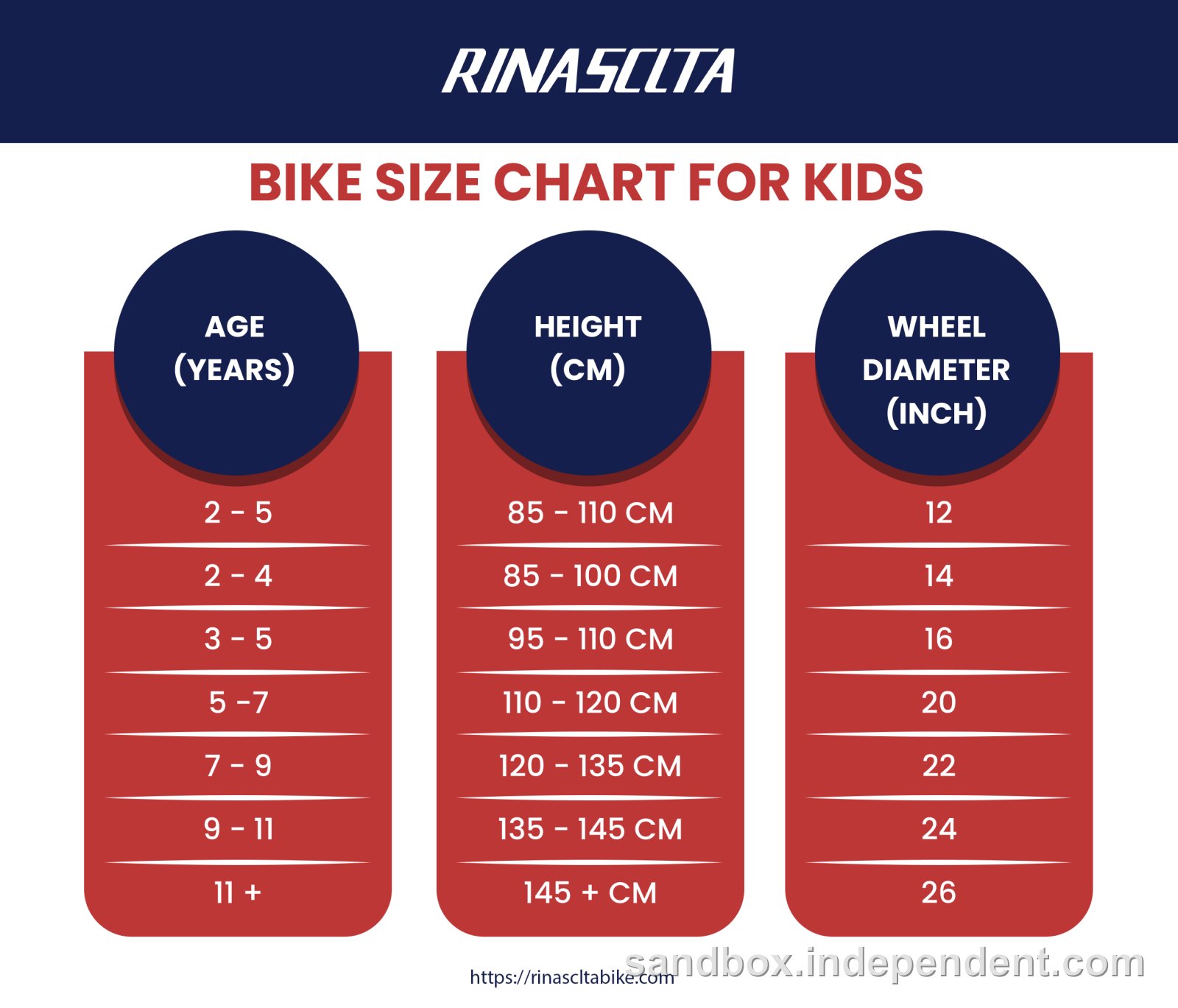
Wheel Size: Don't confuse wheel size with frame size. Wheel size is an important consideration, especially for kids' bikes, but it's a separate measurement.
Sizing for Kids Bikes: When sizing bikes for children, always double-check the manufacturer's recommendations. Kids grow quickly, so it's essential to ensure the bike can accommodate their growth while still providing a safe and comfortable ride.
Regional Variations: Be mindful of regional differences. Some countries or regions may have slightly different sizing standards, so always check the chart's origin or consult a local bike expert if in doubt.
Hey there, bike enthusiasts! We hope this guide has helped you navigate the world of bike sizing with ease. Remember, when it comes to finding the perfect bike, it's all about getting the right fit for your body and riding style.
So, before you make that final decision, take a moment to review your specific needs and preferences. Double-check the measurements and consider any personal factors that might influence your choice. It's a simple step, but it ensures you end up with a bike that truly suits you.
Images