








Anual Planner Z Fold Overview
I'm just about to start planning my nursery renovation cost and I've been doing some research. It's a big project, and I want to make sure I'm prepared and get the best value for my money. I know it can be a bit overwhelming, so I thought I'd share my findings and hopefully help others out there who are in a similar situation.
Understanding the Costs
When it comes to nursery renovation cost, there are a few key factors that will influence the final price. The size of the nursery, the materials you choose, and the complexity of the design will all play a part. It's a good idea to get a few quotes from different contractors to compare prices and ensure you're getting a fair deal. Don't be afraid to ask questions and understand the breakdown of costs.
The labor costs can vary, and it's worth considering the skill level and experience of the contractors. You may find that more specialized work, like custom carpentry or electrical work, will cost more. It's a balance between finding skilled professionals and staying within your budget.
Finding the Right Contractor
Hiring a reputable contractor is crucial for a successful nursery renovation. Look for local companies with a good track record and positive reviews. Check their licensing and insurance, and don't be shy to ask for references. A good contractor will be happy to provide this information and will guide you through the process.
When getting quotes, make sure they are detailed and itemized. This will help you compare apples with apples and ensure you're not paying for unnecessary extras. Ask about their experience with similar projects and how they handle unexpected issues that may arise during the renovation.
Construction Company Names
If you're thinking of starting a construction business, choosing a name is an important step. It should be catchy, memorable, and reflect the nature of your work. Some ideas could be:
- Build-It-Better
- Renovate & Revive
- Constructive Solutions
- Home Transformation Co.
- Fix-It-Right
- The Build Crew
Remember to check the availability of the name and secure the relevant domains and local registrations.
Jobs and Salaries
The construction industry offers a range of roles, from general contractors to specialized tradespeople. Estimators, for example, play a crucial role in calculating nursery renovation cost and other construction projects. They assess the materials, labor, and time needed for a job, and their skills are in high demand.
You'll find job openings advertised online, through recruitment agencies, and sometimes even through word of mouth. Salaries can vary depending on experience, location, and the size of the company.
Industry Tools and Data
RSMeans is a well-known resource in the construction industry. It provides cost data and estimating tools to help contractors and businesses plan and manage projects effectively. This kind of tool is essential for accurate nursery renovation cost estimates and ensures that businesses can provide competitive quotes.
Big Companies and the Industry
The construction industry is diverse, with a range of small, medium, and large companies. Larger firms often have the resources to take on bigger projects and may have more specialized teams. They can offer a wider range of services and have the capacity to manage multiple projects simultaneously.
However, smaller companies can also bring unique advantages, like a more personalized service and the ability to offer more flexibility and creativity in their work. It's a matter of finding the right fit for your project.
Next Steps
So, there you have it! I hope this has given you some insight into nursery renovation cost and the factors that influence it. Remember, it's important to do your research, get multiple quotes, and find a contractor you trust. Good luck with your renovation project, and I wish you a beautiful and functional nursery space!
Related: Find Corolla Tide Chart: Quick Reference Guide
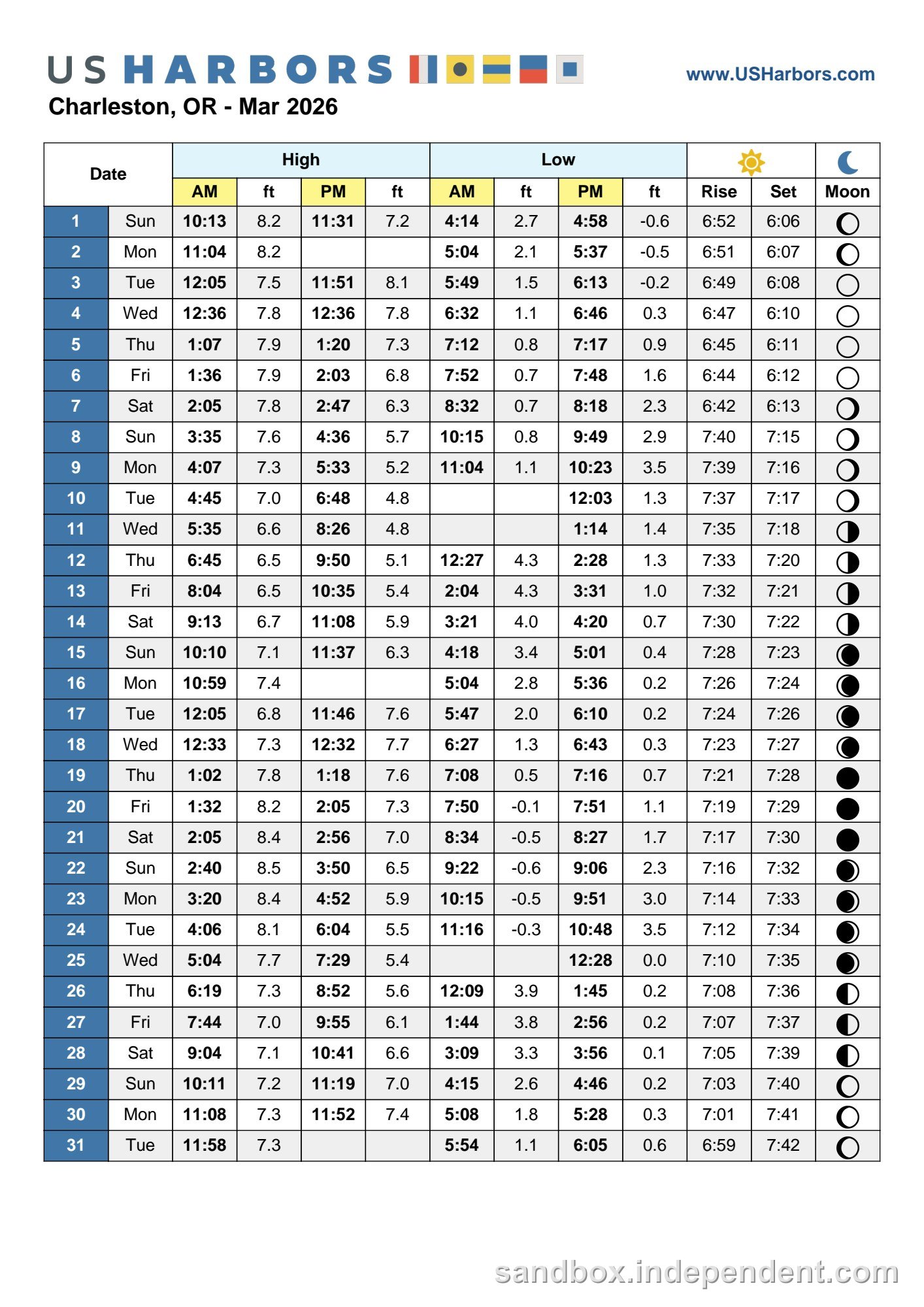
You're probably here because you need a quick answer, a reliable reference, or some clarity on reading Corolla tide charts. These charts are a handy tool, offering a simple visual guide to help you plan your day by the sea. They provide valuable insights into the ebb and flow of the tides, showing you the tide times and heights, which can vary depending on your location.
Understanding Corolla Tide Charts
A tide chart is a handy tool that shows the predicted times and heights of high and low tides for a specific location, like Corolla. These charts are essential for anyone planning activities near the coast, from fishing and boating to beachcombing and surfing. By understanding and using a tide chart, you can make the most of your time on the water or along the shore.
Key Details and Categories
A tide chart typically displays the following information: the date and time of each tide, the height of the tide (usually in feet or meters), and sometimes additional details like the moon phase or tidal current speeds. The times are often given in a 24-hour clock format, so it's good to be familiar with that. The height of the tide is a crucial factor, as it affects water depth and can impact various activities.
Reading and Applying Tide Levels
Here's a step-by-step guide to reading and using a corolla tide chart:
- Identify the date and time you're interested in. Tide charts usually cover a specific period, often a month, so find the relevant date.
- Look for the corresponding high and low tide times. These are typically marked clearly, with the height of the tide noted beside each time.
- Consider the height of the tide for your activity. For example, if you're fishing, you might want to aim for a high tide to access deeper waters.
- Plan your activities accordingly. With the tide times and heights in mind, you can schedule your day to make the most of the conditions.
- Remember to check the moon phase, if available. This can give you an idea of the tidal range and the potential for strong currents.
Variations and Differences
Tide charts can vary based on several factors:
- Location: Different coastal areas will have unique tide patterns due to geographical features and ocean currents.
- Moon and Sun: The gravitational pull of these celestial bodies affects tides, so lunar and solar cycles can cause variations.
- Weather: Storms and high winds can influence tidal behavior.
- Seasonal Changes: Tides can exhibit different patterns throughout the year.
Common Mistakes and How to Avoid Them
- Misreading the Time: Always double-check the time format. A simple mistake like confusing AM and PM can lead to missed opportunities.
- Ignoring Tidal Currents: Strong currents can make boating and fishing challenging. Check for any notes on current speeds on your tide chart.
- Assuming Consistency: Tide patterns can change, so avoid relying solely on past experiences. Always check the latest tide data.
- Forgetting to Adjust for Daylight Saving: Remember to account for time changes, especially during spring and autumn.
Practical Tips for Accurate Results
- Use Reputable Sources: Ensure your tide chart comes from a reliable source, such as a trusted website or a local marina.
- Check Regularly: Tide conditions can change, so update your tide data frequently, especially if you're planning activities over several days.
- Consider Weather Forecasts: Weather can impact tides, so keep an eye on forecasts to anticipate any unusual tidal behavior.
- Learn Local Patterns: If you frequent a specific coastal area, study the local tide patterns to better predict conditions.
Double-Checking and Handling Exceptions
While tide charts are valuable, they are predictions and may not always be accurate, especially during extreme weather events. Always be prepared for variations and:
- Check for Any Alerts: If there's a storm or unusual weather, confirm the tide predictions with local authorities or marine experts.
- Use Multiple Sources: Compare predictions from different sources to get a more accurate picture, especially during exceptional circumstances.
- Plan for Flexibility: If you're dependent on specific tide conditions, consider having a backup plan or being ready to adapt.
- Stay Informed: Keep updated with the latest weather and marine forecasts to make informed decisions.
Well, there you have it! Understanding the Corolla Tide Chart is a handy skill, and now you're equipped with the knowledge to navigate it like a pro. Remember, while this guide provides a solid foundation, always double-check the specific context and requirements for your project or location. It's a good idea to keep an eye on any unique factors that might affect your readings.
Feel free to explore our other resources for more practical insights and guides. We've got you covered with a range of topics to enhance your knowledge and skills. Happy charting!
Related: What is the BYU Depth Chart?
You're here, searching for a BYU depth chart, a handy tool for any sports fan or enthusiast. This chart is your go-to reference, offering a clear overview of the Cougars' roster and player positions. It's a simple yet effective way to understand the team's lineup and game strategy.
Understanding the BYU Depth Chart
The BYU depth chart is a valuable tool for anyone interested in BYU football. It provides an overview of the Cougars' roster and their player positions, giving you a clear picture of the team's lineup and potential game strategies. This chart is an essential reference for fans, analysts, and even the team itself, as it offers a visual representation of the players' depth and roles.
Comparing the Chart's Categories and Standards
The BYU depth chart typically follows a standard format, displaying players in their respective positions. You'll find categories like offense, defense, and special teams, each with its own set of positions. For example, the offense might include quarterbacks, running backs, wide receivers, and more. Each position is ranked by depth, showing the starting players and their backups. The chart often uses official measurements and standard abbreviations to keep things concise and clear.
Step-by-Step Guide to Reading the Depth Chart
Reading the BYU depth chart is straightforward. Start by identifying the different sections for offense, defense, and special teams. Within each section, you'll see the positions listed vertically, with the starters at the top and backups below. Pay attention to the abbreviations used; for instance, QB for quarterback or WR for wide receiver. The depth chart might also include additional information, such as jersey numbers or player heights and weights, depending on the specific chart's design.
Avoiding Common Misinterpretations
While the BYU depth chart is a useful tool, it's important to remember a few things. Firstly, the chart is a snapshot of the team's current lineup and can change over time due to injuries, player performance, or coaching decisions. Secondly, depth charts often simplify complex strategies; they don't always reflect the dynamic nature of a game. Lastly, be aware of any regional or standard variations. For example, some charts might use different abbreviations or follow slightly different formats. Always double-check the source and date of the chart to ensure accuracy.
Factors Affecting Accuracy and Real-World Use
Several key factors can influence the accuracy and real-world application of the BYU depth chart. These include:
Player injuries or illnesses: Unexpected injuries can quickly change a team's lineup.
Coaching decisions: Coaches may make strategic changes to the lineup based on game plans or opponent analysis.
Player performance: Outstanding or underperforming players can influence their position on the depth chart.
Team dynamics: Chemistry and communication among players can impact their roles and positions.
Game strategy: The depth chart is just one piece of the puzzle; coaches consider various factors when devising game plans.
Adapting the Chart for Specific Needs
The BYU depth chart can be adapted to meet specific needs or preferences. For instance, you might want to focus on a particular position or create a simplified version for younger fans. Additionally, some charts offer interactive features, allowing you to explore player stats or watch highlights. Remember, the chart is a flexible tool, and you can customize it to enhance your understanding of the team and its strategies.
Hey there! I hope this guide has given you a clear understanding of the BYU depth chart and its practical applications. Remember, while the basics remain consistent, the exact details might shift a little based on your specific needs and the context.
Feel free to explore our other guides for more insights and tips. We've got a whole library of resources to help you navigate various topics, so take a look around and find something that piques your interest!