



Au Periodic Chart Editable Overview
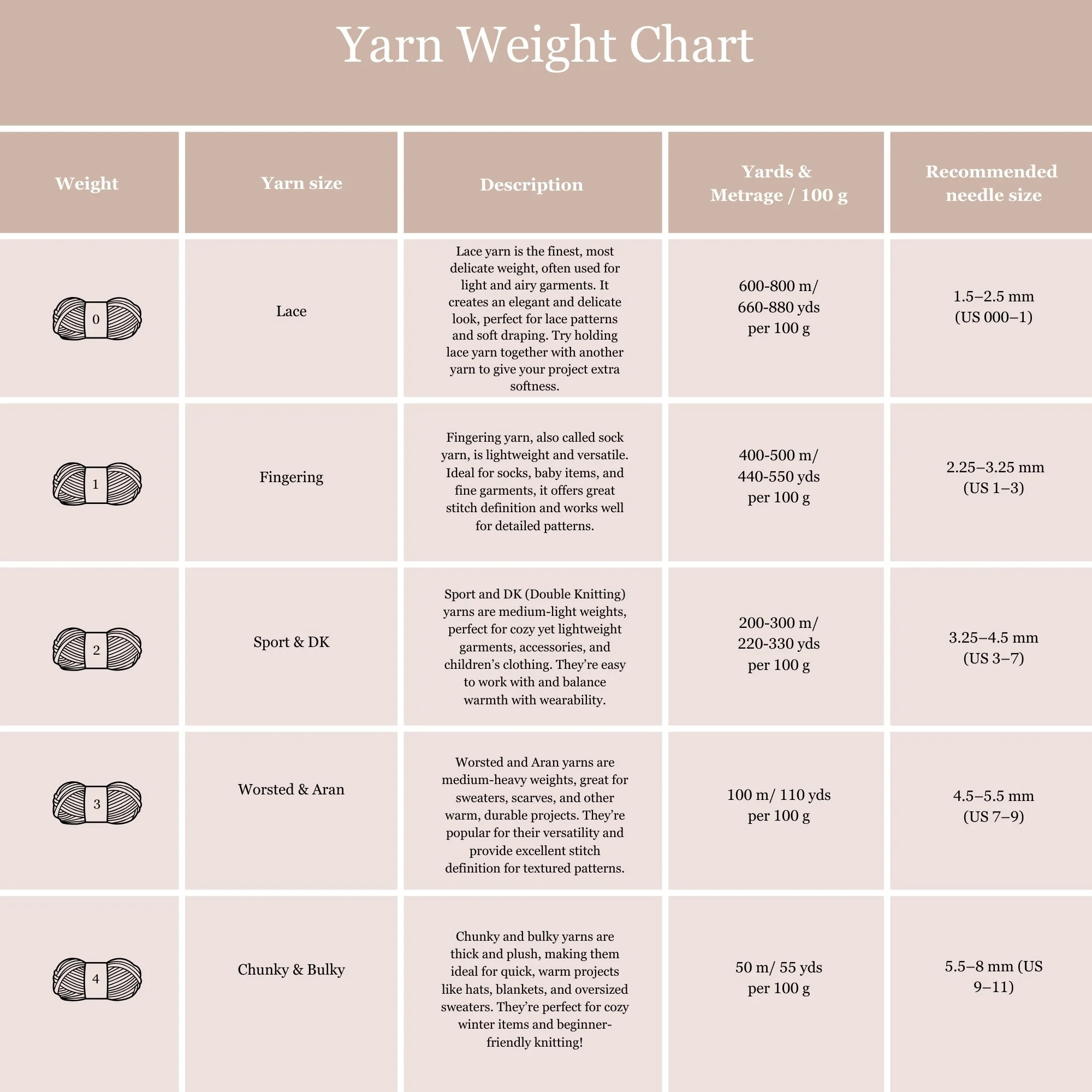
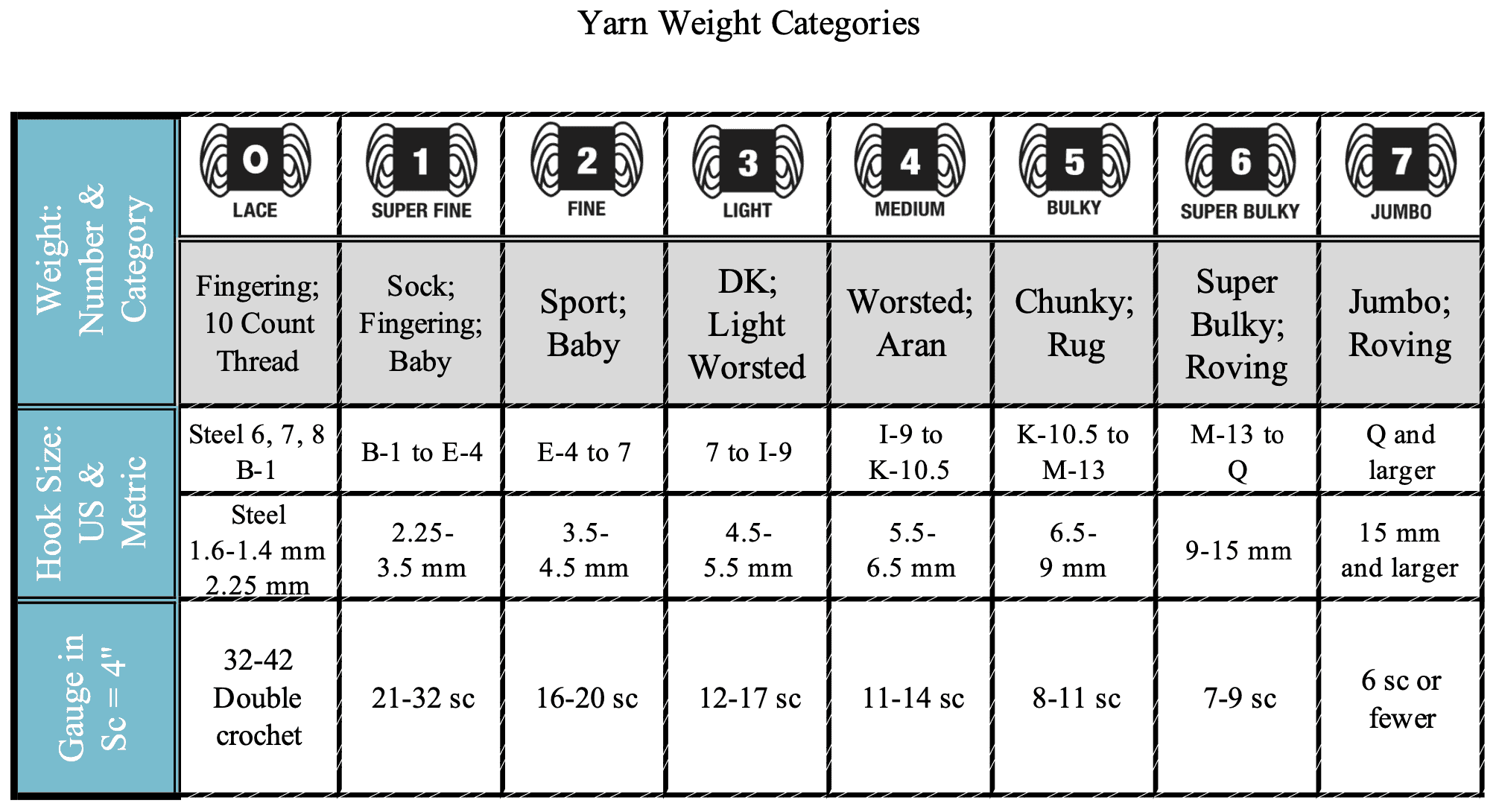
Many people assume that the yarn gauge chart is a complex and intimidating tool, but it's actually a simple and incredibly useful reference for any knitter or crocheter. This chart, often referred to as a knitting gauge or cm gauge, is your secret weapon for achieving the perfect stitch consistency. It's not as tricky as it may seem; the yarn gauge chart is a straightforward guide, and once you understand it, you'll wonder why you ever found it confusing!
Understanding the Yarn Gauge Chart
The yarn gauge chart is your go-to tool for knitting and crocheting projects. It's a simple yet powerful reference that helps you choose the right yarn and needles or hooks for your desired fabric. Think of it as a map to guide your crafting journey!
Comparing Gauge Standards and Formats
There are two main standards for yarn gauge charts: the US system and the metric (international) system. These systems use different units and categories, so it's crucial to know which one you're working with. The US system typically uses inches (in) and has its own gauge sizes, while the metric system relies on centimeters (cm) and offers a different set of gauge measurements.
Step-by-Step Guide to Using the Chart
Using the yarn gauge chart is easy once you know the basics. Here's a simple process:
- Identify your project's desired fabric type, whether it's a tight, dense fabric or a looser, airier one.
- Find the corresponding gauge measurement on the chart. This will give you the recommended needle or hook size and the number of stitches per inch (or cm) for that fabric.
- Choose your yarn based on the recommended gauge. Thicker yarns will have lower gauge numbers, while thinner yarns will have higher numbers.
- Select the appropriate needle or hook size to match the gauge and start crafting!
Avoiding Common Misreadings
It's easy to misinterpret the yarn gauge chart, especially when working with different standards. Always double-check if your chart is in inches or centimeters to avoid confusion. Remember, the gauge number itself doesn't represent a specific measurement but rather a category of thickness. So, a gauge of 4 doesn't mean 4 inches or 4 cm; it's a category for a certain thickness of yarn.
Key Factors Affecting Accuracy
Several factors can impact the accuracy of your yarn gauge chart readings:
Yarn type: Different fibers and materials have varying properties, so always check the recommended gauge for your specific yarn.
Needle or hook size: Using the wrong size can lead to an inaccurate gauge.
Tension: Your personal knitting or crocheting tension can affect the final gauge, so practice consistency.
Fabric type: The desired fabric's tightness or looseness will influence the gauge choice.
Yarn weight variations
Needle/hook material
Environmental factors (e.g., humidity)
Adapting the Chart for Specific Needs
While yarn gauge charts offer a great starting point, they might not cover every scenario. If you're working with a unique yarn or have specific project requirements, you might need to adapt the chart. Here's how:
- Check the yarn label for recommended needle or hook sizes and gauge measurements.
- Create a swatch: Knit or crochet a small sample with your chosen yarn and needle/hook size. Measure the gauge and adjust as needed.
- Experiment with different needle/hook sizes to achieve the desired fabric.
- Consider the project's final use and adjust the gauge accordingly. For example, a baby blanket might require a tighter gauge for durability.
Well, there you have it! A handy guide to understanding and using yarn gauge charts. Remember, these charts are a great tool, but always ensure you're using the right one for your project and double-check the specifics to avoid any potential pitfalls.
Don't forget, there's a whole world of knitting and crocheting resources out there, so feel free to explore and discover more. Happy crafting, and keep those creative juices flowing!
Related: Find Your Perfect Fit: Socks Size Chart
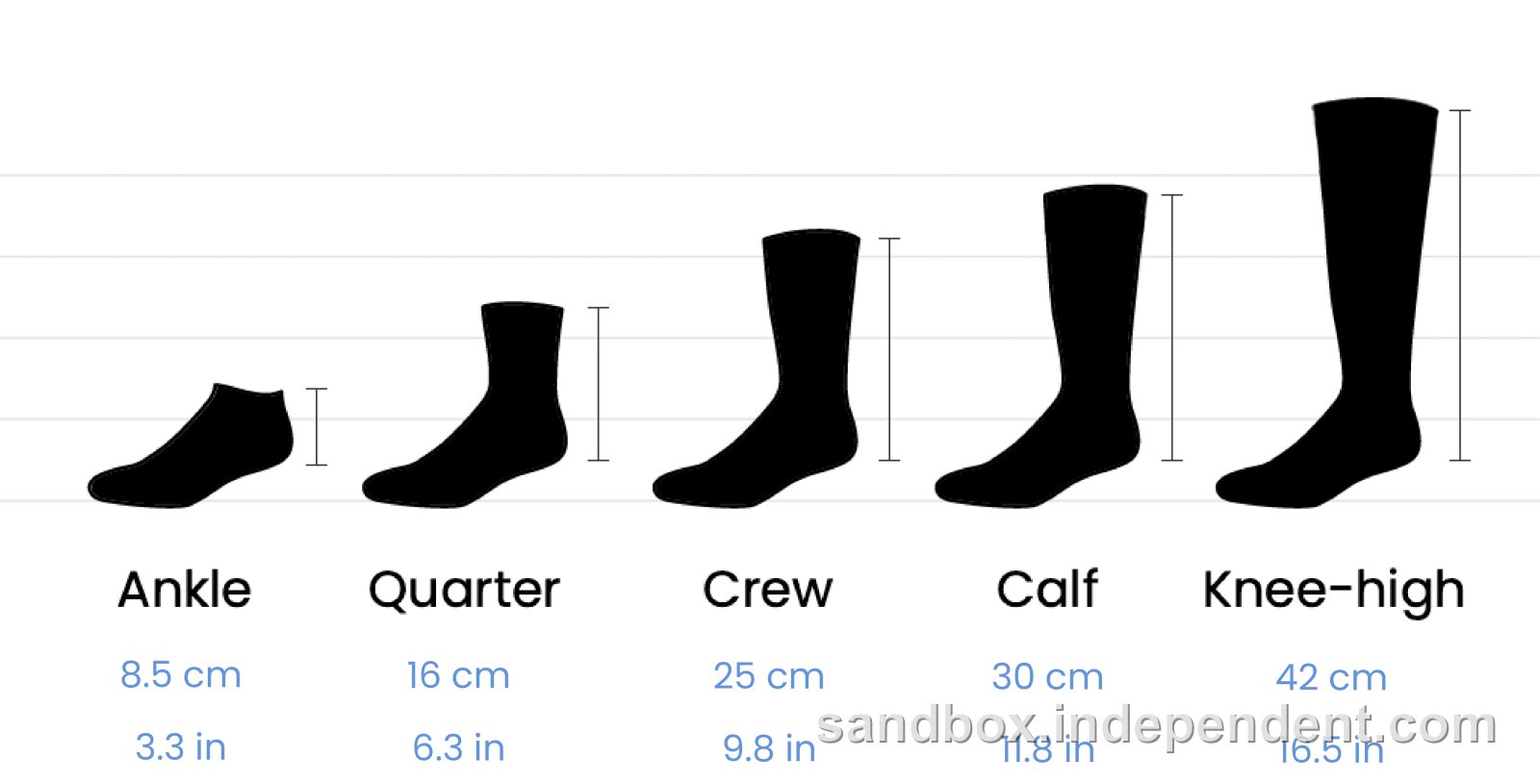
You've found yourself in need of a socks size chart, and who can blame you? It's a simple yet essential tool for ensuring you get the right fit. Whether you're buying socks for yourself or someone else, this chart is your go-to guide. It provides a quick and easy reference, ensuring you don't end up with socks that are too tight or too loose. While the values may vary depending on the brand or region, the socks size chart offers a reliable starting point.
Understanding the Sock Size Chart
The socks size chart is your go-to guide for finding the perfect fit for your feet. It's a simple yet practical tool that ensures your socks hug your feet comfortably and don't leave you with blisters or discomfort. This chart is like a secret code, and once you crack it, you'll never have to guess your sock size again!
Key Details and Categories
The chart typically features two main categories: sock size and shoe size. These are further divided into specific measurements and ranges. For sock size, you'll often see a numerical range, like 3-5, 6-8, and so on. These numbers represent the circumference of your foot, ensuring the sock fits snugly. Shoe size, on the other hand, is a familiar concept, often following standard shoe sizing guidelines.
Choosing the Right Fit: A Step-by-Step Guide
Using the socks size chart is a breeze! First, identify your shoe size. This is usually pretty straightforward, as you likely know your shoe size off the top of your head. Next, match your shoe size to the corresponding sock size on the chart. The chart will guide you to the right sock size, ensuring a perfect fit. It's as simple as that!
If you're buying socks as a gift or for someone with unique foot dimensions, you might need to measure their foot circumference. A simple tape measure will do the trick. Measure the widest part of their foot, and you're good to go!
Common Size Variations and Why They Happen
While the socks size chart is a reliable guide, variations can occur due to several factors. Different manufacturers might use slightly different standards or have unique sizing guidelines. Additionally, the material and construction of the sock can affect its stretch and fit. For instance, a thick, cozy wool sock might have a looser fit compared to a thin, athletic sock.
It's also worth noting that foot size can vary depending on factors like age, height, and even the time of day! Yes, our feet can swell slightly throughout the day, so it's best to measure or refer to the chart in the morning for the most accurate size.
Remember, while the socks size chart provides a great starting point, it's always a good idea to double-check the exact specifications and tolerances, especially for specialized socks or if you have unique foot dimensions. Happy sock shopping!
Well, there you have it! A handy guide to understanding sock sizes and how to use a size chart effectively. Remember, when it comes to sock sizes, there can be slight variations, so always check the specific guidelines or measurements provided by your preferred brand or manufacturer.
It's always a good idea to double-check, as these charts are just a general guide, and you want to ensure a perfect fit. So, take your time, measure up, and find those dream socks! And if you're keen to explore more practical guides and tips, feel free to browse our other articles. We've got you covered!
Related: How to Use the Cerenia Dose Chart?
You're likely here because you need a quick solution or some clarity on how to use the cerenia dose chart effectively. It's a handy tool, often in the form of a table or diagram, designed to make dosing cerenia, an anti-nausea medication, simple and accurate. This chart is a go-to reference for pet owners and vets alike, providing a straightforward guide to ensuring your furry friend gets the right dose. While the values may vary depending on factors like weight and region, the cerenia dose chart offers a reliable starting point for administering this veterinary nausea medication.
Understanding the Cerenia Dose Chart
The cerenia dose chart is a valuable tool for pet owners and veterinary professionals, providing a quick and easy reference guide for administering the antiemetic medication Cerenia. This chart ensures accurate dosing, which is crucial for treating nausea and vomiting in cats and dogs.
Key Details and Units
The chart typically displays two key categories: animal weight and corresponding dose. Weight is usually measured in pounds (lbs) for cats and dogs, with standard weight ranges from a few pounds to over 100 lbs. The dose is presented in milligrams (mg) and often includes both oral and injectable options, depending on the medication's form.
Interpreting the Chart: A Step-by-Step Guide
- Locate your pet's weight on the chart. Ensure you have an accurate and recent weight measurement, as this is the primary factor in determining the correct dose.
- Find the corresponding dose for that weight. The chart will indicate the recommended dose, typically in a range to allow for slight variations. For example, a 20-lb dog might have a dose range of 20-25 mg.
- Administer the medication as directed. Follow the instructions on the medication label, which will specify whether to use the oral or injectable form. Ensure you use the correct form and measure the dose accurately.
- Repeat as needed. The frequency of administration will depend on the medication's instructions and your pet's specific condition. Always consult your veterinarian for guidance on the appropriate dosing schedule.
Variations and Differences
While the cerenia dose chart provides a standard guide, variations can occur due to several factors. Different manufacturers may have slightly different recommendations, so always check the specific medication's label. Additionally, the chart's weight ranges might not cover all pets, especially very small or large breeds. In such cases, consult your veterinarian for precise dosing instructions. Storage and handling tips can also impact the medication's effectiveness, so always follow the storage guidelines to maintain the drug's integrity.
Remember, while the cerenia dose chart is a helpful tool, it's essential to prioritize your pet's health and well-being. Always seek professional advice if you have any concerns or questions about administering medication.
Remember, the Cerenia dose chart is a handy tool, but it's always a good idea to double-check the specifics for your unique situation. Exact dosages and guidelines can vary, so it's best to consult the relevant resources or seek professional advice when needed.
Feel free to explore our other guides; we've got plenty of practical tips and references to help you navigate various topics with ease. Happy learning, and stay informed!