










Aurora Charter Oak For Kids Overview
If you're seeking a quick reference on a specific winery, you've come to the right place. Charter Oak Winery is a name that might ring a bell for wine enthusiasts, and it's no surprise, given their reputation for quality. This winery, known for its attention to detail, offers an extensive wine list, providing an array of choices for any occasion. From the classic oak barrel aging to modern wine production processes, their wines are a true reflection of their dedicated craft.
Charter Oak Winery: A Guide to Understanding the Chart
Charter Oak Winery provides a comprehensive chart that offers valuable insights into their wine production process and the unique characteristics of their wines. This guide will help you decipher the information presented on the chart, ensuring an enjoyable and informed wine-tasting experience.
Key Details and Categories
The chart from Charter Oak Winery covers essential information about their wine offerings. It typically includes details such as the wine region, oak barrel aging duration, and wine production process techniques. Additionally, you'll find notes on the wine's aroma, taste, and texture, providing a sensory guide. Each wine is categorized by its varietal and vintage, offering a snapshot of its unique qualities.
Reading the Chart: A Step-by-Step Guide
To navigate the chart effectively, follow these steps:
Begin by locating the wine you wish to explore. The chart is typically organized by wine name or varietal, making it easy to find your preferred choice.
Once you've identified the wine, pay attention to the wine region it originates from. This provides context for the wine's unique characteristics, influenced by the region's climate and soil.
Take note of the oak barrel aging duration. This process imparts a range of flavors and textures, so understanding the aging time can offer insights into the wine's complexity.
Explore the wine tasting notes section. Here, you'll find detailed descriptions of the wine's aroma, taste, and texture. These notes guide you in appreciating the wine's unique sensory experience.
Finally, consider the wine production process techniques mentioned. Different methods, such as traditional or modern approaches, can influence the wine's overall profile.
Variations and Differences
It's important to note that wine production is an art, and variations can occur due to various factors. Here are some key considerations:
Wine region: Different regions have unique climates and soil compositions, leading to distinct grape characteristics and, consequently, variations in the resulting wine.
Oak barrel aging: The duration and type of oak barrels used can significantly impact the wine's flavor and texture. Longer aging periods often result in more complex and robust flavors.
Wine production process: Winemakers may employ different techniques, such as traditional or innovative methods, which can influence the wine's style and character.
Vintage: Each vintage year brings its own set of weather conditions and grape qualities, leading to unique wines within the same varietal.
Common Mistakes and How to Avoid Them
To ensure an accurate understanding of the chart and wine characteristics:
Avoid assuming that all wines from a specific region taste identical. Each wine region has diverse sub-regions, each with its own unique attributes.
Don't neglect the importance of oak barrel aging. The duration and type of oak used can significantly impact the wine's flavor profile, so pay attention to these details.
Be mindful of the wine production process techniques. Understanding the winemaker's approach provides context for the wine's style and character.
Remember that vintage variations are natural and can lead to unique wine experiences, even within the same winery and varietal.
Well, there you have it! A comprehensive guide to Charter Oak Winery and its unique offerings. Remember, when it comes to wine, context is key. So, be sure to consider your specific needs and preferences before making any decisions.
Feel free to explore our other guides and resources; we've got a wealth of information to help you navigate the world of wine with ease and confidence. Happy browsing, and cheers to your next wine adventure!
Related: Understanding Edison Charter SF: A Quick Guide
Many people often mistake Edison Charter SF for just another educational chart or table, but it's so much more than that. Edison Charter SF is a powerful tool, a comprehensive guide that offers a unique insight into the world of education, specifically within the San Francisco context. This reference is designed to provide a clear overview, helping users navigate and understand the performance and standards of schools, with a focus on the Edison Charter School and its rankings. While the values and metrics may vary, this chart offers a reliable starting point for anyone seeking to make informed educational choices.
Edison Charter SF: A Snapshot of Educational Excellence
Edison Charter SF offers a unique educational journey, and understanding its performance is key. This chart provides a concise overview, showcasing its strengths and areas of focus. Let's explore how to interpret this data effectively.
Comparing Key Metrics and Standards
The chart compares Edison Charter SF's performance against regional benchmarks and charter school averages. It covers a range of indicators, including student achievement, academic growth, and parent satisfaction. These metrics are essential for evaluating the school's overall effectiveness. When reading the chart, note that measurements may vary based on the specific standards and frameworks used.
Step-by-Step Guide: Interpreting the Data
To navigate this chart effectively, follow these steps:
Begin by identifying the key indicators. These are typically highlighted or labeled clearly.
Compare the values against the regional benchmarks. A quick glance will show how Edison Charter SF performs relative to other schools in the area.
Look for trends. Are there consistent strengths or areas for improvement? This provides insights into the school's focus and strategies.
Consider the context. Understand the unique aspects of Edison Charter SF's curriculum and mission to interpret the data accurately.
Use the chart as a starting point. It offers a snapshot, but for detailed insights, refer to the school's official reports and student achievement data.
Avoiding Common Misinterpretations
While the chart is a valuable tool, it's essential to be aware of potential pitfalls:
Avoid over-simplifying. Each indicator has its nuances, and a holistic view is crucial.
Be mindful of variations. SF education standards and assessment methods can change, impacting the data. Stay updated on any shifts.
Understand the limitations. The chart provides a broad overview; for specific details, consult the school directly.
Key Factors Influencing Accuracy
Several factors influence the accuracy and real-world application of this chart:
Charter school performance metrics can vary based on the student population and curriculum. Consider the school's unique context.
Regional benchmarks may not always align with national or international standards. Be aware of these differences when comparing.
Data collection methods and assessment tools can impact results. Ensure you understand the methodologies used.
Finally, stay informed about any recent developments or initiatives that may influence Edison Charter SF's performance.
Remember, while this guide provides a solid framework, every situation is unique. Exact details may differ slightly, so it's always good to double-check and adapt to your specific needs.
Consider bookmarking this page for future reference; it's a handy tool to have at your fingertips when you need a quick reminder. You'll find many more practical guides like this one, so feel free to explore and discover the ones that resonate with you!
Related: Understand Aurora Charter Oak: A Quick Guide
You're here, probably with a Aurora Charter Oak chart in front of you, seeking a quick understanding of its purpose and how to use it effectively. This practical tool, often in the form of a chart or diagram, provides valuable insights into oak tree growth and care. It offers a simple yet effective way to track and manage the health of your oak trees, ensuring they thrive and reach their full potential.
Understanding the Aurora Charter Oak Chart
The Aurora Charter Oak chart is a handy reference tool for anyone interested in oak tree care and growth. It provides a visual representation of the typical growth patterns and sizes of charter oak trees, offering a quick guide to their development. This chart is particularly useful for tree enthusiasts, gardeners, and arborists who want to monitor and understand the growth of these majestic trees.
Comparing Growth Categories and Standards
The Aurora Charter Oak chart categorizes tree growth based on two key measurements: trunk diameter and height. These measurements are essential as they indicate the overall size and maturity of the tree. The chart presents these categories in a clear, easy-to-read format, typically using a color-coded system to distinguish different growth stages.
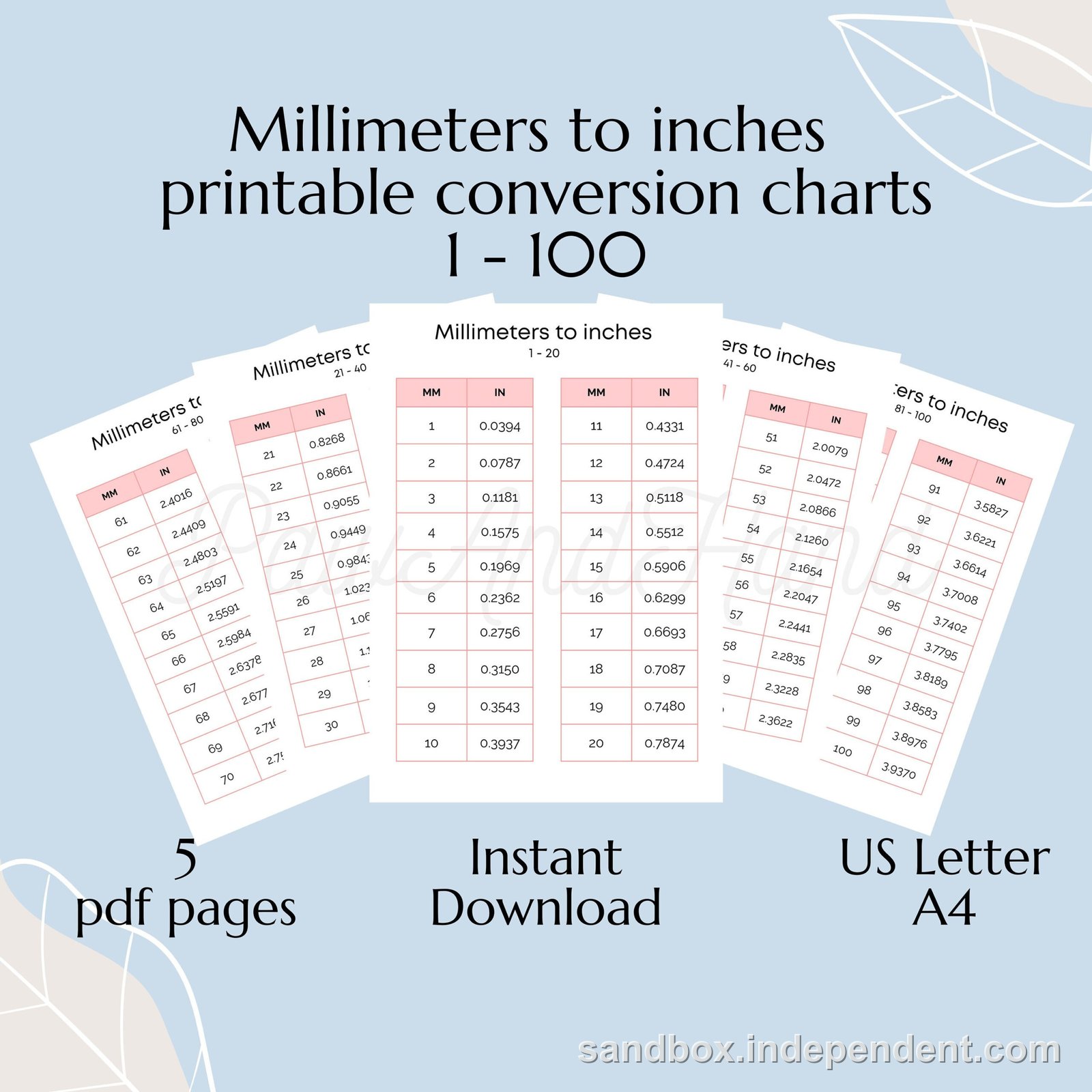
When referring to the chart, you'll notice that trunk diameter is measured in inches or centimeters, depending on the standard being used. This measurement is taken at a standard height of 4.5 feet (or 1.37 meters) above the ground, known as the diameter at breast height (DBH). The height, on the other hand, is measured in feet or meters, representing the total height of the tree from the ground to its highest point.
Step-by-Step Guide to Using the Chart
Using the Aurora Charter Oak chart is straightforward and can be done in three simple steps:
Measure your charter oak tree's trunk diameter at breast height (DBH). This measurement should be taken with a measuring tape or calipers at a height of 4.5 feet above the ground.
Find the corresponding trunk diameter value on the chart. The chart will typically have a scale or legend indicating the diameter ranges.
Once you've identified the trunk diameter, follow the row or column to find the tree's estimated height. The chart will provide a range of heights associated with that diameter, giving you a good indication of your tree's size and growth stage.
Avoiding Common Misreadings and Pitfalls
While the Aurora Charter Oak chart is a valuable tool, it's important to keep in mind a few potential pitfalls:
The chart provides a general guide and may not account for every unique growth pattern. If your tree's growth seems significantly different from the chart's predictions, it's worth consulting an arborist for a more detailed assessment.
Always ensure you're using the correct standard for your region. Different countries and organizations may use different units or measurement protocols, so double-check to ensure accuracy.
Remember that tree growth is influenced by various factors, including soil quality, climate, and care practices. The chart offers a typical growth pattern, but your tree's growth may vary based on these environmental factors.
By understanding these potential variations and using the chart as a guide rather than a rigid rule, you can accurately interpret the Aurora Charter Oak chart and gain valuable insights into the growth and care of these beautiful trees.
Hey there! I hope this guide has been helpful and easy to follow. Remember, when it comes to Aurora Charter Oak, it's all about finding the right fit for your needs. The chart and steps provided should give you a solid foundation, but it's always a good idea to double-check the specific requirements and context for your project.
So, before you wrap up, take a moment to ensure you've covered all the bases. And don't forget to bookmark this page; it'll be a handy reference for future adventures with Aurora Charter Oak. Happy charting!