








Understanding the Infant Shoe Chart
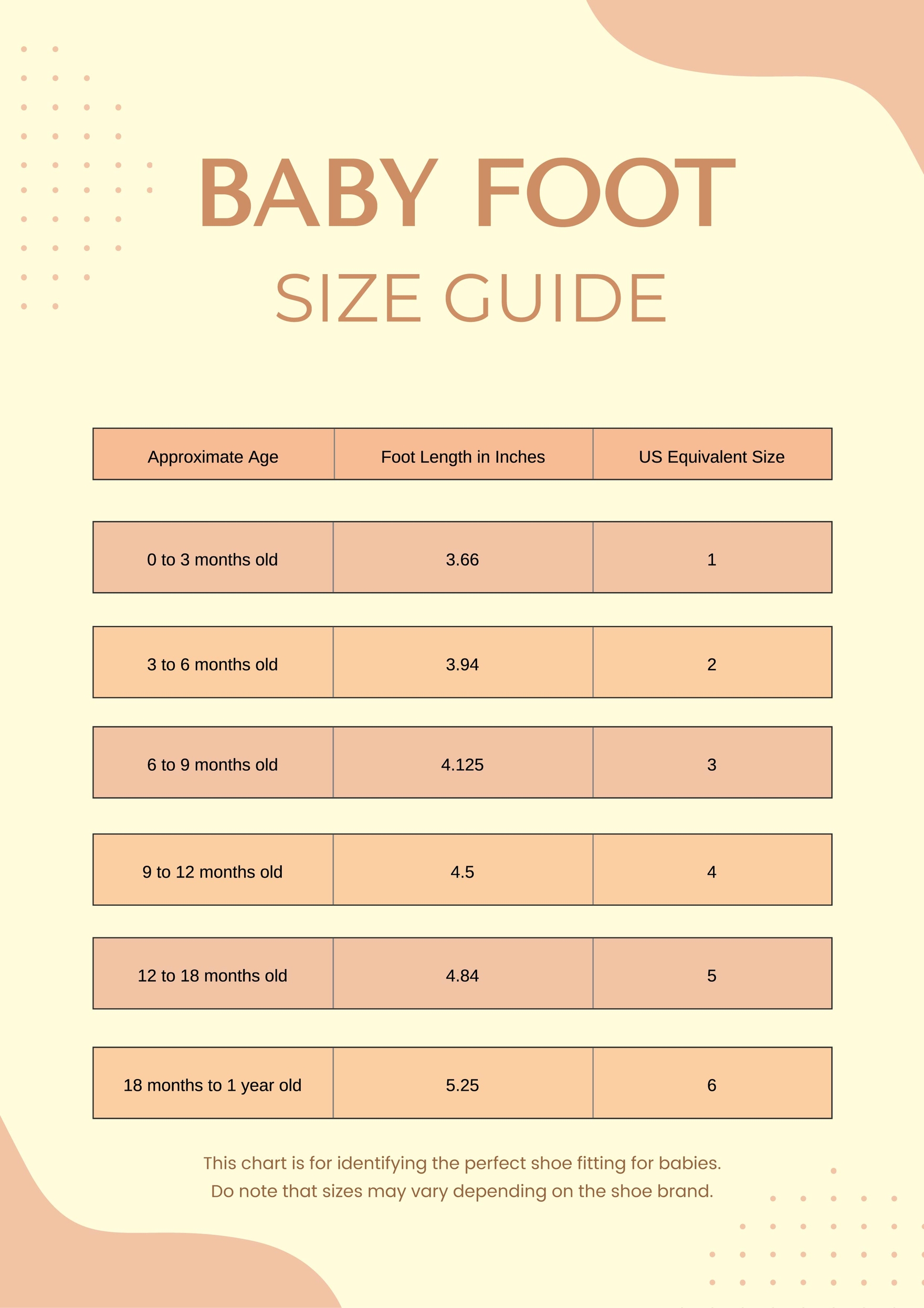
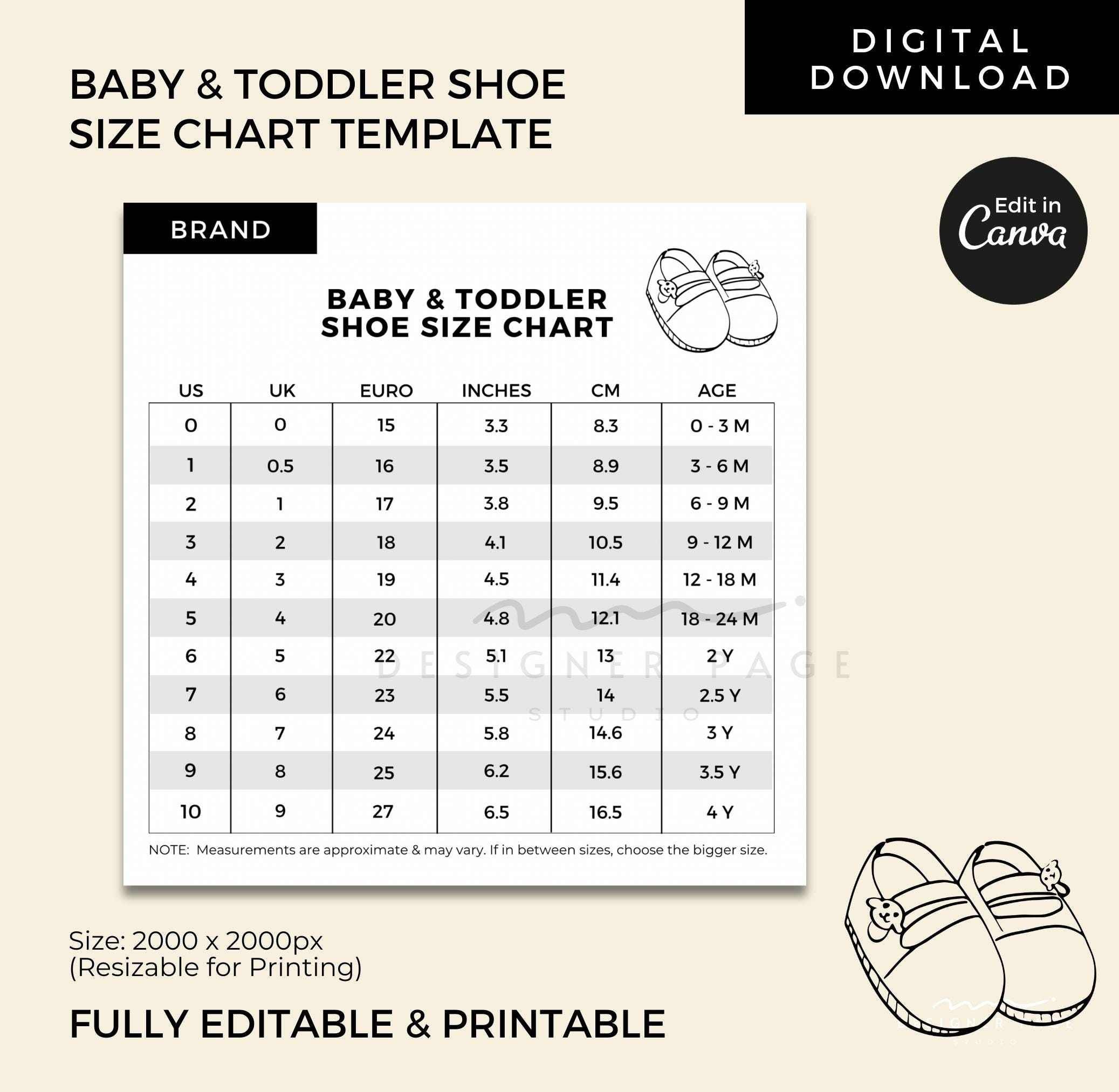
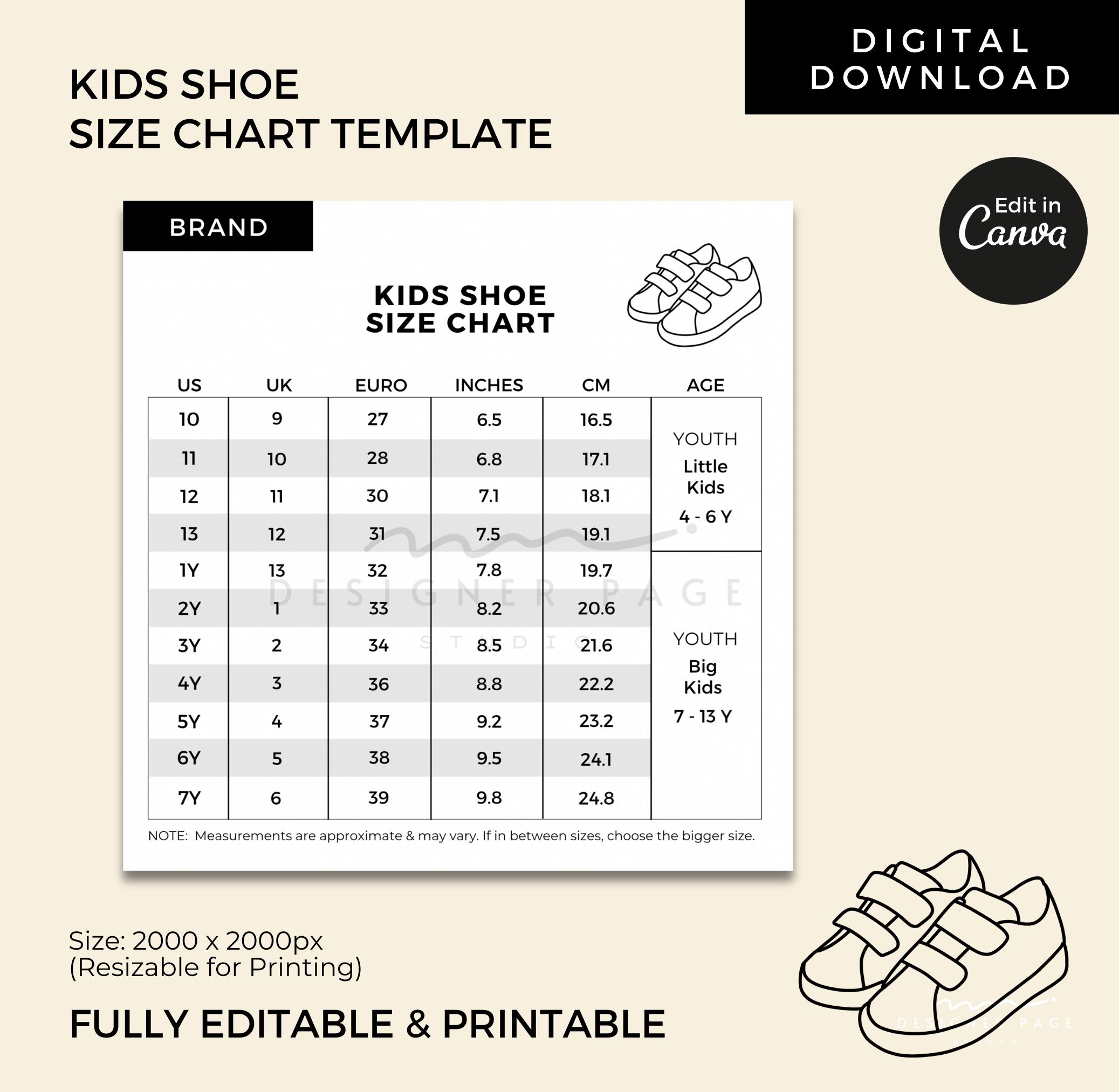
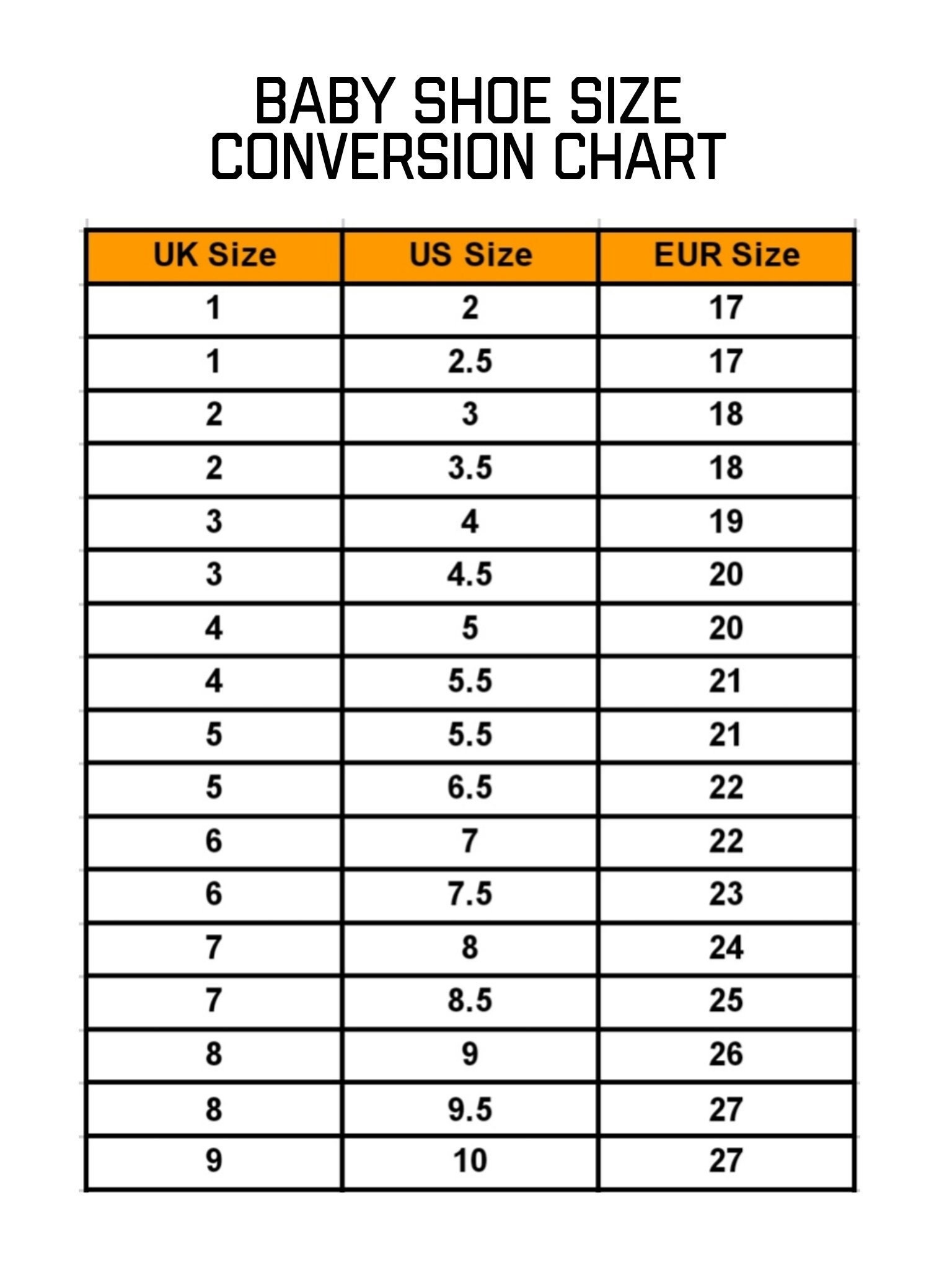
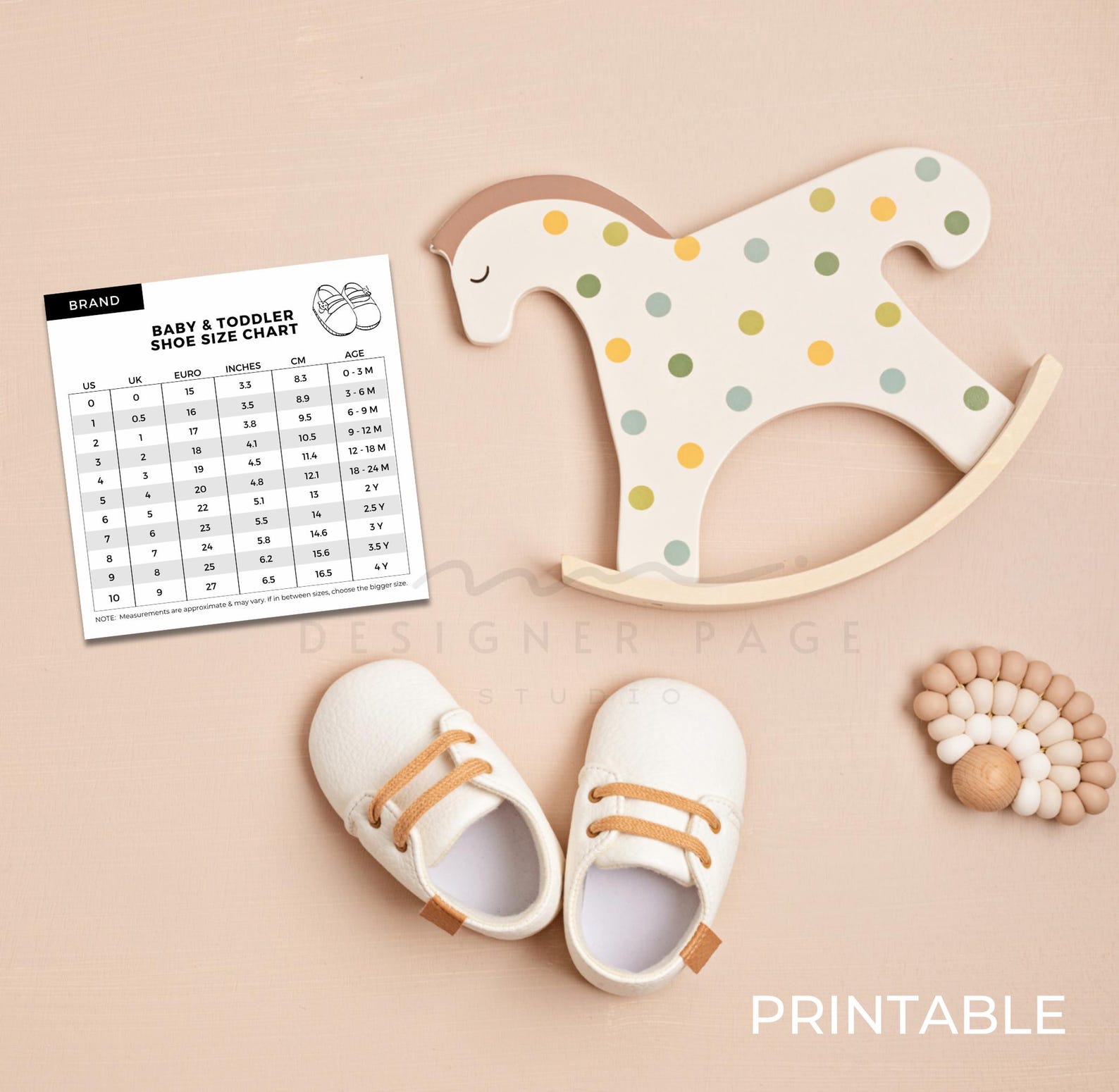
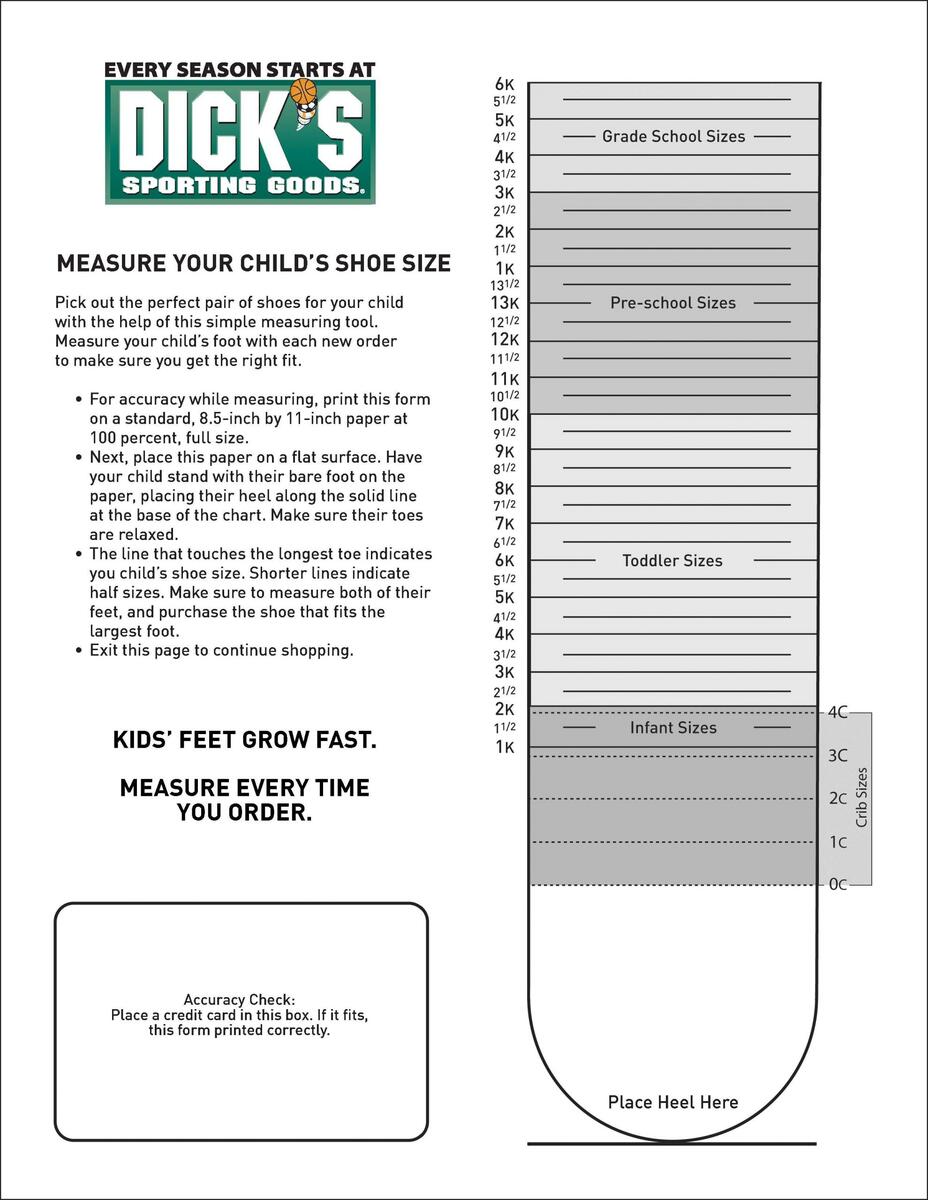
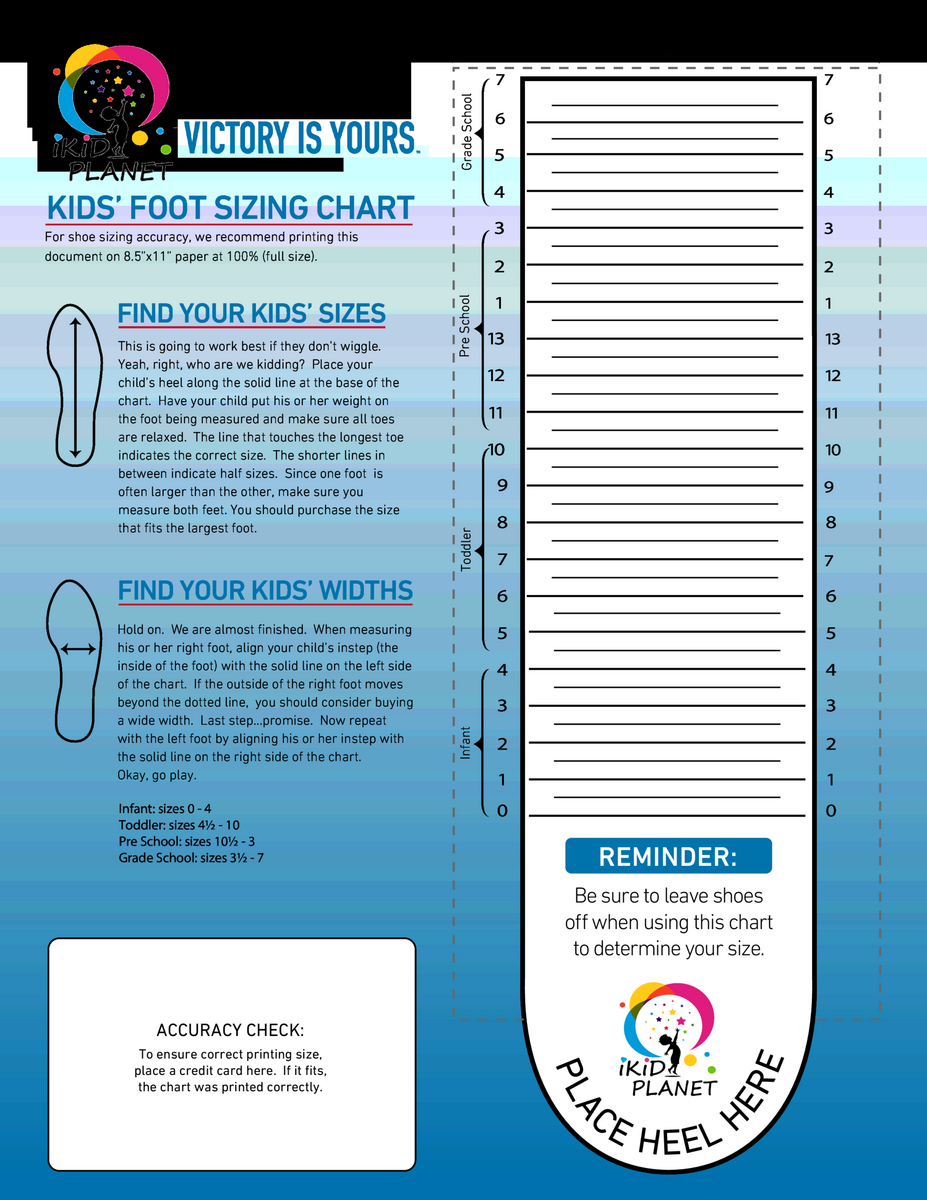
The infant shoe chart is your go-to guide for finding the perfect shoe size for your little one. It's a simple yet effective tool that ensures your baby's shoes fit comfortably and safely. This chart is a reference point, a map to navigate the world of tiny shoe sizes!
Key Details and Categories
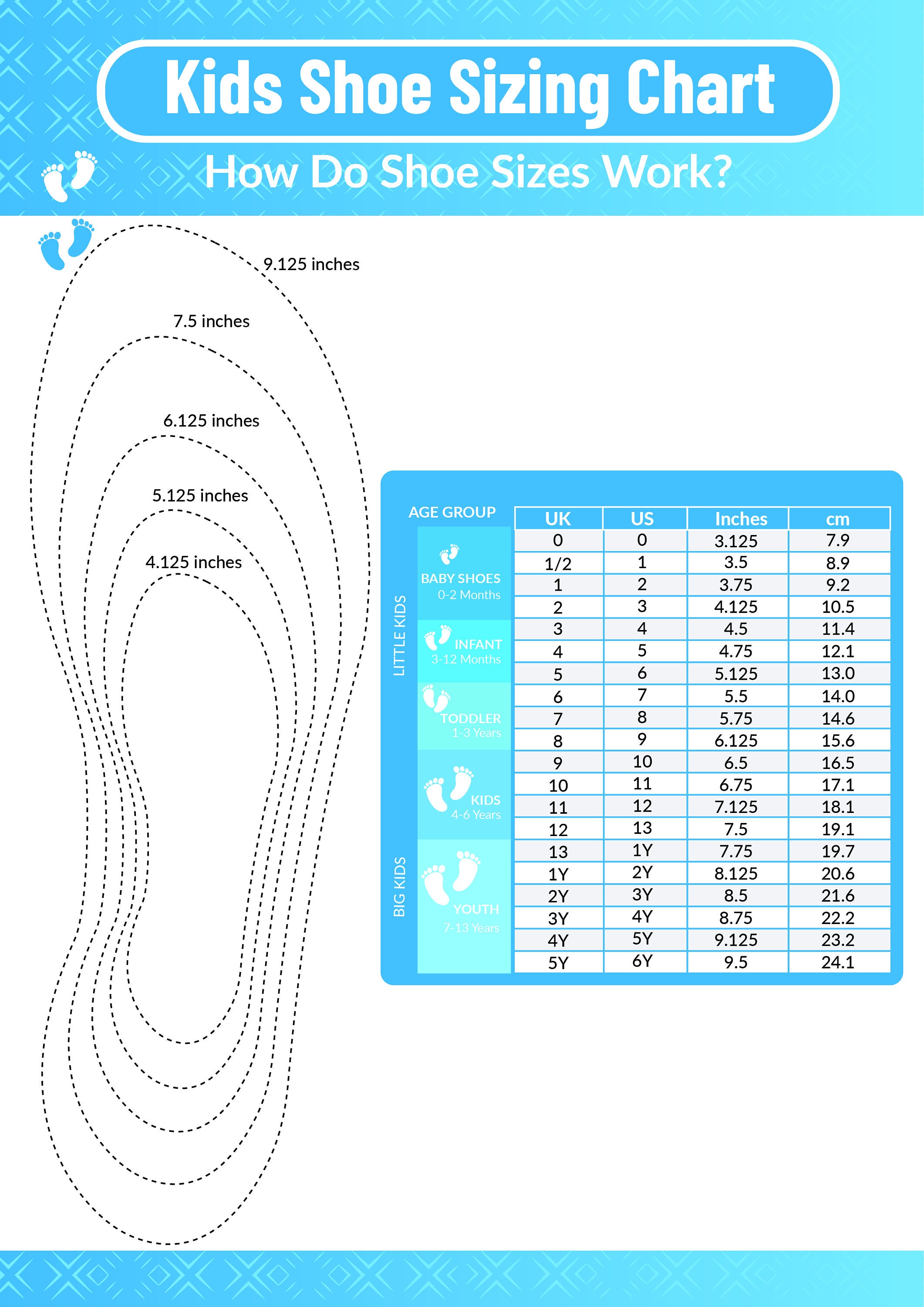
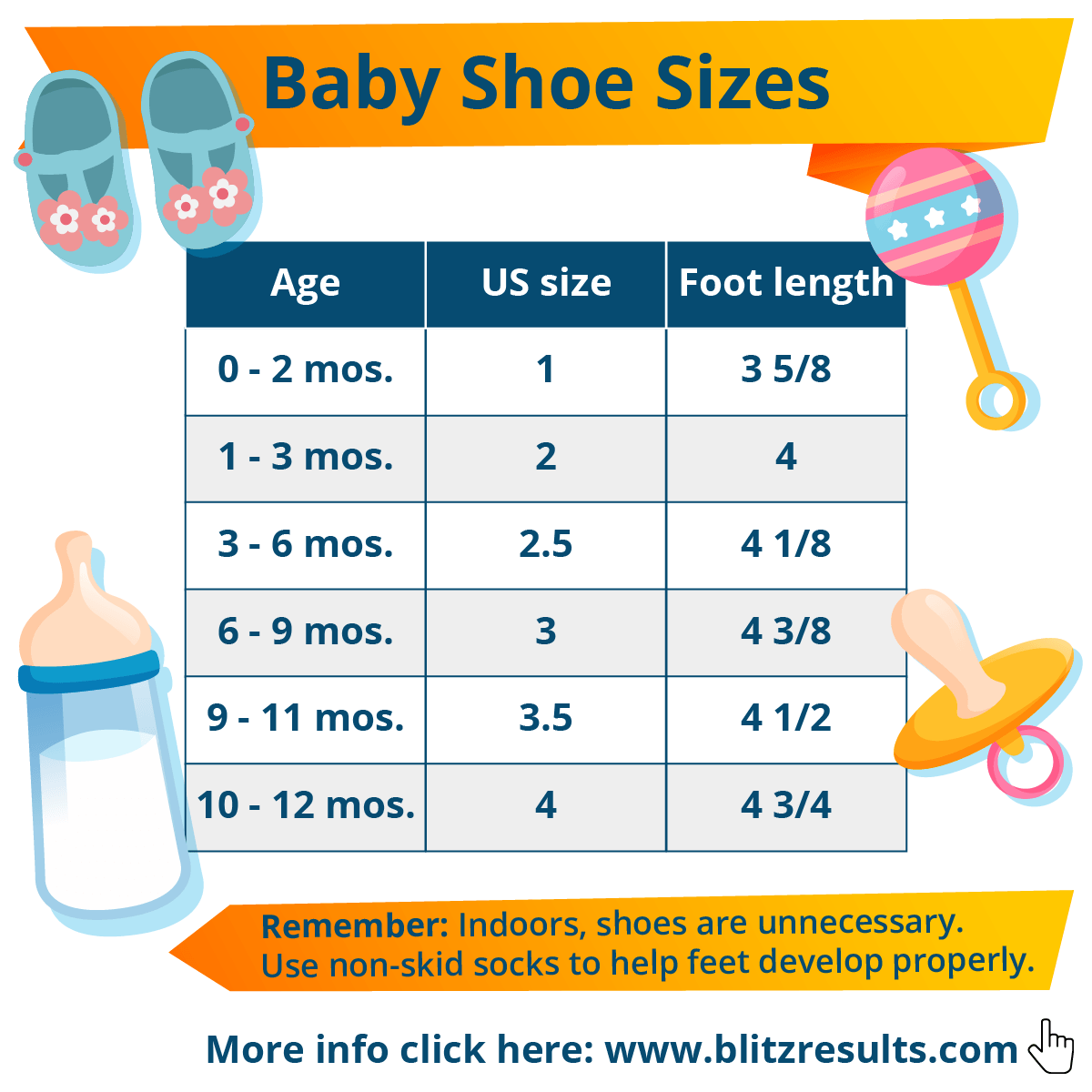
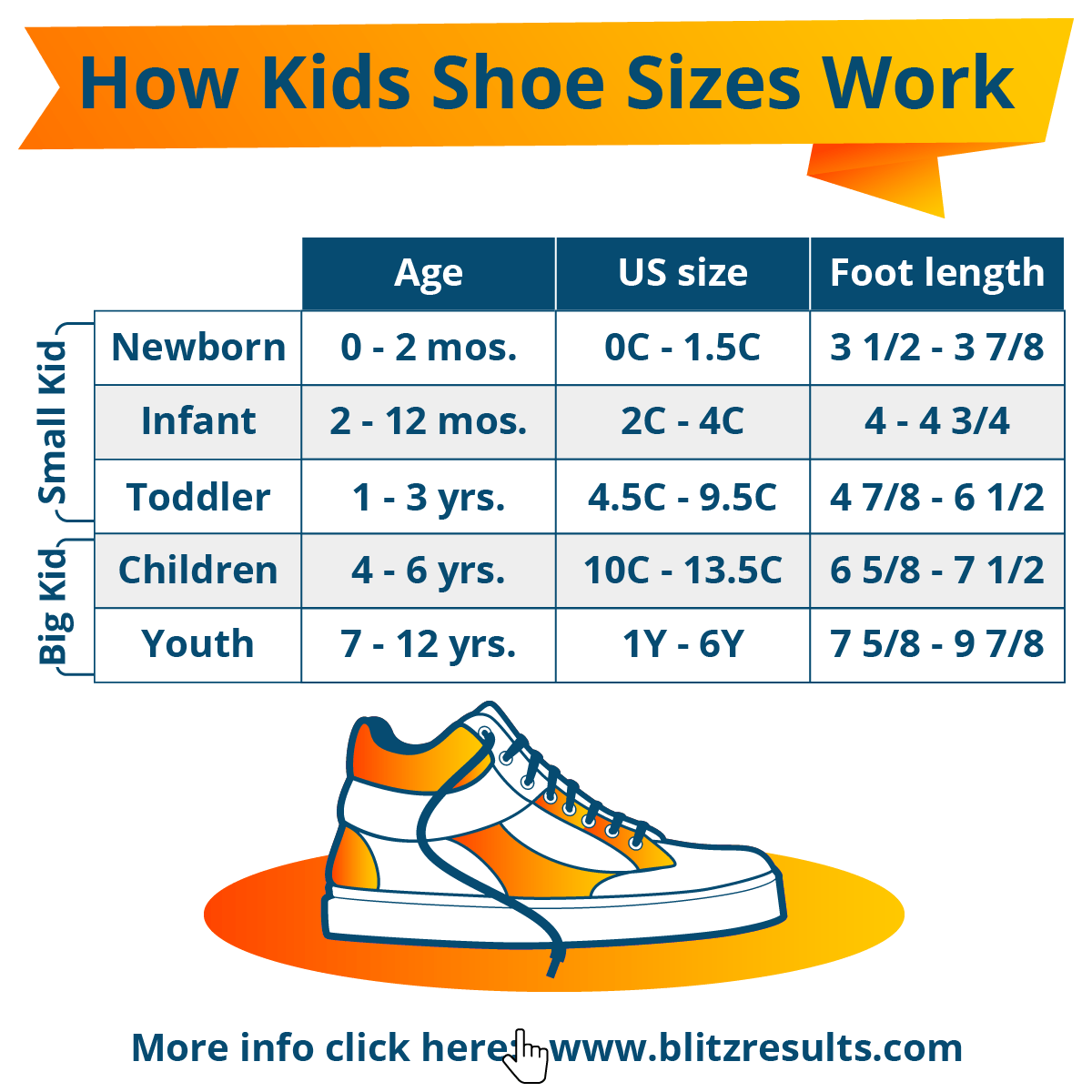
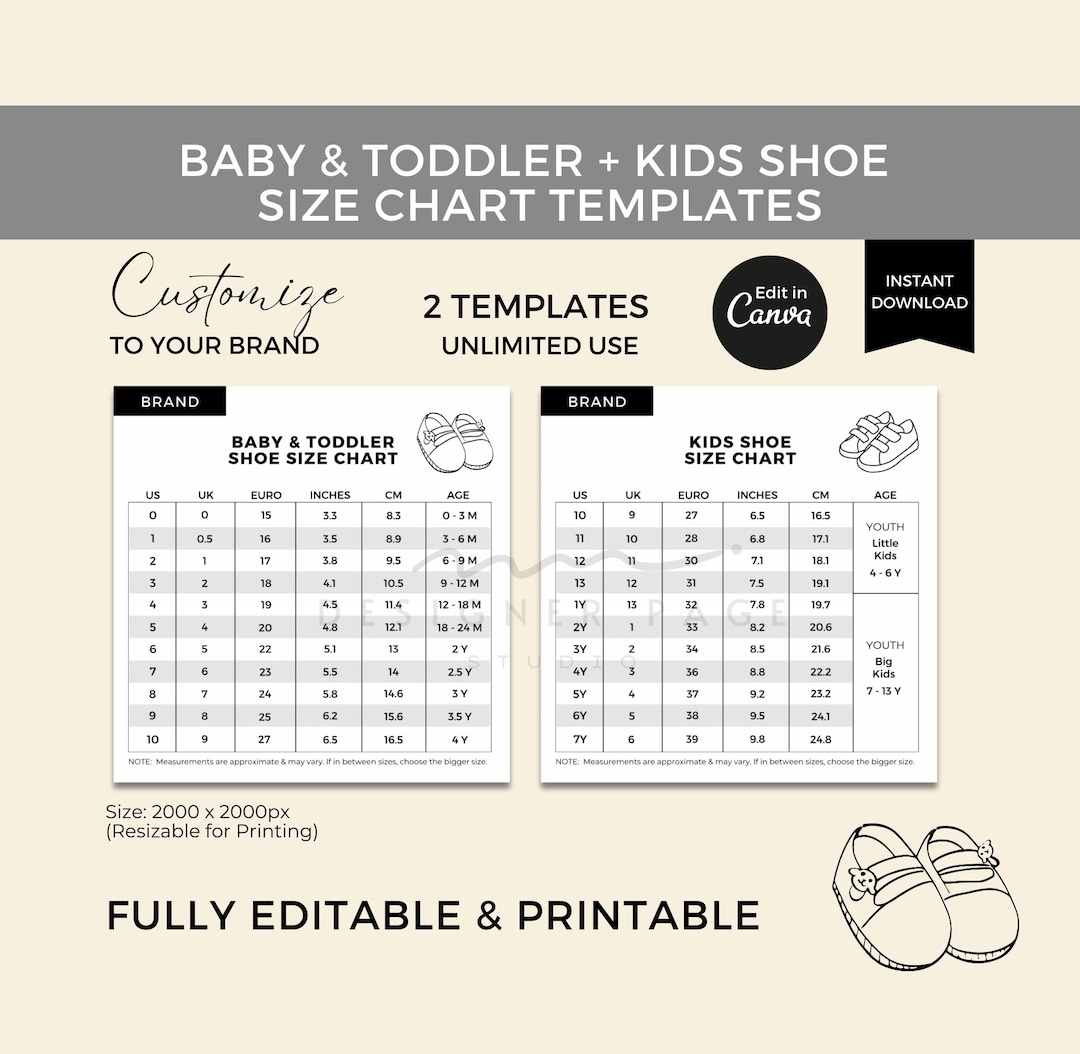
Let's break down the basics. The infant shoe chart typically displays two main categories: shoe size and foot length. Shoe sizes are often represented by numbers or letters, depending on the standard you're using. For example, US infant shoe sizes might use numbers like 1, 2, or 3, while European shoe sizes might use letters like 16, 17, or 18. Alongside these sizes, you'll find the corresponding foot length, usually measured in centimeters (cm). This length represents the ideal foot size for that particular shoe size.
Step-by-Step Guide: Reading the Chart
Here's a simple guide to reading and using the infant shoe chart:
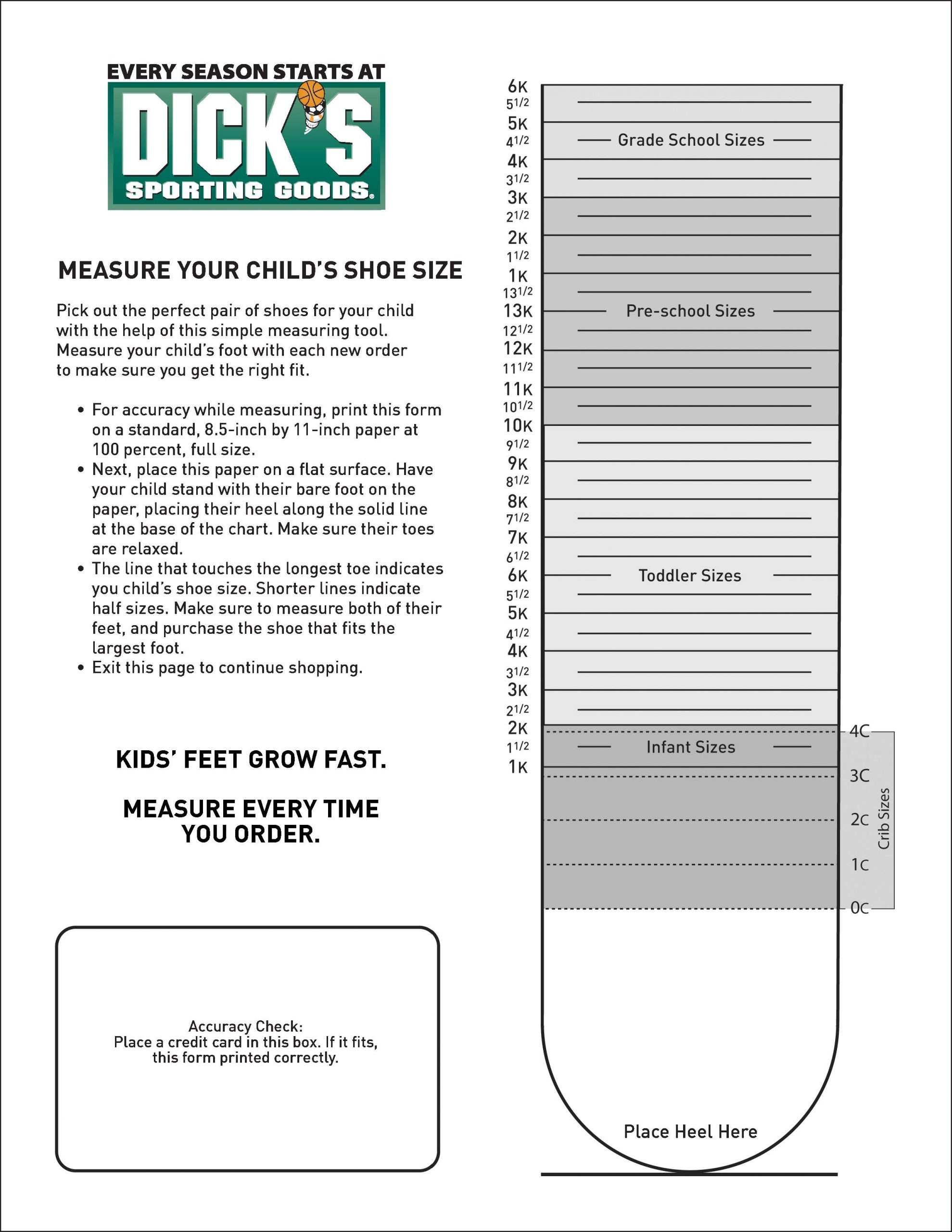
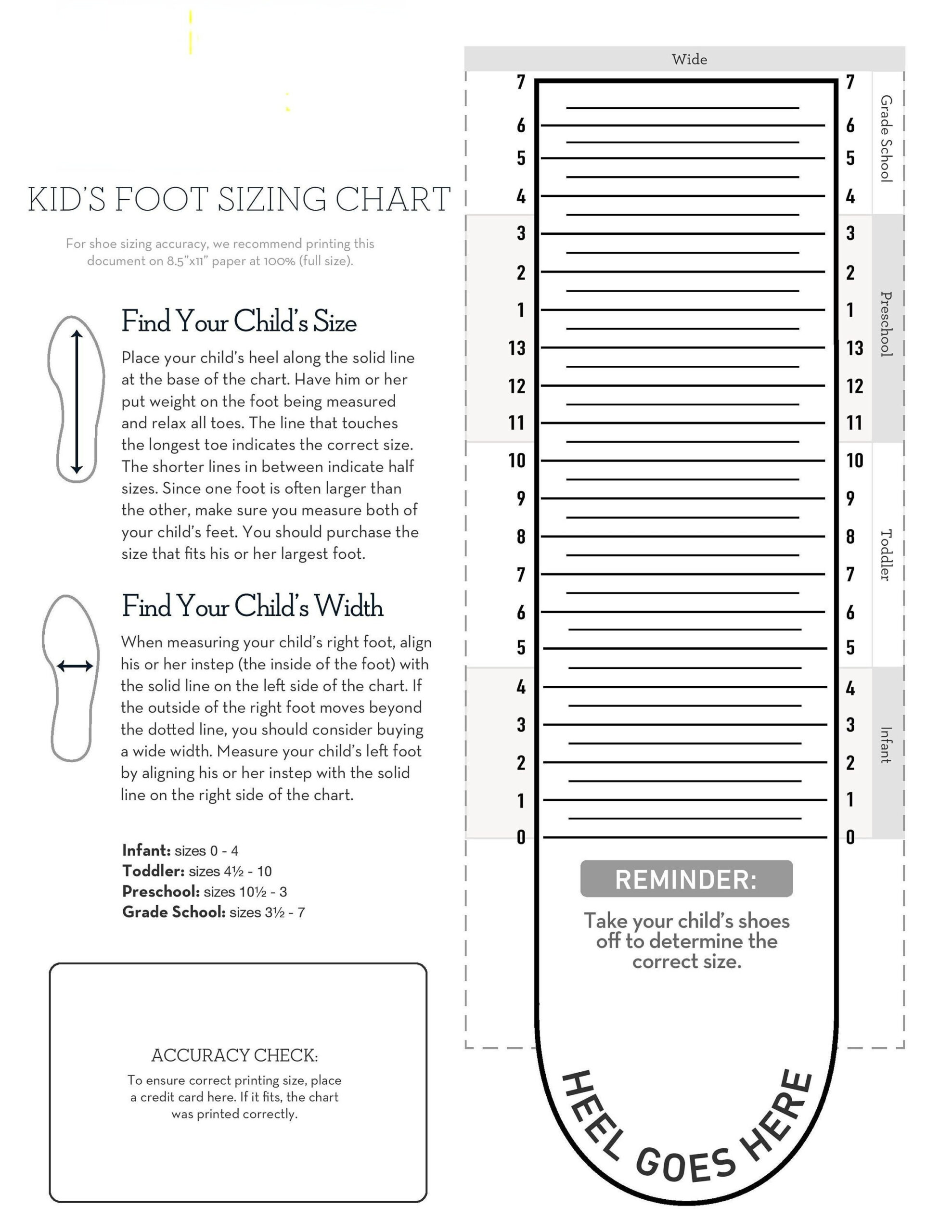
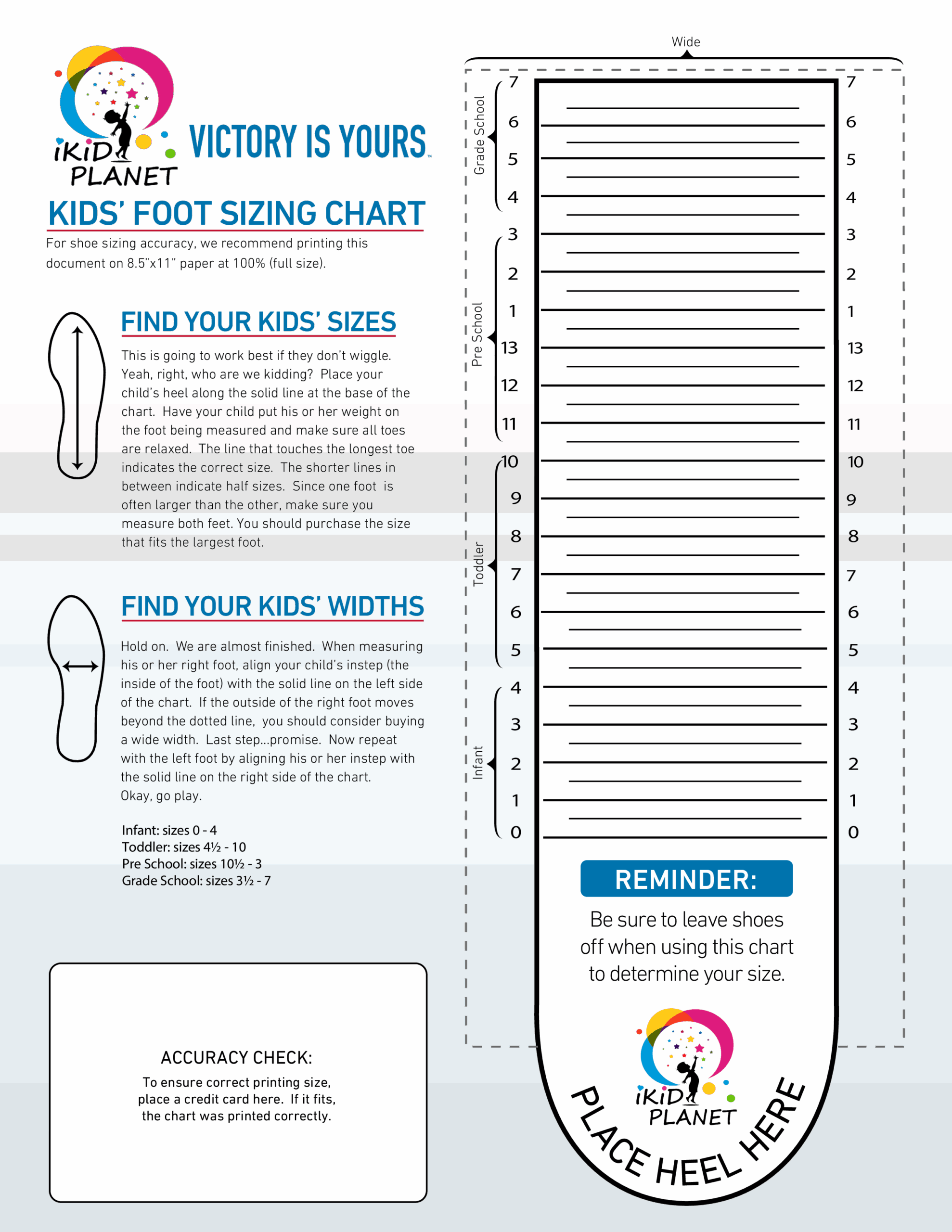
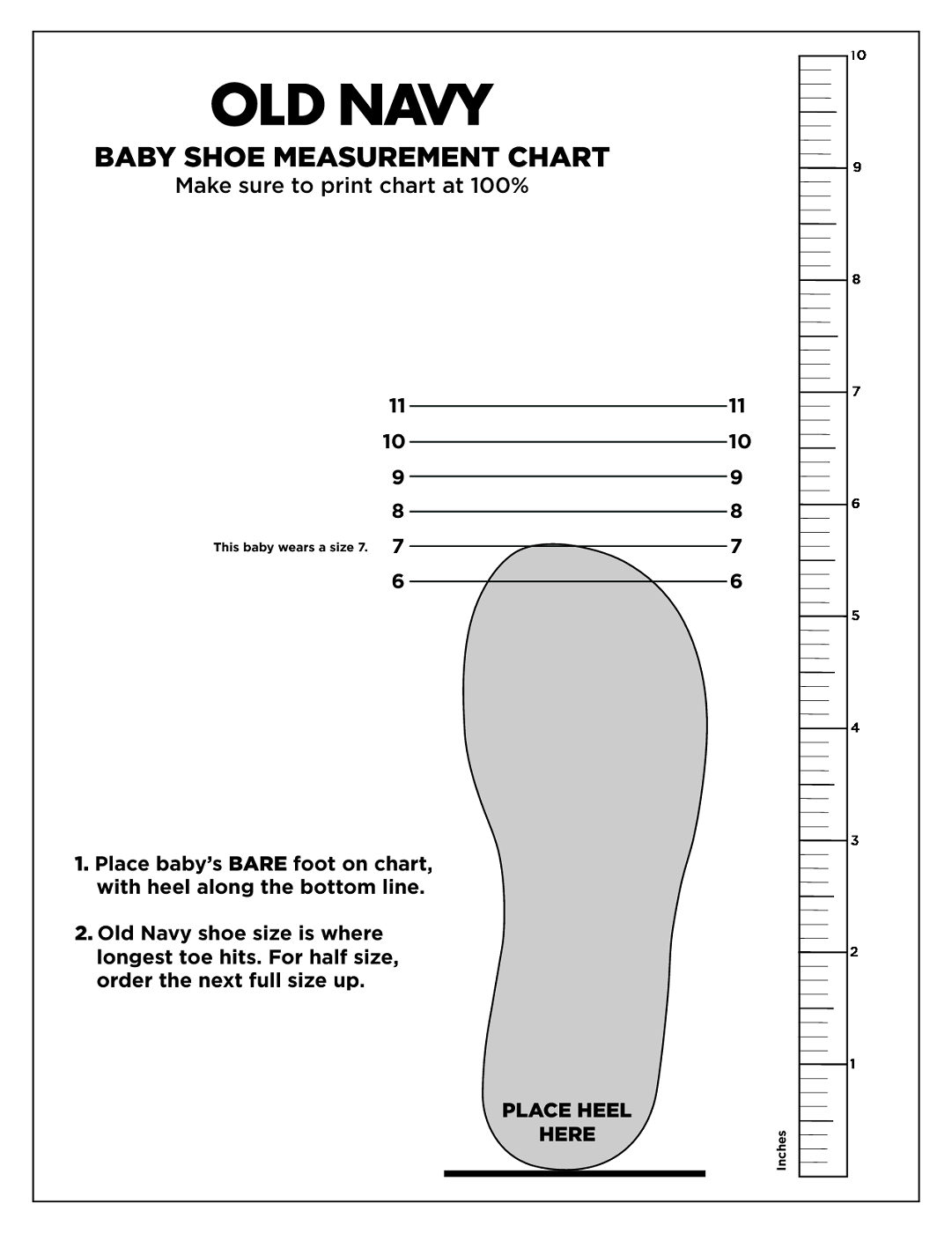
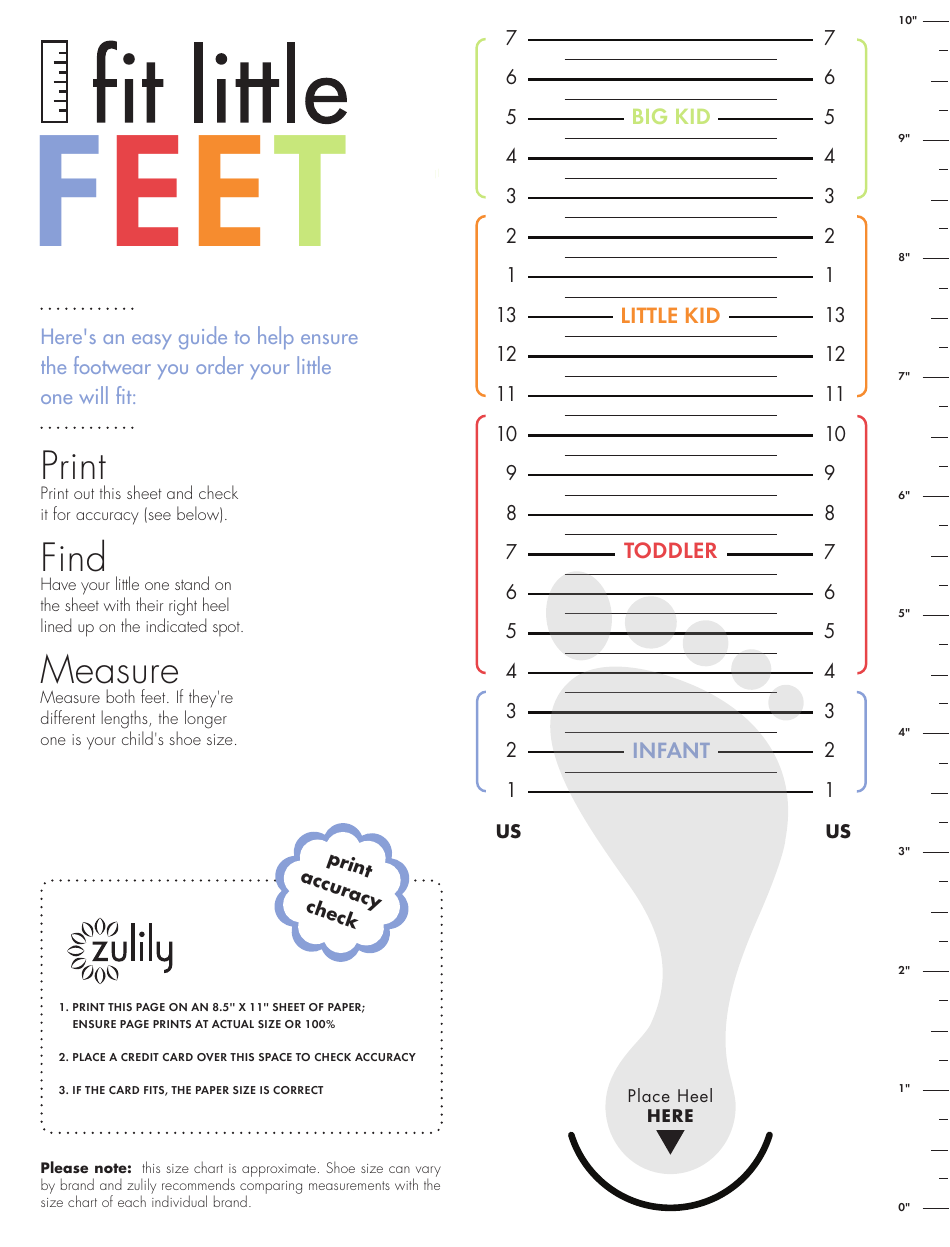
Measure your baby's foot length accurately. You can do this by placing their foot on a flat surface and measuring from the heel to the tip of their big toe.
Convert this measurement to centimeters if it's not already.
Locate the measured foot length on the chart.
Find the corresponding shoe size. This is the recommended size for your baby's foot.
If you're between sizes, it's generally better to go up to the next size to ensure comfort and allow room for growth.
Size Variations and Differences
It's important to note that shoe size charts can vary slightly depending on the brand or manufacturer. Some brands might have slightly different standards or measurements, especially when it comes to the width of the shoe. Additionally, regional differences can also impact the chart's measurements. For instance, US infant shoe sizes might differ slightly from international or metric standards. Always double-check the specific brand's or region's guidelines to ensure an accurate fit.
Common Mistakes and How to Avoid Them
One common mistake is assuming that all shoe size charts are the same. As mentioned, variations exist, so it's crucial to refer to the right chart for the brand or region you're shopping in. Another mistake is not measuring your baby's foot accurately. Ensure you get an exact measurement, as even a small difference can impact the fit. Finally, don't forget to consider the width of your baby's foot. Some brands offer different widths for the same length, so pay attention to this detail to ensure a comfortable fit.
Practical Tips for Accurate Sizing
When using the infant shoe chart, keep these tips in mind:
Measure your baby's feet regularly, especially during their first year, as they grow rapidly.
Always allow some room for growth. A slightly larger size is better than a tight fit.
Consider the type of shoe and its intended use. For example, boots might require a different fit compared to sandals.
If you're shopping online, ensure the website provides detailed size guides and conversion charts specific to their brand.
Don't forget to check the width of the shoe, especially if your baby has wider or narrower feet.
Remember, the infant shoe chart is a valuable tool, but it's always a good idea to double-check and ensure the perfect fit for your little one's growing feet!
Well, there you have it! A handy guide to navigating the world of infant shoe sizing. Remember, while this chart provides a great starting point, it's always wise to consider your unique circumstances.
So, before you hit the stores, take a moment to ensure you've got all the right measurements and any specific requirements for your little one's feet. It's a simple step that can save you time and ensure a perfect fit. And don't forget, you can always bookmark this page for a quick refresh when needed. Happy shopping!