







Aurora Charter Oak Template Overview
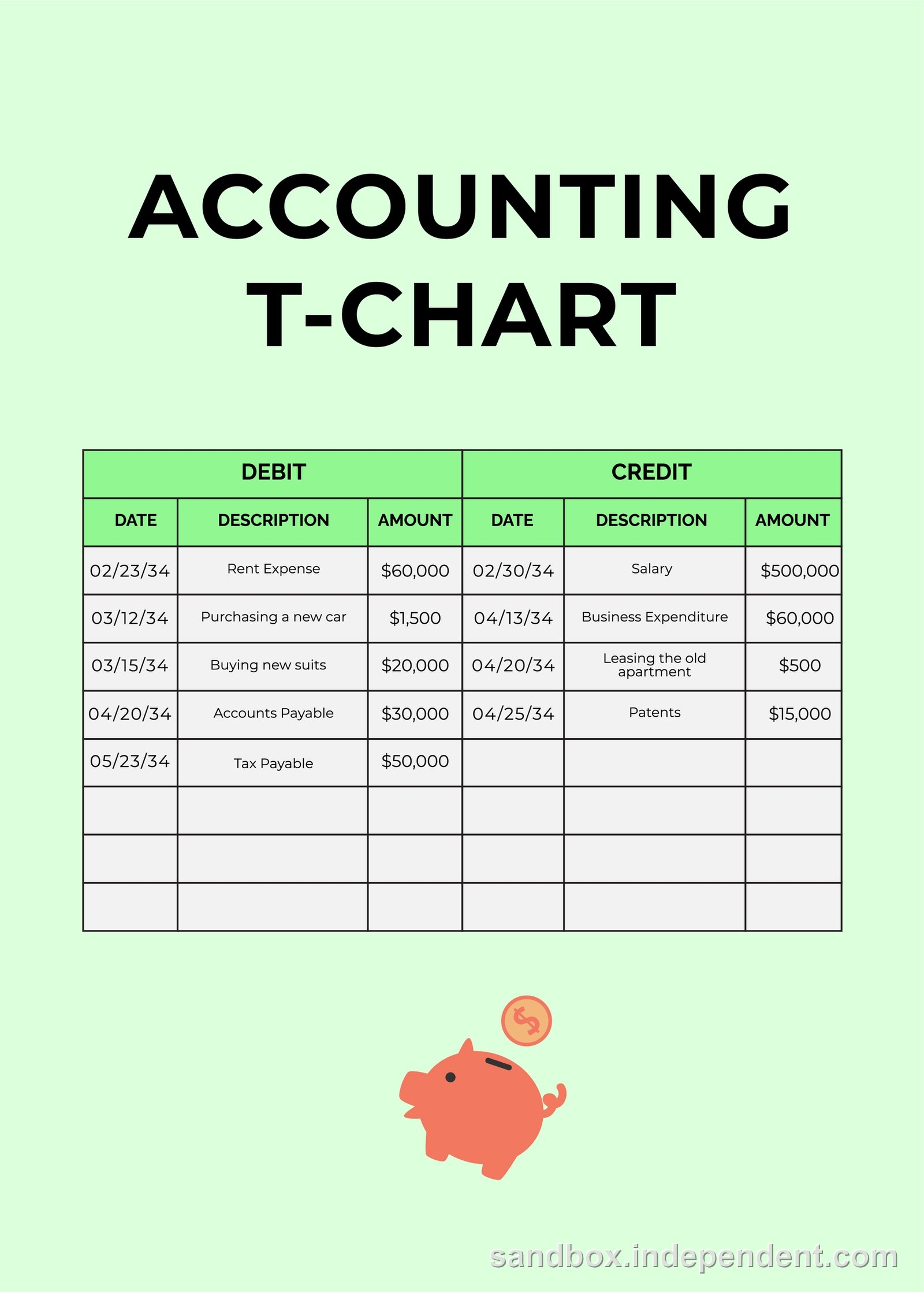
Many people often mistake cox and charter for being interchangeable terms, but they are, in fact, distinct concepts with specific applications. Cox and charter, a reference table, offers a clear and organized way to understand and utilize a set of standards and measurements. It provides a visual guide, ensuring accuracy and consistency, which is crucial for various practical purposes.
Understanding the Cox and Charter Chart
The cox and charter chart is a valuable reference tool, providing a visual representation of standard measurements and categories. It offers a quick and easy way to compare and understand various specifications, making it an essential guide for professionals and enthusiasts alike. This chart is particularly useful when dealing with complex systems or processes that involve multiple variables.
Comparing Options: Cox vs. Charter
The cox and charter chart presents two primary categories: Cox and Charter. Each category has its own set of measurements and specifications, allowing for a clear comparison. The Cox category often represents a more traditional or established standard, while Charter offers an alternative, sometimes with modern adaptations. The chart provides a side-by-side view, making it simple to identify the differences and choose the most suitable option for a given application.
Step-by-Step Guide to Using the Chart
- Identify the Category: Begin by determining whether your specific application falls under the Cox or Charter category. This initial step is crucial as it sets the foundation for accurate interpretation.
- Locate the Relevant Measurements: Once you've identified the category, locate the corresponding measurements or specifications on the chart. These measurements are typically presented in a clear, tabular format, making it easy to find the values you need.
- Interpret the Data: The chart provides a range of values for each measurement. Understand the context and purpose of your application to interpret these values accurately. Consider any specific requirements or tolerances that may apply to your project.
- Apply the Information: With the relevant measurements in hand, you can now apply this knowledge to your project. Whether it's selecting the right components, calculating dimensions, or making informed decisions, the cox and charter chart ensures you have the necessary data to proceed with confidence.
Common Misreadings and How to Avoid Them
While the cox and charter chart is designed for simplicity, misreadings can occur. One common mistake is failing to consider the specific standard being used. Remember, measurements and categories may vary depending on the standard, so always double-check the applicable standard for your project. Another pitfall is assuming the chart covers every possible scenario. While it provides a comprehensive overview, there may be exceptions or unique cases that require additional research or consultation with experts.
Factors Affecting Accuracy and Real-World Use
The accuracy of the cox and charter chart relies on several key factors. Firstly, the chart's effectiveness depends on staying up-to-date with the latest standards and specifications. Regular updates ensure the chart remains relevant and accurate. Secondly, the chart's applicability varies across industries and regions. What may be standard in one field might differ in another, so understanding the specific context is essential. Lastly, while the chart provides a valuable reference, it is always beneficial to cross-reference with other resources or seek expert advice for complex or critical applications.
Remember, while this guide provides a solid framework, the specifics may shift based on your unique context. Every situation is different, so adapt these principles to fit your needs.
Feel free to explore our other guides, where you'll find a wealth of practical information and tips to enhance your understanding and skills. We've got you covered, whether you're seeking more comparisons, step-by-step guides, or insights into potential pitfalls. Happy learning!
Related: Understanding Edison Charter SF: A Quick Guide
Many people often mistake Edison Charter SF for just another educational chart or table, but it's so much more than that. Edison Charter SF is a powerful tool, a comprehensive guide that offers a unique insight into the world of education, specifically within the San Francisco context. This reference is designed to provide a clear overview, helping users navigate and understand the performance and standards of schools, with a focus on the Edison Charter School and its rankings. While the values and metrics may vary, this chart offers a reliable starting point for anyone seeking to make informed educational choices.
Edison Charter SF: A Snapshot of Educational Excellence
Edison Charter SF offers a unique educational journey, and understanding its performance is key. This chart provides a concise overview, showcasing its strengths and areas of focus. Let's explore how to interpret this data effectively.
Comparing Key Metrics and Standards
The chart compares Edison Charter SF's performance against regional benchmarks and charter school averages. It covers a range of indicators, including student achievement, academic growth, and parent satisfaction. These metrics are essential for evaluating the school's overall effectiveness. When reading the chart, note that measurements may vary based on the specific standards and frameworks used.
Step-by-Step Guide: Interpreting the Data
To navigate this chart effectively, follow these steps:
Begin by identifying the key indicators. These are typically highlighted or labeled clearly.
Compare the values against the regional benchmarks. A quick glance will show how Edison Charter SF performs relative to other schools in the area.
Look for trends. Are there consistent strengths or areas for improvement? This provides insights into the school's focus and strategies.
Consider the context. Understand the unique aspects of Edison Charter SF's curriculum and mission to interpret the data accurately.
Use the chart as a starting point. It offers a snapshot, but for detailed insights, refer to the school's official reports and student achievement data.
Avoiding Common Misinterpretations
While the chart is a valuable tool, it's essential to be aware of potential pitfalls:
Avoid over-simplifying. Each indicator has its nuances, and a holistic view is crucial.
Be mindful of variations. SF education standards and assessment methods can change, impacting the data. Stay updated on any shifts.
Understand the limitations. The chart provides a broad overview; for specific details, consult the school directly.
Key Factors Influencing Accuracy
Several factors influence the accuracy and real-world application of this chart:
Charter school performance metrics can vary based on the student population and curriculum. Consider the school's unique context.
Regional benchmarks may not always align with national or international standards. Be aware of these differences when comparing.
Data collection methods and assessment tools can impact results. Ensure you understand the methodologies used.
Finally, stay informed about any recent developments or initiatives that may influence Edison Charter SF's performance.
Remember, while this guide provides a solid framework, every situation is unique. Exact details may differ slightly, so it's always good to double-check and adapt to your specific needs.
Consider bookmarking this page for future reference; it's a handy tool to have at your fingertips when you need a quick reminder. You'll find many more practical guides like this one, so feel free to explore and discover the ones that resonate with you!
Related: Read and Understand the Round Lake Charter
You're probably here because you need a quick guide to understanding Round Lake Charter and its key elements. It's a handy tool for anyone navigating the waters, offering a snapshot of essential information. This simple reference, often a diagram or table, provides insights into lake depths, navigation aids, and more, all in one place.
What is the Round Lake Charter?
The Round Lake Charter is a detailed guide and diagram that provides essential information for navigating and understanding the unique features of Round Lake. It offers a comprehensive overview, helping boaters and outdoor enthusiasts explore the lake safely and efficiently.
Key Details and Categories
This charter includes a variety of critical data, presented in a clear and standardized format. It displays depth contours, which are lines connecting points of equal depth, helping users visualize the lake's bottom topography. Other crucial elements include navigation aids, such as buoys and markers, and important landmarks. The chart also features a legend, explaining the various symbols and abbreviations used.
Reading and Applying the Round Lake Charter
To read and interpret the Round Lake Charter, follow these steps:
- Begin by familiarizing yourself with the legend. Understand the symbols and their meanings, as they provide vital information about hazards, restrictions, and facilities.
- Observe the depth contours. These lines indicate different depth zones, helping you identify shallow areas and potential hazards.
- Note the scale of the chart. This will help you estimate distances and plan your route effectively.
- Pay attention to navigation aids and markers. They guide you and warn of potential dangers, such as restricted areas or obstacles.
- Identify landmarks and notable features. These can assist in orientation and provide reference points for your journey.
Variations and Differences
It's important to note that Round Lake Charter may vary depending on the standard or region. Depth contours, for instance, can be presented differently, with varying intervals and color codes. Additionally, symbols and abbreviations might differ slightly between charts, so it's crucial to refer to the specific legend provided.
Common Mistakes and How to Avoid Them
One common mistake is assuming that all charts follow the same conventions. Always refer to the legend and understand the unique features of each Round Lake Charter. Another pitfall is ignoring depth contours, which can lead to potential hazards. Always pay attention to these lines and plan your route accordingly. Lastly, failing to account for scale can result in inaccurate distance estimations, so always consider this factor when navigating.
Practical Tips for Accurate Results
To ensure accurate navigation, always double-check the specific details and tolerances of your Round Lake Charter. Keep in mind that charts may have limitations and exceptions, especially in dynamic environments like lakes. Regularly update your charts to access the most current information, and consider using additional resources, such as GPS or local knowledge, to complement your navigation.
Hey there! I hope this guide has given you a clear understanding of the Round Lake Charter. Remember, while the basics remain the same, the exact details can slightly differ depending on your specific context or the standard you're working with.
Feel free to explore our other guides for more practical insights and tips. And don't forget to bookmark this page for a quick refresher when you need it. Happy navigating!