






Bangle Size Chart Black And White Overview
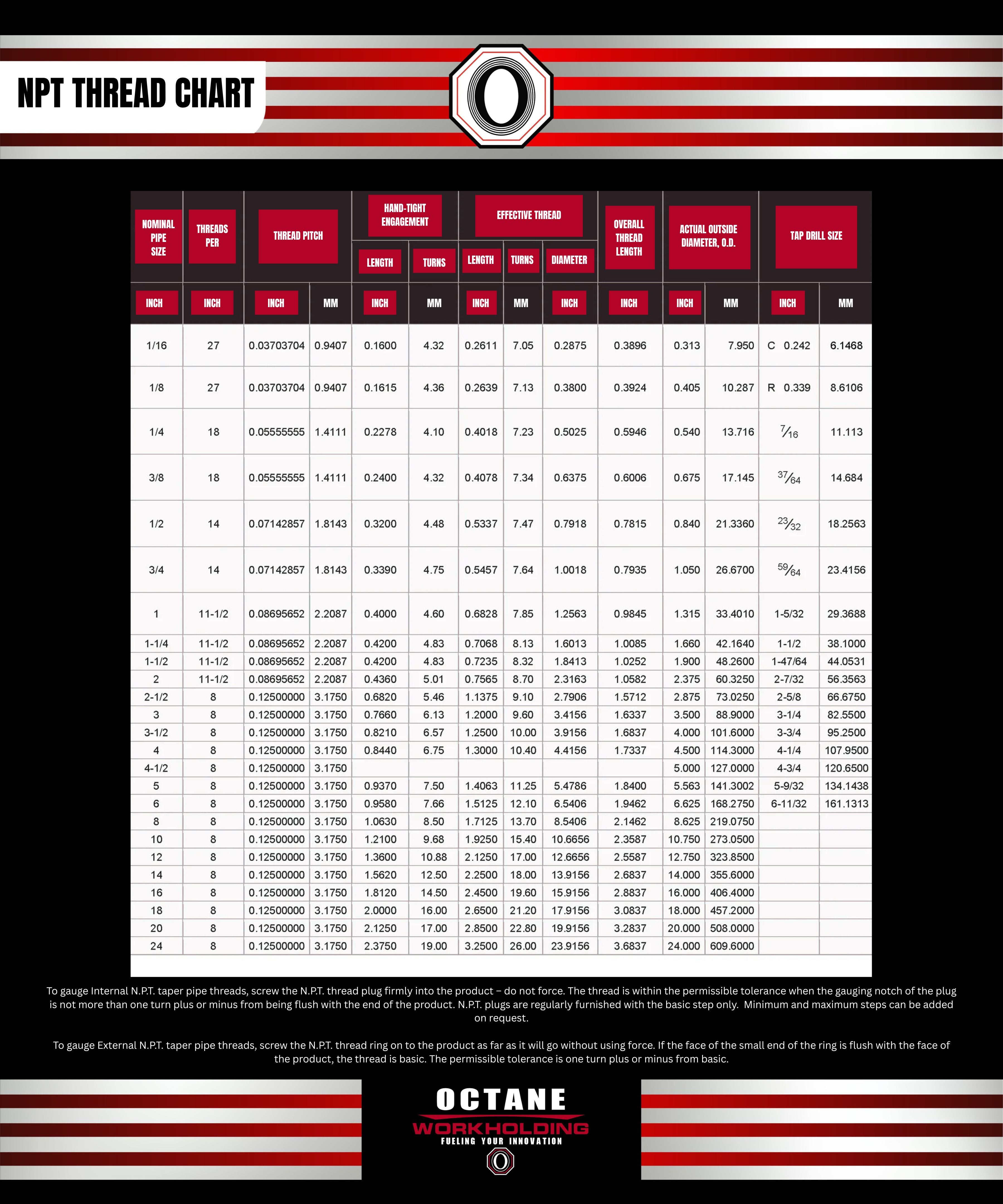
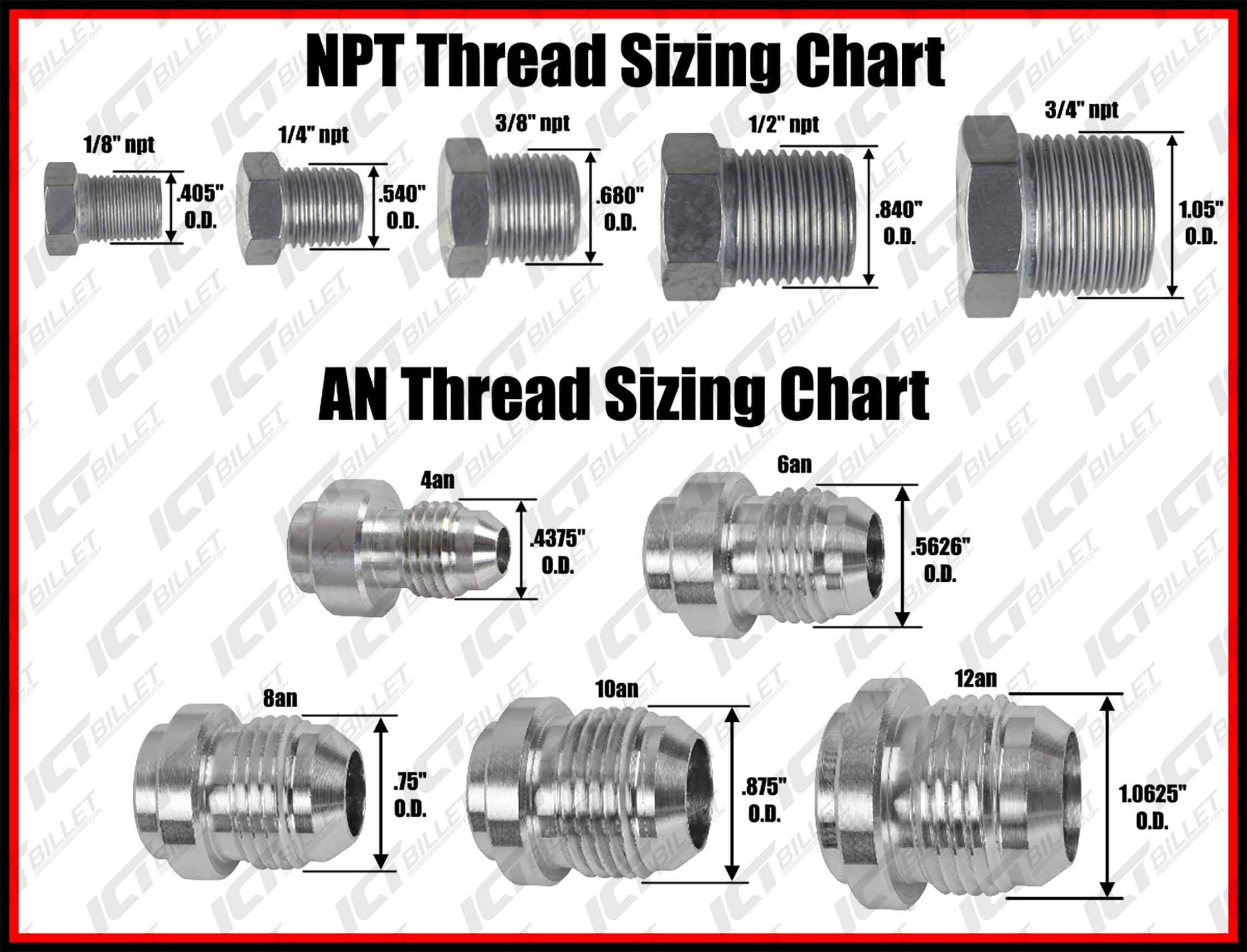
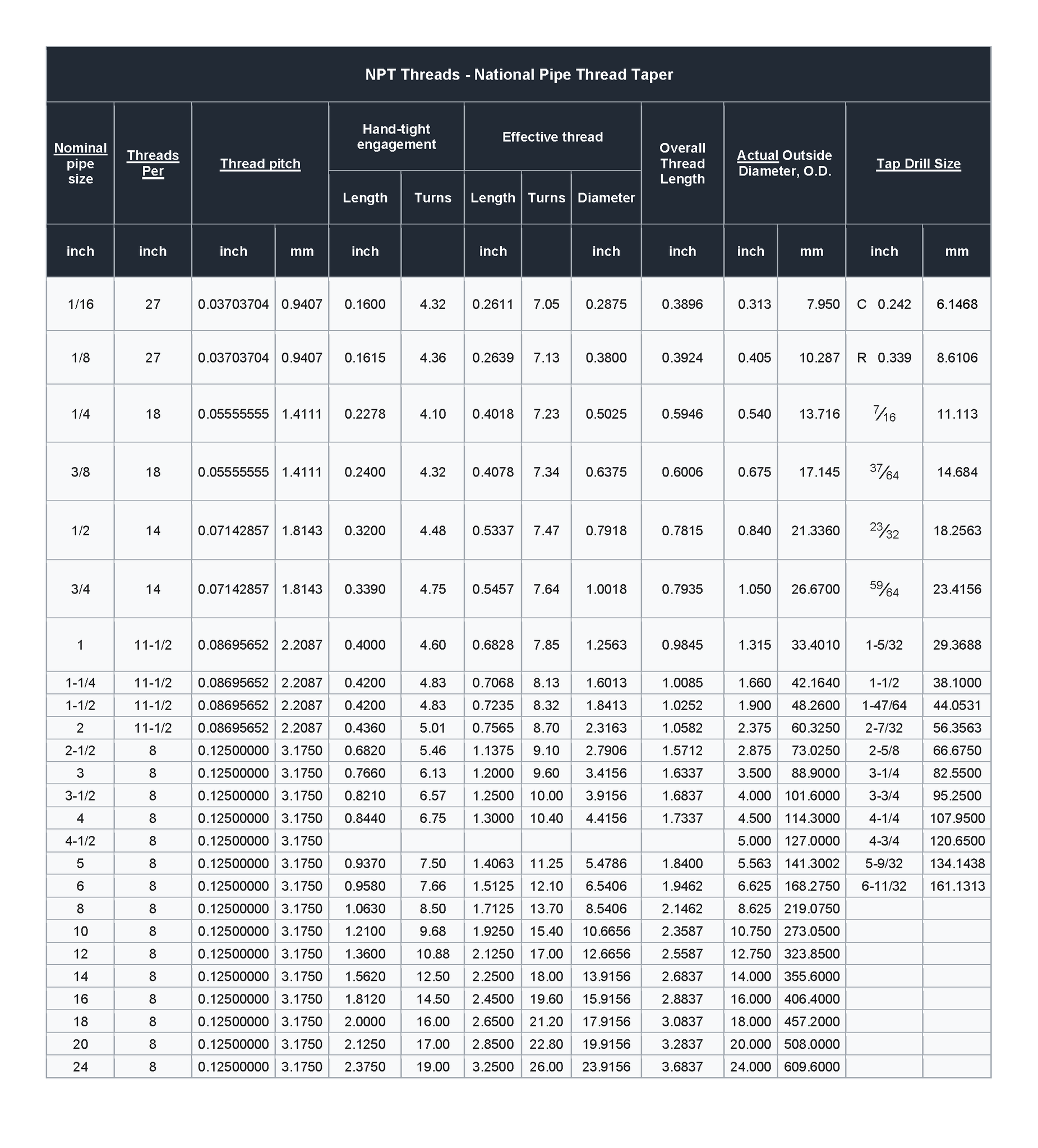
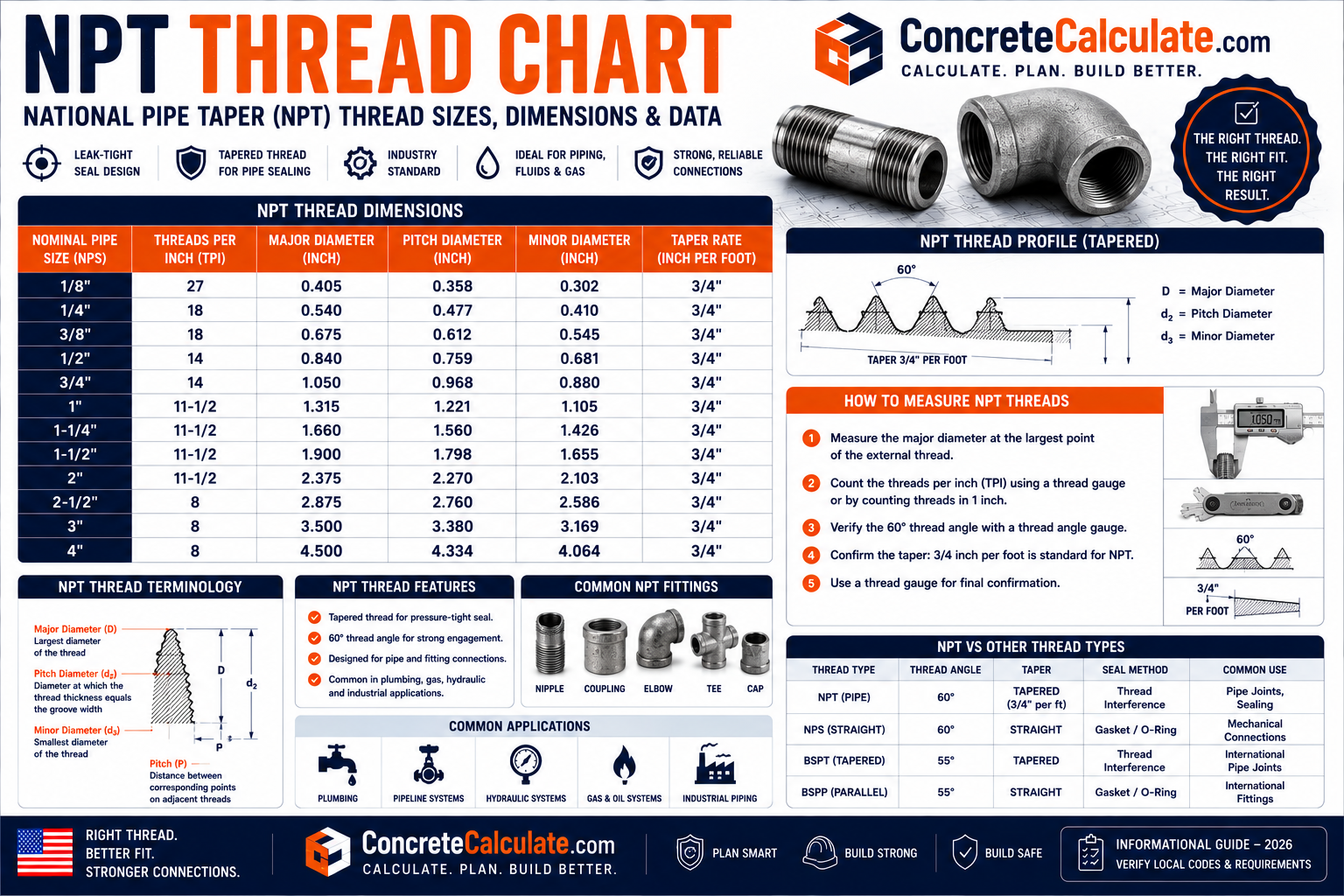
A common misconception about the NPT thread chart is that it's solely for professionals; however, this handy reference tool is accessible to anyone seeking precise thread information. The chart, often presented as a concise table or diagram, serves as a quick guide to understanding and identifying different NPT thread dimensions and standards. It's an essential resource for those working with pipes and fittings, offering a clear overview of the various thread types and their specifications.
Understanding the NPT Thread Chart
The NPT thread chart is a valuable reference tool for anyone working with pipe fittings and connections. It provides a comprehensive overview of the National Pipe Thread standards, offering a quick and accurate way to identify and select the right thread size and type for your needs. This chart is an essential guide for engineers, plumbers, and anyone dealing with fluid systems and piping.
Key Details and Categories
The NPT thread chart typically includes columns for thread size, pitch, and depth, along with other relevant specifications. Thread size refers to the nominal size of the pipe, usually in inches, and is a critical factor in ensuring a proper fit. Pitch, measured in threads per inch, indicates the spacing between threads, while depth refers to the height of each thread. Other details may include the thread's taper and the recommended sealing method. It's important to note that the chart's measurements and categories are based on the NPT standard, which is widely used in the United States.
Reading and Applying the Chart: A Step-by-Step Guide
- Identify the nominal pipe size you require. This is usually specified by the system or component you are working with.
- Locate the corresponding size on the NPT thread chart. The chart typically lists sizes in ascending order, making it easy to find.
- Check the thread pitch and depth for your chosen size. These values ensure a compatible fit with other components.
- Note any additional specifications, such as the thread's taper or sealing recommendations. These details are crucial for a secure and leak-free connection.
- Select the appropriate fittings and components based on the chart's specifications. Ensure that all parts align with the NPT standard for a proper seal.
Variations and Differences Across Standards
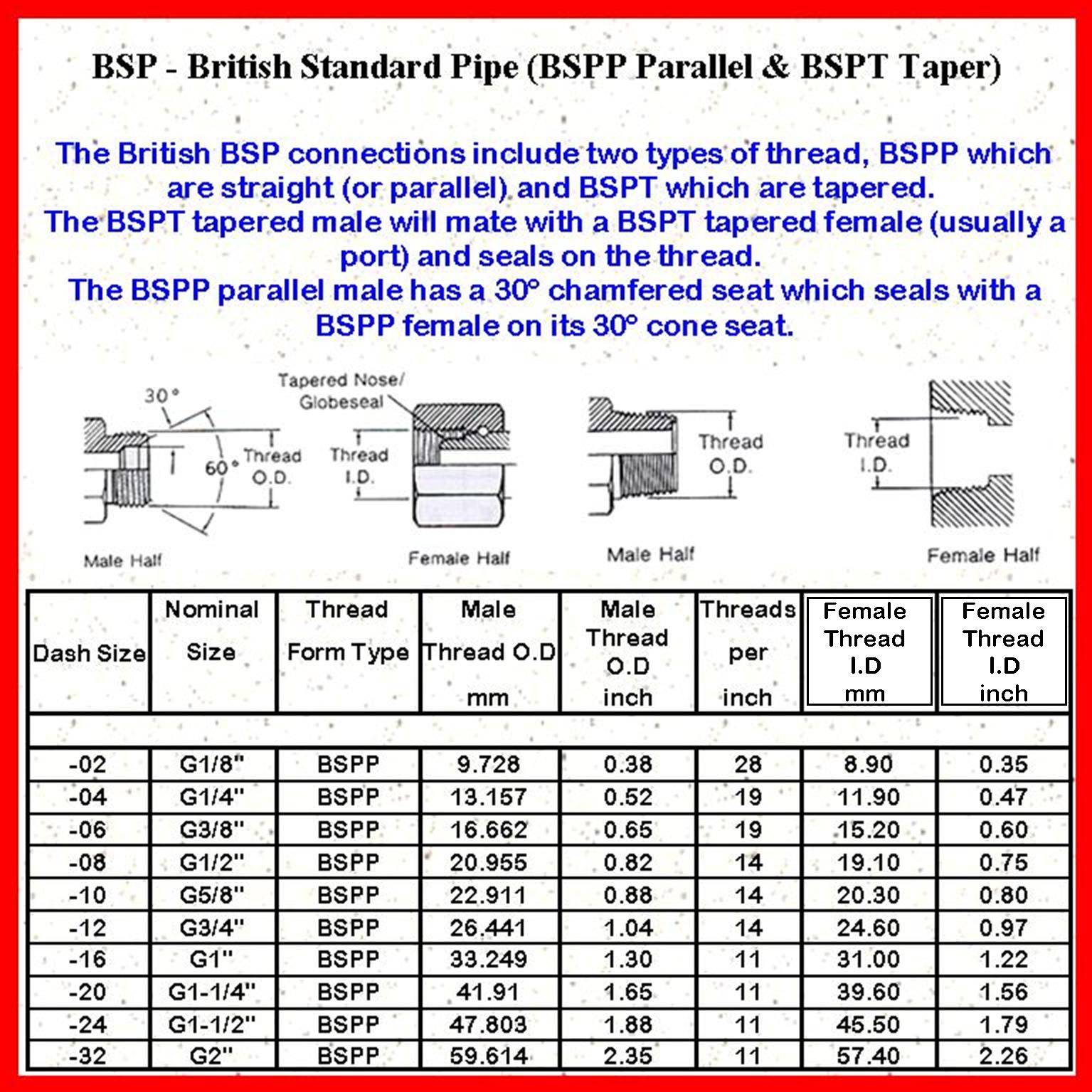
While the NPT thread chart provides a comprehensive guide, variations can occur due to different standards and regional practices. For instance, the NPT standard is specific to the United States, and other countries may use different thread standards, such as the metric system. Additionally, within the NPT standard, there are variations like the NPTF (dryseal) and NPSM (straight mechanical) threads, each with unique specifications. It's essential to double-check the exact standard and any specific requirements for your project to avoid compatibility issues.
Common Mistakes and How to Avoid Them
One of the most common mistakes is assuming that all pipe threads follow the NPT standard. Always confirm the thread standard for your project, especially when working internationally or with specialized systems. Another pitfall is overlooking the thread's taper, which can lead to leaks or poor connections. The NPT thread chart includes this information, so be sure to check it. Finally, remember that while the chart provides a guide, exact specifications and tolerances may vary slightly between manufacturers. Always refer to the manufacturer's documentation for precise details, especially for critical applications.
Well, that's a wrap on our guide to the NPT thread chart. We've covered a lot of ground, from the basics to the practical application, and I hope it's given you a clear understanding of this useful reference tool.
Remember, while this guide provides a solid foundation, it's always wise to verify the specific details for your unique situation. Exact values and standards can vary, so double-check the relevant sources for your project. Consider this page bookmarked for a quick refresh whenever you need a reminder!
Related: Read and Understand the Round Lake Charter
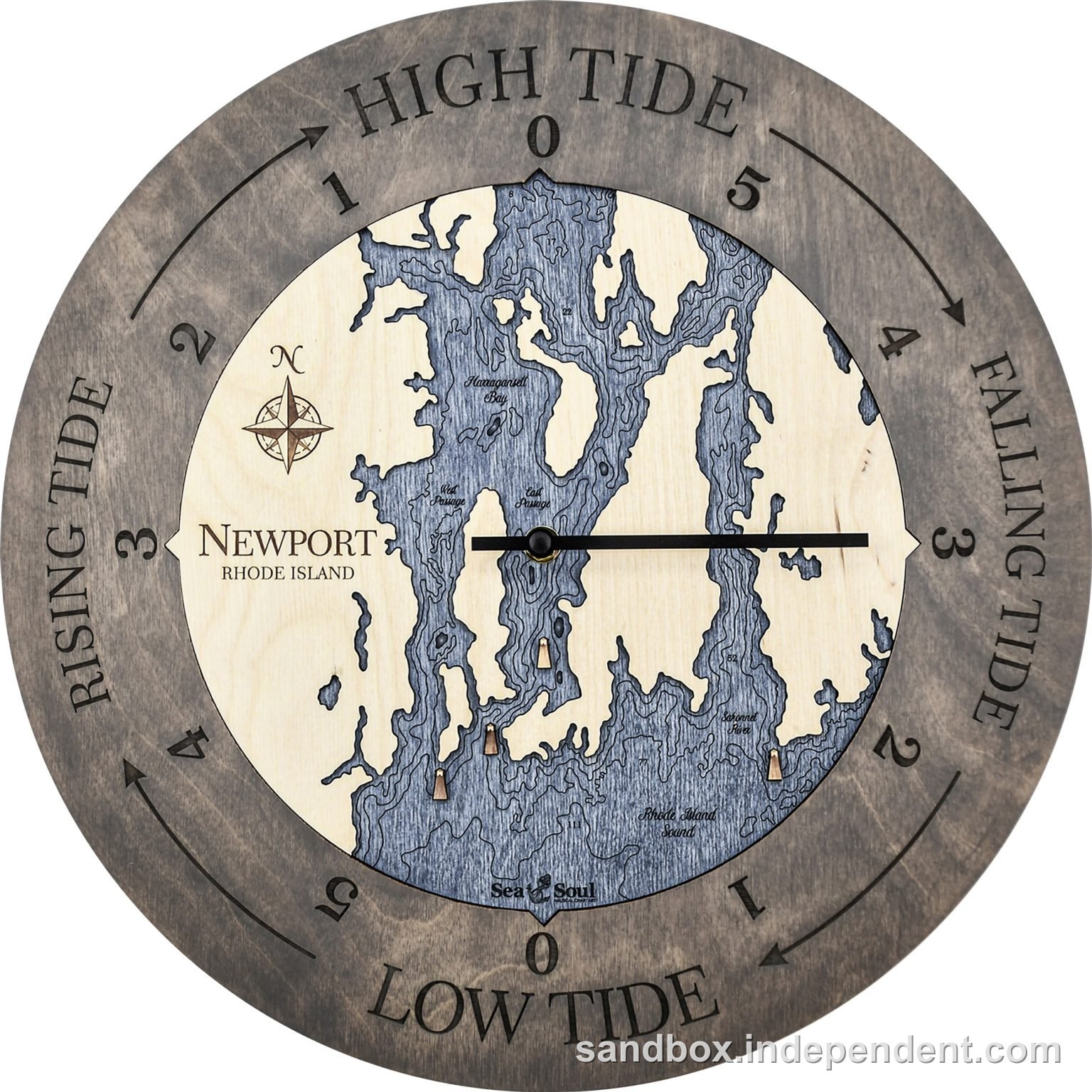
You're probably here because you need a quick guide to understanding Round Lake Charter and its key elements. It's a handy tool for anyone navigating the waters, offering a snapshot of essential information. This simple reference, often a diagram or table, provides insights into lake depths, navigation aids, and more, all in one place.
What is the Round Lake Charter?
The Round Lake Charter is a detailed guide and diagram that provides essential information for navigating and understanding the unique features of Round Lake. It offers a comprehensive overview, helping boaters and outdoor enthusiasts explore the lake safely and efficiently.
Key Details and Categories
This charter includes a variety of critical data, presented in a clear and standardized format. It displays depth contours, which are lines connecting points of equal depth, helping users visualize the lake's bottom topography. Other crucial elements include navigation aids, such as buoys and markers, and important landmarks. The chart also features a legend, explaining the various symbols and abbreviations used.
Reading and Applying the Round Lake Charter
To read and interpret the Round Lake Charter, follow these steps:
- Begin by familiarizing yourself with the legend. Understand the symbols and their meanings, as they provide vital information about hazards, restrictions, and facilities.
- Observe the depth contours. These lines indicate different depth zones, helping you identify shallow areas and potential hazards.
- Note the scale of the chart. This will help you estimate distances and plan your route effectively.
- Pay attention to navigation aids and markers. They guide you and warn of potential dangers, such as restricted areas or obstacles.
- Identify landmarks and notable features. These can assist in orientation and provide reference points for your journey.
Variations and Differences
It's important to note that Round Lake Charter may vary depending on the standard or region. Depth contours, for instance, can be presented differently, with varying intervals and color codes. Additionally, symbols and abbreviations might differ slightly between charts, so it's crucial to refer to the specific legend provided.
Common Mistakes and How to Avoid Them
One common mistake is assuming that all charts follow the same conventions. Always refer to the legend and understand the unique features of each Round Lake Charter. Another pitfall is ignoring depth contours, which can lead to potential hazards. Always pay attention to these lines and plan your route accordingly. Lastly, failing to account for scale can result in inaccurate distance estimations, so always consider this factor when navigating.
Practical Tips for Accurate Results
To ensure accurate navigation, always double-check the specific details and tolerances of your Round Lake Charter. Keep in mind that charts may have limitations and exceptions, especially in dynamic environments like lakes. Regularly update your charts to access the most current information, and consider using additional resources, such as GPS or local knowledge, to complement your navigation.
Hey there! I hope this guide has given you a clear understanding of the Round Lake Charter. Remember, while the basics remain the same, the exact details can slightly differ depending on your specific context or the standard you're working with.
Feel free to explore our other guides for more practical insights and tips. And don't forget to bookmark this page for a quick refresher when you need it. Happy navigating!
Related: How to Use the Shrimp Size Chart?
A shrimp size chart is a handy tool for anyone seeking precise information on shrimp measurements. This guide aims to provide a clear understanding of these charts, ensuring you can confidently interpret and utilize them.
The chart offers a quick reference for standard shrimp sizes, which can vary slightly depending on the region and specific shrimp variety. It's a simple yet effective way to ensure you're getting the right size for your needs, whether for cooking, aquaculture, or any other purpose.
Understanding the Shrimp Size Chart
The shrimp size chart is a valuable tool for anyone working with shrimp, whether you're a chef, a seafood enthusiast, or even a scientist studying these fascinating creatures. It provides a clear and concise overview of shrimp sizes, helping you choose the right shrimp for your needs and ensuring accurate measurements.
Comparing Size Categories and Standards
The chart typically categorizes shrimp based on their length, using either metric or imperial units. Common size categories include:
- Extra-large shrimp (15-20 pieces per pound)
- Large shrimp (21-30 pieces per pound)
- Medium shrimp (31-40 pieces per pound)
- Small shrimp (41-60 pieces per pound)
- Extra-small shrimp (61-80 pieces per pound)
These categories are based on the number of shrimp that would fit into a standard pound, giving a rough guide to their size. It's important to note that these categories may vary slightly between different standards and regions.
Using the Shrimp Size Chart: A Step-by-Step Guide
Identify the standard you are working with. Shrimp size charts can vary depending on the region and industry, so ensure you are using the correct chart for your needs.
Determine the size category you require. Consider the recipe or purpose for your shrimp. Are you looking for a specific size for a delicate dish or a larger shrimp for a robust flavor?
Check the chart for the appropriate size category. The chart will give you a range of lengths for each category, helping you select the right size. For example, if you need large shrimp, the chart might indicate a range of 7-8 inches (17-20 cm).
Convert units if necessary. If your recipe or requirements use a different unit of measurement, convert the values using standard conversion factors.
Double-check with specific recipes or guidelines. While the shrimp size chart provides a useful reference, some recipes or culinary traditions may have specific size requirements. Always refer to these guidelines for precise measurements.
Avoiding Common Misreadings and Pitfalls
Shrimp size charts are a guide, and actual sizes can vary slightly. Always allow for a small margin of error, especially when working with fresh shrimp.
Be aware of potential variations due to factors like shrimp species, fishing methods, and even the time of year. These can impact the average size of shrimp.
While the chart provides a useful reference, it's essential to consider the context. For example, if you're working with a specific recipe that calls for a precise size, ensure you understand the implications of using a slightly larger or smaller shrimp.
Remember, the shrimp size chart is a practical tool to help you navigate the world of shrimp sizes, but it's always beneficial to have a basic understanding of the factors that can influence these measurements.
Before you put this guide to use, remember that while this chart provides a handy reference, it's always wise to verify the specific requirements for your particular project or recipe. Exact values can vary, so a quick double-check ensures you get it just right.
Consider bookmarking this page for future reference; it might come in handy more often than you think! With this simple tool, you'll always have a reliable guide at your fingertips.