Find Your Perfect Belt Size: A Comprehensive Guide
Our belt size chart offers clear, easy-to-follow measurements. Learn how to read the chart and get practical tips to find your ideal belt size.
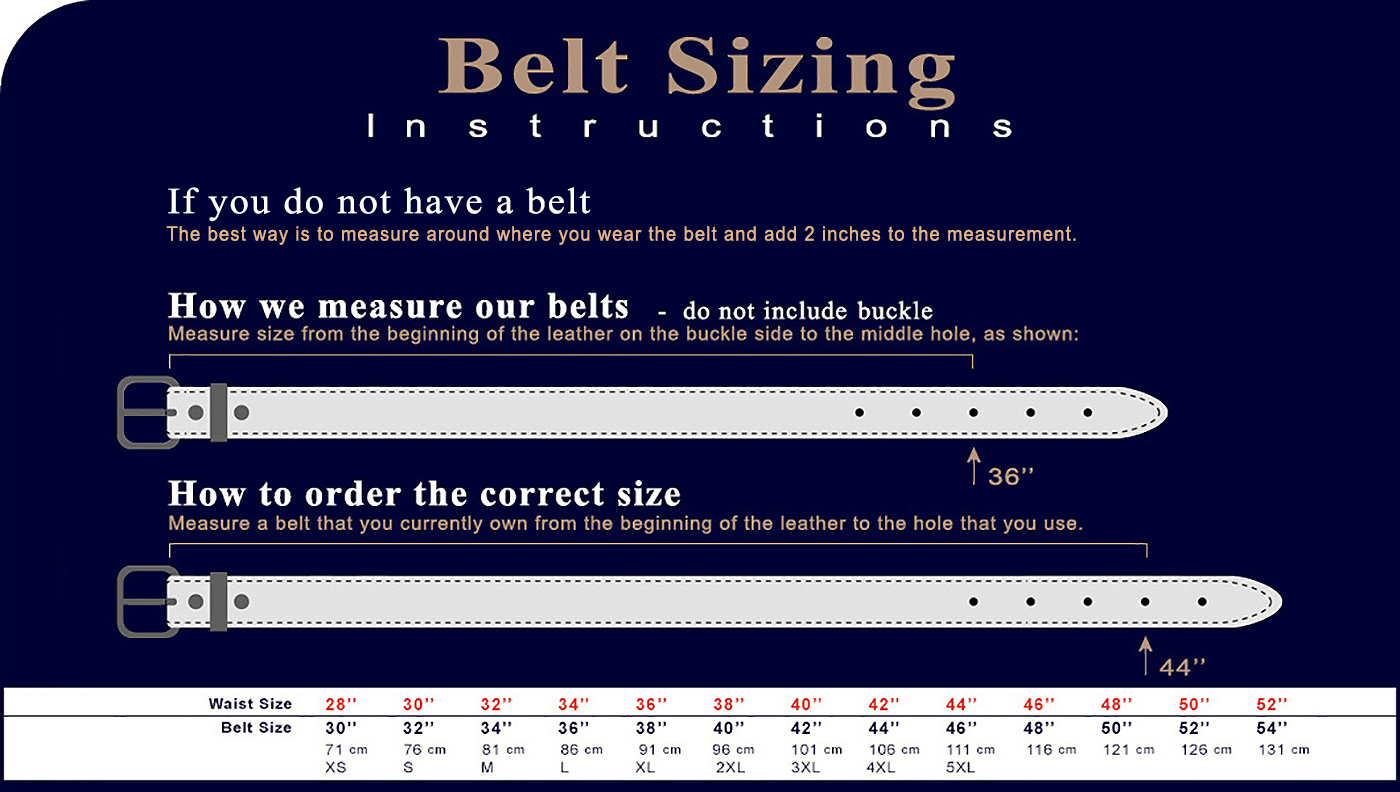
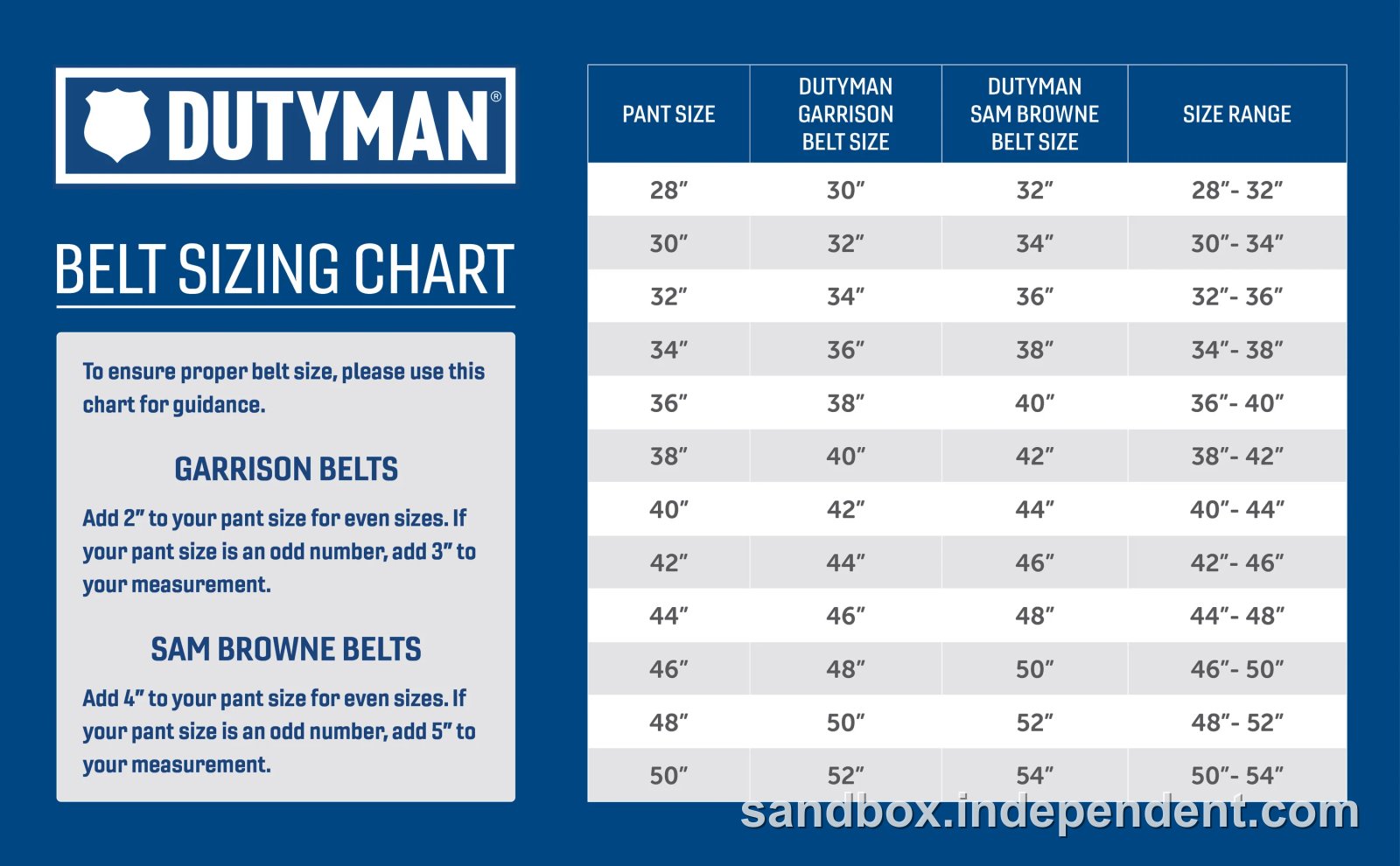
A common misconception about belt size charts is that they are one-size-fits-all, but this couldn't be further from the truth. While these charts provide a valuable reference, they can vary depending on various factors. So, it's essential to understand how to interpret them accurately. A belt size chart is a handy tool, offering a simple guide to finding the right belt length and size. It can include different measurements, such as waist size and pant size conversion, ensuring a perfect fit.
Understanding the Belt Size Chart
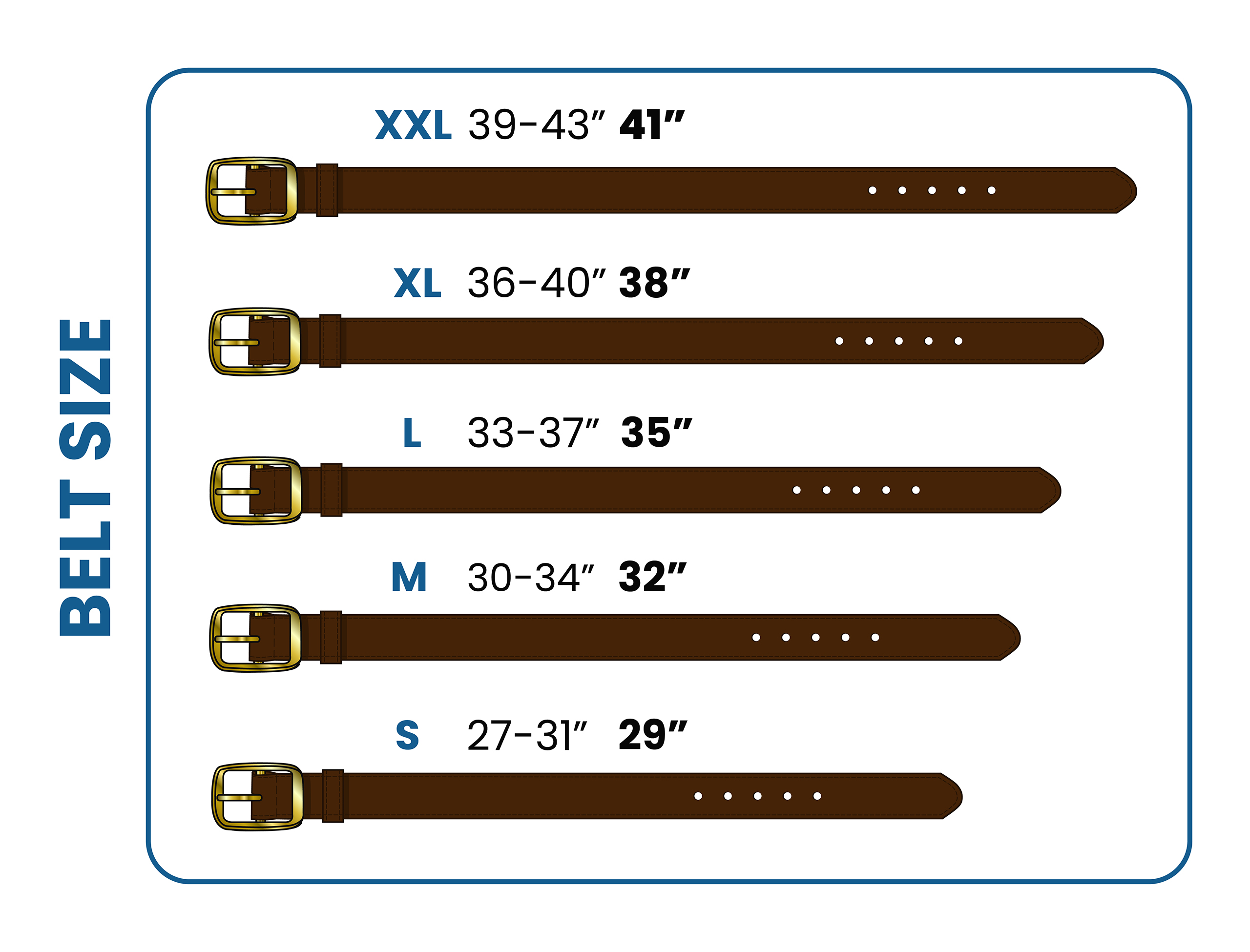
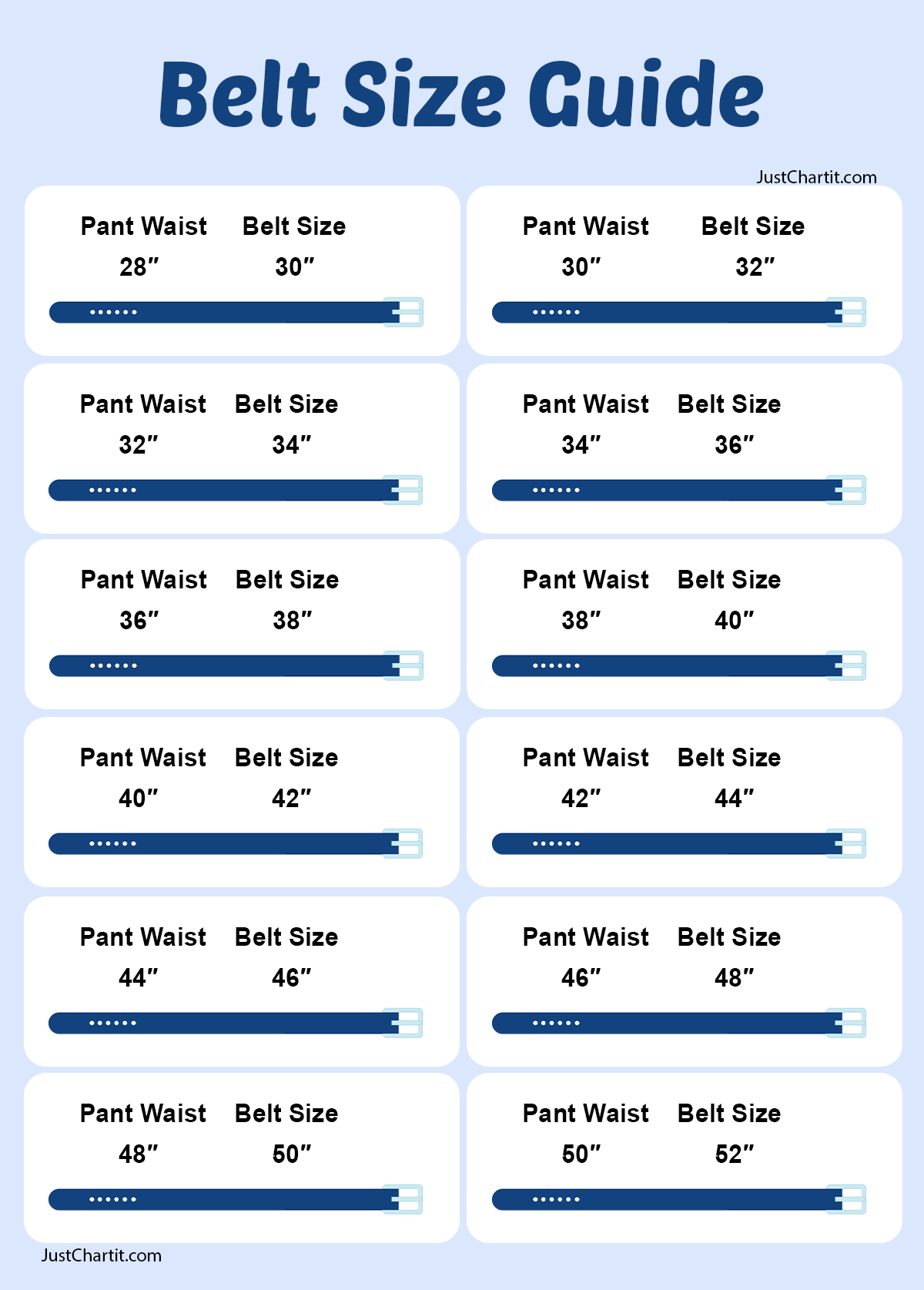
The belt size chart is a valuable tool for anyone looking to find the perfect belt fit. It provides a standardized way to determine your belt size, ensuring a comfortable and secure fit for your waist. This chart is an essential guide, especially when shopping for belts, as it simplifies the sizing process and helps you make an informed choice.
Key Details and Categories
The belt size chart typically displays two main categories: waist size and belt length. Waist size is measured in inches or centimeters, depending on the standard used. It represents the circumference of your waist, which is a critical factor in belt sizing. Belt length, on the other hand, is the actual length of the belt, excluding the buckle. This measurement is crucial as it determines how much the belt can be adjusted to fit your waist comfortably.
Reading and Applying the Chart
To use the belt size chart, follow these steps:
- Measure your waist: Use a flexible tape measure to find your waist size. Place the tape measure around your waist, ensuring it sits comfortably above your hip bones. Take the measurement in inches or centimeters, depending on the standard you're using.
- Find your waist size on the chart: Look for the column or row that corresponds to your waist size. This will give you a range of belt lengths suitable for your waist circumference.
- Consider your belt style: Different belt styles have varying levels of adjustment. For example, a casual leather belt with a simple buckle may offer more adjustment than a dress belt with a fixed, decorative buckle. Ensure you choose a belt length that provides enough flexibility for your preferred style.
- Adjust for comfort: The belt should fit comfortably around your waist, allowing for a couple of inches of adjustment. This ensures you can wear the belt with different outfits and still have a secure fit.
Variations and Differences
It's important to note that belt size charts may vary slightly depending on the standard used. For instance, the metric belt sizing system, often used internationally, may have slightly different measurements compared to the standard belt dimensions in the US. Additionally, manufacturers may have their own variations, so it's always a good idea to refer to the specific brand's sizing guide or consult their customer support for accurate information.
- Key factors that can cause variations include:
- Different measurement units (inches vs. centimeters)
- Brand-specific sizing standards
- Belt style and design (e.g., decorative buckles)
- Personal preference for a looser or tighter fit
Common Mistakes and How to Avoid Them
When using a belt size chart, avoid these common mistakes:
- Relying solely on pant size: Your pant size is not always an accurate indicator of your belt size. It's best to measure your waist directly for an accurate fit.
- Ignoring the belt style: Different belt styles offer varying levels of adjustment. Ensure you consider the belt's design and your personal preference for a comfortable fit.
- Overlooking the chart's limitations: While the chart provides a great starting point, it may not account for all body types or unique situations. If you have a unique waist shape or size, it's wise to double-check with the brand's specific sizing guide or seek advice from a professional.
Hey there! We hope this belt size chart and guide has been helpful in your quest for the perfect fit. Remember, while we've covered the basics, the exact details can vary slightly, so it's always a good idea to double-check with your preferred brand or standard for the most accurate information.
Feel free to bookmark this page for future reference; it's always handy to have a quick guide like this at your fingertips. We've got more practical guides like this one, so be sure to check them out if you're interested in learning more about similar topics. Happy measuring!
Images