


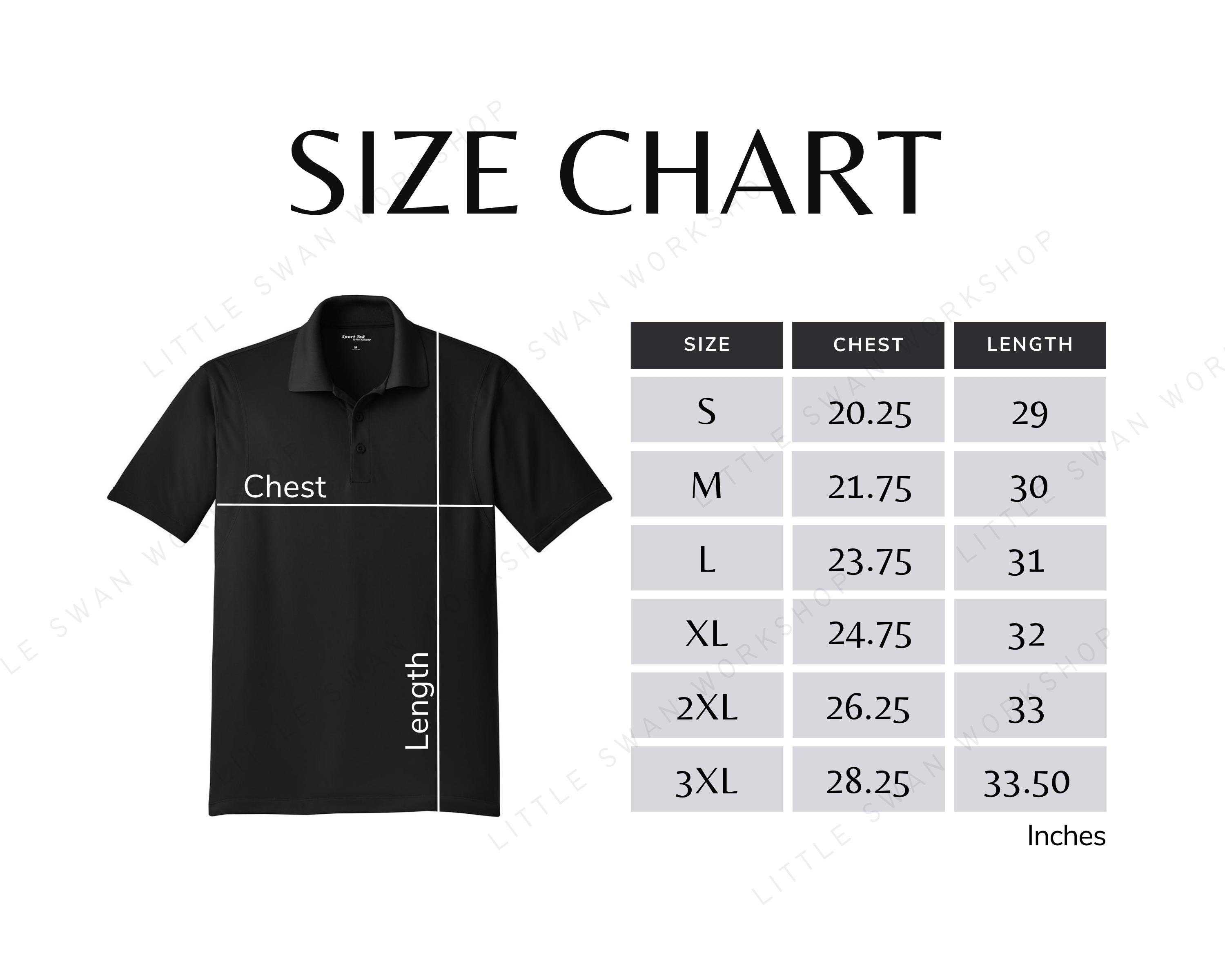


Bike Length Chart Black And White Overview
Many people tend to overlook the importance of a hawks depth chart, assuming it's just a simple lineup. However, it's so much more than that! The depth chart is a strategic tool, offering a quick glimpse into a team's lineup and player roles. It provides an easy reference, especially for those new to the sport, to understand the structure and dynamics of the Atlanta Hawks' roster. While the exact format and details may vary, the depth chart positions give an insight into the starting five and the bench players, and their statistics can reveal a lot about a team's strategy and potential.
Understanding Player Roles: An Overview
The hawks depth chart is a valuable tool for basketball fans and analysts, providing a clear picture of a team's player lineup and their roles. This chart offers an easy-to-read visual representation of the Atlanta Hawks' roster, showcasing the starting five and the bench players. It's a practical guide to understanding the team's strategy and player dynamics.
Comparing Depth Chart Formats and Standards
There are various ways to present a depth chart, but the standard format for the hawks depth chart typically includes columns for player positions and rows for individual players. Each cell within the chart represents a player's role and their specific position on the court. Common positions include point guard, shooting guard, small forward, power forward, and center. The chart may also include additional columns for player statistics, such as points per game, rebounds, and assists.
Step-by-Step Guide to Reading the Hawks Depth Chart
Here's a simple process to navigate and understand the hawks depth chart:
- Start by identifying the player positions along the top of the chart. These positions are typically listed in a standard order, ensuring consistency.
- Move down the chart, reading each player's name and their corresponding position. This will give you a clear idea of the team's starting lineup and the roles of each player.
- Pay attention to the statistics columns, if available. These numbers provide valuable insights into a player's performance and can help you analyze their impact on the court.
- Note any common position changes or adjustments made by the coaching staff. The depth chart may highlight these changes, indicating a player's versatility or a strategic shift in the team's lineup.
Common Misreadings and How to Avoid Them
While the hawks depth chart is designed for clarity, there are a few potential pitfalls to watch out for:
- Misinterpreting player roles: Ensure you understand the standard positions and their responsibilities. For instance, a shooting guard's role differs from that of a small forward, so pay attention to these nuances.
- Overlooking bench players: The starting five often gets the most attention, but the depth chart also highlights the importance of bench players. Their roles and contributions are just as crucial to the team's success.
- Assuming static lineups: Remember that depth charts can change throughout the season. Always check the latest version to ensure you have the most accurate information.
Factors Affecting Accuracy and Real-World Use
Several key factors can influence the accuracy and practical application of the hawks depth chart:
- Player statistics: These numbers are constantly updated, so ensure you're referring to the most recent data.
- Injuries and rotations: The depth chart may need adjustments due to player injuries or strategic rotations, so stay updated with the latest team news.
- Coaching strategies: Different coaches have unique approaches, which can impact player roles and lineup decisions.
- Opponent analysis: The depth chart may vary depending on the opposing team's strengths and weaknesses.
- Player performance: Individual player performance can also influence lineup changes and depth chart adjustments.
Remember, the hawks depth chart is a dynamic tool, and its accuracy relies on staying informed about the latest team developments and player performances.
So, there you have it! A handy guide to the hawks' depth chart, which should give you a clear picture of the options and help you navigate the process effectively.
Remember, every situation is unique, so take a moment to ensure your specific needs are met before you finalize anything. It's always worth double-checking to avoid any potential pitfalls. This guide should serve as a helpful reference, so feel free to bookmark it for future use. Happy charting!
Related: Unravel CNA POC Charting: A Simple Guide
A common misconception about CNA POC charting is that it's a complex and overwhelming task, but it's actually a straightforward and essential practice for healthcare professionals. This type of charting, often referred to as point-of-care documentation, is a vital tool for CNAs and other healthcare providers to record and track patient observations and vital signs efficiently. It's a simple yet powerful way to ensure accurate and timely patient care planning. While the format and specifics may vary, the purpose remains the same: to provide a clear and concise snapshot of a patient's condition.
Understanding CNA POC Charting
CNA POC charting is a vital tool for healthcare professionals, particularly Certified Nursing Assistants (CNAs), to record and track patient observations and vital signs. This charting method provides a structured and organized way to document patient care, ensuring accurate and consistent records.
Key Details and Categories
The CNA POC charting system typically includes various categories and sections to capture essential patient information. These may include:
- Patient Identification: Name, age, gender, and unique identifiers.
- Date and Time: Precise recording of observations to track progress and changes.
- Vital Signs: Temperature, blood pressure, pulse rate, and respiratory rate.
- Patient Observations: Notes on behavior, mood, pain levels, and any significant changes.
- Interventions and Care: Details of nursing care provided, treatments, and medications.
- Physician Orders: Instructions and prescriptions from doctors.
Step-by-Step Guide to Reading and Applying CNA POC Charts
- Start by locating the patient's record in the chart. Ensure it is correctly identified with the patient's name and other details.
- Check the date and time of the previous entry to understand the context and any recent changes.
- Record vital signs accurately using the appropriate units (e.g., °F or °C for temperature, mmHg for blood pressure).
- Observe and document any changes in the patient's condition, behavior, or mood. Use clear and concise language to describe these observations.
- Note any interventions, treatments, or medications administered, including the time and dosage.
- Refer to physician orders and ensure they are followed accurately. Document any deviations or additional instructions.
- Sign and date the chart to maintain accountability and track changes over time.
Variations and Differences in Charting Standards
While the core structure of CNA POC charting remains consistent, variations may occur due to different healthcare settings, regions, and specific patient needs. For instance, some charts may include additional sections for specialized care, such as wound care or diabetic management. It is essential to be familiar with the specific charting standards and guidelines in your facility or region. Always refer to the latest protocols and ensure you are using the correct chart format.
Common Mistakes and How to Avoid Them
- Inaccurate or incomplete vital sign recordings: Always double-check your measurements and ensure they are within the normal range for the patient's age and condition.
- Forgetting to record the date and time: This basic step is crucial for tracking changes and ensuring continuity of care.
- Inadequate patient observations: Take time to observe and document any changes, even if they seem minor. These details can be vital for patient care planning.
- Omitting or misinterpreting physician orders: Always clarify and understand instructions before acting on them.
- Failing to sign and date the chart: This simple step ensures accountability and helps track changes made by different healthcare professionals.
Best Practices for Accurate and Effective Charting
- Familiarize yourself with the charting standards and guidelines specific to your facility and region.
- Use clear and concise language when recording observations and notes. Avoid abbreviations that may be unclear to others.
- Stay updated with any changes or additions to the charting system to ensure your records are accurate and complete.
- Regularly review and analyze patient charts to identify trends, progress, or areas of concern.
- Collaborate with other healthcare professionals to ensure consistent and accurate charting practices.
CNA POC charting is a valuable tool that, when used correctly, provides a comprehensive overview of patient care and facilitates effective communication among the healthcare team. By following these guidelines and best practices, you can ensure accurate and reliable patient records, contributing to high-quality patient care.
Well, I hope this guide has provided a clear and concise overview of CNA POC charting. Remember, it's always best to refer to the specific guidelines and standards relevant to your context, as exact values and procedures may vary slightly.
Consider bookmarking this page for future reference; it might just save you some time and effort the next time you need a quick refresher on CNA POC charting. Until then, happy charting!
Related: Need a shirt size chart? Find your perfect fit!
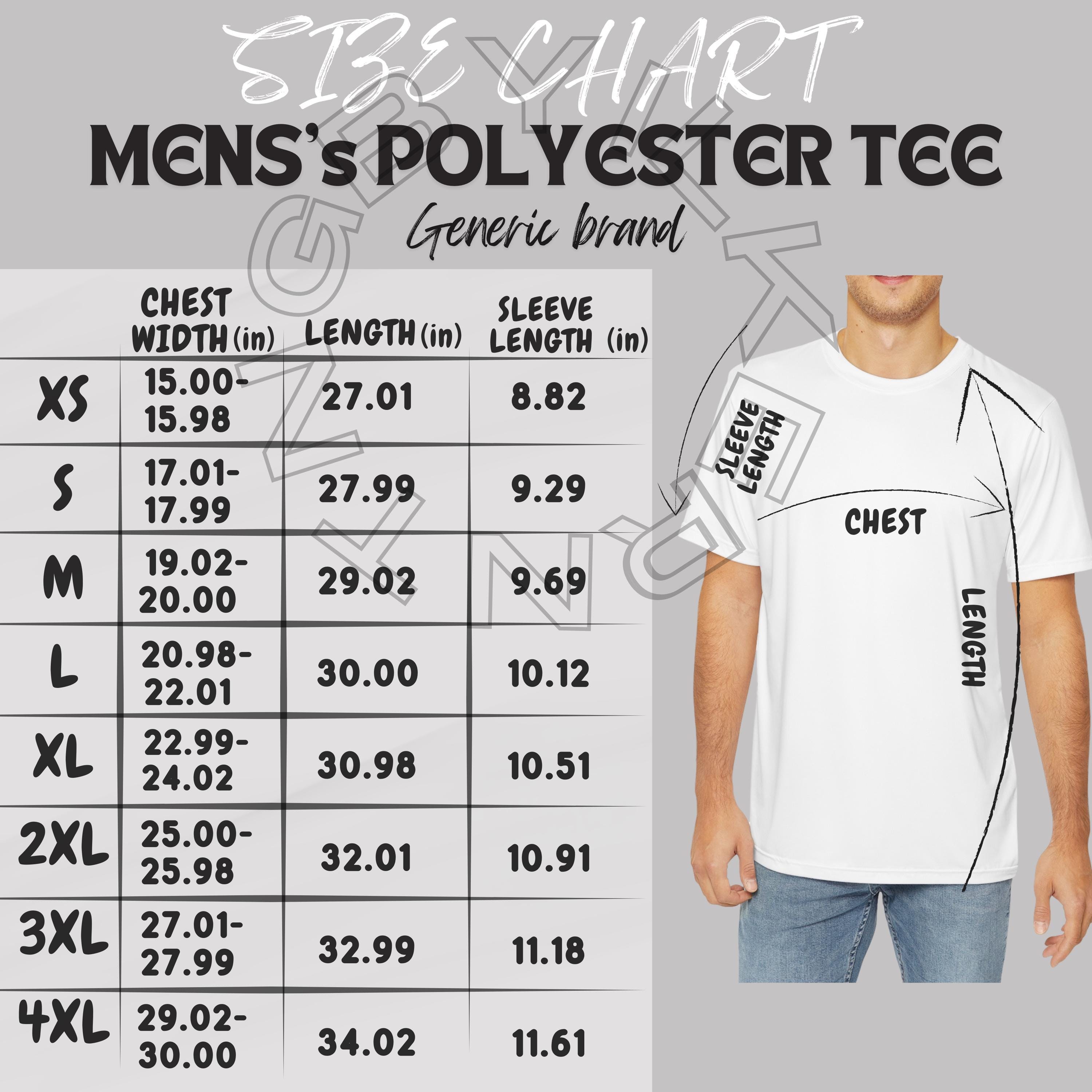
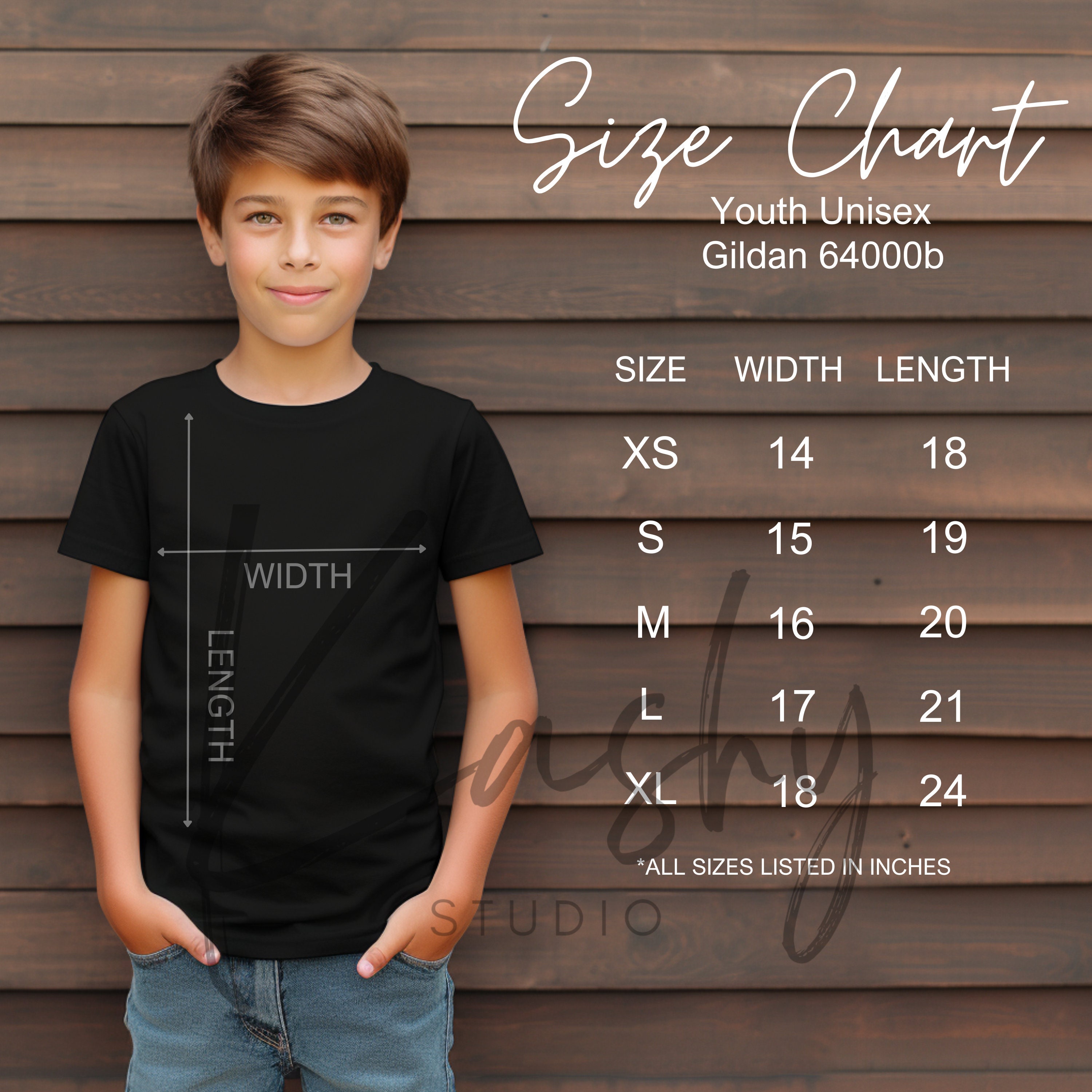
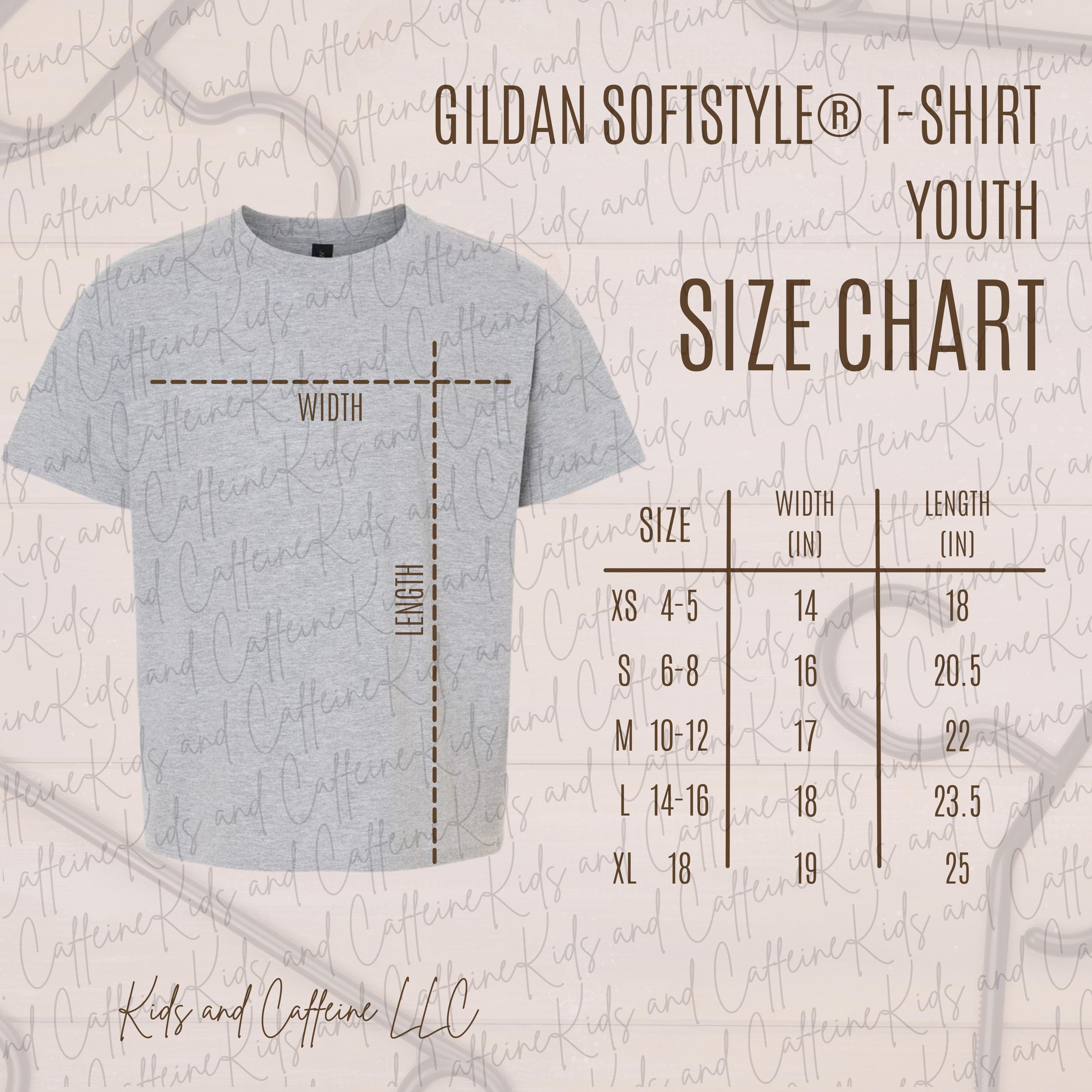
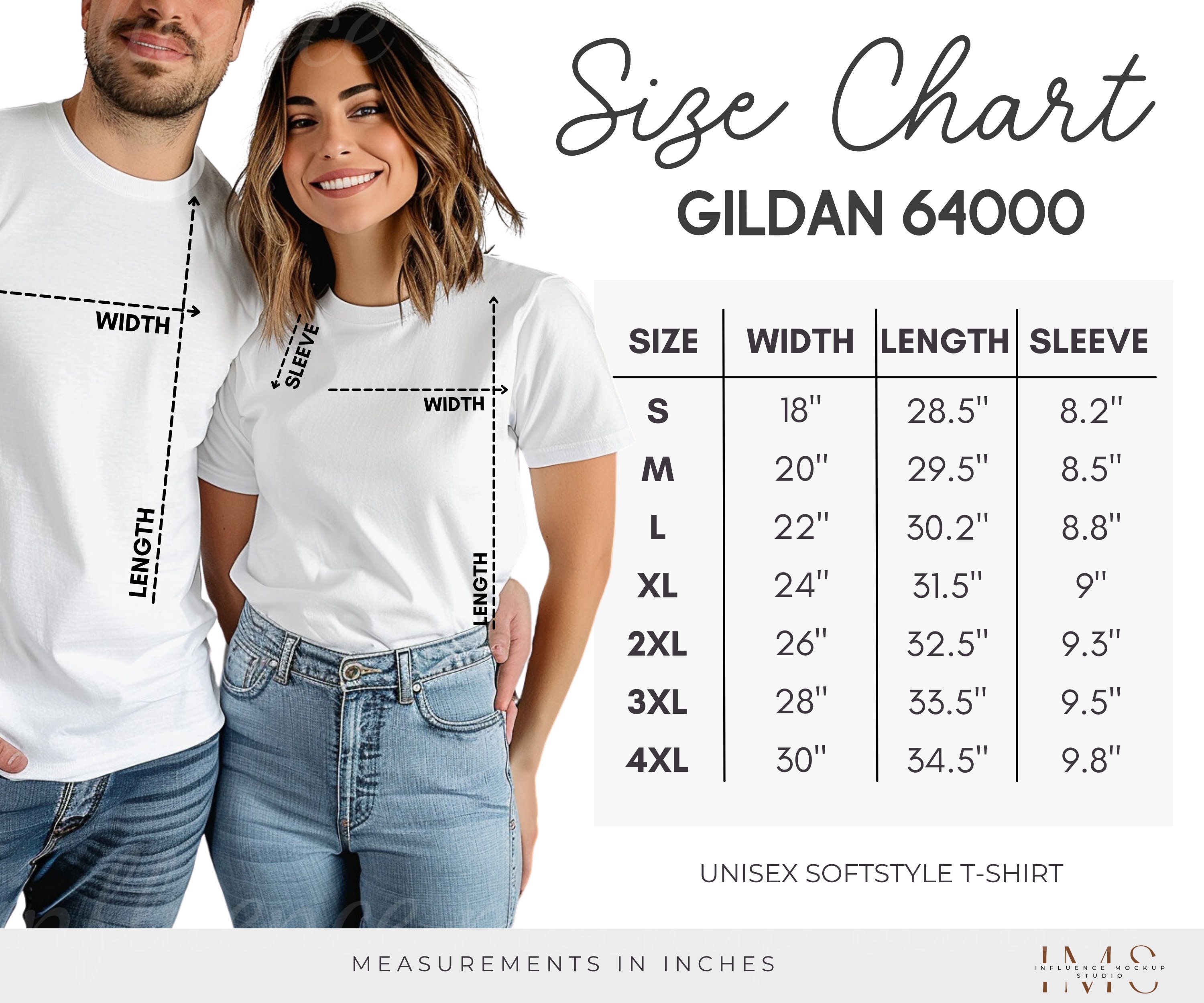
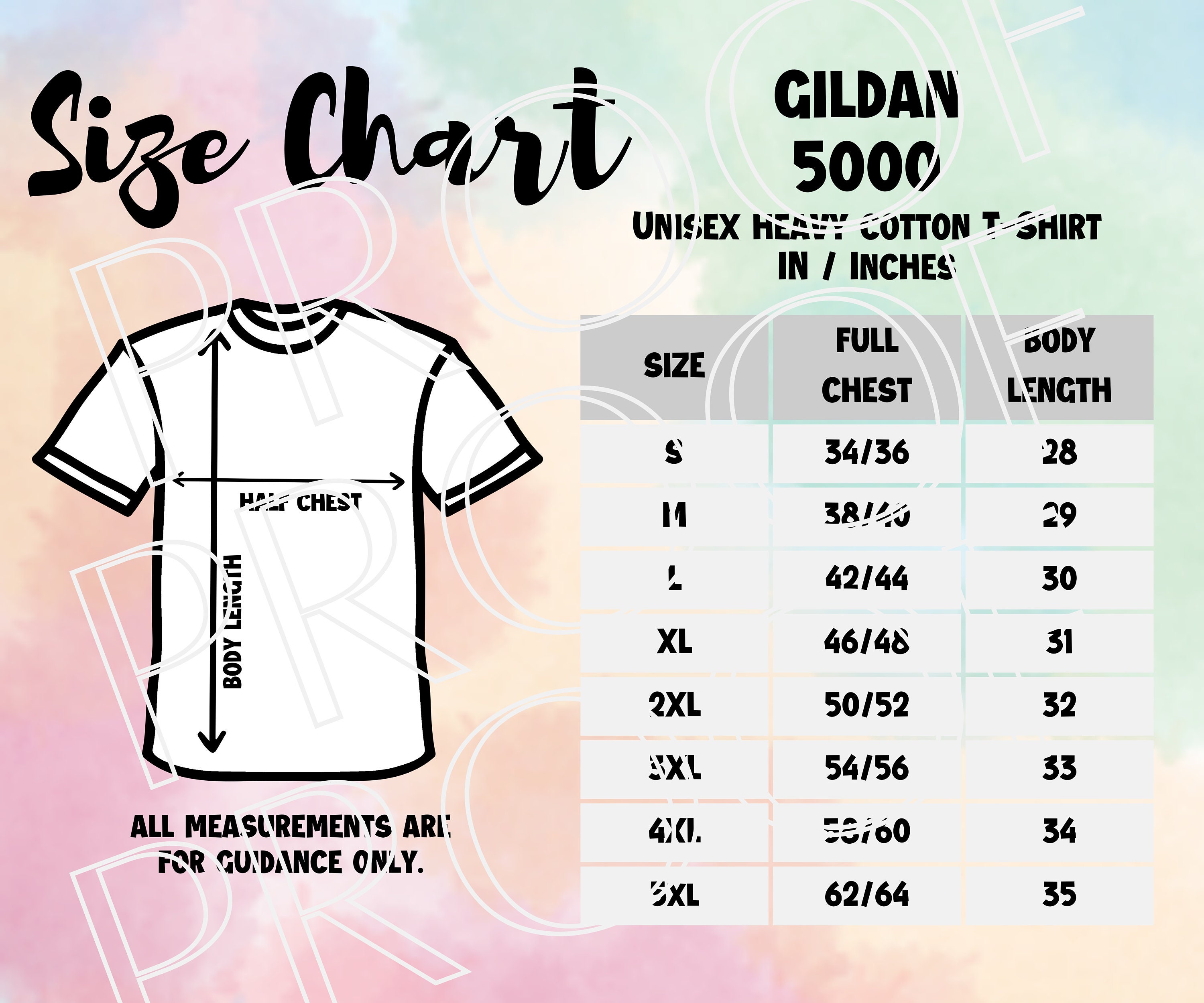
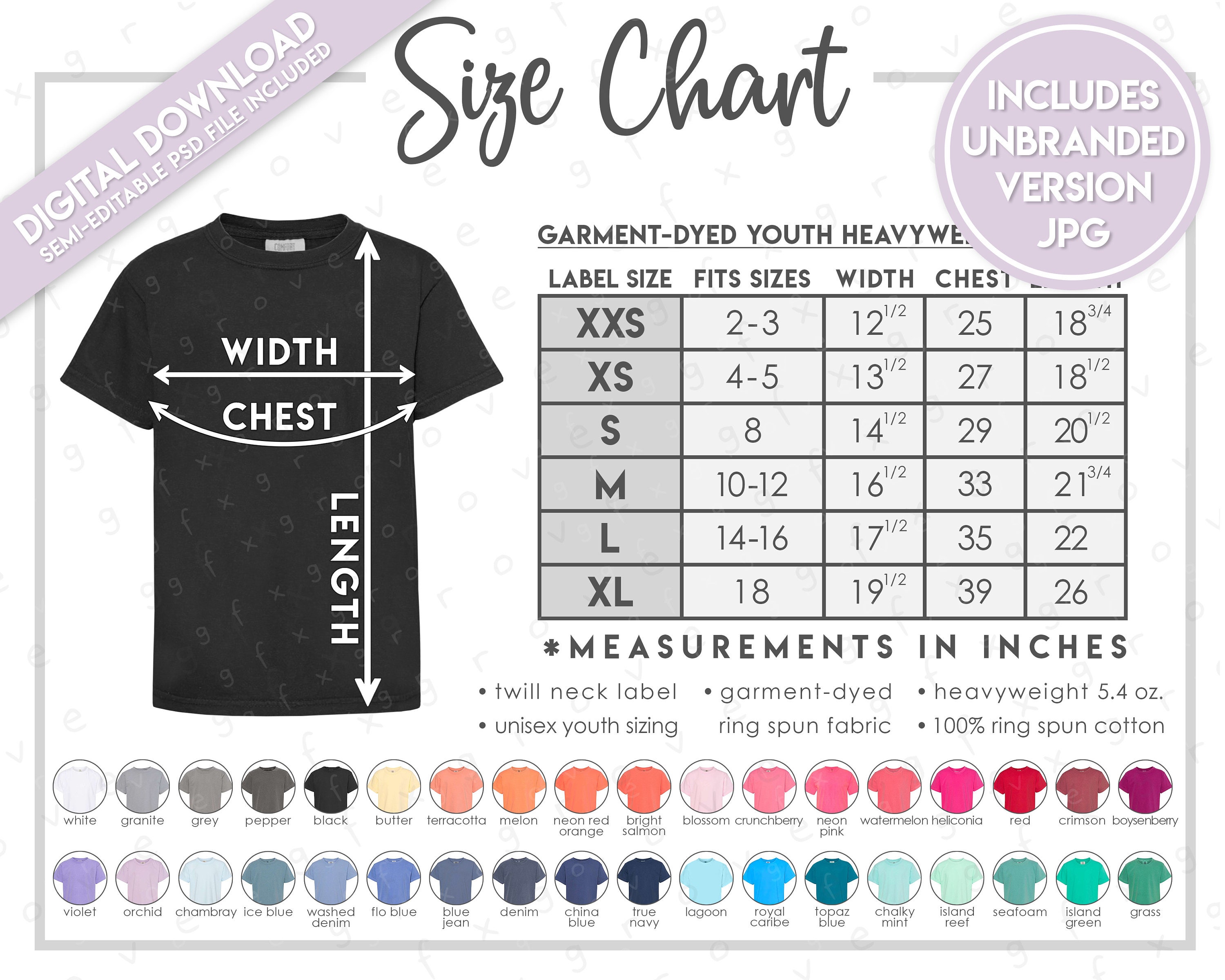
You're probably here because you need a quick fix, a simple solution to finding your perfect shirt size. And what better tool than a shirt size chart? It's a handy reference, a map to navigate the world of clothing sizes, and it's right at your fingertips. These charts offer a straightforward way to ensure you get the right fit, and they can vary slightly depending on the brand or region, so it's always good to have a reliable guide.
Shirt Size Chart: A Practical Guide
A shirt size chart is a handy reference tool that helps you find the perfect fit for your shirts. It provides a standardized way to determine your size based on key body measurements. These charts are essential for online shopping or when you need to order custom-made shirts.
Key Details and Categories
The shirt size chart typically includes measurements for chest circumference, waist circumference, and sometimes arm length. These measurements are usually given in inches or centimeters, depending on the standard being used. The chart also provides a range of sizes, often in small increments, to ensure a precise fit. For example, a chart might offer sizes from XS to 5XL, with each size representing a specific measurement range.
Step-by-Step Guide: Reading and Using the Chart
Follow these steps to accurately determine your shirt size using a size chart:
Measure your chest circumference at the fullest part of your chest, keeping the measuring tape parallel to the floor. This measurement is crucial for finding the right fit.
Locate your chest measurement on the chart. The chart will guide you to the corresponding size, often with a range of measurements for each size. For instance, a size Medium might fit chest circumferences between 38 and 40 inches.
If the chart provides waist circumference measurements, repeat the process for your waist. This measurement ensures a comfortable fit around your midsection.
Compare your measurements to the size chart's ranges. Choose the size that aligns most closely with your measurements. If your measurements fall between two sizes, consider factors like your preferred fit (more relaxed or snug) and the fabric's stretchability.
For more precise fitting, some charts may include arm length measurements. Measure your arm length from the base of your neck to your wrist. Match this measurement to the chart's arm length column to ensure a perfect sleeve length.
Understanding Variations and Differences
It's important to note that shirt size charts can vary depending on the brand, manufacturer, or even the specific style of shirt. Some brands may have slightly different measurement standards or size increments. Additionally, the intended fit of the shirt (e.g., slim, regular, or relaxed) can impact the size chart. Always check the brand's size guide or any notes about fit to ensure an accurate selection.
Common Mistakes and How to Avoid Them
One common mistake is relying solely on your usual shirt size without considering the specific brand or style. Each brand may have its own unique sizing system, so it's crucial to refer to their size chart. Another mistake is neglecting to measure yourself accurately. Take precise measurements, especially for the chest and waist, to ensure an accurate fit. Avoid guessing or estimating, as this can lead to disappointment with the final product.
Practical Fitting Tips for Accurate Results
To ensure the best fit, consider these tips:
When measuring, stand naturally and relax your arms. Avoid pulling the measuring tape too tight or too loose.
If you're between sizes, choose the larger size for a more comfortable fit, especially if the shirt has a slim or tailored cut.
Pay attention to the fabric and its stretchability. Some fabrics, like cotton blends, have more give, while others, like linen, are more rigid.
Check the brand's size guide for any specific notes or recommendations. They might offer tips for their unique sizing or suggest sizing up or down for certain styles.
Consider the intended use of the shirt. If it's for a formal occasion, you might want a more tailored fit, while casual shirts can allow for a looser fit.
Remember, the shirt size chart is a valuable tool, but it's just a guide. Always prioritize your comfort and personal style when making a final decision.
Well, there you have it! A shirt size chart is a handy tool to ensure you get the perfect fit every time. Remember, while these charts provide a great starting point, exact values can vary, so it's always wise to check the specific guidelines for your chosen brand or standard.
Don't forget to explore our other guides and resources; we've got plenty of practical tips to help you navigate the world of fashion and sizing with ease. Stay tuned for more!