


Bike Size Chart Letter Size Overview
Many folks assume that chicos size charts are a one-size-fits-all deal, but that's a common misconception. These charts are actually tailored to the brand's unique sizing system, which can vary from other standard measurements.
So, while it's a simple reference tool, understanding how to read and interpret chicos size charts accurately is key to getting the perfect fit. It's all about knowing your measurements and finding the right correlation on the chart.
Understanding the Chicos Size Chart
The chicos size chart is a handy tool to help you find your perfect fit when shopping for clothing. It provides a clear guide to the standard measurements used by Chicos, ensuring you can easily navigate their sizing system. This chart is a great reference, especially when shopping online, as it gives you an accurate idea of the sizes available and how they correspond to your own measurements.
Comparing Size Chart Standards
Chicos' size chart follows a standard format, typically based on US sizing, which is widely used in North America. This chart provides measurements for various body parts, including bust, waist, hips, and inseam, to ensure a precise fit. It's important to note that while US sizing is common, other regions may use different standards, such as metric or European sizing. So, if you're used to a different system, it's a good idea to double-check the specific measurements and conversions.
Measuring Yourself for Accurate Sizing
To use the chicos size chart effectively, you'll need to take some key measurements. Here's a step-by-step guide:
- Bust: Measure around the fullest part of your bust, keeping the tape measure parallel to the floor.
- Waist: Measure your natural waistline, usually just above the belly button.
- Hips: Find the widest part of your hips and measure around, ensuring the tape is level with the floor.
- Inseam: For pants and jeans, measure from your crotch to the desired pant length.
Once you have these measurements, you can refer to the size chart and find the closest match. The chart will provide a range of measurements for each size, so you can choose the one that best fits your body.
Common Misreadings and How to Avoid Them
One common mistake is assuming that all clothing brands use the same size standards. While Chicos' size chart is a great guide, it's always a good idea to check the specific brand's size guide, especially if you're a regular customer. Another pitfall is measuring yourself incorrectly. Ensure you're measuring the right body parts and following the guidelines accurately. Finally, don't forget that sizing can vary slightly between different styles and fabrics, so always check the product details for any specific size notes.
Hey there, we hope you found this guide helpful and that it's now easier to navigate the world of Chicos size charts. Remember, while we've covered the basics, exact details might differ slightly, so always double-check with the brand's guidelines or consult our other guides for more specific info.
Consider bookmarking this page for future reference; it's a handy tool to have at your fingertips when you need to quickly look up those size charts!
Related: A Simple Guide to Blanket Size Chart
A blanket size chart is a handy tool to have when you're shopping for the perfect blanket, whether it's for your bed or a cozy throw. This guide will show you how to navigate and understand these charts, ensuring you get the right size every time.
Blanket size charts can vary, offering different measurements and sizes, so it's helpful to know the standard sizes like twin, full, and queen, and even the metric conversions. With this knowledge, you'll be able to choose the ideal blanket size with confidence.
A Quick Overview of Blanket Size Charts
Blanket size charts are a handy reference tool to help you choose the right blanket size for your needs. These charts provide standard dimensions for various blanket sizes, making it easier to find the perfect fit for your bed or specific use. Whether you're shopping for a new blanket or just want to understand the sizes better, this guide will walk you through the basics.
Comparing Blanket Size Standards and Formats
Blanket size charts can vary depending on the standard or region. In the US, you'll often find measurements in inches, with common sizes like twin, full, queen, and king. Internationally, metric measurements are used, and you might see sizes like single, double, queen, and super king. It's important to know which standard you're dealing with to ensure accurate sizing.
Step-by-Step Guide to Reading a Blanket Size Chart
Here's a simple process to read and understand a blanket size chart:
Identify the Standard: First, check if the chart uses US or metric measurements. This will impact the dimensions and size labels.
Locate the Size Category: Look for the size you're interested in, such as twin, full, or queen. These categories are typically listed clearly on the chart.
Read the Dimensions: Under each size category, you'll find the width and length measurements. These are the standard dimensions for that particular size.
Consider Variations: Keep in mind that while charts provide standard sizes, there can be slight variations between manufacturers. Always check the exact specifications if precision is crucial.
Common Misreadings and How to Avoid Them
It's easy to misinterpret a blanket size chart if you're not familiar with the format. Here are some common mistakes and how to avoid them:
Mixing Up Standards: Always double-check if the chart uses US or metric measurements. Using the wrong standard can lead to significant sizing errors.
Assuming Exact Fit: Blanket size charts provide standard dimensions, but actual products might have slight variations. Always check the product specifications for precise measurements.
Ignoring Size Labels: Pay attention to the size labels on the chart. Each label corresponds to a specific size category, so ensure you're looking at the right one.
Factors Affecting Size Variations
Several factors can cause variations in blanket sizes:
Manufacturer Differences: Each manufacturer might have slight variations in their sizing, so always check the product details.
International Standards: Blanket sizes can vary between countries due to different standards and measurements.
Product Type: Different types of blankets, such as crib blankets or throw blankets, might have unique sizing. Always check the specific product category.
Choosing the Right Size for Your Needs
When selecting a blanket size, consider your specific requirements:
Bed Size: Ensure the blanket fits your bed size comfortably. A queen-size blanket won't fit a king-size bed, for example.
Personal Preference: Some people prefer oversized blankets for extra coverage. If you like a snug fit, choose a size that matches your bed dimensions.
Blanket Type: Consider the purpose of the blanket. A crib blanket will have different dimensions compared to a standard bed blanket.
Keeping Your Reference Reliable for Future Use
To ensure you can rely on your blanket size chart for future purchases:
Save the Chart: Keep a digital or printed copy of the chart for easy reference.
Check for Updates: Blanket size standards might evolve over time. Periodically review the chart to ensure it's up-to-date.
Note Product Variations: If you find a blanket with slightly different dimensions, make a note of it for future reference. This can help you make more informed choices.
Well, that's a wrap on our blanket size chart adventure! We've covered a lot of ground, from understanding the different options to learning how to use and adapt them to your needs. Remember, the exact details might vary slightly, so always double-check the source or standard you're using.
Feel free to explore more of our practical guides and resources. We've got a whole collection of tips and tricks to make your life easier, so don't be a stranger!
Related: Understand the 1 to 100 Chart Easily
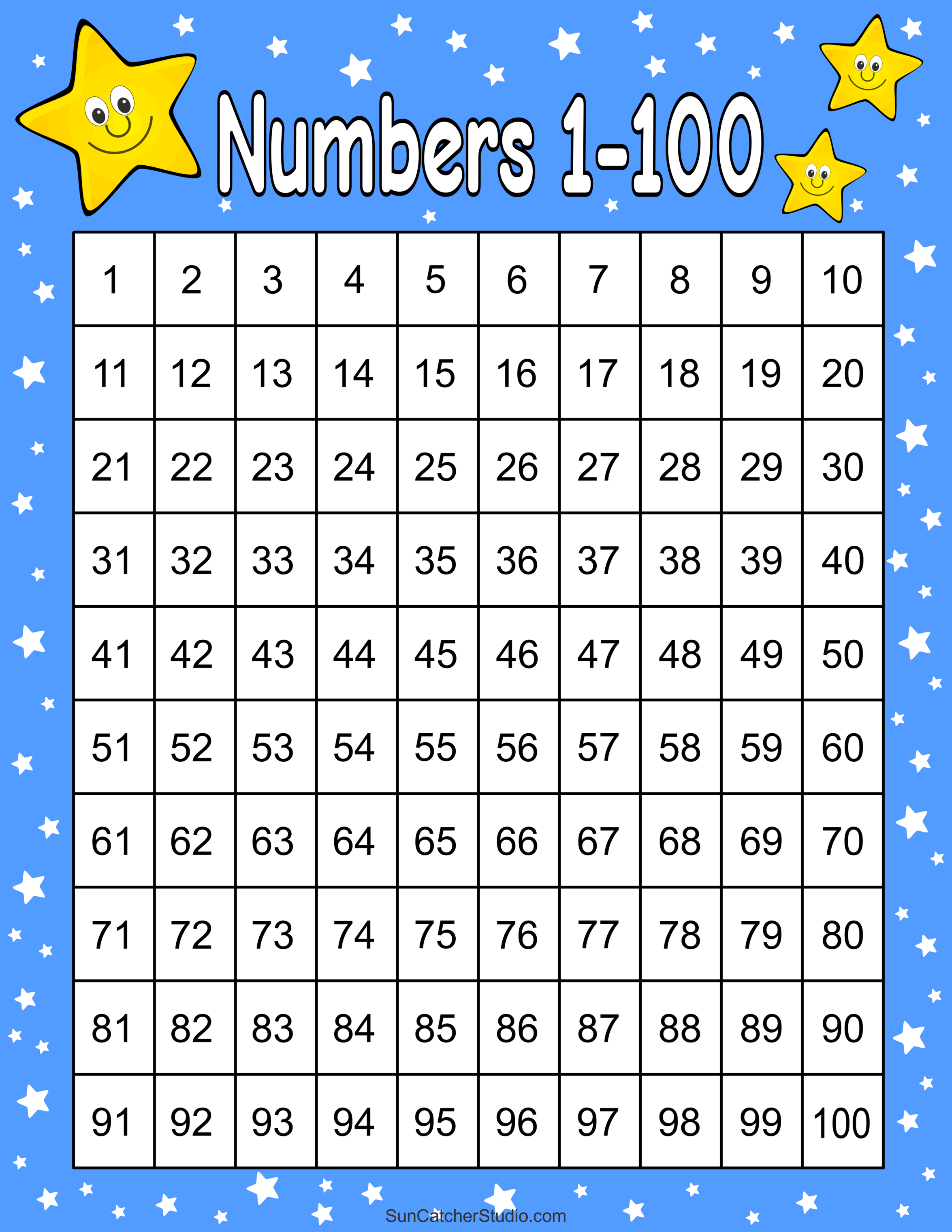
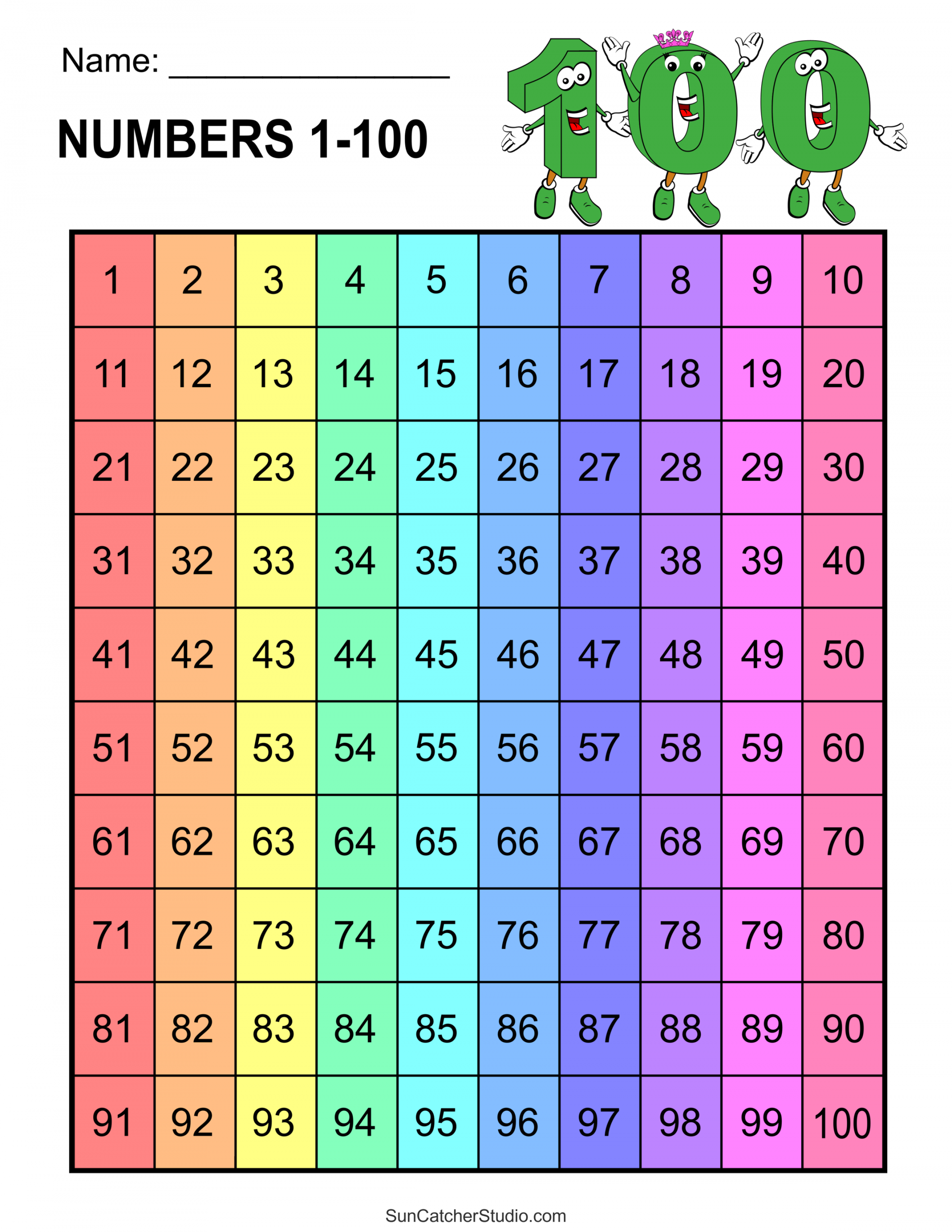
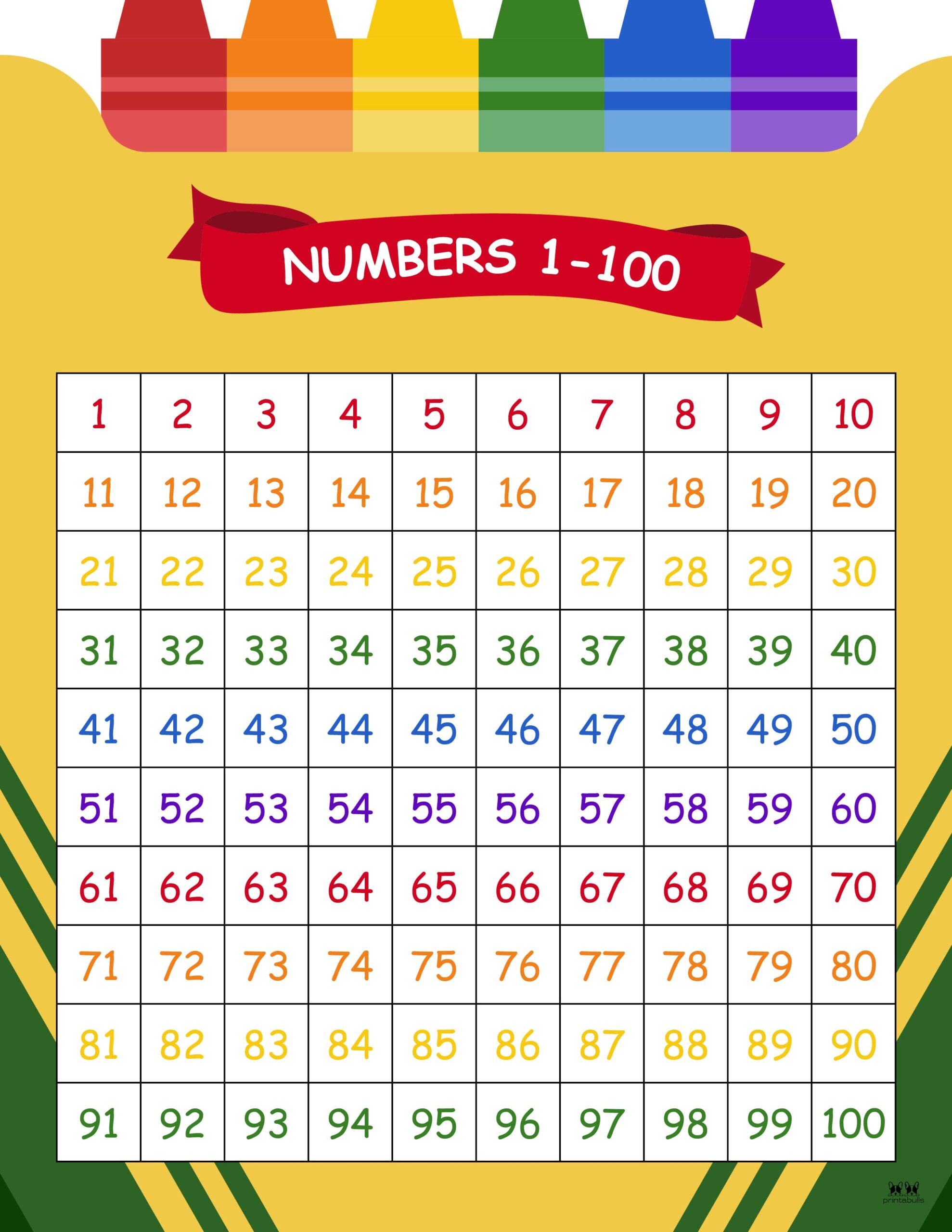
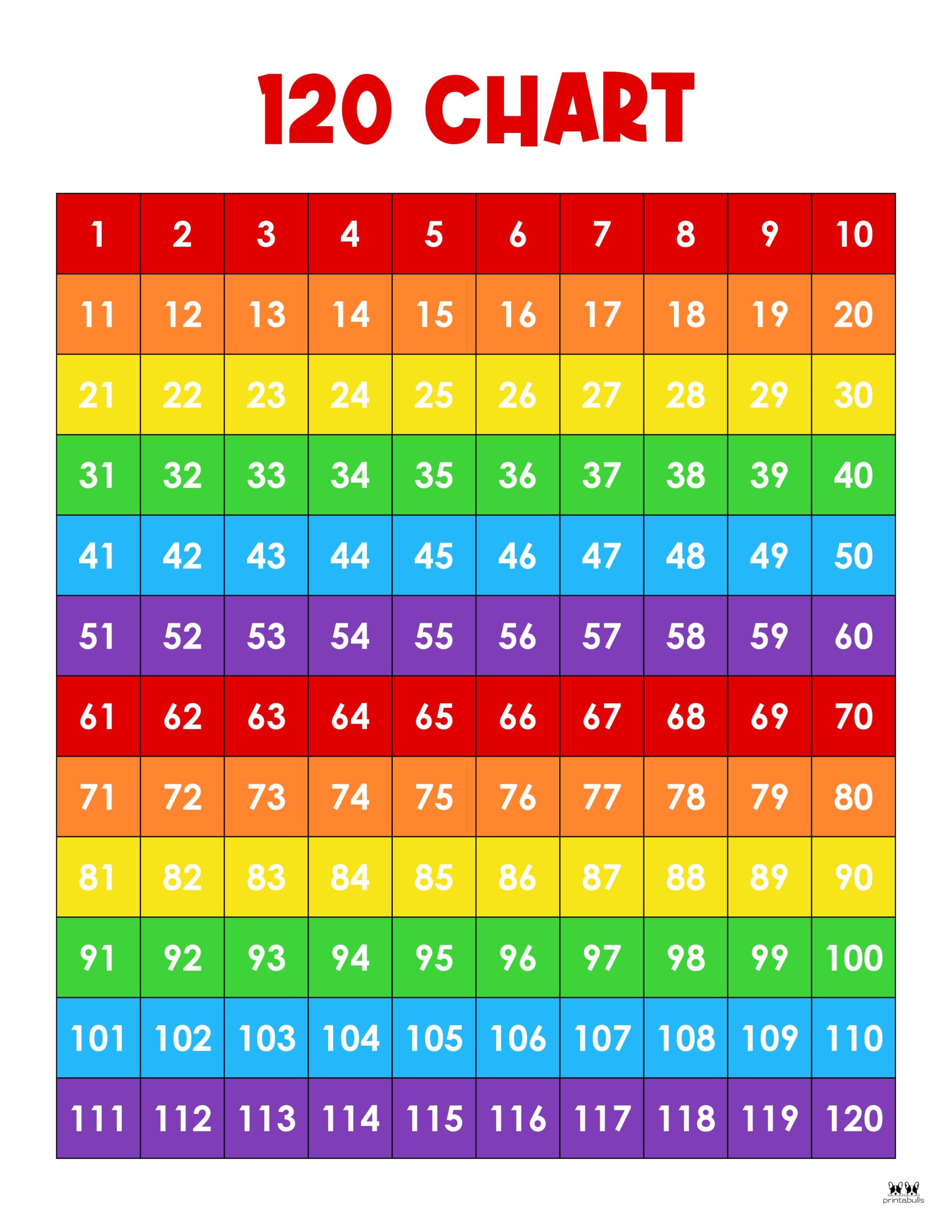
You've likely come across a 1 to 100 chart before, whether it's for a quick reference or to teach basic counting and number recognition. These charts are a simple yet effective tool, offering a visual representation of numbers in a sequential order, often with additional features like ordinal numbers or a number line. While the format and values may vary, the core purpose remains the same: to provide an at-a-glance guide for various tasks and learning activities.
The 1 to 100 Chart: A Simple Numbering Guide
The 1 to 100 chart is a fundamental tool for understanding and working with ordinal numbers, offering a visual representation of the counting sequence from 1 to 100. This chart serves as a reference for anyone learning or teaching basic numeracy, providing a clear and organized layout of numbers in their sequential order.
Key Details and Prerequisites
The 1 to 100 chart typically presents numbers in a grid format, with each number occupying a distinct cell or box. The chart is usually organized in rows and columns, with numbers increasing either horizontally or vertically. The numbering system follows a standard sequence, ensuring consistency and ease of use.
Reading the Chart: A Step-by-Step Guide
Begin at the starting point, which is usually the number 1, located at the top left corner of the chart. This is the first number in the sequence and serves as the foundation for the entire chart.
Proceed to the next number, which is 2, and so on. The chart typically follows a logical progression, with numbers increasing by 1 with each step. This sequential order is crucial for understanding the chart's structure.
As you move across the chart, either horizontally or vertically, notice how the numbers increase systematically. This pattern helps users quickly identify specific numbers and understand their position in the sequence.
To locate a particular number, simply count along the rows or columns until you reach the desired value. For instance, if you're looking for the number 50, start at 1 and count up until you reach 50.
The chart's design often includes additional features to aid in navigation and learning. These may include color-coding, highlighting, or even mathematical patterns to help users grasp number relationships and patterns.
Common Variations and Differences
While the 1 to 100 chart follows a standard numbering sequence, variations can occur depending on the context and purpose. For instance, educational charts might use different colors or designs to emphasize specific number patterns or mathematical concepts. Additionally, some charts may include additional information, such as prime numbers or even simple equations, to enhance learning.
Avoiding Mistakes and Ensuring Accuracy
When using a 1 to 100 chart, it's essential to double-check the specific numbering system and format. While the standard sequence is consistent, variations can exist, especially in educational or specialized charts. Always verify the chart's labeling and numbering to ensure accuracy. Additionally, be mindful of the chart's purpose and intended audience, as this can influence its design and features. For instance, a chart designed for young learners may have a simpler layout and focus on basic counting, while a more advanced chart might incorporate complex number patterns.
Hey there! We've covered a lot of ground with our 1 to 100 chart guide, and I hope it's given you a clear understanding of this handy tool. Remember, while the basics remain the same, you might find slight variations in different contexts, so always double-check your sources.
Don't forget, we've got a whole host of other practical guides and resources on our site, so feel free to explore and discover more helpful tips and tricks. Happy learning, and keep those charts organized!