







Billing Invoice Meaning In Tagalog Overview
I was chatting with a friend recently, and we got onto the topic of unique construction names with meaning. It's something I've always found fascinating, how a name can capture the essence of a business and leave a lasting impression. So, I thought I'd share some thoughts and insights on this fun aspect of the construction world.
The Power of a Name
A unique and meaningful name for your construction business can set you apart from the competition. It's your first chance to make an impression and connect with potential clients. But what makes a good name? Well, it's a balance between creativity and practicality. You want something memorable, but it also needs to reflect your business's values and services.
Consider the tone and message you want to convey. Is your business focused on innovative, modern construction? Or do you specialize in traditional, heritage-style builds? The name should hint at your expertise and the unique value you bring to the table. It's a chance to showcase your personality and make a bold statement.
Naming Your Business
When brainstorming names, think about words and phrases that resonate with your brand. It could be a play on words, a nod to your location, or a reference to the services you offer. Get creative, but also ensure the name is easy to remember and pronounce. You don't want potential clients stumbling over your business name!
Here are a few original ideas to spark your imagination:
- Build-it-Bright
- Construct-a-Dream
- Hammer & Hive
- Modern Foundations
- Eco-Build Solutions
- The Bricklayer's Club
Remember, it's crucial to check the availability of your chosen name. You'll need to register it with local authorities and secure the domain name for your website. It's a good idea to consult a legal professional to ensure you're covering all the bases.
Standing Out in a Competitive Industry
The construction industry is bustling with businesses, both large and small. So, how do you make your company stand out? A unique and meaningful name is one way to differentiate yourself. It shows you've put thought into your brand and helps you build a strong identity.
Large construction firms often have well-established names that reflect their size and scope. They might incorporate their location or a reference to their long history. Smaller businesses, on the other hand, can use unique names to their advantage, showcasing their specialty and personality.
Finding the Right Contractor
When searching for a contractor, whether for a large-scale project or a home renovation, it's essential to do your research. A unique name can be a great conversation starter, but it's what's behind the name that matters most.
Ask for recommendations from friends and family, and check online reviews. Get quotes from several contractors and compare their services and prices. Don't be afraid to ask questions and ensure you understand the scope of the work and any potential additional costs. A good contractor will be transparent and happy to answer your queries.
Tools of the Trade
In the construction world, there are various tools and resources to help with estimating costs and managing projects. One such tool is RSMeans, a database that provides cost data for various construction projects. It's a valuable resource for both contractors and clients, offering insights into the potential costs of a build.
However, it's important to remember that these tools provide estimates, and the final cost can vary depending on factors like location, materials, and labor. Always get a detailed quote from your contractor and compare it with other estimates to ensure you're getting a fair price.
Final Thoughts
Choosing a unique and meaningful name for your construction business is an exciting step. It's a chance to showcase your creativity and leave a lasting impression. Remember to keep it practical and ensure your name reflects your brand's values and services. And when hiring a contractor, take the time to research and compare, ensuring you find the right fit for your project. Happy building!
Related: Uncover Seaside Tide Chart Secrets
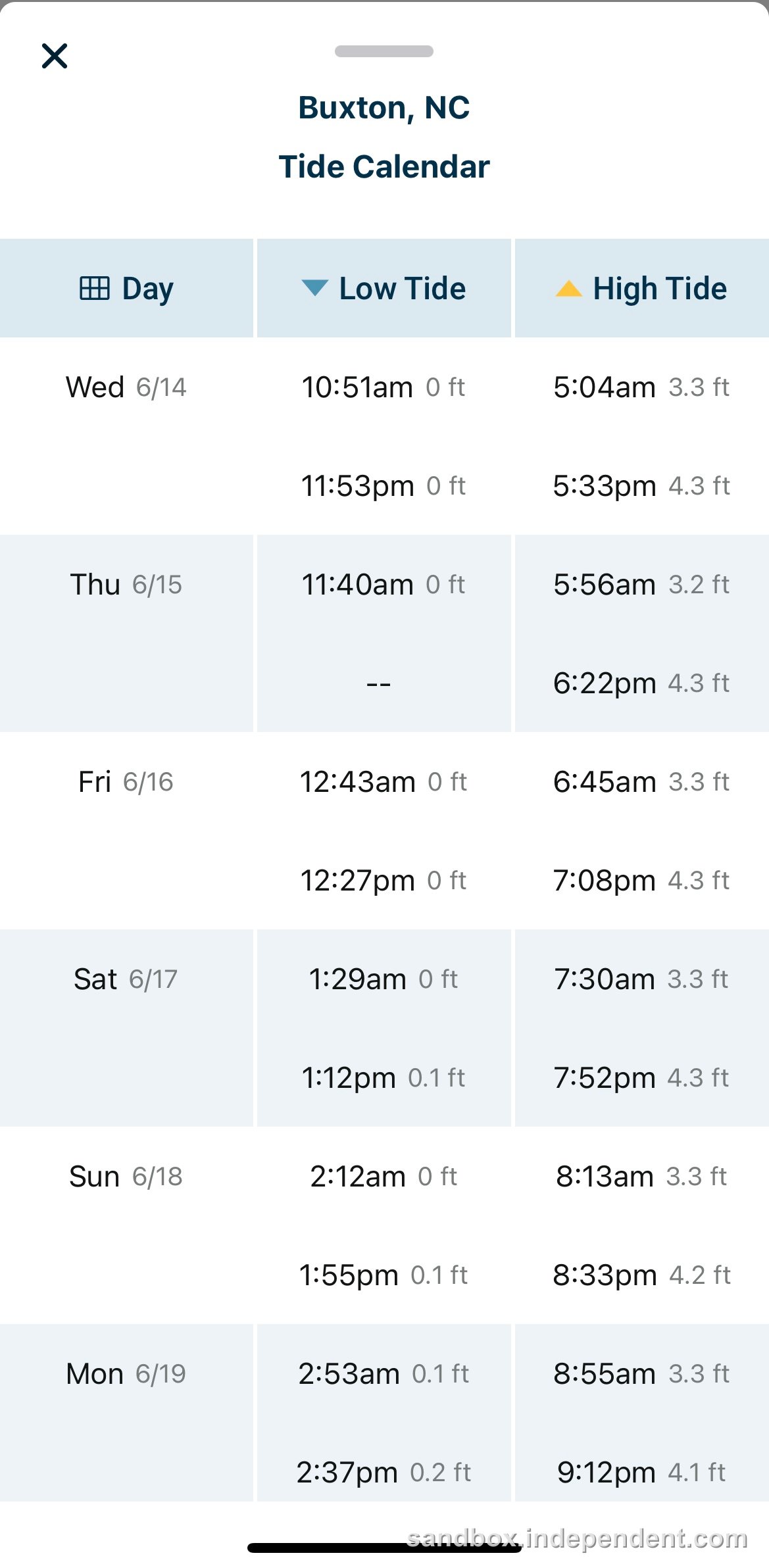
Many people assume that a seaside tide chart is a complex, intimidating tool, but it's actually a simple and incredibly useful reference for anyone spending time by the coast. While it may look like a mysterious code at first glance, with its unique symbols and data, the tide chart is a straightforward guide to understanding the ocean's movements. This chart provides essential information, like tide times and the tidal range, which is crucial for coastal navigation and understanding sea level changes.
Understanding Tides: A Seaside Guide
A seaside tide chart is a handy tool for anyone planning coastal activities or simply curious about the ocean's rhythms. It's a visual representation of the tides, showing the predicted water levels at specific times. This guide will help you decipher the chart and understand its practical applications.
Reading Tide Graphs: Standard Formats and Symbols
The tide chart typically displays a graph with time on the horizontal axis and water level on the vertical. You'll see two main categories: high tide and low tide, often marked with distinct colors or symbols. The values represent the height of the tide, usually in feet or meters, depending on the standard used. Some charts may also include additional information like tidal currents or moon phases.
Step-by-Step: Interpreting a Tide Chart
- Start by identifying the time of day you're interested in. This is crucial for coastal navigation and water depth considerations.
- Locate the corresponding point on the graph. The height at that time indicates the tide level.
- Consider the tidal range, which is the difference between high and low tide. This range can vary, so be mindful of the specific location's characteristics.
- If you're planning activities like fishing or boating, ensure you have the necessary equipment for the predicted water depth.
Common Misunderstandings and How to Avoid Them
One common mistake is assuming that tide charts are universally accurate. While they provide valuable predictions, local variations can occur due to factors like weather and geographical features. Always double-check the specific conditions for your location, especially if you're relying on the chart for safety-critical tasks like coastal navigation.
Factors Affecting Accuracy and Real-World Use
Several elements influence the accuracy of a seaside tide chart. Weather conditions, such as strong winds or storms, can cause deviations from the predicted tide times and heights. Additionally, the chart's accuracy may vary depending on the data source and the frequency of updates. It's essential to use the most recent and reliable data for your specific location. Understanding these factors will help you interpret the chart effectively and make informed decisions.
Well, there you have it! A handy guide to understanding and using tide charts like a pro. Remember, these charts are a valuable tool, but it's always wise to check the specific conditions and requirements for your location and activity.
Don't forget to explore our other guides and resources. We've got plenty of practical tips and insights to help you make the most of your seaside adventures. Happy charting, and we hope to see you back here soon!
Related: Jobs Hiring Construction Simple Guide for Builders
I've got a friend who's been looking for work in jobs hiring construction, and it got me thinking about how many people are out there searching for these roles. So, I decided to look into it and share what I found.
Construction Jobs: What's Out There?
When you hear jobs hiring construction, you might think of the big-name building companies, but there's a whole lot more to it than that. Construction covers a massive range of roles, from general contractors to specialized trades like plumbing or electrical work. It's not just about building new stuff, either; remodeling and home renovation are huge parts of the industry.
So, what does this mean for job seekers? Well, there are plenty of opportunities, but it's not always easy to know where to look or what to ask. Let's break it down.
Finding the Right Role
First, consider the type of work you want to do. Are you more interested in the hands-on side of construction, like carpentry or bricklaying? Or do you prefer the planning and management side, perhaps as a project coordinator or estimator? The great thing about construction is that there are roles for all kinds of skills and interests.
Once you've got an idea of the type of work you want, it's time to start looking. Online job boards are a good place to start, but don't forget about local companies and smaller businesses. They might not always advertise roles online, so it's worth giving them a call or popping in to see if they're hiring.
Hiring a Contractor: What to Look For
If you're on the other side of the fence and need to hire a contractor for a project, there are a few things to keep in mind. First, get quotes from several companies. This will give you an idea of the going rate and help you spot any outliers.
When comparing quotes, look beyond the price. Check the scope of the work, the materials and labor included, and the timeline. A cheaper quote might not be the best value if it excludes key elements or takes much longer to complete.
Company Names and Branding
For those starting their own construction business, choosing a name is a big deal. It needs to be memorable, reflect your services, and stand out from the competition. Some examples of catchy construction company names include:
- Build-it-Right
- Hammer Down Solutions
- Pro-Fit Renovations
- Crafted Spaces
- Blue Collar Builders
Before settling on a name, check its availability for registration and domain purchase. You don't want to get too far down the line only to find out someone else has already taken the name.
Industry Tools and Data
Construction professionals often use tools like RSMeans to estimate costs and track escalation. These databases provide valuable data on labor and material costs, helping contractors and companies price their services accurately.
While these tools are great, they're just a starting point. Local conditions, permit requirements, and the scope of your project will all impact the final cost. Always get several quotes and compare them carefully.
Wrapping Up
There's a lot to uncover when you start looking into jobs hiring construction. Whether you're seeking work or hiring a contractor, it's a complex but rewarding industry. I hope this has given you some useful insights and ideas to get you started. Happy job hunting, and good luck with those projects!