



Birthday Card Coloring Template Overview
I've just finished a home project and was thinking about the next one. Media room renovation cost is something I'm curious about, as it's a big job and I want to get it right. I've heard it can be expensive, but I'm not sure what the typical costs are or how to plan for it. I need to know what to expect and how to make sure I get a good deal.
Understanding Media Room Renovation Costs
So, you're thinking about transforming your space into a media room haven? It's an exciting project, but media room renovation cost can be a big consideration. Let's break it down and explore what factors influence the price tag.
The cost of your media room renovation will depend on several key elements. Firstly, the size of the room and the scope of work required. Are you converting an existing space or starting from scratch? The more complex the design and the larger the room, the higher the cost will likely be.
Materials play a significant role too. From high-end audio-visual equipment to comfortable seating and stylish decor, the choices you make will impact the overall expense. It's a balance between your vision and your budget.
Labor costs are another crucial factor. Hiring skilled professionals to handle the electrical work, soundproofing, and installation of specialized equipment can add up. It's important to get quotes from reputable contractors to ensure a smooth and efficient renovation process.
Finding the Right Contractor
When it comes to hiring a contractor for your media room renovation, there are a few key things to consider. First, check their qualifications and experience. You want someone who specializes in home remodeling and has a proven track record. Ask for references and read reviews to get a sense of their work.
Get multiple quotes to compare prices and services. A good contractor will provide a detailed breakdown of costs, so you know exactly what you're paying for. Don't just go for the cheapest option; consider the value and quality of the work offered.
Construction Companies and Names
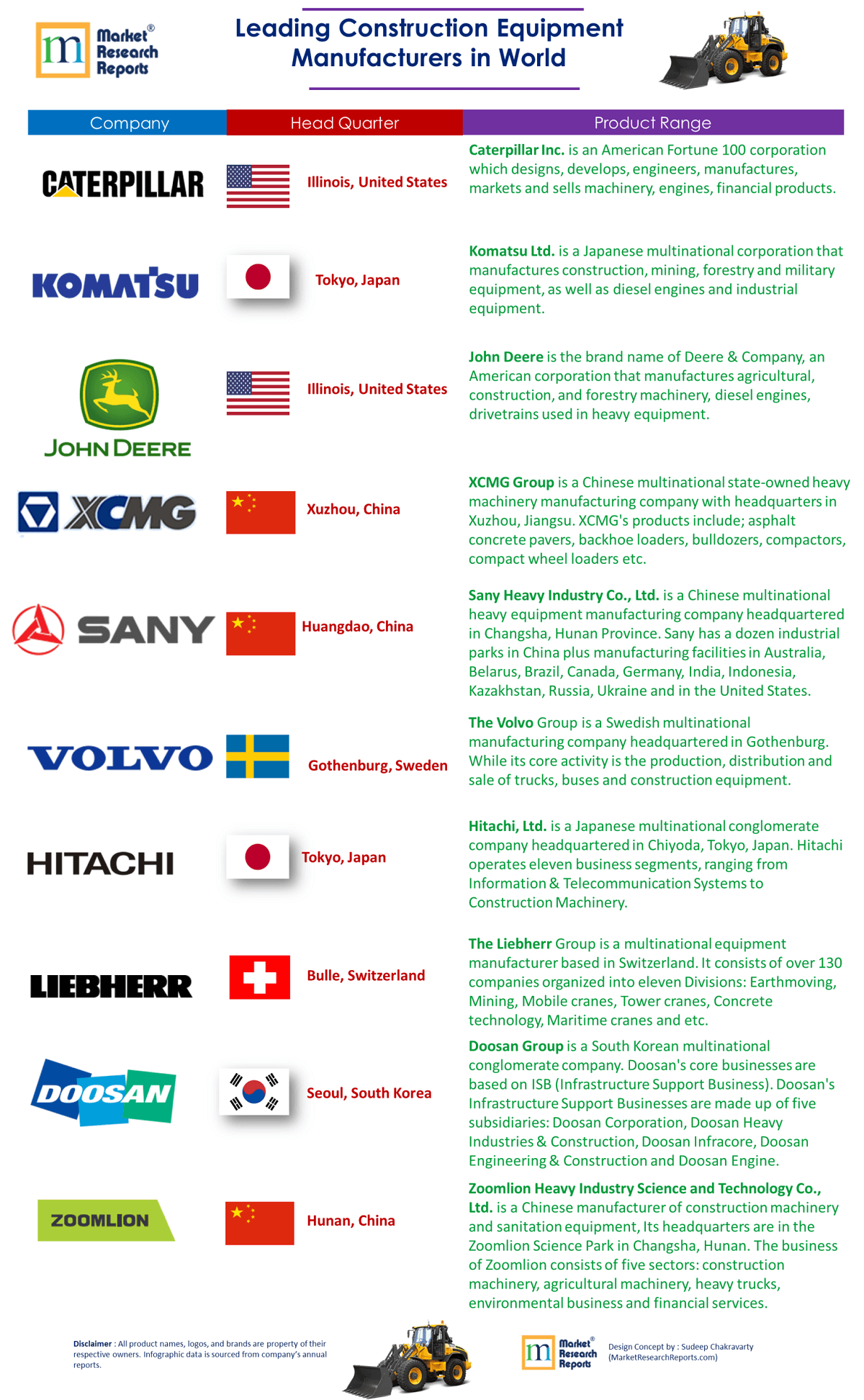
The construction industry is diverse, with companies of all sizes. When it comes to media room renovations, you'll likely be looking for a specialized home remodeling contractor. These companies focus on residential projects and can offer personalized services.
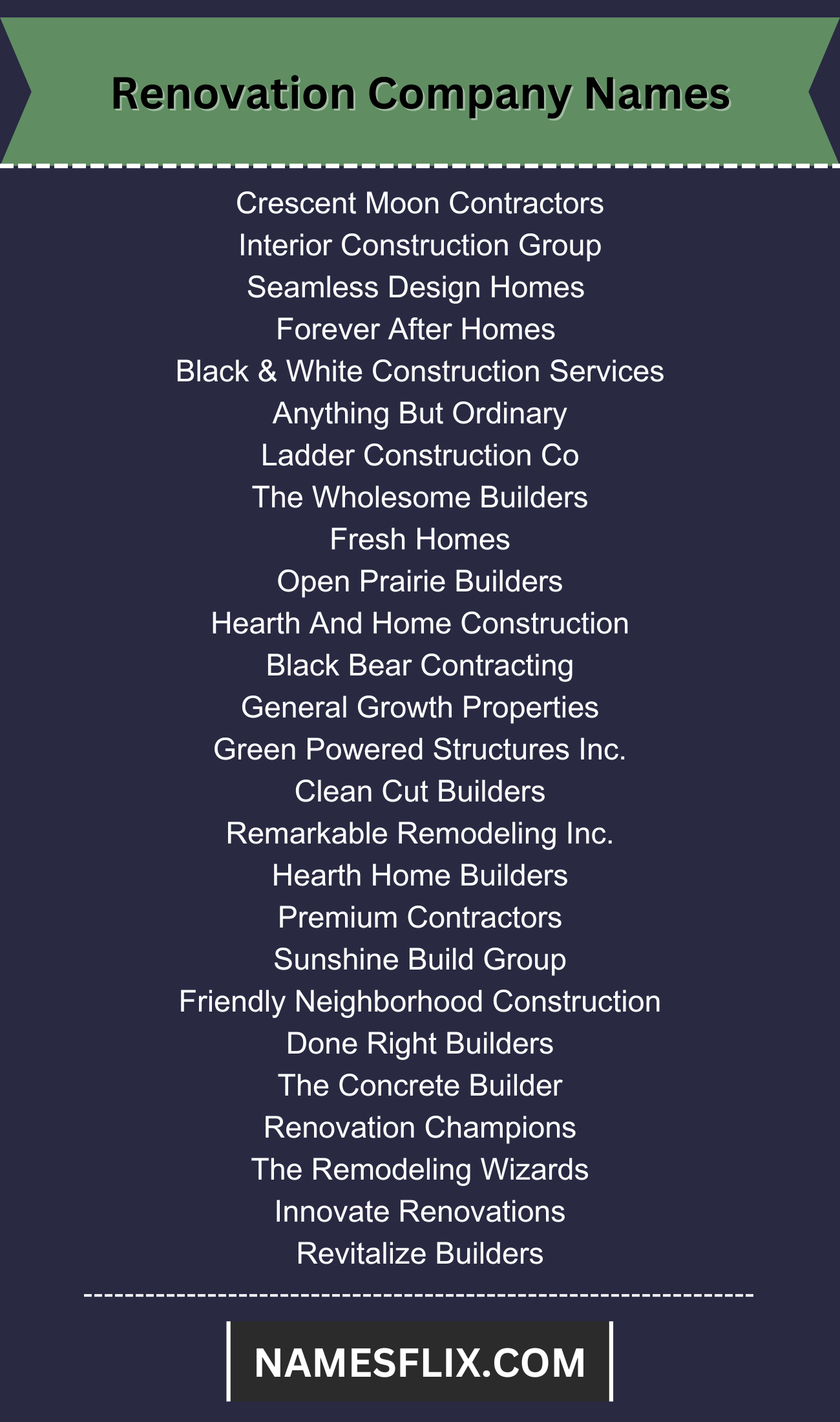
Choosing a name for your construction business is important. It should be memorable and reflect your brand. Some ideas could be:
- BuildCraft
- Home Innovation Group
- Remodel Pros
- Design & Build Co.
- The Renovators
- Modern Spaces
Remember to check name availability and secure the right domain and local registrations.
Industry Insights and Jobs
The construction industry offers a range of roles, from estimators who calculate costs to project managers overseeing renovations. These jobs are in demand and often involve working with various professionals.
As for salaries, they can vary based on experience and the company's size. Larger firms may offer competitive packages, while smaller businesses might provide a more personalized work environment. Job boards and industry-specific websites are great places to start your search.
Data and Tools for Estimating Costs
When it comes to estimating media room renovation cost, tools like RSMeans can be invaluable. These databases provide cost information for various construction projects, helping contractors and homeowners alike. They offer insights into material and labor expenses, ensuring accurate quotes.
For a media room renovation, you'll want to consider the cost escalation over time. This accounts for potential price increases due to market fluctuations and helps you budget effectively. It's a valuable tool for long-term planning.
Big Picture: Industry and Market
The construction industry is diverse, with a range of companies from small, family-run businesses to large corporations. Larger firms often have the resources for bigger projects and can offer competitive pricing. However, smaller companies might provide more personalized service and attention to detail.
The market outlook is an important consideration. Construction trends and economic factors can impact the industry. Staying informed about these changes can help you make smart decisions when planning your media room renovation.
Final Thoughts
Renovating a media room is an exciting project, and understanding the media room renovation cost is crucial. From materials to labor, there are many factors to consider. By researching and comparing quotes, you can make an informed decision and create your dream media room within your budget.
Related: Best Construction Name Guide
"What's in a name?" I often wonder when it comes to best construction name. It's an important consideration for any business, especially in the construction industry. So, let's dive into this topic and uncover some insights!
The Significance of a Construction Business Name
Choosing the best construction name for your business is crucial. It's the first impression you make on potential clients and can leave a lasting impact. A well-chosen name can set the tone for your brand and reflect the values and services you offer. It's like a calling card, so you want it to be memorable and professional.
When selecting a name, consider the following:
- Simplicity: Keep it simple and easy to remember. Avoid complicated or lengthy names that might confuse customers.
- Relevance: Choose a name that hints at your construction expertise. It could incorporate words like "build," "construct," or "renovate" to give an immediate idea of your services.
- Uniqueness: Stand out from the crowd! Opt for a name that's distinctive and not easily confused with other businesses.
- Availability: Before finalizing, check if the name is available for registration. You don't want legal issues or confusion down the line.
Practical Tips for Choosing a Name
Here are some practical steps to help you find the perfect name:
- Brainstorm: Write down ideas and keywords related to your business. Think about your specialty, target audience, and unique selling points.
- Combine and Play: Experiment with different word combinations and see what resonates. You might find inspiration in unexpected places!
- Get Feedback: Share your top choices with friends, family, or colleagues. Their fresh perspectives can offer valuable insights.
- Research: Ensure the name isn't already trademarked or copyrighted. A quick online search can save you from potential legal headaches.
A Few Name Ideas to Inspire You
If you're stuck for ideas, here's a short list to spark your creativity:
- Build-Pro
- Construct-Rite
- HomeCrafters
- Renova Solutions
- BuildTech
- Crafted Spaces
Remember, these are just suggestions! Feel free to tweak, combine, or come up with your own unique twist.
Construction Jobs and Salaries
The construction industry offers a wide range of roles, from general contractors to specialized tradespeople. Salaries can vary depending on experience, location, and the specific job. When searching for construction jobs, consider the following:
- Experience: More experience often leads to higher pay. Highlight your skills and past projects to negotiate a competitive salary.
- Specialization: Specialized roles, like estimators or project managers, may command higher salaries due to their unique expertise.
- Location: Construction jobs in urban areas or regions with high demand may offer better compensation. Research local markets to understand the going rates.
Industry Tools and Data
Tools like RSMeans provide valuable data for construction professionals. It offers cost estimating services, helping contractors and businesses plan and budget accurately. By using such tools, you can stay informed about industry trends and make more informed decisions.
Wrapping Up
Choosing the best construction name is an important step in establishing your brand. It's a fun process, but it requires some thought and creativity. Remember, the right name can set the foundation for a successful business. So, take your time, consider your options, and don't be afraid to get creative!
Related: How do I use a ski sizing chart?
Many people assume that a ski sizing chart is a one-size-fits-all guide, but it's actually a bit more nuanced than that! While these charts offer a great starting point, they're not always an exact science. It's a common mistake to think that your height alone determines your ski size, when in fact, there are several factors to consider.
The ski sizing chart is a useful tool, but it's important to remember that ski size recommendations can vary slightly depending on your skiing ability, personal preference, and even the type of terrain you typically ski on. So, while it's a great reference, it's always worth seeking a little extra advice to ensure you get the perfect fit.
Ski Sizing Chart: A Practical Guide
Ski sizing charts are your go-to tool for finding the perfect ski length. They provide a simple way to match your height, weight, and skill level with the right ski size. This chart is a handy reference, but it's important to understand how to use it accurately.
Key Details: Understanding the Chart
The ski size guide typically shows a range of heights and corresponding ski lengths. It often includes categories like beginner, intermediate, and advanced skiers. The units used are usually inches or centimeters, depending on the standard. For example, a common recommendation might be a ski length of 160-170 cm for a skier who is 170-180 cm tall. These charts are a great starting point, but they're not one-size-fits-all.
Reading and Applying the Chart: Step-by-Step
Here's a simple process to follow:
- Identify your height and skill level.
- Locate your height range on the chart.
- Choose a ski length within the recommended range.
- Consider your personal preference and adjust slightly if needed.
For instance, if you're an intermediate skier and the chart suggests 165-175 cm skis for your height, you might opt for 170 cm skis. Remember, this is a guide, so feel free to experiment within the suggested range.
Variations: Why Ski Sizing Charts Differ
Several factors can cause variations in ski size recommendations:
- Ski height to length ratio: This ratio can vary based on the type of skiing (e.g., alpine vs. cross-country).
- Ski size by ability: Advanced skiers often prefer longer skis, while beginners might find shorter ones more manageable.
- Ski size by weight: Heavier skiers might benefit from slightly longer skis for better float and stability.
- Manufacturer preferences: Different brands may have unique recommendations.
- Regional standards: Some charts might use metric units, while others use imperial.
Common Mistakes and How to Avoid Them
A few simple errors to watch out for:
- Assuming one chart fits all: Always check if the chart is relevant to your skill level and the type of skiing you plan to do.
- Ignoring personal preference: While the chart is a guide, your comfort and confidence are key. Don't be afraid to adjust within the recommended range.
- Relying solely on height: Skill level and weight also play a role, so consider all factors.
Practical Tips for Accurate Results
To ensure you get the best fit:
- Double-check the chart's units and ensure they match your measurements.
- If you're between sizes, consider your skill level and the type of skiing.
- When trying skis, take a few runs to get a feel for the length.
- Remember, the chart is a starting point, but your comfort and performance are the ultimate goals.
By understanding the ski sizing chart and its variations, you can make an informed decision and enjoy your skiing experience. Happy trails!
Well, there you have it! Finding the perfect ski size is an important step to ensure your comfort and safety on the slopes. Remember, while this guide provides a great starting point, it's always a good idea to consult with experts or try out different sizes to find your ideal fit.
Feel free to explore our other guides and resources to enhance your skiing experience. We've got plenty of tips and tricks to help you become a pro!