







Bit Size Chart 2026 Overview
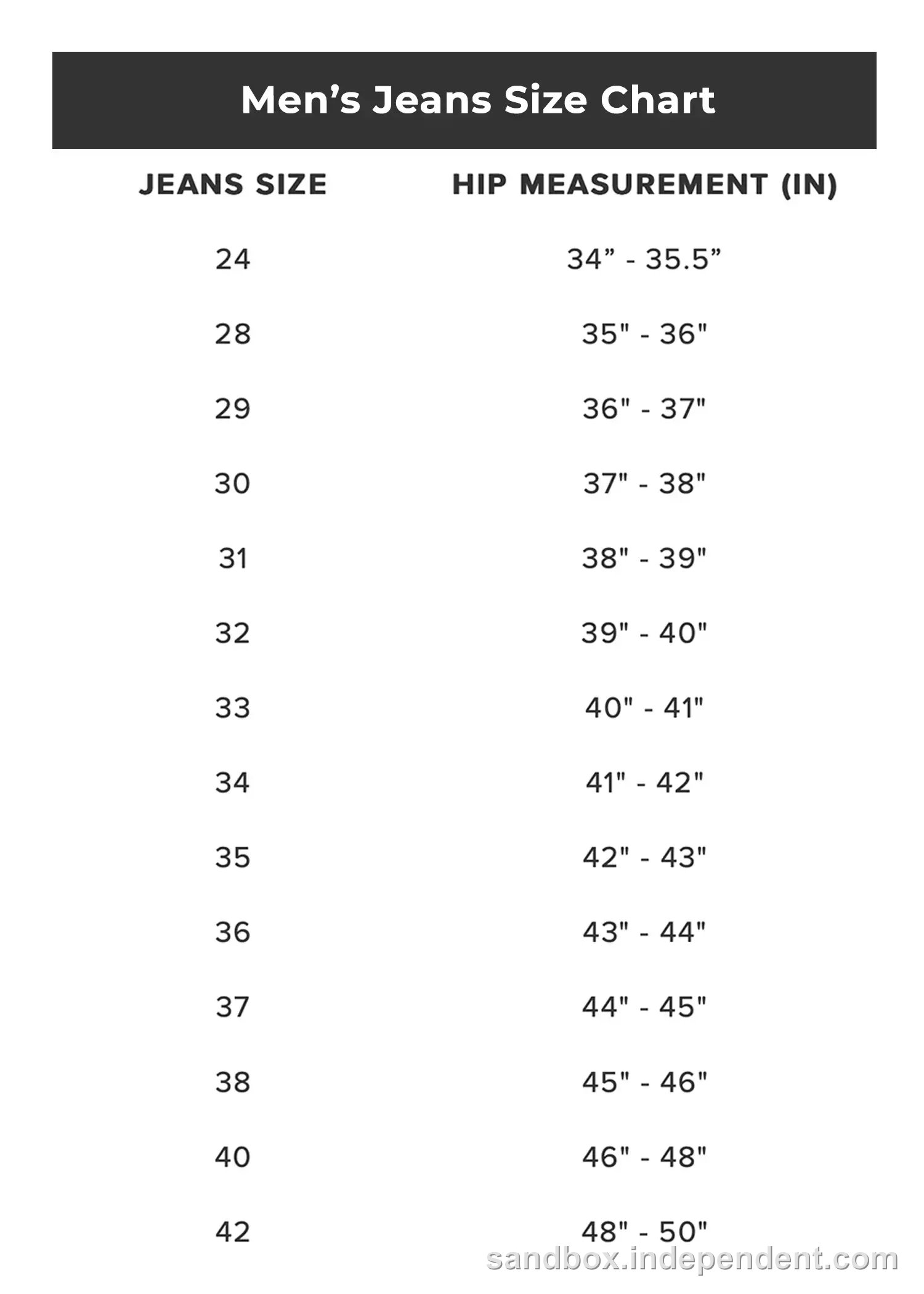
Many people approach the Levis size chart with a bit of trepidation, assuming it's a complex and confusing tool. However, it's actually a straightforward guide that can make finding your perfect fit a breeze. The chart, often accompanied by a sizing guide, provides a clear and visual representation of Levis' sizing system, ensuring you can easily navigate the brand's unique sizing standards. It's a simple reference, yet a powerful tool when you understand its layout and key measurements, such as waist size and inseam length.
Understanding the Levis Size Chart
The Levis size chart is a valuable tool for anyone looking to find their perfect fit in Levis jeans. It provides a clear and standardized guide to help you determine your size based on key body measurements. This chart ensures a consistent sizing experience across Levis products, making it easier to shop with confidence.
Key Details and Categories
The Levis size chart typically includes measurements for waist size, hip size, and inseam length. These measurements are crucial in determining the right fit for your body. The chart provides a range of sizes, usually in inches or centimeters, depending on the standard being used. For example, the waist size may be listed in inches, while the inseam length is given in centimeters. It's important to note that these measurements are specific to Levis products and may differ from other brands' sizing guides.
How to Read and Apply the Chart
To use the Levis size chart accurately, follow these steps:
- Measure your waist size: Use a measuring tape to find the circumference of your waist, ensuring the tape is parallel to the floor. This measurement should be taken at the point where you would normally wear your jeans.
- Determine your hip size: Measure the fullest part of your hips, again keeping the tape parallel to the floor. This measurement is crucial for a comfortable and flattering fit.
- Check your inseam length: Measure the length from your crotch to the point where you want your jeans to end. This measurement ensures the jeans have the desired length and fit.
- Refer to the Levis size chart: Locate your waist and hip measurements on the chart. The intersection of these measurements will give you your size. For example, if your waist is 32 inches and your hip measurement is 40 inches, you would look for the size that corresponds to these dimensions.
- Consider the style: Different Levis styles may have slightly different fits, so be sure to check the specific style guide for any variations. Some styles may have a slimmer or more relaxed fit, impacting the overall sizing.
Variations and Differences
It's important to note that sizing can vary across different standards and regions. Levis, like many clothing brands, may have slight variations in their size charts depending on the market. Additionally, individual body shapes and preferences can also impact the fit. Some people may prefer a looser or tighter fit, which can influence their size choice. It's always a good idea to refer to the brand's size guide and consider any style-specific notes.
Common Mistakes and How to Avoid Them
- Not measuring accurately: Ensure you follow the correct measuring techniques to get precise measurements. Inaccurate measurements can lead to an incorrect size choice.
- Ignoring style-specific guides: Different Levis styles may have unique fits. Always check the style guide to ensure you're choosing the right size for the style you want.
- Relying solely on past purchases: Sizing can change over time, and brands may update their size charts. It's best to measure yourself each time you shop to ensure an accurate fit.
- Assuming one size fits all: Levis offers a range of sizes to accommodate different body types. Don't be afraid to try different sizes to find the perfect fit.
- Neglecting care and maintenance: Proper care and maintenance of your jeans can impact their fit over time. Follow the care instructions to ensure your jeans maintain their shape and size.
Well, there you have it! A comprehensive guide to navigating the world of Levi's size charts. Remember, while this chart provides a solid foundation, exact values can vary, so always double-check your specific needs and requirements.
Consider bookmarking this page for future reference; it's a handy tool to have at your fingertips when you need to quickly find the right size. Stay stylish and confident, and happy sizing!
Related: A Quick Guide to Lyon Charter Twp: Reference Values
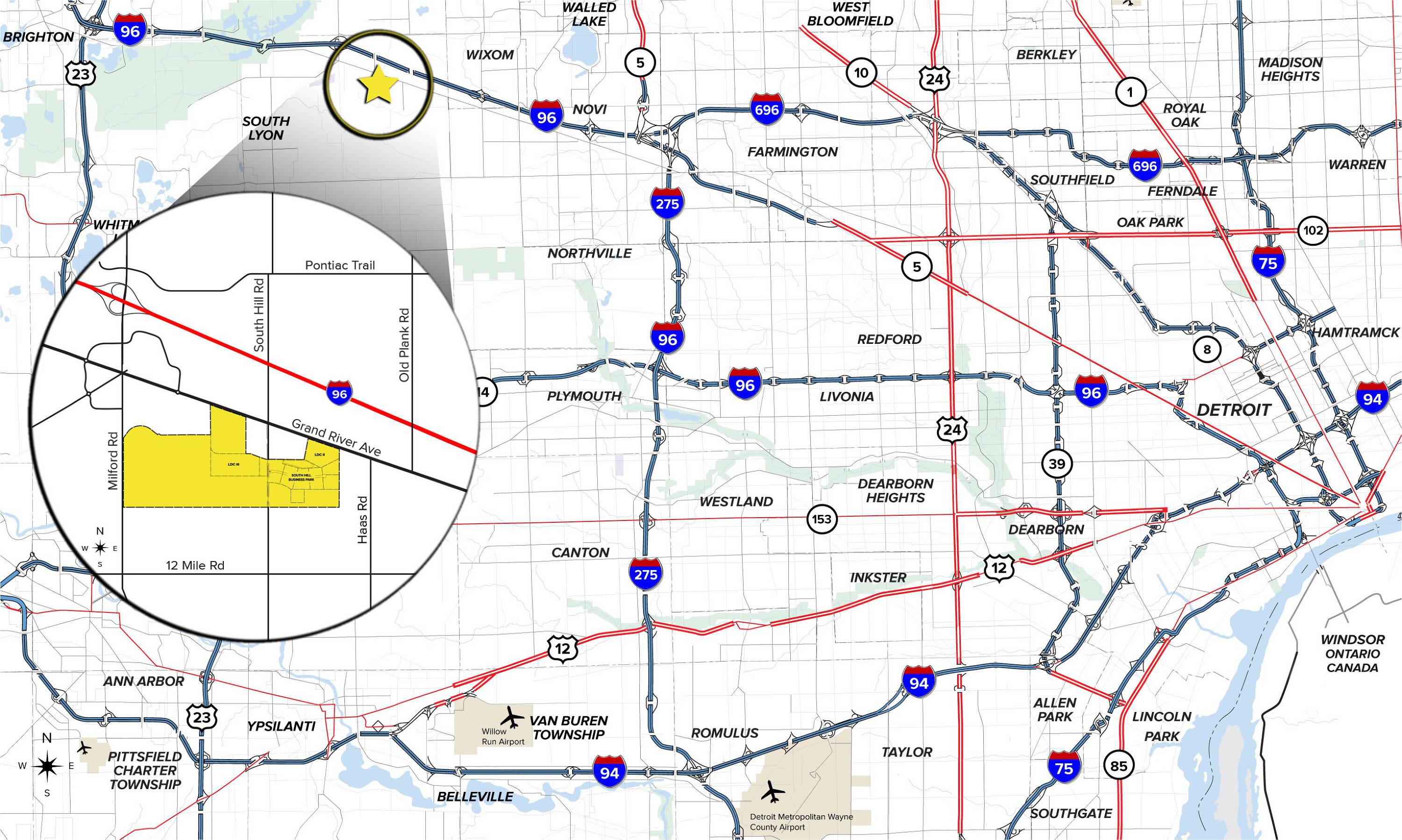
Frustrated by the endless scrolling and unclear charts? You're not alone. Many people seek a quick, reliable reference when dealing with Lyon Charter Twp and its various charts and diagrams. It's a common challenge, and understanding these visuals is crucial for getting things done efficiently.
Whether you're a resident of Lyon Township or just need to navigate the local government's systems, the charts and references can be a real headache. Rest assured, you're not alone in this, and there are ways to simplify the process.
Understanding Lyon Charter Twp: A Practical Guide
Lyon Charter Twp is a unique form of local government, offering a specific set of services and benefits to its residents. This guide will help you navigate the charter township's structure and operations.
Key Details and Categories
The charter township of Lyon operates under a unique legal status, providing a range of services and powers not typically found in standard townships. It's important to understand the key personnel and their roles, as well as the various departments and their functions. The township's administration is headed by a supervisor, who oversees the daily operations and acts as the chief executive. Other key personnel include the clerk, treasurer, and trustees, each with specific responsibilities.
Reading and Applying the Township Chart
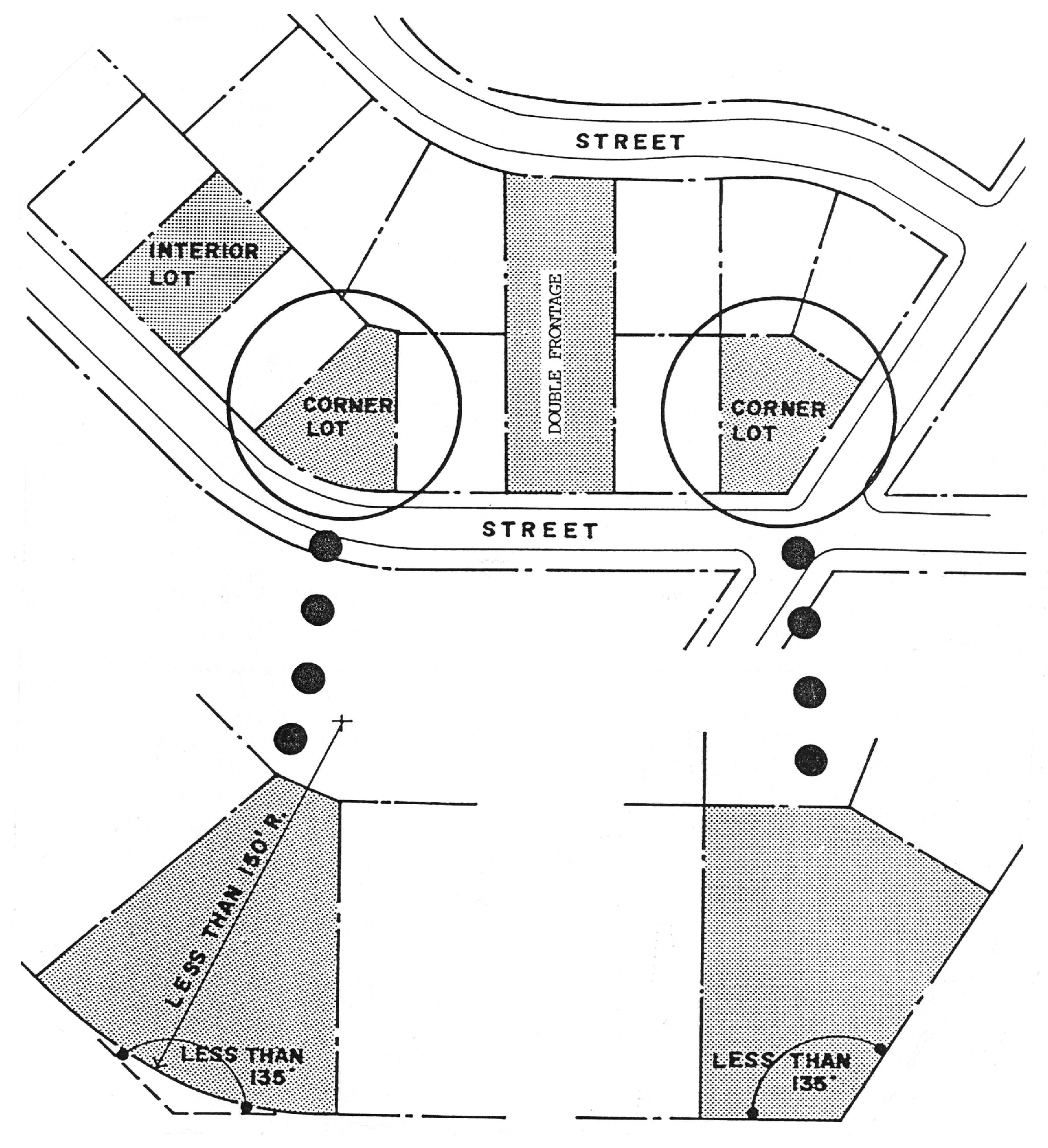
The township chart is a visual representation of the Lyon Charter Twp's organizational structure. It outlines the various departments, their functions, and the reporting hierarchy. To read the chart effectively, start by identifying the supervisor at the top, who has overall authority. Below them, you'll find the clerk, treasurer, and trustees, each with their own areas of responsibility. The chart also shows the various departments and their interconnections, helping you understand the flow of information and decision-making.
Variations and Differences
While the charter township of Lyon follows a standard structure, variations can occur due to specific local needs and preferences. Different townships may have slightly different department names or functions, depending on the community's requirements. Additionally, the size and population of a township can influence its organizational structure. Larger townships may have more specialized departments, while smaller ones might combine certain functions. It's important to be aware of these variations when comparing different townships.
Common Mistakes and How to Avoid Them
One common mistake is assuming that all townships operate identically. While there are standard practices, each township has its own unique characteristics. Another pitfall is overlooking the specific roles and responsibilities of key personnel. It's crucial to understand who does what within the township administration to ensure effective engagement and communication. Finally, failing to consider the township's unique services and benefits can lead to missed opportunities for residents.
Practical Tips for Accurate Understanding
When navigating Lyon Charter Twp, take the time to familiarize yourself with the township's website and official documents. These resources provide valuable insights into the township's structure, services, and contact information. Attend township meetings or events to gain a deeper understanding of local issues and engage with community leaders. Building relationships with township staff and officials can also provide valuable insights and assistance.
Double-Checking and Handling Exceptions
While the township chart provides a useful overview, it's important to double-check specific details and exceptions. Certain services or functions may vary depending on the township's unique circumstances. For example, the availability of certain recreational facilities or specialized programs might differ. It's always a good idea to confirm these details with the relevant department or township office to ensure accurate information.
Hey there, we hope this guide has given you a clear understanding of Lyon Charter Twp and its practical applications. Remember, while we've covered the basics, exact details can vary, so always refer to the most relevant and up-to-date sources for your specific needs.
Feel free to explore our other guides; we've got a whole range of topics to help you navigate various concepts and standards. Happy learning, and stay curious!
Related: Clear Reference: Math Anchor Charts Explained
A common misconception about math anchor charts is that they are only useful for teachers or advanced math enthusiasts. However, these charts are incredibly accessible and beneficial for anyone looking to improve their math skills or simply need a quick refresh!
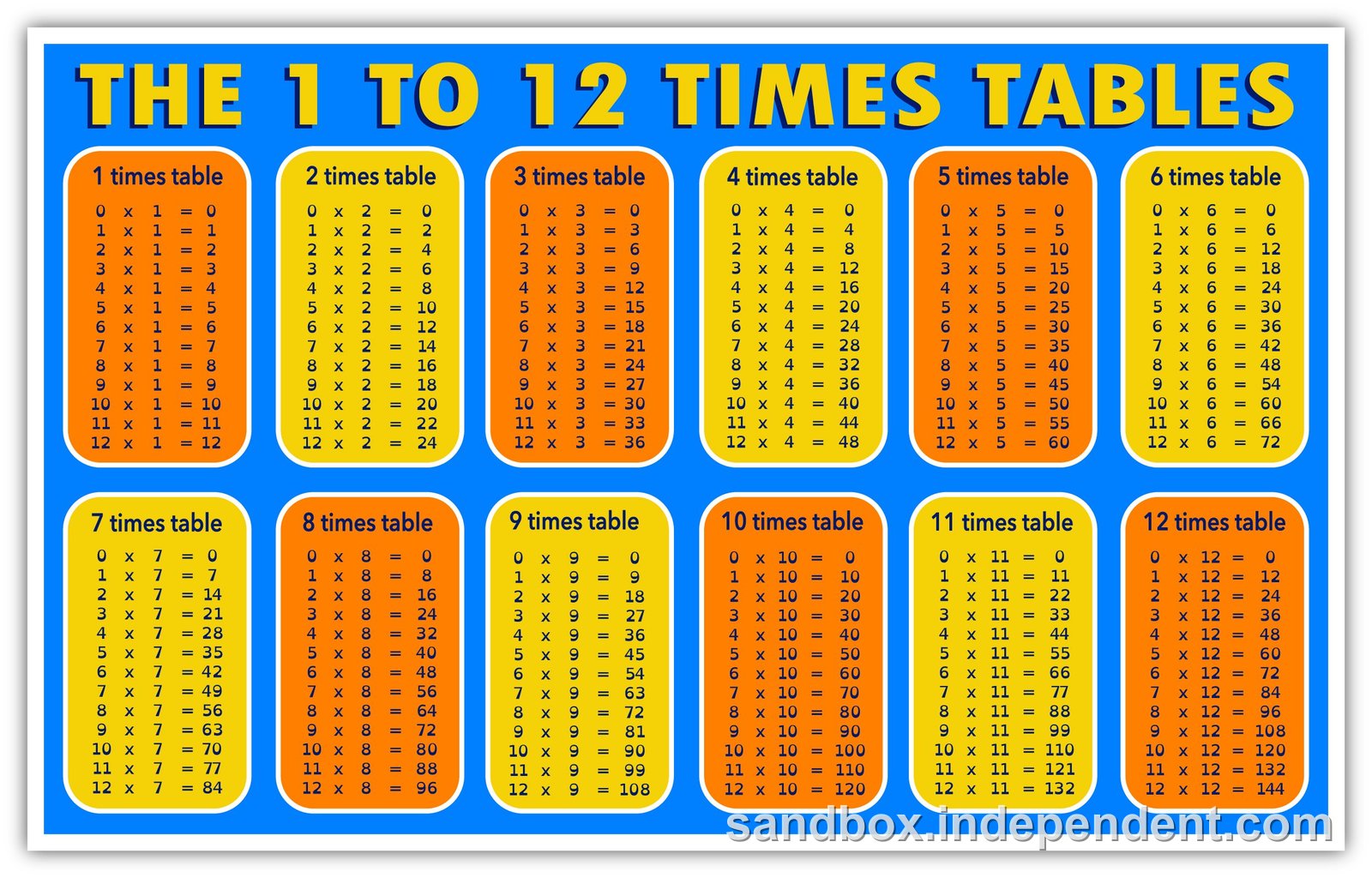
Math anchor charts offer a visual and organized way to understand and apply mathematical concepts. Whether it's a reference chart for common formulas or a diagram explaining a specific math topic, these tools provide an easy-to-follow guide, ensuring you don't get lost in complex equations. Keep an eye out for variations in formats and values, as these can differ depending on your region or the specific math subject.
Math Anchor Charts: Your Visual Study Buddy
Math anchor charts are like having a helpful study guide right in front of you, making complex math concepts easier to grasp. These charts are visual tools that break down math topics into simple, organized formats, often using diagrams, graphs, or tables. They're designed to be quick references, helping you understand and apply math rules and formulas.
Standard Units and Categories
The beauty of math anchor charts is their consistency. Most charts use standard units and categories, ensuring everyone understands the same thing. For instance, when measuring angles, you'll find degrees as a standard unit. Other common categories include shapes, formulas, and mathematical operations. These charts often cover a range of topics, from basic arithmetic to more advanced concepts.
Reading and Interpreting: A Step-by-Step Guide
Using a math anchor chart is simple once you know how. First, identify the topic you need help with, like finding the area of a triangle. Then, locate the relevant section on the chart. Read the labels and categories carefully. The chart will often provide a formula or rule, along with a visual representation to make it clearer. For our triangle example, you might see a diagram of a triangle, the formula for its area, and perhaps some sample calculations. Follow the steps or rules provided, and you'll be solving math problems like a pro!
Common Chart Variations and Their Causes
While math anchor charts follow standard formats, there can be variations. These often depend on the specific topic or the standard being used. For instance, a chart about fractions might use different notations or representations depending on whether it's for elementary or advanced math. Other factors like regional differences (e.g., metric vs. imperial) can also lead to variations. It's important to ensure you're using the right chart for your specific needs and level of study.
Practical Tips and Tricks: Avoiding Common Mistakes
One common mistake is assuming all math anchor charts are the same. Always check the chart's title and purpose to ensure it's relevant to your topic. Another pitfall is ignoring the chart's labels and categories, which can lead to misinterpreting the information. Always read carefully! Finally, remember that charts are guides, not absolute truths. Always double-check the exact specifications or tolerances for your specific problem, especially when dealing with real-world applications.
By understanding these practical tips and being aware of potential variations, you can use math anchor charts effectively and avoid common errors. They're a great tool to have in your math toolkit!
Math anchor charts are a fantastic tool to have at your disposal, offering a quick reference guide to keep your calculations on track. Remember, the exact details might differ slightly based on your specific needs or the standards you follow, so it's always good to double-check.
Feel free to explore our other guides; we've got plenty of practical tips and tricks to make math more accessible and fun! You'll find a wealth of resources to enhance your learning journey.