



Bjj Gi Size Chart Editable Overview
Many people overlook the power of a well-designed talk of the charts, assuming they are just simple visual representations. However, these charts are so much more than meets the eye! They are a powerful tool to quickly grasp complex data and make informed decisions.
When used effectively, talk of the charts can provide a clear and concise overview, helping you understand trends, compare data, and even identify patterns. It's an essential skill to have, especially in a world where data visualization is key to effective communication.
Understanding Talk of the Charts
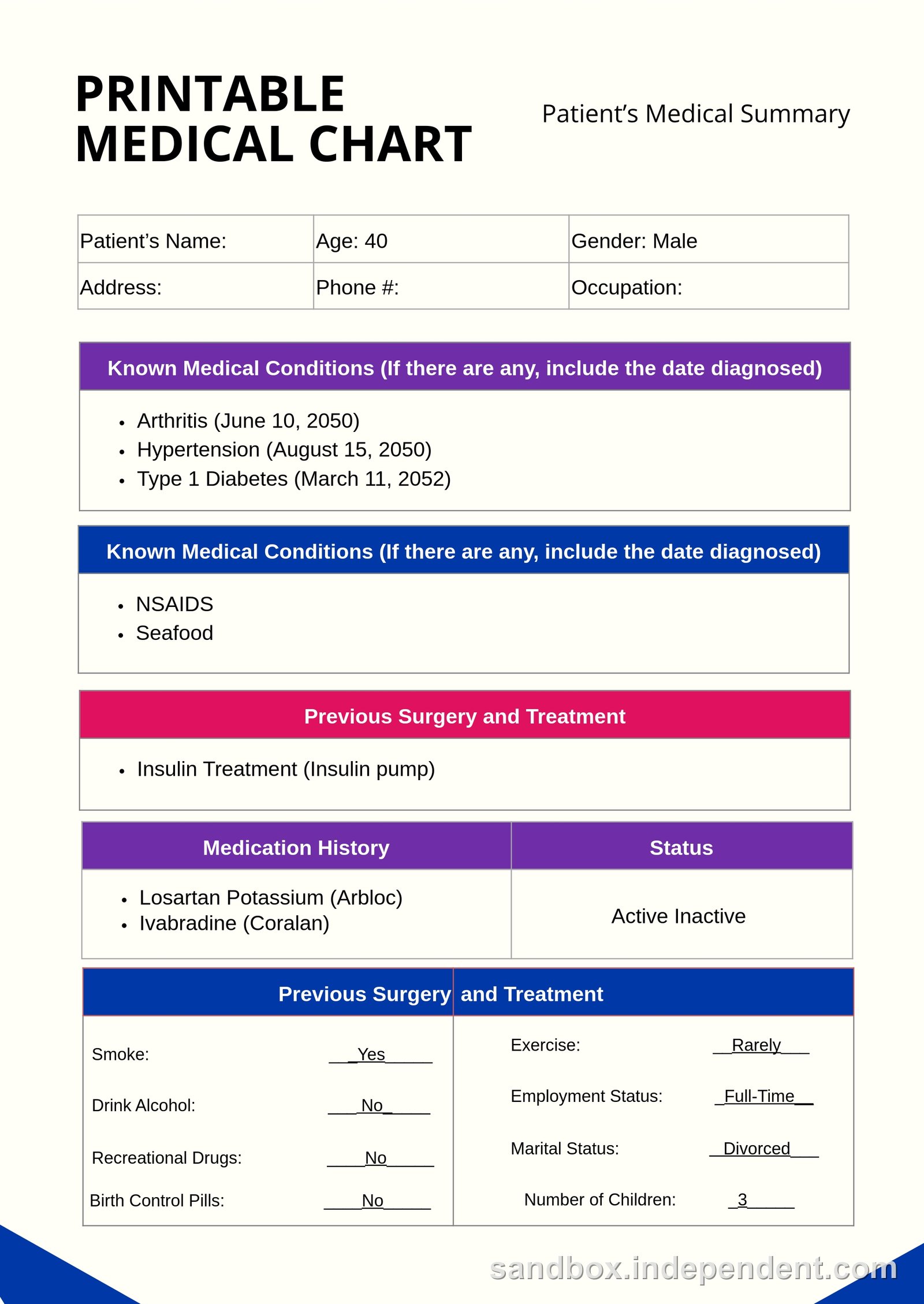
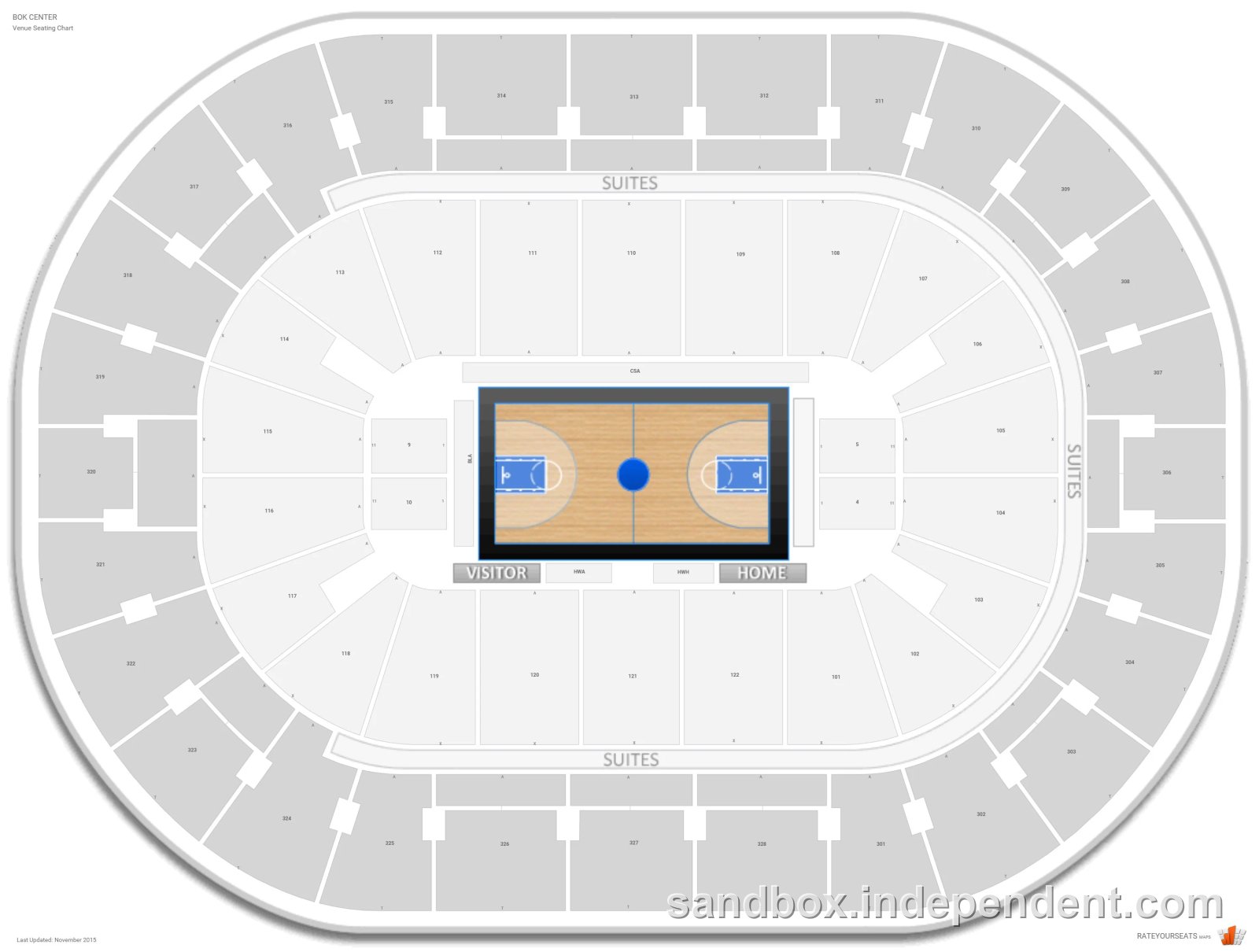
Talk of the charts is a powerful tool to visualize and understand data. It's a type of reference table that presents information in a clear, organized manner, making it easy to compare and analyze different values or categories. This guide will help you grasp the basics and use it effectively.
Key Details and Categories
Before diving in, let's cover some essentials. Talk of the charts typically includes columns for various categories or variables, and rows for different data points or samples. Each cell contains a value, often a measurement or a count. The chart's design principles aim for clarity and simplicity, using colors and labels to guide the reader.
Reading and Applying Talk of the Charts
Here's a step-by-step guide to interpreting talk of the charts:
Start by identifying the chart's purpose and the data it presents. The title and labels provide context.
Next, understand the categories or variables. These are the columns, and each represents a specific aspect or characteristic.
Read the values in the cells. These could be numbers, percentages, or even text, depending on the chart's purpose. Ensure you understand the units and any conversions needed.
Compare values within a category or across categories. This is where the chart's strength lies, allowing you to spot trends, outliers, or patterns.
Consider the colors and their meanings. Different shades or colors often represent different categories or ranges. A legend or key will explain these.
Use the chart to make informed decisions or draw insights. It's a visual aid to support your analysis and understanding of the data.
Variations and Differences
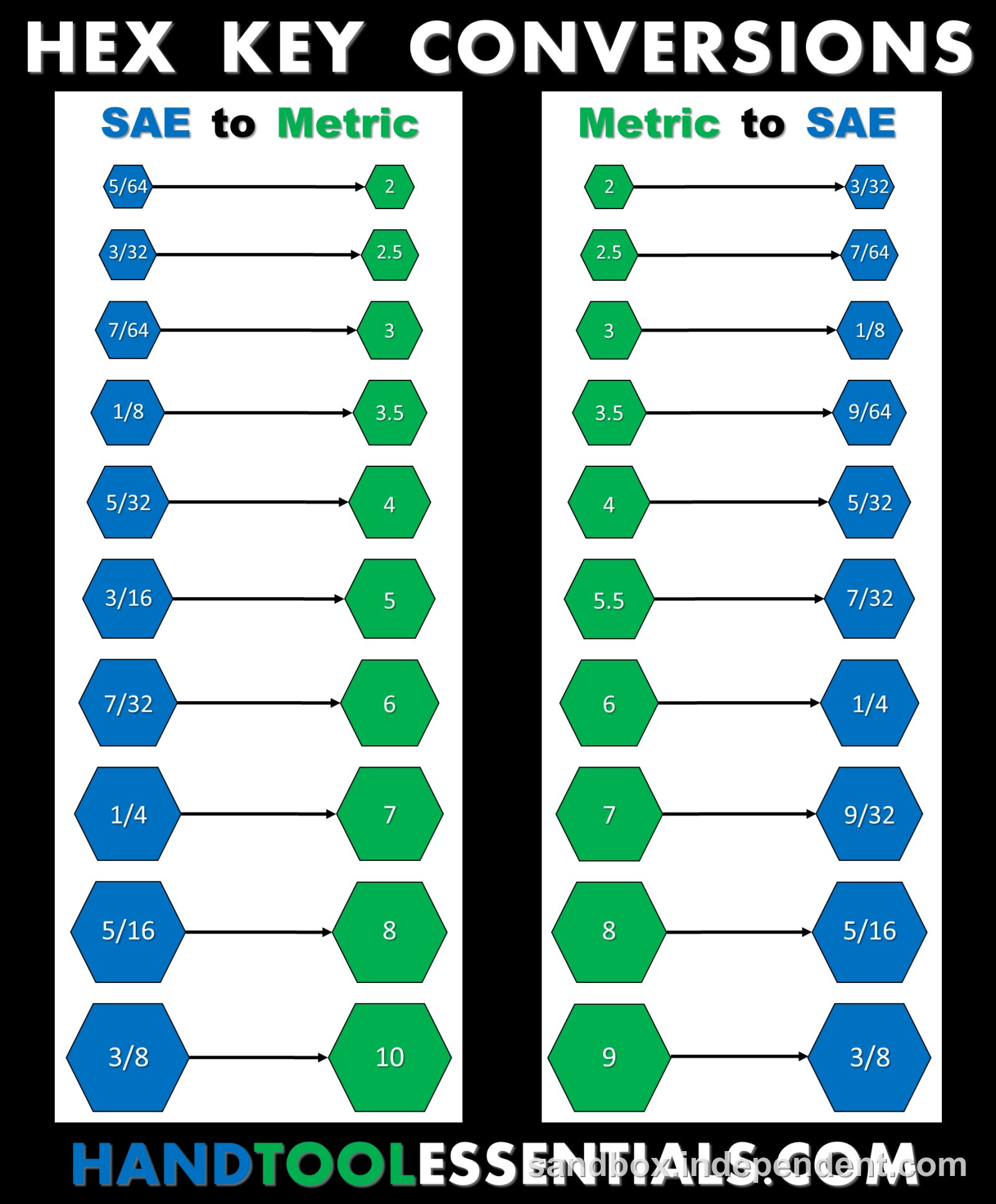
While talk of the charts follows standard principles, variations exist due to different standards, regions, or specific use cases. For instance, units of measurement may differ (e.g., US vs. metric), and certain industries may have unique categories or ranges. Always check the chart's specifications and, if in doubt, refer to the original source or relevant standards. Additionally, some charts may use advanced data visualization techniques, so understanding the basics is crucial before interpreting complex designs.
Hey there, we've covered a lot of ground with this talk of the charts! You now have a solid understanding of the core concept and how to navigate it. Remember, the specifics may differ slightly depending on your context, so keep an eye on those details.
Don't stop here! There's a whole library of practical guides and resources on our site, covering various topics. Feel free to explore and discover more handy tips and tricks to make your life easier. Happy learning!
Related: Need a T-Shirt Size Chart? Find Your Perfect Fit!
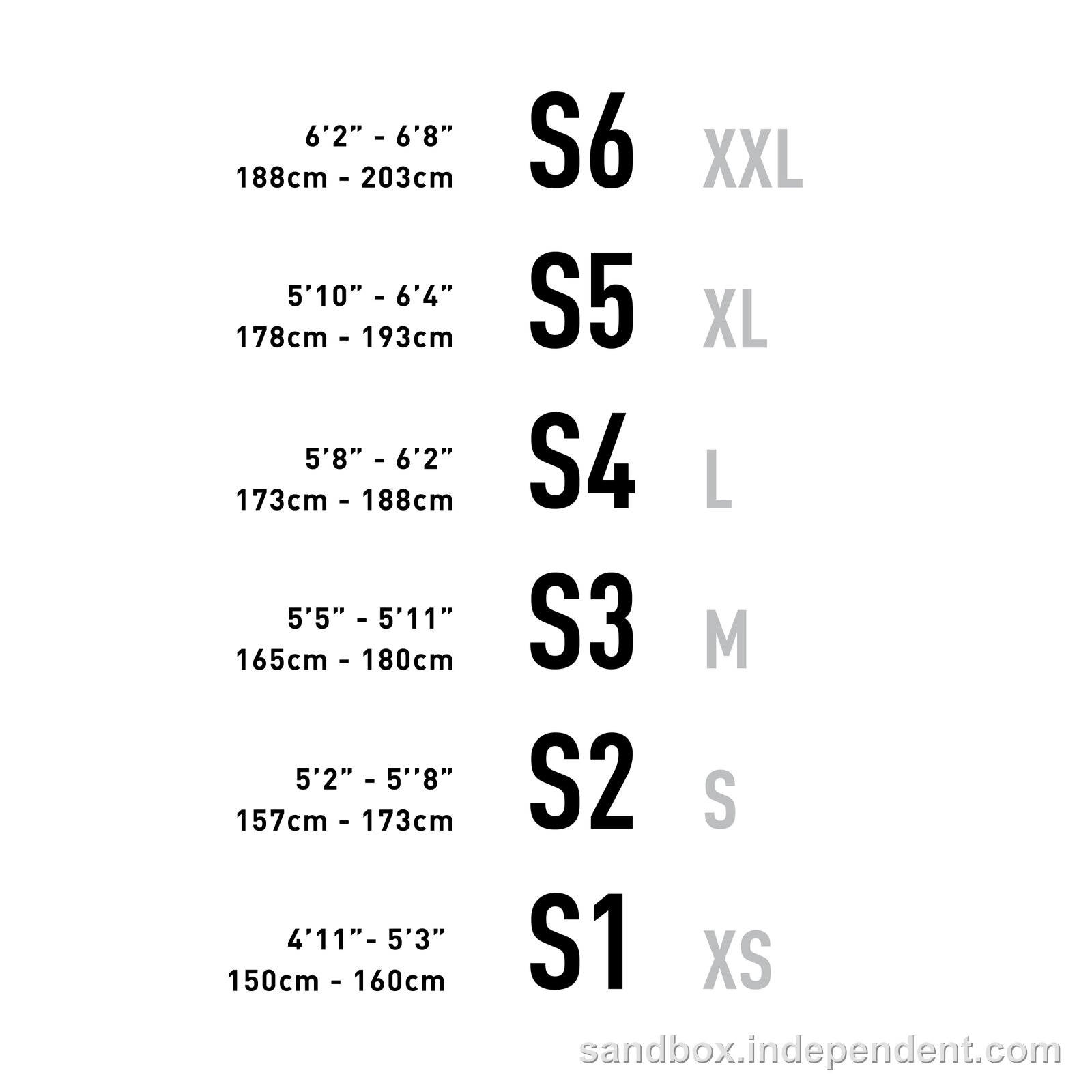
You're probably here because you need a quick answer, right? Maybe you're trying on a new T-shirt and it's a bit of a mystery whether it fits or not. Well, fear not! A T-shirt size chart is your handy guide to cracking this code. It's a simple tool that helps you find your perfect fit, and it's especially useful when shopping online or trying out a new brand. These charts can vary slightly, but they usually give you a clear idea of measurements and sizes, often with a T-shirt sizing guide and a clothing size chart to refer to.
Understanding the Chart: A Quick Overview
The t-shirt size chart is your practical guide to finding the perfect fit. It's a reference tool that simplifies the process of choosing the right size, ensuring comfort and style. This chart provides a standardized way to measure and categorize t-shirts, making online shopping or in-store browsing a breeze.
Comparing Standards and Formats
T-shirt size charts can vary depending on the region and manufacturer. The most common standards are the US sizing system and the international metric system. US sizes often use alphabetical letters (e.g., S, M, L) with numerical values for specific measurements. International sizes, on the other hand, typically use numerical values for height and weight ranges. It's essential to know which standard you're dealing with to ensure accurate sizing.
Measuring for Accuracy: A Step-by-Step Guide
To use a t-shirt size chart accurately, follow these simple steps:
- Gather your measuring tools: a flexible tape measure and a notepad.
- Measure your body: Take accurate measurements of your chest, waist, and height. For chest and waist, wrap the tape measure around the fullest part of your body. For height, stand straight and measure from the top of your head to the floor.
- Refer to the chart: Locate your measurements on the chart. Match your chest and waist measurements to the corresponding size categories. If your measurements fall between sizes, consider the fit you prefer: a looser or tighter look.
- Consider fabric and fit: Different fabrics and styles can affect the fit. Stretchier fabrics may require a smaller size, while structured fabrics might need a larger size. Always check the product description for any specific fitting notes.
- Double-check: If you're unsure, try comparing your measurements with a well-fitting t-shirt you already own. Place it flat and measure the width and length to get an idea of the ideal size.
Common Misreadings and How to Avoid Them
Misinterpreting a t-shirt size chart is easy, especially with varying standards. Here's how to avoid common mistakes:
- Don't assume: Always double-check the sizing standard. US and international sizes can differ significantly.
- Consider the fabric: The stretch and drape of the fabric can impact the fit. If the t-shirt is made of a stretchy material, it might fit differently than a structured fabric.
- Know your brand: Some brands have unique sizing systems. Check the brand's size guide or customer reviews for any specific sizing notes.
- Don't rely on vanity sizing: Some brands use vanity sizing, which means their sizes may not align with standard measurements. Always trust the measurements provided rather than the size label.
Key Factors Affecting Accuracy
Several factors can influence the accuracy of your t-shirt size chart readings:
Fabric type: As mentioned, different fabrics have varying levels of stretch and drape, which can affect the fit.
Brand variations: Each brand may have slight variations in their sizing, so always check their specific size guide.
Personal preference: Your desired fit can impact the size you choose. Do you prefer a loose, relaxed fit or a more tailored look?
International differences: Sizing can vary between countries and regions. Always check if the chart follows the US or international standard.
Body shape: Different body types may require adjustments. For example, a muscular build might need a different size than indicated by height and weight alone.
Adapting the Chart for Specific Needs
While t-shirt size charts provide a general guide, you may need to adapt them for specific situations:
- Layering: If you plan to wear the t-shirt as a base layer, consider going for a size up to accommodate additional clothing.
- Style variations: Different t-shirt styles, like slim-fit or oversized, may require adjustments. Check the product description for any fitting recommendations.
- Custom sizing: Some brands offer custom sizing options, allowing you to input your exact measurements for a perfect fit.
- Pregnancy or weight fluctuations: During these periods, your body shape may change, requiring temporary adjustments to your usual size.
Remember, the t-shirt size chart is a helpful tool, but it's not an exact science. Always consider your personal preferences and the specific characteristics of the t-shirt you're buying. With these tips, you'll be a pro at finding the perfect fit!
Hey there! I hope this guide has been helpful in navigating the world of T-shirt size charts. Remember, while the basics remain the same, there can be slight variations in measurements and standards. It's always a good idea to double-check and ensure you're referring to the right chart for your needs.
Feel free to bookmark this page for future reference, and don't hesitate to explore other guides on related topics. We've got you covered!
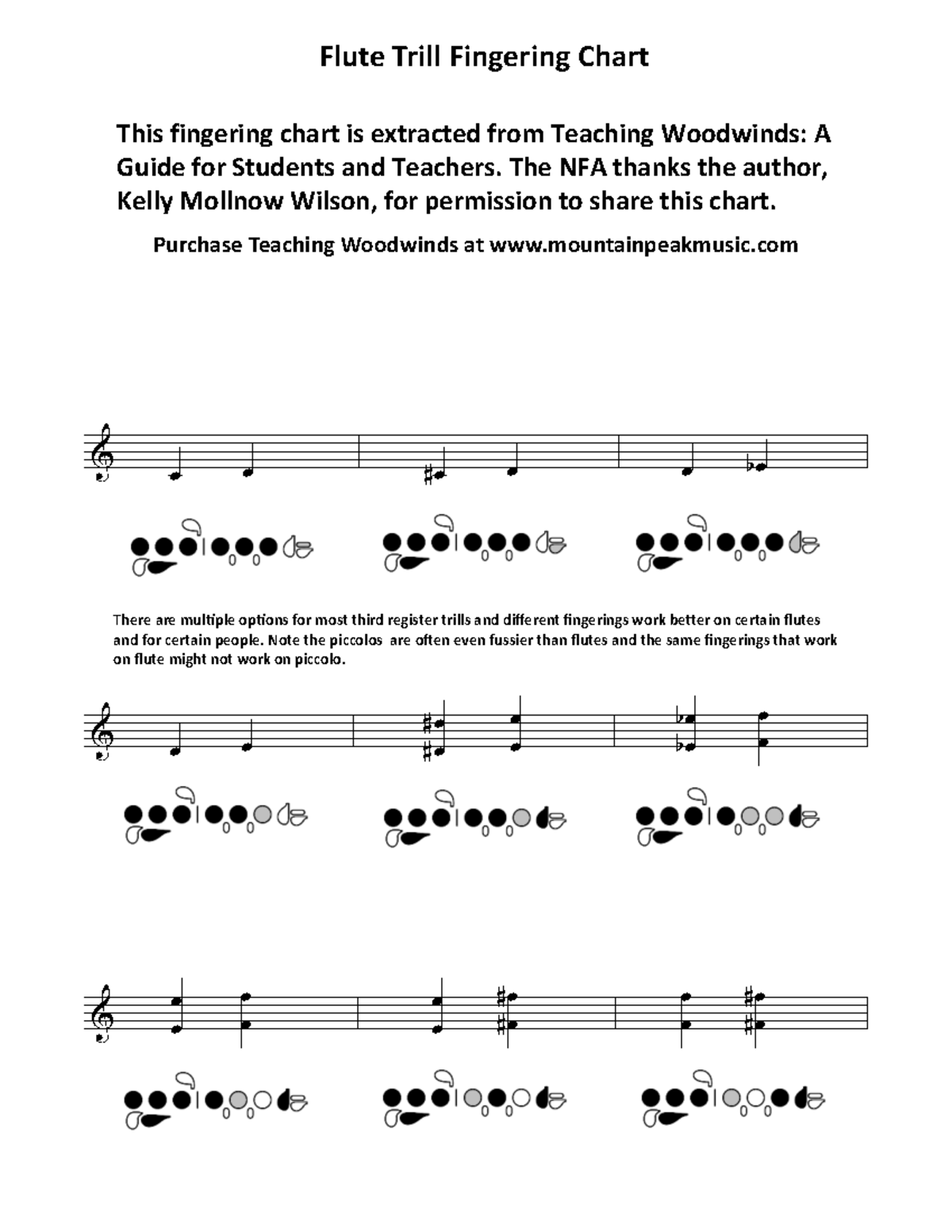
Related: A Comprehensive Flute Trill Chart Guide
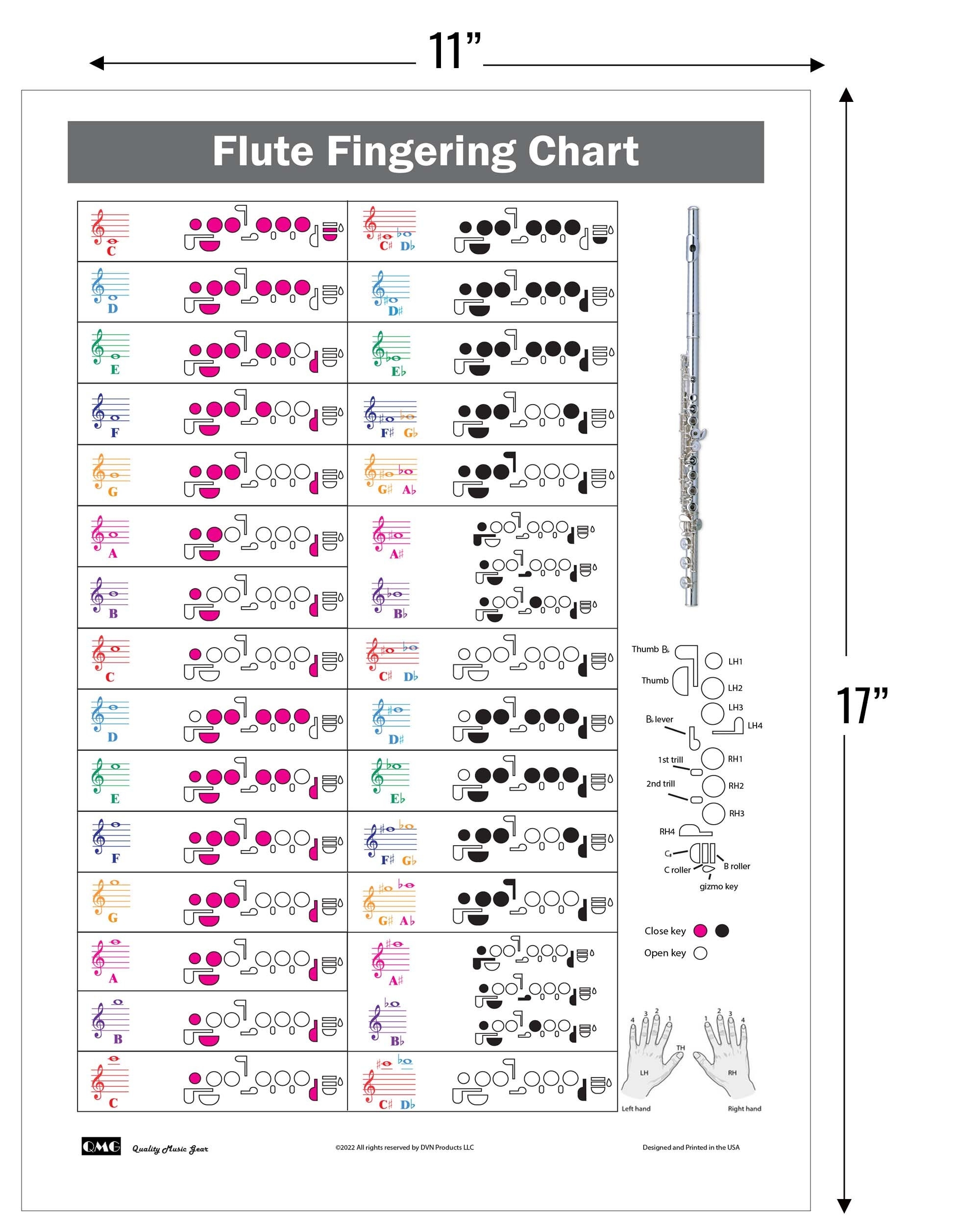
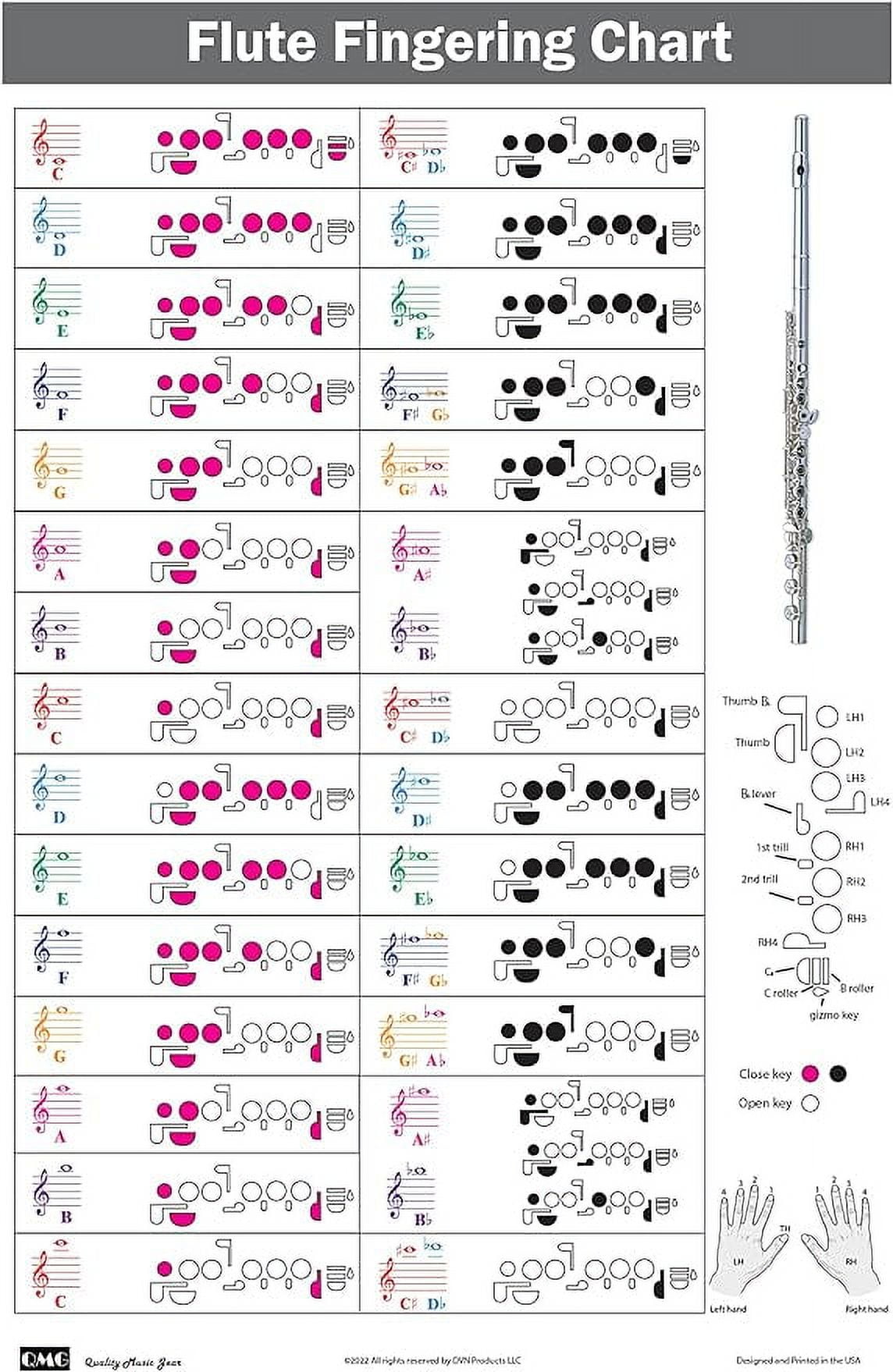
You've got your flute, you're ready to play, and you need a quick reminder on those trills. The flute trill chart is your go-to resource, a handy guide that simplifies those intricate finger movements. It's a visual tool, offering a clear and concise way to master those rapid, decorative notes. Whether you're a beginner or a seasoned player, this chart is a valuable reference, ensuring you can tackle any trill with confidence.
Understanding the Flute Trill Chart: A Quick Overview
The flute trill chart is an essential tool for flute players, offering a visual guide to mastering those rapid, vibrant trills. It's like a map, showing you the path to create beautiful, seamless trills with ease. This chart is your friend, making complex trill techniques more accessible and fun to learn.
Comparing Common Trill Patterns and Fingerings
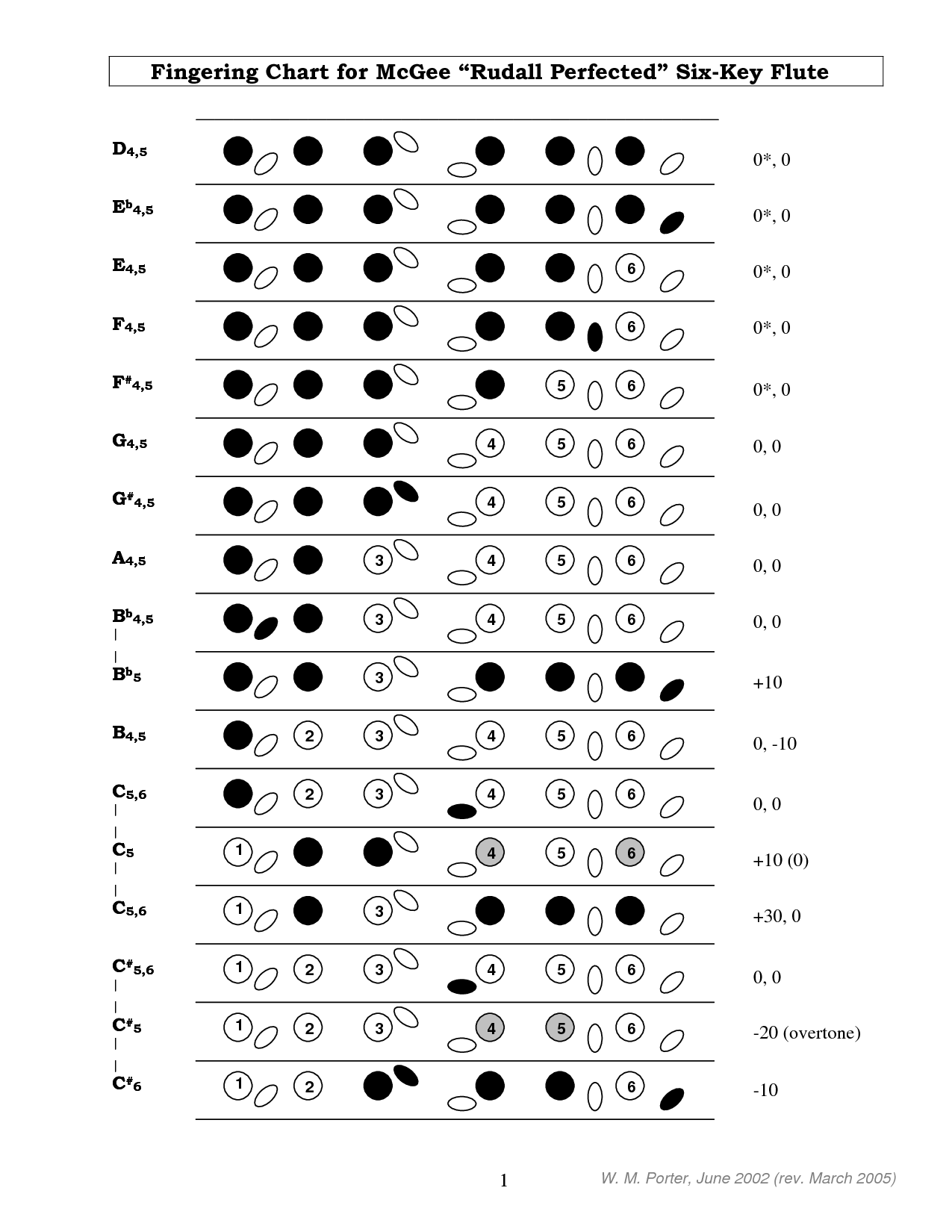
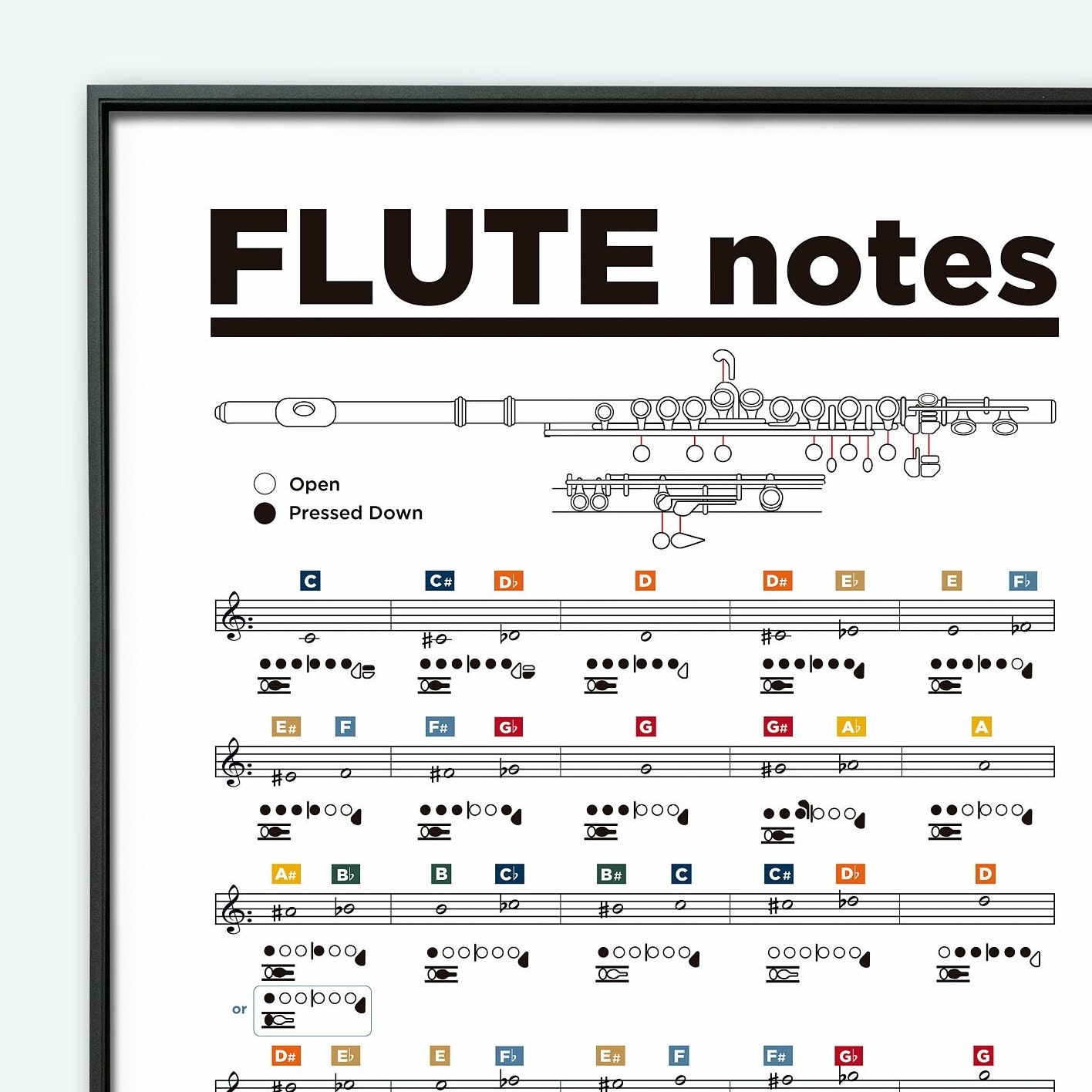
When it comes to trills, there are various patterns and fingerings to explore. The chart typically presents a range of options, allowing you to see the differences and choose the most suitable approach for your playing style. It's like a reference library, offering a clear comparison of standard trill fingerings and patterns.
Step-by-Step Guide: Using the Flute Trill Chart
Using the flute trill chart is straightforward:
Identify the starting note: Locate the note you want to trill on the chart. This is usually indicated by a specific fingering or note name.
Find the target note: Look for the adjacent note(s) that form the trill. These are often shown as a series of connected dots or lines, indicating the finger movement.
Practice the finger movement: Focus on the finger pattern shown on the chart. Practice moving your fingers smoothly and quickly between the starting and target notes.
Master the embouchure: While finger movement is crucial, don't forget the role of your embouchure (lip and mouth position). Adjust your embouchure to create a clear, vibrant sound throughout the trill.
Combine finger and embouchure techniques: It's all about coordination! Practice blending the finger movement with the embouchure adjustments to produce a seamless, musical trill.
Common Misreadings and How to Avoid Them
One common pitfall is assuming that the chart provides a one-size-fits-all solution. Remember, the flute trill chart offers a general guide, but your specific flute and playing style may require slight adjustments. Always double-check the exact fingerings and notes for your instrument, especially if you're using a different flute type or size. Additionally, pay attention to the context of the music you're playing. The chart may suggest multiple options, and choosing the right one depends on the musical context and your artistic interpretation.
Factors Affecting Accuracy and Real-World Use
Several factors can influence the accuracy and effectiveness of your trills:
Flute type and size: Different flutes, such as concert flutes or piccolos, may require slight adjustments to the fingerings or embouchure.
Musical context: The style and genre of the music you're playing can impact the choice of trill technique. For example, a fast-paced jazz piece may call for a different approach compared to a classical ballet.
Personal playing style: Every flutist is unique! Your finger placement, hand shape, and embouchure may vary slightly, so it's essential to adapt the chart's suggestions to your individual playing style.
Practice and consistency: Like any skill, mastering trills takes time and practice. Consistent practice, focusing on both finger technique and embouchure control, will lead to more accurate and expressive trills.
Remember, the flute trill chart is a valuable tool, but it's just one part of your flute-playing journey. With patience, practice, and a bit of creativity, you'll be trilling like a pro in no time!
Hey there, fellow flutists! We've covered a lot of ground with this chart, and I hope it's given you a clear path to navigate the world of trills. Remember, while the basics remain consistent, the specifics might vary slightly depending on your reference or the style you're aiming for.
Feel free to explore our other guides; we've got plenty of resources to help you master the flute and its many techniques. Happy practicing, and keep those fingers moving!