










Black Fade Png Overview
Many people overlook the power of a well-designed talk of the charts, assuming they are just simple visual representations. However, these charts are so much more than meets the eye! They are a powerful tool to quickly grasp complex data and make informed decisions.
When used effectively, talk of the charts can provide a clear and concise overview, helping you understand trends, compare data, and even identify patterns. It's an essential skill to have, especially in a world where data visualization is key to effective communication.
Understanding Talk of the Charts
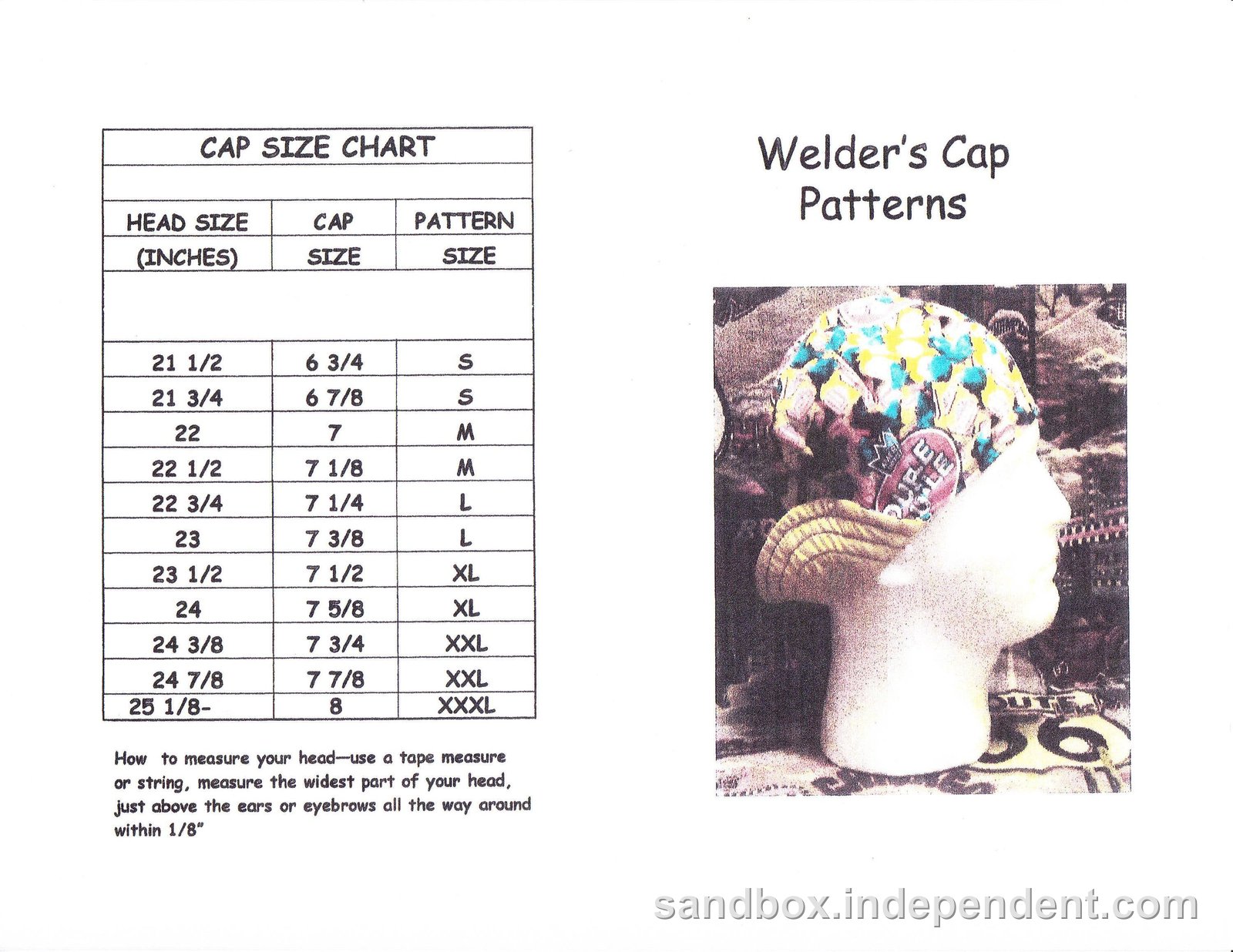
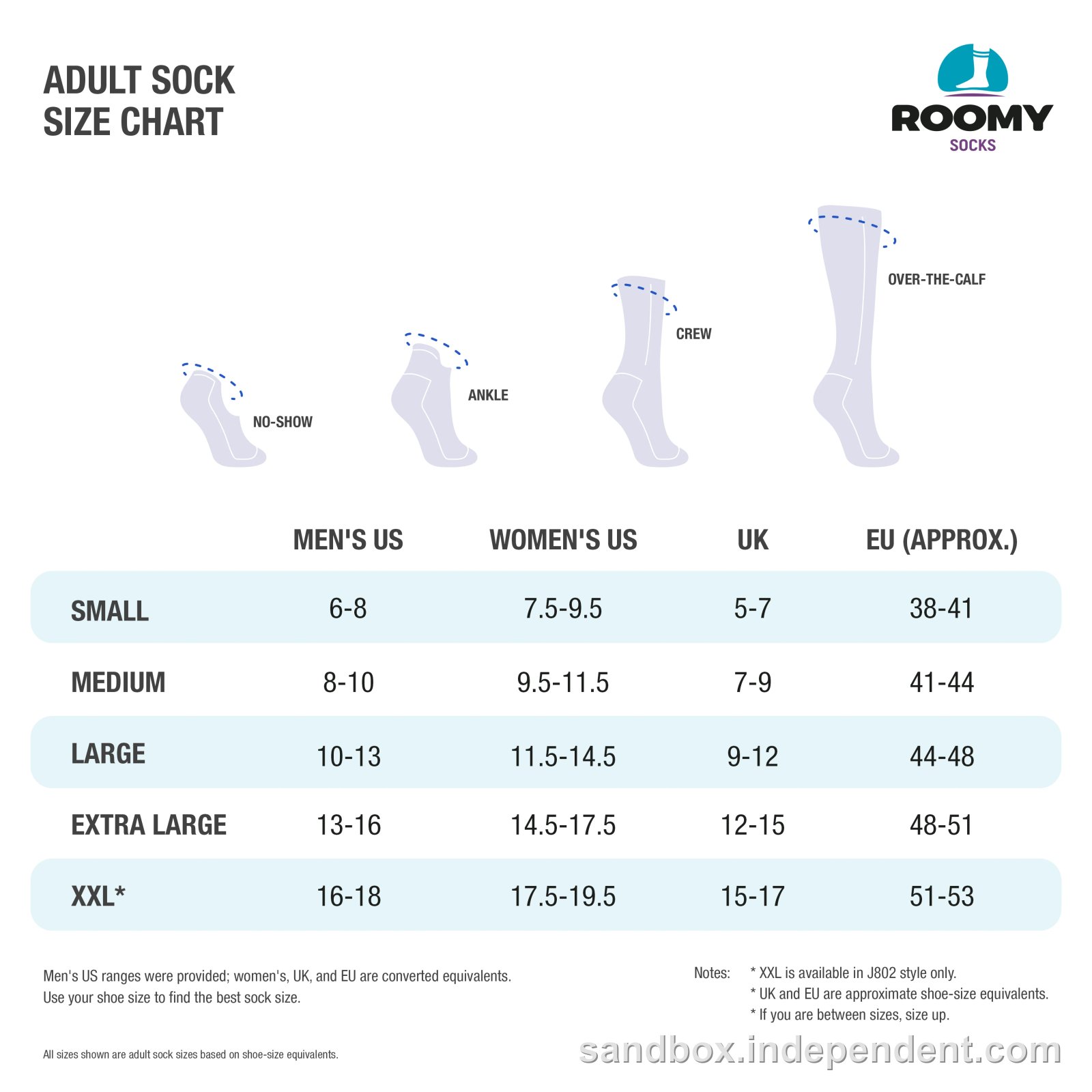
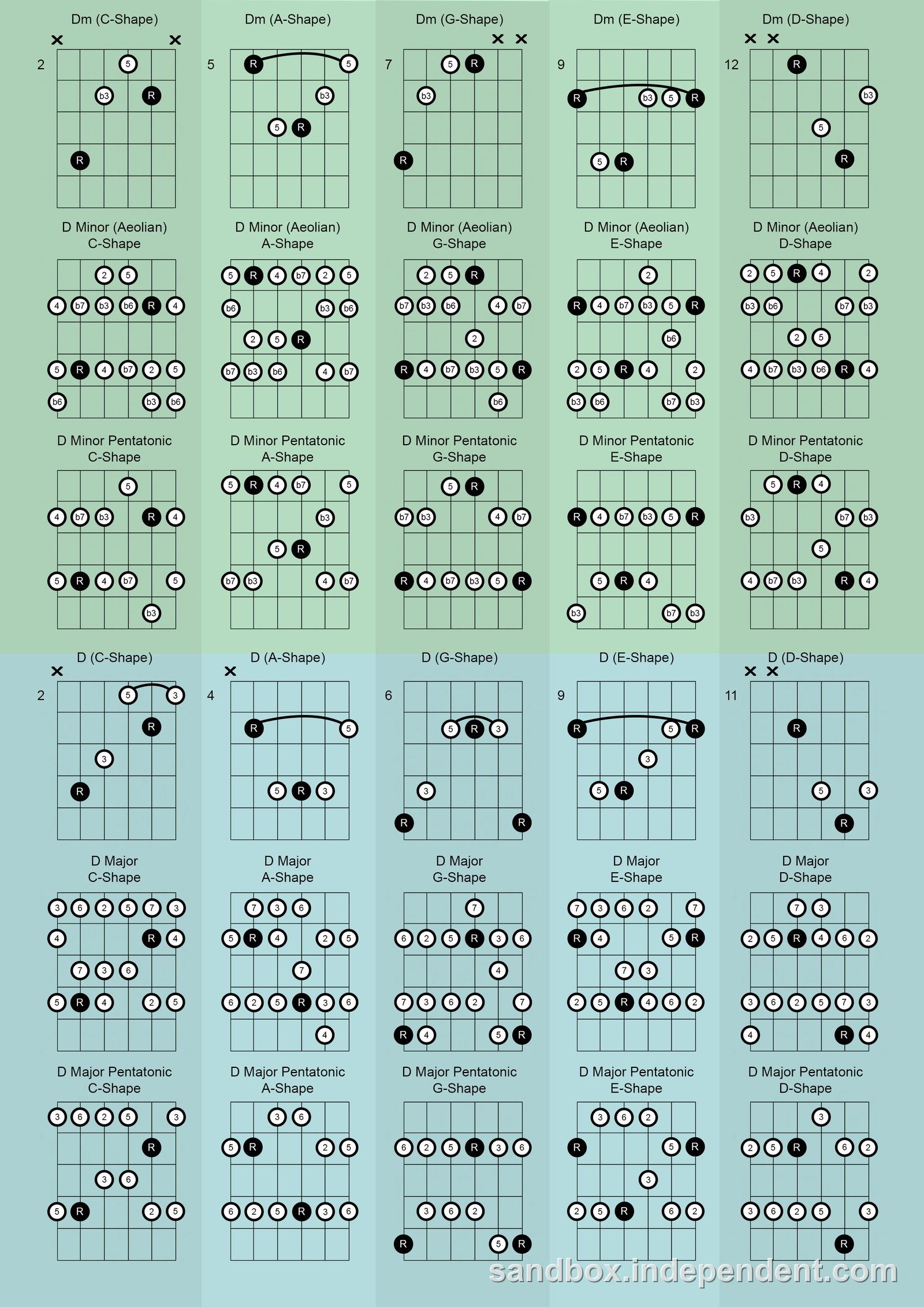
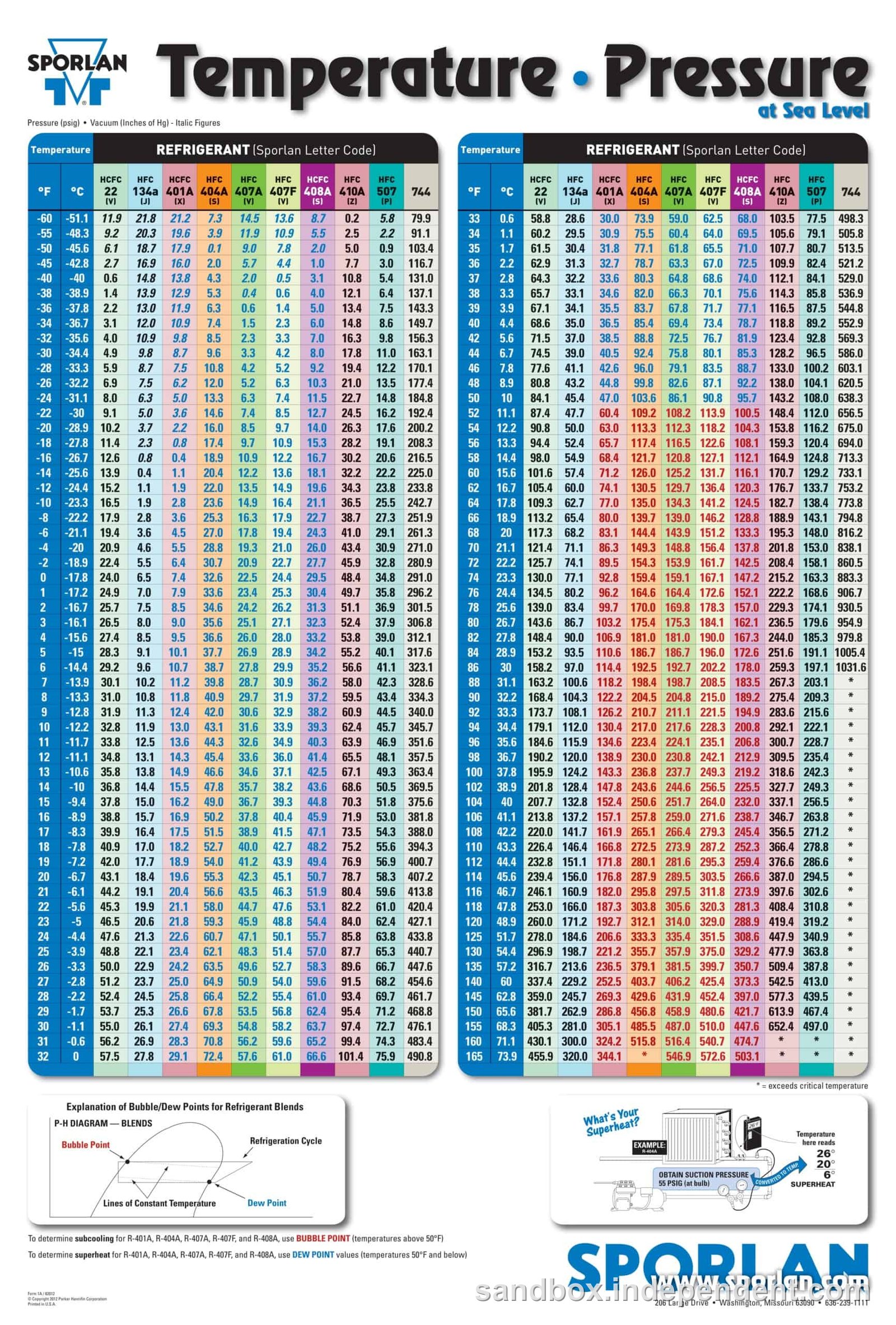
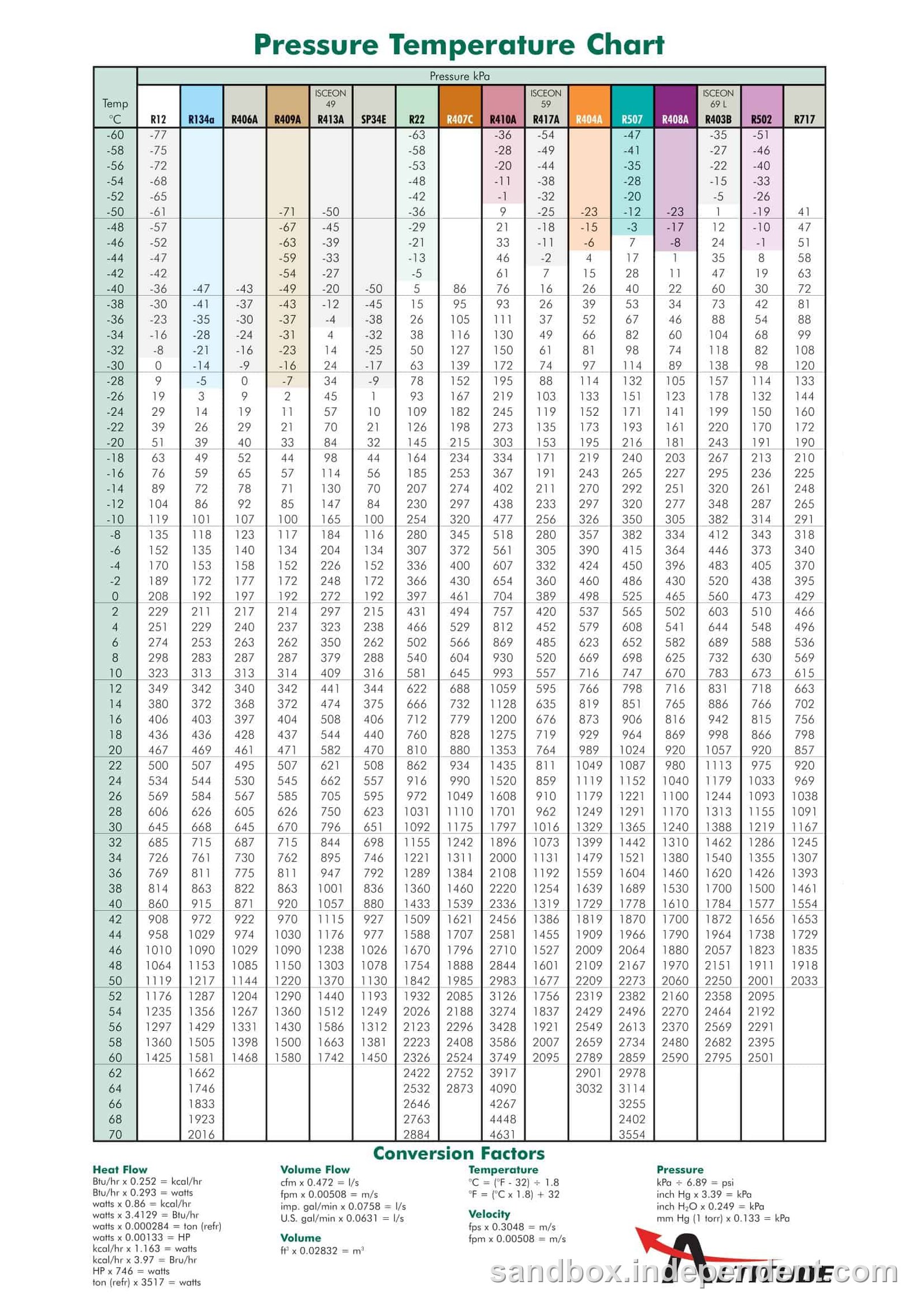
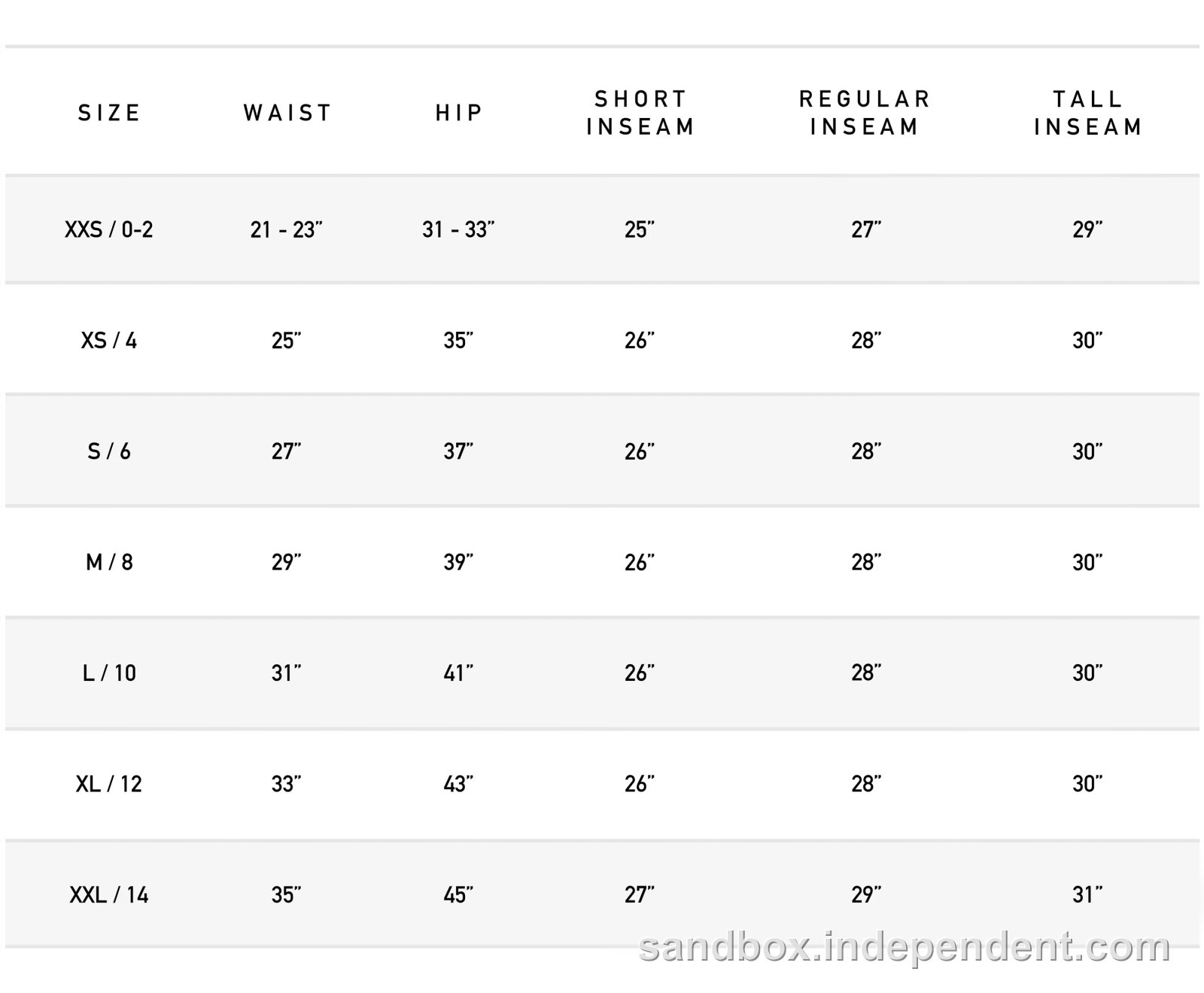
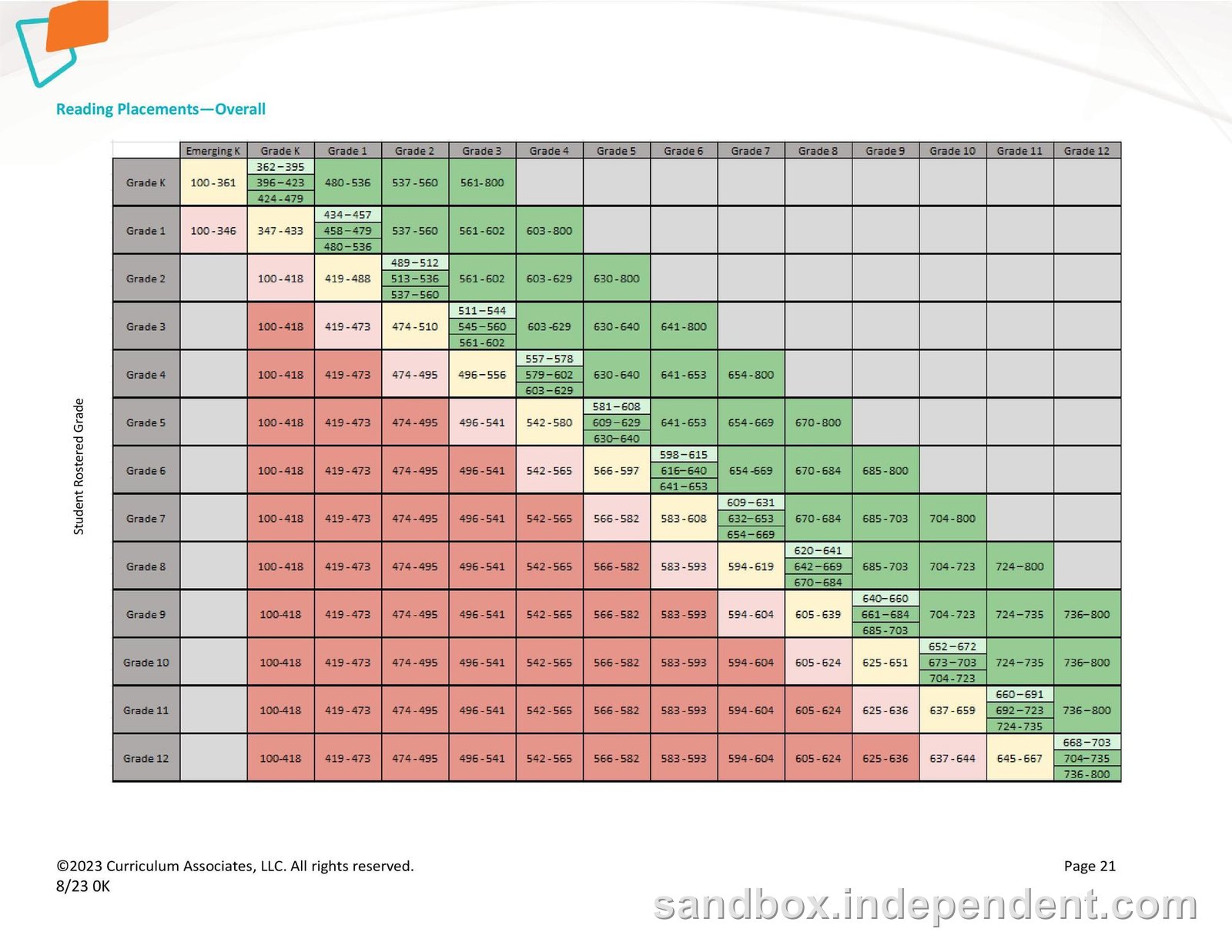
Talk of the charts is a powerful tool to visualize and understand data. It's a type of reference table that presents information in a clear, organized manner, making it easy to compare and analyze different values or categories. This guide will help you grasp the basics and use it effectively.
Key Details and Categories
Before diving in, let's cover some essentials. Talk of the charts typically includes columns for various categories or variables, and rows for different data points or samples. Each cell contains a value, often a measurement or a count. The chart's design principles aim for clarity and simplicity, using colors and labels to guide the reader.
Reading and Applying Talk of the Charts
Here's a step-by-step guide to interpreting talk of the charts:
Start by identifying the chart's purpose and the data it presents. The title and labels provide context.
Next, understand the categories or variables. These are the columns, and each represents a specific aspect or characteristic.
Read the values in the cells. These could be numbers, percentages, or even text, depending on the chart's purpose. Ensure you understand the units and any conversions needed.
Compare values within a category or across categories. This is where the chart's strength lies, allowing you to spot trends, outliers, or patterns.
Consider the colors and their meanings. Different shades or colors often represent different categories or ranges. A legend or key will explain these.
Use the chart to make informed decisions or draw insights. It's a visual aid to support your analysis and understanding of the data.
Variations and Differences
While talk of the charts follows standard principles, variations exist due to different standards, regions, or specific use cases. For instance, units of measurement may differ (e.g., US vs. metric), and certain industries may have unique categories or ranges. Always check the chart's specifications and, if in doubt, refer to the original source or relevant standards. Additionally, some charts may use advanced data visualization techniques, so understanding the basics is crucial before interpreting complex designs.
Hey there, we've covered a lot of ground with this talk of the charts! You now have a solid understanding of the core concept and how to navigate it. Remember, the specifics may differ slightly depending on your context, so keep an eye on those details.
Don't stop here! There's a whole library of practical guides and resources on our site, covering various topics. Feel free to explore and discover more handy tips and tricks to make your life easier. Happy learning!
Related: Understanding Zoll EMS Charts: A Practical Guide
A common misconception about Zoll EMS charts is that they are complex and intimidating, often leading to confusion and errors in interpretation. However, these charts are designed to provide a straightforward and efficient way to navigate shipping and delivery processes.
The beauty of Zoll EMS charts lies in their ability to offer a quick reference guide, ensuring accurate understanding and application. Whether it's tracking EMS shipments, estimating delivery times, or utilizing Zoll's express services, these charts serve as a valuable tool, and their format may vary depending on the specific context and region.
Understanding Zoll EMS Charts
Zoll EMS charts are an essential tool for anyone involved in shipping and logistics, offering a visual representation of delivery times and shipment progress. These charts provide a clear overview of the estimated transit times for various shipping zones and can help businesses and individuals plan their operations effectively.
Key Details and Categories
The Zoll EMS chart typically displays information based on the origin and destination of the shipment. It considers factors like distance, mode of transport, and any potential delays or customs procedures. The chart often includes different zones, with each zone representing a specific geographic region or country. The units used on the chart are usually days, indicating the estimated time it takes for a package to reach its destination.
Reading and Applying the Chart
To utilize the Zoll EMS chart accurately, follow these steps:
- Identify the origin and destination of your shipment. This information is crucial to finding the correct zone on the chart.
- Locate the corresponding zone on the chart. Each zone is typically labeled with a unique identifier or name.
- Determine the estimated delivery time. The chart will display a range of days, indicating the typical transit time for that particular zone.
- Consider any potential delays. The chart provides an estimate, and actual delivery times may vary due to unforeseen circumstances.
- Plan your shipping strategy accordingly. Use the estimated delivery time as a guide to set expectations and manage customer communications.
Variations and Differences
It's important to note that Zoll EMS charts can vary depending on the specific standard or region being used. Different countries and shipping companies may have their own unique charts with slightly different zone definitions and delivery time estimates. Additionally, factors like weather conditions, customs procedures, and local holidays can cause variations in actual delivery times.
Common Mistakes and How to Avoid Them
One common mistake is assuming that the estimated delivery time is an exact, guaranteed timeframe. Always remember that these charts provide estimates, and actual delivery times can fluctuate. To avoid misunderstandings, communicate these potential variations to your customers or clients. Another mistake is not considering the specific requirements of your shipment. Certain items may have restrictions or additional customs procedures, which can impact delivery times. Ensure you understand any special considerations for your shipment.
Practical Tips for Accurate Results
To ensure accurate use of the Zoll EMS chart, consider these best practices:
- Regularly update yourself with the latest chart versions. Shipping standards and procedures can change, so staying informed is crucial.
- Double-check the specific requirements and restrictions for your shipment. Certain items may have unique handling or documentation needs.
- Communicate with your shipping provider. They can provide valuable insights and guidance based on their experience.
- Monitor the progress of your shipment. Track its journey and be aware of any potential delays or changes in delivery status.
- Plan for potential delays, especially during peak seasons or when shipping to remote locations. Build a buffer into your delivery estimates to manage expectations.
While the specifics of Zoll EMS charts may vary slightly depending on the context and the source you're using, the fundamentals remain the same. It's always a good idea to refer to the most up-to-date guidelines and resources to ensure accuracy and consistency in your practice.
Feel free to explore our other guides and resources for more practical insights and tips. We've got a range of topics covered, so you can continue your learning journey and stay informed.
Related: Whole House Remodeling Essential Guide
I just got home from work, and as I walk through my house, I can't help but think about how much I'd love to give it a whole new look. Whole house remodeling is on my mind, and I'm curious about the process and what it entails. It's an exciting prospect, but also a big undertaking, so I want to make sure I understand the ins and outs before diving in.
What Does Whole House Remodeling Mean?
Whole house remodeling is exactly what it sounds like: a complete transformation of your home. It's not just about updating one room or making small changes here and there. This type of project involves a major overhaul, where you can redesign and renovate every aspect of your living space. From the kitchen and bathrooms to the bedrooms and living areas, every room can get a fresh, modern look. It's a chance to create a home that truly reflects your style and meets your functional needs.
When considering whole house remodeling, it's important to think about the scope of the project. Do you want to change the layout and add new features, or is it more about updating the aesthetics and making everything look cohesive? The scale of your project will impact the cost and the length of time it takes to complete.
Finding the Right Contractor
One of the biggest decisions you'll make is choosing a contractor or building company. It's crucial to find someone who understands your vision and can bring it to life. Before hiring, ask for references and examples of their previous work. You want to ensure they have experience with projects similar to yours and that their style aligns with your own.
Get quotes from multiple contractors to compare prices and services. Make sure the quotes are detailed, outlining the work to be done, the materials to be used, and the estimated timeline. This will help you understand the costs and give you a sense of the contractor's organization and attention to detail.
Construction Jobs and Industry Tools
The construction industry offers a range of jobs, from general contractors and project managers to estimators and skilled tradespeople. Estimators, for example, use tools like RSMeans to calculate costs accurately. This data is essential for providing realistic quotes and managing projects effectively.
Large construction companies often have specialized teams and can take on more complex projects. They may have access to advanced tools and technologies, but that doesn't mean smaller companies can't deliver excellent results. It's all about finding the right fit for your whole house remodeling project.
Company Names and Branding
When starting a construction business, choosing a name is an important step. It should be memorable, reflect the nature of your work, and stand out in a crowded market. Some examples of unique and catchy names could be:
- BuildBright
- Crafted Spaces
- HomeRevamp
- Renova
- Constructo
Before finalizing a name, check its availability for domains and local business registration to avoid any legal issues.
Final Thoughts
Whole house remodeling is a significant investment, but it can transform your living space and enhance your daily life. It's an exciting process, and with the right planning and the help of a skilled contractor, you can achieve the home of your dreams. So, if you're thinking about taking on a whole house remodeling project, start by doing your research and getting those quotes!