Learn Guitar Scale Charts: A Quick Guide
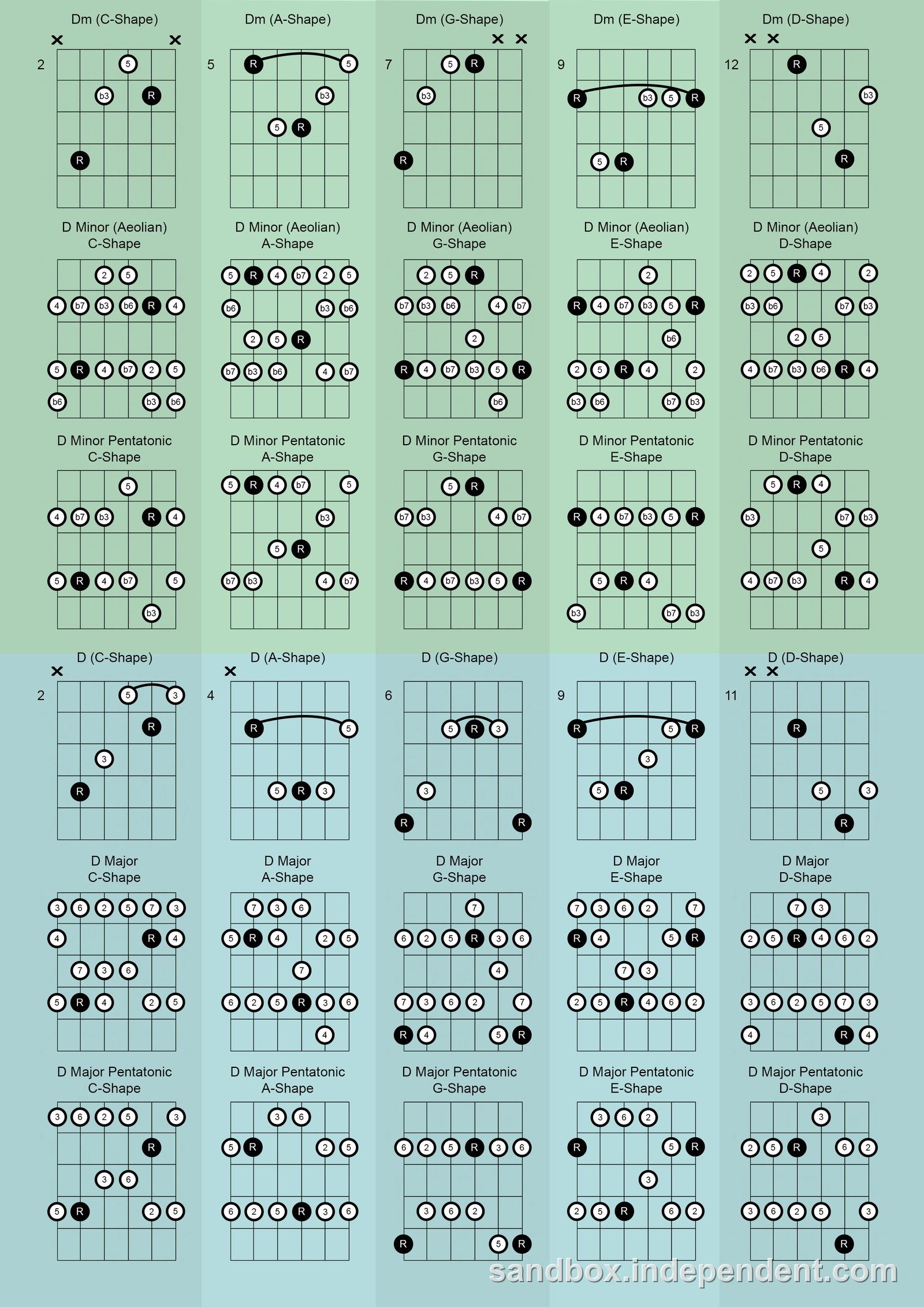
Our guitar scale chart offers a clear visual reference with practical tips. Learn how to read and use it to master your scales.
A guitar scale chart can be a guitarist's best friend, but it's often misunderstood as a complex and daunting tool. Rest assured, it's a simple and powerful reference, offering a clear visual guide to navigating the fretboard. This chart, with its various representations, is an essential companion for any guitarist, providing an organized layout of scale patterns, fretboard diagrams, and scale degree names.
Understanding the Guitar Scale Chart
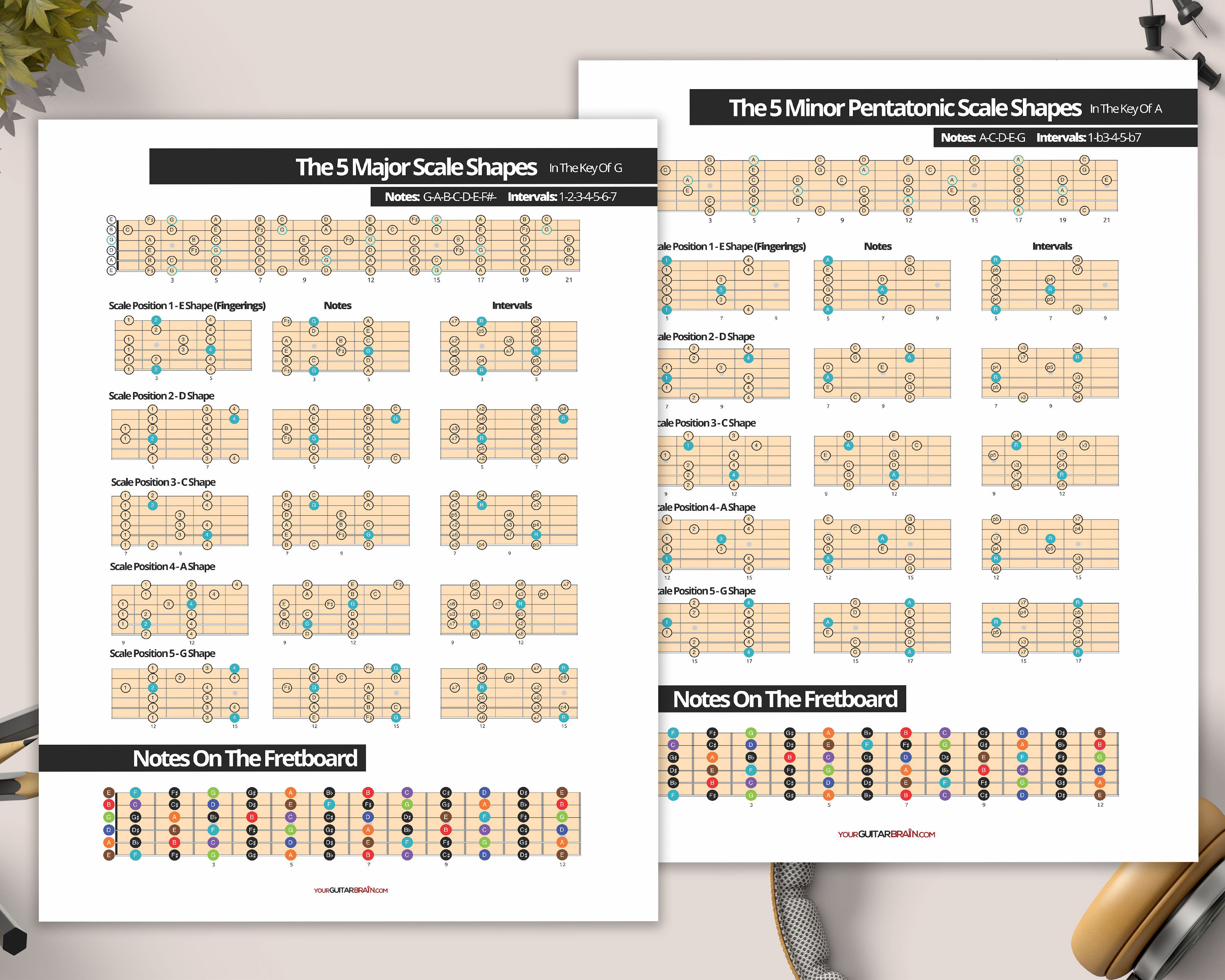
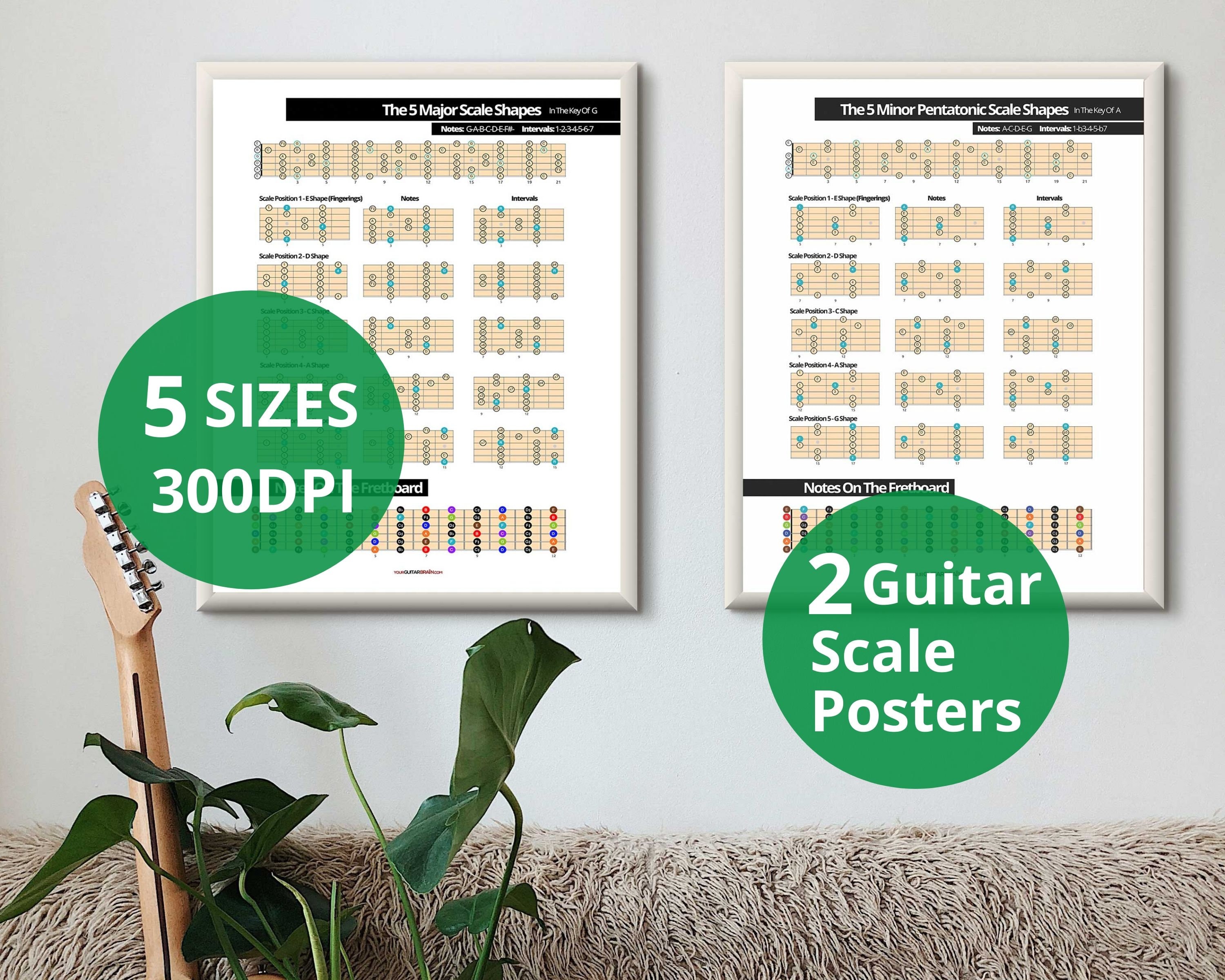
A guitar scale chart is an essential tool for any guitarist, providing a visual representation of the fretboard and the various scales you can play. It serves as a quick reference guide, offering a bird's-eye view of the guitar neck and its scales. This chart is your roadmap, helping you navigate the guitar's vast landscape of sounds and tones.
Comparing Scale Chart Formats
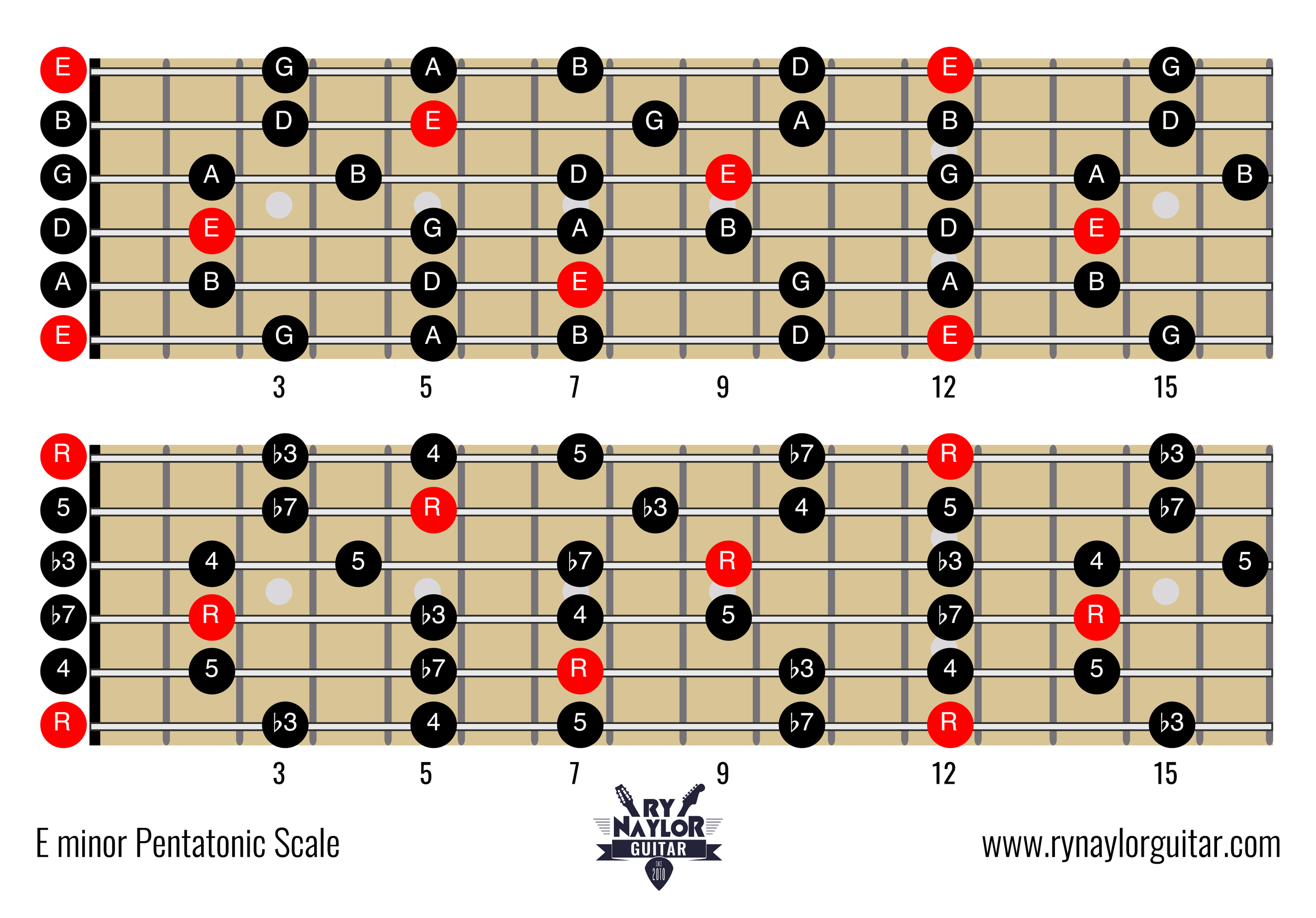
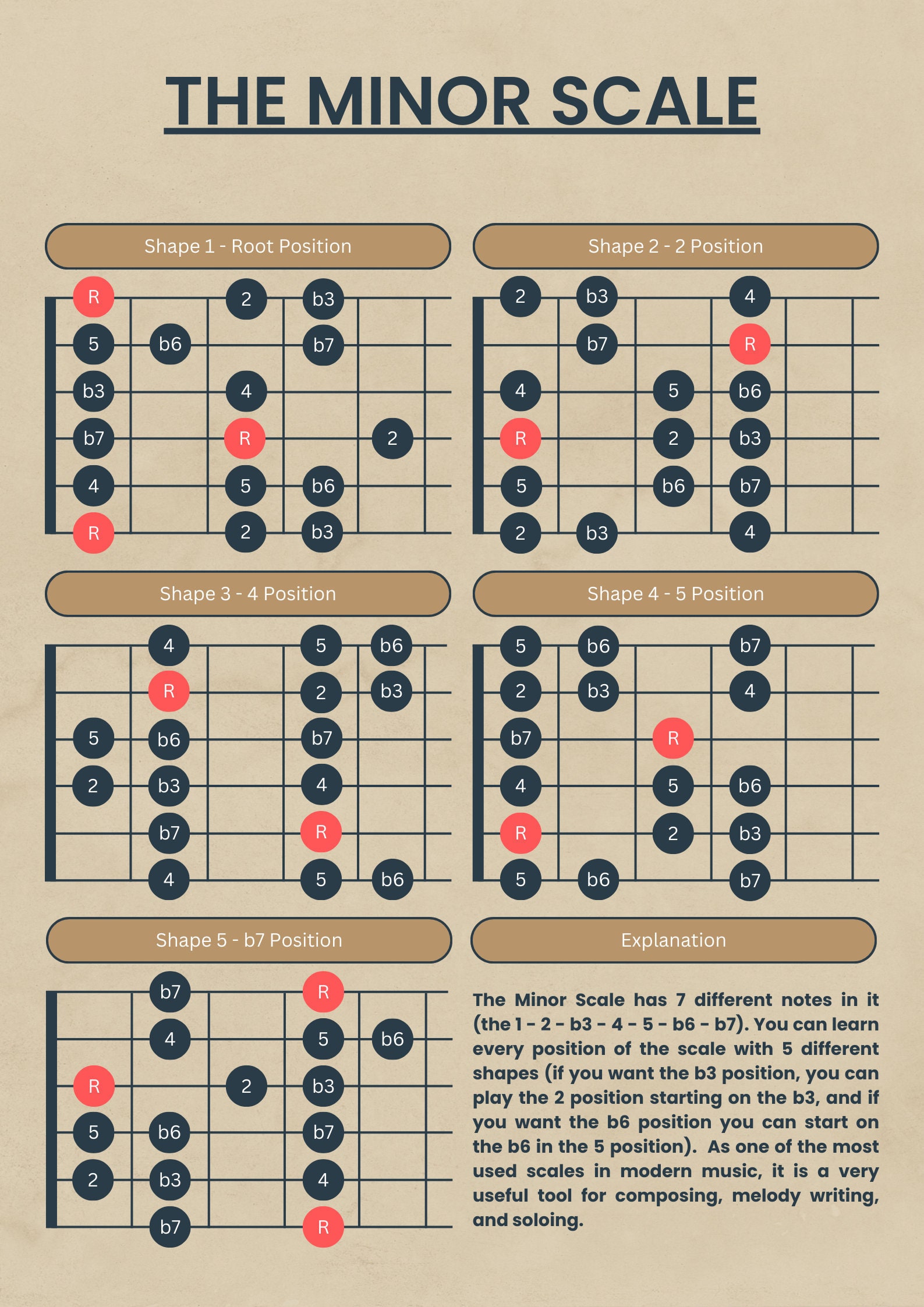
There are several formats for guitar scale charts, each with its own advantages and use cases. The most common format is the standard fretboard diagram, which displays the guitar neck horizontally, with frets running vertically and strings represented as parallel lines. This format is intuitive and easy to follow, especially for beginners. Another popular format is the scale degree chart, which focuses on the theoretical aspect, showing the scale degrees and their corresponding notes. This chart is ideal for those delving deeper into music theory.
Step-by-Step Guide: Using the Scale Chart
To make the most of your guitar scale chart, follow these steps:
Identify the scale you want to play. The chart will typically feature common scales like major, minor, and pentatonic scales, each with its own section.
Locate the starting point on the fretboard. The chart will indicate the root note of the scale, often highlighted or marked with a symbol.
Follow the pattern: Each scale has a unique pattern of whole and half steps. The chart will show these intervals, guiding you to the correct notes.
Practice: Use the chart as a reference while playing. With time, you'll memorize the patterns, making it easier to play scales without constant reference.
Common Misreadings and How to Avoid Them
It's easy to misinterpret a guitar scale chart, especially for beginners. Here are some common pitfalls:
Confusing scale degrees with fret numbers. Remember, scale degrees (e.g., 1, 2, 3) represent the position of a note within the scale, not the fret number.
Assuming all scales follow the same pattern. While many scales share similar characteristics, each has its unique intervals and patterns. Always refer to the specific scale you're playing.
Neglecting open strings. Some scales utilize open strings, so ensure you include these when playing.
Factors Affecting Accuracy and Real-World Use
The accuracy of your guitar scale chart depends on several factors:
Guitar type: Different guitar types (e.g., electric, acoustic, classical) may have slight variations in scale length, affecting the positioning of notes. Always check the specific scale length for your guitar.
Tuning: Ensure your guitar is tuned correctly. Even a slight detuning can throw off the scale positions.
String gauge: Thicker strings may require slight adjustments to finger placement, especially for bends and vibratos.
Choosing the Right Format for Your Needs
When selecting a guitar scale chart, consider your skill level and specific needs:
Beginners may benefit from a simple fretboard diagram with clear, color-coded scales.
Intermediate players might prefer a scale degree chart to explore music theory in more depth.
Advanced guitarists may opt for comprehensive charts covering multiple scales and modes, offering a wide range of options for improvisation and composition.
While this guide aims to provide a comprehensive overview, it's important to remember that the specifics can indeed vary. Different sources may offer slight variations in scale patterns or fingerings, so it's always a good idea to cross-reference and find the one that resonates with your playing style.
Feel free to explore other guides and resources to expand your knowledge. And when you need a quick reminder, don't forget to bookmark this page for future reference! It's a handy tool to have at your fingertips.
Images