



Bok Seating Chart For Kids Overview
You're probably here because you need a quick fix, a go-to guide for your saxophone journey. Well, the sax finger chart is your reliable companion on this path. It's a simple yet powerful tool, a map that translates those mysterious finger positions into beautiful music. Whether you're a beginner or a pro, this chart is a must-have, offering a standard fingering system that can vary slightly but is universally understood.
Understanding the Sax Finger Chart
The sax finger chart is your go-to guide for mastering saxophone finger placement. It's a visual representation, often in the form of a table or diagram, that shows you which fingers to place where to produce specific notes. Think of it as a map for your fingers on the saxophone. This chart is an essential tool for any sax player, whether you're a beginner or a pro.
Comparing Chart Formats and Standards
There are a few different types of sax finger charts, but the most common is the standard fingering system. This system is widely used and is based on the layout of the saxophone's keys and pads. It provides a clear, universal guide for players. However, there can be slight variations depending on the type of saxophone, such as alto sax fingerings or tenor sax fingerings, as well as regional differences in notation.
Using the Chart: A Step-by-Step Guide
To use the sax finger chart, follow these steps:
- Identify the note you want to play. This is usually indicated by a letter and an octave number, e.g., C4 or G#5.
- Locate the corresponding fingering on the chart. The chart will show you which keys to press and which fingers to use.
- Place your fingers on the saxophone according to the chart. Ensure a firm but relaxed grip, and pay attention to the positioning of each finger.
- Practice and memorize the fingerings for common notes. The more you practice, the more natural it will become.
- Explore alternative fingerings for advanced techniques. Some charts may include these, offering options for different sounds or easier playing.
Common Misreadings and How to Avoid Them
While the sax finger chart is a valuable tool, there are a few potential pitfalls to watch out for:
- Common Saxophone Fingerings can vary slightly between different sax models and manufacturers. Always double-check the specific fingerings for your instrument.
- Pay attention to octave indicators. Notes with the same letter but different octave numbers will have different fingerings.
- Some charts may use abbreviations or symbols. Familiarize yourself with these to avoid confusion.
- Remember that finger placement is just one aspect of playing. Breath control, embouchure, and technique also play crucial roles in producing the desired sound.
The sax finger chart is a powerful tool, but it's just one part of the learning process. With practice and patience, you'll master the art of finger placement and produce beautiful music on your saxophone.
Well, there you have it! A simple yet effective tool to keep at hand. The sax finger chart is a handy reference, offering a quick solution to those tricky finger placements.
Remember, while this guide provides a solid foundation, always consider your specific instrument and playing style. Exact values might vary, so it's worth double-checking to ensure you're covered.
Feel free to explore our other guides; we've got plenty of resources to enhance your musical journey!
Related: What is an NPT Size Chart?
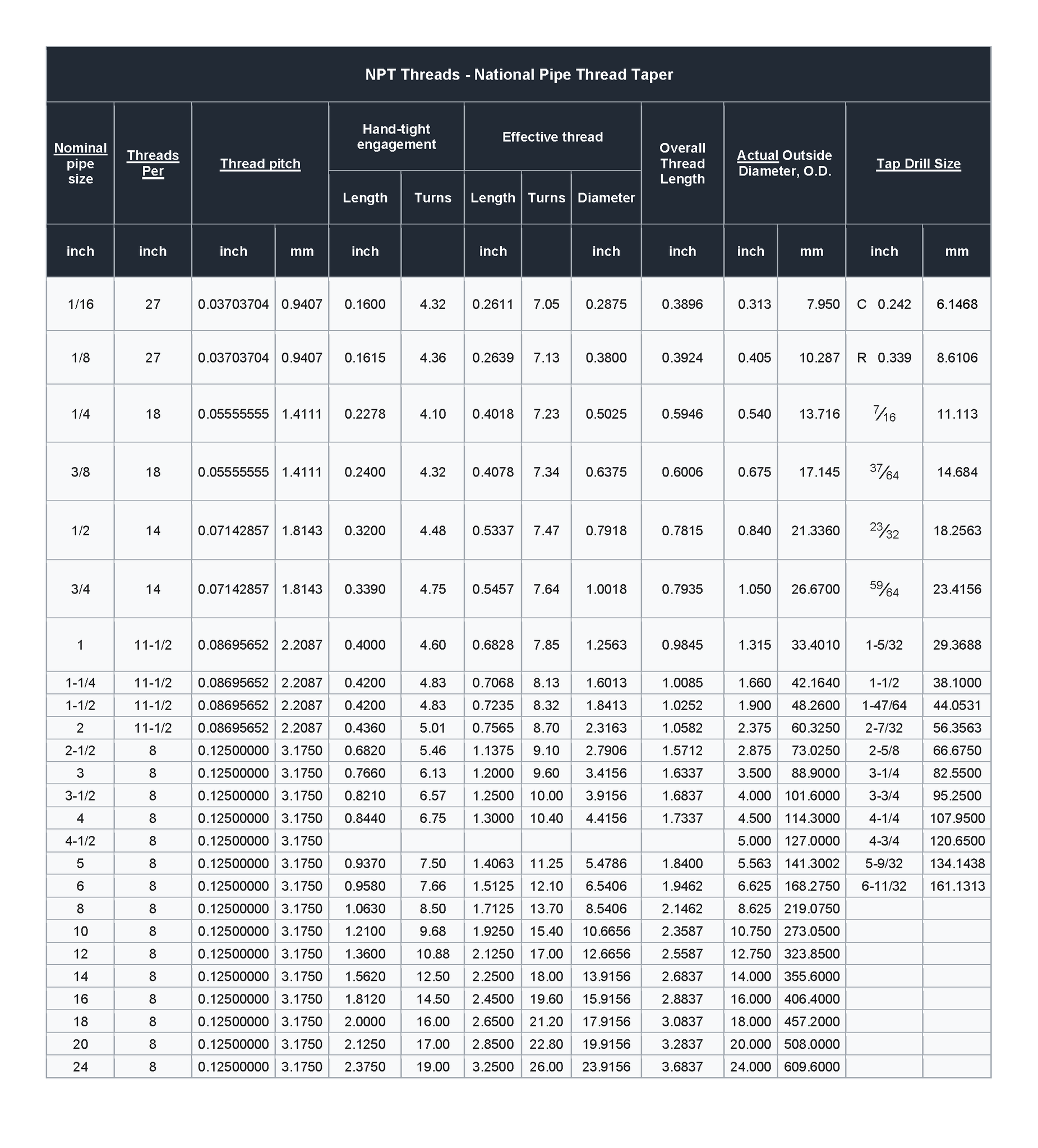
An NPT size chart is a valuable resource for anyone working with pipe fittings and connections. This guide will provide you with an overview of what these charts entail and how they can be utilized effectively.
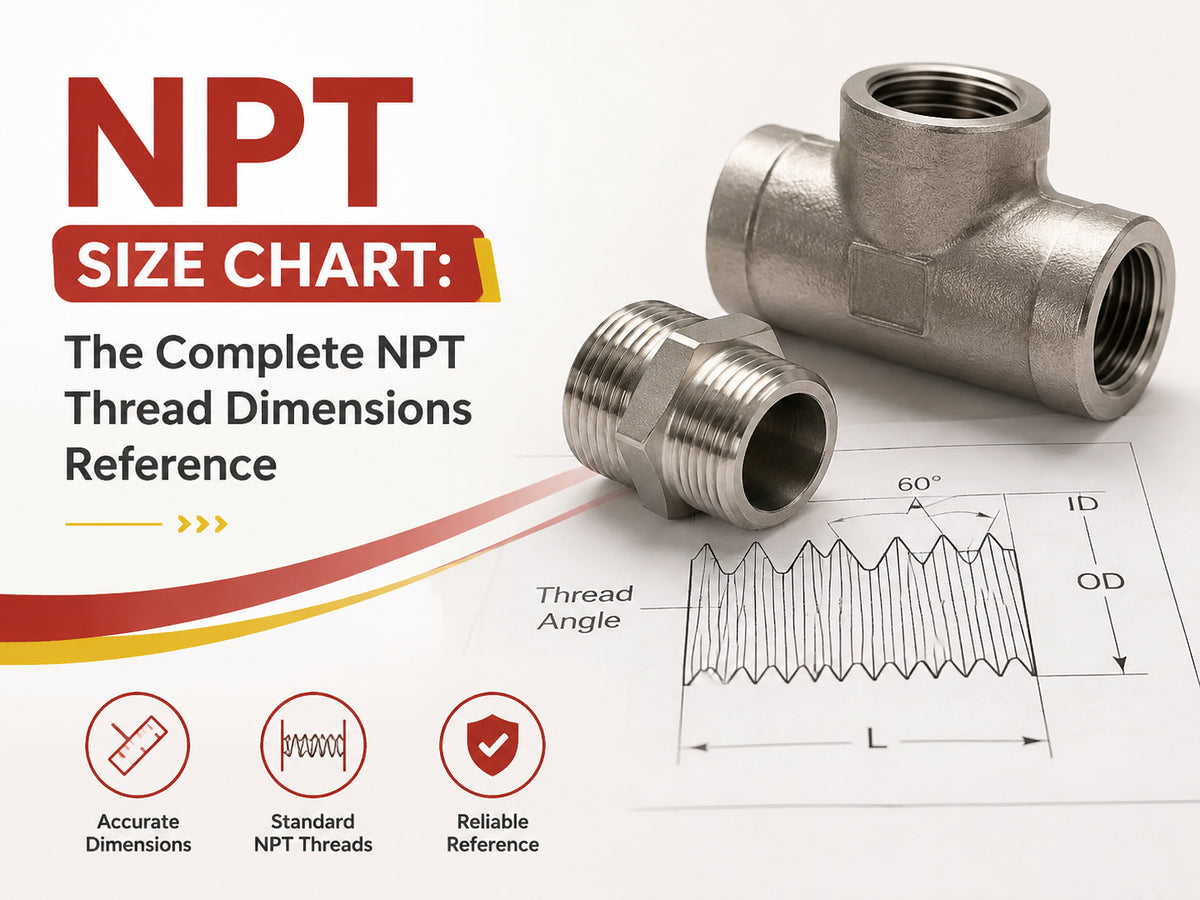
The NPT size chart offers a standardized way to identify and select the right pipe threads and fittings. It covers various dimensions, including thread sizes, tapers, and other specifications, which can vary depending on the region and application. By referring to this chart, you can ensure accurate and compatible connections, a critical aspect of any plumbing or piping project.
Understanding the NPT Size Chart
The NPT size chart is a valuable reference tool for anyone working with National Pipe Thread (NPT) fittings and connections. It provides a clear overview of the standard sizes and dimensions, ensuring accurate selections and installations.
Key Details and Categories
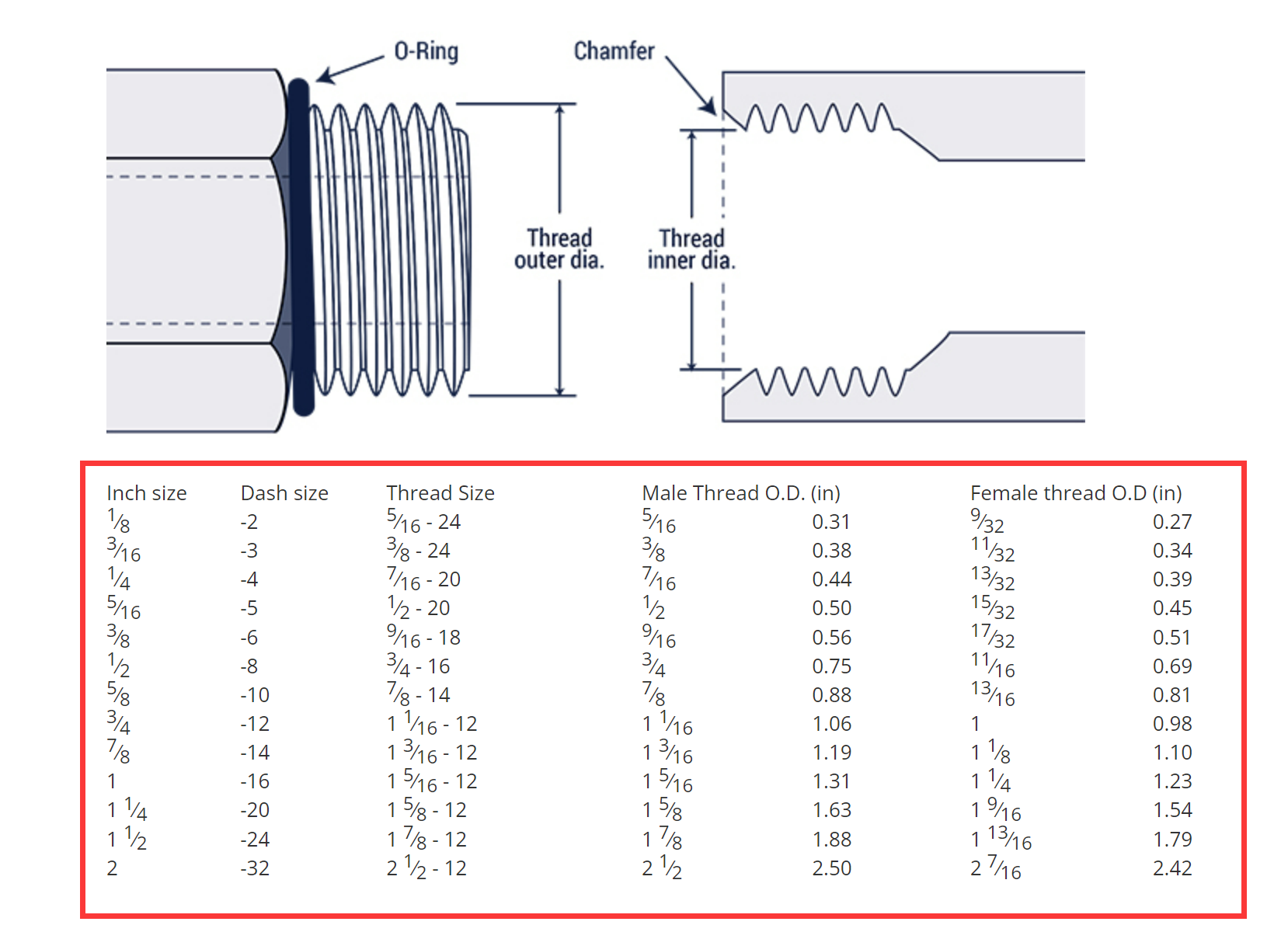
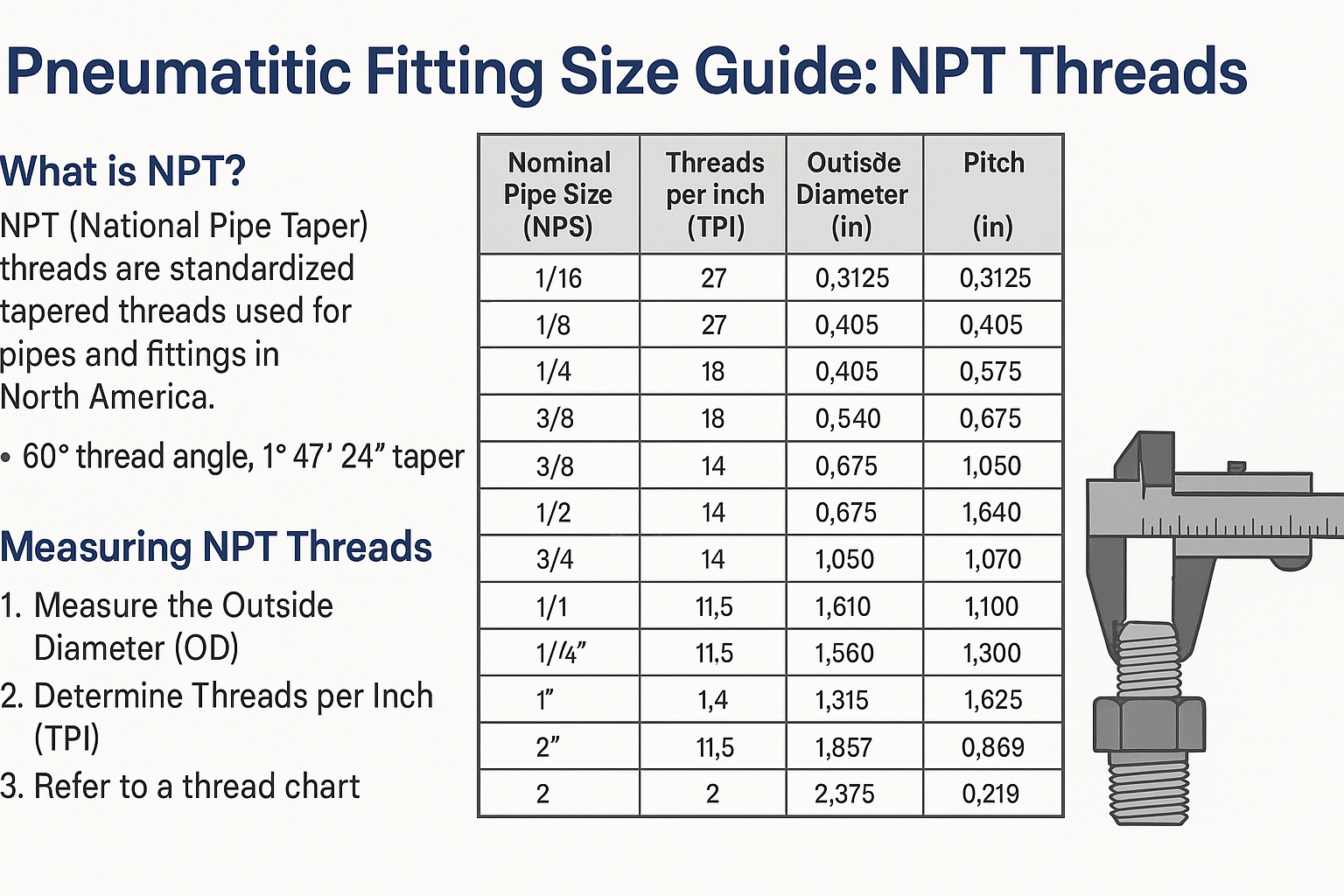
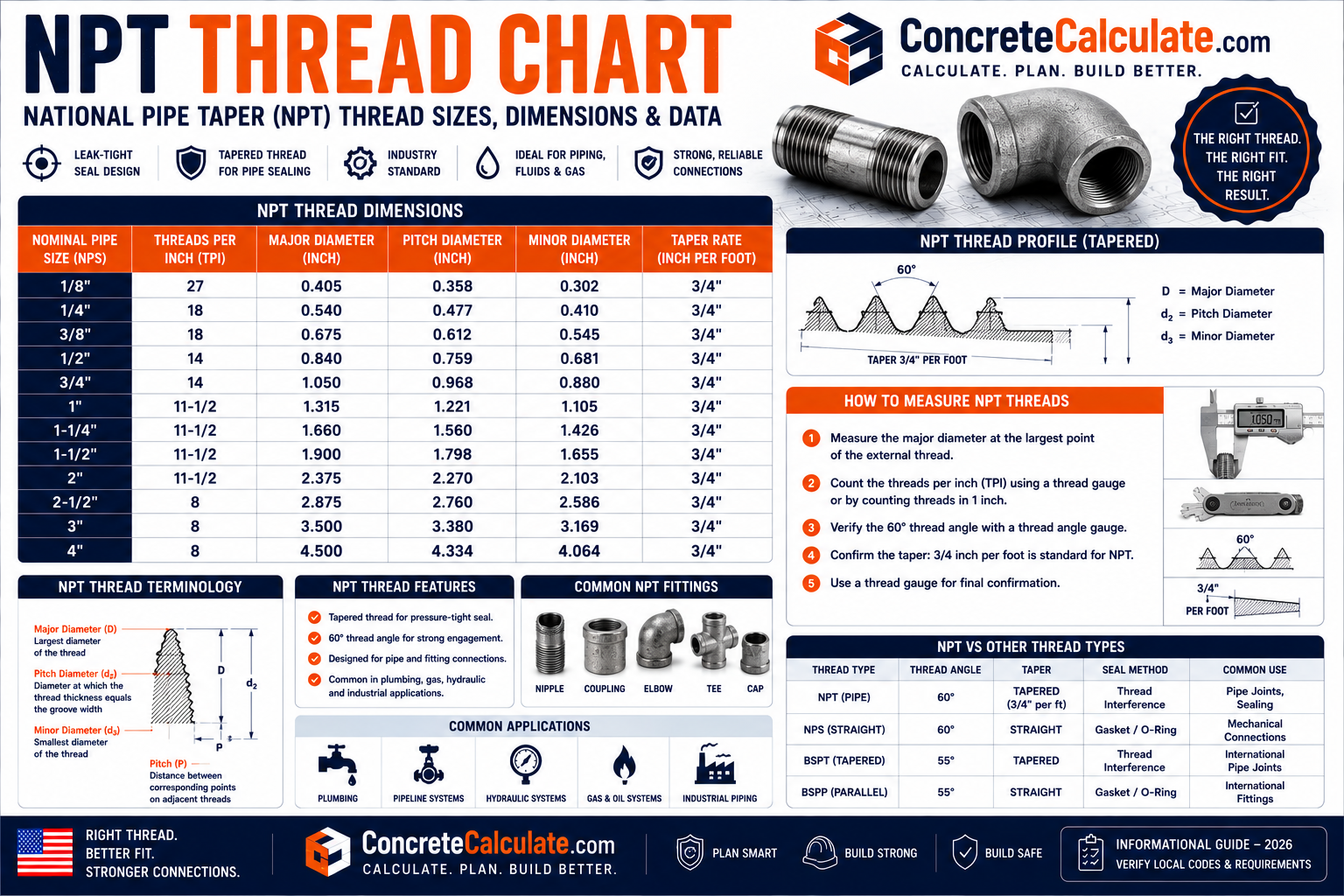
This chart outlines the various NPT thread sizes, including their outer diameter, thread pitch, and taper. It typically covers a range of sizes, from the smallest to the largest, with each size category providing specific measurements. The units used are inches, a common standard for NPT threads.
Reading the Size Chart: A Step-by-Step Guide
- Identify the size category you need. The chart will likely have a column or section dedicated to size categories, such as 1/8", 1/4", 1/2", and so on.
- Once you've identified the size, locate the specific dimensions. These will include the outer diameter (OD), which is the overall size of the pipe or fitting, and the thread pitch, which is the distance between threads.
- For a more detailed analysis, some charts may also provide information on the taper, which is the angle of the thread relative to the pipe axis. This is particularly important for ensuring a proper seal and connection.
- Finally, double-check the tolerance levels. While the chart provides standard dimensions, there may be slight variations or tolerances allowed for each size. These tolerances ensure that different NPT fittings can still connect effectively, even with minor manufacturing differences.
Common Variations and Differences
While the NPT size chart provides a standardized reference, variations can occur due to different manufacturing processes, materials, and regional standards. For instance, while the chart typically uses inch measurements, some regions may use metric units, leading to slight differences in dimensions. Additionally, while the chart provides standard sizes, some manufacturers may offer slightly modified dimensions to suit specific applications. It's essential to refer to the exact specifications provided by the manufacturer or supplier to ensure compatibility and accuracy.
Well, there you have it, a handy guide to navigating the NPT size chart. It's always a good idea to familiarize yourself with these charts and their nuances, especially when precision is key.
Remember, while this chart provides a comprehensive overview, exact values can vary slightly across different standards and sources. So, be sure to double-check your specific requirements and context before making any final decisions. Consider bookmarking this page for future reference; it might just save you some time and effort the next time you need it!
Related: How to Read the Moncler Size Chart: A Simple Guide
A Moncler size chart is a handy tool for anyone looking to navigate their sizing options with ease. This guide will provide a clear overview, offering insights into how to utilize this chart effectively. Whether you're familiar with Moncler's sizing or new to the brand, understanding the size chart is key to ensuring a perfect fit. It's worth noting that sizing can vary, so we'll cover some essential tips to help you interpret the chart accurately, ensuring you make the right choices for your wardrobe.
Understanding the Moncler Size Chart
The Moncler size chart is a valuable tool for anyone looking to purchase Moncler clothing, especially online. It provides a clear guide to help you find your perfect fit, ensuring a comfortable and well-tailored experience. This chart is designed to simplify the sizing process, making it accessible and user-friendly.
Key Details and Categories
The Moncler size chart typically includes measurements for various body parts, such as chest, waist, hips, and sleeve length. These measurements are presented in a clear, tabular format, often with columns for different sizes and rows for each body measurement. The chart may also indicate the standard fit for each size, helping you choose the right style. It's essential to note that Moncler, like many other clothing brands, uses both European and US sizing standards. The chart will usually specify which standard is being used, ensuring accuracy.
Step-by-Step Guide: Reading the Moncler Size Chart
To use the Moncler size chart effectively, follow these steps:
- Identify the sizing standard: Check if the chart uses European or US sizing. This information is crucial for an accurate fit.
- Take your measurements: Using a measuring tape, record your chest, waist, hip, and sleeve length measurements. Ensure the tape is straight and snug, but not tight, to get precise results.
- Compare your measurements: Match your measurements to the corresponding size on the chart. Look for the size where most of your measurements align.
- Consider the standard fit: Moncler provides guidance on the standard fit for each size. This information helps you decide if you prefer a more relaxed or fitted look.
- Double-check specific items: Some Moncler pieces, like jackets, may have unique sizing details. Always refer to the product-specific sizing guide for such items.
Size Variations and Potential Differences
While the Moncler size chart aims for consistency, variations can occur due to:
- Manufacturing processes: Slight differences in production can lead to minor variations in sizing.
- Material stretch: Some fabrics have more give, which can affect the final fit.
- Personal preferences: Individuals may prefer a looser or tighter fit, influencing their size choice.
- Design variations: Certain Moncler styles may have unique cuts or features, impacting the overall fit.
Common Mistakes and How to Avoid Them
To ensure an accurate fit, avoid these common mistakes:
- Relying solely on your usual size: Sizing can vary across brands. Always refer to the Moncler size chart for an accurate fit.
- Ignoring specific item guides: Some Moncler pieces have unique sizing. Always check the product-specific guide.
- Measuring incorrectly: Take precise measurements to ensure an accurate comparison with the chart.
- Neglecting personal preferences: Consider whether you prefer a relaxed or fitted look, and choose accordingly.
Remember, the Moncler size chart is a valuable tool, but it's essential to be mindful of these factors to achieve the perfect fit. With careful consideration and attention to detail, you'll enjoy a comfortable and stylish Moncler experience.
Remember, while this guide offers a comprehensive overview, exact details can vary slightly depending on the specific Moncler product and the context in which you're using the size chart. It's always a good idea to double-check the size guide provided with your chosen item to ensure an accurate fit.
Feel free to bookmark this page for future reference. We also have a range of other practical guides on various topics, so be sure to check them out for all your reference needs!