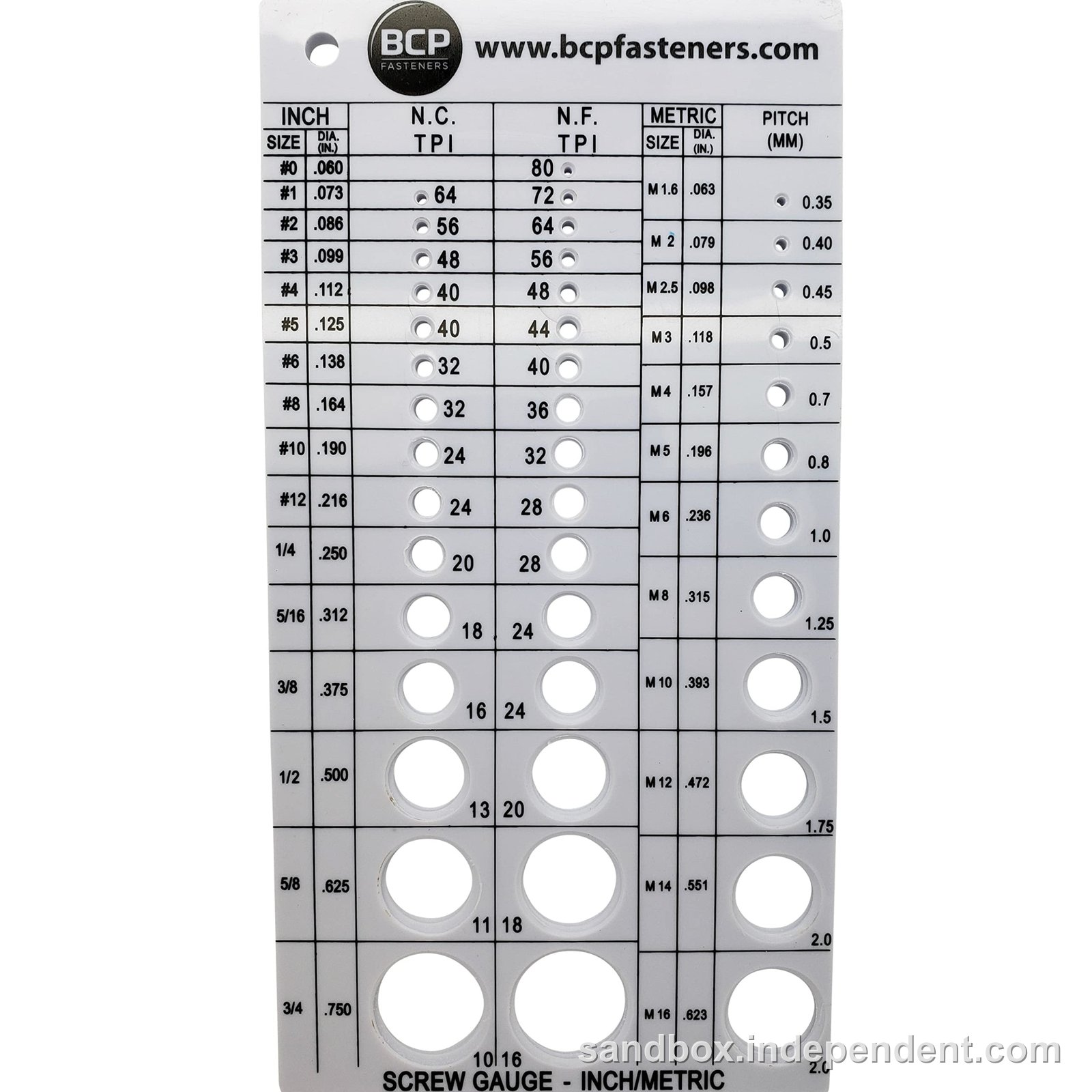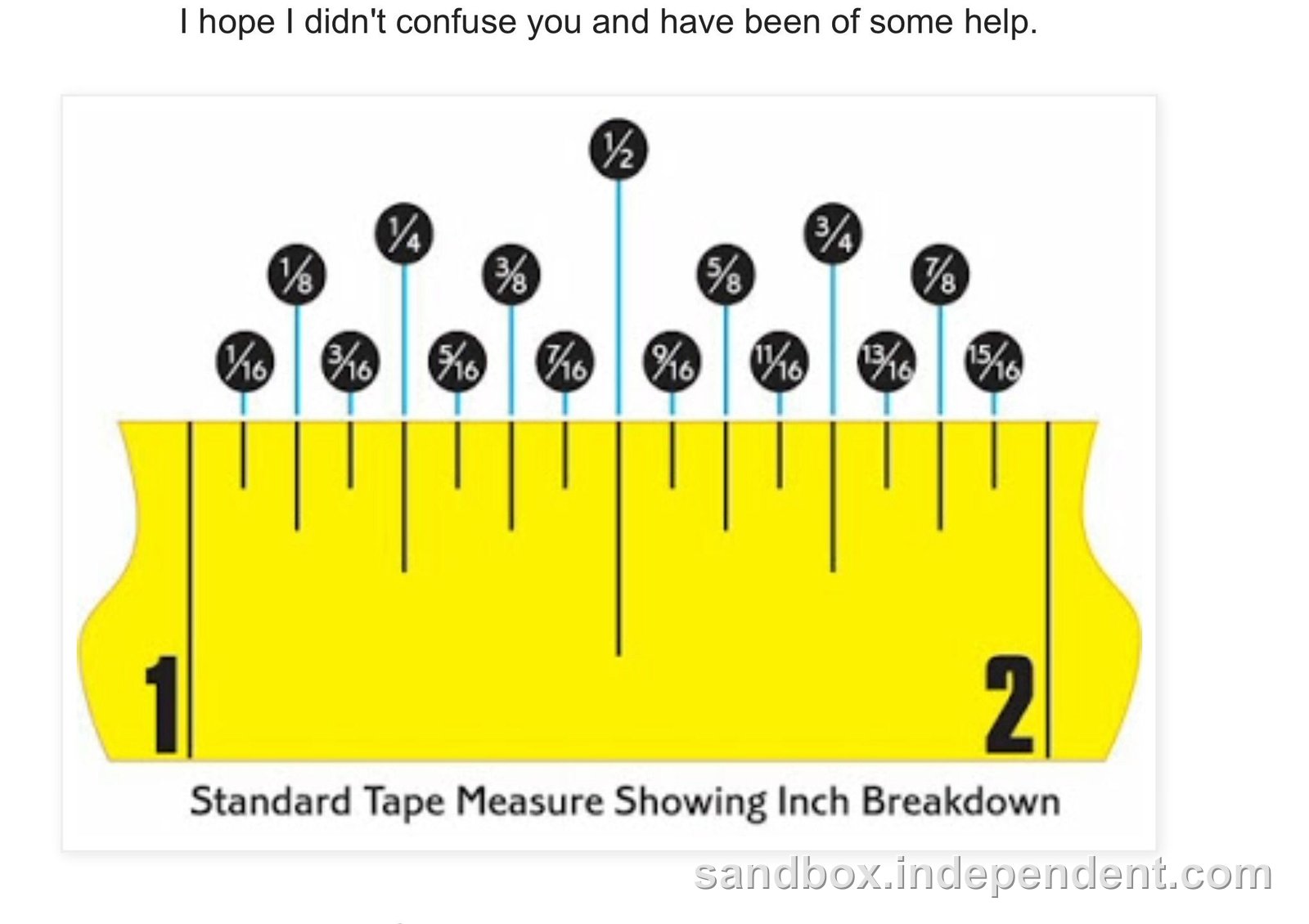






Bolt Sizes Chart Free Printable Overview
"Tsp live charts" provide a quick and accessible way to visualize and understand measurements, especially in cooking and dosage scenarios. This guide will cover the basics of reading and utilizing these charts effectively, offering a simple yet powerful tool for accurate conversions.
The beauty of tsp live charts lies in their ability to present live data in a clear, visual format. Whether you're converting teaspoon measurements to milliliters or determining precise dosages, these charts offer a reliable reference, ensuring your calculations are spot on. Keep in mind that while the values and formats may vary depending on your region or specific needs, the core principle remains the same: an easy, accurate conversion guide.
Understanding TSP Live Charts
TSP live charts are an essential tool for anyone who needs precise measurements, especially in cooking and medicine. These charts provide a visual representation of teaspoon conversions, offering a quick and accurate way to understand and apply different measurements.
Key Details and Units
The primary unit of measurement on these charts is the teaspoon, often abbreviated as "tsp." However, it's important to note that the chart also includes conversions to other units, such as milliliters (ml) and cubic centimeters (cc). These charts typically cover a range of values, from small doses like 1/4 tsp to larger quantities like 2 tsp or more.
Reading and Applying the Chart
To use a TSP live chart, follow these steps:
Identify the measurement you need to convert. Let's say you have a recipe that calls for 1/2 tsp of an ingredient, and you want to know the equivalent in milliliters.
Locate the relevant column or row on the chart. In this case, find the column labeled "1/2 tsp."
Read the corresponding value in the desired unit. Under the "ml" column, you might find the value "2.5 ml." This means that 1/2 tsp is equivalent to approximately 2.5 milliliters.
Apply the conversion in your recipe or dosage. So, if your recipe requires 1/2 tsp, you can use 2.5 ml instead.
Variations and Differences
TSP live charts may vary depending on the standard or region they are designed for. For instance, some charts might use the US customary system, while others might follow the metric system. This means that the exact conversions and labels can differ. Always ensure you are using a chart that aligns with your specific needs and measurement system.
Common Mistakes and How to Avoid Them
One common mistake is assuming that all TSP charts are universal. Always check the units and labels on the chart to ensure they match your requirements. Another pitfall is rounding off values too aggressively. While charts provide quick references, it's best to use the exact conversions, especially for critical applications like medicine.
Practical Tips for Accurate Results
When working with TSP live charts, consider these tips:
- Always double-check the units and ensure they match your needs.
- If you require precise measurements, consider using a digital scale or measuring spoons for the best accuracy.
- Keep in mind that some ingredients, especially powders, can vary in density, which might affect the volume-to-weight ratio.
- For critical applications like medication, always consult a healthcare professional for the most accurate dosage information.
Double-Checking and Handling Exceptions
While TSP live charts are a valuable tool, they might not cover every possible exception or specialized measurement. In such cases, it's best to refer to the original source or consult a professional. For instance, if you're dealing with highly technical or scientific measurements, you might need to consult more specialized charts or formulas. Always err on the side of caution and double-check critical measurements.
Well, there you have it! You should now feel equipped with the knowledge to navigate tsp live charts and make the most of this practical tool. Remember, while this guide offers a solid foundation, always consider your unique context and requirements. Exact values and standards may vary, so a quick double-check ensures you're on the right track.
Feel free to bookmark this page for future reference. It's always handy to have a reliable guide at your fingertips, ready to assist when needed.
Related: What's the best way to use a slacks size chart?
A slacks size chart is your handy tool for ensuring a perfect fit every time. This guide will walk you through the ins and outs, offering a simple approach to understanding those charts and ensuring you get the right size.
You'll find these charts are a great reference, offering waist size charts, pant guides, and even international size standards. While the values may vary slightly depending on the brand and region, they provide a reliable starting point for your measurements.
Understanding Slack's Size Chart
A waist size chart is a handy tool to help you find your perfect fit when shopping for slacks. It's a reference guide that translates your body measurements into the right size label, making it easier to choose the correct pair of pants.
Comparing Size Chart Standards
Size charts can vary depending on the brand and region. For example, a pant size guide from a US brand might use different measurements or labels compared to an international brand. It's important to check which standard the chart follows to ensure an accurate fit.
Step-by-Step Guide to Using the Size Chart
Using a slacks size chart is simple. Here's a quick guide:
Measure your waist: Use a tape measure to find your natural waist, which is usually the smallest part of your waist. Make sure the tape is snug but not too tight.
Find your waist size: Look for the waist measurement column on the chart. It will typically list a range of sizes, often in inches or centimeters. Find the number that matches or is closest to your waist measurement.
Check the hip measurement: Some charts also include hip measurements. If your hips are wider than your waist, ensure the hip measurement on the chart accommodates your body shape.
Consider the inseam: The inseam length determines how long your pants will be. Choose the length that suits your preference and height.
Avoiding Common Misreadings
It's easy to misinterpret a size chart if you're not familiar with it. Here are some tips to avoid common mistakes:
Always double-check the units of measurement. Some charts use inches, while others use centimeters.
Pay attention to the size labels. Brands might use different terminology, so ensure you understand their specific size categories.
If you're between sizes, it's often better to size up for comfort. Most charts provide a range, so choose the larger size if you're unsure.
Factors Affecting Accuracy
Several factors can influence the accuracy of a slacks size chart:
Body shape: The chart provides a general guide, but everyone's body is unique. Factors like muscle mass, bone structure, and body fat distribution can affect how clothes fit.
Fabric and design: The material and cut of the pants can impact the fit. Stretch fabrics might offer more flexibility, while structured fabrics may require a more precise fit.
Personal preference: Comfort and style are subjective. Some people prefer a looser fit, while others like their pants more tailored. Consider your personal style and comfort level when choosing a size.
Adapting the Chart for Your Needs
The beauty of a slacks size chart is its adaptability. You can use it as a starting point and make adjustments based on your preferences:
If you prefer a more relaxed fit, choose a size larger than your measured waist size.
For a more tailored look, opt for a size that matches your waist measurement precisely.
Consider the rise of the pants (high, medium, or low) and choose a size that aligns with your preference.
Keeping Your Reference Reliable
To ensure a consistent and reliable experience, it's beneficial to keep your slacks size chart updated:
Measure yourself regularly, especially if you've gained or lost weight. Body measurements can change over time, so it's essential to have an accurate reference.
Take note of the brand and style of pants you usually wear. This information can help you quickly identify your size when shopping online or in-store.
Share your measurements with trusted friends or family members. This way, they can assist you in finding the right size when shopping together.
Well, there you have it! A comprehensive guide to slacks size charts, covering all the bases. We've explored the different options, learned the steps to get an accurate fit, and even discussed some common pitfalls to avoid.
Remember, when it comes to size charts, there can be slight variations, so always double-check the specific requirements for your chosen brand or style. It's a good idea to keep this page bookmarked for future reference, so you can quickly refer back to it when needed. Stay stylish, and happy sizing!
Related: A Comprehensive Nail Length Chart Guide
Many people approach the nail length chart with some confusion, assuming it's a complex tool when it's actually a simple, handy reference. Rest assured, it's an easy-to-use guide!
The chart provides a clear visual representation of nail lengths, offering a quick way to measure and compare. While values may vary slightly depending on your region or the brand you use, the nail length chart remains a reliable tool for anyone seeking precision and consistency. Think of it as your go-to nail size chart or fingernail measurement guide!
Nail Length Chart: A Practical Guide
A nail length chart is a handy tool that provides a reference for various nail lengths, typically used in the beauty and fashion industries. It offers a visual representation of different nail sizes, helping you understand and communicate nail lengths effectively.
Understanding the Key Details
The chart usually displays nail lengths in two common units: inches and millimeters. You'll find categories like "Short," "Medium," and "Long," each with a range of values. For example, short nails might be 0.5 to 1 inch (or 12 to 25 mm), while long nails could be 1.5 to 2 inches (38 to 51 mm).
Reading the Chart and Measuring Nails
Here's a step-by-step guide to using the nail length chart:
- Identify the unit you prefer, whether it's inches or millimeters.
- Locate the category that best describes the nail length you want to measure or achieve.
- Within that category, find the specific length you need. For instance, if you want medium-length nails, you might aim for 1 inch (25 mm).
- Use a nail length gauge or a simple ruler to measure your nails against the chart's values.
Variations and Differences
It's important to note that nail length charts may vary depending on the standard or context. Different regions and industries might have slightly different measurements or categories. For instance, the US and international standards might have slight variations in the exact ranges for each category. Additionally, specific nail art or design trends can influence the definitions of nail lengths.
To ensure accuracy, always refer to the appropriate standard for your industry or region. If you're unsure, it's best to double-check the exact specifications or consult a professional. Remember, the chart provides a general guide, but precise measurements might require additional tools or expertise.
Hey there! I hope this nail length chart guide has been helpful. Remember, these measurements are a great starting point, but they can vary slightly depending on the context and your personal preferences.
It's always good to have a reference guide like this handy, so feel free to bookmark this page for future nail adventures! You'll find other practical guides on our blog too, so make sure to check them out for more tips and tricks. Happy measuring!