













Building a Greener Future
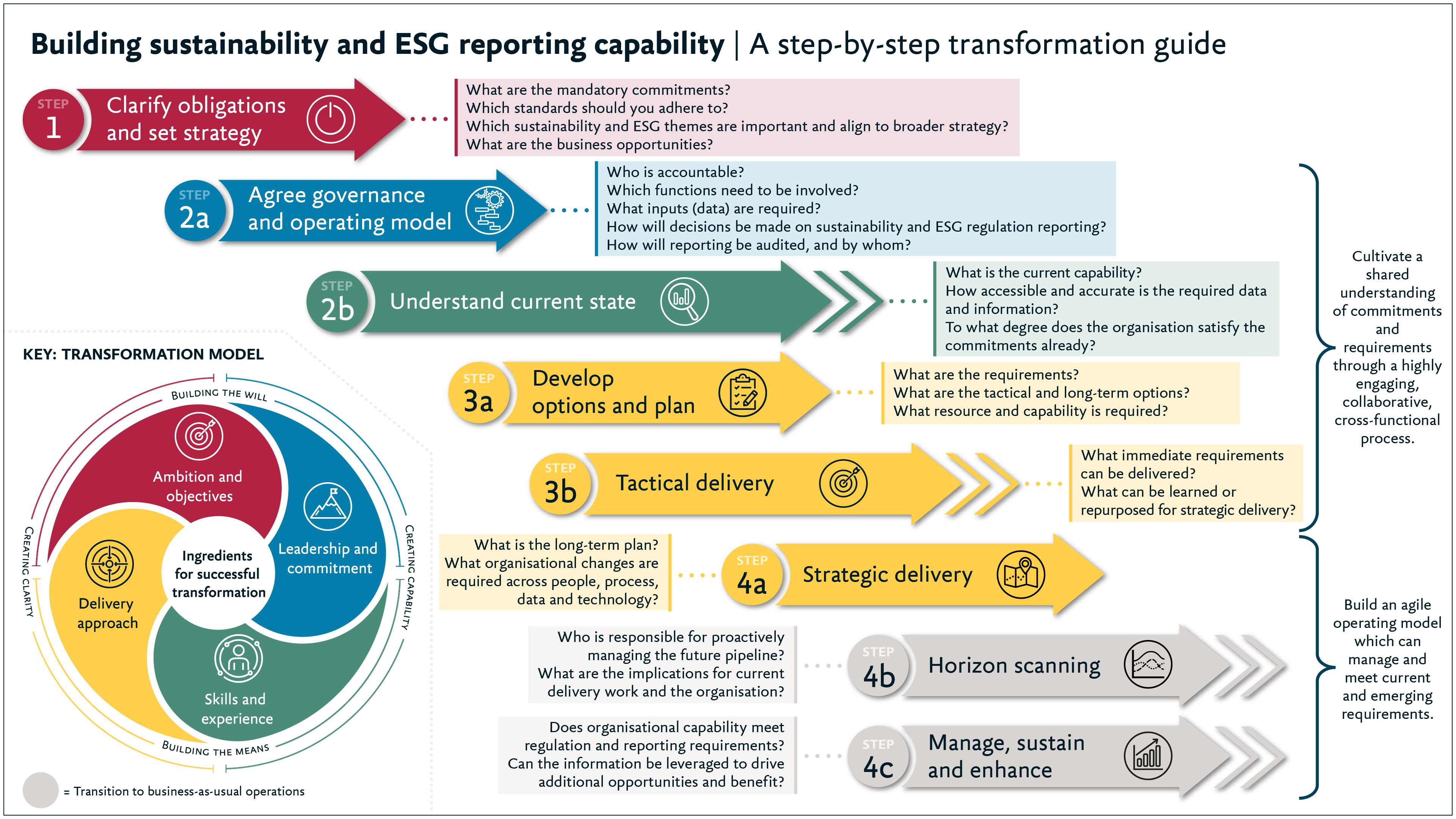
Construction industry sustainability is all about creating a more environmentally friendly and socially responsible approach to building. It's not just about the end result, but the entire process, from design to completion. By adopting sustainable practices, the construction industry aims to reduce its environmental impact and create a more sustainable world.
This means considering the long-term effects of construction projects and finding ways to minimize waste, conserve resources, and promote energy efficiency. It's about using materials that are eco-friendly, durable, and locally sourced whenever possible. Sustainable construction also involves thinking about the well-being of workers and the community, ensuring fair practices and minimizing disruptions.
Practical Steps for a Sustainable Build
So, how can you ensure your construction project is sustainable? Here are some key considerations:
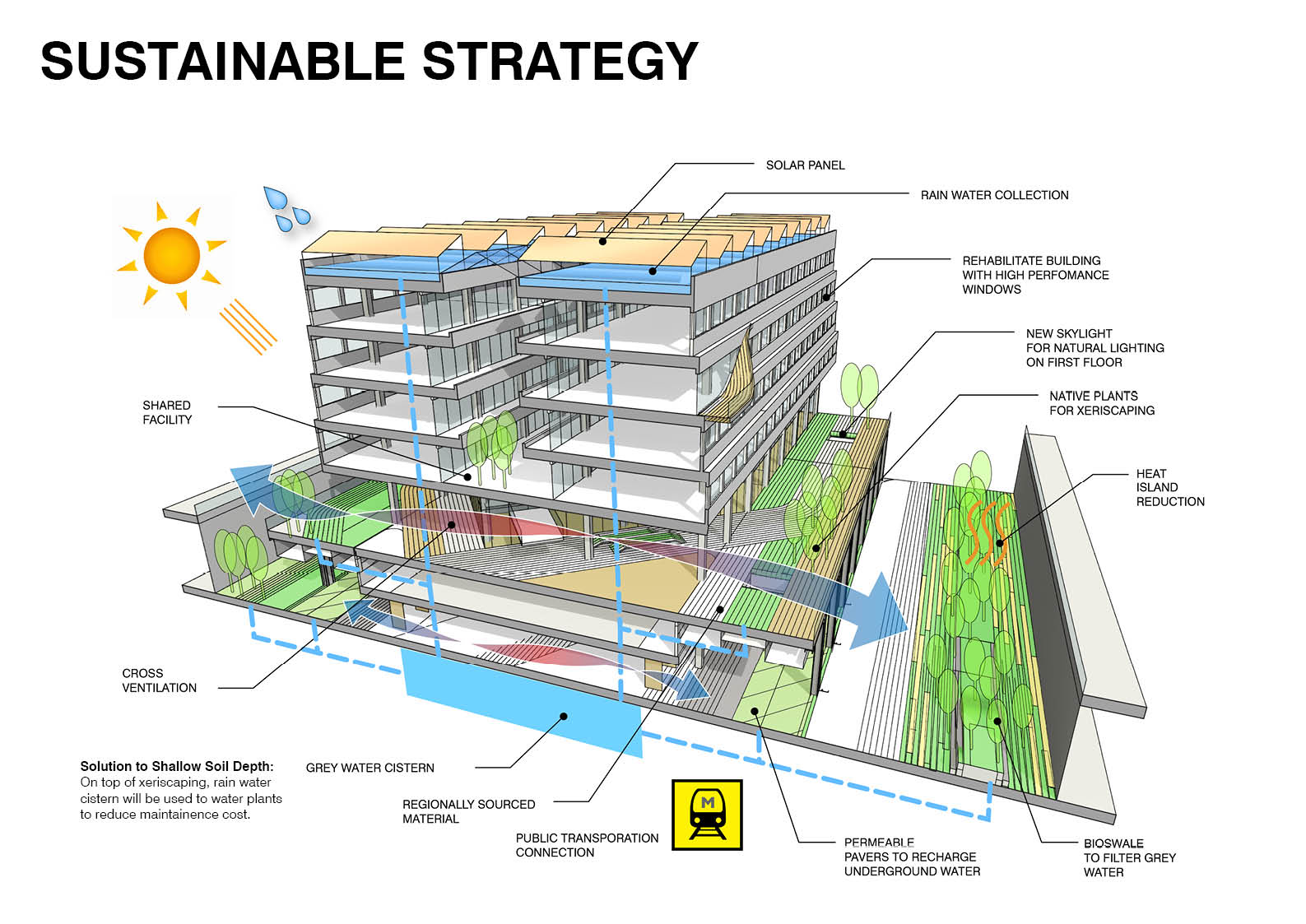
Materials: Opt for sustainable and recycled materials. Look for certifications like LEED or Energy Star to guide your choices. Consider the lifespan and maintenance needs of materials to reduce future costs and environmental impact.
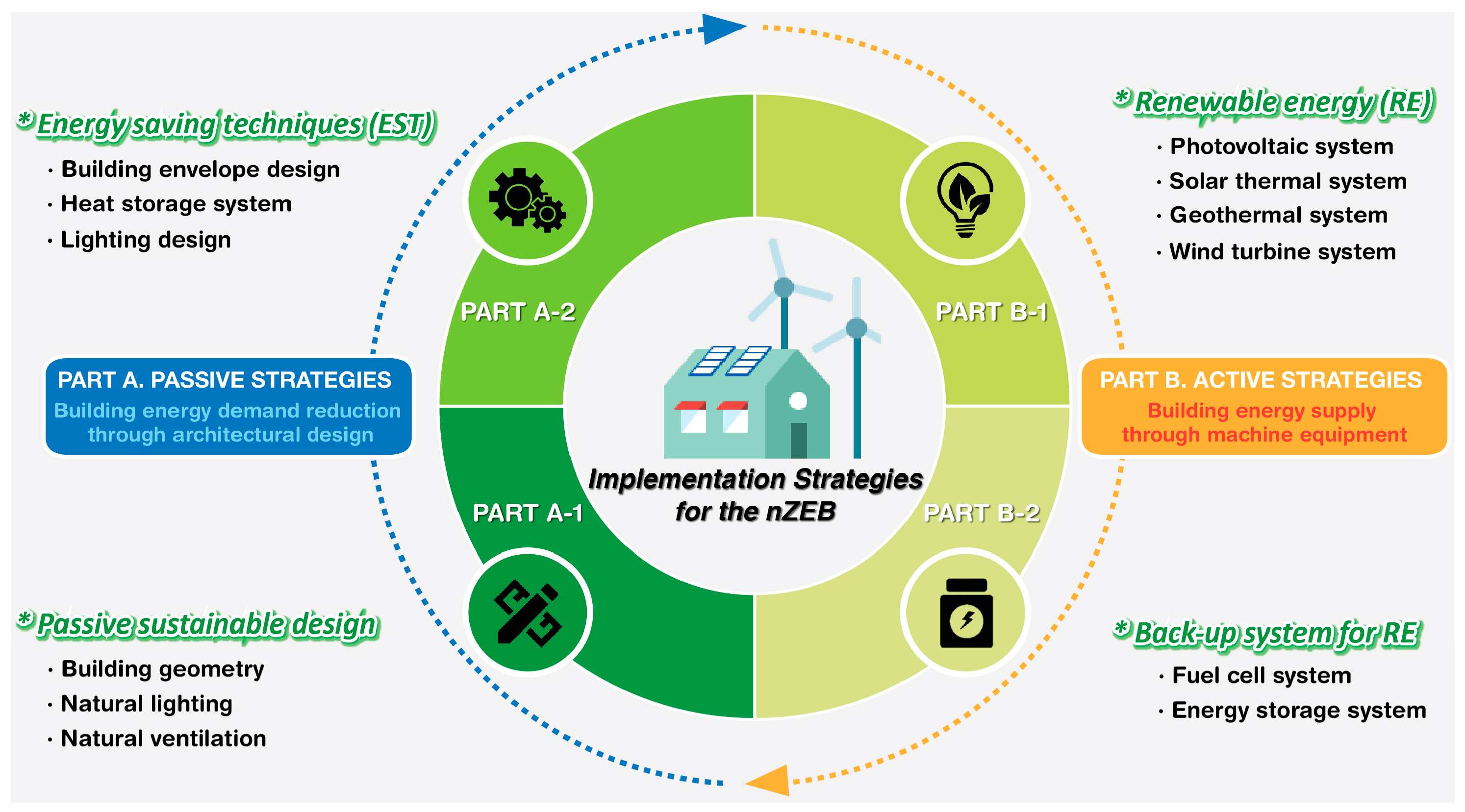
Energy Efficiency: Focus on insulation, efficient HVAC systems, and smart design to minimize energy consumption. Proper insulation and energy-efficient appliances can significantly reduce a building's carbon footprint.
Waste Management: Implement a waste reduction plan. Separate and recycle construction waste, and consider donating or reusing materials where possible. Proper waste management not only benefits the environment but can also save costs.
Water Conservation: Install water-efficient fixtures and consider rainwater harvesting systems. These practices can reduce water usage and lower utility costs.
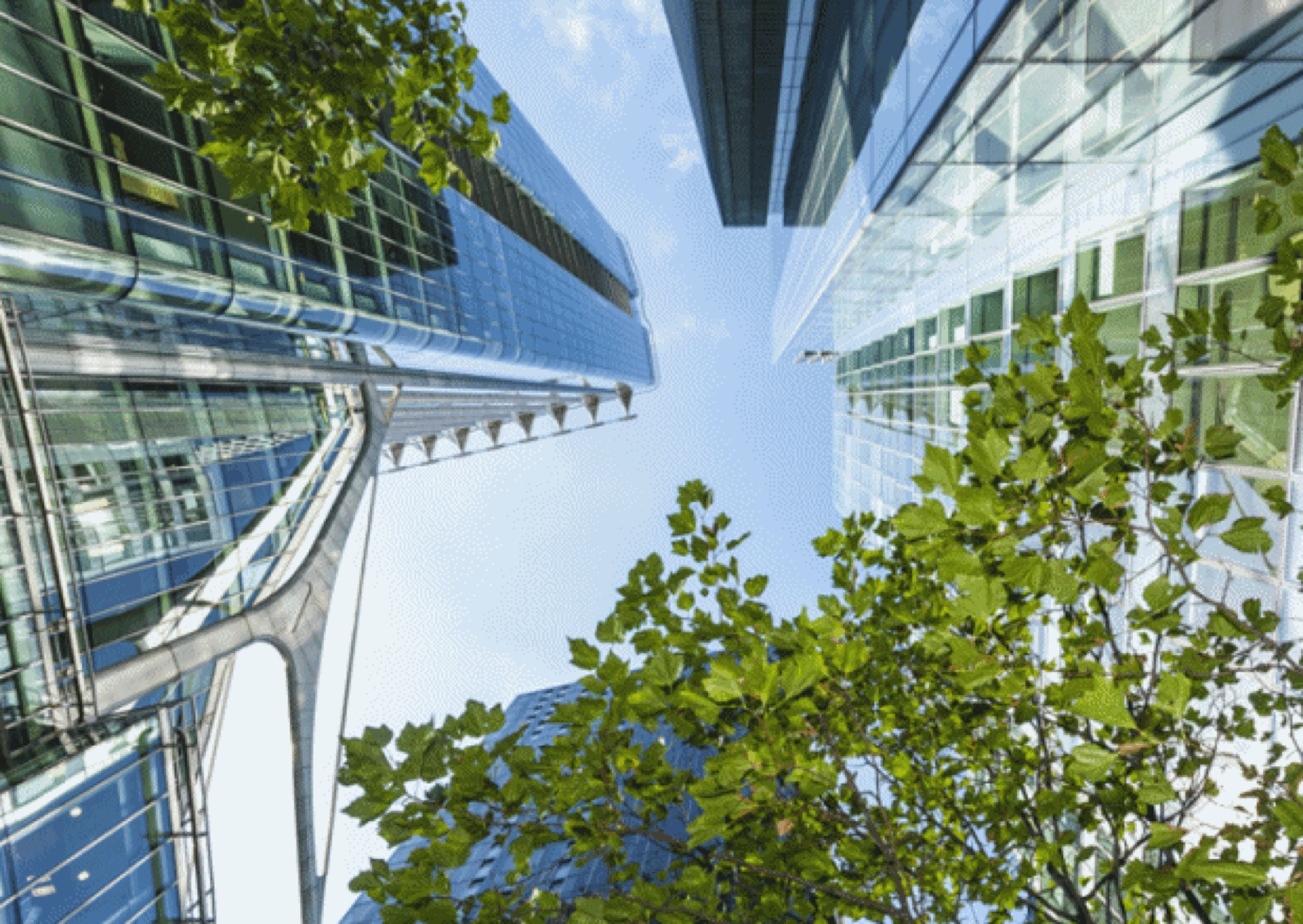
Green Spaces: Incorporate green roofs or walls to improve air quality, reduce urban heat, and provide habitat for local wildlife. Green spaces also enhance the aesthetic appeal of a building.
Choosing the Right Contractor
When hiring a contractor, sustainability should be a key factor. Ask about their experience with sustainable practices and their commitment to environmental initiatives. Look for certifications or memberships with green building organizations. Ensure they have a track record of successful sustainable projects.
Get detailed quotes that break down costs and materials. Compare quotes, but remember, the cheapest option might not always be the most sustainable or reliable. Ask for references and check their past work to ensure they deliver on their promises.
The Future of Construction
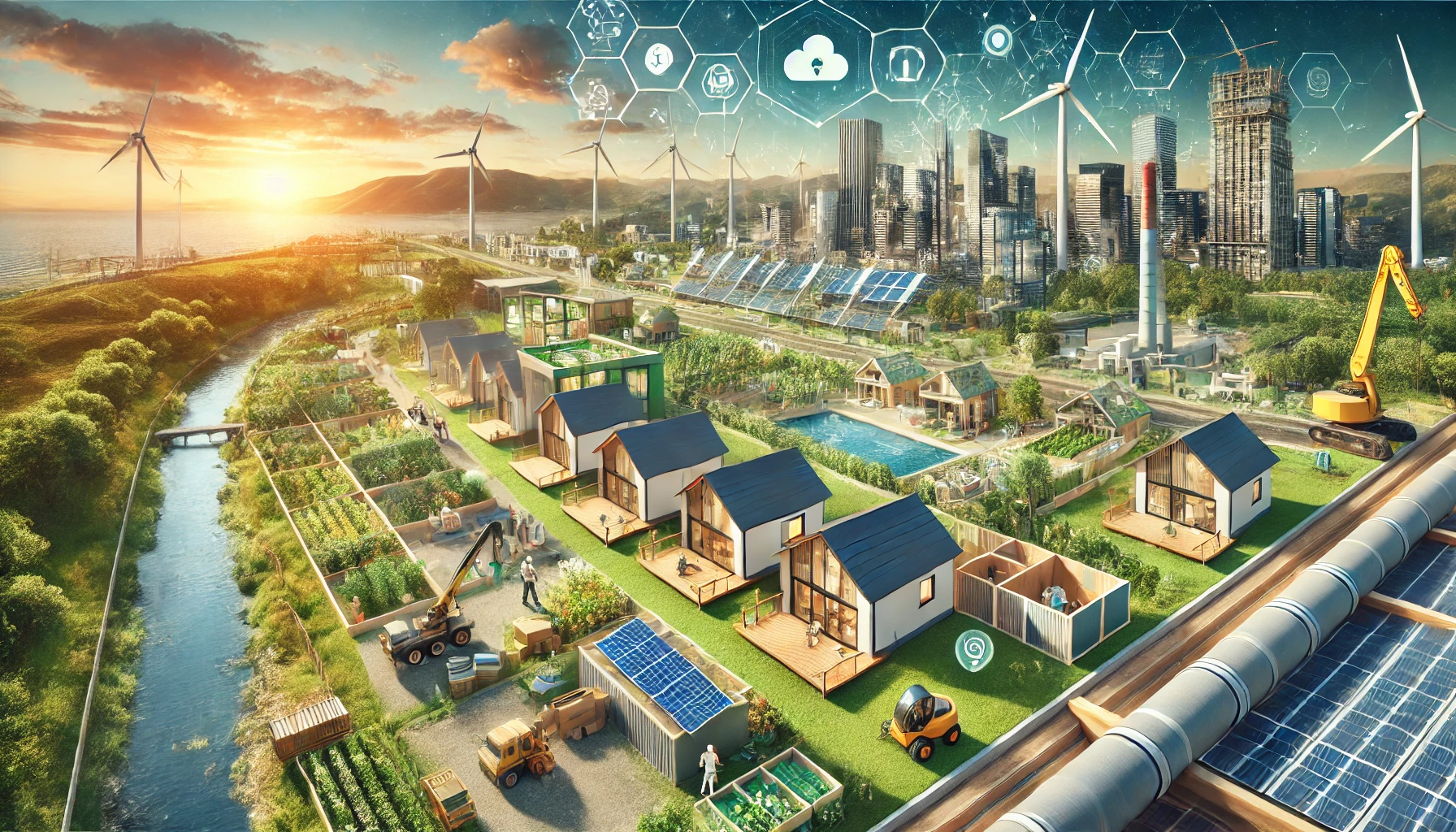
Construction industry sustainability is not just a passing trend; it's a necessary evolution. As the industry adapts, we can expect to see more innovative materials, efficient technologies, and a greater focus on renewable energy integration.
Large construction firms are already leading the way with ambitious sustainability goals and innovative projects. However, small and medium-sized businesses are also crucial to this movement, as they can adapt quickly and bring sustainable practices to a wider range of projects.
So, whether you're planning a home renovation or a large-scale development, consider the long-term benefits of construction industry sustainability. It's an investment in our planet's future and a step towards a more responsible and resilient industry.