

Budget Spreadsheet Tracker Overview
The Art of Budgeting: Mastering Your Finances
Understanding the Basics of Budgeting
Budgeting is the foundation of financial health. It involves tracking income, categorizing expenses, and allocating funds to meet both short-term needs and long-term goals. A well-structured budget ensures you live within your means, save consistently, and avoid debt. The core principle is simple: spend less than you earn. However, the execution requires discipline and a clear plan.
Start by listing all sources of income, including salary, side gigs, or investments. Next, categorize expenses into fixed (rent, utilities) and variable (groceries, entertainment). Use tools like spreadsheets, apps, or notebooks to track spending. The 50/30/20 rule is a popular framework: 50% for needs, 30% for wants, and 20% for savings and debt repayment.
Creating a Realistic Budget Plan
A realistic budget aligns with your lifestyle and financial goals. Begin by analyzing past spending to identify patterns. For instance, if you spend $400 monthly on dining out, allocate that amount but consider reducing it gradually. Prioritize essentials like housing and food before discretionary spending.
Worked Example:
Imagine your monthly income is $4,000. Using the 50/30/20 rule:
- Needs (50%): $2,000 (e.g., $1,200 rent, $300 utilities, $500 groceries).
- Wants (30%): $1,200 (e.g., $400 dining, $300 entertainment, $500 shopping).
- Savings/Debt (20%): $800 (e.g., $500 emergency fund, $300 student loan).
Adjust categories based on your priorities. For example, if you’re saving for a house, reduce wants and increase savings.
Common Mistake: Overestimating Income or Underestimating Expenses
A frequent error is assuming consistent income or overlooking irregular expenses. For instance, freelancers might base their budget on a high-income month, only to struggle during slower periods. Similarly, forgetting annual expenses like insurance premiums can derail your plan.
Fix: Use your lowest consistent income as the baseline. For irregular expenses, divide the annual cost by 12 and set aside that amount monthly. Example: A $600 annual car insurance policy requires saving $50 monthly.
Tracking and Adjusting Your Budget
Budgeting isn’t a set-it-and-forget-it task. Regularly monitor your spending to ensure you stay on track. Weekly check-ins help catch overspending early. If you consistently exceed a category, reassess its allocation or cut back in another area.
Tools for Effective Budgeting
Leverage technology to simplify budgeting. Apps like Mint, YNAB, or Excel templates automate tracking and provide insights. For manual tracking, a notebook or bullet journal works well. The key is consistency—choose a method that fits your lifestyle.
Budgeting for Irregular Income
If your income varies, budgeting requires extra planning. Calculate your average monthly income over the past year and use that as your baseline. Allocate funds to a savings buffer during high-income months to cover lows.
Example:
If your monthly income ranges from $2,500 to $4,500, average it to $3,500. Save the surplus during high-income months in a separate account.
Common Mistake: Neglecting Emergency Funds
Many budgets focus on daily expenses but ignore emergencies. Without a safety net, unexpected costs like car repairs can lead to debt.
Fix: Prioritize building an emergency fund covering 3-6 months of living expenses. Start small—even $20 weekly adds up over time.
Budgeting for Long-Term Goals
Incorporate long-term goals like retirement, homeownership, or education into your budget. Use retirement accounts (e.g., 401(k), IRA) and high-yield savings for specific goals.
Example:
To save $20,000 for a down payment in 5 years, allocate $333 monthly. Adjust for interest or investment returns if applicable.
Dealing with Debt in Your Budget
Debt repayment should be a priority. Use the debt snowball (pay smallest debts first) or avalanche (pay highest-interest debts first) method. Allocate at least the minimum payments in your budget, with extra funds toward high-interest debt.
Common Mistake: Ignoring Small Expenses
Daily coffee or subscription services can add up quickly. These small expenses often go unnoticed but significantly impact your budget.
Fix: Track every expense, no matter how small. Cut non-essential subscriptions and limit impulse purchases.
Budgeting as a Family
Family budgeting requires collaboration. Hold regular financial meetings to discuss goals and progress. Teach children about money management by involving them in budgeting decisions.
Example:
Allocate $100 monthly for family outings and let kids decide how to spend it within that limit.
Adapting Your Budget Over Time
Life changes—new jobs, marriages, or children—require budget adjustments. Review your budget quarterly to reflect new circumstances.
Common Mistake: Being Too Rigid
A budget that’s too restrictive leads to frustration and abandonment. Allow flexibility for occasional treats or unexpected needs.
Fix: Include a "miscellaneous" category for unplanned expenses or occasional indulgences.
The Psychological Aspect of Budgeting
Budgeting isn’t just about numbers; it’s about mindset. Celebrate small wins, like paying off a credit card, to stay motivated. View budgeting as a tool for freedom, not restriction.
Example:
Reward yourself with a movie night after sticking to your budget for three months.
Budgeting for Special Occasions
Plan for holidays, birthdays, or vacations in advance. Set aside a small amount monthly to avoid financial stress during these events.
Example:
For a $1,000 holiday budget, save $83 monthly starting in January.
Common Mistake: Relying on Credit for Budget Shortfalls
Using credit cards to cover budget gaps leads to debt accumulation. Interest charges compound the problem, making repayment harder.
Fix: Reduce expenses or increase income to cover shortfalls. If necessary, use a 0% interest credit card temporarily but pay it off before the promotional period ends.
Budgeting for Retirement
Start early to maximize retirement savings. Contribute to employer-matched plans and explore tax-advantaged accounts like Roth IRAs.
Example:
If your employer matches 5% of your salary, contribute at least that amount to get the full benefit.
Final Thoughts on Budgeting
Budgeting is a dynamic process that evolves with your life. Stay committed, be flexible, and focus on progress, not perfection. With time, it becomes second nature, paving the way for financial security and peace of mind.
Related: A Simple Guide to Solar Return Chart Reading
A solar return chart is a valuable tool, a snapshot of your astrological year, offering insights and a unique perspective. This guide will navigate you through the basics, ensuring you grasp the fundamentals of reading and interpreting these charts.
The solar return chart, or solar revolution chart, provides a detailed map, varying slightly depending on your region and the astrological tradition you follow. It's an essential resource for chart reading and solar return analysis, offering a fresh perspective on your year ahead.
Understanding the Solar Return Chart: An Overview
The solar return chart is a powerful tool used in astrology to provide insights into a person's upcoming year. It offers a snapshot of the celestial positions at the precise moment of your birth, calculated for the date and location of your solar return anniversary. This chart is like a personalized map, guiding you through the potential themes and challenges of the year ahead.
Comparing Solar Return Chart Formats and Standards
There are two primary methods for calculating a solar return chart: the sidereal solar return and the tropical solar return. The sidereal method uses the actual position of the Sun among the stars, while the tropical method aligns with the seasonal changes. Both methods have their adherents, and the choice often depends on personal preference and the astrological tradition followed.
Step-by-Step Guide to Reading Your Solar Return Chart
To interpret your solar return chart, follow these steps:
Identify the house placements: Each house represents a specific area of life, such as career, relationships, or personal growth. The planets' positions within these houses indicate the focus and potential challenges or opportunities in each life area.
Analyze planet transits: Note the positions of the planets in your solar return chart compared to your natal chart. These transits highlight areas of life where you may experience significant growth, challenges, or transformations.
Interpret the aspects: Aspects are the angular relationships between planets. They reveal the dynamic interactions and energies at play. For example, a harmonious aspect like a trine suggests ease and flow, while a challenging aspect like a square indicates potential obstacles and the need for adaptation.
Consider the chart's overall energy: Look at the overall balance of elements (fire, earth, air, water) and modalities (cardinal, fixed, mutable) in your solar return chart. This gives an overview of the predominant energies and themes for the year.
Common Misinterpretations and How to Avoid Them
A common mistake is to focus solely on the negative aspects or transits in a solar return chart. While challenges are part of the journey, it's important to remember that these aspects also offer opportunities for growth and transformation. Balance your interpretation by considering the positive aspects and the potential for personal development.
Factors Affecting the Accuracy of Solar Return Analysis
The accuracy of your solar return chart interpretation depends on several factors:
Location: The chart is calculated for a specific geographic location, so if you travel frequently, your solar return may vary depending on where you spend your birthday.
Time zone: The precise time of your birth is crucial. Even a small variation in the time zone can impact the chart's interpretation.
Personal evolution: As you grow and change, your chart may reflect these shifts. Your interpretation should consider your current life circumstances and personal growth.
Adapting the Solar Return Chart for Specific Needs
The solar return chart can be tailored to specific areas of interest. For example, you can create a focused chart for your career by emphasizing the houses and planets associated with work and professional life. This allows for a more detailed analysis of the opportunities and challenges in that specific realm. Similarly, you can create charts for relationships, health, or creative pursuits, providing a deeper understanding of the year's potential in those areas.
Hey there, fellow explorers! We've covered a lot of ground in this guide, and I hope it's given you a clear path to navigate the world of solar return charts. Remember, the specifics might differ slightly, as each chart has its unique nuances.
Feel free to explore more of our guides; we've got a range of topics to help you on your path to mastering these practical tools. Happy reading and learning!
Related: Need a Pipe Thread Chart? Find the Right One Here!
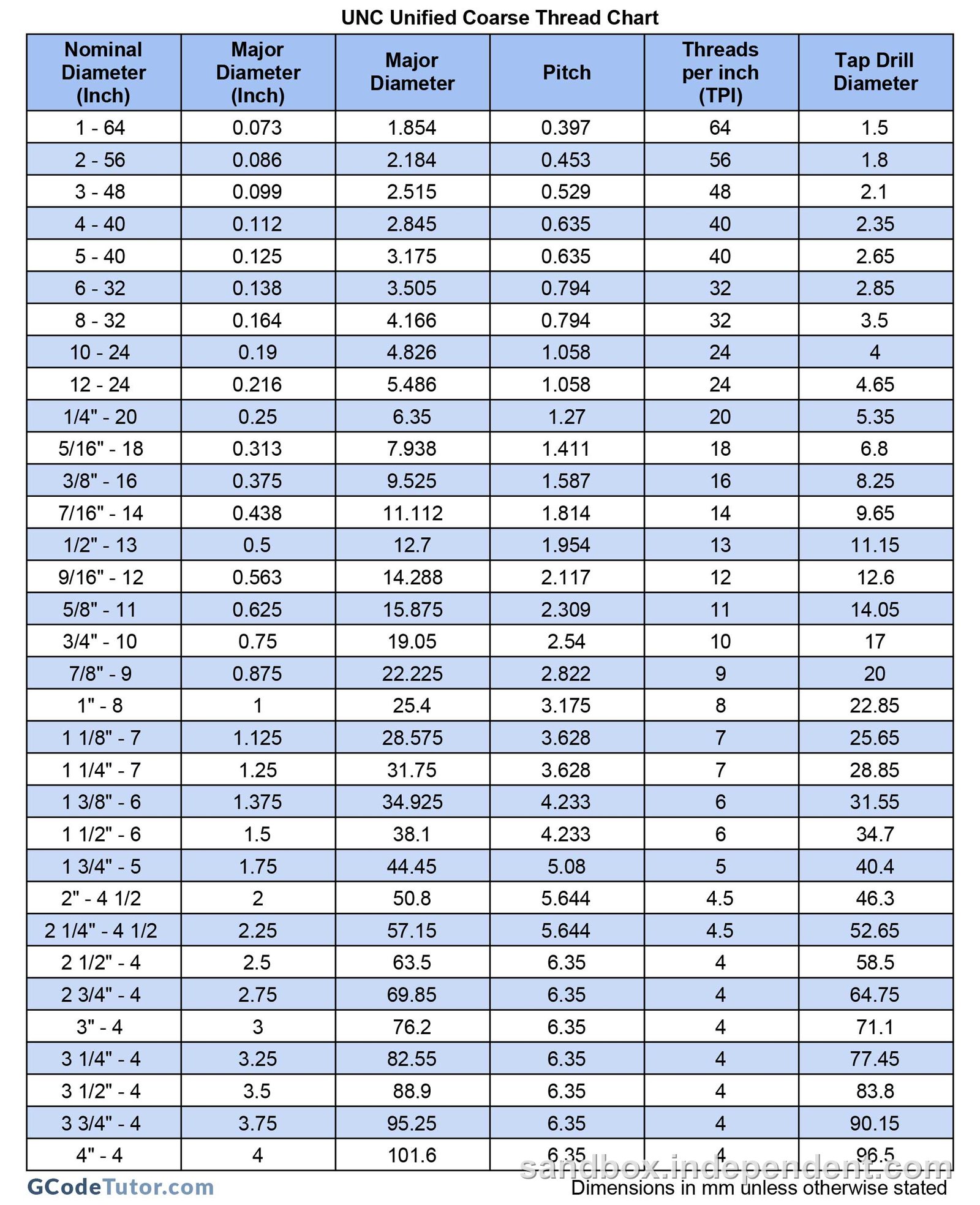
A pipe thread chart is an essential tool for anyone working with pipes and fittings, offering a quick and precise way to identify and match threads. This guide aims to provide an overview of what these charts entail and how they can be utilized effectively.
The charts present a clear and organized display of thread specifications, including standard sizes, pitch, depth, and more. While the values may vary depending on the region and pipe thread standards, the pipe thread chart serves as a reliable reference, ensuring accurate connections and preventing costly mistakes.
Understanding Pipe Thread Chart: A Practical Guide
The pipe thread chart is a valuable reference tool for anyone working with pipes and threaded connections. It provides a comprehensive overview of the various thread types, sizes, and standards commonly used in the industry. By understanding and utilizing this chart, you can ensure accurate measurements, proper fittings, and secure connections.
Key Details and Prerequisites
Before delving into the pipe thread chart, it's essential to grasp some fundamental concepts. First, pipe threads are categorized into different standards, such as the National Pipe Thread (NPT) and British Standard Pipe (BSP). These standards define the thread's dimensions, including the thread angle, pitch, and depth. The chart typically includes information on both tapered and straight threads, covering a range of sizes and series. Understanding these categories and their corresponding units is crucial for accurate interpretation.
Reading and Applying the Pipe Thread Chart
Using the pipe thread chart is a straightforward process. Here's a step-by-step guide:
Identify the Standard: Determine the pipe thread standard you are working with. This information is often indicated on the pipe or fitting itself. Common standards include NPT and BSP, but there are others as well.
Locate the Thread Series: The chart usually organizes threads into series, such as NPTF (National Pipe Thread Fuel) or BSPT (British Standard Pipe Tapered). Each series has its own unique characteristics and dimensions.
Measure the Thread Size: Measure the outside diameter (OD) of the pipe or fitting. This measurement is crucial for identifying the correct thread size.
Refer to the Chart: Using the measured OD and the identified thread series, locate the corresponding thread size and its specifications on the chart. The chart will provide details such as the thread pitch, depth, and other relevant dimensions.
Verify the Thread Type: Confirm the thread type, whether it is tapered or straight. This information is essential for selecting the right fittings and ensuring a proper seal.
Variations and Differences Across Standards
It's important to note that pipe thread standards can vary across regions and industries. The pipe thread chart may present different specifications for NPT, BSP, and other standards. These variations are due to historical and functional differences, and it's crucial to refer to the appropriate standard for accurate results. For instance, NPT threads are commonly used in the United States, while BSP threads are prevalent in the United Kingdom and other parts of the world.
Common Mistakes and How to Avoid Them
One common mistake is assuming that all pipe threads are universal. Different standards and thread series have unique specifications, and using the wrong one can lead to leaks, poor performance, or even safety hazards. Always double-check the thread type and size before making any connections. Additionally, ensure that you are using the correct chart for the specific standard you are working with. Misinterpreting the chart or applying it to the wrong standard can result in incorrect measurements and fittings.
Practical Tips for Accurate Results
To ensure accurate use of the pipe thread chart, consider the following best practices:
Always refer to the latest and most updated version of the chart. Standards and specifications can evolve over time, so staying current is essential.
When in doubt, consult with experts or refer to reputable sources for guidance. Pipe thread connections are critical, and getting it right is crucial for safety and performance.
Keep in mind that the chart provides general information. For precise applications or specialized projects, it's advisable to consult detailed specifications or seek professional advice.
Measure accurately and consistently. Small variations in measurements can lead to significant differences in thread size and fit.
Regularly inspect and maintain your pipe threads and fittings. Over time, threads can wear down or become damaged, affecting their performance.
By following these practical tips and understanding the nuances of pipe thread charts, you can ensure accurate and reliable connections in your projects.
Remember, while the fundamentals remain consistent, exact details can vary slightly across different standards and sources. It's always a good idea to double-check and refer back to this guide when needed.
Feel free to bookmark this page for future reference, and don't hesitate to explore other helpful guides we have available. Accurate measurements and seamless connections are just a click away!