



Budget Template Uk Overview
A capsule size chart is a handy tool for anyone working with capsules, whether it's for medication, supplements, or even food products. This guide will help you navigate and understand these charts, ensuring you can quickly find the right capsule size for your needs.
The chart provides a clear overview of capsule dimensions, typically showing both metric and imperial sizes. It's a simple reference, but one that can vary slightly depending on the standard or region, so it's good to know how to read and interpret them accurately.
A Quick Overview
The capsule size chart is your go-to guide for understanding and selecting the right capsule size for your needs. It's a handy reference tool that simplifies the process of identifying and working with different capsule sizes, especially when dealing with various standards and formats.
Comparing Capsule Size Standards
When it comes to capsule sizes, there are two main standards to consider: the metric system and the imperial system. The metric system, used internationally, employs a straightforward numbering system for capsule sizes, ranging from 000 to 5. Each size corresponds to specific dimensions, with the larger numbers indicating smaller capsules. On the other hand, the imperial system, commonly used in the US, utilizes lettered sizes (A to E) and has its own set of dimensions. It's crucial to know which standard you're working with to ensure accurate selection.
Step-by-Step Guide to Using the Chart
Using the capsule size chart is simple:
- Identify the standard: Determine whether you're working with metric or imperial capsules. This information is typically provided by the manufacturer or can be found on the packaging.
- Locate the size: Refer to the chart and find the corresponding size based on the standard. The chart will provide you with the specific dimensions for each size, including length and diameter.
- Consider your needs: Evaluate the capsule's intended use and the amount of content it needs to hold. This will help you choose the appropriate size.
- Double-check: Always confirm the exact specifications, especially if you're working with sensitive or specialized formulations. Some manufacturers may have slight variations, so it's best to verify.
Common Misreadings and How to Avoid Them
One common mistake is assuming that all capsules within a size category are identical. While the capsule size chart provides standard measurements, there can be minor variations between brands or even within the same brand. Always refer to the specific product details to ensure accuracy. Additionally, be cautious when converting between metric and imperial sizes; direct conversions may not always provide an exact match, so it's best to consult the chart for the closest equivalent.
Factors Affecting Real-World Accuracy
Several factors can influence the accuracy of your capsule selection and filling process:
- Capsule Type: Gelatin vs. hard capsules can have slight size variations.
- Manufacturer: Different brands may have unique specifications, so always check.
- Content Volume: Ensure the capsule size accommodates the intended dosage or content.
- Environmental Conditions: Humidity and temperature can affect capsule dimensions over time.
- Filling Technique: Proper filling techniques ensure accurate dosing and avoid overpacking.
Remember, while the capsule size chart provides a valuable reference, it's essential to consider these factors and double-check specific product details for precise results.
Hey there! I hope this capsule size chart has been a handy reference for you. Remember, these values can vary slightly, so always double-check your sources and standards to ensure you're getting the right information for your specific needs.
Feel free to explore our other guides and resources; we've got plenty of practical tips and tricks to help you navigate various topics with ease. Happy learning, and keep those capsules organized!
Related: What's the deal with steak cuts chart?
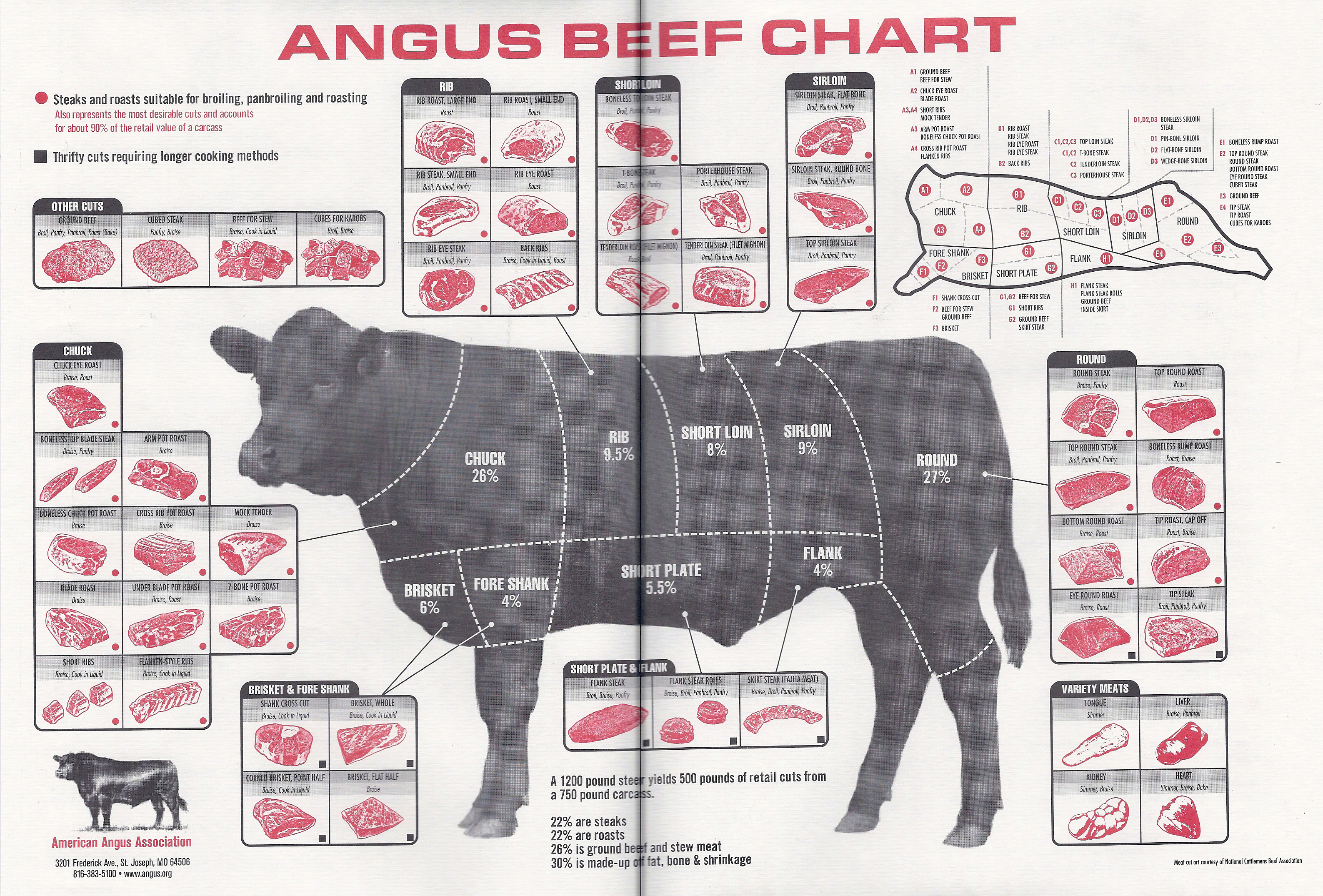
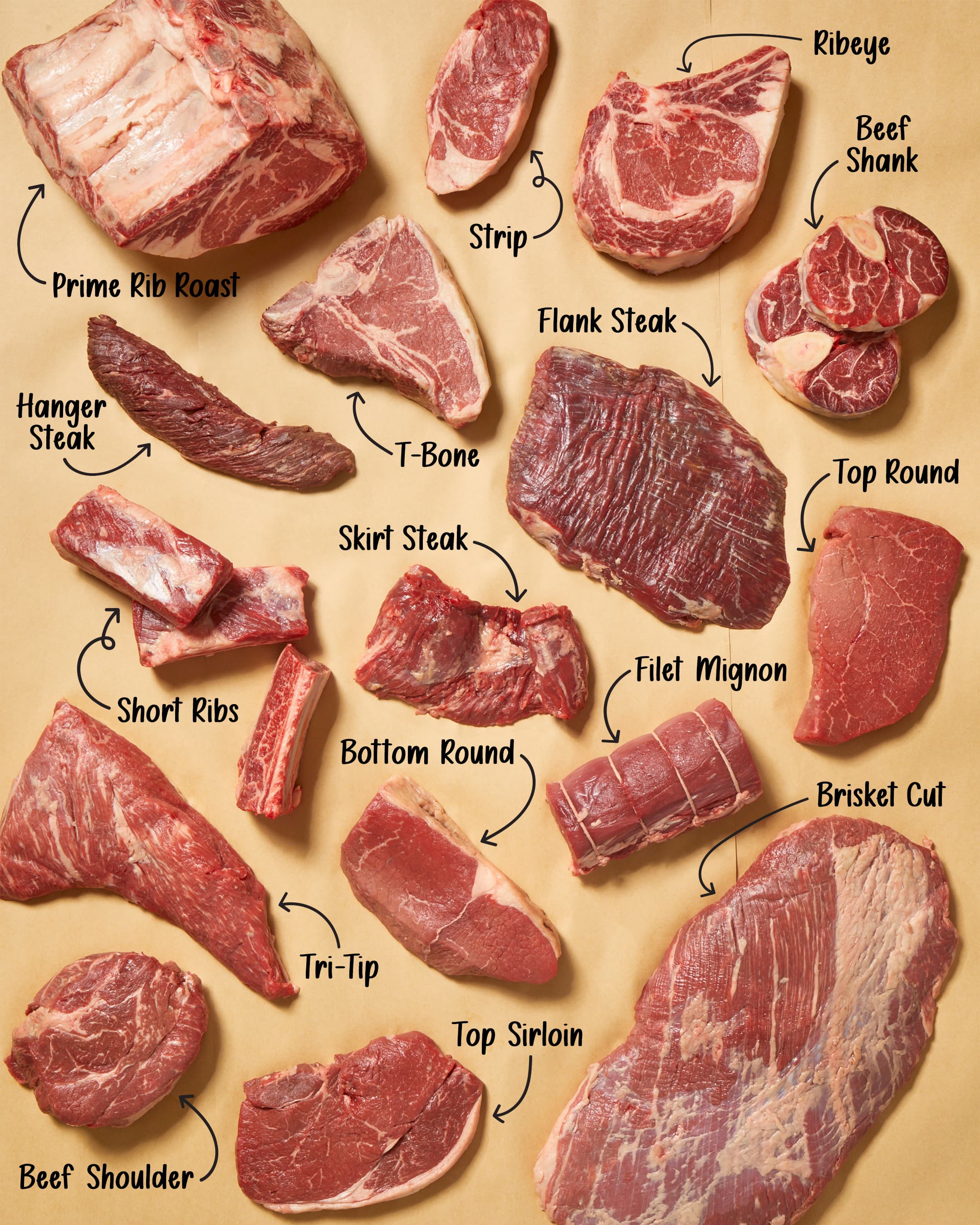
You've got your steak cuts chart at hand, ready to navigate the world of beef cuts with ease. This handy reference tool is a lifesaver for any cooking enthusiast, offering a quick glance at the various cuts and their unique characteristics. The steak cuts chart provides a simple visual guide, ensuring you choose the right cut for your culinary creation. While formats may vary, the essence remains the same: a practical tool to elevate your steak game.
A Practical Guide to Understanding the Steak Cuts Chart
The steak cuts chart is your go-to reference for all things steak-related. It's a visual guide that helps you navigate the world of steak cuts, making it easier to choose the perfect cut for your culinary adventures. This chart is a valuable tool for both beginners and experienced cooks.
Comparing Steak Cuts: Standard Sizes and Popular Variations
The steak cuts chart typically displays different cuts of beef, organized by their names and standard sizes. You'll find classic cuts like ribeye, sirloin, and tenderloin, each with its own unique characteristics. These charts often follow regional or industry standards, so you might see variations in measurements or names depending on where you are. For instance, a ribeye steak can range from 1 to 1.5 inches thick, but some charts may specify a slightly different thickness.
How to Use the Steak Cuts Chart: A Step-by-Step Guide
Start by identifying the type of steak you want to cook. The chart will provide a visual representation of each cut, making it easy to recognize.
Check the thickness or weight of the steak. This information is crucial for cooking times and methods. Most charts will give a standard range, but always double-check the exact specifications on the package or with your butcher.
Consider the fat content and marbling. Some charts will indicate the amount of fat, which can impact the flavor and juiciness of your steak.
Choose the right cut for your cooking method. Different cuts are better suited for grilling, pan-searing, or slow cooking. The chart can guide you on which cuts work best for your preferred cooking style.
Avoiding Missteps: Common Pitfalls and How to Avoid Them
While the steak cuts chart is a fantastic resource, it's essential to be aware of potential variations. Always remember that charts might not cover every single cut or variation. For instance, some specialty butchers may offer unique cuts with different names or sizes. Additionally, cooking times and methods can vary based on personal preference and the specific cut's thickness. It's always a good idea to consult multiple sources or ask your butcher for advice to ensure you're getting the best cut for your needs.
Well, that's a wrap on our steak cuts chart adventure! We've covered a lot of ground, from understanding the different cuts to learning how to use our handy guide. Now you're equipped with the knowledge to make informed choices and impress your steak-loving friends.
Remember, while this chart is a great tool, it's always wise to double-check the specifics for your region or personal preferences. Exact values might vary, so it's good to be aware of any local standards or your own unique requirements. Consider bookmarking this page for future steak adventures—it'll be a lifesaver when you need a quick refresh!
Related: Need a Pipe Thread Chart? Find the Right One Here!
A pipe thread chart is an essential tool for anyone working with pipes and fittings, offering a quick and precise way to identify and match threads. This guide aims to provide an overview of what these charts entail and how they can be utilized effectively.
The charts present a clear and organized display of thread specifications, including standard sizes, pitch, depth, and more. While the values may vary depending on the region and pipe thread standards, the pipe thread chart serves as a reliable reference, ensuring accurate connections and preventing costly mistakes.
Understanding Pipe Thread Chart: A Practical Guide
The pipe thread chart is a valuable reference tool for anyone working with pipes and threaded connections. It provides a comprehensive overview of the various thread types, sizes, and standards commonly used in the industry. By understanding and utilizing this chart, you can ensure accurate measurements, proper fittings, and secure connections.
Key Details and Prerequisites
Before delving into the pipe thread chart, it's essential to grasp some fundamental concepts. First, pipe threads are categorized into different standards, such as the National Pipe Thread (NPT) and British Standard Pipe (BSP). These standards define the thread's dimensions, including the thread angle, pitch, and depth. The chart typically includes information on both tapered and straight threads, covering a range of sizes and series. Understanding these categories and their corresponding units is crucial for accurate interpretation.
Reading and Applying the Pipe Thread Chart
Using the pipe thread chart is a straightforward process. Here's a step-by-step guide:
Identify the Standard: Determine the pipe thread standard you are working with. This information is often indicated on the pipe or fitting itself. Common standards include NPT and BSP, but there are others as well.
Locate the Thread Series: The chart usually organizes threads into series, such as NPTF (National Pipe Thread Fuel) or BSPT (British Standard Pipe Tapered). Each series has its own unique characteristics and dimensions.
Measure the Thread Size: Measure the outside diameter (OD) of the pipe or fitting. This measurement is crucial for identifying the correct thread size.
Refer to the Chart: Using the measured OD and the identified thread series, locate the corresponding thread size and its specifications on the chart. The chart will provide details such as the thread pitch, depth, and other relevant dimensions.
Verify the Thread Type: Confirm the thread type, whether it is tapered or straight. This information is essential for selecting the right fittings and ensuring a proper seal.
Variations and Differences Across Standards
It's important to note that pipe thread standards can vary across regions and industries. The pipe thread chart may present different specifications for NPT, BSP, and other standards. These variations are due to historical and functional differences, and it's crucial to refer to the appropriate standard for accurate results. For instance, NPT threads are commonly used in the United States, while BSP threads are prevalent in the United Kingdom and other parts of the world.
Common Mistakes and How to Avoid Them
One common mistake is assuming that all pipe threads are universal. Different standards and thread series have unique specifications, and using the wrong one can lead to leaks, poor performance, or even safety hazards. Always double-check the thread type and size before making any connections. Additionally, ensure that you are using the correct chart for the specific standard you are working with. Misinterpreting the chart or applying it to the wrong standard can result in incorrect measurements and fittings.
Practical Tips for Accurate Results
To ensure accurate use of the pipe thread chart, consider the following best practices:
Always refer to the latest and most updated version of the chart. Standards and specifications can evolve over time, so staying current is essential.
When in doubt, consult with experts or refer to reputable sources for guidance. Pipe thread connections are critical, and getting it right is crucial for safety and performance.
Keep in mind that the chart provides general information. For precise applications or specialized projects, it's advisable to consult detailed specifications or seek professional advice.
Measure accurately and consistently. Small variations in measurements can lead to significant differences in thread size and fit.
Regularly inspect and maintain your pipe threads and fittings. Over time, threads can wear down or become damaged, affecting their performance.
By following these practical tips and understanding the nuances of pipe thread charts, you can ensure accurate and reliable connections in your projects.
Remember, while the fundamentals remain consistent, exact details can vary slightly across different standards and sources. It's always a good idea to double-check and refer back to this guide when needed.
Feel free to bookmark this page for future reference, and don't hesitate to explore other helpful guides we have available. Accurate measurements and seamless connections are just a click away!