






Business Plan Template For Virtual Assistant Overview
I was thinking about starting a names for concrete business the other day, you know, something to do with construction and building. It got me wondering about the right name, something that would stand out and be memorable. So, I did some research and here's what I found...
Choosing a Name for Your Concrete Business
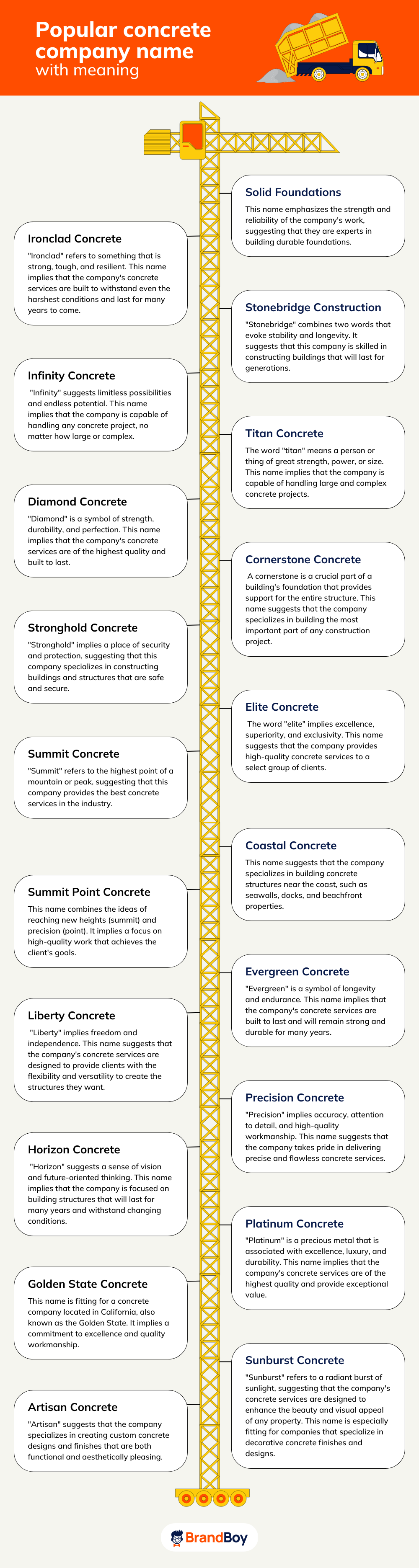
When it comes to naming your concrete business, you want something that reflects the strength and durability of the industry. A name that is catchy and easy to remember will help your business stick in people's minds. Consider words like "solid", "foundation", or "build" to convey a sense of stability and reliability.
What Makes a Good Name?
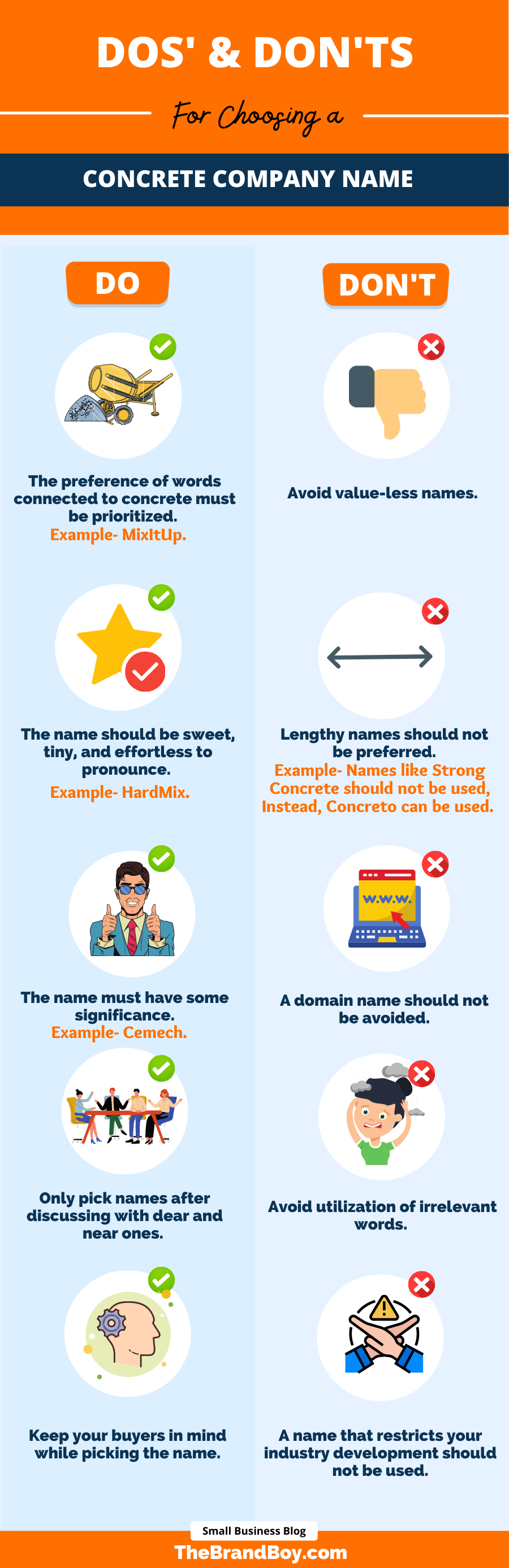
A good name for a concrete business should be unique and not too generic. Avoid common terms like "construction" or "builders" as these can be used by many different companies. Instead, focus on creating a name that is specific to your business and the services you offer. You could also consider using a play on words or a clever combination of words to make your business name memorable.
Example Names
Here are a few ideas to get you started:
- Solid Foundations
- Rock-Solid Builders
- Concrete Creations
- Build-It-Right
- Stronghold Construction
- Everlast Builders
Remember, these are just a few suggestions, and you can always get creative and come up with your own unique name.
Registering Your Business Name
Once you've settled on a name, you'll need to check its availability and register it. This process varies depending on your location, so it's best to contact your local business registration office or check their website for guidance. You'll also want to secure a domain name for your website and any social media handles to ensure your online presence is consistent.
Hiring a Contractor
If you're hiring a contractor for your project, whether it's a home renovation or a new build, it's important to do your research. Check their qualifications, experience, and references. Ask for a detailed quote, including a breakdown of costs, and compare it with other quotes to ensure you're getting a fair price. Don't be afraid to ask questions and seek clarity on any aspects of the quote you don't understand.
The Cost of Renovations
Renovation costs can vary greatly depending on the scope of the project, the materials used, and the location. It's always a good idea to get multiple quotes from different contractors to compare prices and ensure you're getting a competitive rate. Remember, the cheapest quote might not always be the best option, so consider the quality of the work and the reputation of the contractor too.
Industry Tools and Resources
There are various tools and resources available to help with construction and remodeling projects. RSMeans, for example, is a popular cost database used by professionals to estimate project costs. It provides accurate data on materials, labor, and other construction-related expenses. These tools can be beneficial for both contractors and homeowners to ensure projects stay on budget.
Construction Jobs and Salaries
The construction industry offers a range of job roles, from general contractors and estimators to specialized tradespeople. Salaries can vary depending on experience, qualifications, and the specific role. If you're looking for construction jobs, online job boards and local employment agencies are great places to start your search.
So, there you have it! A few insights into the world of names for concrete business. It's an exciting industry to be a part of, and with the right name and approach, you can build a successful business. Good luck!
Related: Canadian Construction Companies Essential Guide
Canadian construction companies are everywhere, and we often take them for granted. From building our homes to renovating our spaces, these companies play a vital role in shaping our communities. Let's explore what they offer and how they can help us create our dream spaces.
Building Our Dreams: An Introduction to Canadian Construction
Canadian construction companies are the backbone of our built environment. They are the experts who bring our architectural visions to life, whether it's constructing a new home, adding an extension, or transforming our living spaces through remodeling. These companies offer a range of services, from general contracting to specialized trades, ensuring every aspect of a project is covered.
When considering a construction project, it's important to understand the factors that influence costs. Pricing can vary depending on the scope, materials, and labor involved. Getting multiple quotes is essential to compare and find the best fit for your budget. Remember, the cheapest quote might not always be the best choice, as quality and expertise matter too.
Hiring a reputable contractor is crucial. Check their licenses, insurance, and references to ensure they are reliable and capable. Ask about their experience with similar projects and their ability to manage timelines and budgets. A good quote should provide a detailed breakdown of costs and a clear timeline, giving you peace of mind.
Naming Your Construction Business: A Creative Venture
Naming a construction company is an art. It should be memorable, reflect your brand, and stand out in a competitive market. Consider a name that evokes strength, reliability, and creativity. Some unique name ideas could be:
- BuildCraft
- Constructive Solutions
- Home Evolution
- Skyrise Builders
- EcoBuild
Remember to check name availability and secure your domain and local business registration to avoid legal issues.
The Construction Industry: Jobs and Opportunities
The construction industry offers a wide range of roles, from general contractors to specialized tradespeople. Estimators, project managers, and skilled laborers are in demand. Salaries vary depending on experience, location, and the scale of projects. Job boards, industry networks, and local construction associations are great places to start your search.
Industry Tools and Resources
Tools like RSMeans provide valuable cost data and resources for construction professionals. These databases help estimate project costs accurately, ensuring projects stay on budget. Construction companies rely on such tools to provide reliable estimates and manage projects effectively.
The Size of the Company: Does it Matter?
The size of a construction company can influence its capabilities. Larger firms often have more resources and specialized teams, allowing them to take on complex projects. Smaller companies, on the other hand, may offer a more personalized service and be better suited for smaller-scale projects. It's about finding the right fit for your needs.
Final Thoughts
Canadian construction companies are an integral part of our daily lives, and understanding their role can help us make informed decisions. Whether you're building, remodeling, or just curious, these companies offer a wealth of expertise and creativity. So, the next time you see a construction site, remember the hard work and dedication that goes into creating our built environment.
Related: What is the "kilo chart to lbs"?
You're probably here because you need a quick conversion reference, and the kilo chart to lbs is a handy tool for just that. It's a simple yet effective way to get accurate weight conversions from kilograms to pounds, and it's great for those who need a reliable, visual guide. This chart, or weight conversion table, is a practical solution, especially when you're in a hurry and need a straightforward answer.
Understanding the Kilo Chart to Lbs
The kilo chart to lbs is a simple yet effective tool for converting weights between the metric and imperial systems. It provides a quick and easy reference for those who need to make weight conversions, especially when dealing with kilograms and pounds. This chart is a handy guide, offering a visual representation of the relationship between these two common units of measurement.
Comparing Metric to Imperial Weight Standards
The chart typically displays a range of weights in kilograms on one axis and the corresponding values in pounds on the other. It's a straightforward way to visualize and understand the conversion process. You'll often find these charts with clear labels and color-coding, making it easy to identify the relevant values. For instance, a common format might show weights in kilograms on the left, with the equivalent pound values increasing rightwards.
Step-by-Step: Using the Kilo Chart to Lbs
To use the chart, simply locate the weight you wish to convert on the kilogram scale. Follow the row or column to find the corresponding value in pounds. It's as simple as that! For example, if you want to know how many pounds are in 5 kilograms, just find the 5 kg mark on the chart and read the value it aligns with on the pound scale. This method is quick and accurate, perfect for on-the-go conversions.
- Identify the weight in kilograms.
- Locate this value on the chart.
- Follow the row or column to the corresponding pound value.
- Read the value to get your conversion.
Common Measurement Mistakes and How to Avoid Them
While the kilo chart to lbs is a great tool, it's important to be aware of potential variations. Different standards and regions may have slight differences in their conversion factors. Always double-check the specific standard or region you're working with to ensure accuracy. Here are some key factors to consider:
- Imperial units can vary slightly depending on the context and region.
- Metric system conversions may have small differences due to rounding or specific application needs.
- Always check the chart's legend or key to understand any specific symbols or color codes.
- Be mindful of any additional factors, like the weight of packaging, which might affect the final result.
So, there you have it, a handy kilo-to-pound conversion chart to keep at your fingertips. With this simple guide, you can easily navigate between the two measurement systems and avoid any potential confusion.
Remember, while this chart provides a quick and practical solution, exact values can vary slightly depending on the specific standard or source you're working with. So, it's always a good idea to double-check your context and requirements before making any final calculations. Bookmark this page for a handy reference, and you'll be a conversion pro in no time!