A Simple Dog Growth Chart Guide
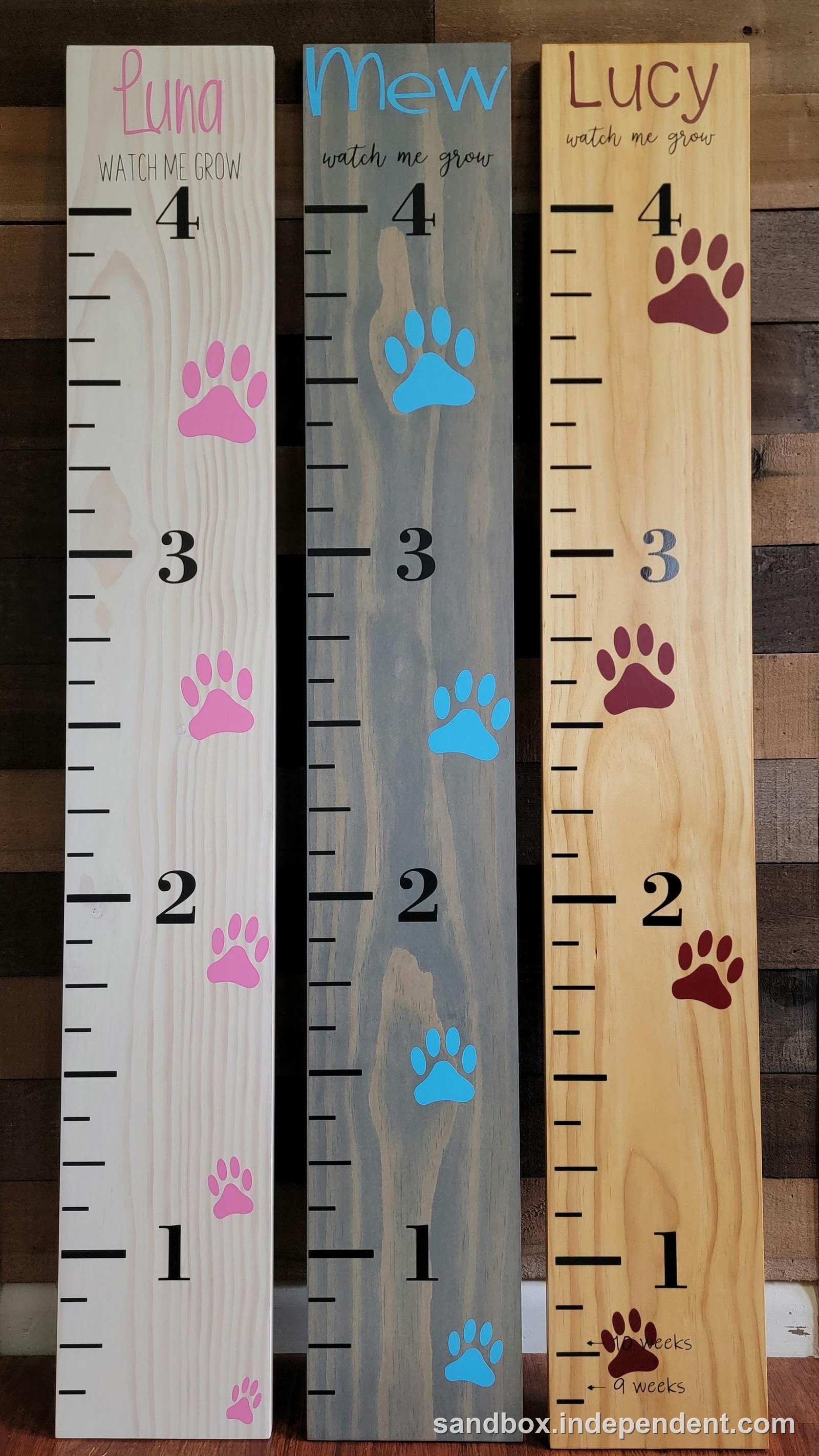
Need a clear dog growth chart? Get accurate reference values, learn to read the chart, and discover practical tips to track your dog's growth.
A common misconception about dog growth charts is that they are solely for show, a decorative element on a vet's wall. In reality, these charts are practical tools, offering valuable insights into your dog's development.
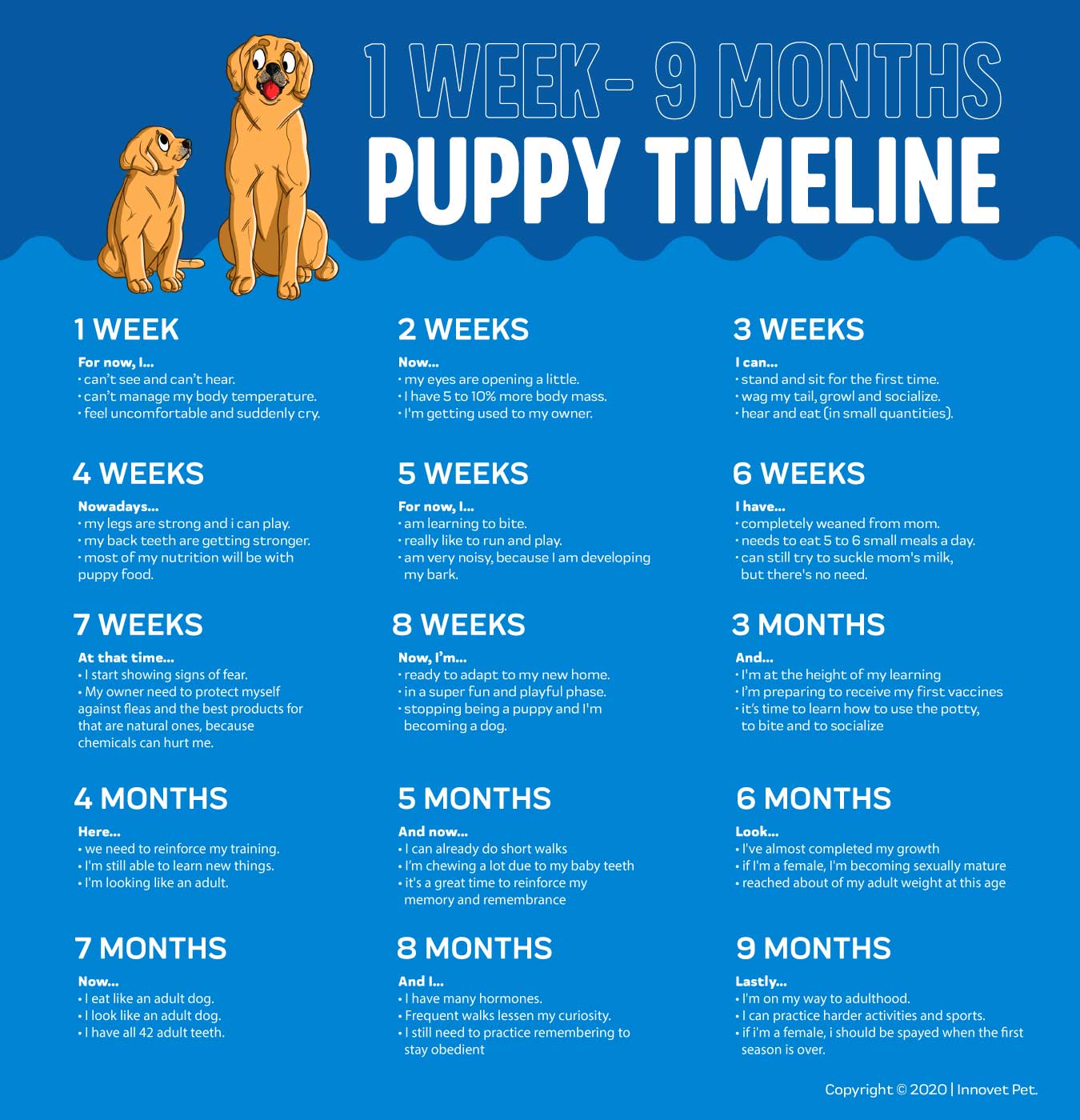
While the values and formats may vary, the purpose remains the same: to provide a quick reference guide for pet owners and professionals alike. With a dog growth chart, you can track your furry friend's progress, ensuring they are on a healthy growth trajectory. It's a simple yet effective way to monitor their well-being, especially during those crucial early months.
Understanding Dog Growth Charts
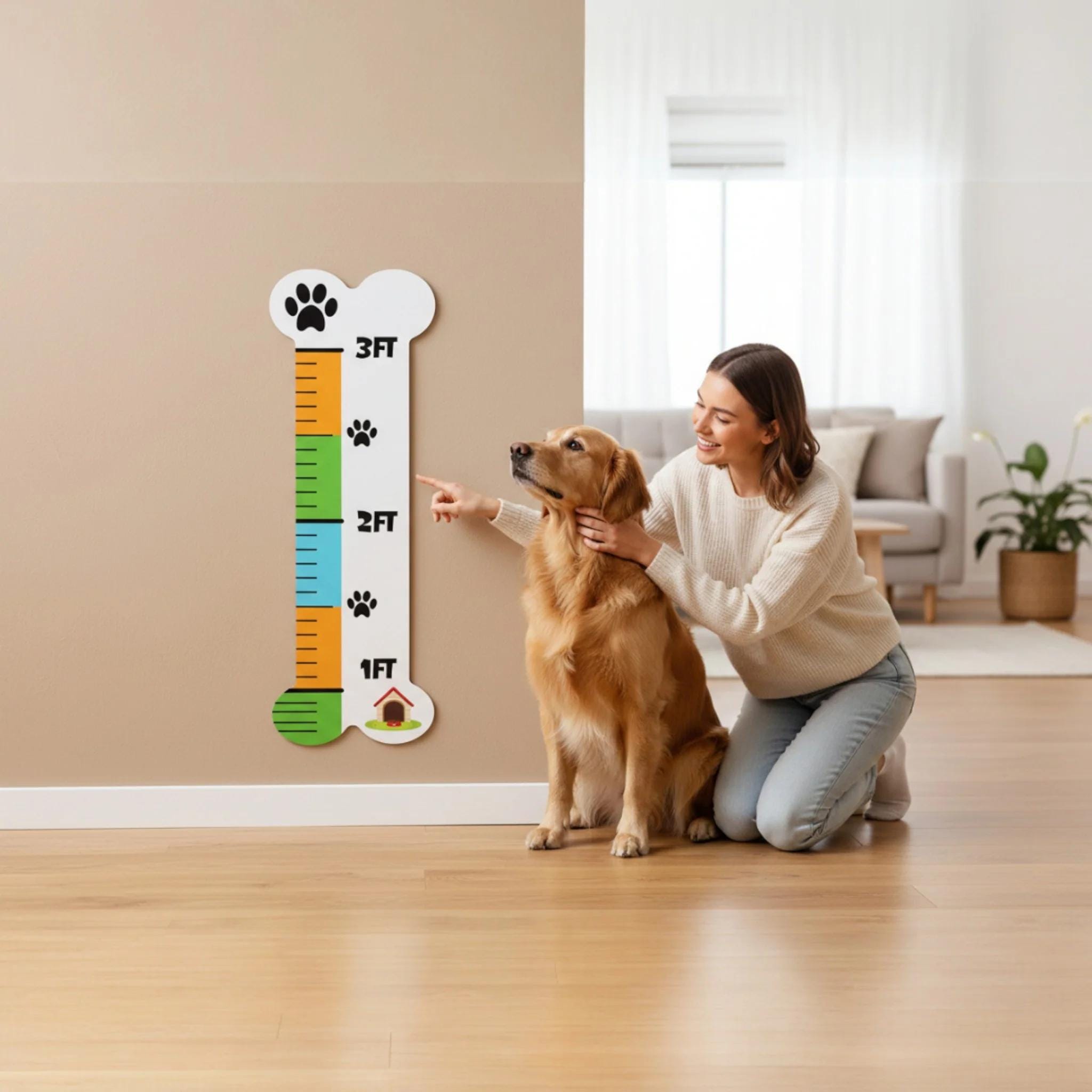
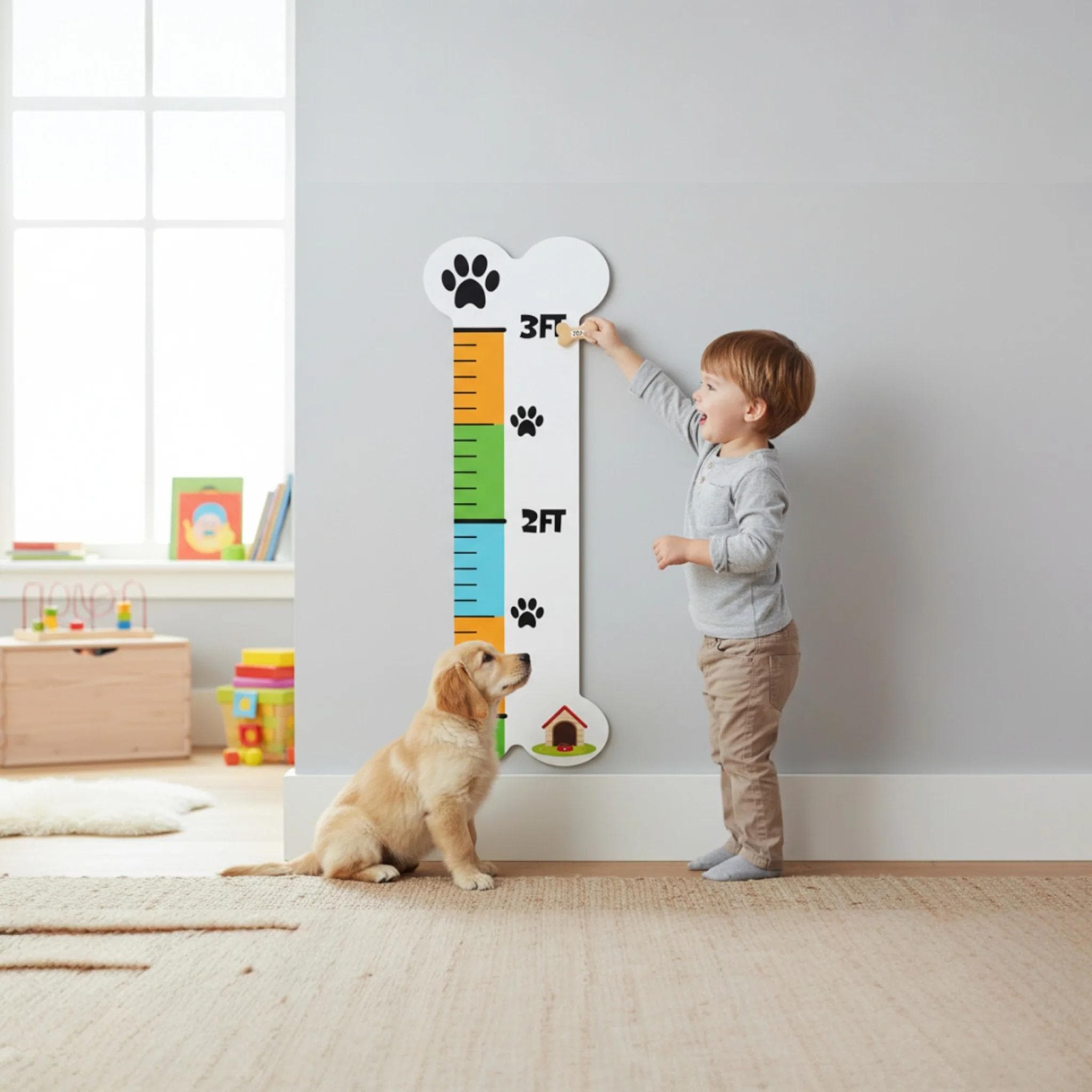
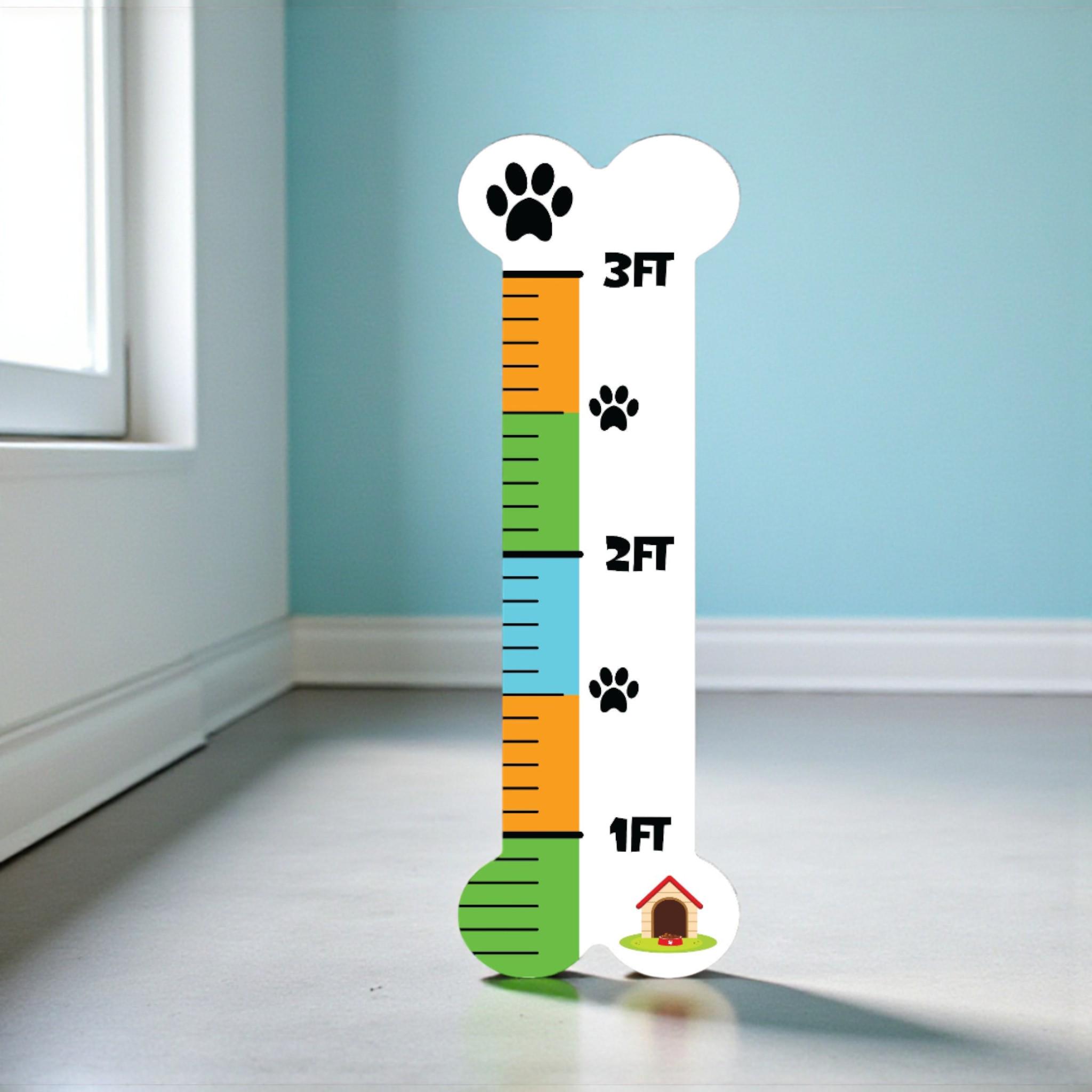
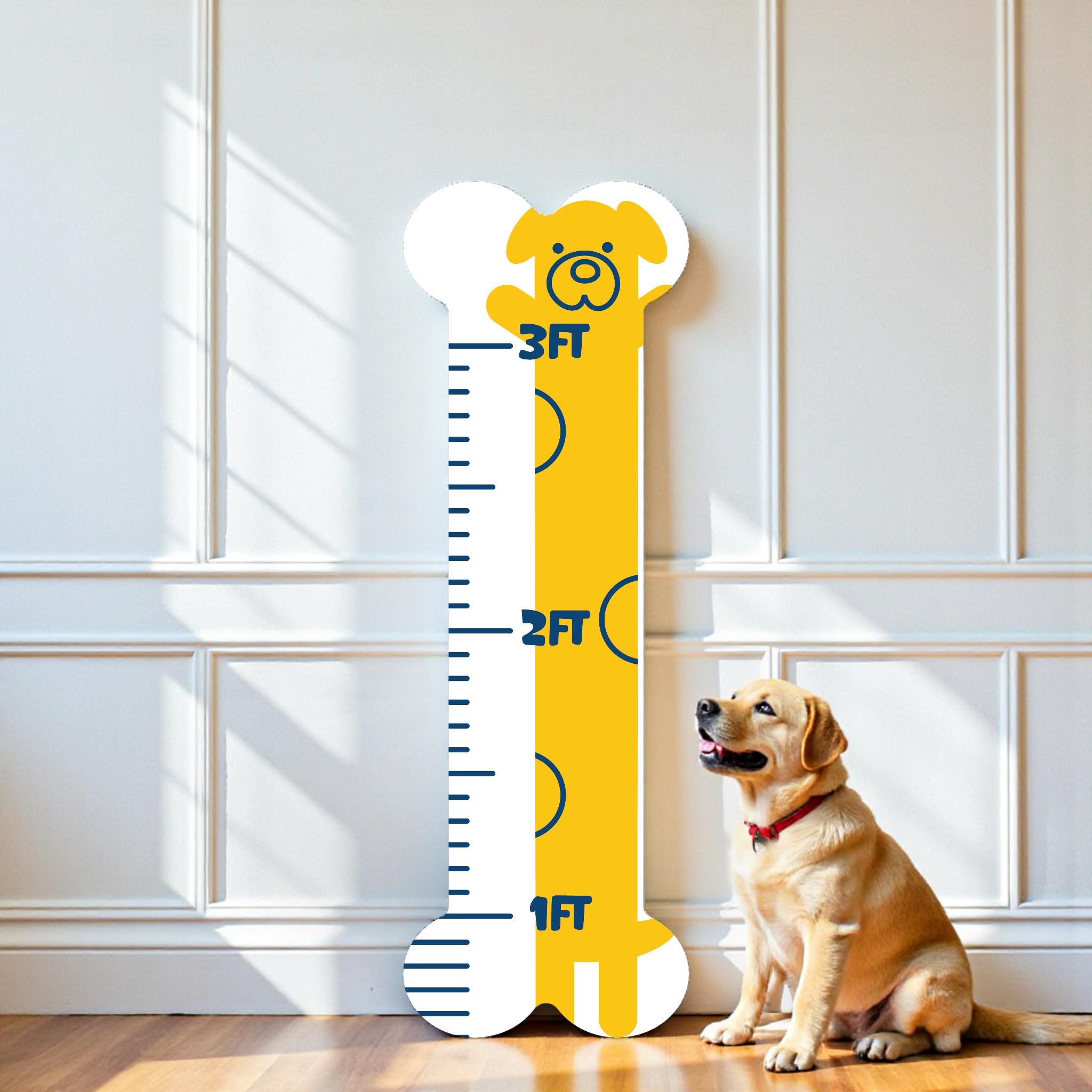
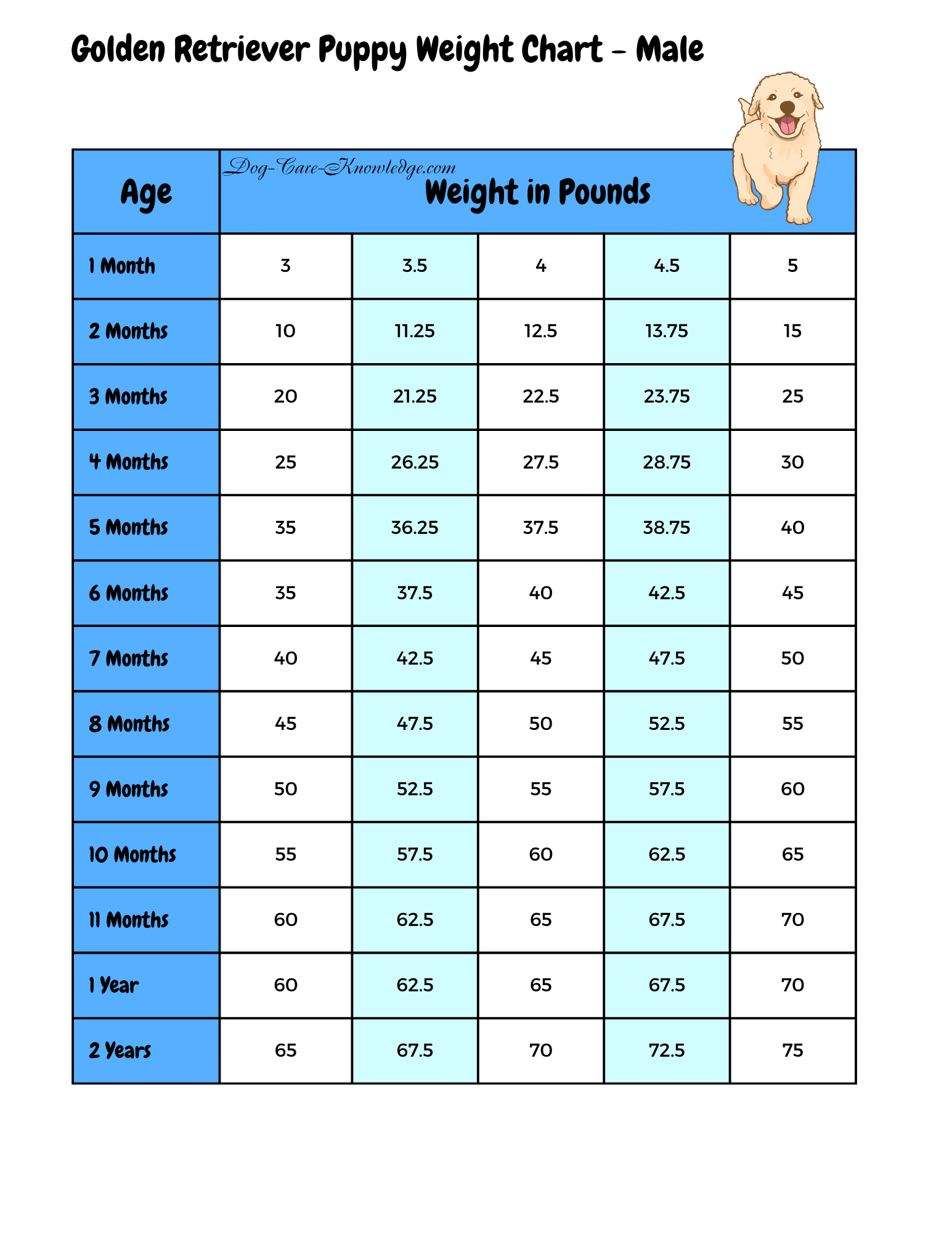
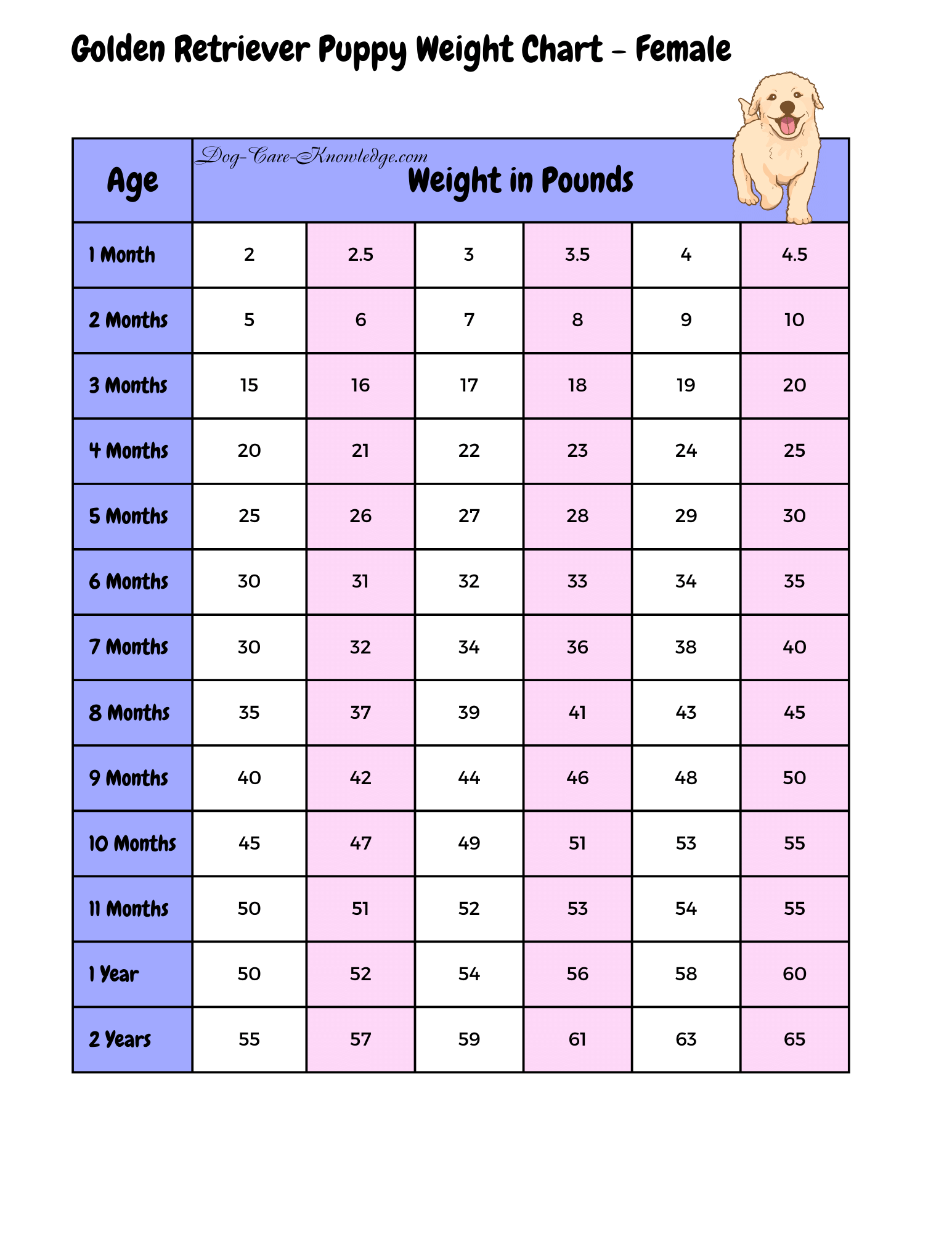
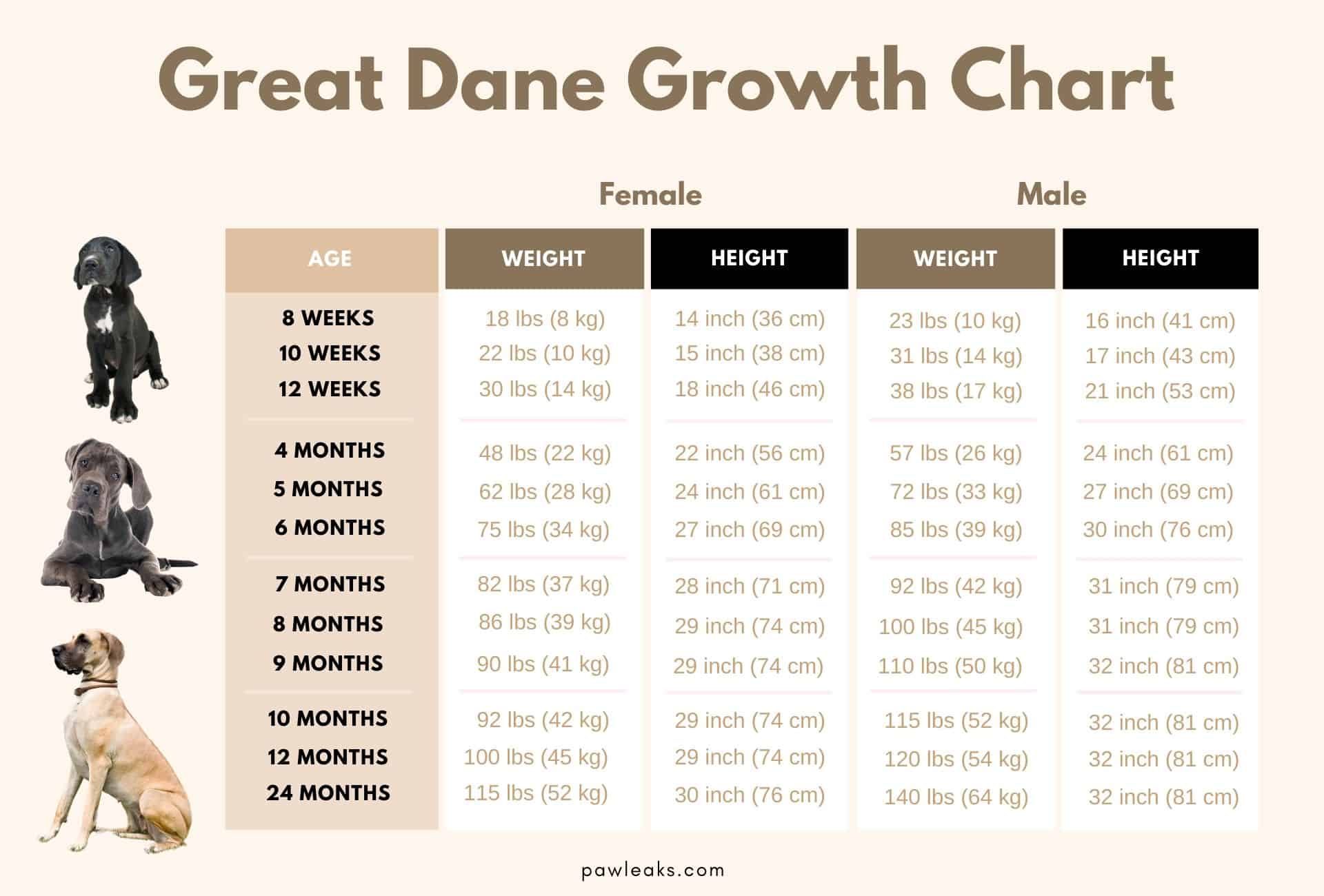
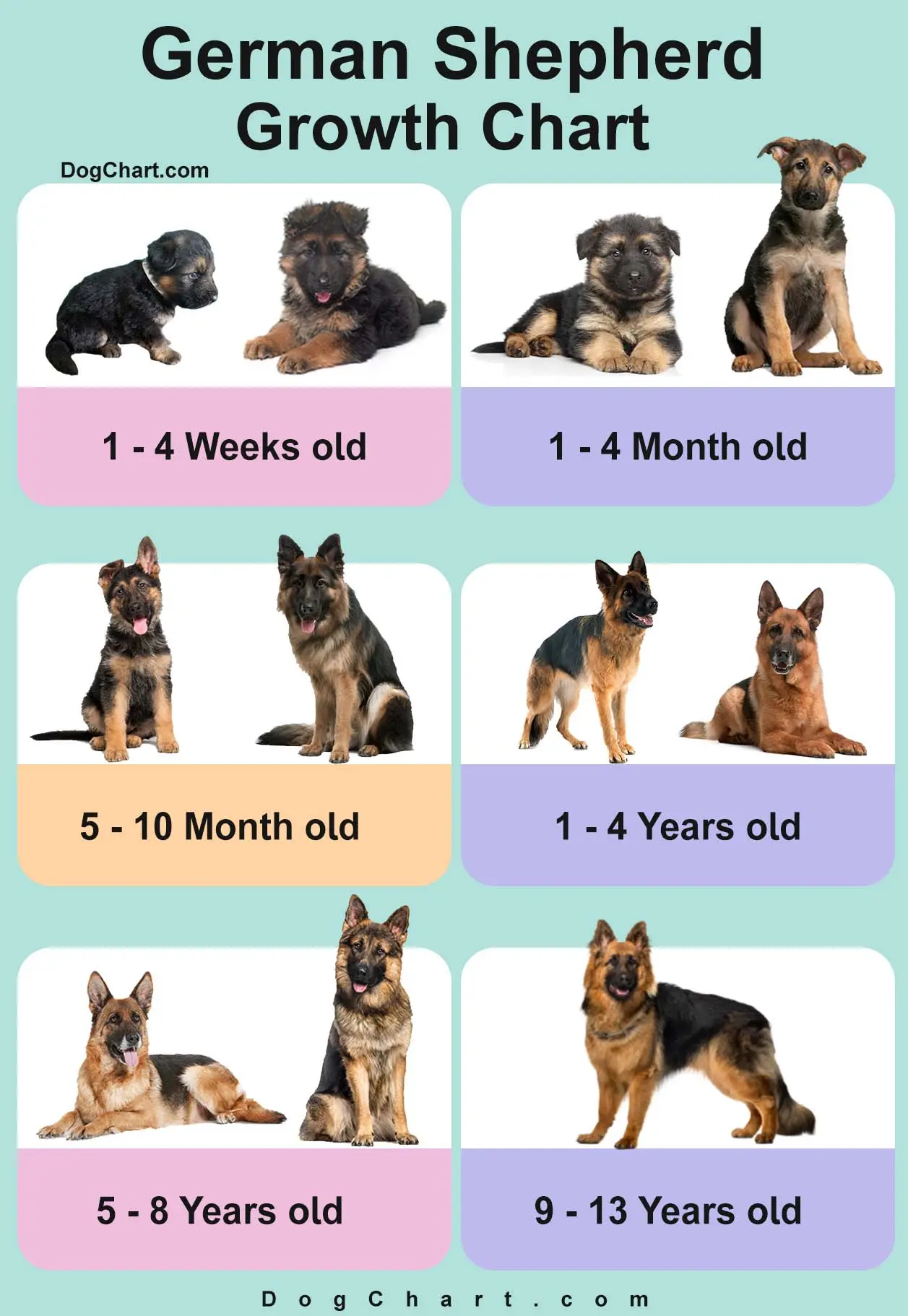
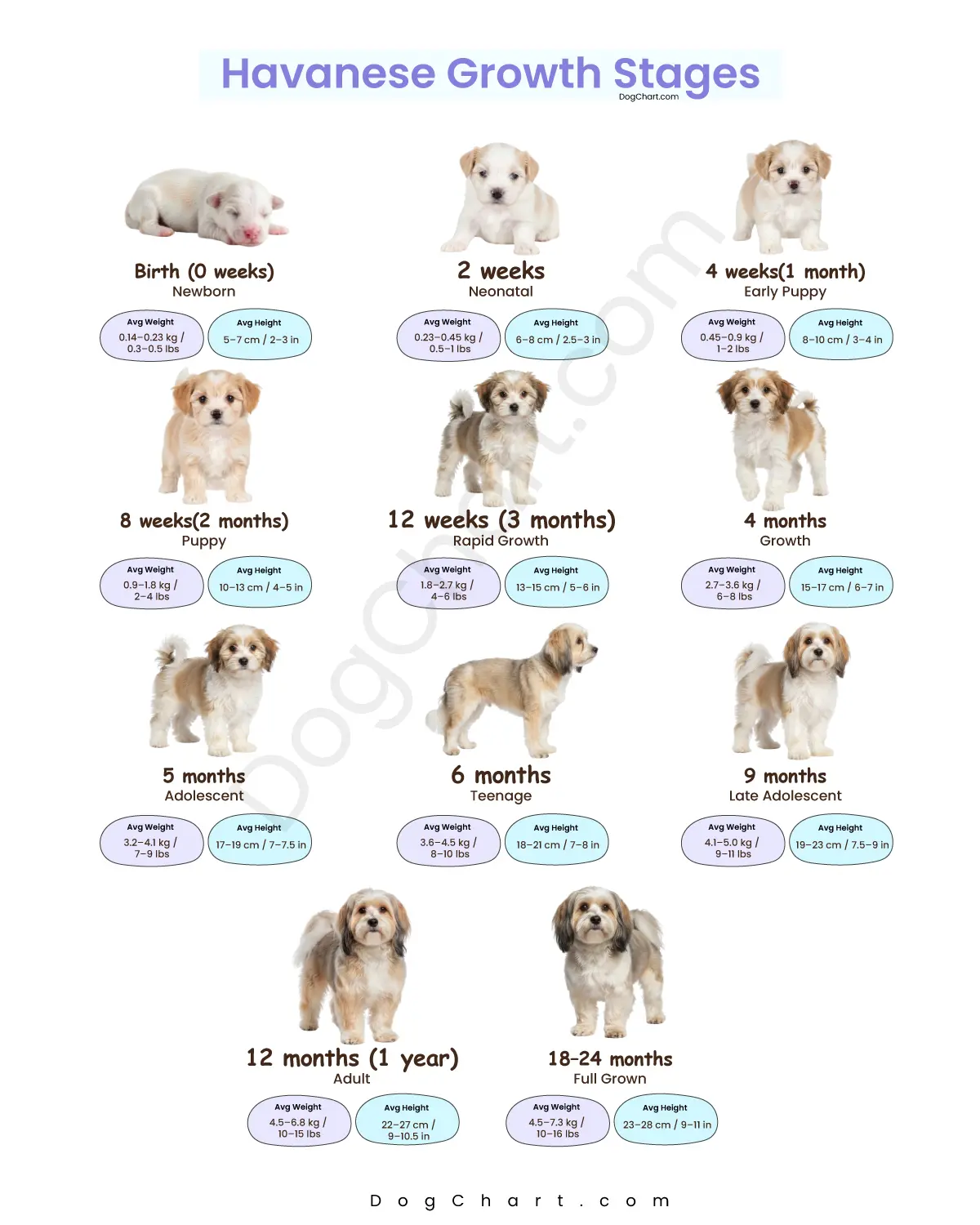
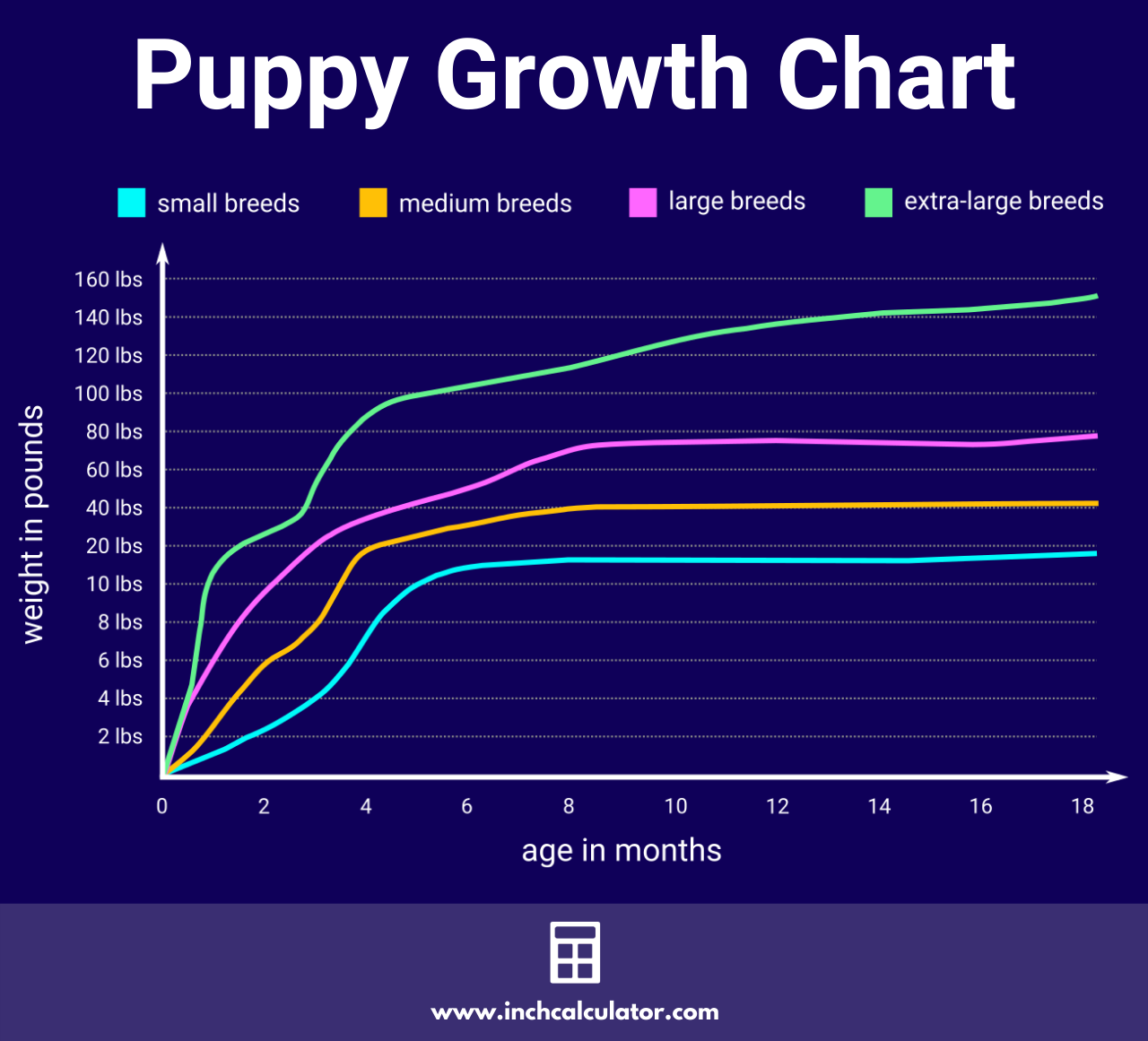
Dog growth charts are a handy tool for pet owners to monitor their furry friend's development. These charts provide a visual representation of a dog's growth journey, offering insights into their weight, height, and overall progress.
Key Details and Categories
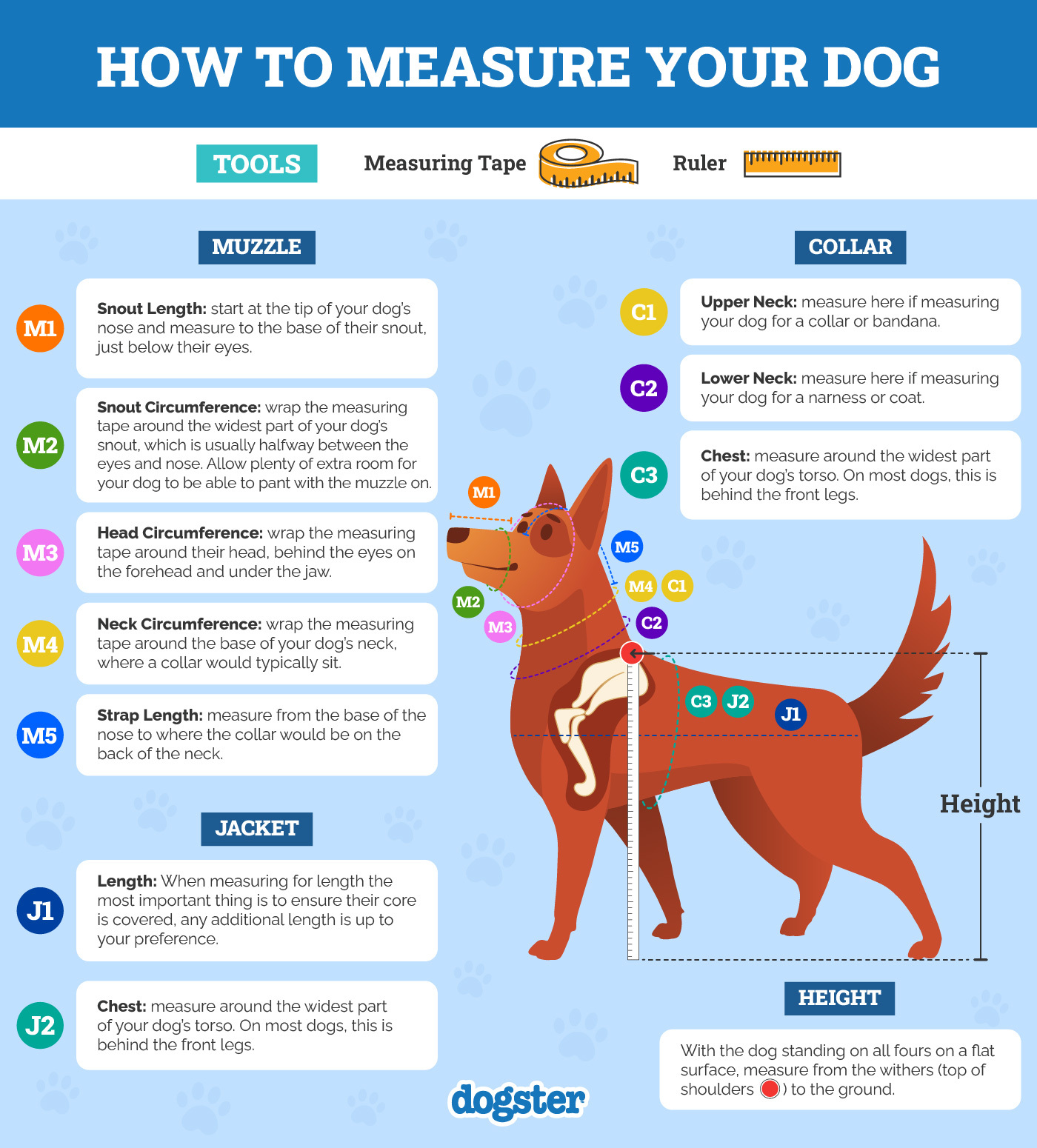
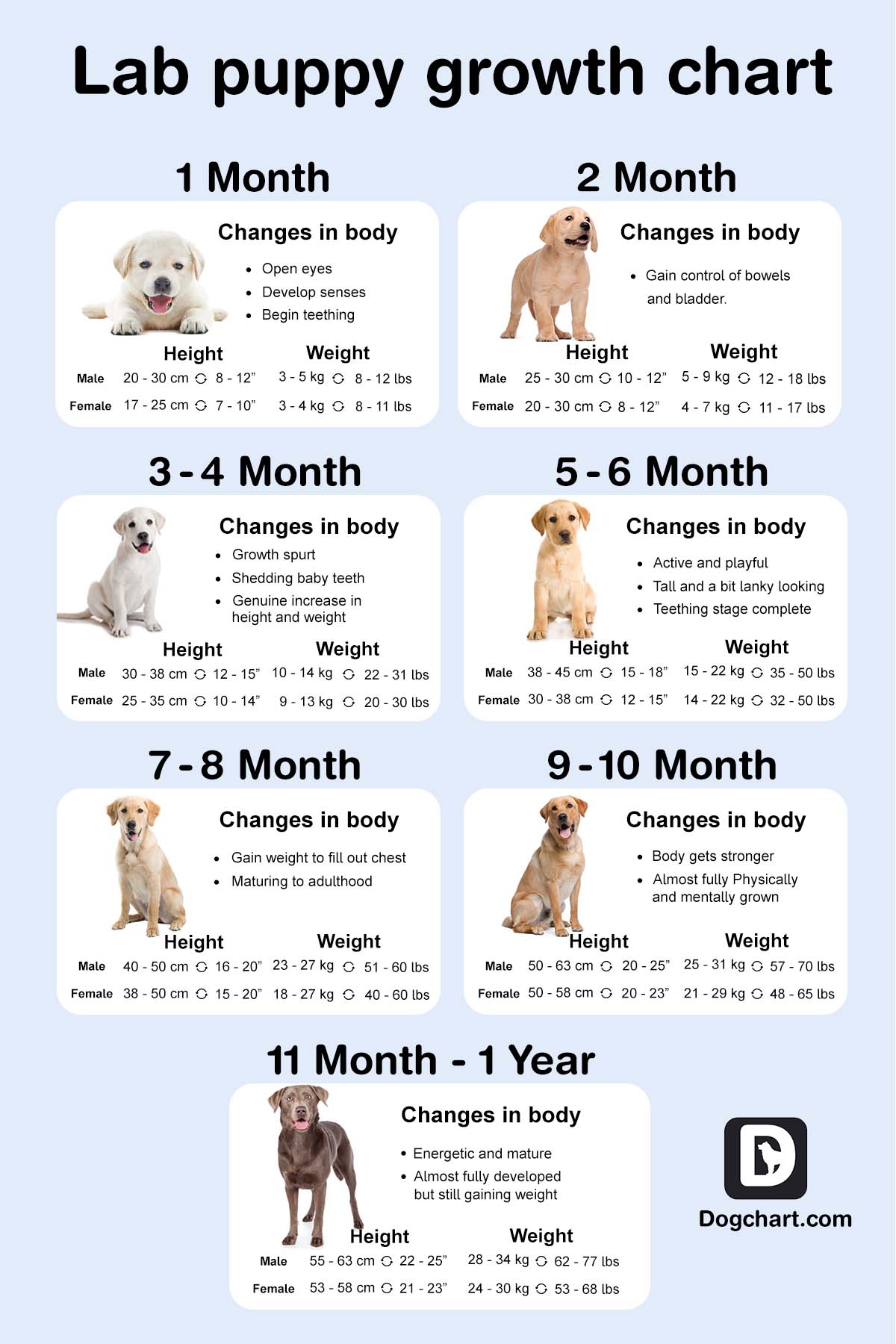
The dog weight chart typically includes two main axes: one for age and another for weight or height. Age is often measured in weeks or months, while weight is in pounds or kilograms, depending on the standard used. Some charts also include height measurements, usually in inches or centimeters. It's essential to know your dog's breed and age to choose the right chart and interpret the data accurately.
Reading and Applying the Chart
Here's a step-by-step guide to using a dog growth chart:
- Identify your dog's breed and age. Different breeds have unique growth patterns, so ensure you're using the correct chart.
- Locate your dog's age on the chart's horizontal axis.
- Find the corresponding weight or height range on the vertical axis.
- Compare your dog's actual weight or height with the chart's values. If they fall within the range, your dog is likely growing as expected.
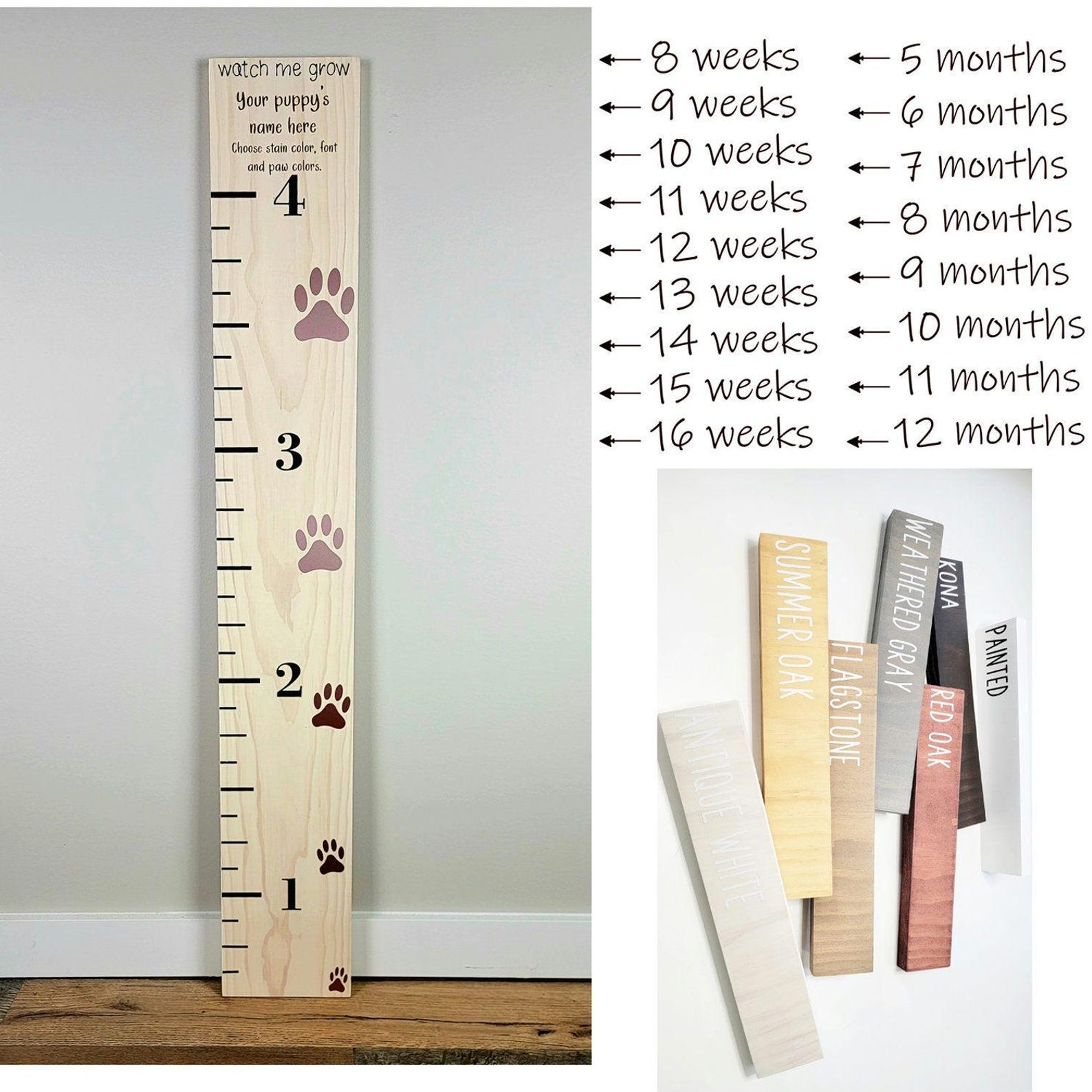
- Track your dog's progress over time by marking their weight or height on the chart regularly. This helps identify any deviations from the average growth rate.
Variations and Differences
It's important to note that dog growth charts are general guidelines and may not apply to every dog. Several factors can influence a dog's growth, leading to variations:
- Breed: Different breeds have distinct growth patterns and sizes.
- Gender: Male and female dogs may have slightly different growth trajectories.
- Nutrition: A dog's diet and overall health play a significant role in their growth.
- Environment: Factors like exercise and living conditions can impact development.
- Individual variations: Just like humans, dogs can have unique growth rates and milestones.
Common Mistakes and How to Avoid Them
When using a dog growth chart, avoid these common pitfalls:
- Relying solely on the chart: While charts provide valuable insights, they are not a substitute for professional advice. Consult a veterinarian if you have concerns about your dog's growth.
- Ignoring individual variations: Every dog is unique. Don't compare your dog's growth directly to another dog's; focus on their personal progress.
- Using the wrong chart: Ensure you select a chart specific to your dog's breed and age group.
- Overinterpreting data: Growth charts offer a general overview; they may not capture all nuances of a dog's development.
- Neglecting regular check-ups: Schedule routine visits to the vet to monitor your dog's overall health and growth accurately.
Remember, dog growth charts are a tool to assist, not a strict rulebook. Stay vigilant, and enjoy watching your furry companion grow and thrive!
So, there you have it, a handy guide to understanding your dog's growth and keeping track of their development. Remember, while these charts provide a great reference, every dog is unique, and growth rates can differ. It's always a good idea to consult your vet for personalized advice.
Before you go, make sure to check the specific standards and guidelines relevant to your breed and region. There's a wealth of information on our site to explore, so feel free to browse and discover more practical guides and fun reads!
Images