




Butterfly Life Cycle Craft Overview
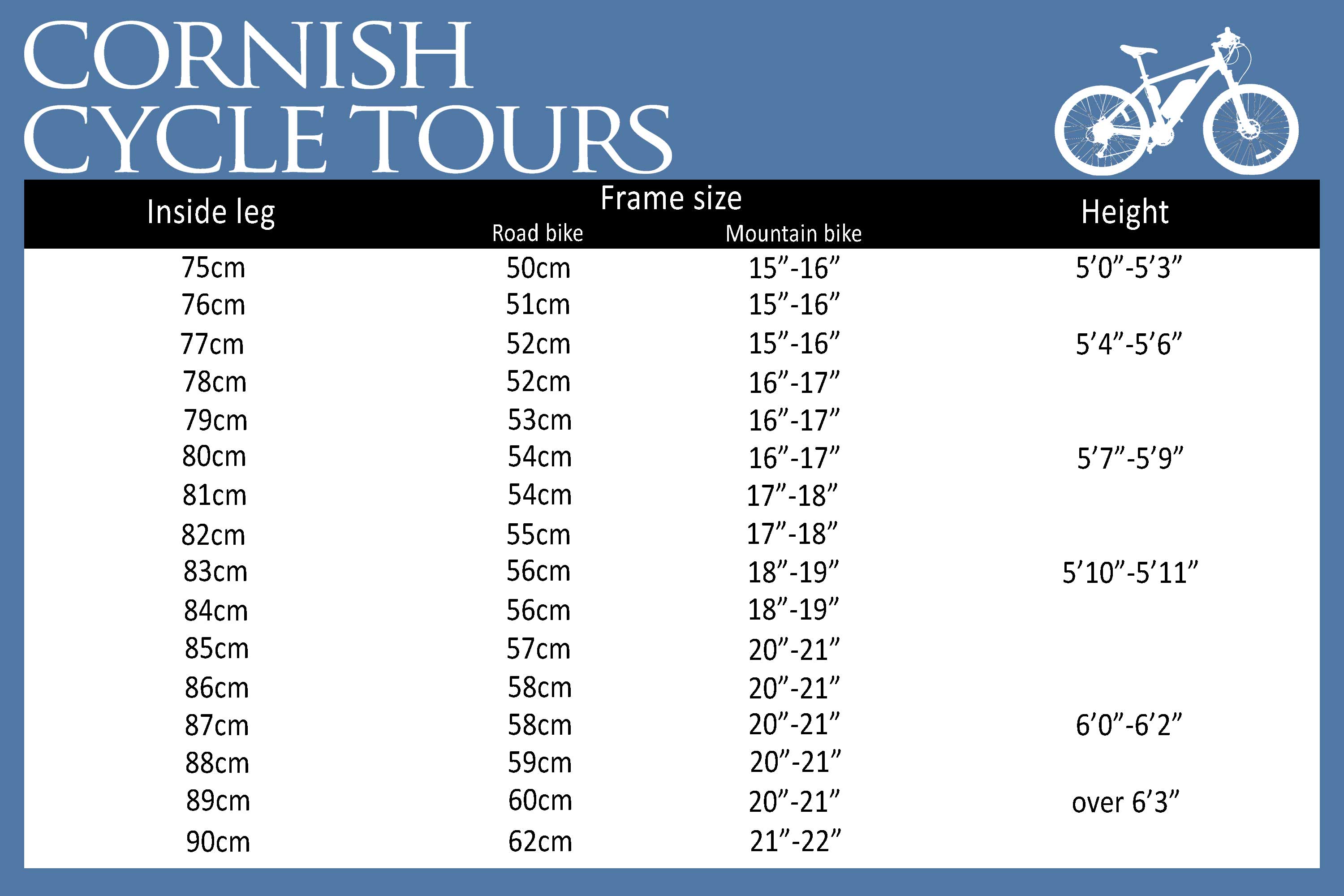
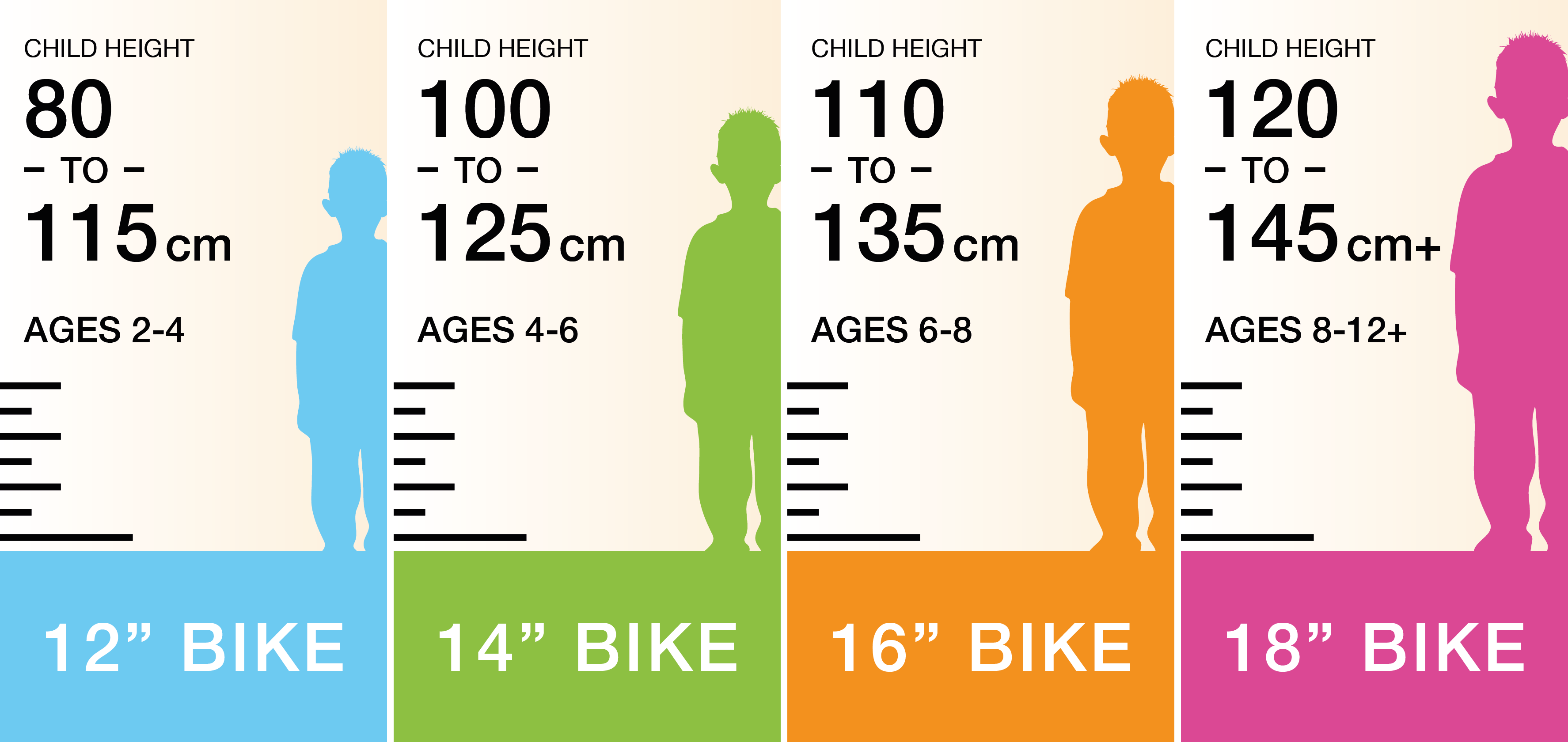
Many people assume that a bicycle size chart is a one-size-fits-all guide, but it's actually a bit more complex than that. While it provides a great starting point, there are various factors to consider when using one. A bicycle size chart is a handy tool, offering a range of measurements and sizes, but it's important to understand that these can vary depending on the type of bike and your personal preferences.
Understanding Bicycle Size Charts
Bicycle size charts are your practical guide to finding the perfect bike fit. These charts help you determine the right frame size and wheel dimensions for your height and riding style.
Key Details and Prerequisites
The bicycle frame size chart typically includes two main measurements: frame size and wheel size. Frame size is usually given in inches or centimeters, referring to the length of the seat tube. Wheel size is also measured in inches, indicating the diameter of the wheel. These charts often provide a range of heights suitable for each frame size, ensuring a comfortable and efficient ride.
Choosing the Right Size: A Step-by-Step Guide
- Start by identifying your height. Most charts will have a height range associated with each frame size.
- Consider your riding style and preferences. Are you a casual rider, a road warrior, or a mountain adventurer? Different styles require different frame geometries and wheel sizes.
- Check the bike sizing guide for your specific needs. Some charts may offer separate recommendations for road bikes, mountain bikes, or hybrid models.
- Measure your inseam length. This measurement is crucial for determining the right seat tube length and ensuring you have enough clearance between the top tube and your body.
- Use the bicycle size chart to cross-reference your height, riding style, and inseam length. This will give you a precise frame size recommendation.
- Don't forget to consider the wheel size. The right wheel size ensures optimal handling and performance.
Variations and Common Mistakes
When using a bicycle size chart, it's important to remember that variations exist due to different international standard measurements and manufacturer preferences. Here are some key factors to consider:
- Road bike dimensions may differ slightly from mountain bike sizing, so be sure to consult the appropriate chart.
- Some charts use imperial units (inches), while others use metric (centimeters). Ensure you're using the correct chart for your region or preferences.
- Rider preferences and comfort levels can also influence the chosen size. Some riders may prefer a more upright position, while others opt for a more aggressive, stretched-out posture.
- Always double-check the exact specifications provided by the manufacturer for your specific bike model, as slight variations can occur.
Remember, a well-fitted bike enhances your riding experience and prevents discomfort or injuries.
Well, that's a wrap on our bicycle size chart guide! We've covered the basics, from understanding the key measurements to learning how to use the chart effectively. Remember, when it comes to finding the perfect bike size, it's essential to consider your unique needs and preferences.
So, before you hit the road, take a moment to ensure you've got the right size for your next cycling adventure. Bookmark this page for future reference, and you'll always have a handy guide to refer back to. Happy cycling!
Related: Unraveling the Size Chart Bicycle Mystery
A size chart bicycle is a handy tool for anyone looking to ensure a perfect fit when choosing a bike. This guide will navigate you through the process, offering a clear understanding of these charts and their applications.
Bicycle size guides, often presented as charts or diagrams, provide a quick reference for various bike dimensions. While values may differ across brands and regions, these charts are designed to help riders find their ideal fit, covering everything from frame sizes to wheel dimensions.
Understanding the Size Chart Bicycle: A Quick Overview
A size chart bicycle is a valuable tool for cyclists, offering a standardized guide to help you choose the right bike size. It provides a reference for various bike dimensions, ensuring a comfortable and efficient riding experience. This chart is essential for anyone seeking to purchase or customize their bicycle.
Comparing Size Chart Formats: Standards and Categories
Size charts can vary depending on the region and the type of bicycle. The two primary standards are the metric (international) and imperial (often used in the US) systems. These charts categorize bikes based on factors like frame size, wheel diameter, and rider height. For instance, a road bike sizing chart might focus on frame geometry, while a mountain bike dimensions chart may emphasize wheel size.
Step-by-Step Guide: Choosing the Right Size
- Identify the type of bike you need. Different bikes have unique size charts.
- Measure your body dimensions. Key measurements include your height, inseam, and arm reach.
- Refer to the size chart. Look for your measurements' intersection on the chart to find the recommended bike size.
- Consider personal preferences. If you prefer a more upright position, you might choose a slightly larger frame.
- Double-check with the manufacturer's specifications. Some brands may have slight variations in their size charts.
Avoiding Common Misreadings and Pitfalls
It's crucial to understand that size charts are general guides. Individual rider preferences and body proportions can vary, so the chart should be used as a starting point. Always consider your comfort and riding style. Misinterpreting the chart can lead to an ill-fitting bike, affecting your riding experience and potentially causing discomfort or safety issues.
Factors Affecting Accuracy: Real-World Considerations
Several factors can influence the accuracy of a size chart. Firstly, the chart's standard must match your location and bike type. Secondly, personal factors like flexibility, riding experience, and intended use can impact the ideal bike size. For example, a more experienced rider might prefer a slightly smaller frame for better control. Lastly, manufacturing tolerances can vary, so always check the bike's actual dimensions before purchase.
Choosing the Right Size Chart Format
The choice of size chart format depends on your needs and the type of bike. For instance, a frame size chart is ideal for road bikes, focusing on frame geometry. A wheel size reference is more relevant for mountain bikes, emphasizing wheel diameter. If you're unsure, a comprehensive bicycle size guide can provide an overview of various bike types and their sizing considerations.
Keeping Your Setup Reliable: Maintenance and Updates
To ensure the reliability of your size chart, keep it up-to-date with the latest standards and specifications. Regularly check for updates from reputable sources, especially if you frequently change bike types or brands. Additionally, consider keeping a record of your body measurements and preferred bike sizes to streamline future purchases or adjustments.
Remember, while this guide offers a comprehensive overview, the exact details may differ slightly based on the specific bike model or manufacturer. It's always a good idea to double-check the size charts provided by the brand you're interested in to ensure an accurate fit.
Feel free to bookmark this page for future reference. We've got plenty more practical guides to help you with your cycling adventures and ensure you have all the tools you need to make the most of your rides. Happy cycling!