




Cake Serving Chart 2026 Overview
A beard length chart is a handy tool for anyone wanting to navigate the world of facial hair with precision. This guide will provide an overview of these charts, explaining their purpose and how they can assist in achieving the desired beard style.
They offer a visual representation, often with measurements, to help individuals understand and communicate their preferred beard length. Whether you're aiming for a specific beard growth stage or seeking a particular style, these charts provide a reliable reference, ensuring you get the look you want.
Understanding Beard Length Charts
A beard length chart is a valuable tool for those looking to achieve and maintain their desired facial hair style. It provides a visual guide to help you understand and measure the length of your beard, offering a practical reference for trimming and styling.
Key Details and Categories
The chart typically displays different beard lengths, often categorized into stages or styles. These categories may include terms like "stubble," "medium," and "full beard," each representing a specific range of lengths. The units used are usually inches or centimeters, depending on the standard followed. It's essential to know your preferred unit of measurement to accurately interpret the chart.
Reading and Applying the Beard Length Chart
To use the beard length chart, follow these steps:
- Identify your current beard growth stage. Examine your facial hair and determine if it falls into the stubble, short, medium, or long category.
- Measure your beard length. Use a ruler or measuring tape to get an accurate reading. Ensure you measure from the same point on your face each time for consistency.
- Compare your measurement to the chart. Find the category that matches your beard length and refer to the corresponding style or stage.
- Trim and style accordingly. Use the chart as a guide to achieve the desired length and shape. Remember, it's a reference, so adjust as needed to suit your face shape and personal preference.
Variations and Differences
It's important to note that beard length charts may vary depending on the standard or source. Common styles and categories may differ slightly, and the exact measurements can vary between charts. Additionally, individual factors like face shape, hair texture, and personal preference can influence how you interpret and apply the chart. Here are some key factors to consider:
- Beard growth stages: Everyone's facial hair grows at a different rate, so your experience may vary from the chart's timeline.
- Facial hair length guide: Some charts provide more detailed guides, offering precise measurements for various lengths.
- Standard beard lengths: These can differ between regions and cultures, so be mindful of the standard being referenced.
- Beard style chart: This can offer a more comprehensive view of different styles and their associated lengths.
- Beard growth timeline: Remember that growth rates can vary, so use the timeline as a general guide.
When using a beard length chart, always refer to the specific standard or source to ensure accuracy. While charts provide a helpful framework, they may not cover every unique situation. Trust your judgment and adjust as needed to achieve your desired look.
While the chart provides a handy reference, it's important to remember that these measurements are not set in stone. Exact details may vary slightly depending on the context and the individual's unique facial features.
Feel free to bookmark this page for future use. We have many other practical guides and charts to explore, so be sure to check them out for more helpful tips and tricks!
Related: What is the lol mastery chart all about?
You've found yourself searching for a lol mastery chart to help you quickly grasp the game's mechanics and strategies. This simple yet effective tool, often in the form of a visual guide, offers a snapshot of the game's mastery system. It's a handy reference for players, providing an overview of the mastery tree, runes, and the path to progression.
Understanding the LOL Mastery Chart
The lol mastery chart is a visual representation of a player's progress and skill development in the game League of Legends. It provides an overview of a player's mastery points, ranks, and their journey through the game's mastery system. This chart is a valuable tool for players to track their growth and understand their standing among other players.
Key Details and Categories
The chart typically displays mastery points, which are earned through playing and achieving certain milestones. These points are represented on a scale, often with different colors or levels to indicate progress. The categories or ranks on the chart are usually divided into tiers, with each tier representing a higher level of mastery. These tiers may have names or numerical values associated with them, indicating the player's overall skill level.
Reading Mastery Levels and Progression
To read the lol mastery chart, start by identifying your current mastery rank or tier. This is often displayed prominently on the chart. Next, look at the mastery points associated with your rank. These points indicate the progress you've made and the skills you've acquired. The chart may also provide insights into the next steps for progression. It might suggest specific champions or roles to focus on to advance to the next tier.
Here's a step-by-step guide:
- Locate your current rank or tier.
- Note the mastery points and any associated achievements.
- Identify the requirements or suggestions for advancing to the next tier.
- Plan your gameplay to fulfill these requirements, whether it's mastering a new champion or improving your strategy.
Common Mastery Paths and Variations
The lol mastery chart can vary based on several factors. Firstly, different regions or servers may have slightly different mastery systems and charts. Additionally, the game itself evolves, introducing new champions and updates, which can impact the mastery path. Players' preferences and playstyles also contribute to variations. Some players might focus on a specific role or champion, resulting in unique mastery paths.
- Regional differences
- Game updates and new champions
- Player preferences and playstyles
Remember, the lol mastery chart is a guide, and while it provides a structured overview, it's important to adapt and tailor your gameplay to your strengths and interests. It's a tool to help you understand your progress and set goals, but the beauty of League of Legends lies in its diverse strategies and the freedom to explore different paths.
The LOL Mastery Chart is a handy tool, offering a clear and concise reference point for your LOL journey. By understanding the key elements, you can navigate and apply this chart with ease.
Remember, when utilizing any reference guide, it's essential to consider your unique context and requirements. Exact values and standards may vary, so a quick double-check ensures you're on the right path. Feel free to bookmark this page for future LOL adventures; it's a simple yet effective resource to have at your fingertips!
Related: How to Use a Bike Size Chart?
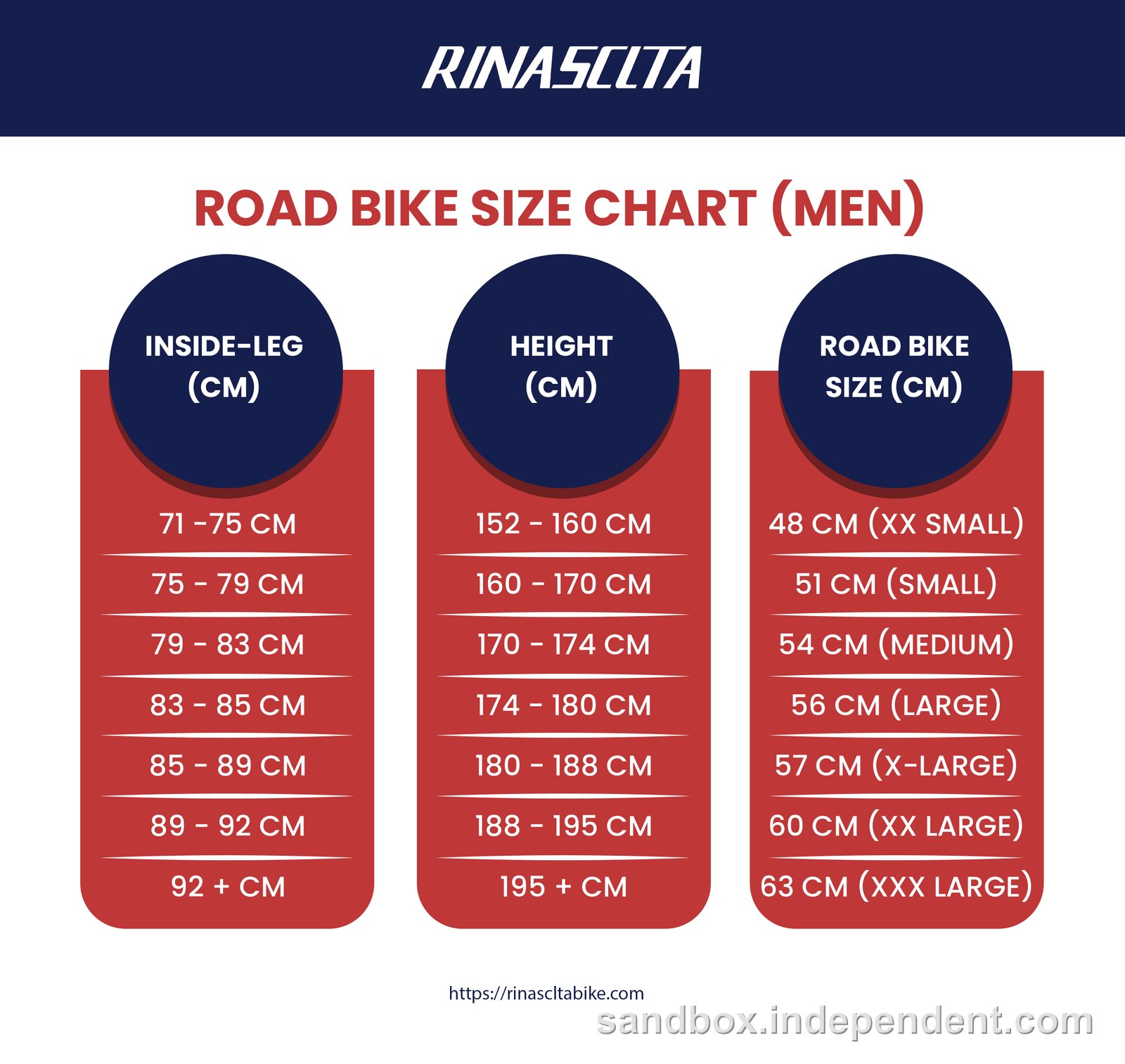
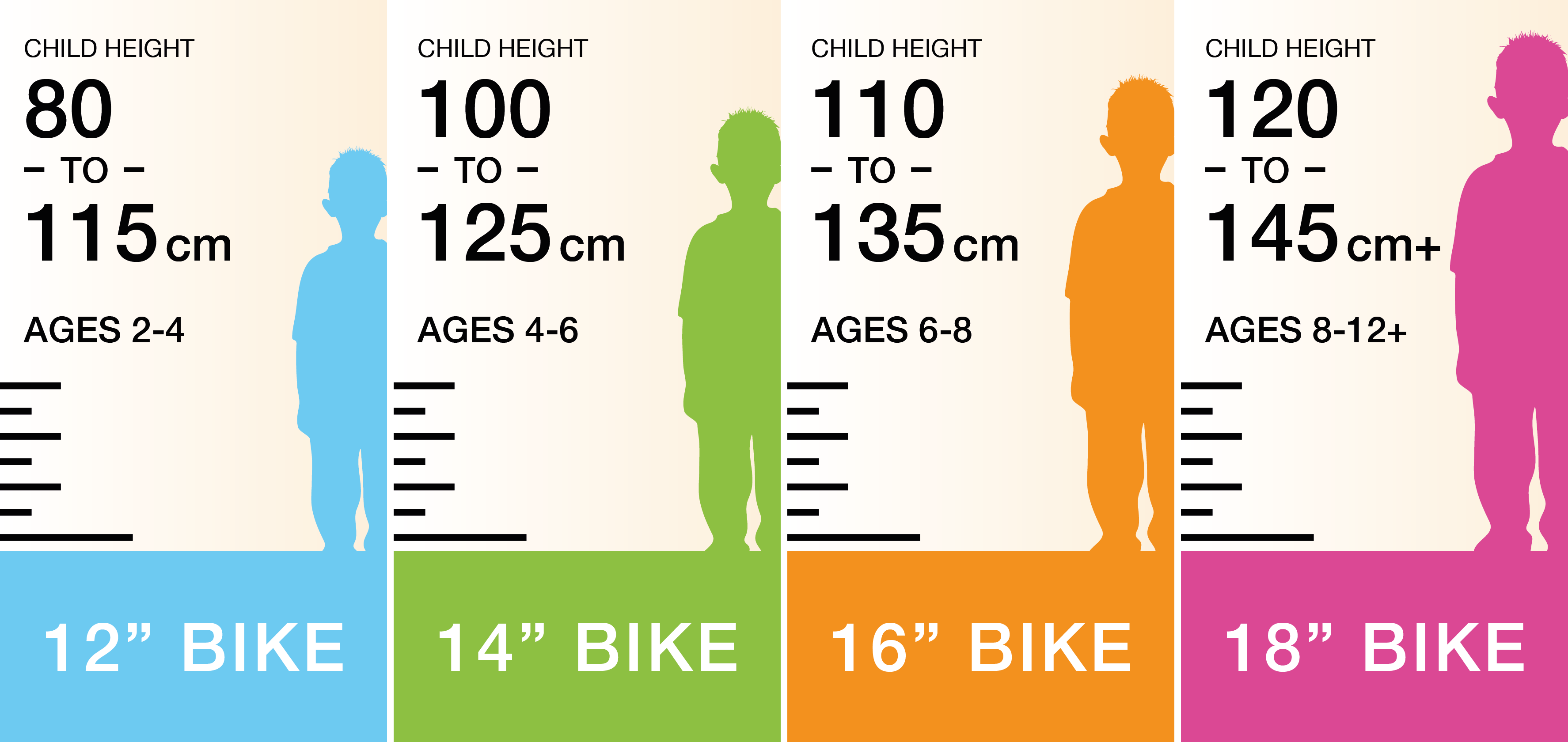
A bike size chart is a handy tool for any cyclist, offering a quick and easy way to find the perfect bike fit. This guide will walk you through the ins and outs of these charts, ensuring you know how to use them effectively. From frame size to wheel dimensions, we'll cover it all, so you can make an informed choice and enjoy a comfortable ride.
The Essential Guide to Bike Size Charts
A bike size chart is your go-to tool for finding the perfect bike fit. It's a simple yet powerful reference that ensures you get the right size bike for your body and riding style. These charts are designed to make the sizing process straightforward, but there are a few things to keep in mind to ensure an accurate fit.
Understanding the Options: Standards and Formats
Bike size charts can vary depending on the standard used. The most common are the imperial (inch) and metric (centimeter) systems, with the latter being more prevalent internationally. These charts typically cover various bike types, from road bikes to mountain bikes, and often include specific measurements like frame size, wheel size, and seat height.
Step-by-Step Guide to Using a Bike Size Chart
Using a bike size chart is straightforward, but precision is key. Here's a simple process to ensure you get the right size:
Identify the Standard: First, determine the standard used in the chart. This is usually indicated at the top or bottom of the chart. If you're unsure, check the manufacturer's website or ask a bike expert.
Measure Yourself: Take accurate measurements of your body. You'll need your height, inseam (the inner leg measurement from crotch to ankle), and sometimes arm length. These measurements will be crucial for finding the right frame size and overall bike fit.
Match Your Measurements: Refer to the chart and find the section that corresponds to your height and inseam. This will give you a starting point for frame size.
Consider Your Riding Style: Bike size charts often provide recommendations based on riding style. For example, if you're a casual rider, you might opt for a more upright position, while a racing enthusiast would lean towards a more aggressive, stretched-out position.
Adjust for Comfort: Once you have a frame size, consider making adjustments for comfort. This could mean tweaking the seat height or handlebar width to find your ideal riding position.
Common Misreadings and How to Avoid Them
While bike size charts are straightforward, there are a few potential pitfalls to avoid:
Misinterpreting Frame Size: Frame size is a critical measurement, but it's not always the only factor. Some charts provide a range of frame sizes for a given height, and you should choose the one that best suits your riding style and comfort.
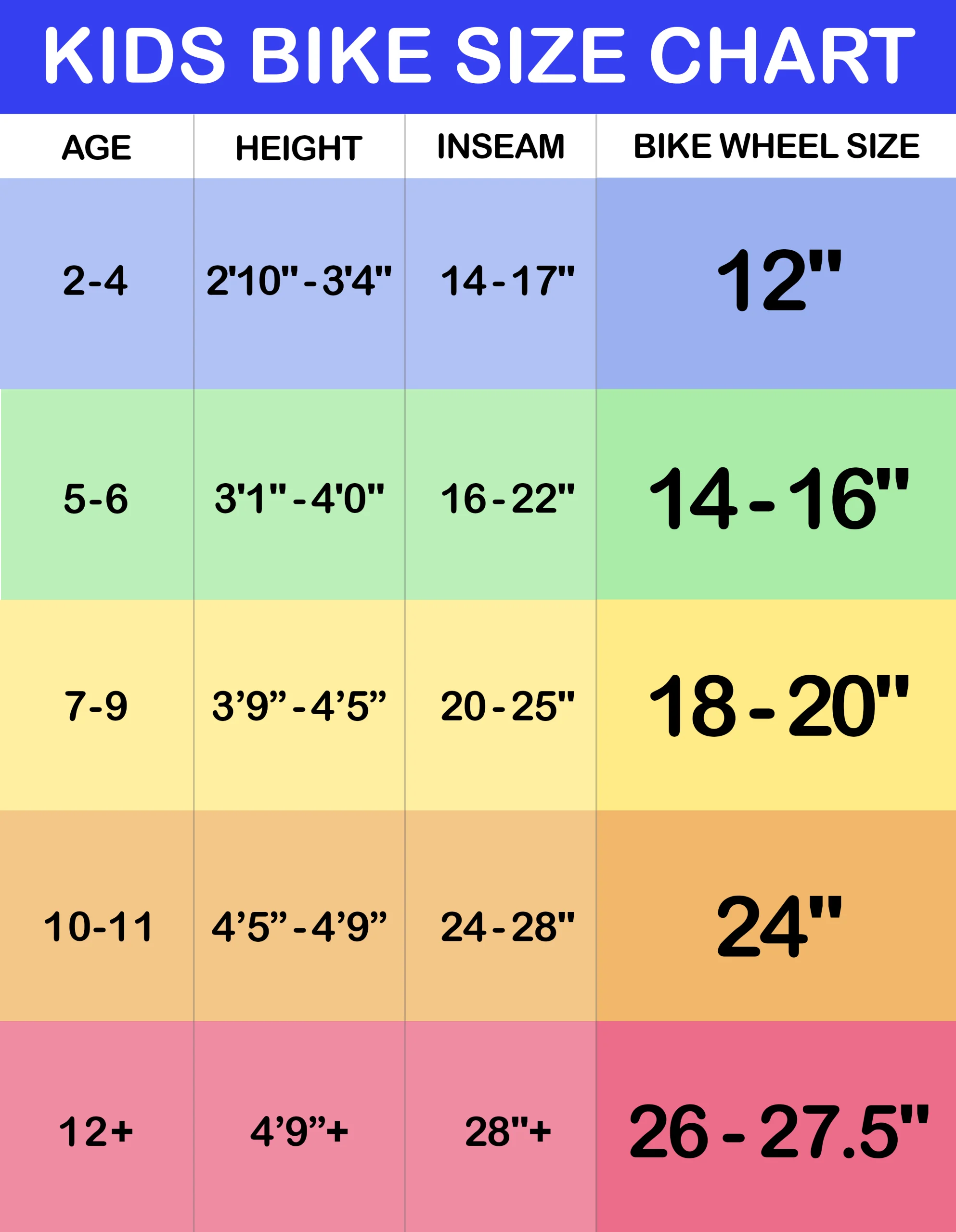
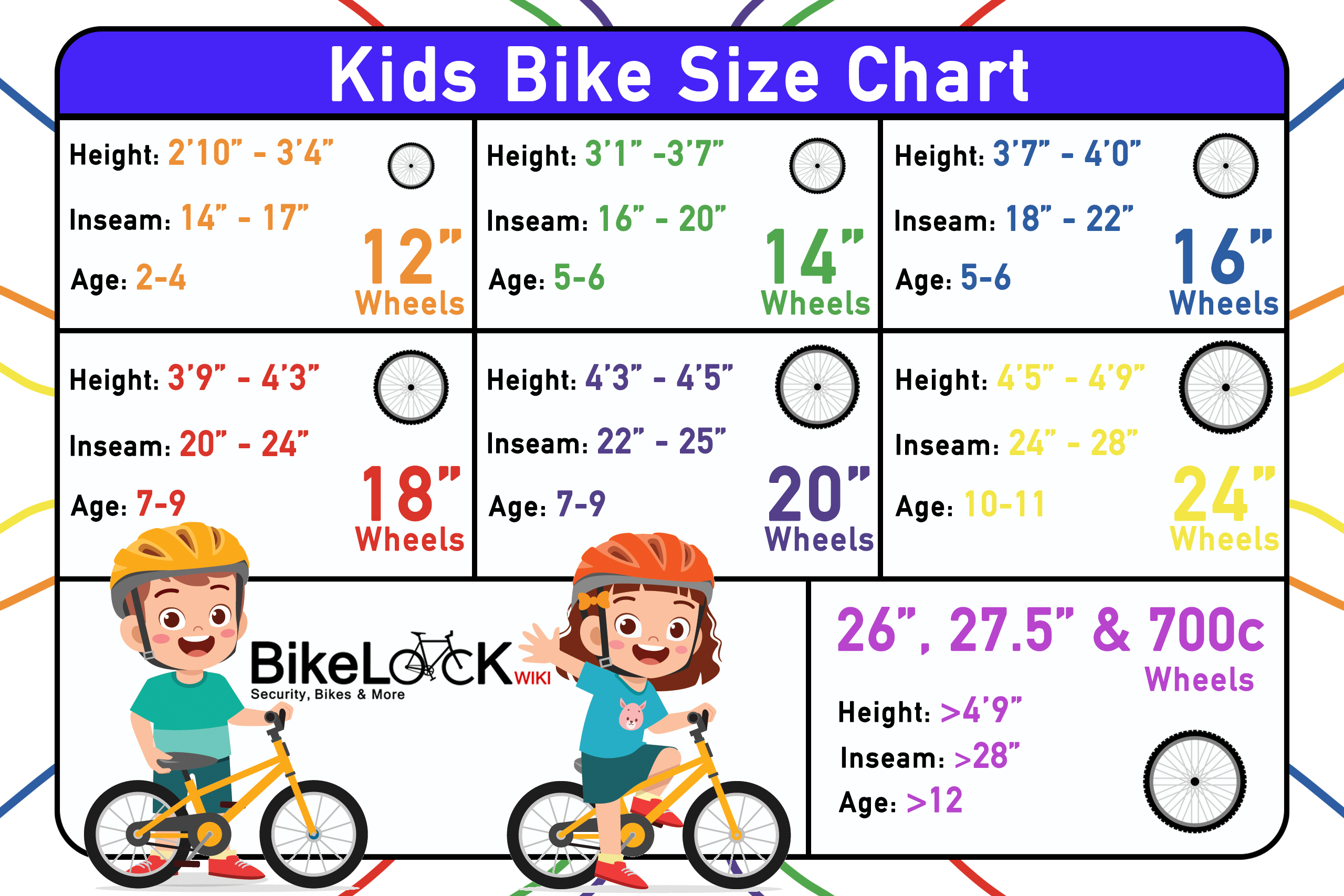
Wheel Size: Don't confuse wheel size with frame size. Wheel size is an important consideration, especially for kids' bikes, but it's a separate measurement.
Sizing for Kids Bikes: When sizing bikes for children, always double-check the manufacturer's recommendations. Kids grow quickly, so it's essential to ensure the bike can accommodate their growth while still providing a safe and comfortable ride.
Regional Variations: Be mindful of regional differences. Some countries or regions may have slightly different sizing standards, so always check the chart's origin or consult a local bike expert if in doubt.
Hey there, bike enthusiasts! We hope this guide has helped you navigate the world of bike sizing with ease. Remember, when it comes to finding the perfect bike, it's all about getting the right fit for your body and riding style.
So, before you make that final decision, take a moment to review your specific needs and preferences. Double-check the measurements and consider any personal factors that might influence your choice. It's a simple step, but it ensures you end up with a bike that truly suits you.