




Cake Size Chart Black And White Overview
A dual type chart is a handy tool, a simple yet powerful resource for anyone seeking a quick glance at type advantages and disadvantages. This guide aims to demystify and clarify the purpose and use of such charts, ensuring you can navigate and understand them effortlessly.
The beauty of a dual type chart lies in its ability to visually represent type effectiveness, offering a clear overview of strengths and weaknesses. While the specific values and formats may vary depending on the context or region, the core concept remains consistent, providing a reliable reference for strategic decisions.
Understanding Type Advantages
The dual type chart is a powerful tool that reveals the strengths and weaknesses of different type combinations. It offers a strategic insight into how various types interact, providing an edge in decision-making and planning. This chart is a valuable resource for anyone seeking to optimize their choices based on type effectiveness.
Key Details and Categories
The dual type chart presents a comprehensive overview of type interactions. It categorizes types into distinct groups, each with its own unique properties and relationships. These categories include common types like Fire, Water, and Grass, as well as more specialized types such as Electric, Ghost, and Fairy. The chart assigns each type a value or rating, indicating its effectiveness against other types. These values range from 0.25x (not very effective) to 4x (super effective), with 1x representing neutral effectiveness.
Reading the Effectiveness Scale
To read the dual type chart, follow these steps:
- Identify the two types you want to compare. Let's say you're interested in the interaction between Fire and Water types.
- Locate the intersection of the row and column corresponding to the two types. In this case, find where the Fire row meets the Water column.
- The value at this intersection represents the effectiveness of one type against the other. A value of 4x means Fire is super effective against Water, while a value of 0.25x indicates Water is not very effective against Fire.
- Repeat this process for different type combinations to understand their strengths and weaknesses.
Common Type Combinations and Practical Strategy Tips
While the dual type chart provides a comprehensive guide, it's important to note that variations can occur due to specific circumstances or game mechanics. Here are some key factors to consider:
- Pokemon type chart variations: Different Pokemon games may have slight differences in type effectiveness. Always refer to the specific game's chart for accuracy.
- Type advantage chart exceptions: Some Pokemon have unique abilities or moves that alter type effectiveness. These exceptions can provide strategic advantages or disadvantages.
- Type match-up chart context: The effectiveness of types can depend on the specific context or situation. Environmental factors, such as terrain or weather, may influence type interactions.
- Pokemon type effectiveness tolerances: Certain types may have slight variations in effectiveness depending on the region or standard being used. Always check the relevant standard for accurate values.
Remember, while this dual-type chart offers a comprehensive guide, it's always wise to verify your specific needs and context. Exact values may vary slightly across different standards and sources, so a quick check ensures you're on the right track.
Feel free to explore our other resources and guides. We've got a range of practical tools and references to help you navigate various topics. Happy browsing!
Related: Understanding My OSF Chart: A Simple Guide
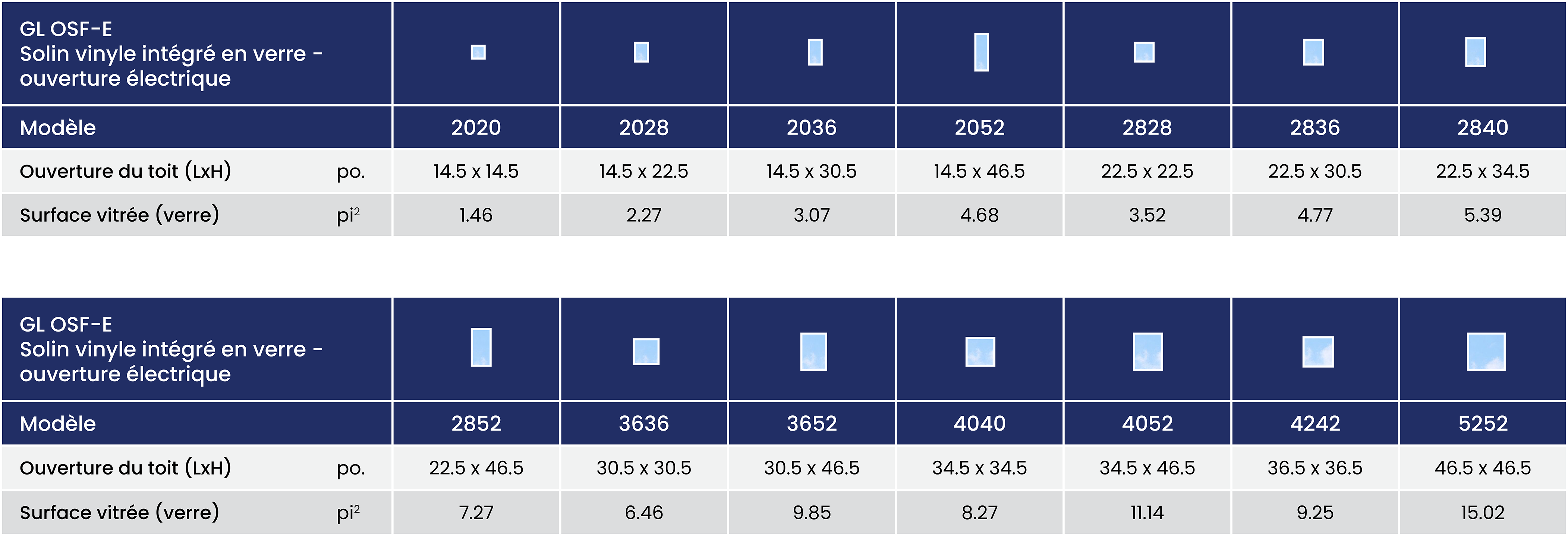
You're probably here because you need a quick answer, a reliable reference, or a simple guide to my OSF chart. It's a handy tool, a chart or scale, that offers a visual way to understand and work with OSF dimensions and conversions. This chart is a go-to for many, providing an easy-to-read reference, especially when you need accurate measurements.
Understanding the OSF Chart
The OSF (Overall Service Factor) chart is a valuable tool for understanding and applying a standardized measurement system. It provides a clear reference for various dimensions and factors, making it an essential guide for many industries and applications.
Key Details and Prerequisites
Before diving into the chart, it's important to know that the OSF scale is typically used for measuring and converting dimensions, especially when dealing with mechanical parts and equipment. The chart provides a simple way to convert between OSF values and standard measurements like inches or millimeters.
Step-by-Step Method for Using the OSF Chart
- Identify the OSF value you need to convert or work with. This value represents a specific dimension or factor related to the item you're dealing with.
- Locate the corresponding OSF value on the chart. The chart will usually have a clear legend or key to help you identify the correct value.
- Use the chart to find the equivalent measurement in inches or millimeters. The chart will provide a direct conversion, making it easy to understand the physical dimensions represented by the OSF value.
- Apply this measurement to your calculations or specifications. Whether you're designing a part, ordering equipment, or troubleshooting an issue, the OSF chart ensures you're working with accurate dimensions.
Variations and Potential Issues
While the OSF chart is a standardized tool, variations can occur due to different regional standards or specific industry requirements. For example, some regions may use the metric system, while others prefer imperial units. Additionally, certain industries might have unique tolerances or specifications that deviate from the standard OSF chart. It's crucial to double-check the exact standards and tolerances for your specific application to avoid any potential issues.
Practical Tips and Best Practices
To ensure accurate use of the OSF chart, always refer to the latest version provided by a reputable source. Outdated charts may not reflect the most recent industry standards. Additionally, be mindful of the units you're working with and ensure they align with the chart's measurements. If you're unsure, convert your measurements to the appropriate units before referencing the chart. Finally, when in doubt, consult with experts or refer to industry-specific guidelines to ensure you're applying the OSF chart correctly for your unique application.
Well, there you have it! A handy guide to your OSF chart, a simple yet powerful tool. Remember, while the basics remain the same, the exact details might shift a bit based on your specific needs and context.
Feel free to explore our other guides for more practical tips and tricks. And when you need a quick refresh, just bookmark this page for easy access!
Related: Find Your Perfect Quilt Size with This Easy Chart
A quilt size chart is a handy tool for quilters and crafters, offering a quick guide to standard quilt dimensions. This simple reference ensures your projects turn out perfectly sized, every time.
The chart covers a range of common quilt sizes, from crib quilts to king-size creations. It's a useful resource, especially when you're working with different quilt patterns and want consistent results. Keep in mind that quilt sizes can vary slightly between regions and standards, so it's a good idea to check the chart's source for any specific details.
Quilt Size Chart: A Guide to Standard Sizes
Quilt size charts are a handy tool for quilters and crafters, providing a quick reference for the standard dimensions of quilts. These charts offer a practical guide to ensure your quilts fit the intended purpose, whether it's a cozy bed cover or a baby crib quilt. Let's dive into understanding this chart and how to use it effectively.
Key Details and Units
The quilt size chart typically includes a range of common quilt sizes, from crib quilts to king-size bed quilts. It provides the length and width measurements in inches, which are standard units for quilt sizes. Some charts may also include metric measurements for international use. The chart categories often cover crib, twin, full, queen, and king sizes, along with their respective dimensions.
Reading the Chart: A Step-by-Step Guide
Using the quilt size chart is straightforward. First, identify the purpose of your quilt. Are you making a baby quilt, a bed cover, or a unique size for a specific project? Once you know the intended use, locate the corresponding category on the chart. For instance, if you're making a queen-size bed quilt, find the "Queen" category. The chart will provide the recommended length and width measurements for that size. Simply follow these dimensions when cutting and assembling your quilt top, backing, and batting.
Variations and Differences
While the quilt size chart offers standard measurements, variations can occur due to different standards and contexts. For example, some regions may use metric measurements, leading to slight differences in dimensions. Additionally, quilt sizes can vary based on the intended use. A crib quilt for a baby might have different dimensions compared to a decorative wall hanging quilt. It's essential to consider the purpose and any specific requirements when using the chart.
Common Mistakes and How to Avoid Them
One common mistake is assuming that all quilts must adhere strictly to the chart's measurements. Remember, the quilt size chart provides guidelines, but your personal preferences and the project's needs may vary. Another mistake is overlooking the intended use. Always consider whether you're making a bed quilt, a throw, or a unique size for a specific purpose. Misinterpreting the chart's categories can also lead to errors. Ensure you understand the difference between crib, twin, and other sizes before selecting your measurements.
Practical Tips for Accurate Sizing
To ensure accurate sizing, double-check the specific requirements for your project. If you're making a quilt for a bed, measure the bed's dimensions and consider the desired overhang. For unique projects, measure the intended space and adjust the quilt size accordingly. It's also beneficial to have a basic understanding of fabric widths and yardage requirements. This knowledge will help you calculate the fabric needed for your quilt size accurately. Lastly, consider the quilt's purpose and any personal preferences for thickness or design elements that might impact the overall size.
By following these practical tips and understanding the quilt size chart, you'll be well-equipped to create quilts that fit perfectly for their intended use. Happy quilting!
Hey there, quilter! Now that we've covered the ins and outs of quilt sizes, remember that these details can shift a bit depending on your specific project and the resources you're using. So, keep an eye out for any variations and adapt as needed.
If you're new to quilting or just want a handy reference guide, be sure to bookmark this page for future use. It's a great way to ensure your quilts turn out perfectly sized every time!