






Calendar August 2025 Printable Overview
Many people struggle with the idea of a jeans size chart, assuming it's a complex and confusing tool. But it's actually a simple and handy reference, a quick guide to finding your perfect fit!
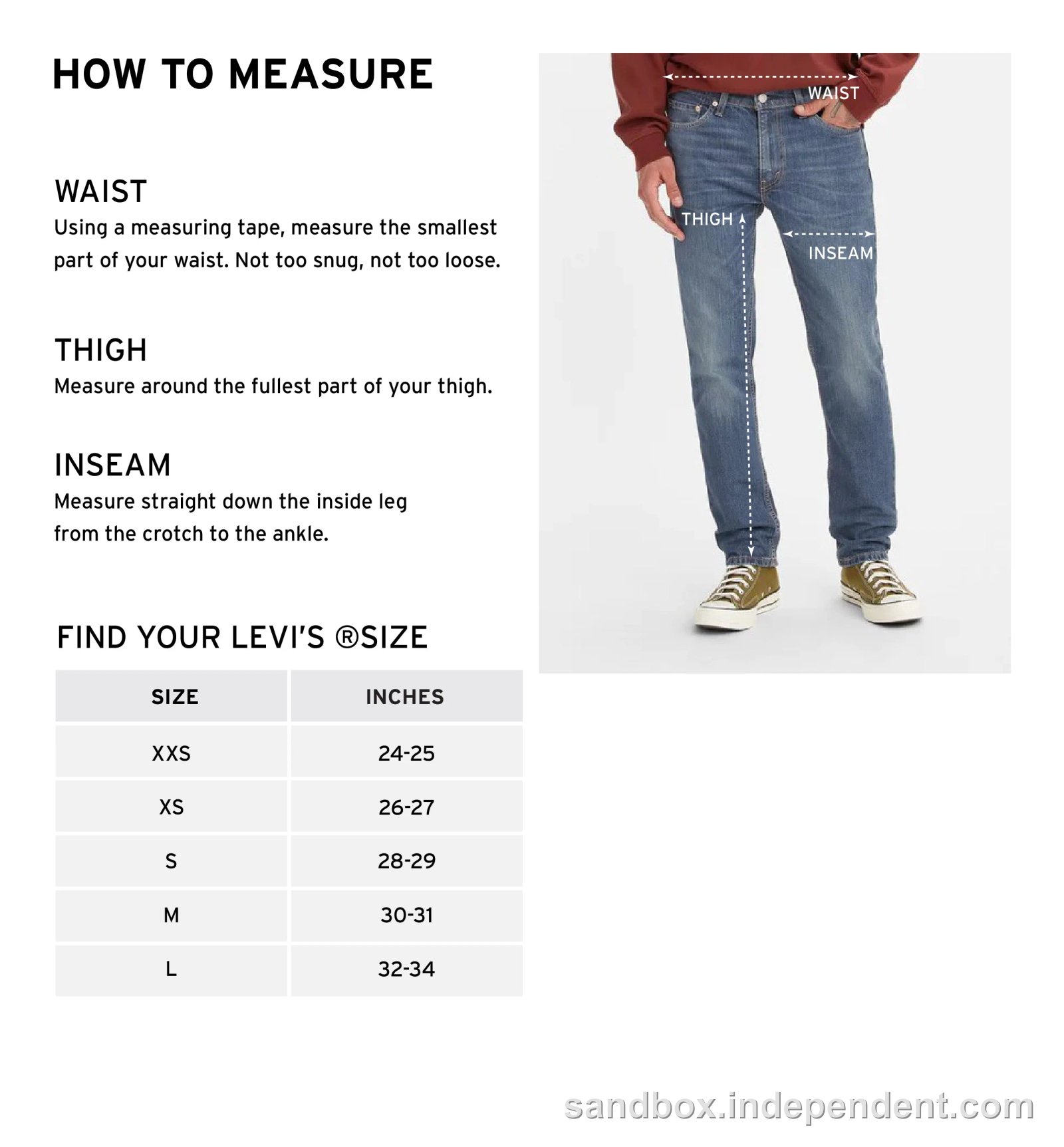
The chart offers a visual or tabular overview, providing waist and hip size measurements, along with other key details like inseam length and leg opening. While values may vary slightly between brands and regions, the jeans size chart is a reliable starting point for an accurate fit.
Understanding the Jeans Size Chart
The jeans size chart is your guide to finding the perfect fit for your denim dreams! It's a handy tool that translates your body measurements into the right jeans size, ensuring you look and feel great. This chart is like a secret code, but don't worry, it's easy to crack!
Key Details and Categories
Let's break down the chart's categories. Typically, a jeans size chart will have two main measurements: waist size and hip size. These are the most critical factors in finding a comfortable and flattering fit. You'll also find other details like inseam length, leg opening, and rise, which add precision to your choice. These measurements are usually in inches or centimeters, depending on the standard used. Always check the chart's units to ensure accuracy.
How to Read and Apply the Chart
Using the jeans size chart is a breeze! Here's a step-by-step guide:
- Measure your waist and hip sizes. Ensure you're measuring at the right points; for the waist, it's the narrowest part of your torso, and for the hips, it's the widest part.
- Find your waist and hip measurements on the chart. The chart will often have a grid or table format, with waist sizes along one axis and hip sizes on the other.
- Look for the intersection of your waist and hip measurements. This will give you your recommended jeans size. For example, if your waist is 28 inches and your hips are 36 inches, the chart might recommend a size 6.
- Consider other details like inseam length. If you prefer a specific leg length, choose a size that accommodates your desired inseam.
- Try it on! While charts are accurate, personal preferences and body shapes vary. So, it's always best to try the jeans and see how they feel and look.
Size Variations and Differences
It's important to note that jeans size charts can vary slightly between brands and manufacturers. This is because each brand might have a unique fit philosophy or use different measurement standards. Additionally, regional differences can impact size charts, with some countries using different sizing systems. Always check the brand's specific size guide or denim size chart to ensure you're using the right measurements. It's a good idea to refer to the brand's size guide when shopping online to avoid any surprises.
Finding the perfect jeans size is an adventure, and with this guide, you're equipped to navigate the jeans size chart like a pro!
Well, there you have it! A handy jeans size chart to keep on hand for all your denim adventures. Remember, these charts are a great starting point, but it's always wise to check the specific brand's size guide for any unique fits or styles.
Jeans shopping can be a fun and practical experience, and with this guide, you're well-equipped to find your perfect fit. So, happy browsing and remember to bookmark this page for future denim missions!
Related: What is the Igora Color Chart?
Many people struggle with understanding the Igora color chart and often make the mistake of overlooking its simplicity. It's not as complex as it may seem! The Igora color chart is a straightforward tool designed to guide you through the world of hair coloring. This handy reference offers a clear overview of hair dye shades and their corresponding numbers, making it easy to choose and mix colors.
Understanding the Igora Color Chart
The Igora color chart is your go-to guide for achieving perfect hair color results. It's a visual reference tool that displays a range of hair dye shades, offering a clear representation of what each color looks like when applied to hair. This chart is a hair stylist's best friend, providing a quick and easy way to choose and visualize colors.
Comparing Color Options: Standard Notation and Families
The Igora color chart follows a standard color notation system, typically using a combination of numbers and letters to represent different shades. For example, a shade might be labeled as "5.1" or "7N," where the number indicates the level of lightness or darkness, and the letter represents the tone or family of the color. This system ensures consistency and makes it easier to communicate and reproduce colors accurately.
Step-by-Step: Using the Igora Color Chart
To use the Igora color chart effectively, follow these simple steps:
Identify the desired color family or tone. The chart often groups similar colors together, making it easy to browse and compare shades within a specific family.
Look for the corresponding number or code. Each shade has a unique code, which is usually a combination of numbers and letters. This code provides essential information about the color's characteristics.
Assess the level of lightness or darkness. The number in the code indicates the level of lightness, with lower numbers representing darker shades and higher numbers indicating lighter ones. This helps you choose the right shade for your desired outcome.
Consider the tone or family. The letter in the code represents the tone or family of the color, such as natural (N), ash (A), or copper (C). This helps you achieve the desired warmth or coolness in the final result.
Refer to color swatches or models. Many charts include visual swatches or models to give a more accurate representation of how the color will look on hair. This step is crucial for ensuring you choose the right shade.
Avoiding Misreadings and Pitfalls
While the Igora color chart is straightforward, there are a few potential pitfalls to avoid:
Be mindful of lighting conditions. The appearance of colors can vary under different lighting, so it's essential to view the chart under similar lighting to the final application environment.
Understand color mixing. Some shades may require mixing, and the chart might not explicitly show the mixed result. In such cases, refer to a color mixing guide for accurate color combinations.
Consider hair type and condition. The final color result can vary depending on the hair's porosity, previous color treatments, and overall condition. Always conduct a strand test to ensure the desired outcome.
Factors Affecting Accuracy
Several key factors can influence the accuracy of the Igora color chart and the final hair color result:
Hair porosity: The ability of hair to absorb and retain color can vary, affecting the intensity and longevity of the chosen shade.
Previous color treatments: If the hair has been previously colored, the existing color and its condition can impact the final result.
Developer volume: The strength of the developer used can affect the lightness or darkness of the color. Always follow the recommended developer volume for the desired shade.
Processing time: The time the color mixture is left on the hair can impact the final result. Follow the recommended processing time for accurate results.
Adapting the Chart for Specific Needs
The Igora color chart is versatile and can be adapted to suit different needs and preferences. Here are a few ways to customize its use:
Choose the right format: Igora offers various chart formats, including digital versions and physical charts. Select the format that best suits your working style and environment.
Consider personal preferences: Some stylists prefer to work with a more extensive color palette, while others may focus on specific color families. Tailor your chart selection to your preferred color range.
Stay updated: Igora regularly updates its color charts to reflect new shades and trends. Ensure you have the latest version to access the most up-to-date color options.
By understanding the Igora color chart, following a simple step-by-step process, and considering key factors, you can achieve accurate and stunning hair color results.
Hey there, hope this guide has given you a good grasp of the Igora color chart and its uses. Remember, the exact details might differ slightly depending on the source or standard you're working with, so always double-check.
If you're keen to explore more, we've got a bunch of other guides on various topics that might interest you. Just take a casual scroll through our site and see what catches your eye! It's a great way to keep learning and stay informed.
Related: Understanding Dress Size Charts: A Simple Guide
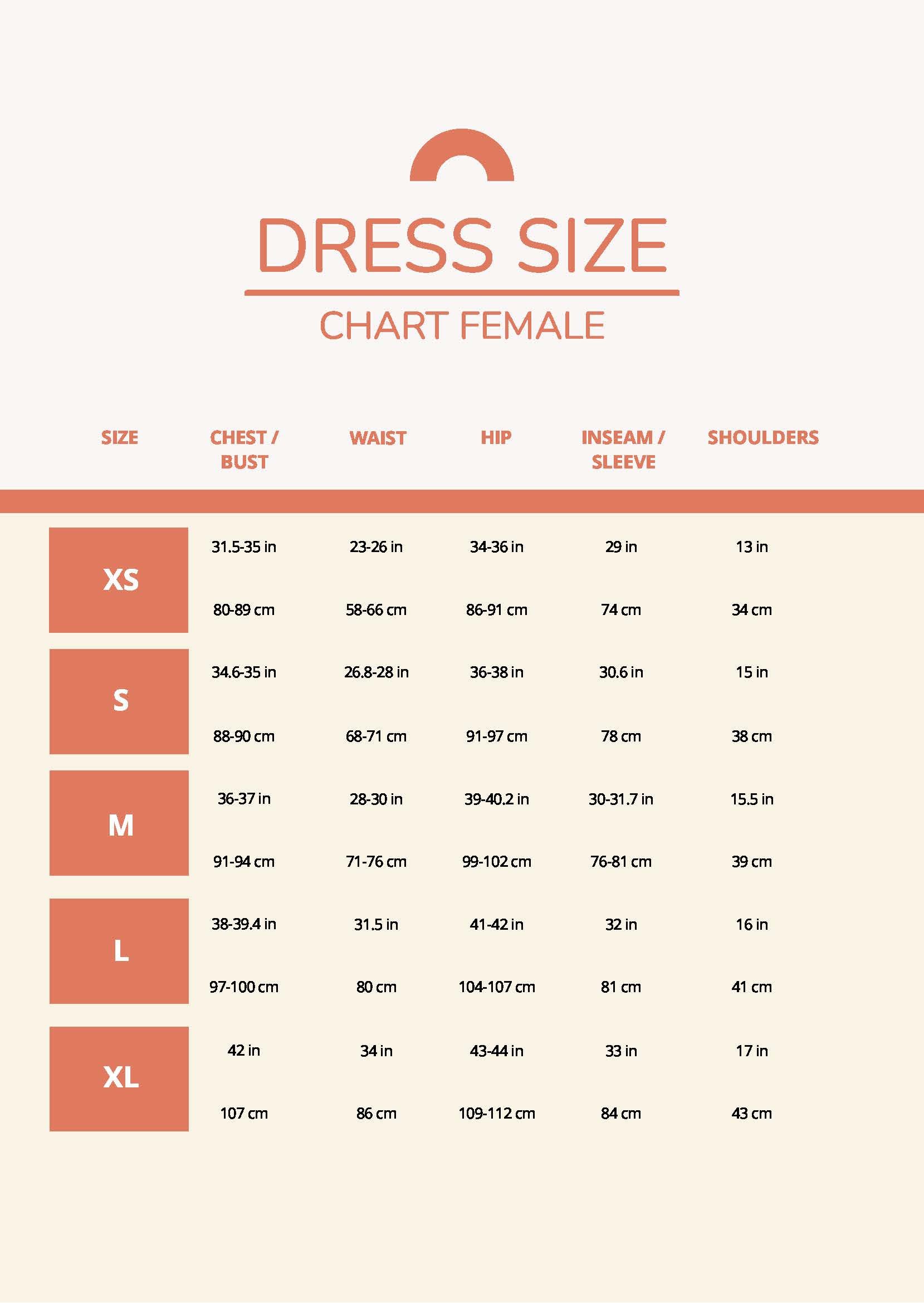
A common misconception about dress size charts is that they are a universal guide, providing an exact fit for every individual. However, it's important to understand that these charts are more like a starting point, offering a general size reference. While a dress size chart can be a valuable tool, it's not an exact science; variations exist due to different sizing standards and brand-specific fits.
Understanding Size Labels
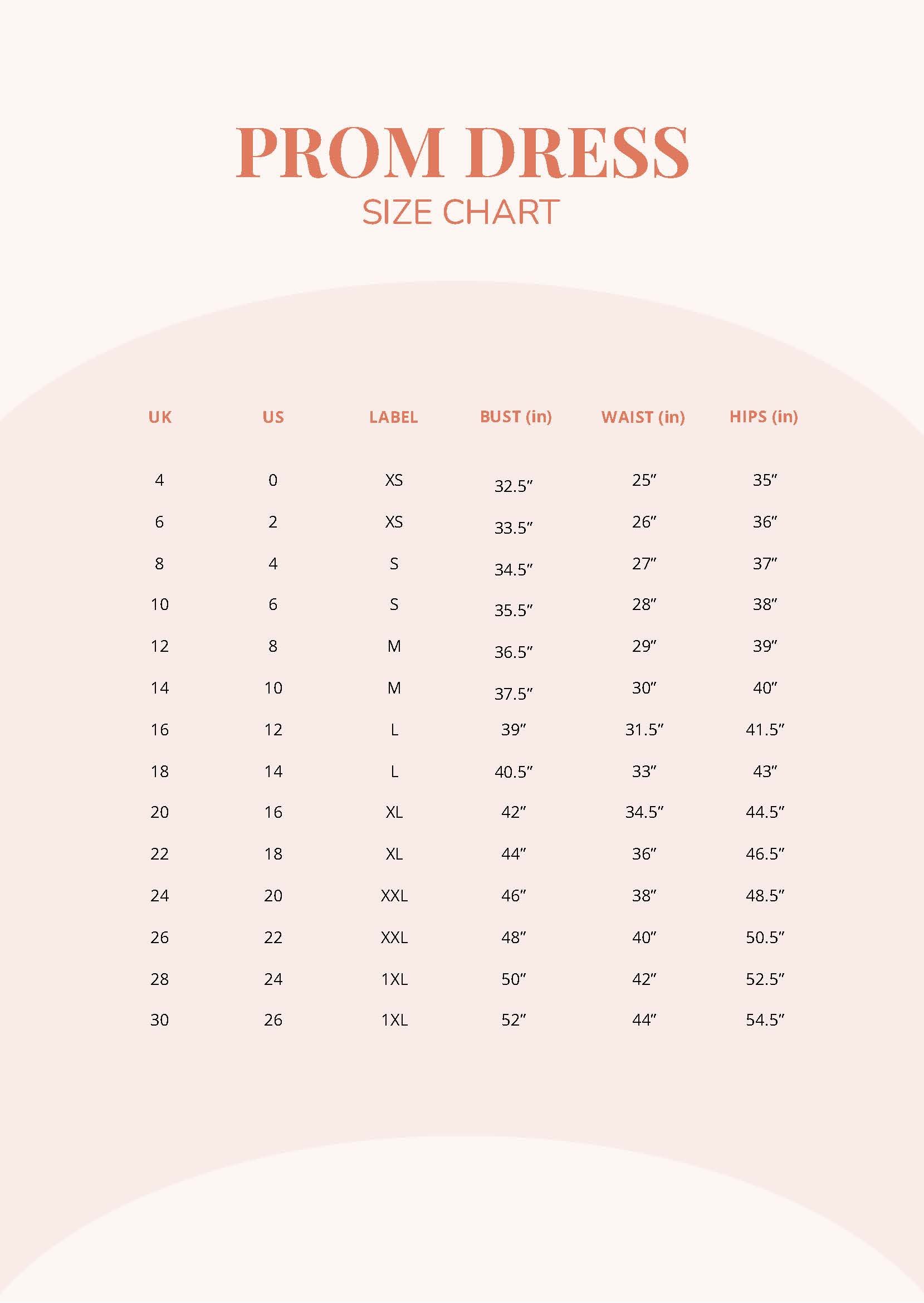
A dress size chart is an essential tool for anyone shopping for clothing, especially online. It provides a standardized guide to help you choose the right size based on your body measurements. This chart is a reference point, offering a clear and consistent way to understand clothing sizes across different brands and styles.
Comparing Standards and Formats
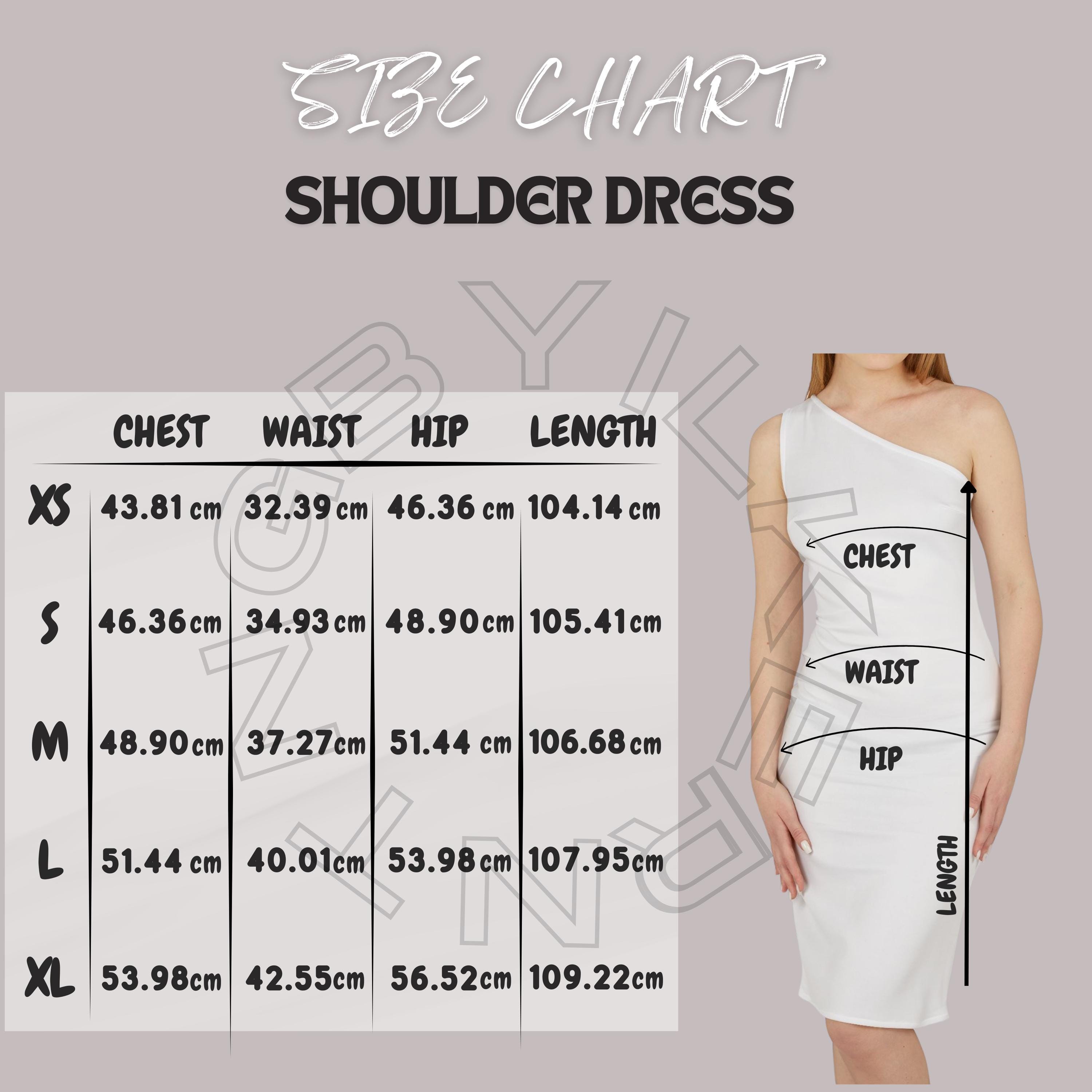
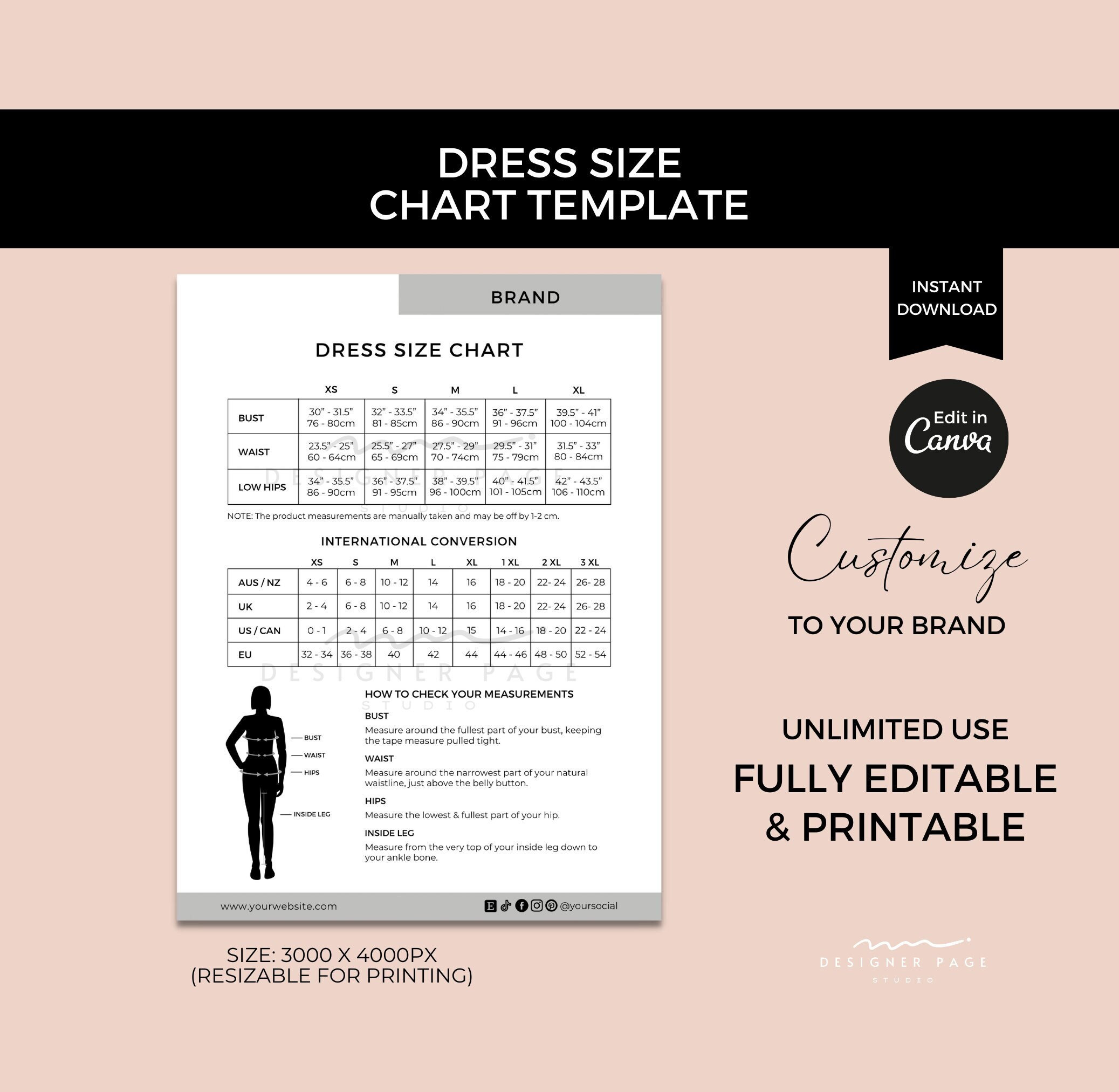
There are several size charts and standards used globally, with variations between regions and even brands. The most common ones are the US standard, UK standard, and international or metric size charts. These charts may differ in their measurement units, categories, and size ranges. For instance, the US standard typically uses inches, while the metric system employs centimeters. It's crucial to know which standard a chart follows to ensure accurate sizing.
Measuring for Accuracy: A Step-by-Step Guide
To use a dress size chart effectively, follow these steps:
Take your body measurements: Measure your bust, waist, and hip circumference using a flexible tape measure. Ensure the tape is not too tight or too loose, and keep it parallel to the floor for accuracy.
Find your size on the chart: Locate the column or row on the chart that corresponds to your measurement. For example, if you are measuring your bust, find the column with the heading "Bust" or "Chest." Look for the row that matches your measurement in inches or centimeters.
Check other measurements: Repeat this process for your waist and hip measurements. It's important to consider all three measurements to ensure a comfortable and flattering fit.
Choose the right size: Once you have your measurements, look for the size that aligns with all three measurements. If your bust, waist, and hip measurements fall into different size categories, it's best to choose the size that fits the largest of the three. This ensures a comfortable fit and prevents the garment from being too tight or restrictive.
Common Misreadings and How to Avoid Them
Misinterpreting a dress size chart can lead to incorrect sizing. Here are some common pitfalls:
Assuming one size fits all: Different brands and styles may have slight variations in their sizing. Always refer to the specific chart for the item you're interested in.
Relying solely on vanity sizing: Some brands use vanity sizing, where the labeled size may not reflect the actual measurements. Always double-check with the provided size chart.
Ignoring body shape: Dress size charts provide a general guide, but your body shape can impact the fit. Consider your body type and choose a size that accommodates your unique shape.
Key Factors Affecting Accuracy
Several factors can influence the accuracy of a dress size chart and your final fit:
Body measurements: Ensure your measurements are accurate and consistent. Small variations can make a difference in the size you choose.
Brand variations: Different brands may have slightly different sizing standards. Always check the brand's specific size chart, especially when shopping online.
Fabric and design: The fabric and design of a garment can impact its fit. Stretchy fabrics may provide more flexibility, while structured designs may require precise sizing.
Personal preference: Your comfort and style preferences play a role. Some may prefer a looser fit, while others opt for a more tailored look.
Adapting the Chart for Your Needs
While dress size charts provide a standardized guide, they may not always fit every individual's unique body shape. Here's how to adapt:
International size conversion: If you're shopping internationally, familiarize yourself with the conversion between different size standards. Online retailers often provide conversion charts to assist with this.
Custom sizing: Some brands offer custom sizing or made-to-measure options. This is especially useful for those with unique body shapes or specific fit requirements.
Size guides and reviews: Many online retailers provide detailed size guides and customer reviews. These can offer valuable insights into the fit and sizing of specific garments.
Remember, the dress size chart is a helpful tool, but it's not an exact science. Listen to your body and trust your instincts when choosing the right size. With a bit of practice and attention to detail, you'll become an expert at finding your perfect fit!
Well, there you have it, a comprehensive guide to dress size charts and their various aspects. Remember, while this guide offers a solid foundation, your unique body and personal preferences play a significant role. So, always double-check the specific requirements and context when applying these charts.
Consider bookmarking this page for future reference; it might come in handy the next time you need a quick reminder on dress sizes and their nuances. Until then, happy measuring and stay stylish!