



Cap Size Chart Easy Overview
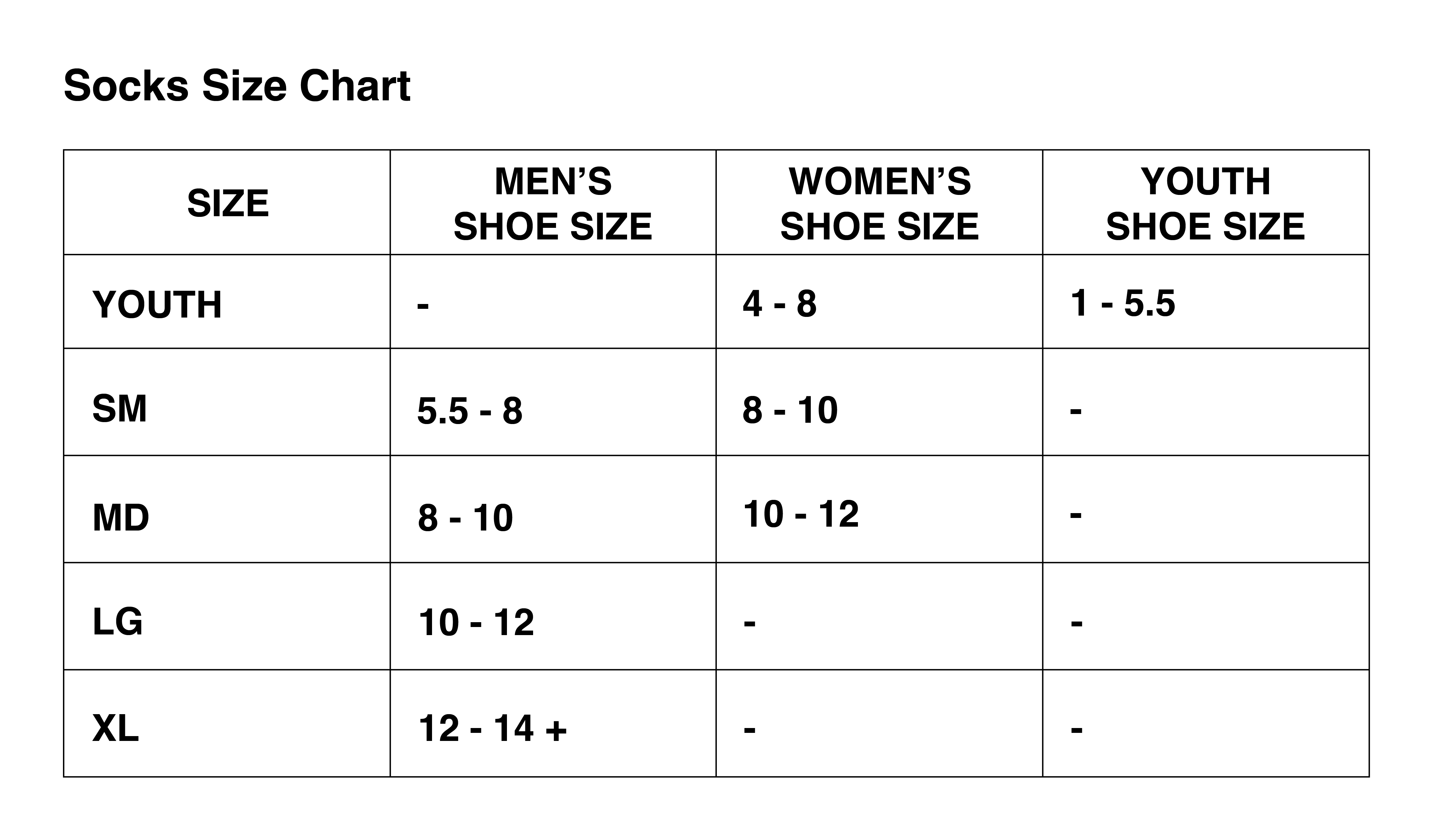
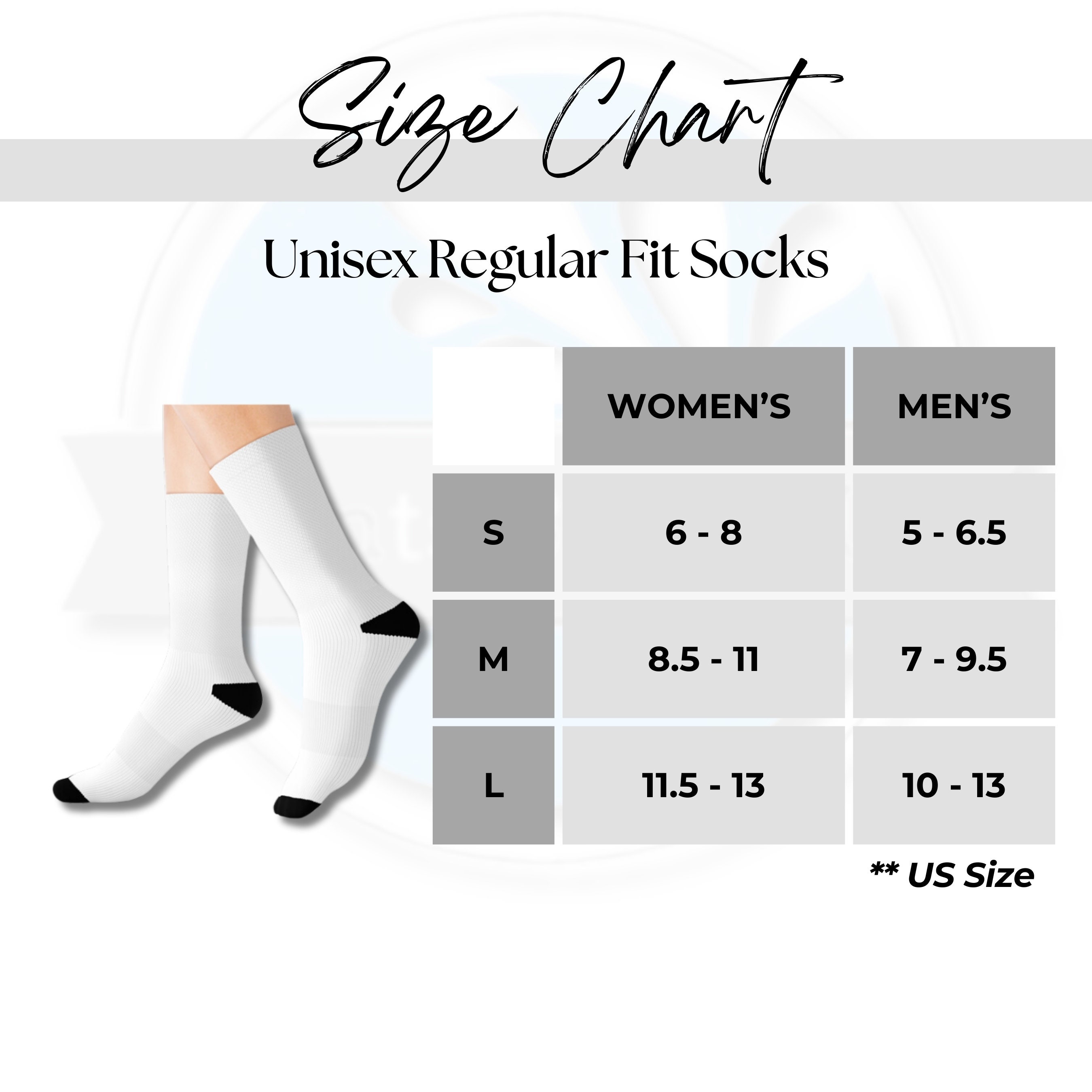
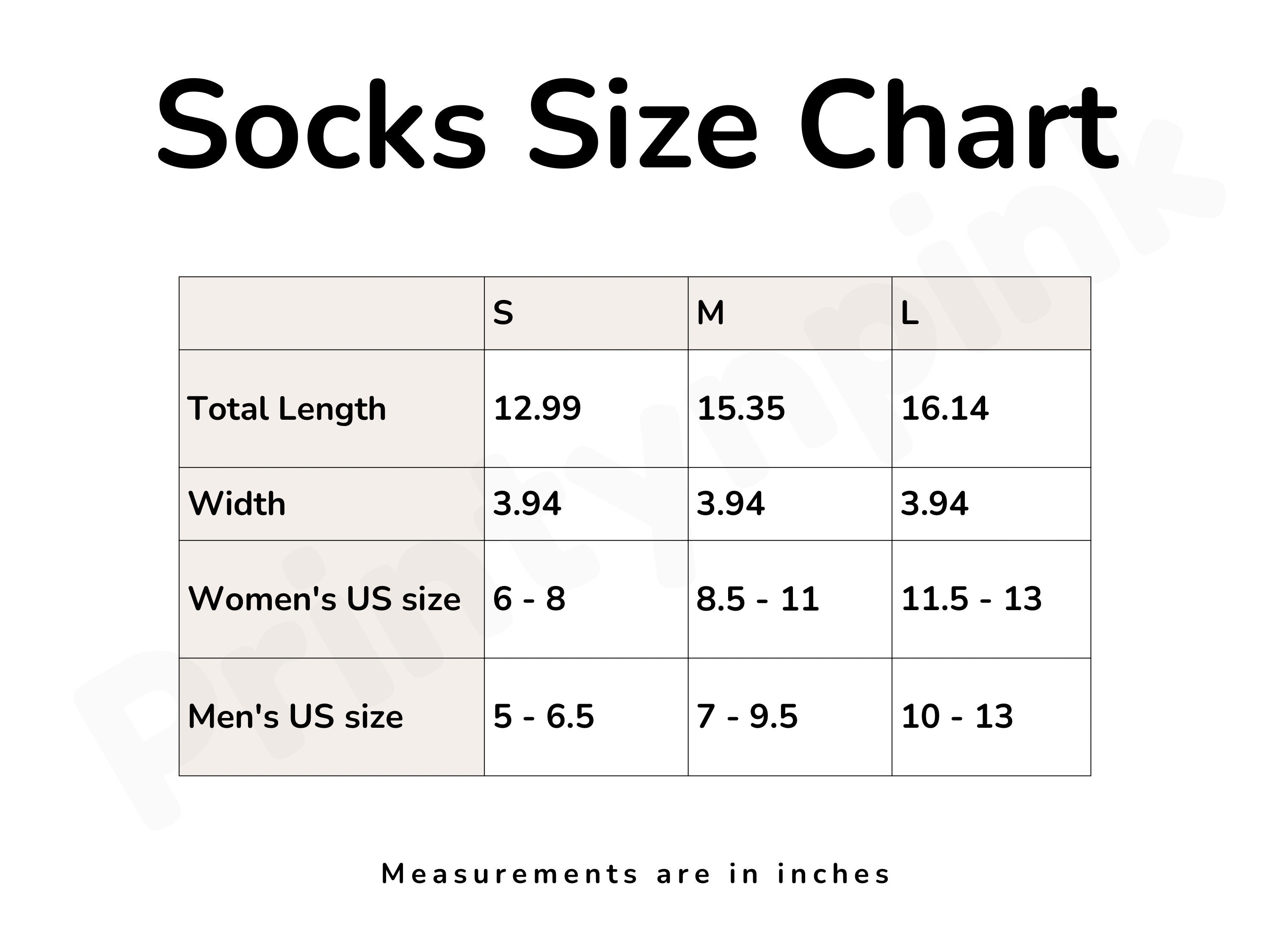
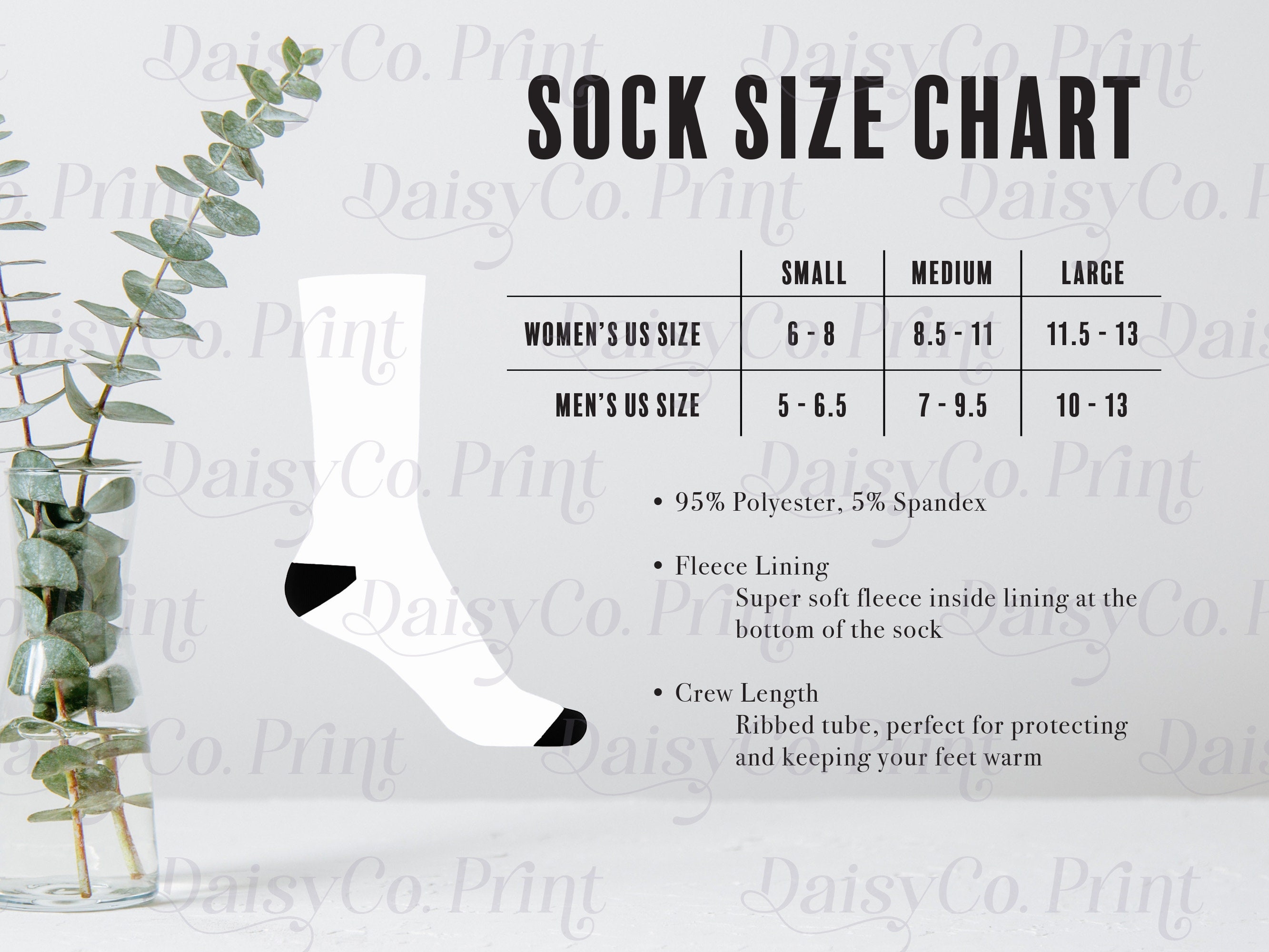
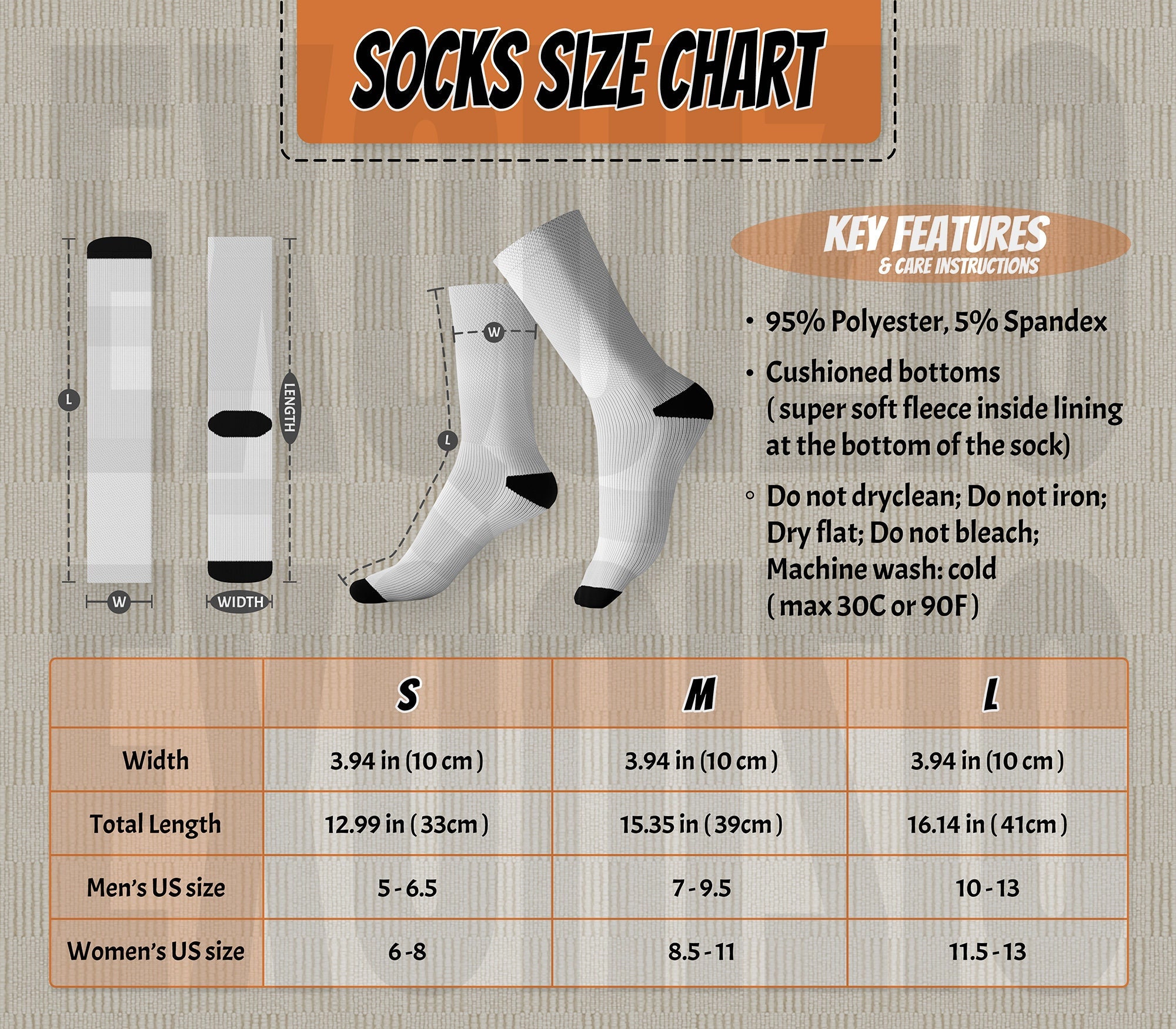
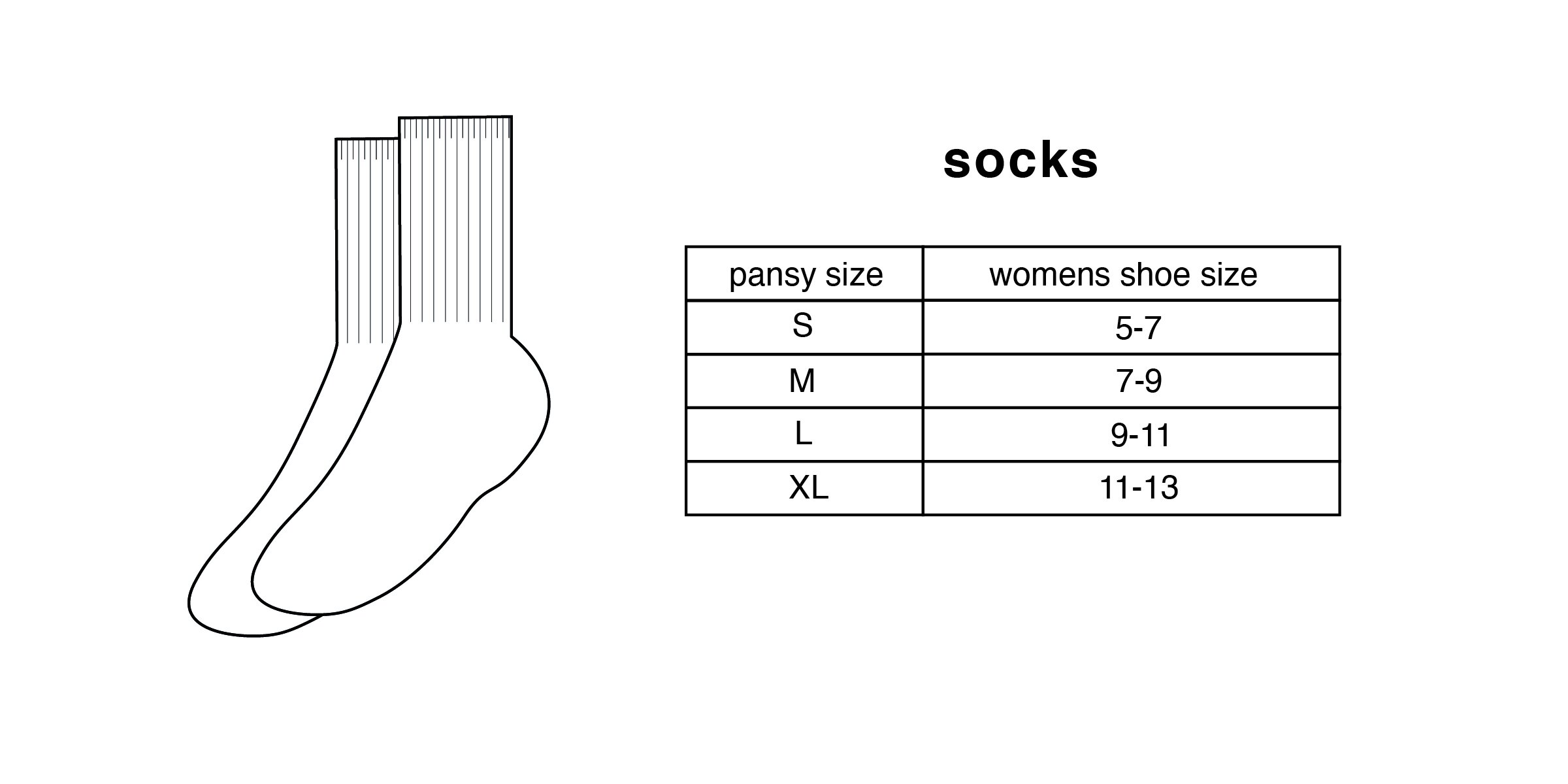
You've found yourself in need of a socks size chart, and who can blame you? It's a simple yet essential tool for ensuring you get the right fit. Whether you're buying socks for yourself or someone else, this chart is your go-to guide. It provides a quick and easy reference, ensuring you don't end up with socks that are too tight or too loose. While the values may vary depending on the brand or region, the socks size chart offers a reliable starting point.
Understanding the Sock Size Chart
The socks size chart is your go-to guide for finding the perfect fit for your feet. It's a simple yet practical tool that ensures your socks hug your feet comfortably and don't leave you with blisters or discomfort. This chart is like a secret code, and once you crack it, you'll never have to guess your sock size again!
Key Details and Categories
The chart typically features two main categories: sock size and shoe size. These are further divided into specific measurements and ranges. For sock size, you'll often see a numerical range, like 3-5, 6-8, and so on. These numbers represent the circumference of your foot, ensuring the sock fits snugly. Shoe size, on the other hand, is a familiar concept, often following standard shoe sizing guidelines.
Choosing the Right Fit: A Step-by-Step Guide
Using the socks size chart is a breeze! First, identify your shoe size. This is usually pretty straightforward, as you likely know your shoe size off the top of your head. Next, match your shoe size to the corresponding sock size on the chart. The chart will guide you to the right sock size, ensuring a perfect fit. It's as simple as that!
If you're buying socks as a gift or for someone with unique foot dimensions, you might need to measure their foot circumference. A simple tape measure will do the trick. Measure the widest part of their foot, and you're good to go!
Common Size Variations and Why They Happen
While the socks size chart is a reliable guide, variations can occur due to several factors. Different manufacturers might use slightly different standards or have unique sizing guidelines. Additionally, the material and construction of the sock can affect its stretch and fit. For instance, a thick, cozy wool sock might have a looser fit compared to a thin, athletic sock.
It's also worth noting that foot size can vary depending on factors like age, height, and even the time of day! Yes, our feet can swell slightly throughout the day, so it's best to measure or refer to the chart in the morning for the most accurate size.
Remember, while the socks size chart provides a great starting point, it's always a good idea to double-check the exact specifications and tolerances, especially for specialized socks or if you have unique foot dimensions. Happy sock shopping!
Well, there you have it! A handy guide to understanding sock sizes and how to use a size chart effectively. Remember, when it comes to sock sizes, there can be slight variations, so always check the specific guidelines or measurements provided by your preferred brand or manufacturer.
It's always a good idea to double-check, as these charts are just a general guide, and you want to ensure a perfect fit. So, take your time, measure up, and find those dream socks! And if you're keen to explore more practical guides and tips, feel free to browse our other articles. We've got you covered!
Related: How to Read an Infant Shoe Chart?
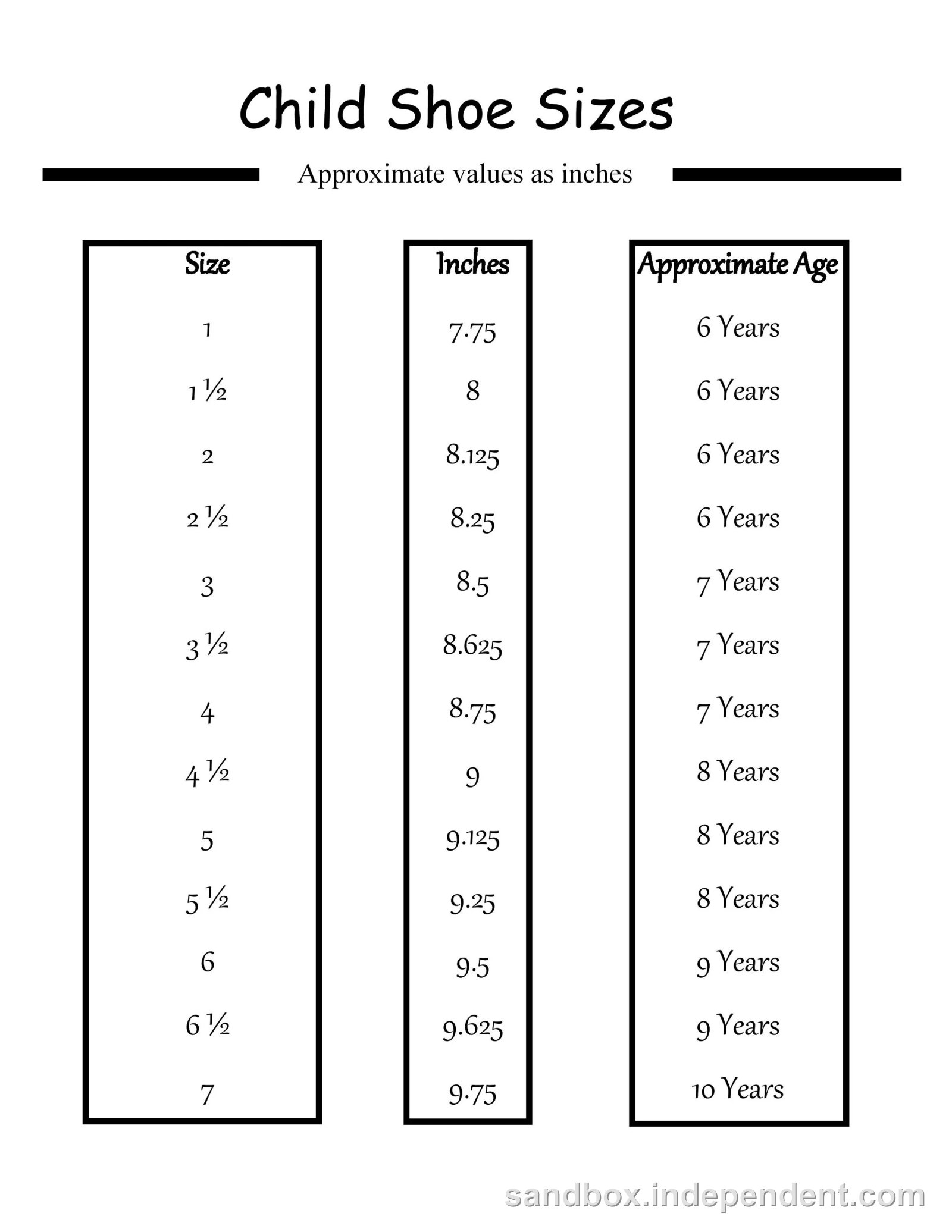
You're probably here because you need to find the right shoe size for your little one, and you're right to turn to the infant shoe chart for guidance. It's a simple yet effective tool, a quick reference guide that takes the guesswork out of buying shoes for babies and toddlers. With various standards and measurements, the chart ensures you get the perfect fit, and it's a handy resource to have when you're in a rush or shopping online.
Understanding the Infant Shoe Chart
The infant shoe chart is your go-to guide for finding the perfect shoe size for your little one. It's a simple yet effective tool that ensures your baby's shoes fit comfortably and safely. This chart is a reference point, a map to navigate the world of tiny shoe sizes!
Key Details and Categories
Let's break down the basics. The infant shoe chart typically displays two main categories: shoe size and foot length. Shoe sizes are often represented by numbers or letters, depending on the standard you're using. For example, US infant shoe sizes might use numbers like 1, 2, or 3, while European shoe sizes might use letters like 16, 17, or 18. Alongside these sizes, you'll find the corresponding foot length, usually measured in centimeters (cm). This length represents the ideal foot size for that particular shoe size.
Step-by-Step Guide: Reading the Chart
Here's a simple guide to reading and using the infant shoe chart:
Measure your baby's foot length accurately. You can do this by placing their foot on a flat surface and measuring from the heel to the tip of their big toe.
Convert this measurement to centimeters if it's not already.
Locate the measured foot length on the chart.
Find the corresponding shoe size. This is the recommended size for your baby's foot.
If you're between sizes, it's generally better to go up to the next size to ensure comfort and allow room for growth.
Size Variations and Differences
It's important to note that shoe size charts can vary slightly depending on the brand or manufacturer. Some brands might have slightly different standards or measurements, especially when it comes to the width of the shoe. Additionally, regional differences can also impact the chart's measurements. For instance, US infant shoe sizes might differ slightly from international or metric standards. Always double-check the specific brand's or region's guidelines to ensure an accurate fit.
Common Mistakes and How to Avoid Them
One common mistake is assuming that all shoe size charts are the same. As mentioned, variations exist, so it's crucial to refer to the right chart for the brand or region you're shopping in. Another mistake is not measuring your baby's foot accurately. Ensure you get an exact measurement, as even a small difference can impact the fit. Finally, don't forget to consider the width of your baby's foot. Some brands offer different widths for the same length, so pay attention to this detail to ensure a comfortable fit.
Practical Tips for Accurate Sizing
When using the infant shoe chart, keep these tips in mind:
Measure your baby's feet regularly, especially during their first year, as they grow rapidly.
Always allow some room for growth. A slightly larger size is better than a tight fit.
Consider the type of shoe and its intended use. For example, boots might require a different fit compared to sandals.
If you're shopping online, ensure the website provides detailed size guides and conversion charts specific to their brand.
Don't forget to check the width of the shoe, especially if your baby has wider or narrower feet.
Remember, the infant shoe chart is a valuable tool, but it's always a good idea to double-check and ensure the perfect fit for your little one's growing feet!
Well, there you have it! A handy guide to navigating the world of infant shoe sizing. Remember, while this chart provides a great starting point, it's always wise to consider your unique circumstances.
So, before you hit the stores, take a moment to ensure you've got all the right measurements and any specific requirements for your little one's feet. It's a simple step that can save you time and ensure a perfect fit. And don't forget, you can always bookmark this page for a quick refresh when needed. Happy shopping!
Related: How to use the Redken color chart?
You're likely here because you need a quick reference for the color chart Redken offers, a go-to resource for anyone seeking precise hair color guidance. This chart, a trusted tool, provides a straightforward visual guide, helping you navigate the world of hair coloring with ease. It's a simple yet effective way to ensure you achieve the desired shade and tone, whether you're a professional stylist or a home user. With various formats available, from guides to wheels, Redken's color system ensures accuracy and consistency, making it a popular choice for those seeking reliable hair color results.
The Redken Color Chart: A Guide to Hair Color Mastery
The Redken color chart is an essential tool for hair professionals and enthusiasts alike, offering a systematic approach to understanding and achieving desired hair colors. This chart serves as a visual reference, helping you navigate the vast world of hair coloring with precision and confidence.
Key Details and Categories
The Redken color chart typically features a range of hair color options, organized into different levels and tones. These levels indicate the depth or lightness of the color, often ranging from 1 (darkest) to 10 (lightest). Tones, on the other hand, represent the underlying hue, such as neutral, warm, or cool. Additionally, the chart may include various shades and intensities, allowing for a wide array of color possibilities.
Step-by-Step: Reading and Applying the Chart
To use the Redken color chart effectively, follow these steps:
Identify your desired hair color. Consider the level and tone you wish to achieve. For instance, a level 7 with a cool tone might be a vibrant, icy blonde.
Locate the corresponding color on the chart. Redken's charts often provide a visual representation, making it easy to find the right shade.
Choose the appropriate product. Redken offers a range of color gel systems, like Color Fusion or Shades EQ, each with its own unique properties. Select the one that best suits your needs and the level of color change desired.
Follow the product instructions. Each system has specific application and processing times, so ensure you understand these steps to achieve the best results.
Monitor the color development. During the processing time, keep an eye on the color change to ensure you achieve the desired result.
Variations and Differences
It's important to note that hair color results can vary based on several factors. These include the natural hair color and texture, previous color treatments, and even the porosity of the hair. Additionally, different standards and regions may have slight variations in their color charts and product offerings. Always refer to the specific instructions and charts provided by Redken for your region to ensure accuracy.
Common Mistakes and How to Avoid Them
One common mistake is failing to perform a strand test before a full application. This simple step can prevent unexpected results and ensure the color is as expected. Another pitfall is not considering the underlying tone of the hair. For instance, a warm-toned hair may require a different approach than a cool-toned hair to achieve the desired result. Always consult the Redken color chart guide and seek professional advice if needed.
Practical Tips for Accurate Results
To achieve natural-looking results, consider the following tips:
Understand your hair's undertones. Redken's hair color wheel can be a useful tool to identify these.
Start with a lighter level and gradually build up to your desired shade. This approach helps prevent over-processing and ensures a more natural transition.
Use color mixing techniques to create custom shades. Redken's color gel chart provides a guide for mixing different colors.
Maintain regular touch-ups to keep your color fresh and vibrant.
Double-Checking and Handling Exceptions
Always double-check the product instructions and the Redken color chart for your specific region. Some hair types may require special considerations, such as pre-lightening or toning, to achieve the desired color. Consult a professional colorist if you're unsure or encounter any challenges.
Remember, the Redken color chart is a valuable resource, but it's just one tool in your hair coloring journey. With practice and an understanding of your hair's unique characteristics, you can master the art of hair coloring and achieve stunning results.
Remember, the specifics may differ slightly, so always refer to the most relevant and up-to-date sources for your particular needs.
Feel free to explore our other guides for more practical insights and tips. Consider bookmarking this page for a handy reference guide whenever you need a quick refresher on color charts and their applications.