


Cat Dental Chart 2026 Overview
A jersey size chart is a handy tool for anyone looking to ensure a perfect fit when ordering clothing online or understanding garment measurements. This guide will provide an overview of these charts, covering their purpose and the key information they offer.
They offer a quick reference, typically presenting measurements for various body parts and the corresponding clothing sizes. While standards can vary, a good chart will provide a reliable starting point for finding your ideal size, whether you're shopping for men's, women's, or kids' apparel.
Understanding the Jersey Size Chart
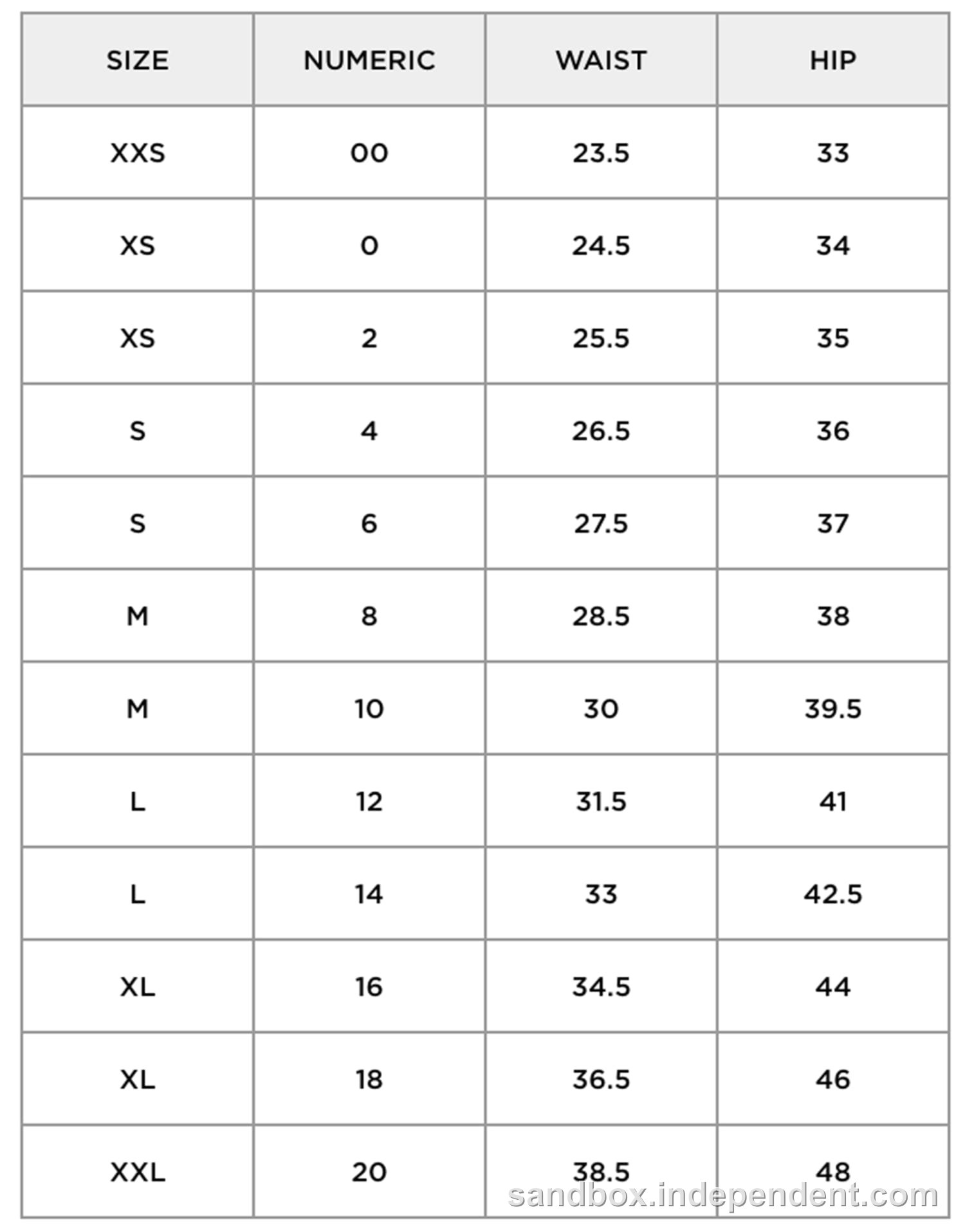
A jersey size chart is an essential tool for anyone looking to purchase clothing, especially online. It provides a standardized guide to help you choose the right size for your body measurements. This chart ensures a perfect fit and can save you from the hassle of returns and exchanges.
Key Details and Categories
The jersey size chart typically includes measurements for chest, waist, and hip circumference, as well as height. These measurements are presented in a table format, with sizes categorized by numerical values or alphabetical letters, depending on the standard being used. For example, the US standard may use numerical sizes like 32, 34, 36, etc., while the European standard might use letters such as S, M, L, XL, and so on. It's important to note that these sizes can vary slightly between brands and manufacturers, so always refer to the specific jersey size chart provided by the retailer or brand you're purchasing from.
Step-by-Step Guide: Reading the Chart
To use the jersey size chart accurately, follow these steps:
Measure your body: Take accurate measurements of your chest, waist, hips, and height. Ensure you follow the guidelines provided on the chart for proper measuring techniques.
Find your size: Locate your measurements on the chart. For instance, if your chest measurement is 38 inches, look for the column or row that corresponds to this value.
Check other measurements: Ensure that your waist and hip measurements also align with the size you've chosen based on your chest measurement. If there's a significant discrepancy, you may need to choose a different size or consider a custom-fit option.
Consider the fit: Different brands and styles may offer various fits, such as slim, regular, or relaxed. Refer to the chart's notes or additional guidelines to understand how these fits may impact the overall size.
Size Variations and Differences
Size charts can vary across brands and regions due to different standards and preferences. For instance, a size medium in one brand might fit like a large in another. This is why it's crucial to refer to the specific jersey size chart for the brand you're purchasing from. Additionally, some brands may offer size guides with detailed measurements for each size, providing a more precise fit.
Common Mistakes and How to Avoid Them
One common mistake is assuming that your size remains constant across all brands. Always refer to the jersey size chart for each brand to ensure an accurate fit. Another mistake is neglecting to measure yourself properly. Ensure you follow the guidelines provided on the chart to get the most precise measurements.
Tips for a Perfect Fit
To achieve the best fit, consider these tips:
Measure yourself regularly, especially if you're purchasing clothing after a significant weight change or growth spurt.
If you're between sizes, choose the larger size for a more comfortable fit or the smaller size for a tighter, more fitted look.
Pay attention to the fabric and style of the jersey. Some fabrics may have more or less stretch, impacting the overall fit.
Don't be afraid to try on multiple sizes if you're unsure. Many online retailers offer free returns, so take advantage of this to find your perfect fit.
Well, there you have it, a comprehensive guide to jersey size charts. With this knowledge, you can confidently navigate the world of sizing and ensure a perfect fit every time. Remember, while this guide provides a solid foundation, exact values can vary, so always refer to the specific guidelines provided by the brand or manufacturer for the most accurate results.
Feel free to explore our other resources on sizing and fitting guides; we've got plenty of practical tips to ensure your wardrobe choices are always spot on. Happy shopping, and don't forget to measure twice (or thrice) to ensure that perfect fit!
Related: What's the right window size chart for your needs?
A window size chart is a handy tool for anyone looking to understand window measurements quickly and easily. This guide will take you through the basics, covering what you need to know to read and use these charts effectively.
It's a simple reference, but one that can vary depending on your location and the type of window you're dealing with. Whether you're after standard window dimensions or more specific measurements, a good chart will provide a clear overview, helping you choose the right size for your needs.
Understanding Window Size Charts
A window size chart is a valuable tool for anyone planning a construction or renovation project. It provides a quick reference guide to standard window dimensions, helping you choose the right size and type for your space. These charts are a handy way to visualize and compare options, ensuring your windows fit the intended space and serve their purpose.
Key Details and Categories
Before diving into a window size chart, it's essential to understand the basic units and categories. Most charts use inches for width and height, with standard sizes ranging from 18" x 18" to 36" x 72". These dimensions cover a wide range of common window types, including single-hung, double-hung, casement, and fixed windows. The charts often include a breakdown of these categories, making it easy to identify the right type for your needs.
Reading the Chart: A Step-by-Step Guide
- Identify the window type you require. This could be a double-hung window for ease of use or a casement window for ventilation.
- Locate the relevant section on the chart. Each type will have its own set of standard sizes.
- Choose the size that best fits your space. Consider the width and height of the opening and ensure the window provides adequate coverage.
- Note the dimensions and any additional details, such as the number of panes or the window's energy efficiency rating.
- Cross-reference with other charts or guidelines to ensure accuracy, especially if you're working with non-standard sizes or unique architectural features.
Variations and Differences
Window size charts can vary depending on the standard being used. While most follow a similar format, there may be slight differences in dimensions or the inclusion of specific window types. For instance, some charts might cater to a wider range of window styles, including awning or bay windows. It's crucial to refer to the right chart for your region or project requirements. Additionally, manufacturers may have their own charts with slight variations to accommodate their product range.
Common Mistakes and How to Avoid Them
One of the most common mistakes is assuming that all windows are created equal. Different window types have unique purposes and may not fit the same space. Always refer to the correct chart for the window style you need. Another pitfall is neglecting to consider the frame size. The window size chart typically refers to the glass dimensions, so ensure you account for the frame when measuring your space. Finally, don't forget to check for any local building regulations or guidelines that might impact your window choices.
Well, there you have it! A window size chart is a handy tool to keep in your back pocket. It's a simple reference guide, but one that can save you time and ensure accuracy when planning your next project.
Remember, while this chart provides a great starting point, it's always wise to double-check the specific requirements for your unique situation. Exact values can vary, so it's best to be prepared and avoid any potential pitfalls. So, bookmark this page, and you'll have a quick and easy solution whenever you need it.
Related: Need a Hair Color Guide? Use Our Simple Chart
Many people approach hair colors charts with a bit of trepidation, assuming they are complex and confusing. But fear not! These charts are your friends and can be incredibly useful tools.
They provide a simple, visual way to understand and choose hair colors. While the specific values and formats may vary, the hair colors chart remains a reliable guide, offering a clear path to achieving your desired hair color. Think of it as a map, leading you to your perfect shade, with the color wheel and hair color levels acting as your compass.
Hair Colors Chart: A Visual Guide to Hair Dye Shades
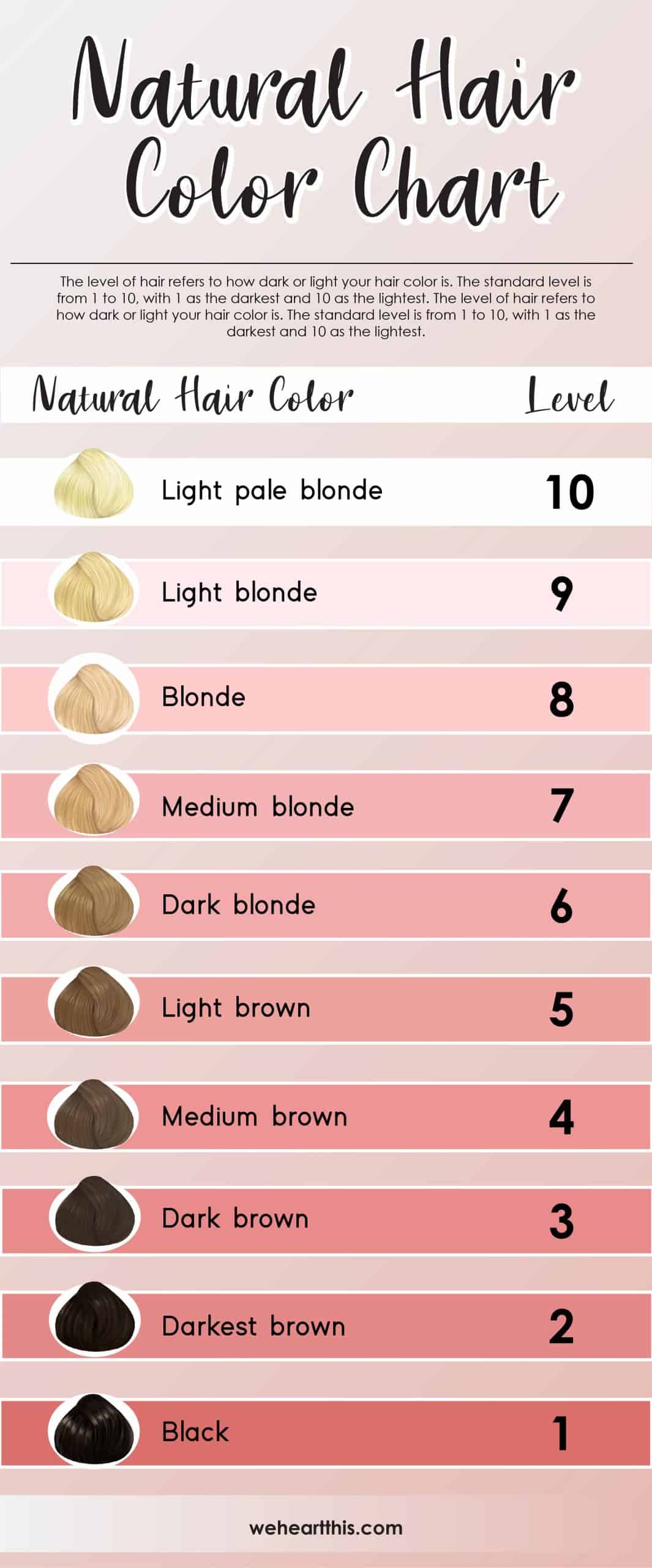
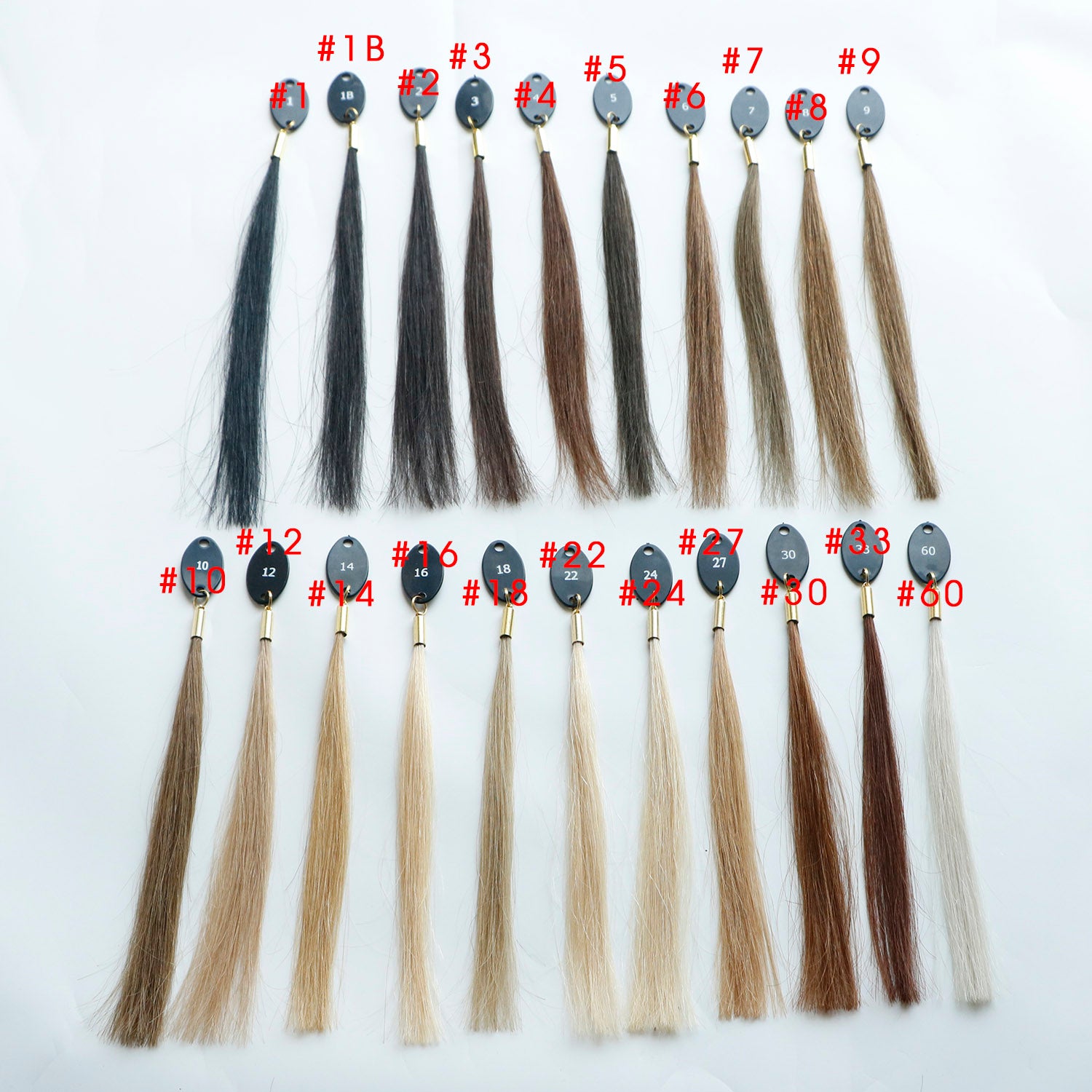
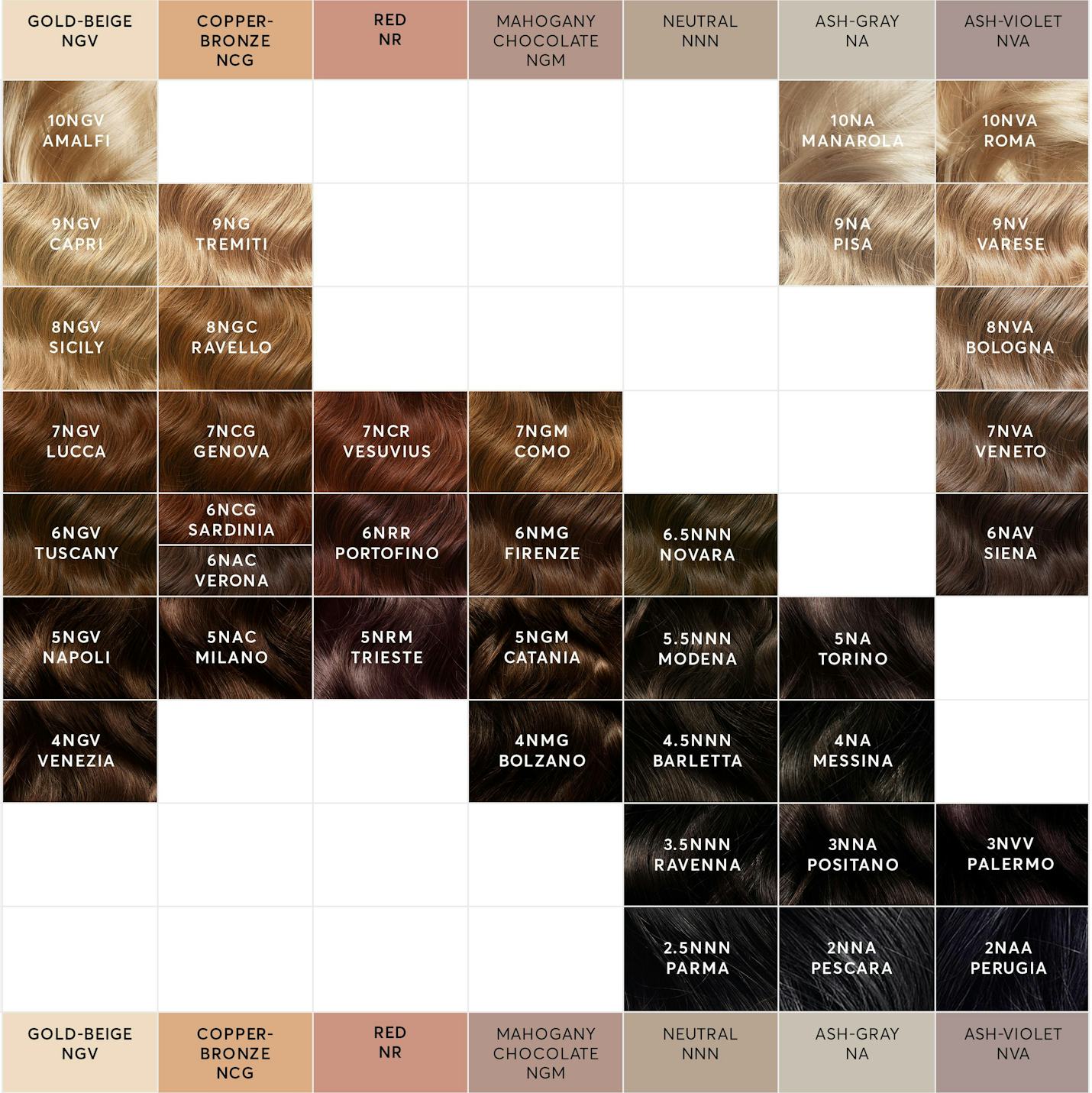
The hair colors chart is a handy reference tool for anyone looking to experiment with hair dye. It's a visual representation of different hair colors, shades, and tones, helping you choose and understand the various options available. This chart is a great starting point for anyone new to hair coloring or those seeking a specific shade.
Key Details and Categories
The hair color guide typically features a range of colors, organized into sections or families. You'll often find categories like "blonde," "brunette," "red," and "black," with further subdivisions for specific shades. Each color is usually represented by a swatch or a small square, showing the exact shade. Additionally, the chart may include a color wheel or a visual representation of color theory, which helps understand the relationships between colors.
Reading and Applying the Chart
To use the hair colors chart, start by identifying the color family you're interested in. Let's say you're looking for a specific shade of brown. Locate the "brunette" section and explore the various shades within. Each shade will have a unique code or number, which represents the specific formulation of that color. These codes are essential when purchasing hair dye, as they ensure you get the exact shade you want.
Here's a step-by-step guide:
- Identify the color family.
- Locate the specific shade you desire.
- Note the corresponding code or number.
- Use this code when purchasing hair dye to ensure an accurate match.
Variations and Differences
It's important to note that hair color charts may vary depending on the brand or manufacturer. Different companies may use slightly different shades or numbering systems. Additionally, the way hair reacts to dye can vary based on individual hair types and previous coloring treatments. Here are some key factors that can cause variations:
- Tone and depth: Hair color can appear different depending on the natural tone and depth of your hair.
- Previous coloring: If your hair has been dyed before, the new color may interact with the existing dye, resulting in a unique outcome.
- Hair type: The porosity and texture of your hair can affect how it absorbs and holds color.
- Environmental factors: Sun exposure and water quality can impact the longevity and vibrancy of your hair color.
When using a hair color chart, it's always a good idea to consult with a professional stylist, especially if you're aiming for a specific look or have unique hair characteristics. They can guide you towards the best shade and provide tips for achieving and maintaining your desired hair color.
Hey there! So, we've covered a lot of ground with this hair color chart, and I hope it's given you a clear picture of what you need to know. Remember, these charts are a great starting point, but exact details can differ slightly, so it's always good to double-check.
Feel free to explore our other guides; we've got plenty of practical tips and tricks to help you navigate the world of hair care and styling. Happy coloring!