



Cat Dental Chart For Kids Overview
The diamond color chart is a handy tool for anyone wanting to understand and evaluate the color of diamonds. This guide will give you a quick overview, covering the basics of reading and using this chart effectively.
It's a simple yet powerful reference, providing a visual scale to grade diamonds, from the rare, colorless gems to the vibrant fancy colors. The chart's format may vary, but it offers a consistent way to assess and compare diamonds, ensuring you can make informed choices.
What is the Diamond Color Chart?
The diamond color chart is a handy tool that helps us understand and categorize the color of diamonds. It provides a standardized way to assess and compare diamonds based on their color intensity and tone. This chart is an essential reference for anyone interested in diamonds, from jewelers to collectors and buyers.
Key Details and Categories
The diamond color chart typically follows a scale that ranges from D to Z. D represents the highest color grade, indicating a colorless diamond, while Z indicates a light yellow or brown hue. This scale is widely recognized and used by industry professionals and grading laboratories. Each letter grade represents a specific range of color, with subtle variations between them.
How to Read and Apply the Chart
Using the diamond color chart is straightforward. Here's a step-by-step guide:
- Identify the diamond's color: Examine the diamond under proper lighting conditions. Look for any visible tints or hues, especially in the face-up position.
- Compare with the chart: Refer to the diamond color chart and match the diamond's color to the closest grade. The chart often provides a range of colors for each grade, so find the best fit.
- Consider the lighting: Lighting can affect the perceived color. Ensure consistent lighting conditions when comparing diamonds or referencing the chart.
- Seek expert advice: If you're unsure, consult a gemologist or jewelry professional. They can provide accurate assessments and guidance.
Variations and Differences
It's important to note that the diamond color chart may vary slightly depending on the grading system used. The most common and widely accepted system is the GIA color grading scale, but other laboratories and regions may have slight variations. These differences are usually minimal and won't impact the overall color assessment.
Common Misperceptions and Mistakes
One common mistake is assuming that a higher color grade always indicates a better diamond. While a colorless diamond (D grade) is often considered ideal, many people find the subtle warmth of lower color grades (e.g., J-K range) more appealing. It's a matter of personal preference, and lower color grades can offer excellent value.
Practical Tips for Accurate Results
- Consistency is key: Ensure you use the same lighting conditions and viewing angle when comparing diamonds or referencing the chart.
- Seek professional guidance: If you're new to diamonds, consult an expert. They can educate you and provide valuable insights.
- Understand your preferences: Consider the intended use and your personal taste. Some diamond shapes and settings can enhance or minimize color.
Double-Checking and Handling Exceptions
While the diamond color chart is a valuable tool, it's not foolproof. Some diamonds may have unique characteristics or treatments that affect their color. In such cases, it's essential to consult a professional gemologist for an accurate assessment. They can identify any treatments, natural color variations, or other factors that might impact the diamond's value and appearance.
Hey there, diamond enthusiasts! We hope this guide has given you a clear understanding of the diamond color chart and its practical uses. Remember, while the basics remain consistent, the exact details can vary slightly, so always double-check the specific standards and sources you're working with.
Don't forget to bookmark this page for future reference. We've got more helpful guides on various topics, so feel free to explore and discover more practical knowledge!
Related: How to Read a Hair Color Chart?
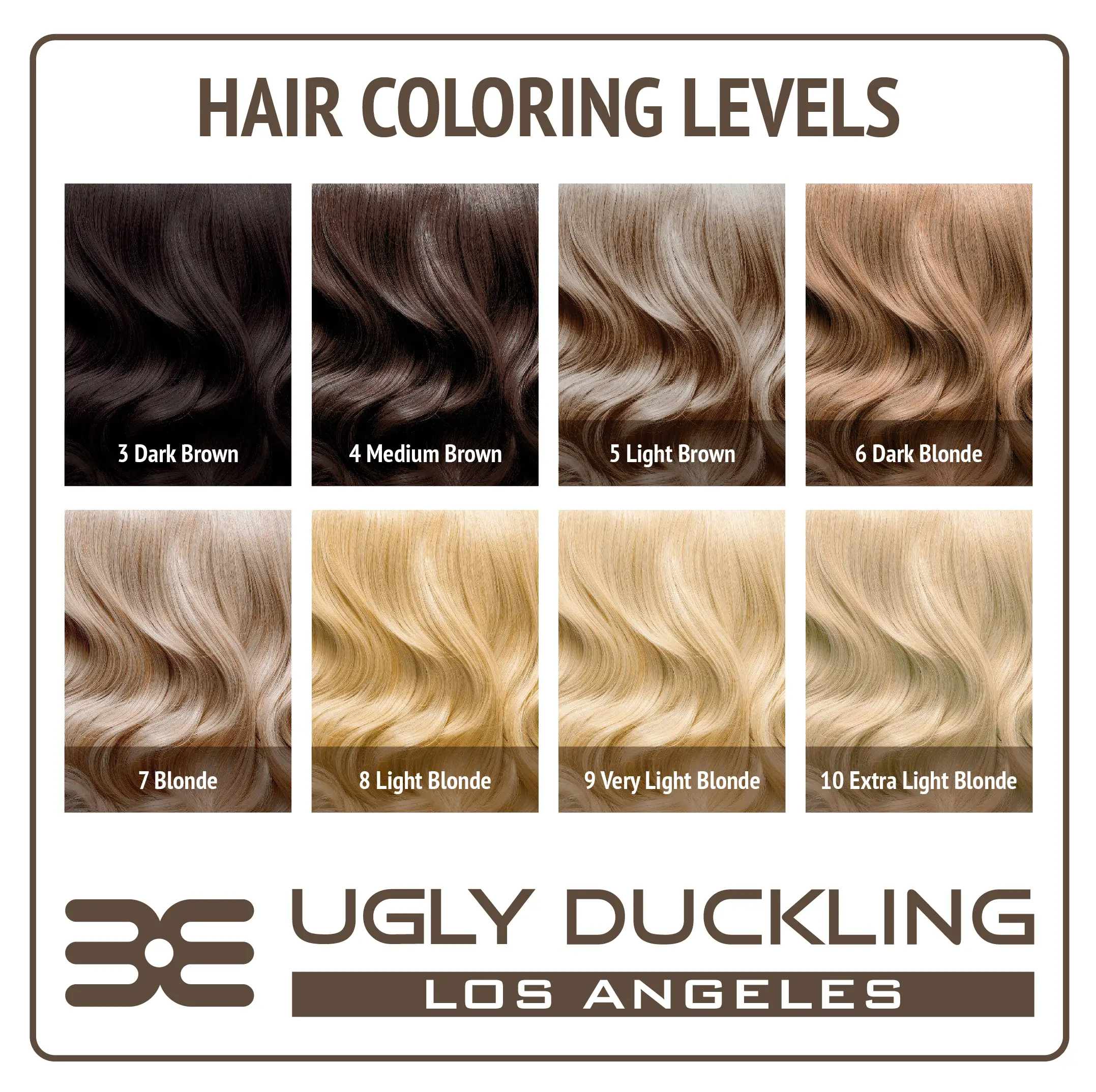
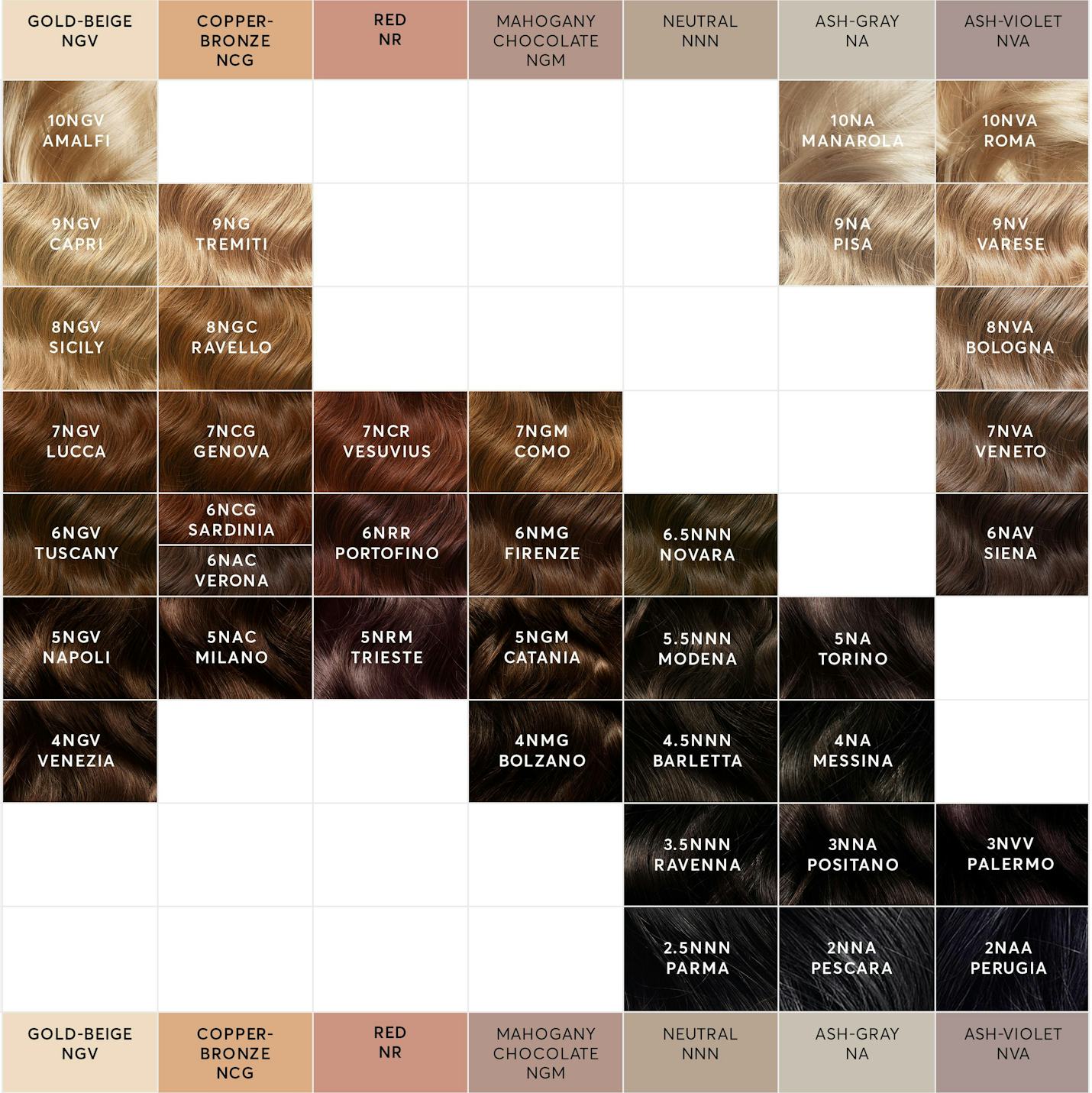
A hair color chart is a valuable tool for anyone seeking to explore the world of hair coloring, offering a visual guide to an array of shades and tones. This simple yet effective reference, often presented as a table or diagram, provides an easy way to navigate and understand the vast options available. In this guide, we'll uncover the key elements of the hair color chart, ensuring you can confidently interpret and utilize it for your hair coloring needs. Whether you're a professional stylist or a home enthusiast, a basic understanding of this chart is essential, as it can vary slightly between brands and regions.
Hair Color Chart: A Visual Guide to Hair Dye
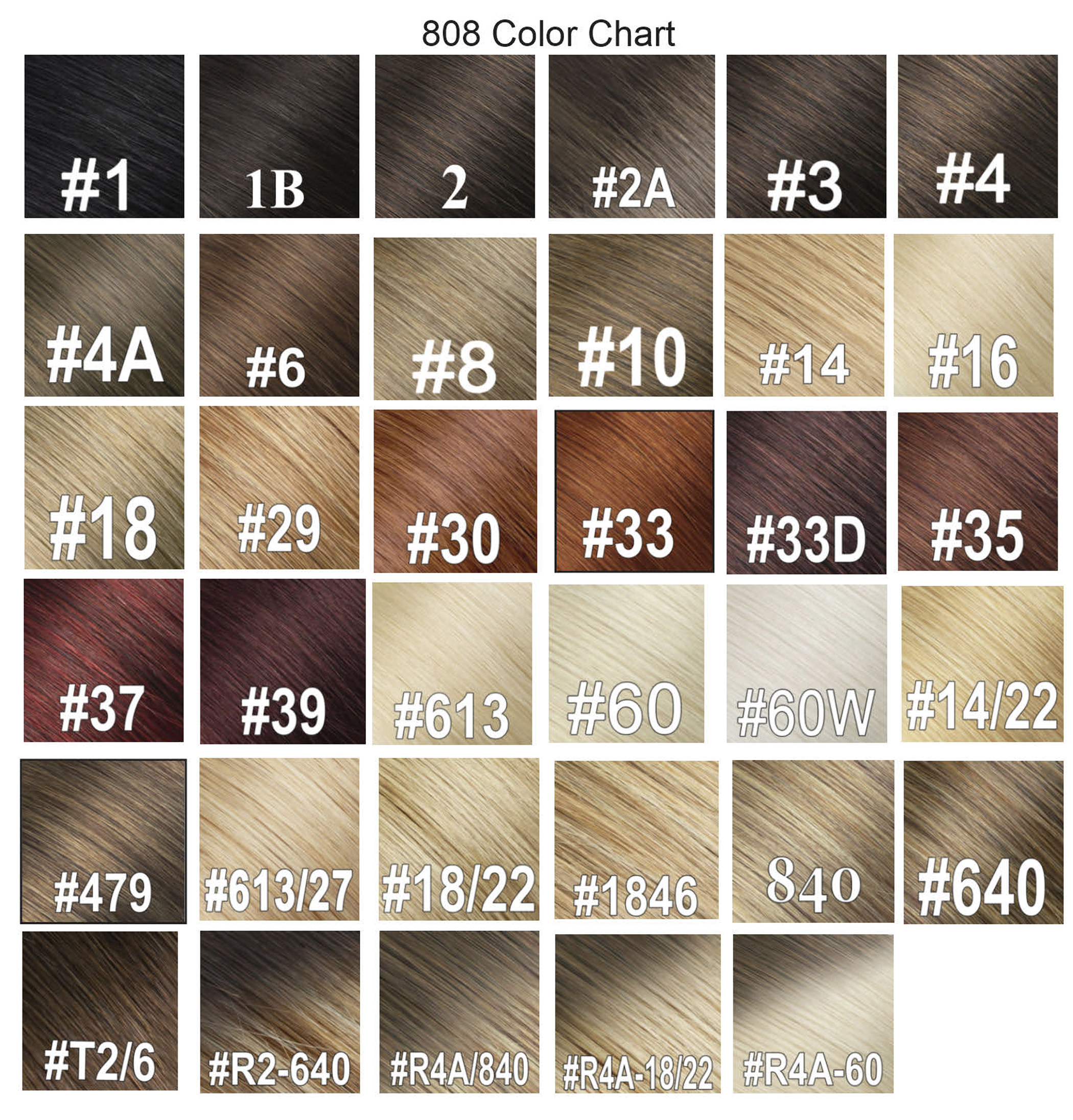
Hair color charts are essential tools for anyone looking to achieve a specific hair color. These charts provide a visual representation of various hair shades, helping individuals choose and understand the desired color outcome.
Key Details and Categories
The hair color chart typically consists of a range of colors, often organized in a grid or palette format. Each color is assigned a unique code or number, indicating its position on the chart. These codes are essential for accurate communication when selecting and purchasing hair dye. The chart may also include additional information, such as tone, level, and intensity, to further describe the color.
Reading and Applying the Chart
To use the hair color chart effectively, follow these steps:
Identify the desired hair color by referring to the chart. Compare the existing hair color to the chart to determine the best match or desired change.
Note the color code or number associated with the chosen shade. This code is crucial for selecting the correct hair dye product.
When purchasing hair dye, check the product label for the color code. Ensure it matches the desired shade to avoid any surprises.
Follow the instructions provided with the hair dye for application. Pay attention to the recommended development time and any specific mixing instructions.
Test the color on a small strand of hair before full application. This step helps ensure the desired result and prevents any unwanted surprises.
Variations and Differences
It's important to note that hair color charts can vary depending on the standard or brand being used. Different manufacturers may have their own unique charts and color codes. Additionally, factors like lighting, hair porosity, and previous hair treatments can influence the final color outcome.
Lighting conditions can affect how the color appears, so consider testing the dye in natural light to get an accurate preview.
Hair porosity, which refers to the hair's ability to absorb moisture, can impact color absorption and intensity.
Previous hair treatments, such as bleaching or using certain shampoos, can also alter the way hair absorbs and displays color.
Common Mistakes and How to Avoid Them
One common mistake is relying solely on the hair color chart without considering individual hair characteristics. Always take into account your hair's natural color, texture, and any previous treatments. Another pitfall is neglecting to test the dye on a small section of hair before full application. This simple step can prevent unwanted color results.
Practical Tips for Accurate Results
To achieve accurate results, consider the following best practices:
Consult with a professional hairdresser or colorist, especially if you're new to hair dye or seeking a dramatic change. They can provide expert advice and ensure a safe, satisfactory outcome.
Understand the hair color levels and their impact on the final result. Levels refer to the lightness or darkness of a hair color, and choosing the right level is crucial for achieving the desired shade.
Be aware of the color wheel and how colors interact. Complementary colors can enhance each other, while contrasting colors may create a unique effect.
When mixing colors, start with a small amount and gradually add more to avoid over-saturation or unwanted results.
Remember, hair color charts are valuable guides, but they are not infallible. Always consider individual hair characteristics and consult professionals when needed.
Remember, while this guide provides a solid foundation, the specifics may differ slightly depending on the context and reference you're working with. It's always a good idea to double-check and adapt to your particular situation.
Feel free to explore our other guides for more practical tips and insights. We've got a range of topics covered, so you can find the information you need to navigate any project with confidence. Happy learning and experimenting!
Related: Find Your Perfect Fit: Brooks Size Chart
The Brooks size chart is a valuable tool for anyone seeking accurate sizing information, offering a simple and effective way to find the right fit. This guide will navigate you through the various charts and sizing guides Brooks provides, ensuring you understand the process and can make an informed choice. Whether you're after a precise shoe size or need to find the perfect bra fit, these charts are designed to simplify the process, and we'll explore how to utilize them effectively.
Understanding the Brooks Size Chart
The Brooks size chart is a valuable tool for anyone looking to find their perfect fit in Brooks footwear and apparel. It provides a comprehensive guide to help you determine your ideal size across various Brooks products, ensuring a comfortable and precise fit. This chart serves as a reference, offering size conversions and measurements to assist you in making informed choices.
Key Details and Categories
The Brooks size chart covers a range of sizes, typically starting from smaller sizes like 5 or 6 and extending up to larger sizes, such as 12 or 13, depending on the product category. It includes both men's and women's sizes, with separate charts for shoes and apparel. The shoe size chart provides measurements in both US and UK sizes, offering a conversion guide for international customers. For apparel, the chart typically uses standard sizing categories like small, medium, and large, with specific measurements for each category.
Step-by-Step Guide: Reading and Applying the Size Chart
To utilize the Brooks size chart, follow these steps:
- Identify the product category you are interested in, whether it's shoes or apparel.
- Locate the corresponding size chart for your gender.
- For shoes, find your US or UK size and refer to the provided measurements. Ensure you measure your foot length accurately, as this is crucial for a precise fit.
- In the case of apparel, identify your size category (e.g., small, medium) and refer to the provided measurements for chest, waist, and hip sizes.
- Compare your measurements with the size chart to determine the best fit. If your measurements fall between sizes, consider opting for the larger size for a more comfortable fit.
- Remember, the Brooks size chart serves as a guide, and individual preferences may vary. It's always a good idea to try on the product to ensure the perfect fit.
Size Variations and Differences
It's important to note that size variations can occur across different Brooks products and even within the same product line. These variations may be due to factors such as the intended use of the product, the materials used, or design differences. For instance, running shoes might have a slightly different fit compared to casual footwear. Additionally, Brooks may offer specialized fits, like wide or narrow options, to cater to individual foot shapes. Always refer to the specific size chart for the product you are interested in to ensure accuracy.
Common Mistakes and How to Avoid Them
When using the Brooks size chart, avoid these common mistakes:
- Relying solely on your usual shoe size without considering the specific fit of Brooks shoes.
- Neglecting to measure your feet accurately, especially if you're between sizes.
- Assuming that all Brooks apparel will fit the same; always refer to the size chart for each product.
- Failing to account for personal preferences; some may prefer a tighter or looser fit, so consider your comfort level.
- Not checking the size chart for any specific fit options, like wide or narrow, that may be available. By being mindful of these potential pitfalls, you can ensure a more accurate and satisfying shopping experience with the Brooks size chart.
Well, there you have it! A simple yet effective guide to understanding Brooks' size chart. Remember, these charts are a great tool, but it's always wise to confirm the specific details for your unique needs.
Don't forget to keep this page handy for future reference. It's a quick and easy way to ensure you're on the right track when it comes to sizing, and it might just save you some time and hassle down the line. Consider it your go-to resource for a smooth and stress-free sizing experience.