



Cat Growth Chart Editable Overview
A common mistake when dealing with socket size charts is assuming they are universal. While these charts are incredibly useful, it's important to understand that they can vary depending on your location and the specific standards you're working with.
So, when you're tackling a project, whether it's a simple home repair or a more complex task, referring to the right socket size chart is key. These charts provide a quick and accurate way to identify the right tool for the job, ensuring you don't end up with a metric socket when you need an imperial one!
Understanding Socket Size Charts
Socket size charts are your practical guides to choosing the right socket for the job. They provide a clear, visual reference for different socket sizes, helping you select the correct tool for your needs.
Key Details and Units
These charts typically display socket sizes in either metric or imperial measurements, depending on the standard being used. The metric system is widely adopted internationally, while the imperial system is more common in certain regions like the United States. The chart will list socket sizes in these units, often in millimeters (mm) or inches (in).
Reading the Chart: A Step-by-Step Guide
- Identify the measurement system: Determine whether your chart uses metric or imperial measurements. This is crucial as it affects the size categories and conversions.
- Locate the size category: Look for the specific size you need. Socket size charts often list sizes in ascending or descending order, making it easy to find the right one.
- Note the dimensions: The chart will provide the inner and outer dimensions of the socket. These are critical for ensuring a proper fit with your fastener or tool.
- Consider the drive size: Socket size charts may also include information about the drive size, which is the size of the square hole in the socket that fits onto a ratchet or breaker bar. Ensure this matches your tool.
Variations and Differences
Socket size charts can vary depending on several factors:
- Measurement System: As mentioned, the metric and imperial systems have different units and size categories.
- Standard Organizations: Different organizations or regions may have their own standards and specifications, leading to variations in socket sizes.
- Manufacturer Preferences: Some manufacturers may use slightly different sizes or designs, especially for specialty sockets.
- Tool Type: Sockets designed for specific tools, like impact wrenches, may have unique dimensions.
Common Mistakes and How to Avoid Them
- Mixing Measurement Systems: Always ensure you're using the correct system (metric or imperial) to avoid mismatched sizes.
- Assuming Standard Sizes: Don't assume all sockets follow the same standard. Double-check the exact specifications, especially for specialty sockets or tools.
- Neglecting Drive Size: The drive size is crucial for a proper fit with your ratchet or bar. Always check this specification.
- Forgetting Tolerances: Sockets have tolerance ranges. Ensure your fastener falls within the socket's tolerance range for a secure fit.
Remember, while socket size charts are invaluable tools, they are just guides. Always refer to the specific tool's or manufacturer's instructions for exact specifications.
Hey there, I hope this socket size chart has been a handy reference for you! Remember, while these charts provide a solid framework, the exact details can vary slightly depending on the specific context or standard you're working with. It's always a good idea to double-check the relevant specs for your project.
Feel free to explore our other guides on similar topics. We've got a whole collection of practical resources to help you tackle various DIY and technical challenges. Happy learning and keep those tools organized!
Related: What is a screw sizes chart?
A screw sizes chart is a handy tool for anyone working with screws and fasteners. It's a simple yet effective way to ensure you're using the right screw for the job. This guide will show you how to navigate and utilize these charts, covering the basics and offering some practical tips.
You'll find these charts provide valuable information, from screw gauge measurements to thread pitch details. They can vary slightly depending on the standard or region, but the key is to understand the format and you'll be able to apply this knowledge to any project.
Understanding Screw Sizes Chart
The screw sizes chart is your practical guide to choosing the right screw for any project. It's a handy reference tool that simplifies the process of selecting screws based on their size and other key characteristics. This chart is a visual representation of screw dimensions, making it easy to identify and compare different screw types.
Key Details and Units
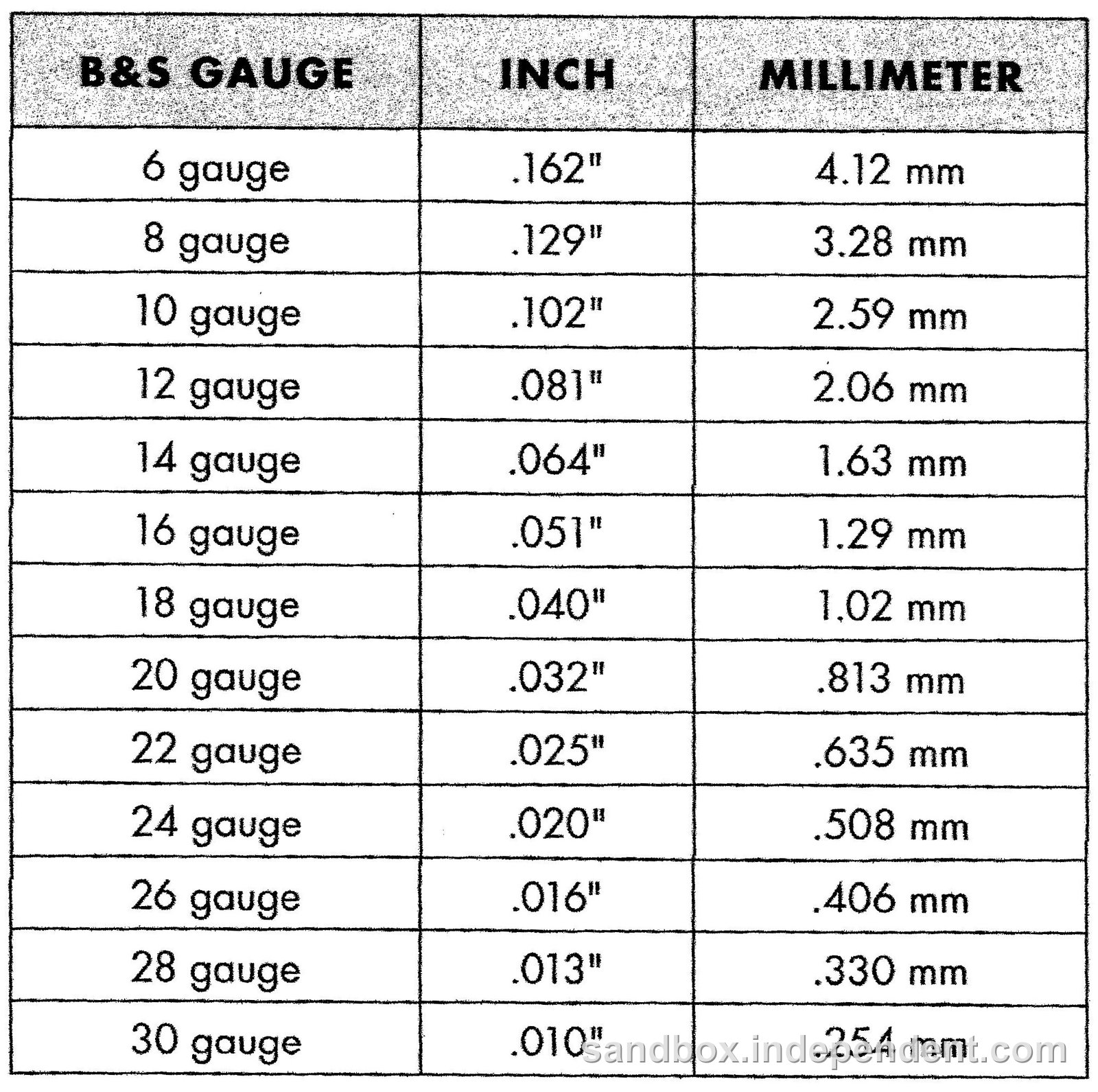
Before diving into the chart, let's understand the basics. Screw sizes are typically described using two main measurements: the diameter and the length. The diameter refers to the width of the screw's thread, while the length is the overall height of the screw from the head to the tip. These measurements are crucial for ensuring a proper fit and function.
Additionally, screws have different thread types, such as coarse or fine threads, which affect their strength and suitability for various materials. The chart will also indicate the thread pitch, which is the distance between threads.
Reading and Applying the Chart
Using the screw sizes chart is straightforward. First, identify the screw's intended use and the material it will be securing. Then, locate the relevant section on the chart that corresponds to your needs.
The chart typically organizes screws by diameter, with each row representing a specific diameter size. Within each row, you'll find columns indicating the length and other relevant details. Simply match the required diameter and length to find the perfect screw for your project.
For example, if you need a screw with a diameter of 6mm and a length of 25mm, locate the 6mm diameter row and scan across to find the 25mm length column. Here, you'll find the recommended screw size, along with any additional information, such as thread type and pitch.
Variations and Differences
It's important to note that screw sizes charts can vary depending on the standard being used. There are different measurement systems, like the metric system and imperial system, which use different units and ranges. Additionally, specific industries or applications may have their own unique standards and tolerances.
For instance, the metric system uses millimeters for screw sizes, while the imperial system uses inches. So, when referring to a screw sizes chart, ensure you are using the correct standard for your region or industry.
Common Mistakes and How to Avoid Them
One common mistake is assuming that all screw charts follow the same format and units. Always double-check the standard being used to avoid confusion and ensure accuracy.
Another pitfall is not considering the thread type and pitch. These factors are crucial for ensuring the screw's compatibility and performance. Always refer to the chart's key for an explanation of thread types and their meanings.
Lastly, remember that screw sizes can vary slightly between manufacturers. While the chart provides a general guide, it's always a good idea to verify the exact specifications with the manufacturer's documentation or consult with a professional for precise recommendations.
Well, there you have it! A handy guide to screw sizes and their charts. Remember, while these charts provide a solid foundation, exact values can differ slightly, so it's always good to double-check.
Don't stop here! Our site offers a range of practical guides to help you tackle various DIY and home improvement projects. Why not explore some more and discover new tips and tricks?
Related: How to Read a Gap Size Chart?
Many people often overlook the importance of a gap size chart, assuming it's just a simple diagram with little practical use. However, this chart is a valuable tool, offering precise guidance that ensures accurate measurements and quality control. It's a quick reference, providing the information needed to understand the gap sizes and their significance in various applications. These charts can vary depending on the industry and standards, but their purpose remains the same: to provide clarity and consistency.
Understanding Gap Size Charts
A gap size chart is a handy reference tool used in various industries, especially manufacturing and engineering. It provides a clear and concise way to understand and communicate the sizes and tolerances of gaps or clearances between two objects or surfaces. This chart is a crucial guide for ensuring precise measurements and maintaining quality standards.
Key Details and Categories
The gap size chart typically includes two main categories: the nominal gap size and the tolerance range. Nominal gap size refers to the intended or designed size of the gap, often expressed in millimeters or inches. This value is the target measurement. The tolerance range, on the other hand, defines the acceptable variation or deviation from the nominal size. It is usually shown as a plus/minus value, indicating the maximum and minimum acceptable limits. For example, a nominal gap size of 5 mm with a tolerance of ±0.2 mm means the actual gap can vary between 4.8 mm and 5.2 mm.
Interpreting the Chart: A Step-by-Step Guide
To use a gap size chart effectively, follow these steps:
Identify the Nominal Size: Locate the nominal gap size you need on the chart. This is usually listed in ascending or descending order, making it easy to find.
Check the Tolerance: Next to the nominal size, you'll find the tolerance range. This range defines the acceptable variation. Ensure the actual gap size falls within this range.
Consider Context: Remember that the chart provides a general guide. In some cases, specific projects or industries may have unique requirements. Always double-check any critical applications or when precise tolerances are essential.
Variations and Differences
While gap size charts provide a standardized reference, variations can occur due to several factors:
Manufacturing Standards: Different industries or regions may follow specific standards, such as ISO or regional guidelines, which can influence the nominal sizes and tolerances.
Application-Specific Needs: Certain applications, like aerospace or medical devices, may require tighter tolerances or unique gap sizes.
Material and Process: The choice of materials and manufacturing processes can impact the achievable tolerances.
Environmental Factors: Operating conditions, such as temperature and pressure, can affect the actual gap size.
It's essential to consider these factors when using a gap size chart to ensure accurate and reliable results. Always refer to relevant standards and guidelines for your specific application.
Well, there you have it! A gap size chart is a handy tool, and now you know how to use it effectively. Remember, these charts provide a great starting point, but it's always wise to check the specific requirements for your project. Exact values might differ slightly across different standards or sources, so a quick double-check never hurts.
Consider this blog post your go-to reference guide. No need to scour the internet every time you need a gap size chart. Just bookmark this page, and you'll have all the info you need at your fingertips!