



Cat In The Hat Color Page Overview
You're here because you need a quick fix, a reliable reference, or a simple guide to help you choose the right rug size. Well, look no further! The rug sizes chart is your friend and a brilliant tool to have on hand. It's a straightforward, visual aid that takes the guesswork out of selecting the perfect rug dimensions.
This chart is a handy reference, offering a clear overview of standard rug sizes and their corresponding measurements. It's a simple yet effective way to ensure your rug fits the space beautifully, and it can even guide you on the best rug size for different room dimensions.
Rug Sizes Chart: A Practical Guide
Rug sizes charts are a handy reference tool for anyone looking to choose the right rug for their space. These charts provide a quick and easy way to visualize standard rug dimensions and help you make an informed decision. In this guide, we'll explore what these charts offer and how to use them effectively.
Key Details and Units
Rug sizes charts typically display a range of standard rug sizes, often in both imperial and metric units. You'll find measurements for length and width, allowing you to understand the dimensions of each rug size. The charts may also include categories or labels to differentiate between common rug types, such as runner rugs or large area rugs. It's important to note that these charts provide a general guide, and specific rug collections or manufacturers may have slight variations.
Reading the Chart and Choosing the Right Size
Using a rug sizes chart is straightforward. Here's a step-by-step guide:
- Identify the room or space where you want to place the rug. Consider the available floor area and any furniture arrangements.
- Refer to the chart and locate the section that matches your room's dimensions. For example, if your room is 12 feet by 10 feet, look for the corresponding size category.
- Within that category, you'll find various rug sizes. Choose a size that best fits your space, considering the amount of floor coverage you prefer.
- Take note of the rug's length and width measurements. These will help you visualize how the rug will look in your room.
- If you're purchasing online, ensure the rug's dimensions align with your chosen size. Some retailers may have slight variations, so double-check the exact measurements before ordering.
Variations and Differences
While rug sizes charts provide a standardized guide, variations can occur due to different standards and contexts. For instance, international or metric standards may have slightly different measurements compared to imperial units commonly used in certain regions. Additionally, manufacturers might offer custom sizes or have unique naming conventions for their rug collections. It's always a good idea to check the specific rug's measurements and any unique specifications provided by the manufacturer or retailer.
Common Mistakes and How to Avoid Them
When using a rug sizes chart, here are some common pitfalls to watch out for:
- Relying solely on the chart without considering your room's unique layout and furniture placement. Take the time to visualize how the rug will fit within your space.
- Assuming all rugs in a particular size category are identical. Different rug designs and materials may have slight variations in dimensions, so always check the specific rug's measurements.
- Forgetting to account for rug thickness. Thicker rugs may require slightly more floor space to accommodate their bulk.
- Neglecting to measure your room accurately. Take precise measurements to ensure the rug fits as intended.
By being mindful of these potential mistakes, you can ensure a successful rug selection process and achieve the perfect rug placement in your space.
Remember, when it comes to rug sizes, the exact measurements might differ slightly based on various factors. So, always double-check the specific standards or guidelines relevant to your project.
We hope this guide has been helpful! If you're keen to explore more practical tips and tricks, feel free to check out our other guides on a range of home improvement and design topics. Happy decorating!
Related: Where's the Best Seat at the Cubs Game?
You're here because you need a straightforward answer, and the Cubs seating chart is a handy tool to have at your disposal. It's a simple yet effective visual guide, offering a clear layout of the stadium and its seats. This chart, whether it's for Wrigley Field or any other Cubs stadium, provides an essential reference for fans, offering a quick way to locate and understand their seats and the overall layout.
Understanding the Cubs Seating Chart
The Cubs seating chart is a visual guide that provides an overview of the seating arrangement at Wrigley Field, the home of the Chicago Cubs. This chart is an essential tool for fans and visitors, offering a clear and organized representation of the stadium's seating sections, rows, and seat numbers. By understanding the chart, you can easily navigate and choose your preferred seating location for an enjoyable game experience.
Comparing Seating Options and Standards
The Cubs seating chart typically follows a standardized format, ensuring consistency and ease of use. It categorizes seats into different sections, with each section further divided into rows and individual seats. The chart provides a visual representation of these categories, making it simple to identify and select your desired seats. The standard dimensions of each seat are usually included, ensuring a comfortable and uniform experience across the stadium.
Step-by-Step Guide to Using the Seating Chart
Using the Cubs seating chart is straightforward and can be done in a few simple steps:
- Familiarize yourself with the chart's layout. Identify the different sections, rows, and seat numbers.
- Determine your preferred seating area based on your budget, viewing preferences, and any specific requirements you may have.
- Check the seat dimensions and ensure they align with your comfort expectations.
- Choose your desired section and row, considering factors like proximity to the field, shade, or any other personal preferences.
- Confirm the seat numbers within your chosen row to ensure an uninterrupted view and a comfortable experience.
Avoiding Common Misreadings and Pitfalls
While the Cubs seating chart is designed for clarity, some common misreadings can occur. To avoid these pitfalls, keep the following in mind:
- Ensure you are referring to the correct chart for the specific game or event. Charts may vary slightly depending on the setup and seating arrangements for different occasions.
- Pay attention to the scale and dimensions provided. Misinterpreting these can lead to an inaccurate understanding of the seating layout.
- Be aware of any seat variations or exceptions, especially in premium or unique seating areas. These may have different configurations or seat numbers, so double-check the exact specifications.
Factors Affecting Accuracy and Real-World Use
Several factors can influence the accuracy and practicality of the Cubs seating chart:
- Weather conditions and natural elements can impact the viewing experience. Consider the sun's position and potential shade areas when choosing your seats.
- The stadium's design and architecture may create unique viewing angles or obstructions. Refer to detailed section views or row numbers to ensure an unobstructed view.
- Crowd size and the location of other fans can affect your overall experience. Opt for seats with a good balance of proximity to the action and personal space.
- Special events or promotions may alter the standard seating arrangements, so always check the latest chart for any updates.
Choosing the Right Seating Chart Format
The Cubs seating chart is available in various formats to cater to different needs and preferences:
- Standard printouts: These provide a clear and detailed view of the seating layout, suitable for most fans.
- Digital versions: Online charts offer interactive features, allowing you to zoom in and explore specific sections.
- Mobile-friendly charts: Designed for easy access on smartphones, these charts provide a convenient option for on-the-go planning.
- Section-specific charts: For a more detailed view, consider charts focused on individual sections, offering precise seat views and dimensions.
Keeping Your Reference Reliable for Future Use
To ensure the reliability and accuracy of your Cubs seating chart for future games or events:
- Regularly check for updates and new versions, especially if there are significant changes to the stadium layout or seating arrangements.
- Save or bookmark the latest digital charts for easy access and reference.
- If using a physical chart, consider laminating it to protect it from wear and tear, ensuring it remains legible and usable for multiple games.
- Share your feedback and experiences with the chart's providers, helping them improve and refine the seating chart for future seasons.
Well, that's a wrap on our exploration of the Cubs seating chart and its many practical applications. We've covered a lot of ground, from understanding the different options to ensuring accuracy and adapting the chart to your unique needs.
Remember, while this guide provides a solid foundation, it's always wise to double-check the specifics for your particular situation. Exact values and standards may vary, so a quick review ensures you're on the right track. Consider bookmarking this page for future reference; it's a handy tool to have at your fingertips when you need a quick reminder or a refresh on the process. Happy organizing!
Related: Cat Poop Chart: Your Quick Reference Guide
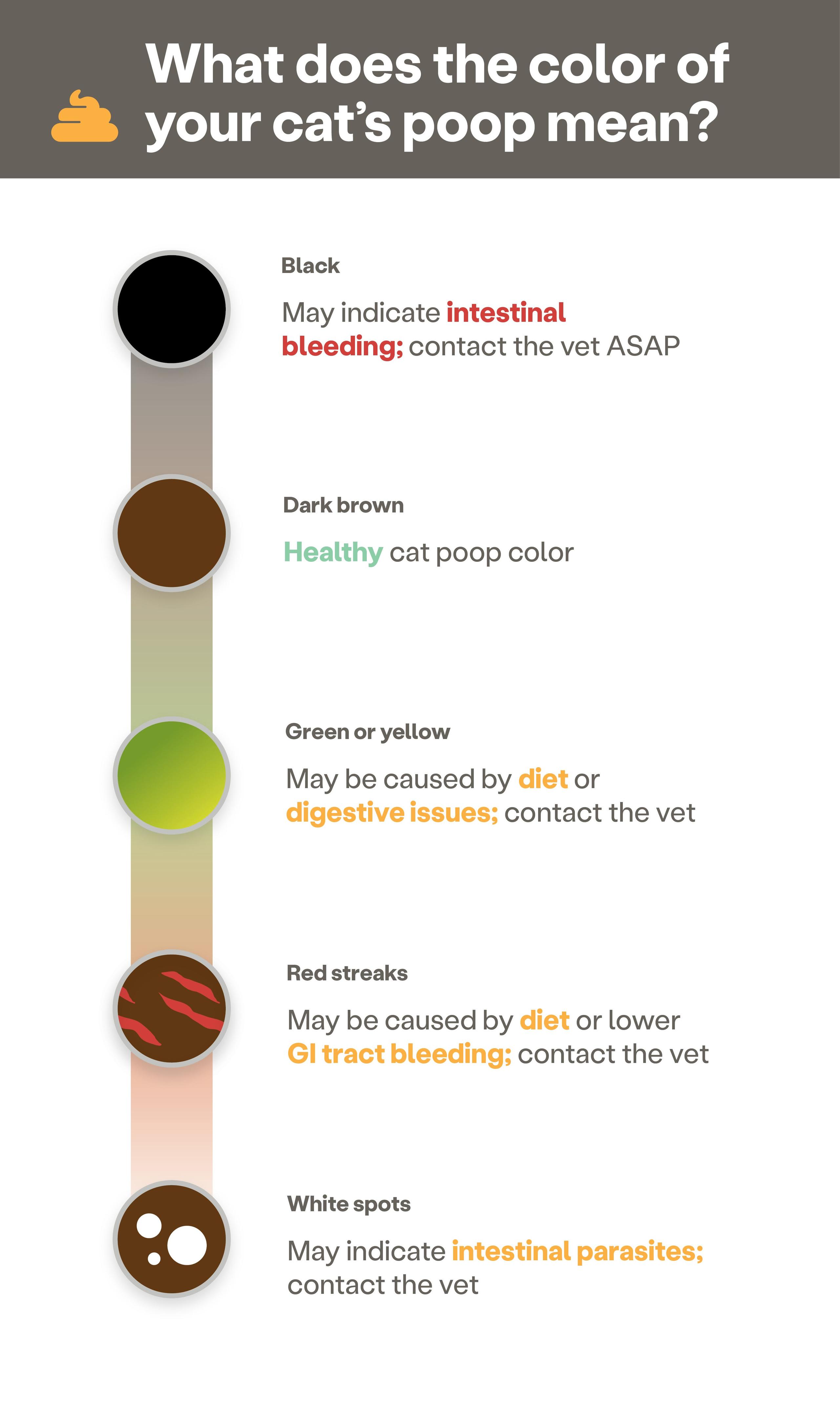
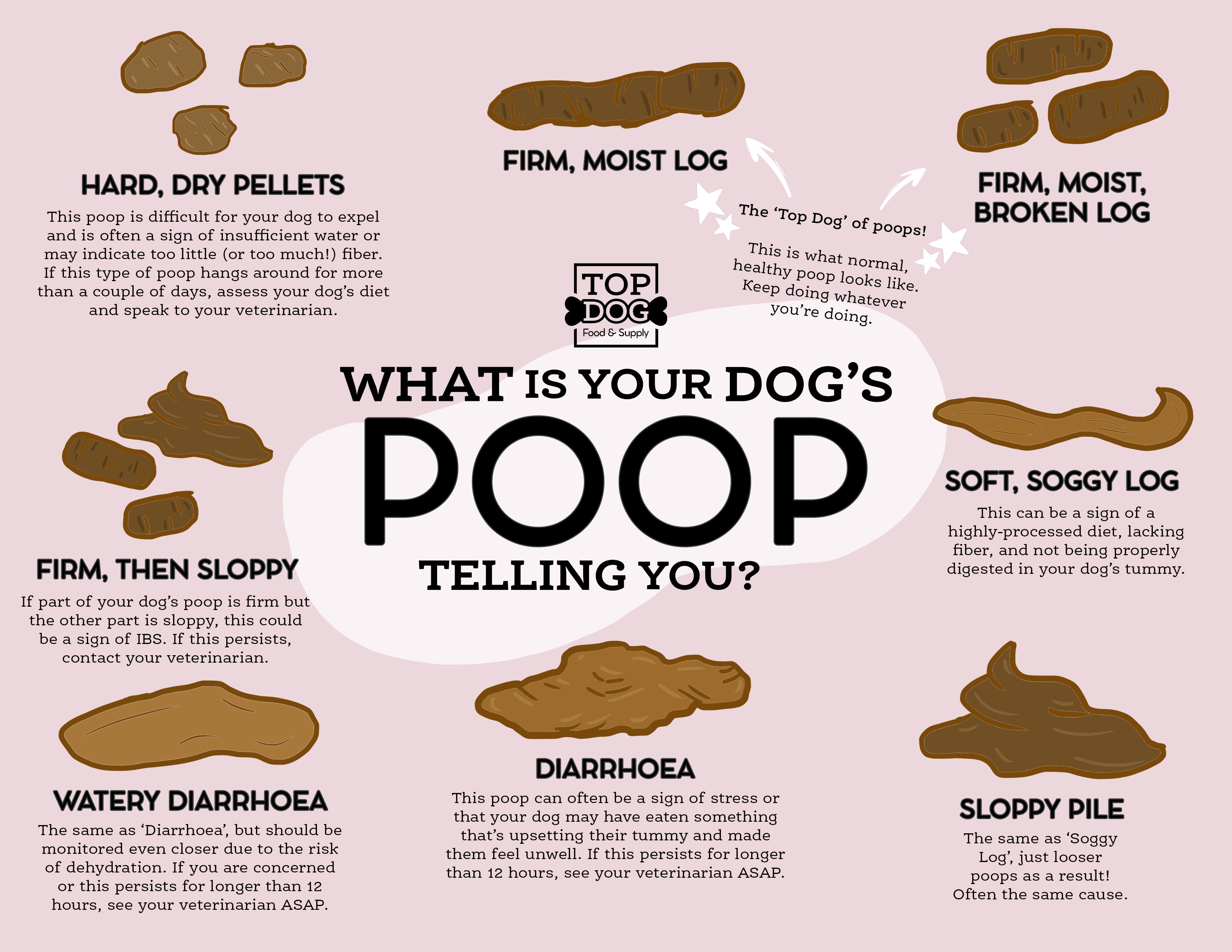
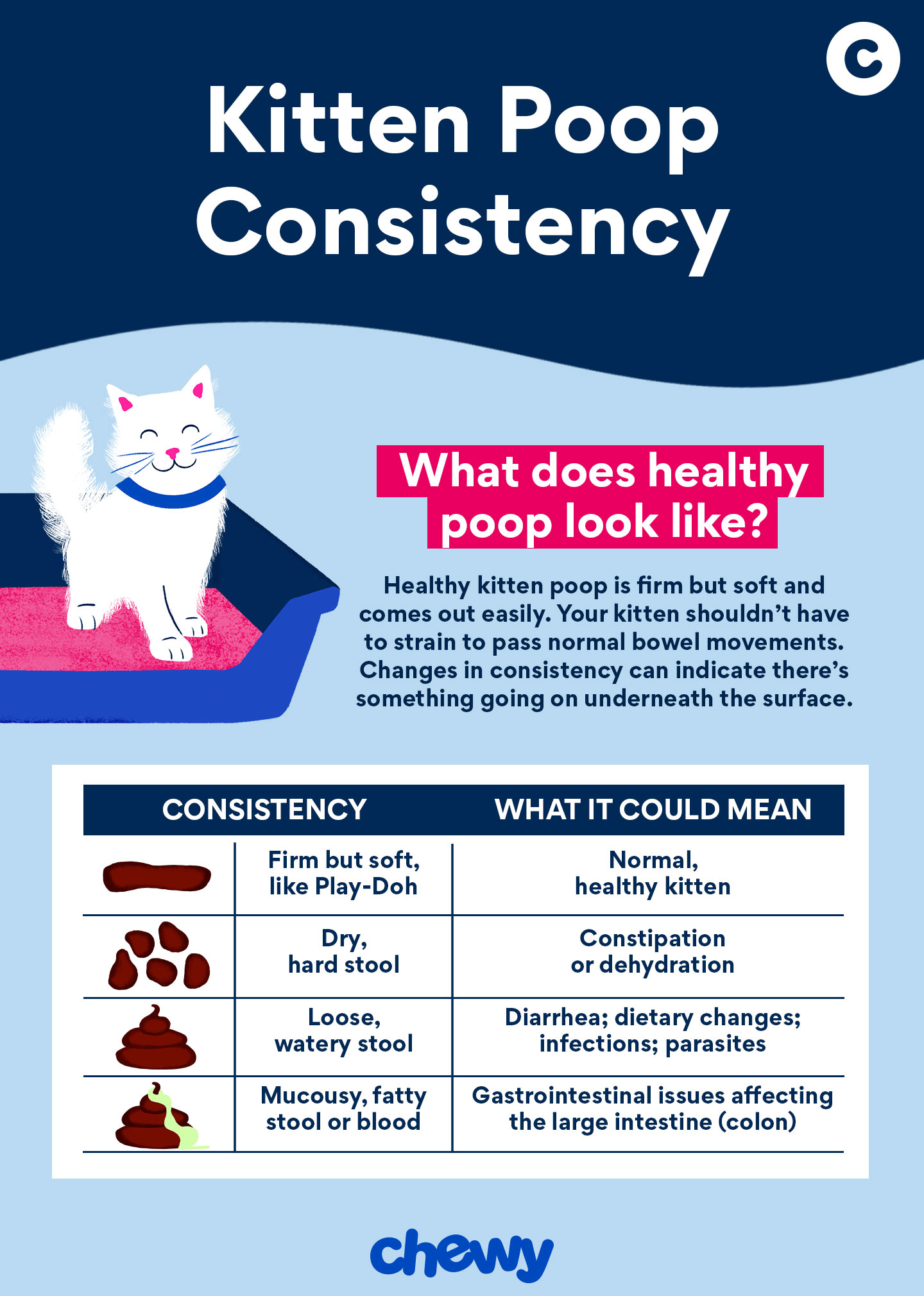
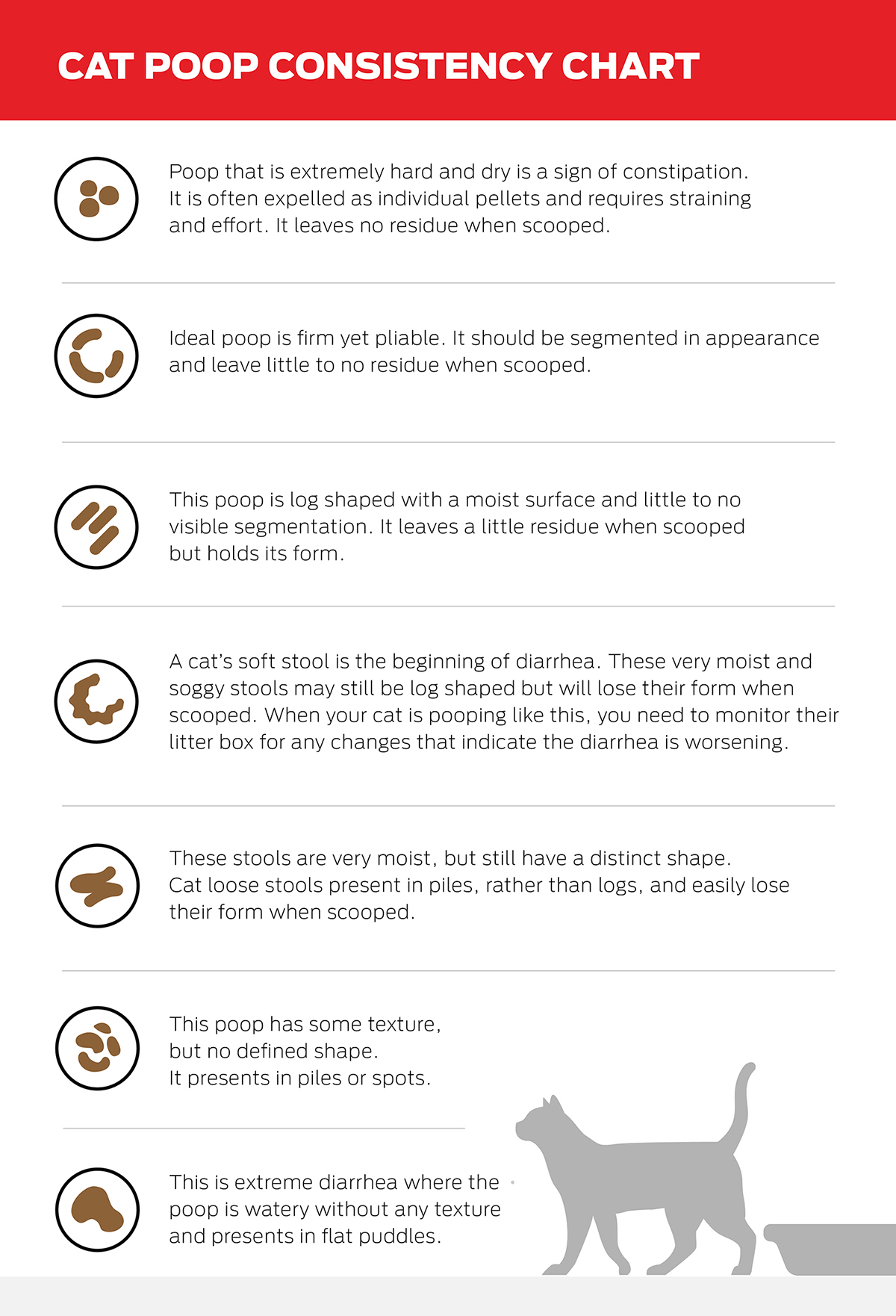
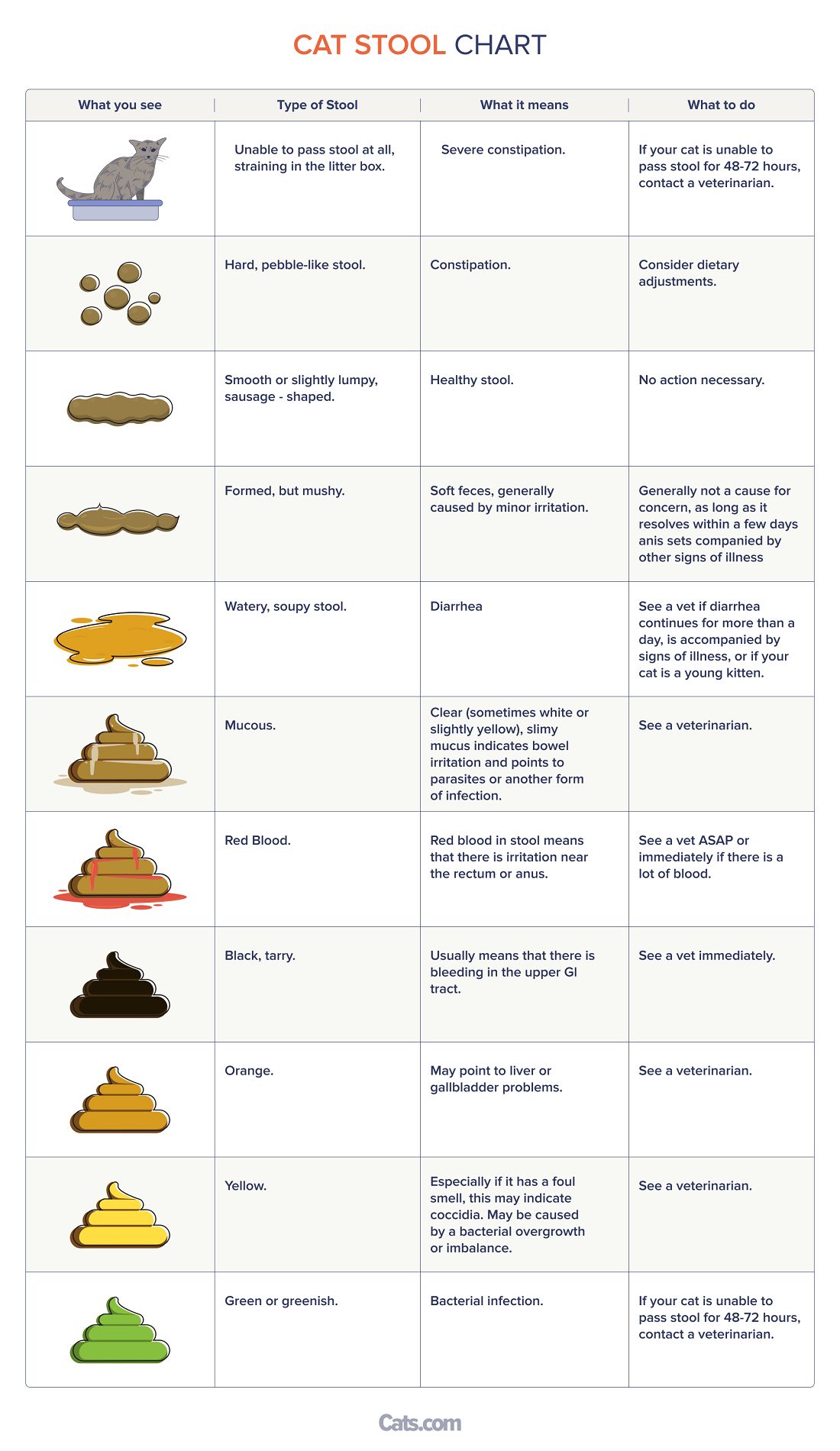
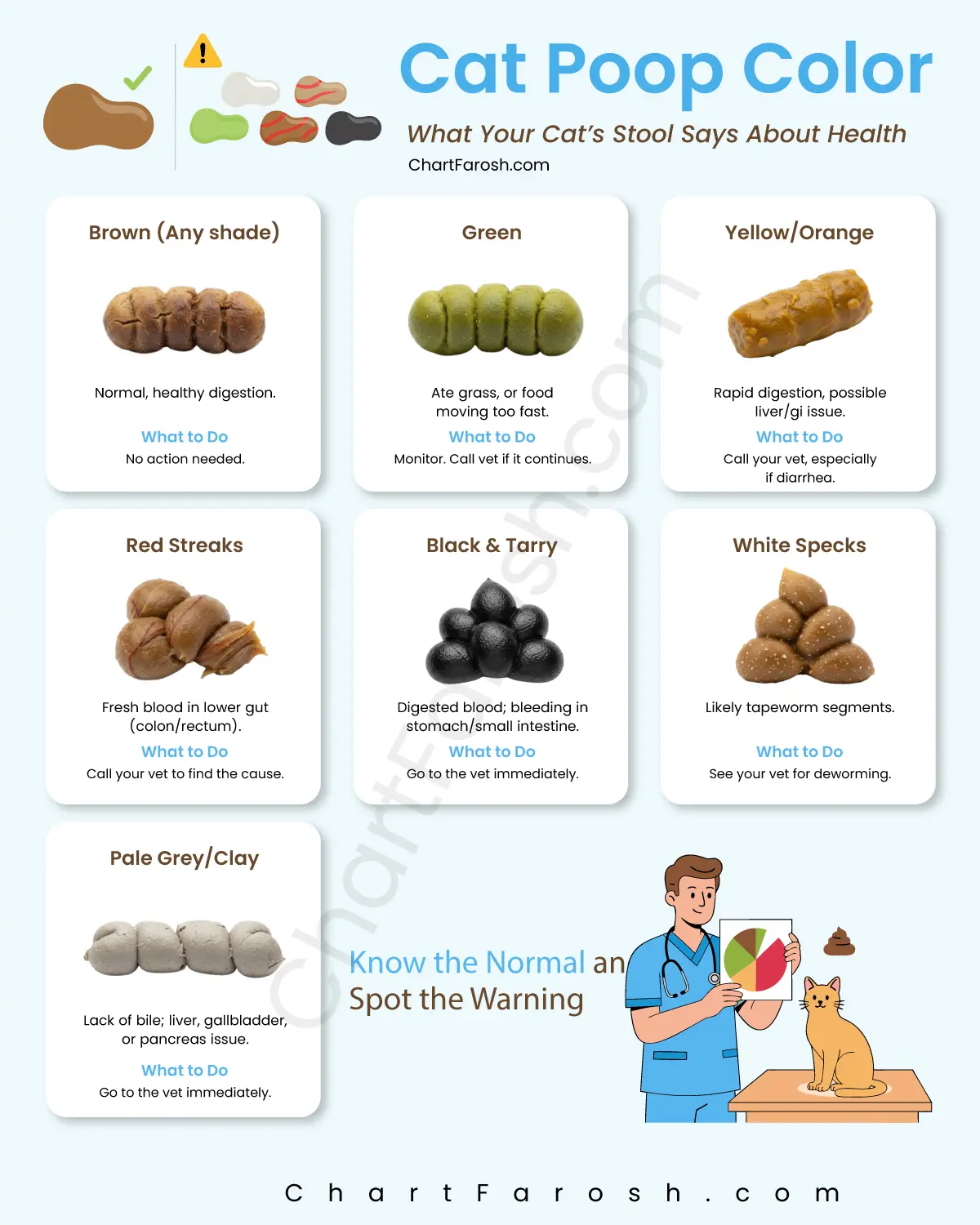
You're likely here because you've heard of the cat poop chart and are curious about what it entails. Perhaps you're a pet owner seeking a quick reference guide to understand your cat's health or maybe you're a veterinary professional looking for a reliable tool. This chart, also known as the feline stool scoring system, offers a simple yet effective way to monitor a cat's well-being. It provides a visual representation, often with a color-coded guide, to assess the consistency and color of cat feces, which can indicate potential health issues. While the specific values and formats may vary, the cat poop chart serves as a valuable resource for anyone seeking a straightforward method to keep an eye on their cat's health.
Understanding the Cat Poop Chart: A Practical Guide
The cat poop chart, also known as the feline stool scoring system, is a valuable tool for cat owners and veterinary professionals. It provides a visual guide to assess the consistency and overall appearance of cat feces, offering insights into a cat's digestive health. This chart is an essential reference for monitoring and maintaining your feline friend's well-being.
Comparing Chart Formats and Standards
There are several versions of the cat poop chart available, each with its own set of categories and standards. The most common formats include a 7-point scale and a 5-point scale. The 7-point scale provides a more detailed assessment, covering a broader range of stool consistencies, from very firm to liquid diarrhea. The 5-point scale is a simplified version, focusing on the key variations in stool appearance. Both formats are widely used and offer accurate assessments when applied correctly.
Step-by-Step Guide to Using the Chart
Using the cat poop chart is a straightforward process:
- Collect a fresh sample of your cat's feces. Ensure it is intact and not contaminated.
- Refer to the chart and identify the closest match to the sample's consistency and appearance.
- Note the corresponding score or category on the chart.
- Interpret the score: a lower score indicates healthier, well-formed stools, while higher scores may suggest digestive issues.
- Repeat this process regularly to monitor any changes over time.
Avoiding Misinterpretations and Pitfalls
While the cat poop chart is a reliable tool, misinterpretations can occur. Here are some common mistakes to avoid:
- Relying solely on color: The chart considers overall consistency and texture, so focus on these aspects rather than just color.
- Ignoring other symptoms: Changes in stool consistency may indicate an underlying issue. Observe your cat for any other signs of illness or discomfort.
- Overinterpreting: Remember, the chart is a guide. If you have concerns, consult a veterinarian for a professional assessment.
Key Factors Affecting Accuracy
Several factors can influence the accuracy of your assessment using the cat poop chart:
- Diet: Changes in your cat's diet can impact stool consistency. Ensure a consistent, high-quality diet to maintain stable results.
- Hydration: Adequate water intake is crucial. Dehydration can lead to firmer stools, so monitor your cat's water consumption.
- Stress and Environment: Stressful situations or changes in the cat's environment can affect digestion. Consider these factors when interpreting the chart.
- Medication: Certain medications may impact stool consistency. Be aware of any recent changes in your cat's medication.
Adapting the Chart for Specific Needs
The cat poop chart can be tailored to specific situations or individual cats. If your cat has unique dietary needs or medical conditions, you may need to adjust the chart's categories or scores. Consult with your veterinarian to determine the most suitable format and interpretation for your cat's specific health needs.
Maintaining Reliable Reference
To ensure the cat poop chart remains a reliable tool, consider the following:
- Regular Updates: Stay informed about any updates or revisions to the chart's standards. Veterinary organizations may release new versions, so keep your reference materials current.
- Consistent Observation: Observe your cat's stool regularly and note any significant changes. This helps you identify trends and potential issues early on.
- Professional Guidance: If you notice persistent changes or have concerns, seek advice from a veterinarian. They can provide expert interpretation and guidance.
By following these practical tips and understanding the key factors, you can effectively utilize the cat poop chart to monitor your cat's digestive health and ensure their overall well-being.
While the cat poop chart offers a valuable and practical tool, it's important to remember that variations can occur. Exact details may differ slightly based on the context and specific guidelines you follow. So, it's always a good idea to refer to reliable sources and adapt the chart to suit your needs.
Feel free to explore other guides and resources on our platform to uncover more helpful insights and practical tools. We've got a range of topics covered, so you can find the information you need with ease.