





Cbt Mapping Worksheets Overview
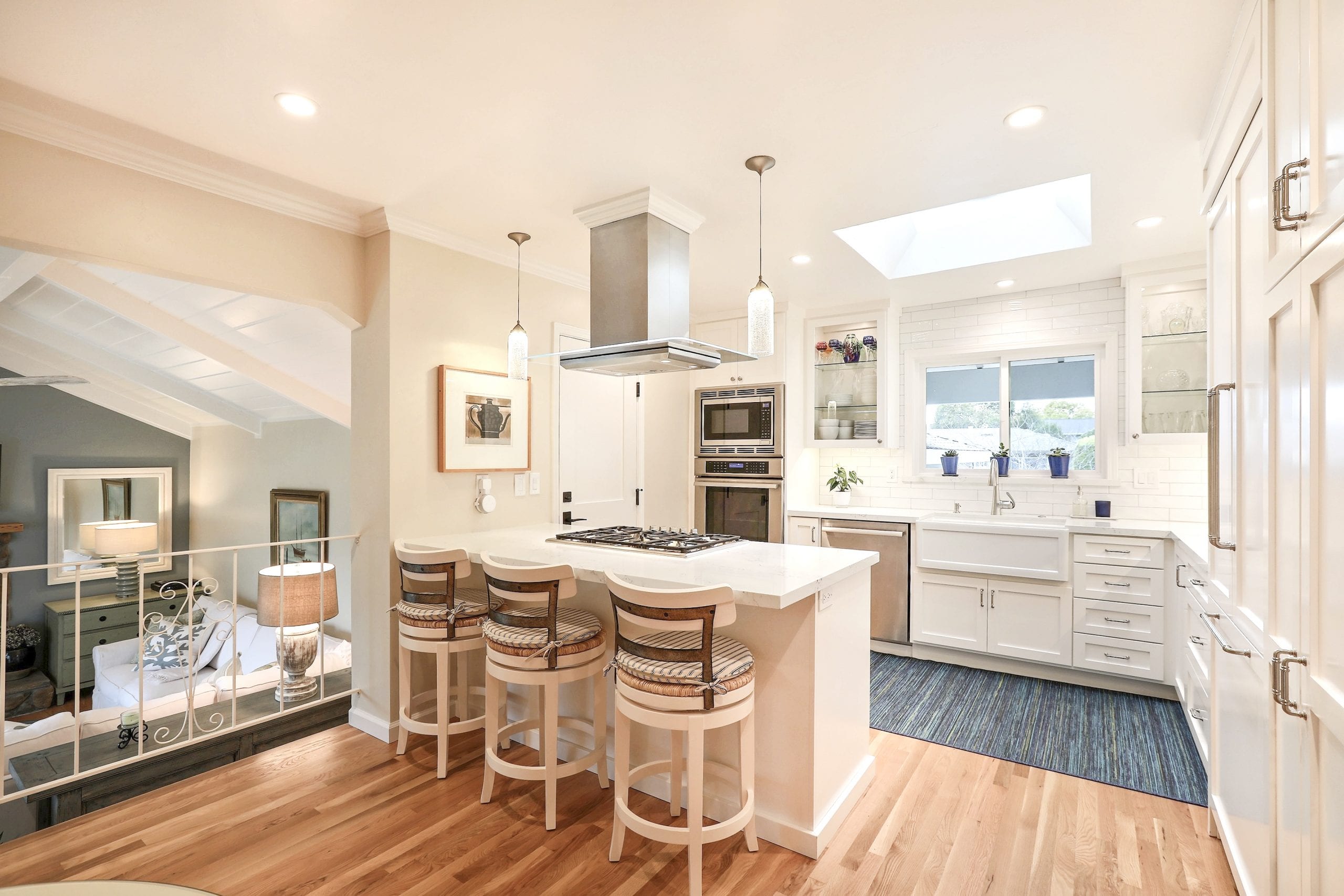
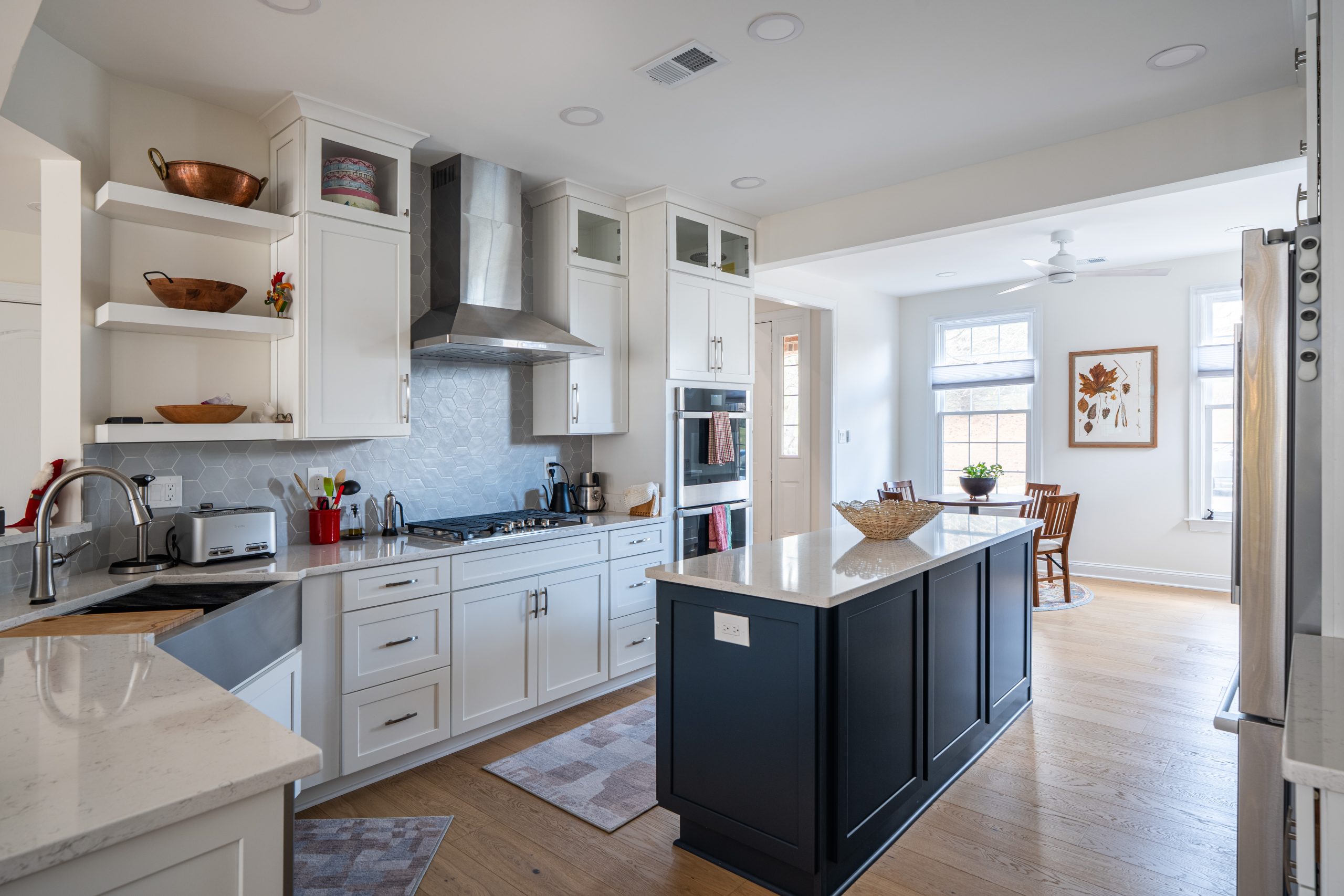
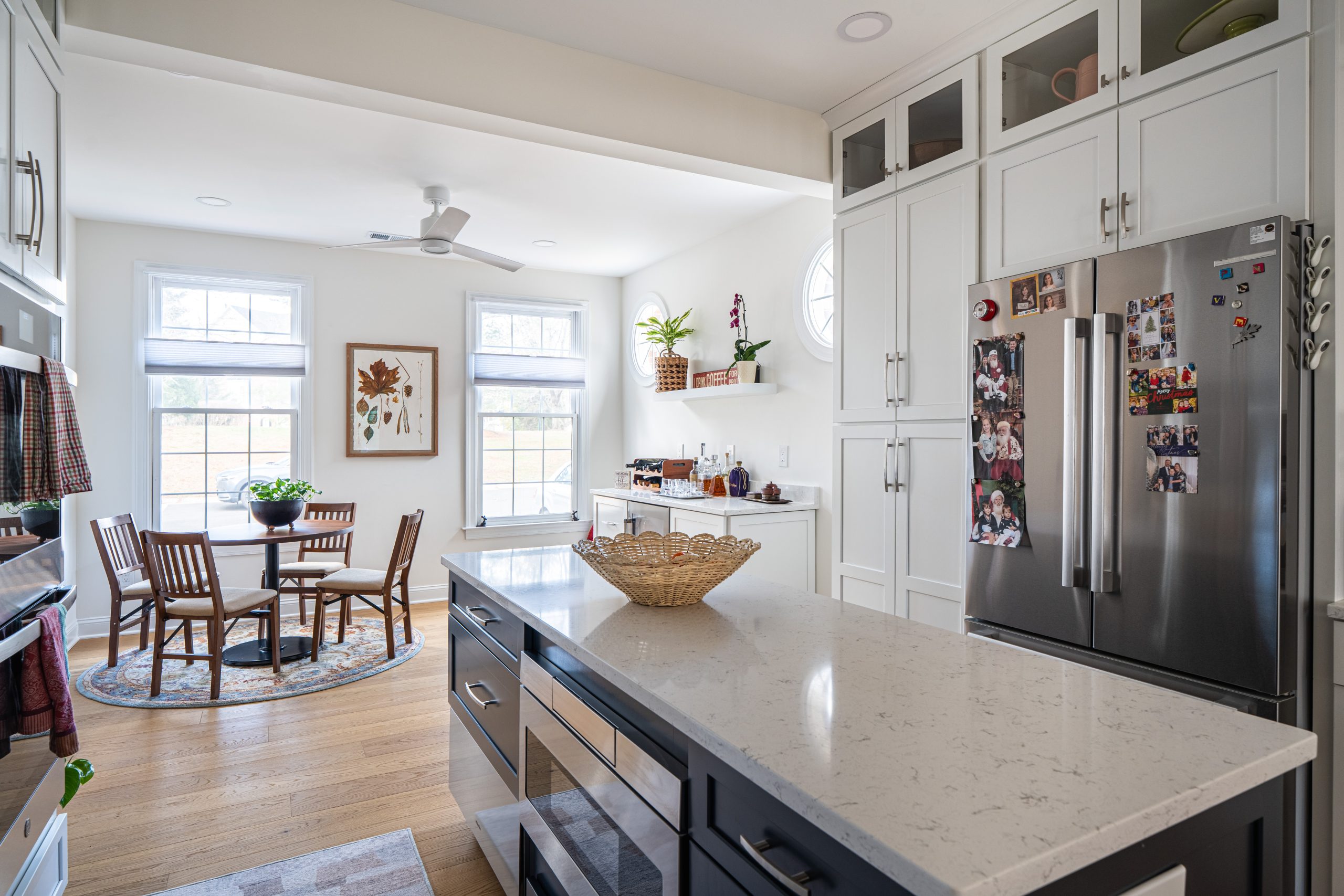
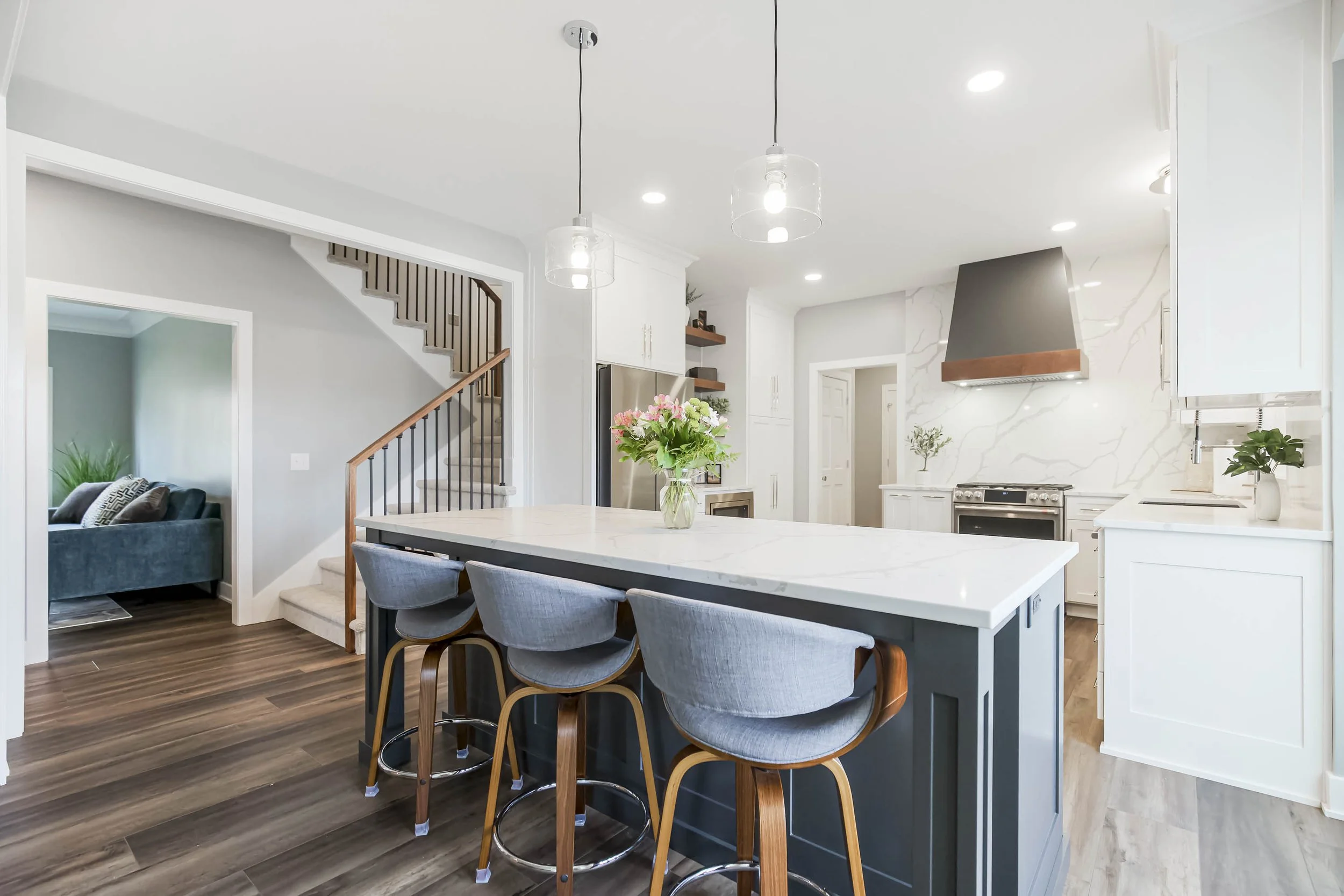
I've got a whole house to remodel. From top to bottom, I want to give it a fresh look and feel. Whole home remodeling is a big project, but I'm ready to dive in and make it happen.
What's Involved in a Whole Home Remodel?
Whole home remodeling is a comprehensive process, transforming your entire living space. It's more than just a room refresh; it's about updating and modernizing your entire home. This could mean new kitchens and bathrooms, updated flooring, fresh paint, and even structural changes to create an open-plan layout. It's a chance to personalize your space and make it truly yours.
When you embark on a whole home remodel, you're likely to encounter various professionals. From general contractors who oversee the project to specialized tradespeople like plumbers, electricians, and carpenters, there's a whole team involved. They'll work together to bring your vision to life, ensuring everything is up to code and meets your expectations.
Finding the Right Contractor
Hiring the right contractor is crucial for a successful whole home remodeling project. You want someone reliable, experienced, and with a good reputation. Check their references and previous work. Ask about their process, timeline, and how they handle unexpected issues. A good contractor will provide a detailed quote, outlining the scope of work and any potential additional costs.
Get multiple quotes to compare. While price is important, it's not the only factor. Consider their expertise, communication style, and how well they understand your vision. Remember, a whole home remodel is a significant investment, so take your time to find the right fit.
Construction Company Names
Choosing a name for your construction business is an important step. It should be memorable, reflect your services, and stand out. Some unique and catchy names could be:
- BuildPro
- HomeCrafters
- Constructive Creations
- Renova
- BuildSmart
- HouseWorks
Before settling on a name, check its availability for registration and domain purchase. You want to ensure your business name is unique and can be easily found online.
Jobs in the Industry
The construction and remodeling industry offers a range of roles. From project managers who oversee the entire process to estimators who calculate costs, there are various specialized positions. Tradespeople like carpenters, plumbers, and electricians are also in high demand.
If you're looking for a career in this field, consider your skills and interests. Many professionals start as apprentices, learning on the job, while others pursue formal education or training programs. The industry offers great opportunities for growth and specialization.
Industry Tools and Data
Tools like RSMeans provide valuable data for construction professionals. They offer cost databases and escalation tools, helping contractors and estimators accurately price projects. These resources are essential for creating detailed quotes and managing costs throughout a project.
While the data is useful, it's important to remember that costs can vary. Factors like location, materials, and labor rates can impact the final price. Always get multiple quotes and compare them to ensure you're getting a fair deal.
Large vs. Small Companies
The construction industry has a mix of large and small companies. Larger firms often have more resources and can take on bigger projects. They may have specialized departments and a broader range of services. However, smaller companies can offer personalized attention and a more tailored approach.
When choosing, consider the size and scope of your project. Larger companies might be better equipped for extensive renovations, while smaller firms can provide a more intimate and focused service.
Final Thoughts
Whole home remodeling is an exciting journey, transforming your space into a home that reflects your style and needs. It's a significant undertaking, but with the right team and a well-planned approach, you can achieve amazing results. Remember, it's all about finding the right fit for your vision and budget. So, take your time, do your research, and enjoy the process!
Related: Uncover the Secrets of Wells Tide Chart
Many people often overlook the importance of a wells tide chart, assuming it's just a simple diagram. However, it's a powerful tool with a specific purpose. The tide chart provides essential information for anyone near the Port of Wells, offering a quick glimpse at tide times, heights, and water levels. It's a handy reference, ensuring you're prepared and aware of the tidal range.
Understanding the Wells Tide Chart
The wells tide chart is your go-to guide for predicting water levels at the Port of Wells. It's a simple yet powerful tool that provides essential information for various activities, from boating to fishing and even beach walks. This chart displays the predicted tide heights and times for a specific location, helping you plan your day accordingly.
Key Details and Categories
Before diving into the chart, it's important to know a few basics. The wells tide chart typically shows two main categories: tide heights and times. Heights are represented in feet and indicate how high or low the water level will be at a given time. Times are shown in a 24-hour clock format, so you can easily plan your activities. The chart also includes a legend or key, which explains any symbols or colors used to differentiate between high and low tides.
Reading the Graph: A Step-by-Step Guide
Here's a simple guide on how to read and interpret the wells tide chart:
- Locate the date and time you're interested in. This is usually shown along the bottom or side of the chart.
- Find the corresponding tide height for that time. The height is typically indicated by a line or bar, with the value shown next to it.
- Understand the tide type. High tides are often represented by a solid line or bar, while low tides may be dashed or have a different color.
- Plan your activities accordingly. If you're boating, consider the tide height and its impact on water depth. For beach activities, knowing the tide times can ensure you have enough space to enjoy the shore.
Common Fluctuations and Variations
While the wells tide chart provides accurate predictions, it's important to note that tide heights and times can vary due to several factors:
- Weather conditions: Storms or strong winds can influence water levels and cause unexpected fluctuations.
- Moon phases: The gravitational pull of the moon affects tides, so full or new moon phases may result in higher or lower tides than predicted.
- Seasonal changes: Tides can vary slightly throughout the year due to seasonal patterns.
- Local geography: The shape of the coastline and nearby landforms can impact how tides behave in a specific area.
Remember, while the wells tide chart is a valuable tool, it's always a good idea to keep an eye on real-time conditions and be prepared for any unexpected changes.
Hey there! I hope this guide has given you a clear understanding of wells tide charts and how to use them effectively. Remember, while the basics remain the same, the exact details might differ slightly depending on your location and the source you're using.
So, the next time you need a quick reference, feel free to bookmark this page for easy access. It's always good to have these practical guides handy, and I'm sure you'll find them useful in various situations. Happy charting!
Related: Uncover the Perfect Rug Size: A Quick Guide
You're here because you need a quick fix, a reliable reference, or a simple guide to help you choose the right rug size. Well, look no further! The rug sizes chart is your friend and a brilliant tool to have on hand. It's a straightforward, visual aid that takes the guesswork out of selecting the perfect rug dimensions.
This chart is a handy reference, offering a clear overview of standard rug sizes and their corresponding measurements. It's a simple yet effective way to ensure your rug fits the space beautifully, and it can even guide you on the best rug size for different room dimensions.
Rug Sizes Chart: A Practical Guide
Rug sizes charts are a handy reference tool for anyone looking to choose the right rug for their space. These charts provide a quick and easy way to visualize standard rug dimensions and help you make an informed decision. In this guide, we'll explore what these charts offer and how to use them effectively.
Key Details and Units
Rug sizes charts typically display a range of standard rug sizes, often in both imperial and metric units. You'll find measurements for length and width, allowing you to understand the dimensions of each rug size. The charts may also include categories or labels to differentiate between common rug types, such as runner rugs or large area rugs. It's important to note that these charts provide a general guide, and specific rug collections or manufacturers may have slight variations.
Reading the Chart and Choosing the Right Size
Using a rug sizes chart is straightforward. Here's a step-by-step guide:
- Identify the room or space where you want to place the rug. Consider the available floor area and any furniture arrangements.
- Refer to the chart and locate the section that matches your room's dimensions. For example, if your room is 12 feet by 10 feet, look for the corresponding size category.
- Within that category, you'll find various rug sizes. Choose a size that best fits your space, considering the amount of floor coverage you prefer.
- Take note of the rug's length and width measurements. These will help you visualize how the rug will look in your room.
- If you're purchasing online, ensure the rug's dimensions align with your chosen size. Some retailers may have slight variations, so double-check the exact measurements before ordering.
Variations and Differences
While rug sizes charts provide a standardized guide, variations can occur due to different standards and contexts. For instance, international or metric standards may have slightly different measurements compared to imperial units commonly used in certain regions. Additionally, manufacturers might offer custom sizes or have unique naming conventions for their rug collections. It's always a good idea to check the specific rug's measurements and any unique specifications provided by the manufacturer or retailer.
Common Mistakes and How to Avoid Them
When using a rug sizes chart, here are some common pitfalls to watch out for:
- Relying solely on the chart without considering your room's unique layout and furniture placement. Take the time to visualize how the rug will fit within your space.
- Assuming all rugs in a particular size category are identical. Different rug designs and materials may have slight variations in dimensions, so always check the specific rug's measurements.
- Forgetting to account for rug thickness. Thicker rugs may require slightly more floor space to accommodate their bulk.
- Neglecting to measure your room accurately. Take precise measurements to ensure the rug fits as intended.
By being mindful of these potential mistakes, you can ensure a successful rug selection process and achieve the perfect rug placement in your space.
Remember, when it comes to rug sizes, the exact measurements might differ slightly based on various factors. So, always double-check the specific standards or guidelines relevant to your project.
We hope this guide has been helpful! If you're keen to explore more practical tips and tricks, feel free to check out our other guides on a range of home improvement and design topics. Happy decorating!