


Charlie Morningstar R34 Overview
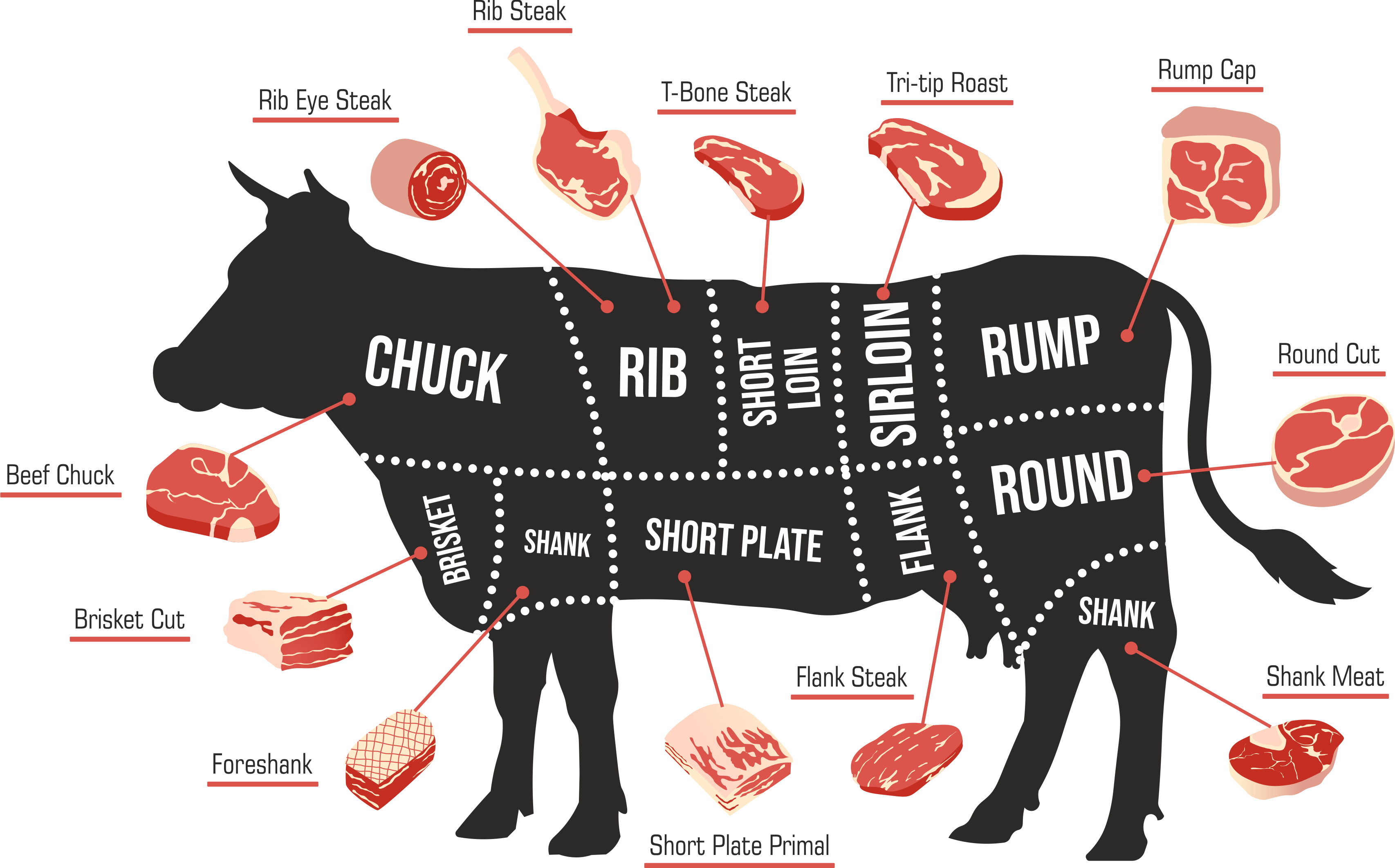
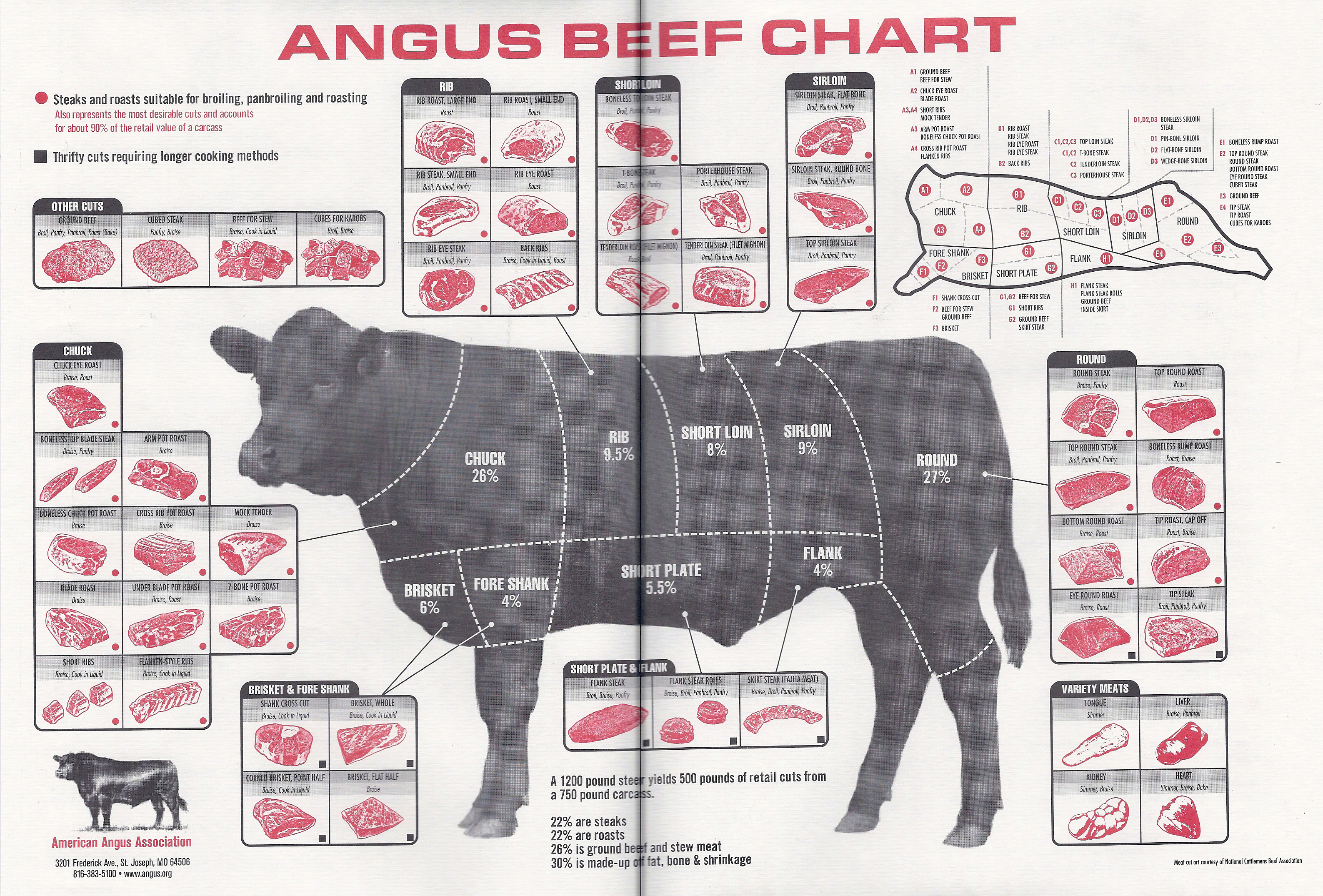
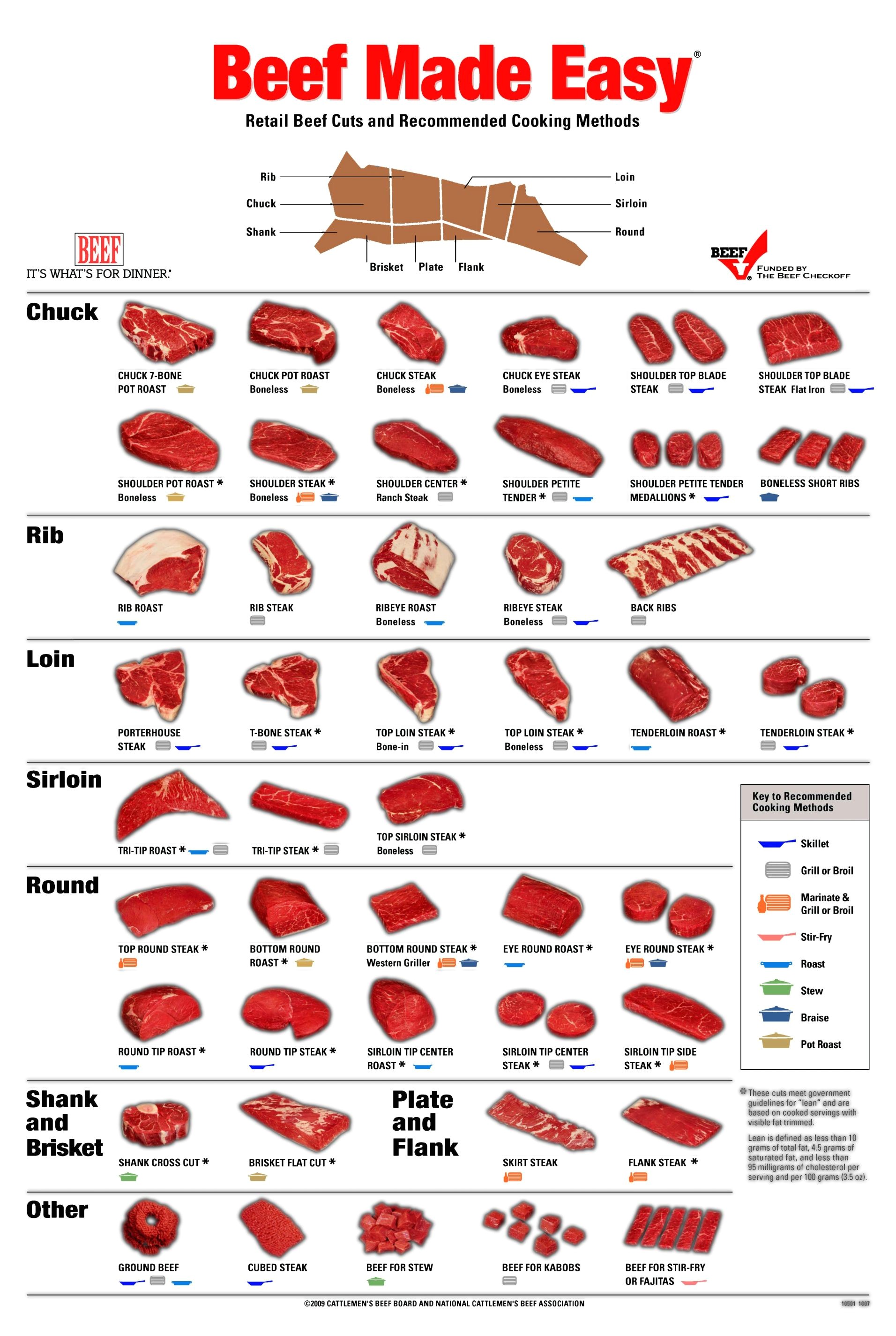
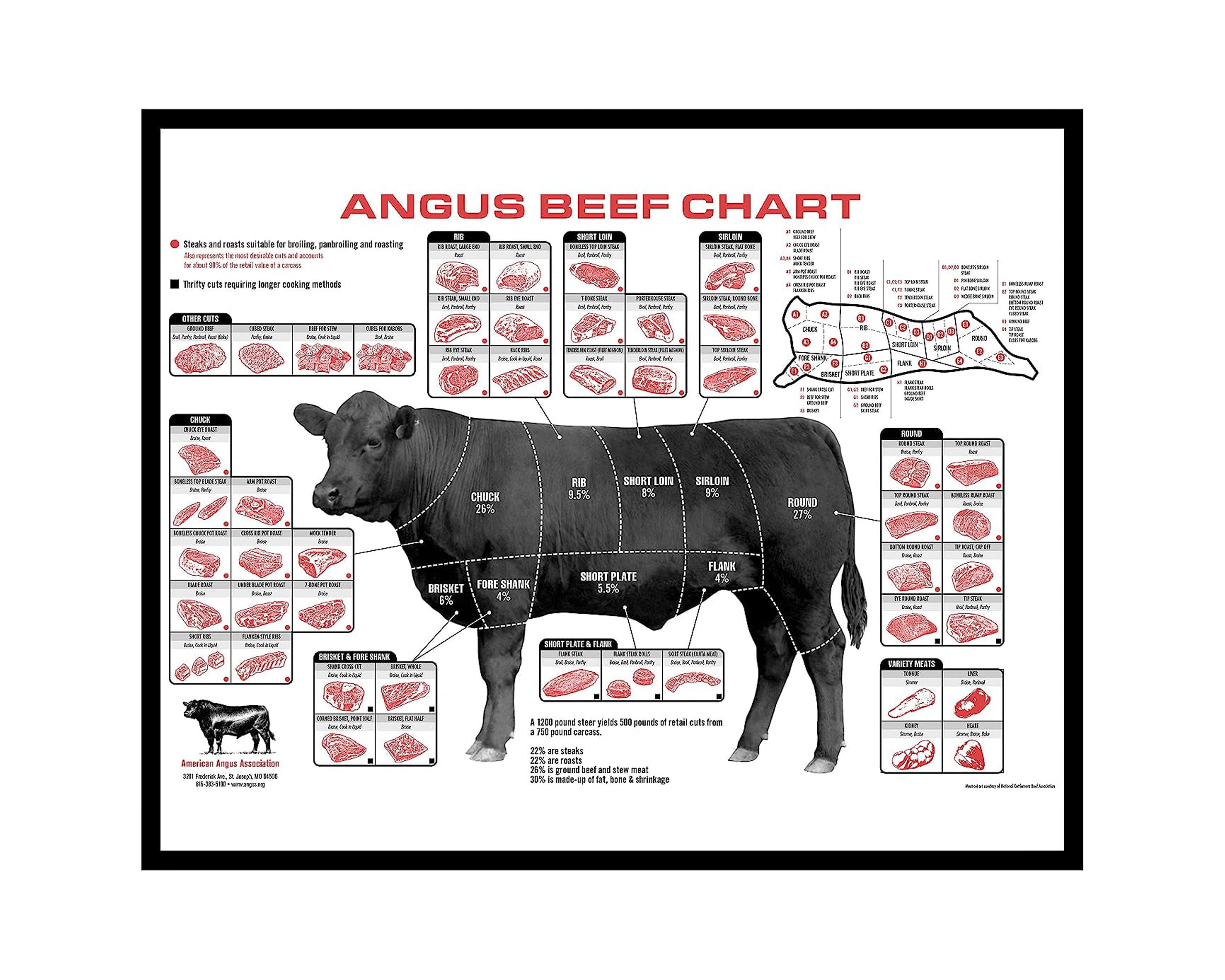
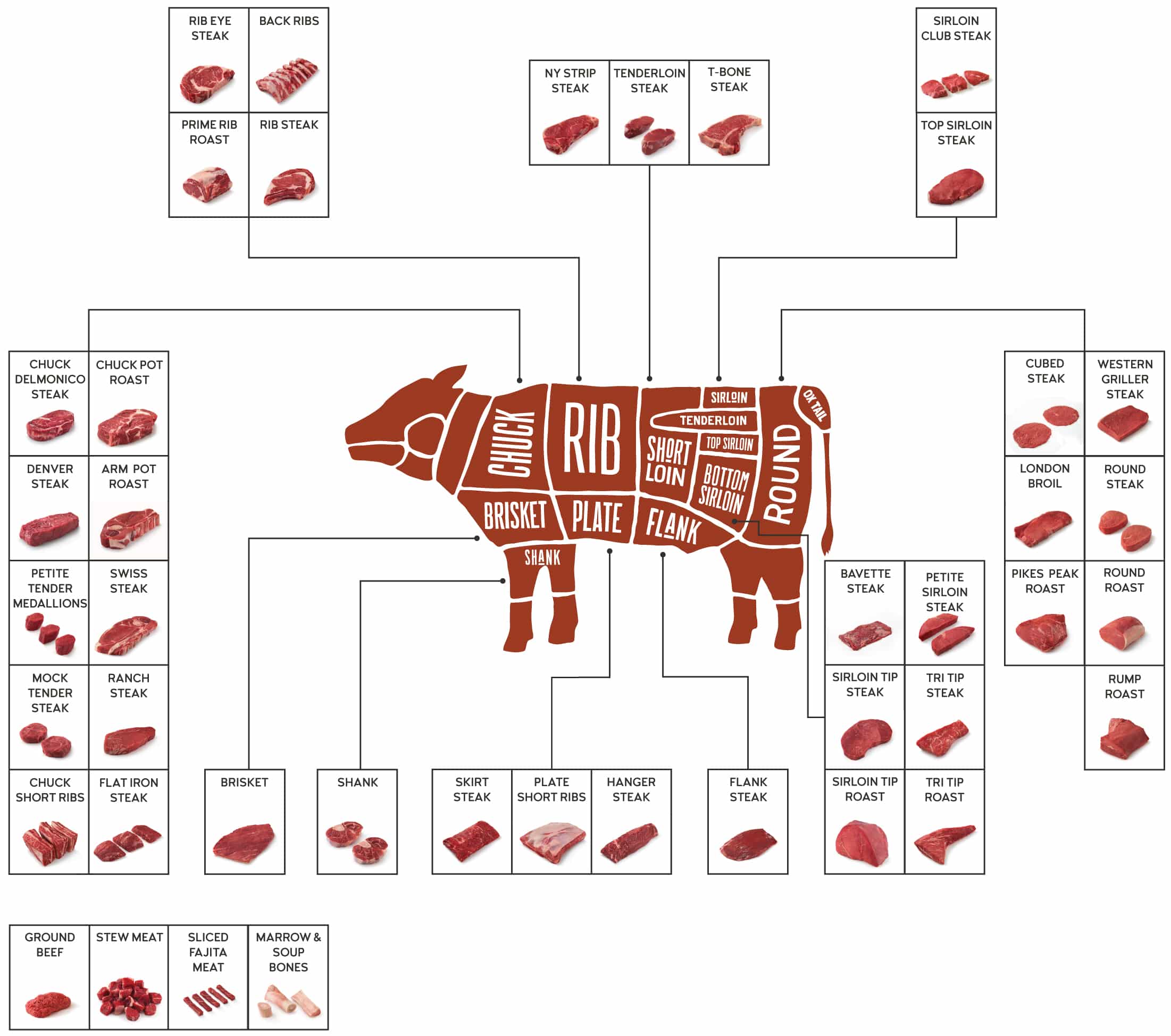
You're likely here because you're seeking a reliable resource, a quick reference guide, or perhaps you're in the middle of a cooking adventure and need to check those beef cuts chart details. It's a handy tool, a visual aid, and a great way to navigate the world of beef cuts, ensuring you can identify and utilize the right cut for your culinary creations. The beef cuts chart offers a simple yet effective way to understand the various cuts, their names, and their ideal uses, be it for grilling, roasting, or slow-cooking. While formats and values may vary slightly depending on your region or the butcher's chart, the fundamentals remain the same, providing a solid foundation for your meat-cooking endeavors.
Understanding the Beef Cuts Chart: A Practical Guide
The beef cuts chart is an invaluable tool for anyone who enjoys cooking with beef, offering a comprehensive visual guide to different cuts and their characteristics. This chart provides a quick reference for selecting the right cut for your culinary needs, whether you're looking for a tender steak or a flavorful roast.
Comparing Beef Cuts: Standards and Formats
Beef cuts charts typically organize cuts into categories based on the animal's anatomy, with each cut having its own unique qualities. You'll find categories like "rib," "loin," "chuck," and "round," each with its own sub-cuts. These charts often include additional information such as cooking recommendations, ideal cooking methods, and even storage tips. The format may vary, but the essential details remain consistent, ensuring you can make informed choices.
Step-by-Step Guide to Using the Chart
To utilize the beef cuts chart effectively, follow these steps:
Identify the primary cut you wish to use. This is usually based on the recipe or your desired dish.
Refer to the chart to locate the specific cut. It's helpful to know alternative names or common abbreviations, as these may be used interchangeably.
Check the recommended cooking methods and any special instructions. Some cuts may require specific preparation or cooking techniques to achieve the best results.
Consider the serving size and adjust the quantity as needed. The chart often provides guidance on portion sizes, ensuring you have enough for your meal.
Finally, review any storage tips provided. Proper storage is crucial to maintaining the quality and safety of your beef.
Avoiding Misreadings and Pitfalls
While the beef cuts chart is designed for clarity, a few common misreadings can occur. Here's how to avoid them:
Pay attention to the scale or size of the cut. Some charts may use different scales, so ensure you're interpreting the measurements correctly.
Understand the cooking recommendations. These are often general guidelines, and you may need to adjust cooking times or methods based on your specific oven or grill.
Be aware of regional variations. Different countries or regions may have unique names or classifications for certain cuts, so double-check if you're unsure.
Factors Affecting Accuracy and Real-World Use
Several key factors can influence the accuracy and practical application of the beef cuts chart:
Beef quality: The grade of beef, such as prime or choice, can impact the tenderness and flavor of the cut.
Aging: Proper aging enhances flavor and tenderness. The chart may not specify aging, so consider this factor when selecting your cut.
Cut thickness: Thicker cuts may require adjustments to cooking times.
Personal preference: Your own taste and cooking style can guide your choices, even if they deviate slightly from the chart's recommendations.
Cooking measurements: Ensure you're using the correct units and conversions for your region or standard.
Adapting the Chart for Specific Needs
While the beef cuts chart provides a comprehensive guide, you may need to adapt it for specific recipes or preferences. Here are some tips:
If you're cooking for a large group, adjust portion sizes accordingly.
For special dietary needs, consider alternative cuts or cooking methods that align with those requirements.
If you have a favorite recipe that calls for a specific cut, use the chart to find suitable alternatives if that cut is unavailable.
Experiment with different cooking techniques to discover new flavors and textures.
Remember, the beef cuts chart is a versatile tool, and with a little practice, you'll become an expert at navigating it and creating delicious beef dishes.
Well, there you have it, a comprehensive guide to beef cuts and their uses. Remember, when it comes to selecting the right cut for your culinary creations, it's always wise to consider your specific needs and the context in which you'll be using them.
Feel free to explore our other guides and resources; we've got a whole host of practical information to help you navigate the world of cooking and beyond. Happy browsing, and here's to delicious adventures!
Related: What is the vocal ranges chart?
Many people mistakenly believe that vocal ranges charts are complex and intimidating, but in reality, they are a simple and powerful tool for singers and vocal enthusiasts. These charts, often presented as visual guides, provide a clear overview of the different voice types and their respective ranges. While the specifics may vary slightly depending on the source, the vocal ranges chart serves as an accessible reference, helping singers navigate and understand their vocal potential.
Understanding the Chart: An Overview
The vocal ranges chart is a handy reference tool for singers and vocal enthusiasts. It provides a visual representation of the different vocal ranges, helping you identify and understand your voice type and its capabilities. This chart is a great starting point for anyone wanting to explore their singing potential and improve their vocal technique.
Comparing Voice Types and Ranges
The chart typically categorizes vocal ranges into several standard types, including soprano, mezzo-soprano, alto, tenor, baritone, and bass. Each category has a specific range of notes, shown as a visual scale, that defines the voice's capabilities. For instance, a soprano voice, often associated with higher pitches, has a range that extends to the higher end of the scale.
How to Read and Use the Chart
Using the vocal ranges chart is straightforward:
- Identify your voice's general range by singing through a scale or using a pitch-detecting app.
- Locate your lowest and highest comfortable notes.
- Refer to the chart and match your range with the closest vocal type.
- Use this information to choose songs that suit your voice and explore your vocal potential.
For example, if your range aligns with the soprano category, you'll know you can comfortably sing higher-pitched songs.
Common Misconceptions and Pitfalls
One common mistake is assuming that the chart provides an exact, rigid definition of your voice type. In reality, vocal ranges can overlap, and some voices may not fit neatly into one category. It's essential to understand that the chart is a guide, and your voice may have unique characteristics that set it apart. Additionally, factors like age, training, and vocal health can influence your range, so regular assessment is beneficial.
Factors Affecting Accuracy and Real-World Use
Several key factors can impact the accuracy of the vocal ranges chart and its real-world application:
- Age and Development: Vocal ranges can change as you age, especially during puberty and early adulthood.
- Training and Practice: Consistent vocal training can expand your range and improve your technique.
- Vocal Health: Illness, strain, or damage to the vocal cords can temporarily alter your range.
- Musical Style and Genre: Different music genres may require specific vocal ranges or techniques.
Adapting the Chart for Specific Needs
While the standard vocal ranges chart is a great starting point, it might not cater to everyone's needs. For instance, some charts provide more detailed subdivisions for specific voice types, offering a more precise guide. Others might use different measurement systems or cater to non-traditional vocal styles. It's essential to choose a chart that aligns with your musical goals and preferences. If you're unsure, consulting a vocal coach or expert can provide valuable guidance.
Hey there! I hope this vocal ranges chart guide has been a helpful tool for you. Remember, these charts are a great reference, but they are not set in stone; the exact details might differ slightly based on your specific needs and the context.
Feel free to explore other guides and resources to deepen your understanding. And don't forget to bookmark this page for future reference; it's always handy to have these tools at your fingertips!
Related: What are Clone Hero charts all about?
Many newcomers to clone hero charts assume they are complex and intimidating, but in reality, they are a simple and effective tool for music gamers. These charts, often associated with games like Clone Hero and Guitar Hero, provide an easy-to-read visual representation of the song's notes and rhythms. While there may be variations in chart formats, the core principle remains the same: a clear path to follow, much like a note highway.
What Are Clone Hero Charts?
Clone Hero charts are a visual representation of a song's notes and their timing, designed to guide players through the gameplay of Clone Hero, a popular music rhythm game. These charts are essentially a roadmap for players to follow, indicating when and where to press the corresponding buttons to hit the notes accurately.
Understanding the Layout and Key Details
The chart displays a note stream, often referred to as the note highway or note track, which represents the flow of notes in a song. Each note is represented by a small circle or marker, and these notes are arranged in a specific pattern across the chart. The chart typically uses a grid-like structure, with the vertical axis indicating time and the horizontal axis representing the different lanes or frets. The notes are color-coded, with each color corresponding to a specific button or fret on the game's controller. Common colors include red, yellow, green, blue, and orange, each associated with a particular button. Additionally, the chart may include special notes, such as star power notes, indicated by unique symbols.
Reading the Note Stream and Playing the Song
To read and play a Clone Hero chart accurately, follow these steps:
- Start by familiarizing yourself with the layout and note colors. Ensure you know which color corresponds to which button or fret.
- Observe the note stream and identify the pattern. Notes are often grouped together in chords or sequences, so recognizing these patterns is crucial.
- As the song progresses, pay attention to the timing. The vertical axis indicates when each note should be played.
- Press the corresponding button or fret when the note marker reaches the designated lane. This action simulates strumming or fretting on a real guitar.
- For more advanced techniques, such as star power activation or specific finger placements, refer to the chart's symbols and follow the indicated actions.
Variations and Differences in Chart Standards
Clone Hero charts can vary depending on the song's genre, difficulty level, and the creator's style. Different chart makers may have unique approaches to note placement and timing, leading to variations in the chart's layout and complexity. Additionally, regional differences and game version updates can impact chart standards. Always check the chart's metadata or accompanying information to ensure you are using the correct version for your game setup.
Common Mistakes and How to Avoid Them
One of the most common mistakes is failing to recognize note patterns and timing accurately. Take time to study the chart and understand the song's rhythm. Another pitfall is neglecting to calibrate your game settings, which can cause timing issues. Ensure your game is properly calibrated to match your input device's response time. Additionally, some players may rush through the song, leading to missed notes. Maintain a steady pace and focus on precision.
Practical Tips for Accurate Chart Reading
To enhance your chart-reading skills and gameplay, consider these tips:
- Practice recognizing note patterns and chord progressions. This skill will improve your ability to anticipate and play notes accurately.
- Use practice modes or slower song speeds to familiarize yourself with the chart before attempting a full playthrough.
- Pay attention to your finger placement and strive for consistency. Proper finger placement can improve your accuracy and reduce fatigue.
- Take breaks and rest your hands to prevent strain, especially during longer play sessions.
Double-Checking and Handling Edge Cases
While Clone Hero charts provide a comprehensive guide, it's essential to double-check specific details, especially for complex songs or unique gameplay elements. Some charts may include custom symbols or notation, so refer to the chart's documentation or creator's notes for clarification. Additionally, if you encounter a chart with an unfamiliar layout or notation style, consider seeking guidance from the Clone Hero community or referencing other charts for comparison.
Well, there you have it! Clone hero charts are a handy tool, and now you know the ins and outs. Remember, the key is to understand the basics and then tailor them to your specific needs.
Before you go, just a quick reminder to always check the relevant standards and sources for your project. Exact values and terminology can vary, so it's best to double-check and ensure accuracy. Consider this guide a starting point, and feel free to bookmark it for future reference. Happy charting!