


Chart Square Roots A4 Overview
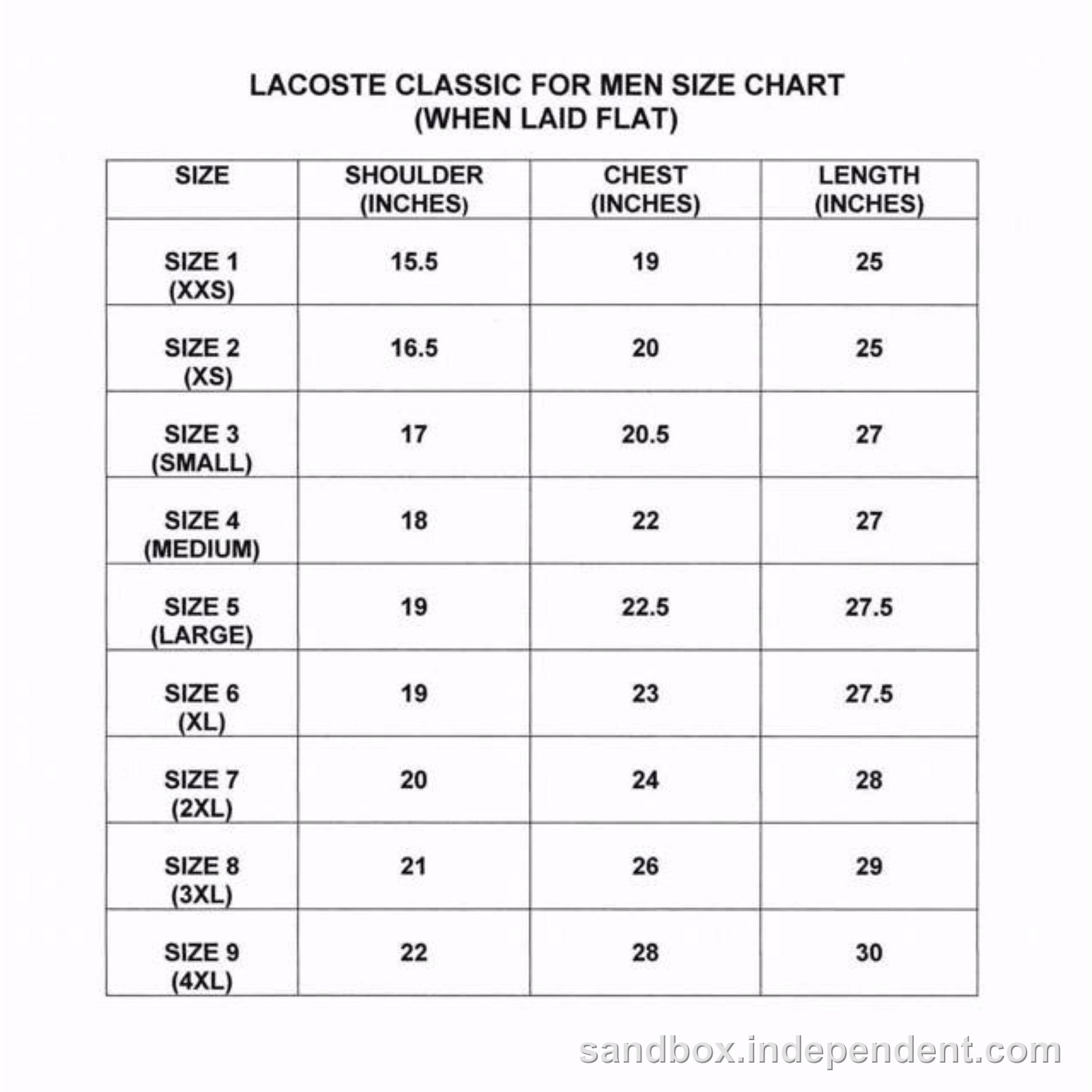
Many folks assume that chicos size charts are a one-size-fits-all deal, but that's a common misconception. These charts are actually tailored to the brand's unique sizing system, which can vary from other standard measurements.
So, while it's a simple reference tool, understanding how to read and interpret chicos size charts accurately is key to getting the perfect fit. It's all about knowing your measurements and finding the right correlation on the chart.
Understanding the Chicos Size Chart
The chicos size chart is a handy tool to help you find your perfect fit when shopping for clothing. It provides a clear guide to the standard measurements used by Chicos, ensuring you can easily navigate their sizing system. This chart is a great reference, especially when shopping online, as it gives you an accurate idea of the sizes available and how they correspond to your own measurements.
Comparing Size Chart Standards
Chicos' size chart follows a standard format, typically based on US sizing, which is widely used in North America. This chart provides measurements for various body parts, including bust, waist, hips, and inseam, to ensure a precise fit. It's important to note that while US sizing is common, other regions may use different standards, such as metric or European sizing. So, if you're used to a different system, it's a good idea to double-check the specific measurements and conversions.
Measuring Yourself for Accurate Sizing
To use the chicos size chart effectively, you'll need to take some key measurements. Here's a step-by-step guide:
- Bust: Measure around the fullest part of your bust, keeping the tape measure parallel to the floor.
- Waist: Measure your natural waistline, usually just above the belly button.
- Hips: Find the widest part of your hips and measure around, ensuring the tape is level with the floor.
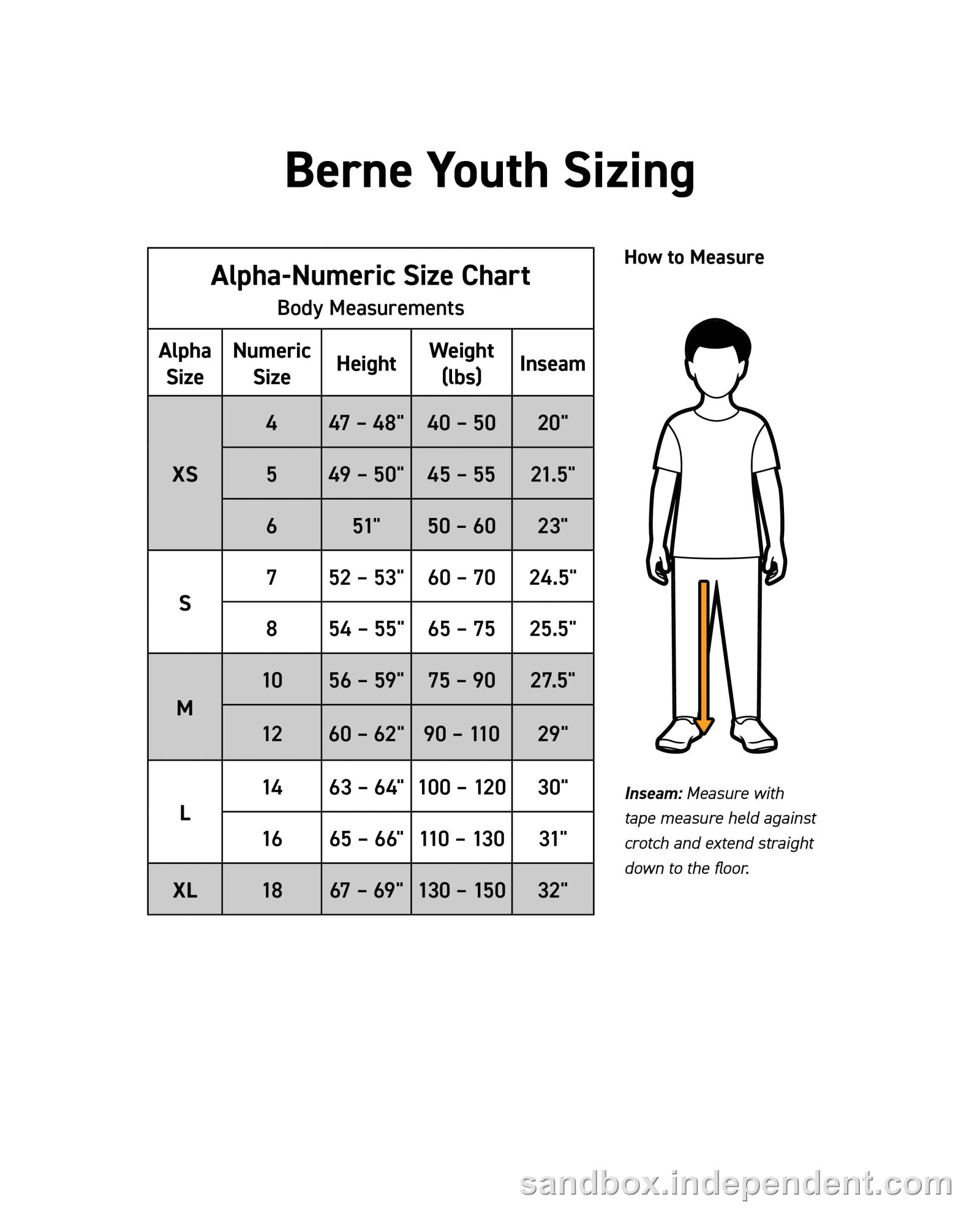
- Inseam: For pants and jeans, measure from your crotch to the desired pant length.
Once you have these measurements, you can refer to the size chart and find the closest match. The chart will provide a range of measurements for each size, so you can choose the one that best fits your body.
Common Misreadings and How to Avoid Them
One common mistake is assuming that all clothing brands use the same size standards. While Chicos' size chart is a great guide, it's always a good idea to check the specific brand's size guide, especially if you're a regular customer. Another pitfall is measuring yourself incorrectly. Ensure you're measuring the right body parts and following the guidelines accurately. Finally, don't forget that sizing can vary slightly between different styles and fabrics, so always check the product details for any specific size notes.
Hey there, we hope you found this guide helpful and that it's now easier to navigate the world of Chicos size charts. Remember, while we've covered the basics, exact details might differ slightly, so always double-check with the brand's guidelines or consult our other guides for more specific info.
Consider bookmarking this page for future reference; it's a handy tool to have at your fingertips when you need to quickly look up those size charts!
Related: How to Read a Cap Size Chart?
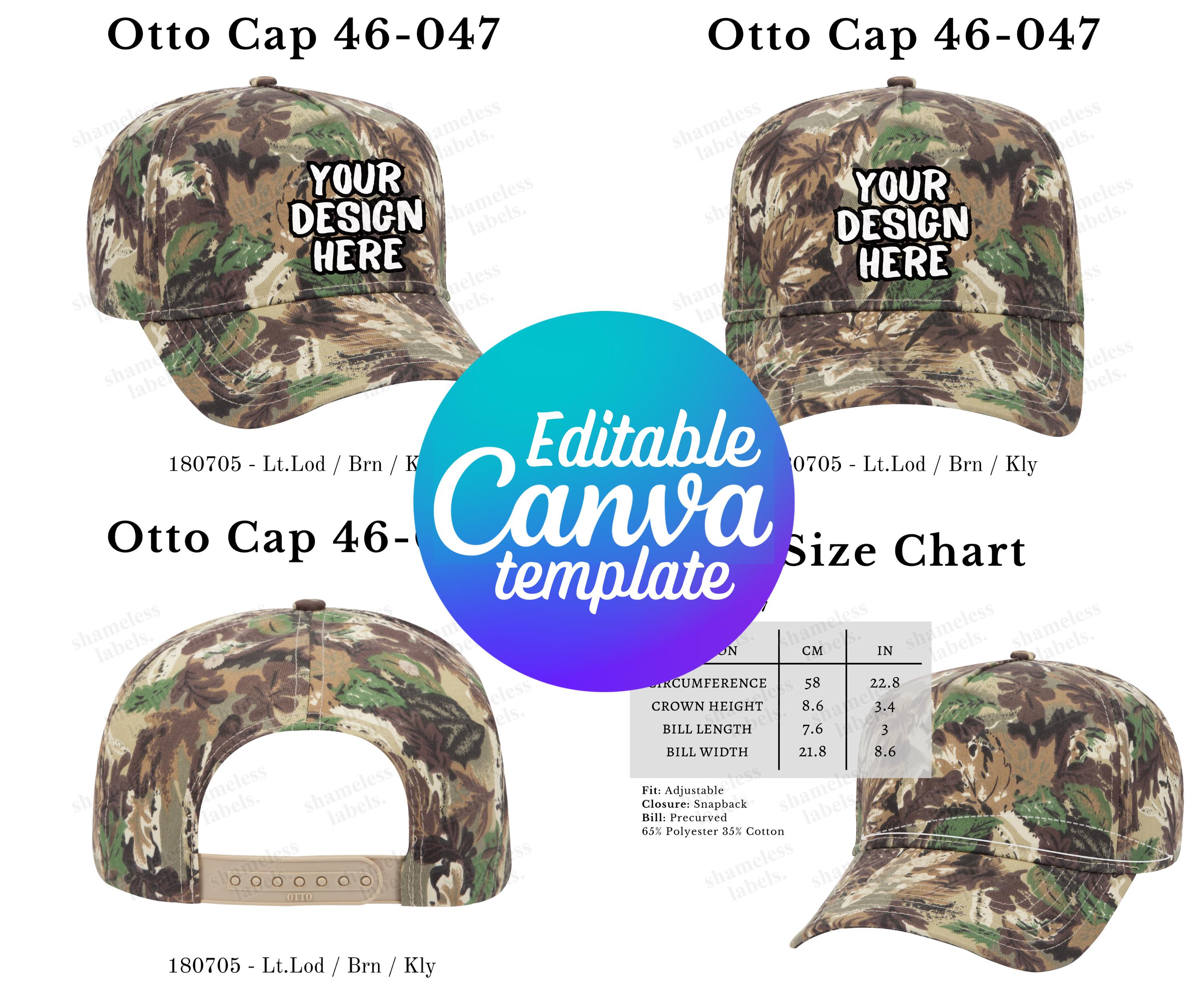
You're probably here because you need a quick fix, a simple solution to a sizing dilemma. Well, you've come to the right place! The cap size chart is your handy tool, a quick reference guide to ensure you get the perfect fit every time. It's a straightforward way to measure and match your head size to the right cap, and it's a lifesaver when you're in a rush or shopping online. This chart offers a simple solution, and it's worth familiarizing yourself with, especially if you want to avoid those pesky sizing mistakes!
Understanding the Chart: A Quick Overview
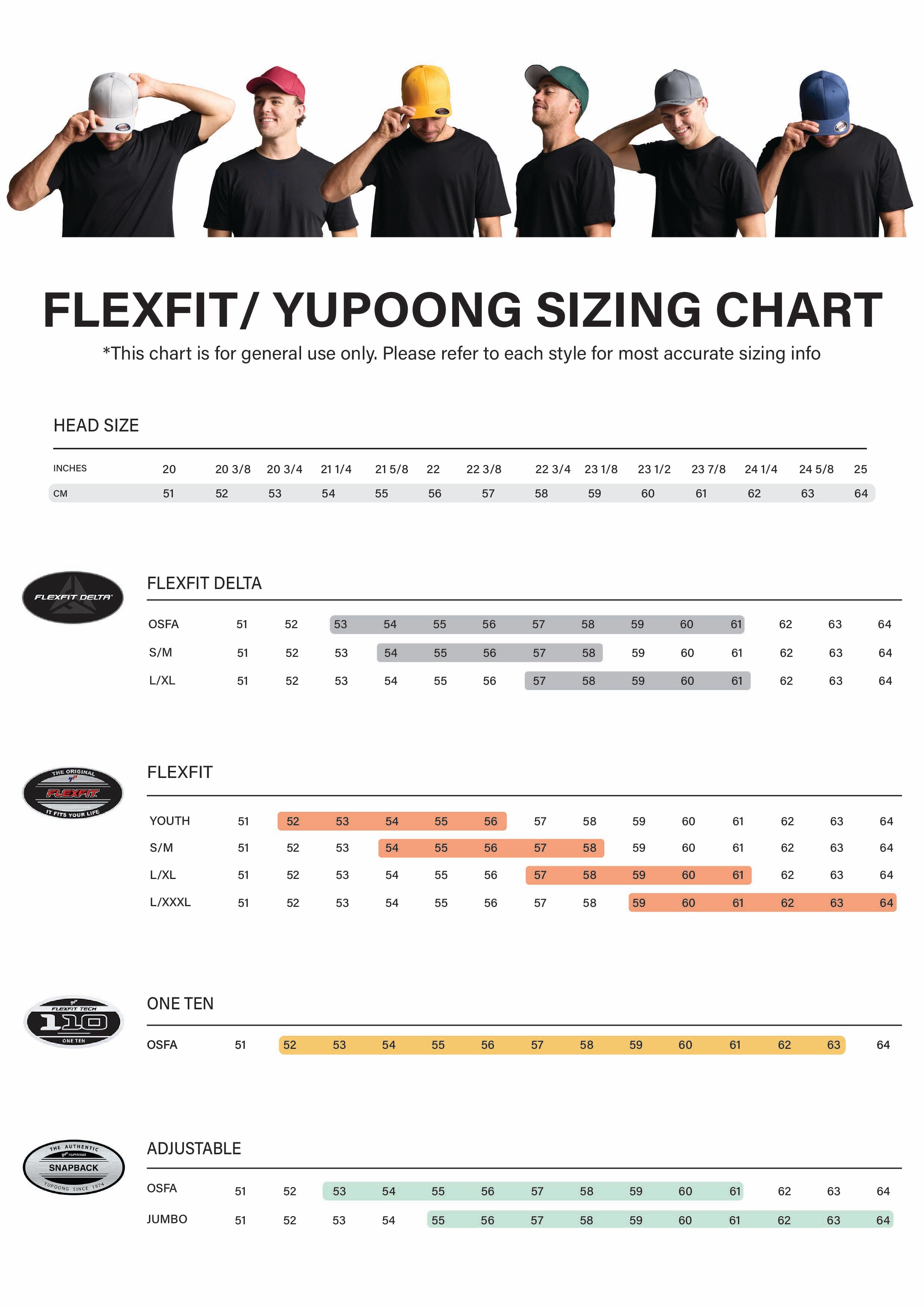
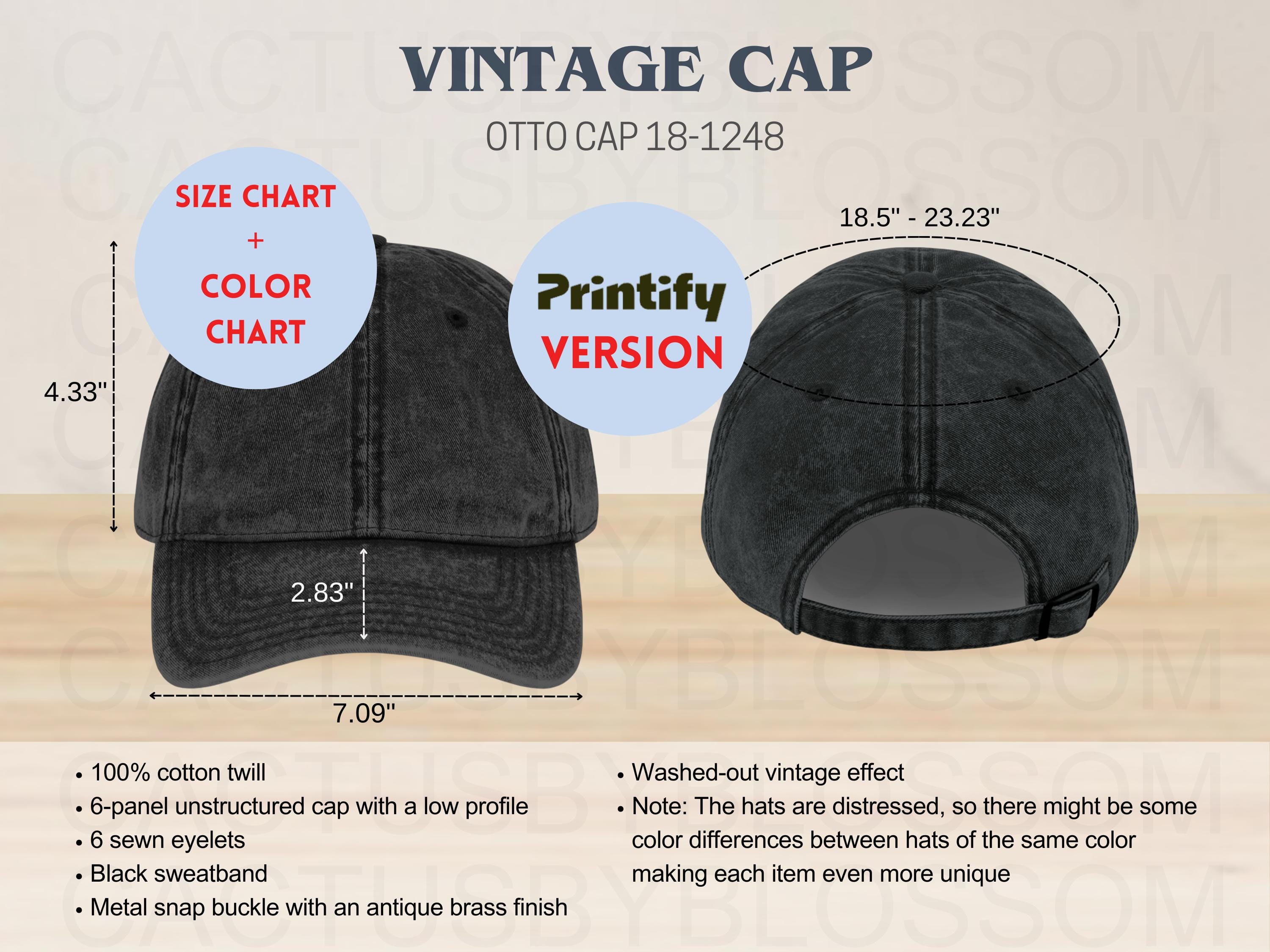
The cap size chart is a handy tool that helps you find the perfect fit for your headwear. It's a simple guide, often presented as a table or diagram, that matches your head measurements to the right cap size. This chart ensures your caps are neither too tight nor too loose, providing a comfortable and secure fit.
Comparing Common Cap Sizes and Standards
Cap size charts typically use two main standards: metric and imperial measurements. The metric system is widely used internationally and offers precise measurements in centimeters. On the other hand, the imperial system, common in the US, uses inches. These standards determine the cap circumference, which is the key measurement for finding your ideal cap size.
Step-by-Step Guide to Using the Cap Size Chart
Measure your head circumference: Take a flexible tape measure and wrap it around your head, just above your ears and across your forehead. Ensure it's not too tight or too loose. Note down the measurement in either centimeters or inches, depending on your preference or the chart's standard.
Refer to the cap size chart: Look for the column or row that corresponds to your head circumference measurement. The chart will provide you with a recommended cap size based on this measurement.
Adjust for comfort: While the chart offers a guide, personal preference plays a role. If you prefer a looser fit, consider going up a size. For a snugger fit, especially for activewear, you might want to choose a slightly smaller size.
Check the hat sizing chart: Some charts provide additional information, such as hat sizing. This can be useful if you're looking for a specific hat style and want to ensure it fits well.
Avoiding Common Misreadings and Pitfalls
It's important to remember that the cap size chart is a guide, and individual preferences may vary. While it provides a reliable starting point, you might need to make slight adjustments to find your perfect fit. Always double-check the chart's measurements and ensure they align with your head size guide. If you're between sizes, consider trying both and choosing the one that feels most comfortable.
Key Factors Affecting Accuracy and Real-World Use
Several factors can influence the accuracy of the cap size chart. Firstly, the chart's measurements may vary slightly depending on the manufacturer and the intended use of the cap. For instance, a baseball cap might have different sizing standards compared to a beanie. Additionally, personal factors like hair volume and style can impact the fit. If you have thick hair or a hairstyle that adds volume, you might need to adjust the size accordingly. Always consider these factors and refer to the specific cap's instructions or sizing guidelines for the most accurate fit.
Well, that's a wrap on our cap size chart adventure! We've covered a lot of ground, from understanding the different options to nailing down the key steps for accurate measurements.
Remember, when it comes to getting the right fit, always double-check your specific needs and the guidelines for your chosen standard or source. Exact values can vary slightly, so it's good to be aware of that.
Consider bookmarking this page for future reference; it's a handy tool to have at your fingertips when you need it most!
Related: Understand the Jordan Shoe Chart: A Simple Guide
Many people approach the Jordan shoe chart with a bit of hesitation, unsure of how to navigate its measurements and conversions. It's a common misconception that these charts are complex and confusing, but I'm here to assure you, it's a straightforward process!
The Jordan shoe chart is your go-to resource, offering a simple guide to finding your perfect fit. While the values might vary slightly depending on the region or brand, the chart provides a reliable starting point. Think of it as a universal language for shoe sizing, making it easy to convert between different standards, like US to UK sizes, and even helping with kids' shoe sizes!
Understanding the Jordan Shoe Chart
The jordan shoe chart is your go-to guide for finding the perfect fit when it comes to Jordan sneakers. It's a simple yet effective tool that helps you navigate the brand's sizing and ensure you get the right size for your feet. This chart provides a reference for both men's and women's shoe sizes, making it easy to find your ideal fit.
Comparing Size Standards and Formats
The jordan shoe chart follows a standard sizing system, typically based on US sizes. However, it's important to note that shoe sizes can vary slightly between brands and even within different Jordan shoe models. The chart usually includes a size conversion guide, allowing you to easily convert between US, UK, and European sizes. This is especially useful when you're used to one sizing system and need to adapt to another.
Step-by-Step Guide to Using the Chart
- Measure your feet accurately: This is the first step to ensure a precise fit. You can use a shoe sizing gauge or simply measure your foot length and width with a ruler or tape measure.
- Identify your foot length and width: The jordan shoe chart often provides a range of sizes, catering to different foot lengths. It also includes width variations, such as narrow, medium, and wide, to accommodate various foot shapes.
- Convert and compare: If you're used to a different sizing system, use the conversion guide on the chart to find your equivalent Jordan size. Compare your foot measurements to the chart's size recommendations to determine the best fit.
- Consider personal preferences: While the chart provides a guide, personal comfort and fit preferences may vary. Some people prefer a snug fit, while others go for a slightly larger size for added comfort. Trust your judgment and choose the size that feels right for you.
Common Misreadings and Pitfalls
One common mistake is assuming that all Jordan shoes follow the same sizing guidelines. While the jordan shoe chart provides a general reference, certain models may have slight variations. Always double-check the specific size guide for the shoe you're interested in to ensure an accurate fit. Additionally, remember that foot shape and personal comfort play a role, so don't be afraid to try on different sizes and listen to your feet's feedback.
The jordan shoe chart is a valuable tool, but it's essential to use it as a guide and trust your own judgment and comfort level. By following these simple steps and being aware of potential variations, you'll be able to find your perfect Jordan shoe size with ease.
Hey there! We've covered a lot of ground in this guide, giving you a comprehensive look at the Jordan shoe chart and its uses. Remember, while the basics remain the same, some details might shift based on your specific needs and the sources you consult.
So, keep this page bookmarked for future reference, and feel free to explore our other guides for more practical tips and insights. We aim to make these resources as helpful and accessible as possible, so you can find the right info when you need it most. Happy reading, and we hope to see you again soon!