



Cigar Size Chart For Kids Overview
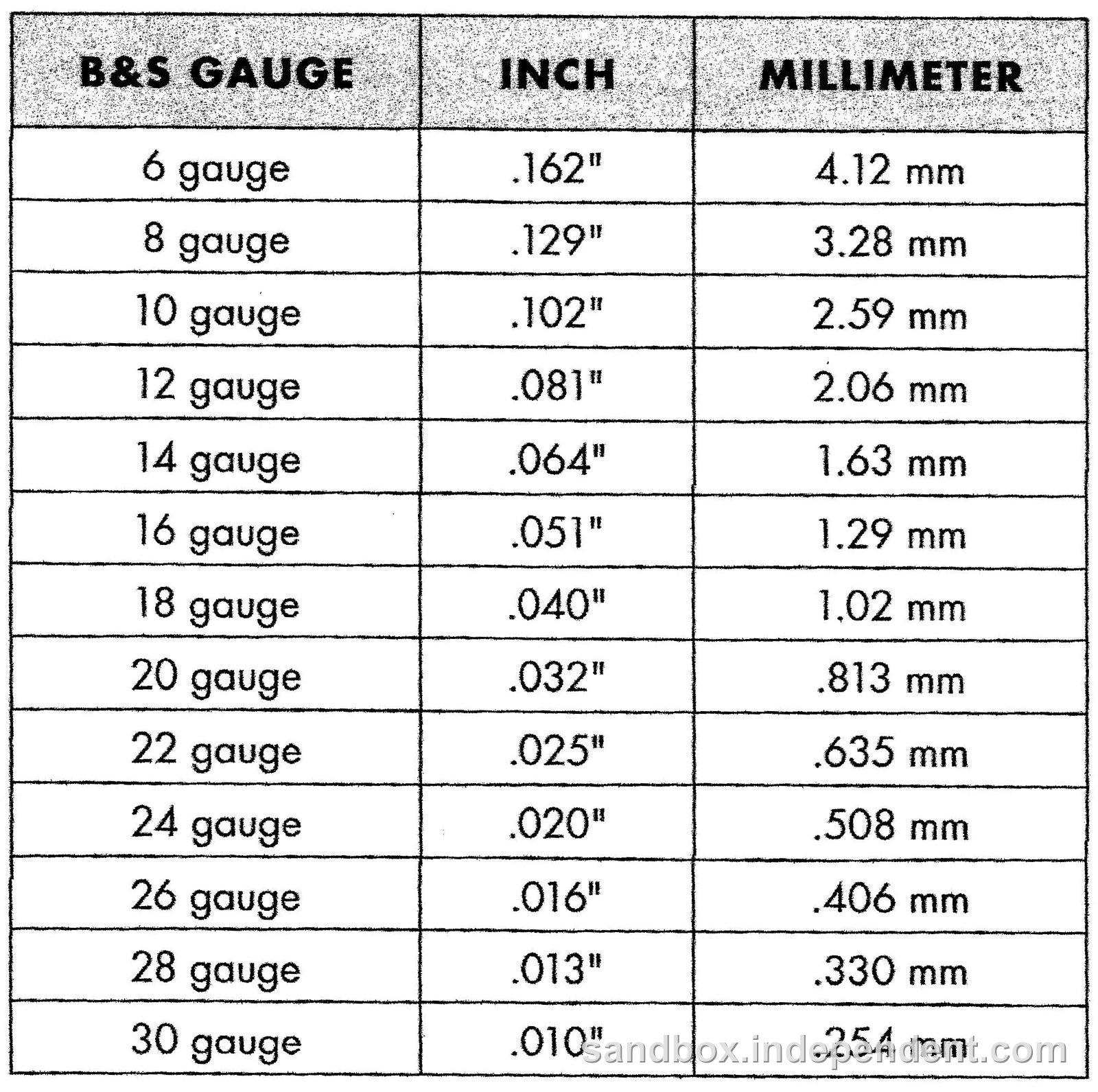
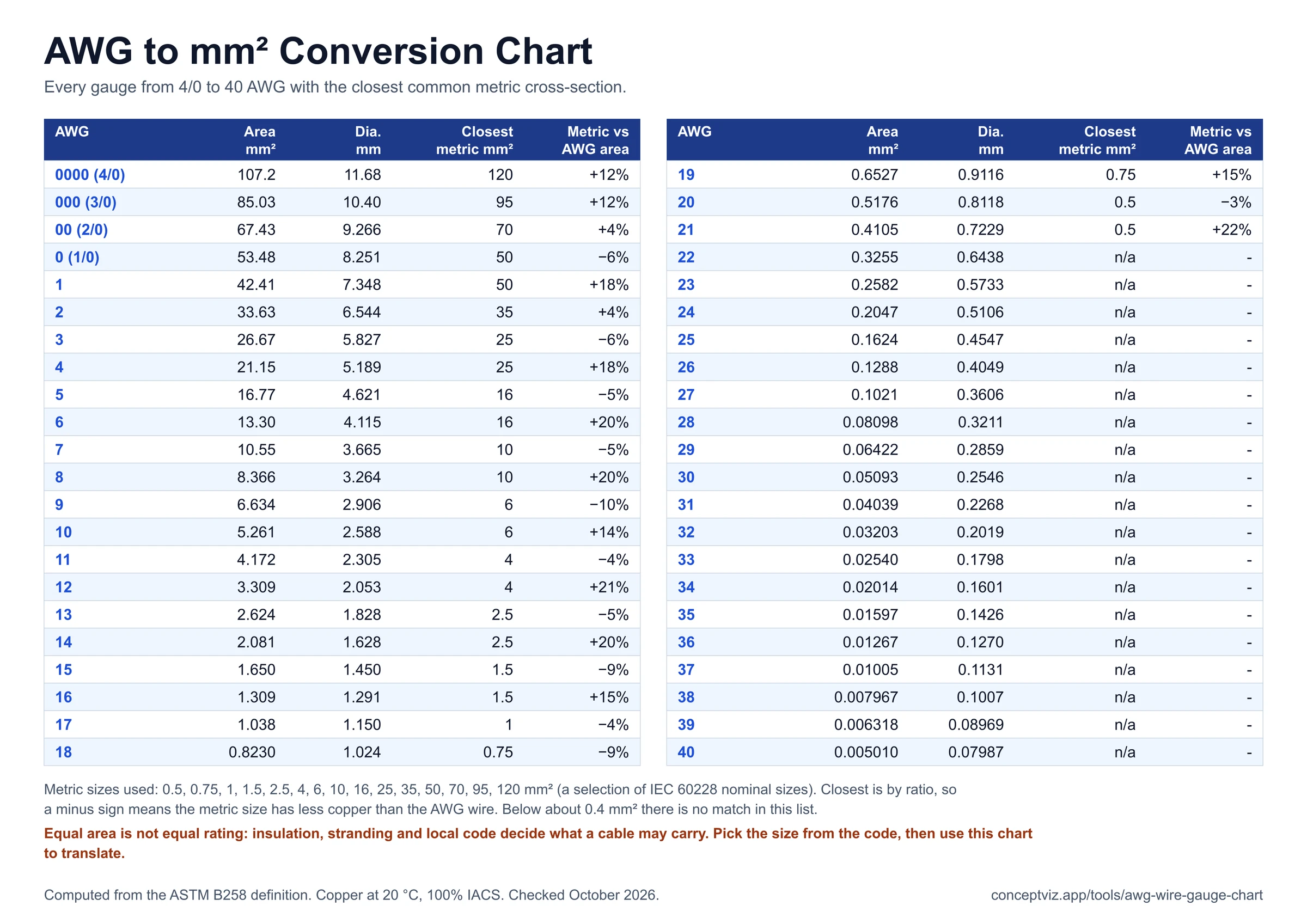
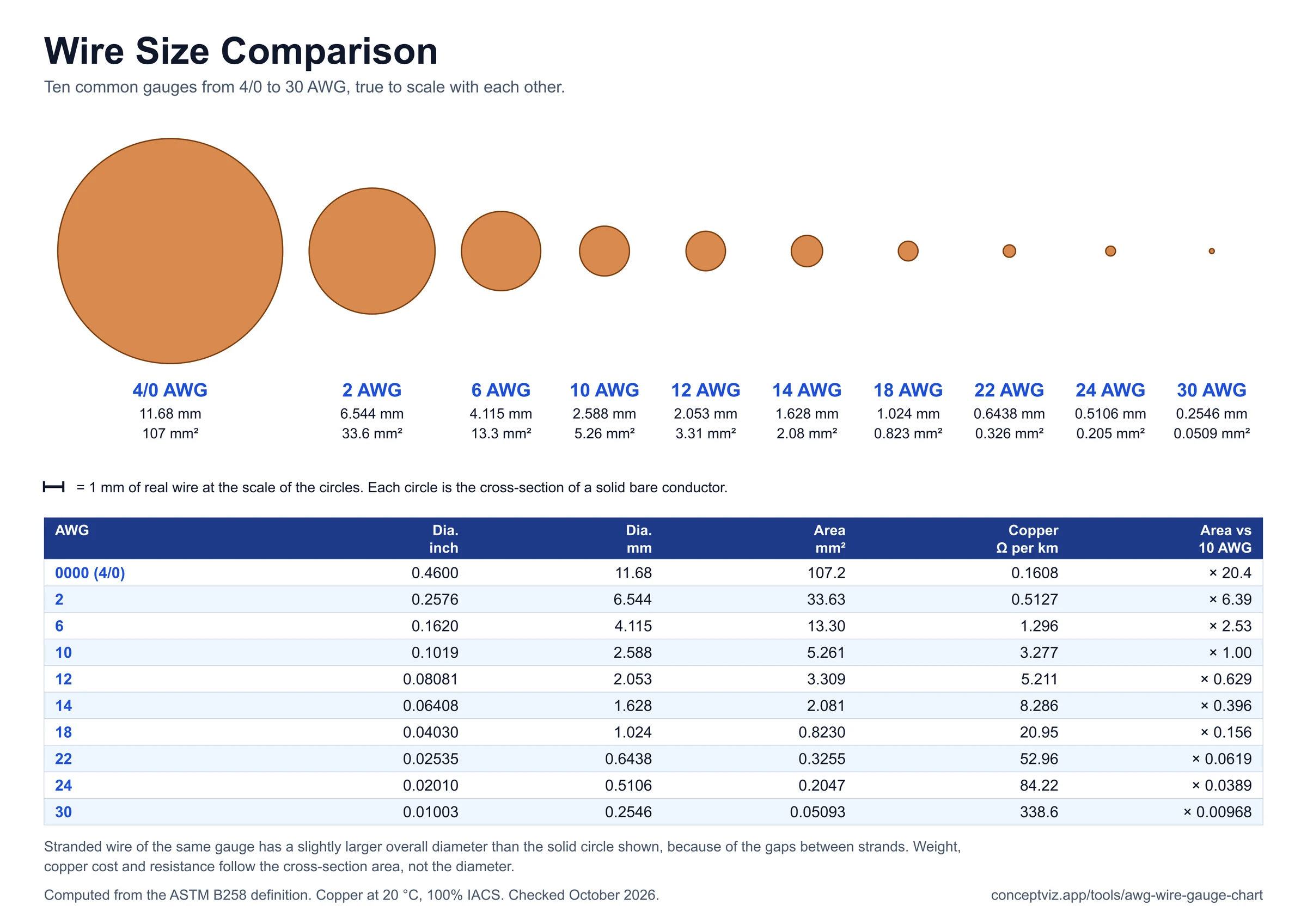
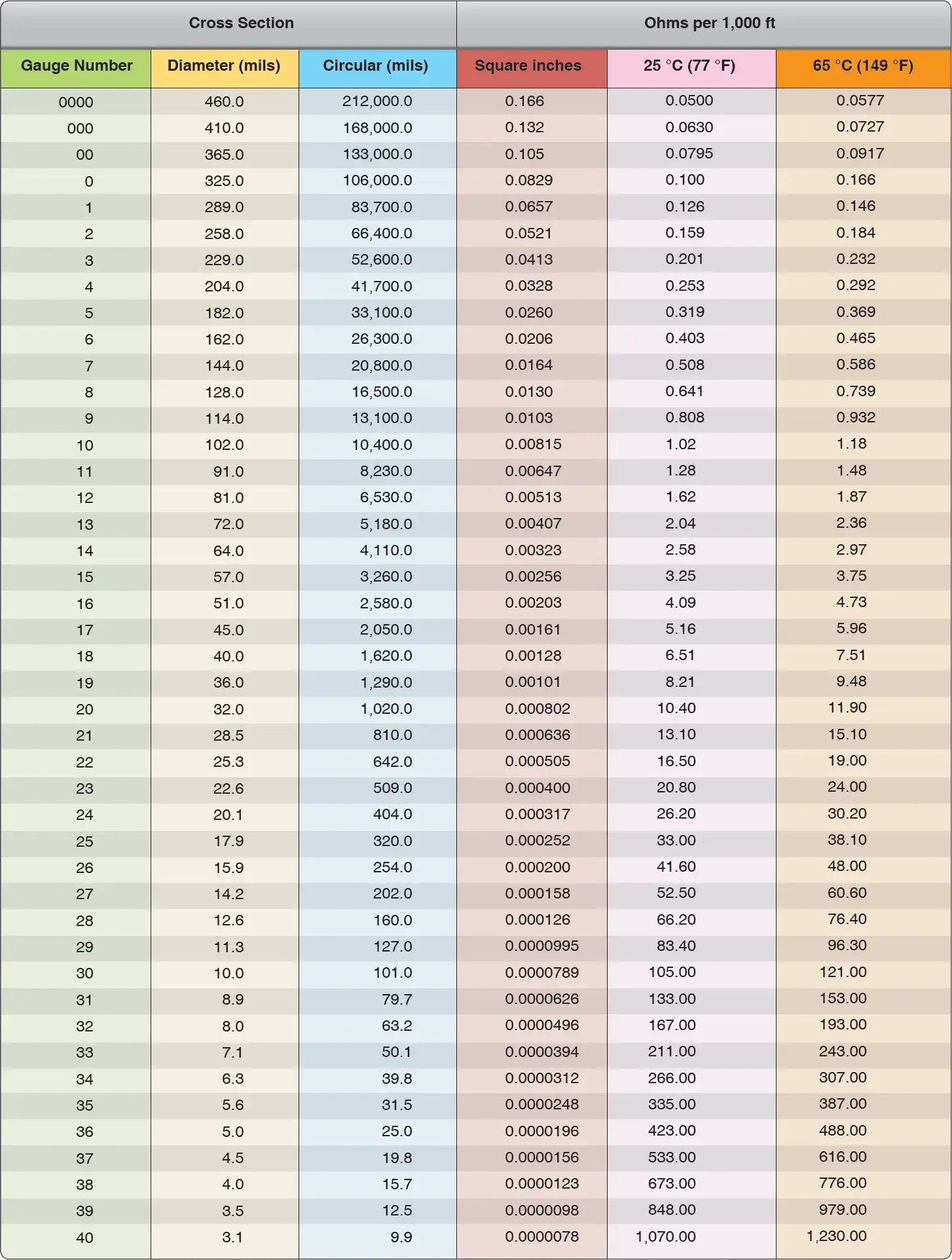
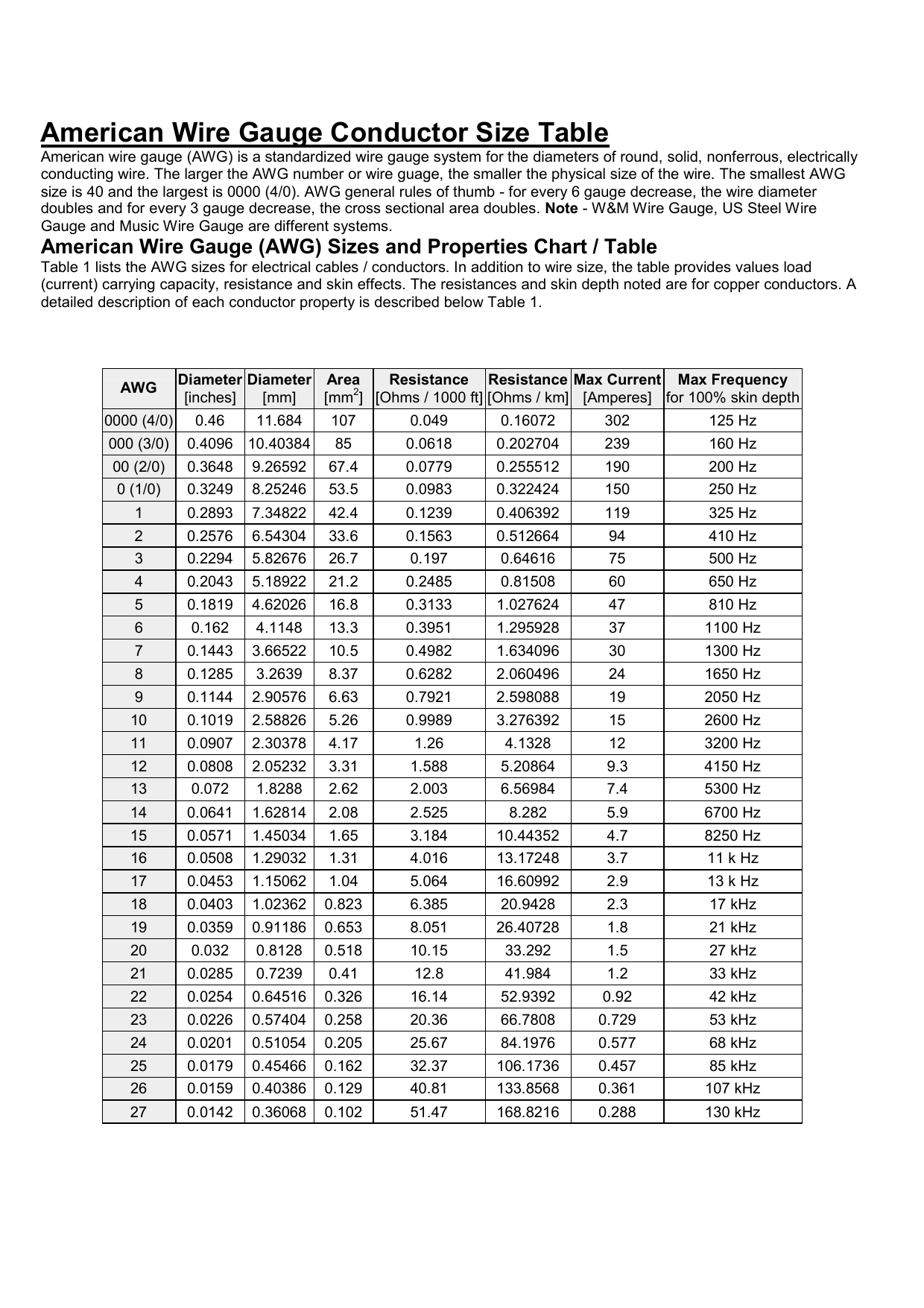
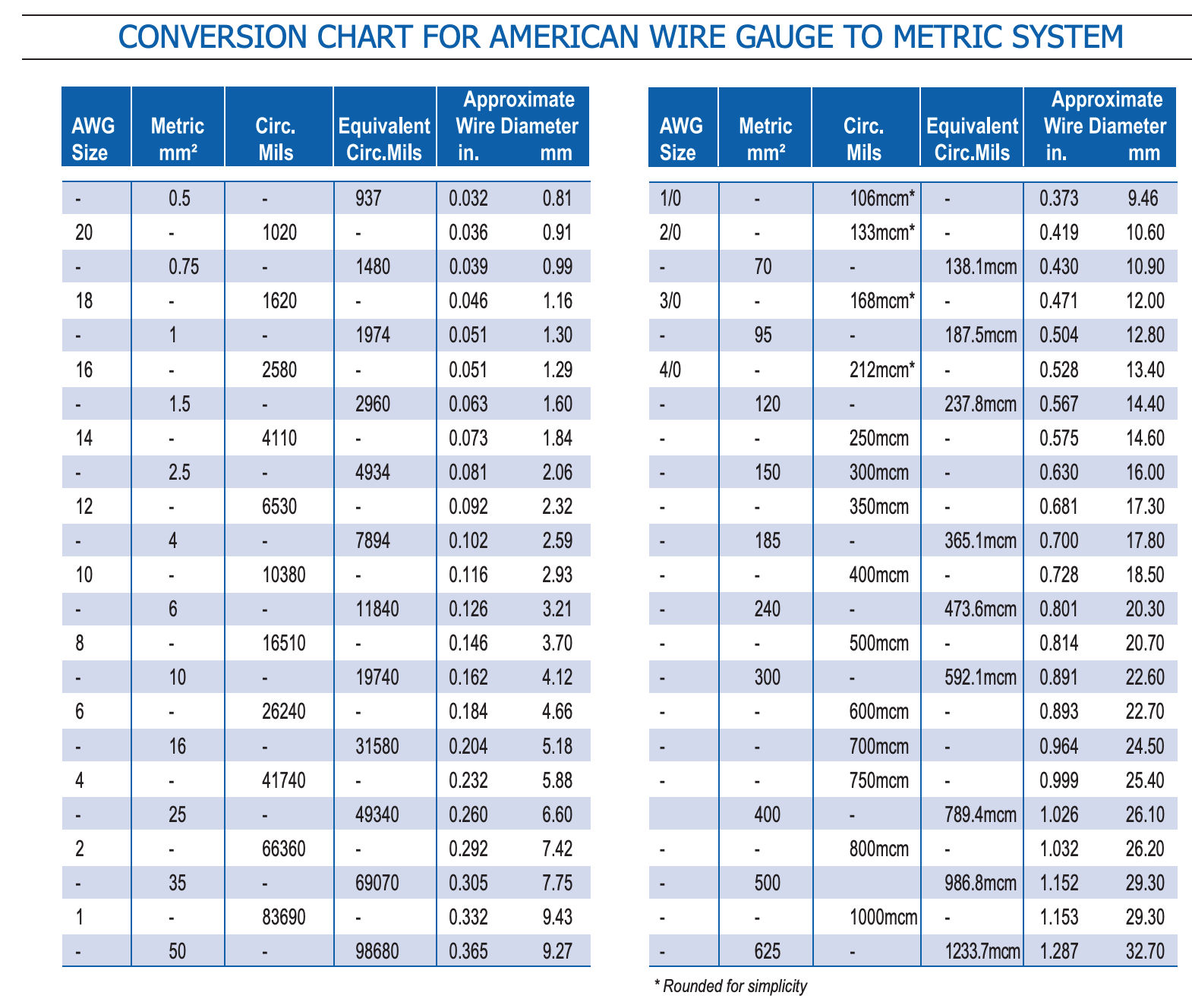
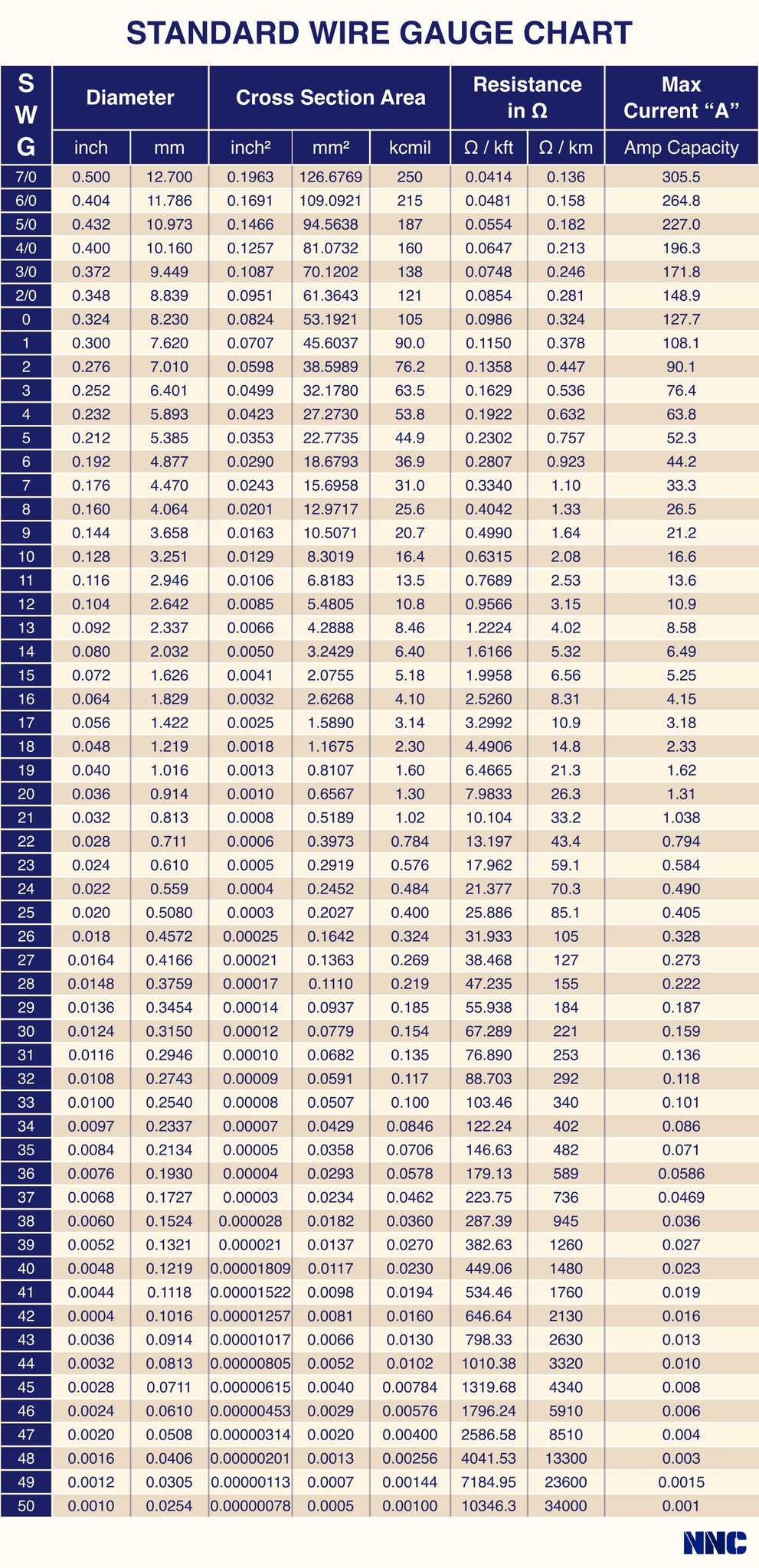
A common misconception about the AWG size chart is that it's a complex, mysterious tool, but it's actually a simple and practical reference guide. This chart, often referred to as the American Wire Gauge or wire size chart, is your go-to for quickly finding wire dimensions and properties. It's not as daunting as it may seem; the AWG size chart is a straightforward visual aid, ensuring you select the right wire size for your electrical projects.
Understanding the AWG Size Chart
The AWG (American Wire Gauge) size chart is a handy reference tool for anyone working with electrical wiring. It provides a standardized way to determine the size and characteristics of different wires, making it an essential guide for electrical installations and projects. This chart offers a quick and reliable method to identify wire sizes, ensuring accurate selections for various applications.
Comparing AWG Standards and Formats
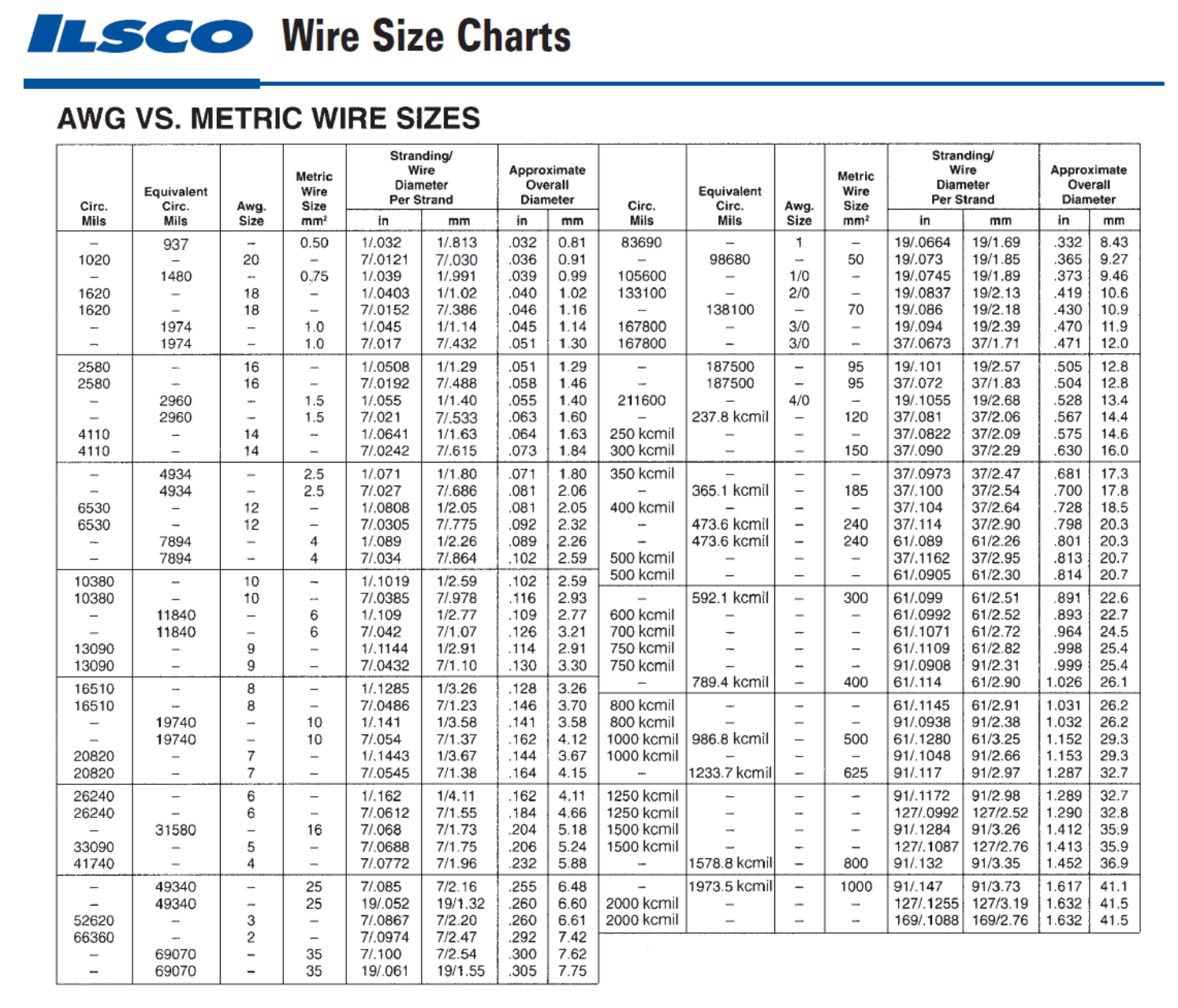
AWG charts can vary depending on the standard being followed. While the American AWG system is widely used, there are also international or metric wire gauge systems. These different standards may have slight variations in measurements and categories, so it's crucial to use the right chart for your specific region or project requirements.
Step-by-Step Guide to Reading Wire Sizes
When using an AWG size chart, follow these simple steps:
Identify the wire gauge you need for your project. This is usually specified by the electrical equipment or component you're working with.
Locate the gauge on the chart. AWG charts typically list wire gauges in ascending or descending order, making it easy to find the right one.
Read the corresponding wire diameter and other relevant data, such as cross-sectional area and current-carrying capacity. These values are essential for ensuring the wire can handle the electrical load and fit the intended application.
Compare the wire's characteristics with your project's requirements. Make sure the wire's diameter and other specifications meet the necessary standards and safety guidelines.
Common Misreadings and How to Avoid Them
One common mistake when using an AWG size chart is assuming that wire gauge and diameter are the same. While the gauge number is a convenient way to identify wire size, it doesn't directly correspond to the physical diameter. Always refer to the chart to get the accurate diameter measurement.
Another pitfall is using an outdated or incorrect chart. Ensure you have the most recent version of the AWG chart, as standards and specifications can change over time.
Factors Affecting Accuracy and Real-World Use
The accuracy of an AWG size chart depends on several factors. Firstly, the chart's reliability is based on the precision of the measurements and the adherence to the chosen standard. Secondly, real-world applications may have specific requirements or tolerances that need to be considered. For instance, high-current applications might require thicker wires than what is typically recommended by the chart. Always refer to the exact specifications for your project to ensure safety and performance.
Choosing the Right AWG Format for Your Needs
Different projects and applications may require variations of the AWG size chart. For instance, some charts provide more detailed information on wire resistance or temperature ratings, which can be crucial for specialized projects. Other charts might focus on common wire applications, offering simplified data for everyday use. Choose the format that best suits your specific needs and project requirements.
Keeping Your Reference Reliable for Future Use
To ensure your AWG size chart remains a reliable reference, consider the following:
Regularly update your chart to the latest version, especially if you work on various projects with different standards.
Store your chart in a safe and easily accessible place, ensuring it's always available when needed.
If you frequently work with wires and cables, consider investing in a durable, laminated chart that can withstand regular use.
For digital versions, keep the file backed up and easily retrievable, ensuring you always have access to the latest data.
Hey there! I hope this AWG size chart guide has been helpful and given you a solid understanding of the topic. Remember, while the basics remain the same, the exact details can vary slightly, so it's always good to double-check the specific standards or sources you're working with.
If you're keen to explore more practical guides and resources, feel free to browse around the site. We've got a range of topics covered, so you might just find something else that piques your interest and makes your life a little easier. Happy learning, and see you around!
Related: Find Your Perfect Fit: Brooks Size Chart
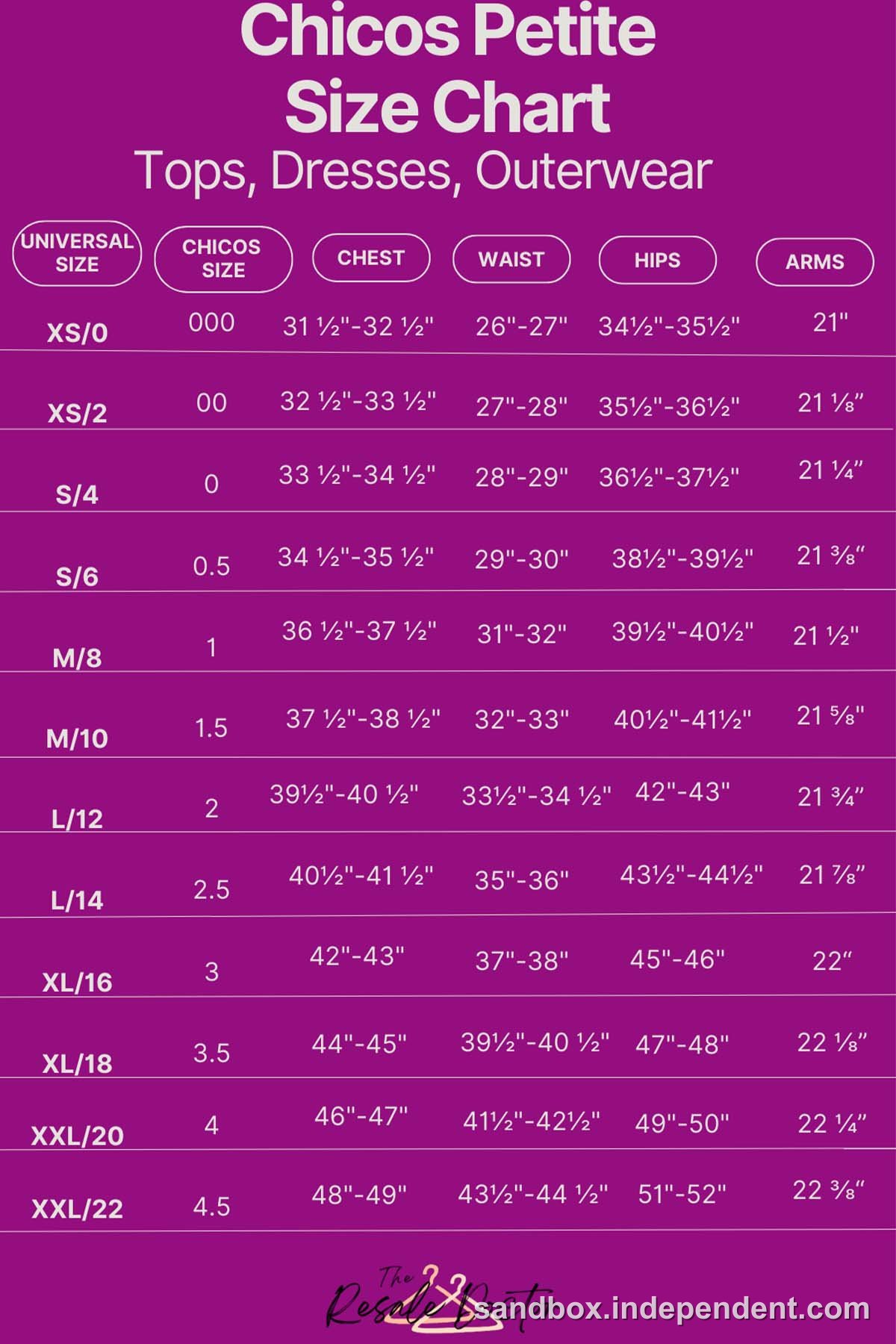
The Brooks size chart is a valuable tool for anyone seeking accurate sizing information, offering a simple and effective way to find the right fit. This guide will navigate you through the various charts and sizing guides Brooks provides, ensuring you understand the process and can make an informed choice. Whether you're after a precise shoe size or need to find the perfect bra fit, these charts are designed to simplify the process, and we'll explore how to utilize them effectively.
Understanding the Brooks Size Chart
The Brooks size chart is a valuable tool for anyone looking to find their perfect fit in Brooks footwear and apparel. It provides a comprehensive guide to help you determine your ideal size across various Brooks products, ensuring a comfortable and precise fit. This chart serves as a reference, offering size conversions and measurements to assist you in making informed choices.
Key Details and Categories
The Brooks size chart covers a range of sizes, typically starting from smaller sizes like 5 or 6 and extending up to larger sizes, such as 12 or 13, depending on the product category. It includes both men's and women's sizes, with separate charts for shoes and apparel. The shoe size chart provides measurements in both US and UK sizes, offering a conversion guide for international customers. For apparel, the chart typically uses standard sizing categories like small, medium, and large, with specific measurements for each category.
Step-by-Step Guide: Reading and Applying the Size Chart
To utilize the Brooks size chart, follow these steps:
- Identify the product category you are interested in, whether it's shoes or apparel.
- Locate the corresponding size chart for your gender.
- For shoes, find your US or UK size and refer to the provided measurements. Ensure you measure your foot length accurately, as this is crucial for a precise fit.
- In the case of apparel, identify your size category (e.g., small, medium) and refer to the provided measurements for chest, waist, and hip sizes.
- Compare your measurements with the size chart to determine the best fit. If your measurements fall between sizes, consider opting for the larger size for a more comfortable fit.
- Remember, the Brooks size chart serves as a guide, and individual preferences may vary. It's always a good idea to try on the product to ensure the perfect fit.
Size Variations and Differences
It's important to note that size variations can occur across different Brooks products and even within the same product line. These variations may be due to factors such as the intended use of the product, the materials used, or design differences. For instance, running shoes might have a slightly different fit compared to casual footwear. Additionally, Brooks may offer specialized fits, like wide or narrow options, to cater to individual foot shapes. Always refer to the specific size chart for the product you are interested in to ensure accuracy.
Common Mistakes and How to Avoid Them
When using the Brooks size chart, avoid these common mistakes:
- Relying solely on your usual shoe size without considering the specific fit of Brooks shoes.
- Neglecting to measure your feet accurately, especially if you're between sizes.
- Assuming that all Brooks apparel will fit the same; always refer to the size chart for each product.
- Failing to account for personal preferences; some may prefer a tighter or looser fit, so consider your comfort level.
- Not checking the size chart for any specific fit options, like wide or narrow, that may be available. By being mindful of these potential pitfalls, you can ensure a more accurate and satisfying shopping experience with the Brooks size chart.
Well, there you have it! A simple yet effective guide to understanding Brooks' size chart. Remember, these charts are a great tool, but it's always wise to confirm the specific details for your unique needs.
Don't forget to keep this page handy for future reference. It's a quick and easy way to ensure you're on the right track when it comes to sizing, and it might just save you some time and hassle down the line. Consider it your go-to resource for a smooth and stress-free sizing experience.
Related: What is a lexile score chart?
A lexile score chart is a handy tool that simplifies the process of understanding reading levels and text complexity. This guide will provide you with a straightforward overview, ensuring you can navigate and utilize these charts effectively.
The chart acts as a visual guide, offering a quick reference for determining the difficulty of books and texts. While the specific values and formats may vary depending on the context and region, the core purpose remains the same: to provide a lexile measure, helping readers find suitable materials and track their reading progress.
Understanding Lexile Scores: A Quick Overview
The lexile score chart is a valuable tool for educators, parents, and readers to understand and match reading abilities with appropriate text complexity. It provides a simple, standardized way to measure and communicate reading levels, making it easier to select books that are neither too easy nor too challenging.
Comparing Lexile Levels and Text Complexity
The chart presents a range of lexile measures, typically from beginner levels like 0L to advanced levels exceeding 1700L. These scores indicate the text's complexity, considering factors like sentence length, word frequency, and syntax. Higher lexile scores mean more challenging texts, suitable for advanced readers.
Selecting Appropriate Texts: A Step-by-Step Guide
- Identify the reader's current lexile level. This can be done through standardized tests or by assessing their reading abilities.
- Use the lexile score chart to find the corresponding lexile range. For instance, a reader with a lexile level of 800L would fall within the range of 750L to 900L.
- Select books or materials within this range. You can use online lexile finders or check the lexile level on the book's cover or inside flap.
- Adjust as needed. If the reader finds the text too easy or too hard, consider books at the higher or lower end of the range.
Common Misconceptions and How to Avoid Them
One pitfall is assuming that higher lexile levels always indicate better reading ability. While it's true that more advanced readers will have higher lexile scores, it's essential to remember that reading ability is not solely determined by lexile level. Other factors, like reading speed, comprehension, and personal interest, also play a role.
Factors Affecting Accuracy and Real-World Use
Several variables can impact the accuracy of lexile scores and their real-world application. These include the reader's age, prior knowledge of the subject, and personal reading goals. For instance, a young reader with a high lexile level might still prefer easier books for recreational reading. Additionally, the lexile framework may not capture the complexity of certain genres or formats, like poetry or graphic novels. It's crucial to consider these factors when using the lexile score chart to ensure a well-rounded and enjoyable reading experience.
Well, there you have it! A handy lexile score chart can be a powerful tool, but it's essential to remember that these scores are just a guide. Each person's reading journey is unique, so ensure you tailor your approach to suit your goals and interests.
Before you go, take a moment to ensure you've considered your specific needs. These charts provide a great starting point, but the exact values may differ slightly depending on the source. Bookmark this page for a quick reminder, and you'll always have a helpful reference at your fingertips!