


Color Mixing Chart Blank Overview
A screw size chart is a handy tool for anyone dealing with screws and fasteners. It's a simple yet effective way to ensure you're using the right size and type for your project. This guide will cover the basics, giving you the knowledge to read and utilize these charts with ease.
The chart provides a quick reference for various screw dimensions, including gauge, thread, and head type. While the values may differ slightly depending on the standard or region, the screw size chart offers a reliable starting point for your fastener needs.
Understanding the Screw Size Chart
A screw size chart is your practical guide to choosing the right screw for any project. It's a reference tool that simplifies the process of selecting screws based on their size, type, and intended use. This chart is a handy resource for anyone working with screws, from DIY enthusiasts to professional contractors.
Comparing Standards and Formats
Screw size charts can vary depending on the standard being followed. The two main standards are the metric system and the imperial system, with each having its own set of measurements and designations. The metric system is widely used internationally and offers a straightforward approach, while the imperial system, common in the US, uses a different set of thread sizes and designations. It's crucial to know which standard your project follows to ensure accurate screw selection.
Practical Screw Selection: A Step-by-Step Guide
Using a screw size chart is straightforward. Here's a simple process:
- Identify the screw's intended use. Different applications require specific screw types and sizes.
- Locate the relevant section on the chart based on the standard you're working with.
- Read across the chart to find the desired screw size. The chart typically displays screw length and diameter measurements.
- Match the measurements to the physical screw you need.
- Check the screw head type and drive style, which are often included in the chart.
- Select the appropriate screw based on your findings.
Avoiding Misreadings and Pitfalls
Misreading a screw size chart can lead to incorrect screw selection. Common mistakes include:
- Confusing metric and imperial measurements. Always double-check the standard being used.
- Misinterpreting screw head types. Pay attention to the symbols or descriptions provided.
- Overlooking drive style variations. Ensure the drive style matches your screwdriver or tool.
- Ignoring the screw's intended use. Different applications require specific screw characteristics.
Key Factors Affecting Accuracy
Several factors can influence the accuracy of your screw selection:
Screw gauge: The gauge refers to the thread pitch, which can vary and impact screw compatibility.
Head types: Different head shapes and sizes serve specific purposes and may affect your choice.
Drive style: The drive style, such as Phillips or flathead, must match your tool for easy installation.
Material: Screws are made from various materials, each with unique strengths and applications.
Finish: The screw's finish, like zinc plating or stainless steel, offers different levels of corrosion resistance.
Key factors:
- Screw gauge (thread pitch)
- Head type and size
- Drive style
- Material
- Finish
Adapting the Chart for Specific Needs
Screw size charts are versatile and can be adapted to suit specific projects. If you're working with unusual materials or have unique requirements, you may need to adjust the chart or seek expert advice. For instance, if you're dealing with soft materials, you might need longer screws to ensure a secure hold. Always consider the specific demands of your project to make the most accurate selection.
Keeping Your Reference Reliable
To ensure the reliability of your screw size chart, it's essential to keep it up-to-date. Regularly check for new standards and updates, especially if you work on diverse projects. Additionally, consider creating a personalized chart by noting down your frequently used screw sizes and their corresponding applications. This customized reference will streamline your selection process and reduce the risk of errors.
So, you've got your screw size chart, a handy tool to keep in your back pocket for any project. It's a simple yet effective reference, and with a few key considerations, you can ensure you're using it accurately.
Remember, these charts provide a great starting point, but your specific project and its unique requirements may vary. Always double-check the exact values and measurements you need, and don't be afraid to adapt and make it work for you. It's a useful guide, but it's not set in stone! Bookmark this page for a quick reminder, and you'll be a screw size expert in no time.
Related: Jazz Depth Chart: A Comprehensive Guide
Frustrated by the lack of clarity on jazz depth charts? You're not alone. Many musicians and enthusiasts seek a straightforward guide to understanding these charts, which can vary in format and structure. The jazz depth chart is a valuable tool, offering a snapshot of a jazz ensemble's hierarchy and roles. It provides a quick reference, ensuring everyone knows their place and purpose within the band's dynamic. Whether it's a jazz band hierarchy or a big band organization, these charts are essential for smooth collaboration and performance.
Understanding the Jazz Depth Chart: A Practical Guide
A jazz depth chart is a visual representation, often in the form of a diagram or table, that outlines the typical hierarchy and structure of a jazz ensemble. It provides an overview of the instrumental roles, their relative importance, and the standard setup for a jazz band. This chart is an essential tool for musicians, composers, and arrangers, offering a quick reference for understanding the dynamics and organization of a jazz group.
Comparing Common Instrumentation and Formats
The jazz depth chart typically features a range of instruments, each with its designated position and role. Common categories include the rhythm section, which forms the backbone of the ensemble, and the front line, which takes the lead in improvisation. The rhythm section often includes piano, bass, drums, and sometimes guitar, while the front line can feature a variety of instruments like saxophone, trumpet, trombone, and vocals. The chart may also indicate the number of players per section, providing a standard framework for jazz band hierarchy.
Reading and Applying the Depth Chart: A Step-by-Step Guide
Start by familiarizing yourself with the chart's layout. Identify the different sections and their respective instruments. Look for any labels or legends that explain the symbols or abbreviations used.
Understand the relative importance of each instrument. The depth chart often uses a visual hierarchy, with larger or more prominent symbols representing key instruments or sections.
Consider the number of players suggested for each section. While this can vary, the chart provides a standard guide, ensuring a balanced and functional ensemble.
When arranging or composing for a jazz band, use the depth chart as a starting point. It offers a clear structure to build upon, ensuring a well-organized and harmonious performance.
Adapt the chart to your specific needs. While it provides a standard framework, jazz is an art form that encourages creativity and experimentation. Feel free to modify the setup to suit your musical vision.
Avoiding Common Misreadings and Pitfalls
One common mistake is assuming that the jazz depth chart is a rigid, unchangeable blueprint. While it provides a standard structure, jazz is a flexible genre, and variations are common. Always consider the specific context, the style of jazz being performed, and the unique talents of the musicians involved.
Another pitfall is neglecting to consider the dynamics and interplay between sections. The depth chart is a guide, but the true magic of jazz lies in the interaction and improvisation between musicians. Ensure your arrangements allow for this creative freedom.
Key Factors Affecting Accuracy and Real-World Use
The accuracy of a jazz depth chart can vary depending on the specific jazz style and regional influences. For instance, a big band setup may differ from a small jazz combo, and international variations may exist. Always consider the context and double-check specific requirements or tolerances when necessary.
Additionally, the chart's effectiveness relies on the skill and creativity of the musicians. While it provides a framework, the true essence of jazz comes from the unique interpretations and improvisational skills of the performers.
Adapting the Chart for Specific Needs and Formats
While the jazz depth chart offers a standard guide, it can be adapted to suit various formats and genres. For instance, a jazz fusion band may require additional electric instruments, or a Latin jazz ensemble might feature percussion instruments not typically found in a traditional jazz band.
When adapting the chart, consider the unique characteristics of the style you're working with. Ensure the adapted setup still maintains a balanced and harmonious ensemble, allowing for the creative interplay that defines jazz music.
Well, that's a wrap on our exploration of the jazz depth chart and its practical applications. We've covered a lot of ground, from understanding the basics to tailoring the chart to your unique needs.
Remember, when applying these concepts, it's essential to consider your specific context and requirements. Exact values and formats may vary, so always double-check what works best for your situation. Feel free to explore our other guides; we've got a range of topics that might interest you and provide further insights into the world of jazz and its many facets. Happy reading and, as always, keep that jazz spirit alive!
Related: What is a "spice t chart"?
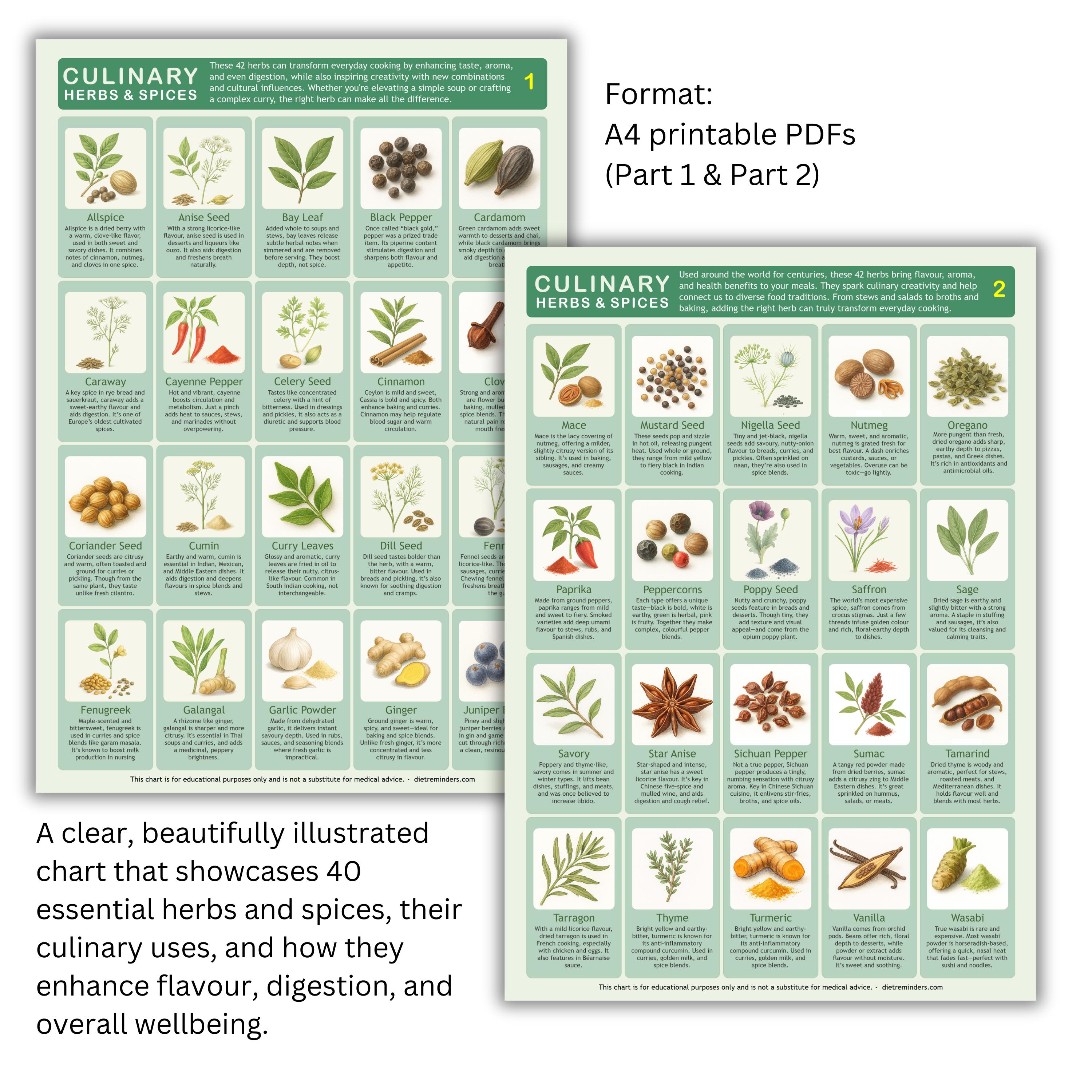
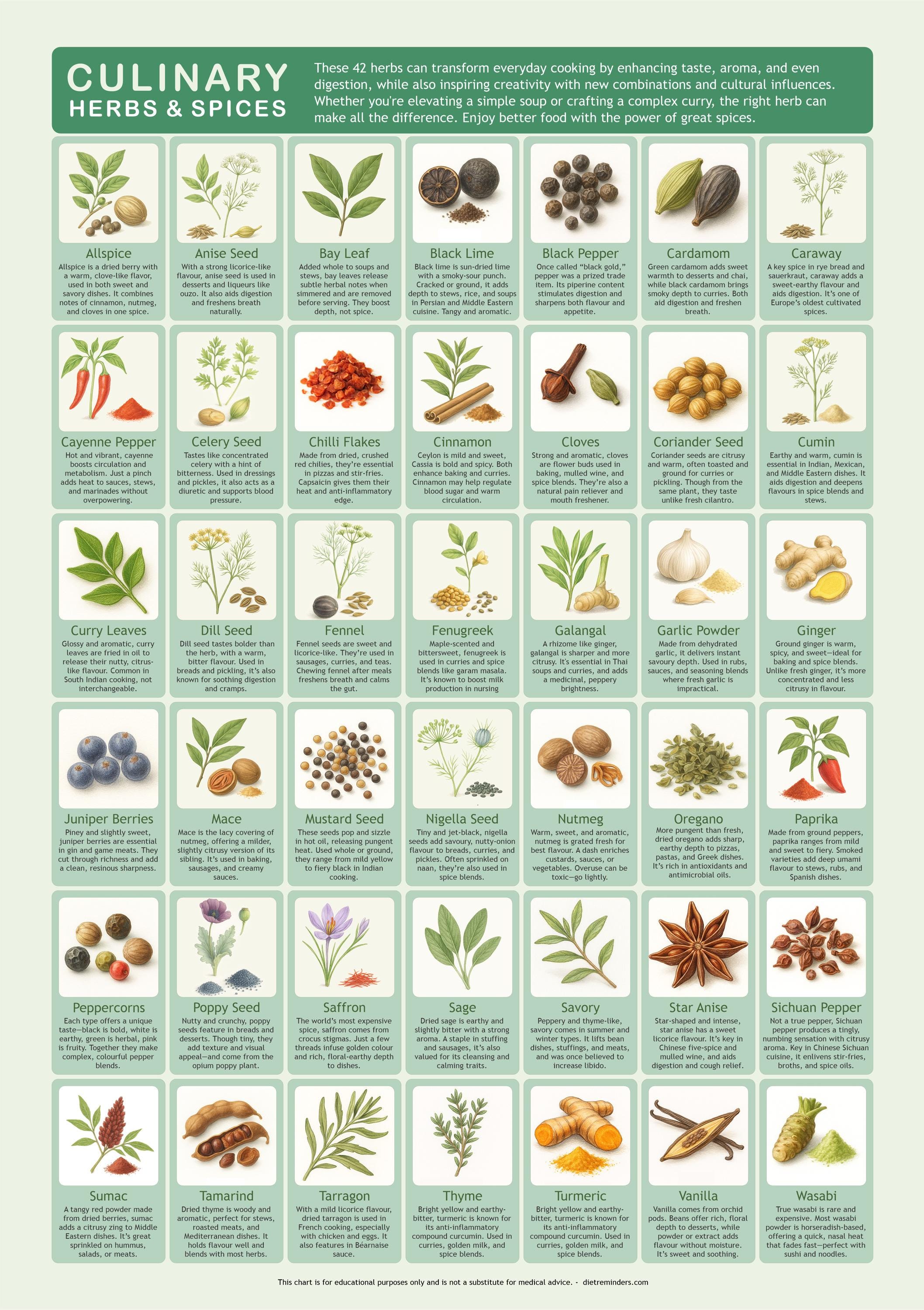
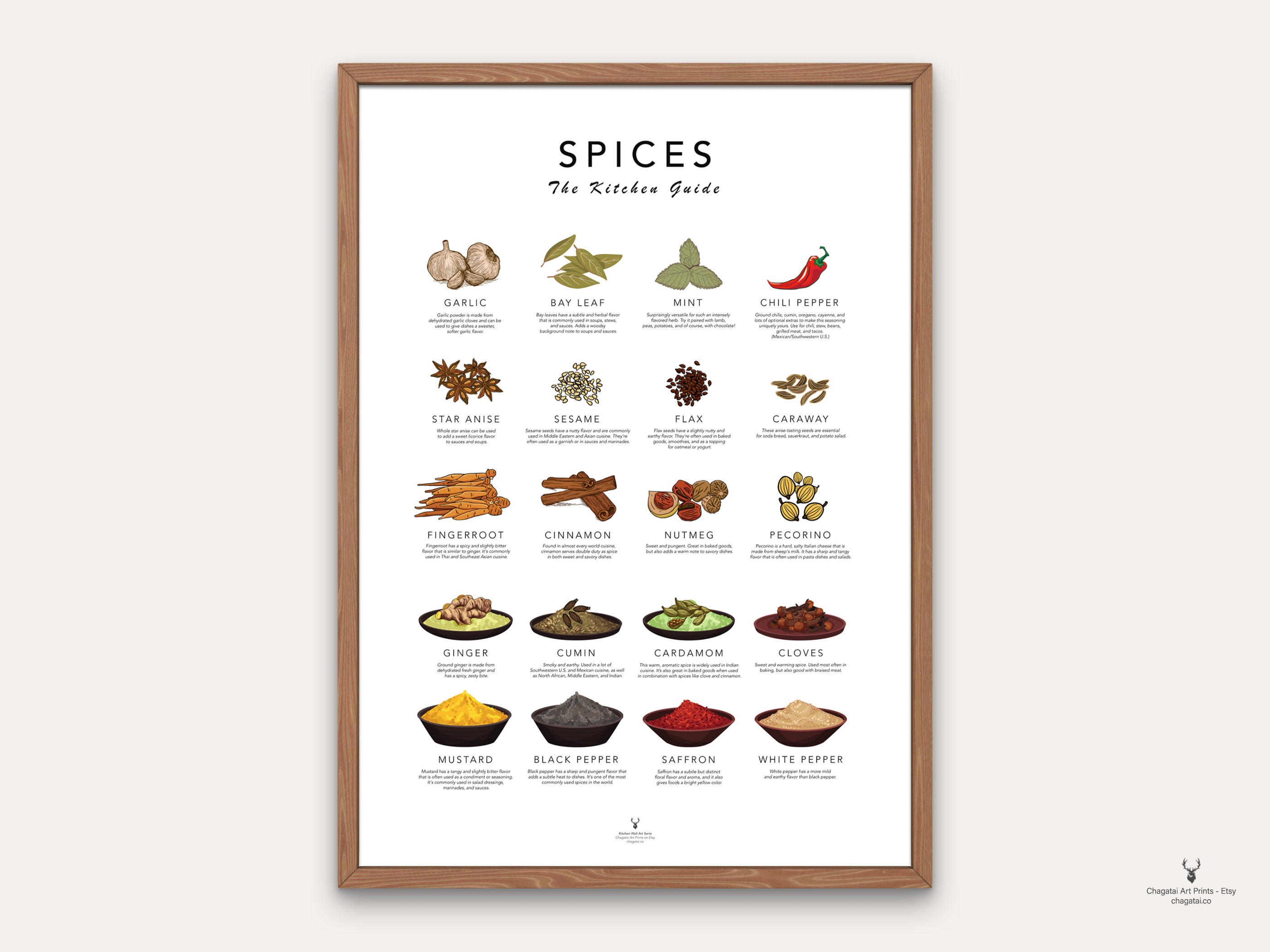
You're here because you need a quick fix, a reliable source to refer to when it comes to spices and their measurements. Well, look no further than the Spice T Chart! It's a handy tool that simplifies the often confusing world of spice quantities. This chart is your go-to guide, offering a visual representation of spice measurements, ensuring your dishes are perfectly seasoned every time. Whether you're a cooking novice or a pro, having this reference can make all the difference.
What is a Spice T Chart?
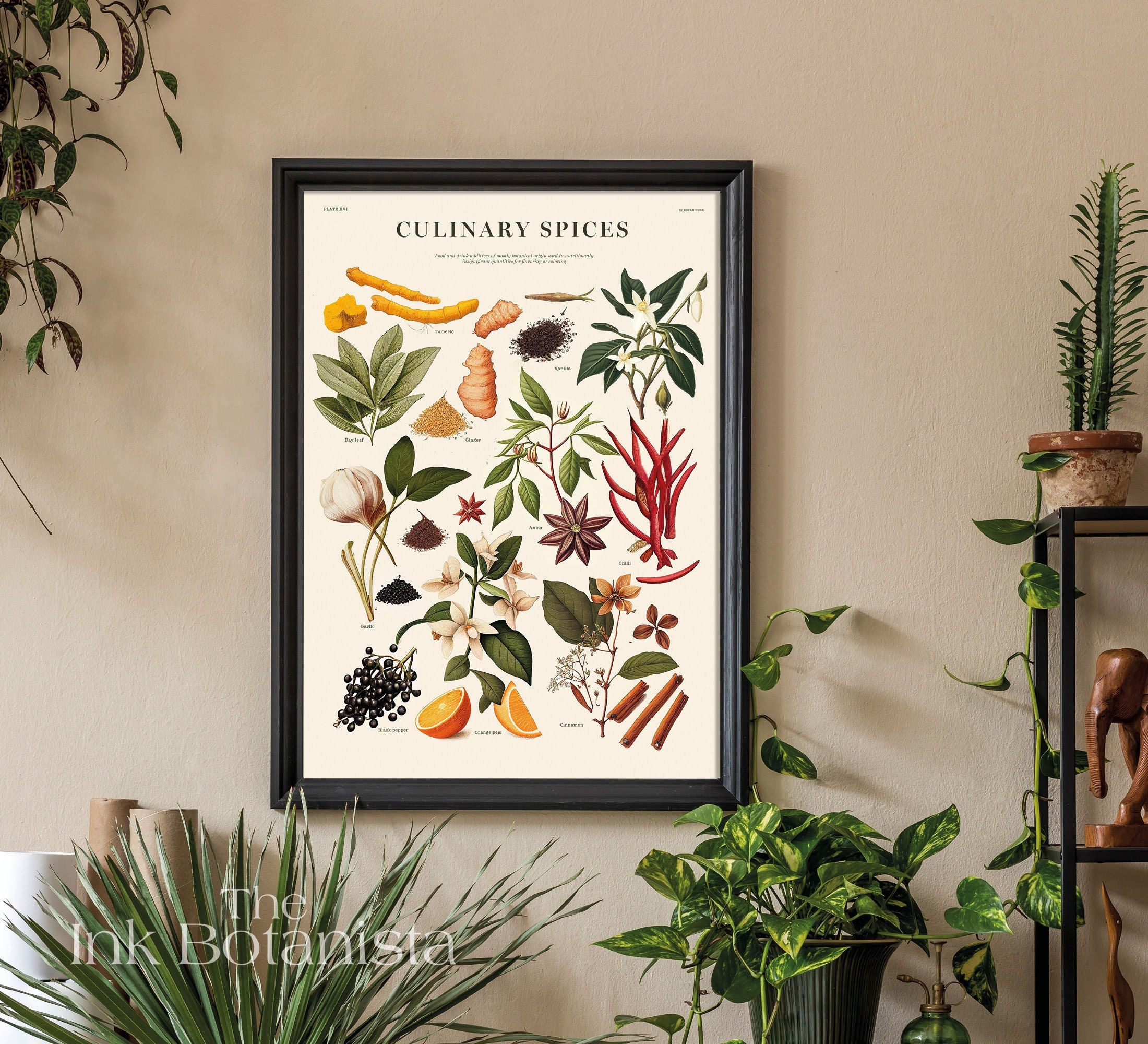
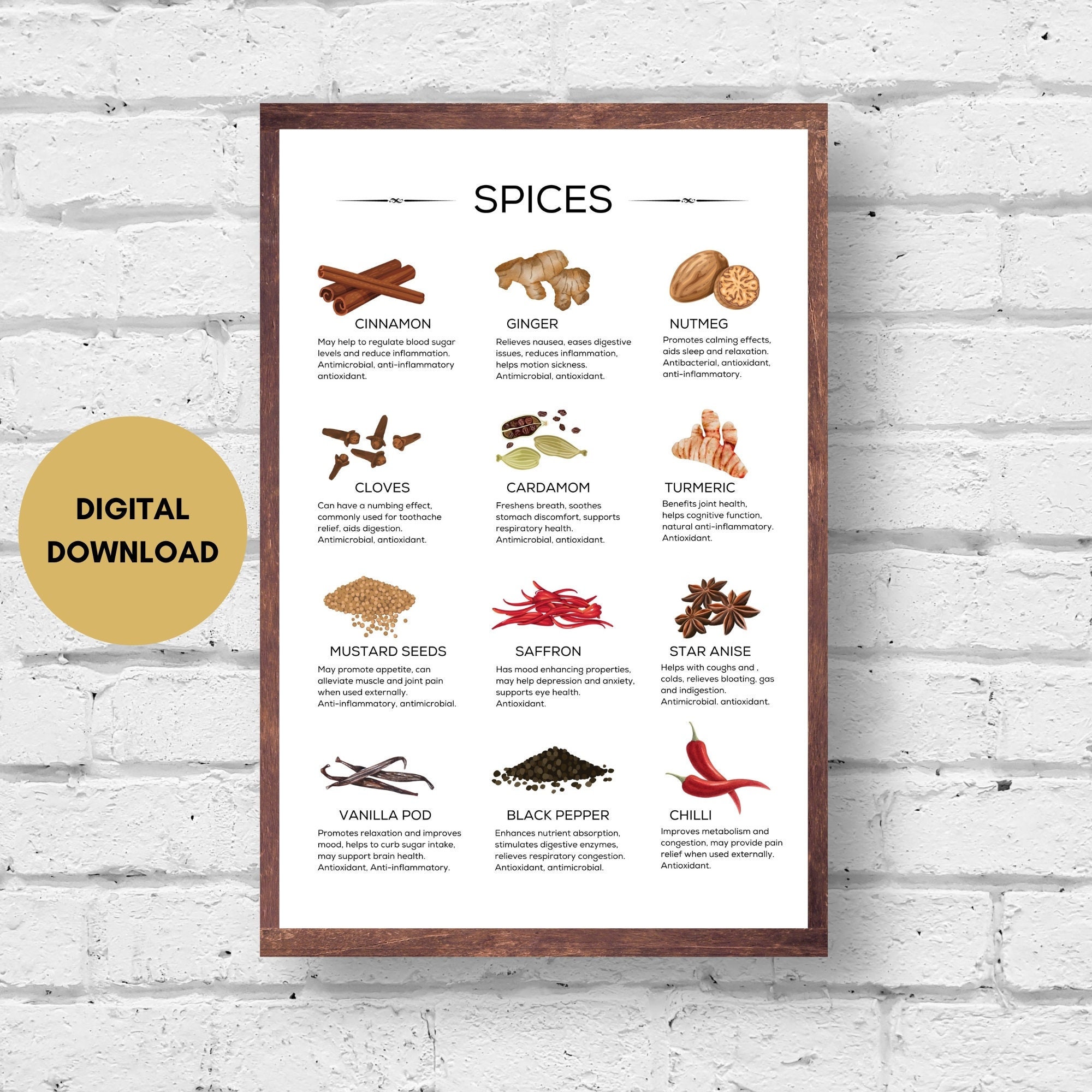
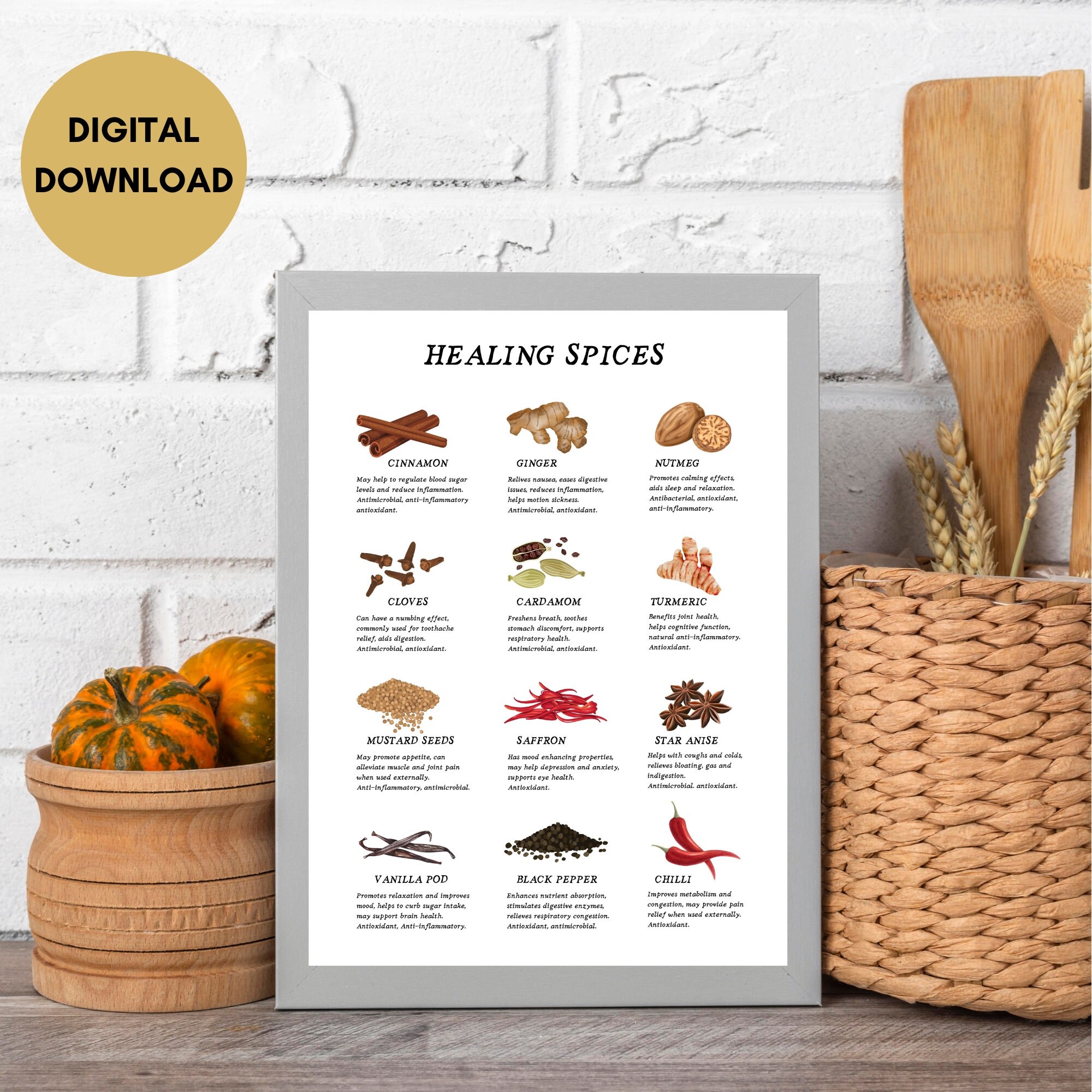
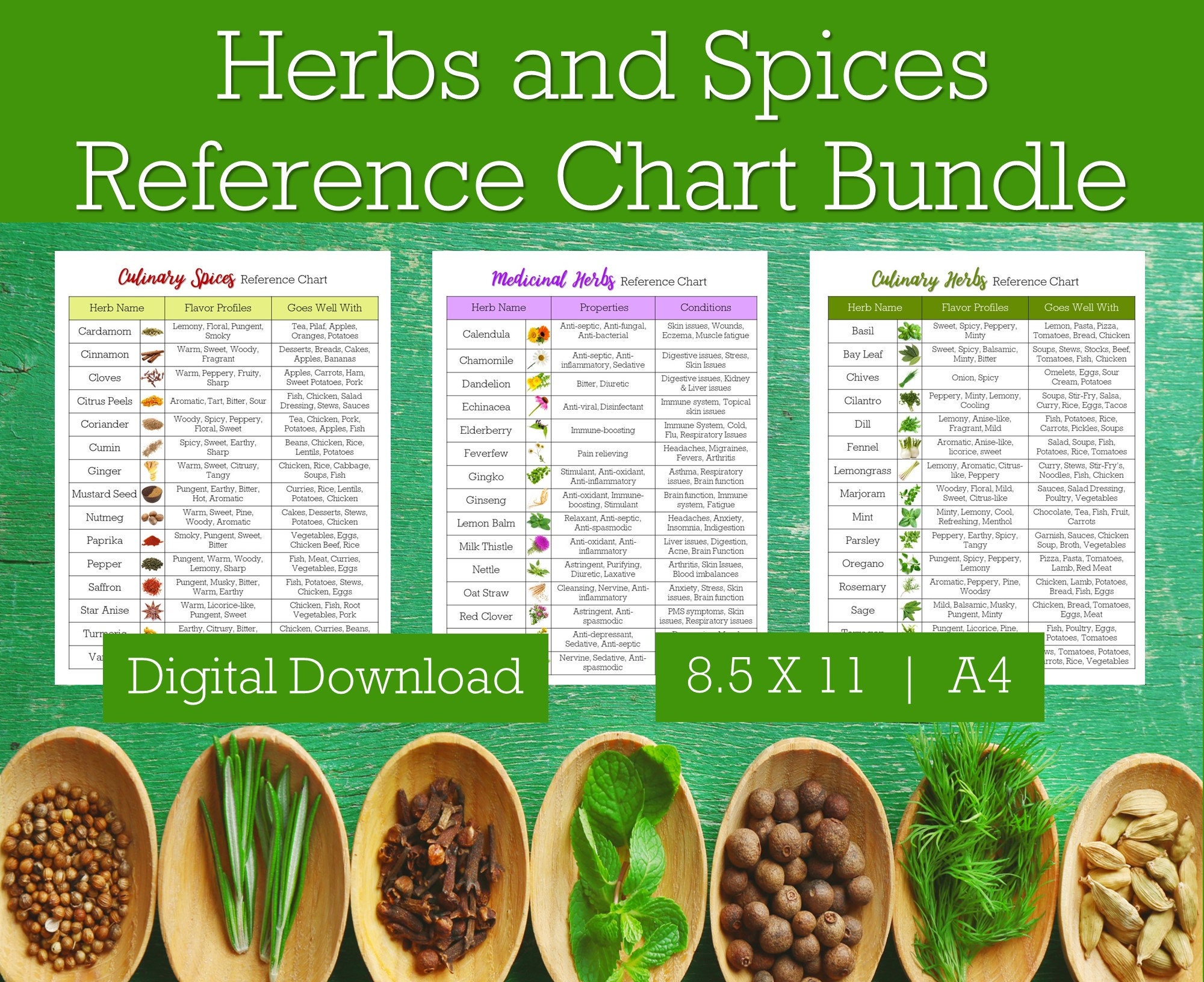
A spice chart is a handy reference tool for anyone who loves to cook or wants to explore the world of spices. The Spice T Chart is a visual guide that helps you understand the heat intensity and flavor profiles of various spices. It's like having a spice expert right in your kitchen!
Key Details and Categories
The Spice T Chart typically features a range of common spices, organized by their heat level and flavor characteristics. You'll find spices like chili peppers, paprika, cumin, and many more. Each spice is assigned a heat rating, often on a scale of 1 to 10 or using a simple heat indicator like mild, medium, or hot. Additionally, the chart provides a brief description of the spice's flavor, including its aroma and any unique qualities.
How to Read and Use the Spice T Chart
Using the Spice T Chart is a breeze! Here's a simple step-by-step guide:
Identify the Spice: Look for the spice you want to use or explore on the chart. It's usually listed by name or with a small illustration.
Check the Heat Rating: Locate the spice's position on the heat scale. This will give you an idea of how spicy it is. A higher number or a 'hot' indicator means a more intense heat level.
Explore Flavor Notes: Read the description provided for each spice. This will help you understand its unique flavor profile, including any dominant aromas or tastes.
Choose and Experiment: Now you can confidently select spices for your dish! Consider the heat level and flavor notes to create a balanced and delicious meal.
Variations and Differences
It's important to note that spice charts can vary depending on the source and intended audience. Different regions and cuisines may have their own spice preferences and intensity scales. For example, a chart designed for Indian cuisine might emphasize certain spices and heat levels that are less common in other cuisines. Always check the source and intended use of the Spice T Chart to ensure it aligns with your culinary goals.
Common Mistakes and How to Avoid Them
One common mistake is assuming that all chili peppers or spice blends will have the same heat level. In reality, even within a single type of chili pepper, there can be significant variations in heat intensity. Always refer to the specific heat rating on the Spice T Chart and consider trying a small amount first to gauge the spice's true heat. Additionally, be mindful of the freshness of your spices. Old spices may have lost some of their potency, so adjust the quantity accordingly.
Practical Tips for Accurate Results
To get the most out of your Spice T Chart, consider the following tips:
- Start with a small amount of spice and gradually increase to find the perfect balance.
- Fresh spices can have more intense flavors, so adjust your quantities if using fresh ingredients.
- Experiment with different spice blends to create unique flavor profiles.
- Keep your Spice T Chart handy in the kitchen for quick reference.
- If you're trying a new spice, research its traditional uses and cultural significance to understand its role in various dishes.
Remember, the Spice T Chart is a guide, and cooking with spices is an art. Have fun exploring the world of spices and creating delicious, flavorful dishes!
Well, there you have it! The spice t chart is a handy tool, and with these tips, you should feel confident using it. Remember, always check the specific guidelines or standards relevant to your project, as exact values may differ slightly.
This chart is a great reference, so be sure to keep it close by and bookmark this page for future use. Happy spicing!