









Coloring Page Dirt Bike Overview
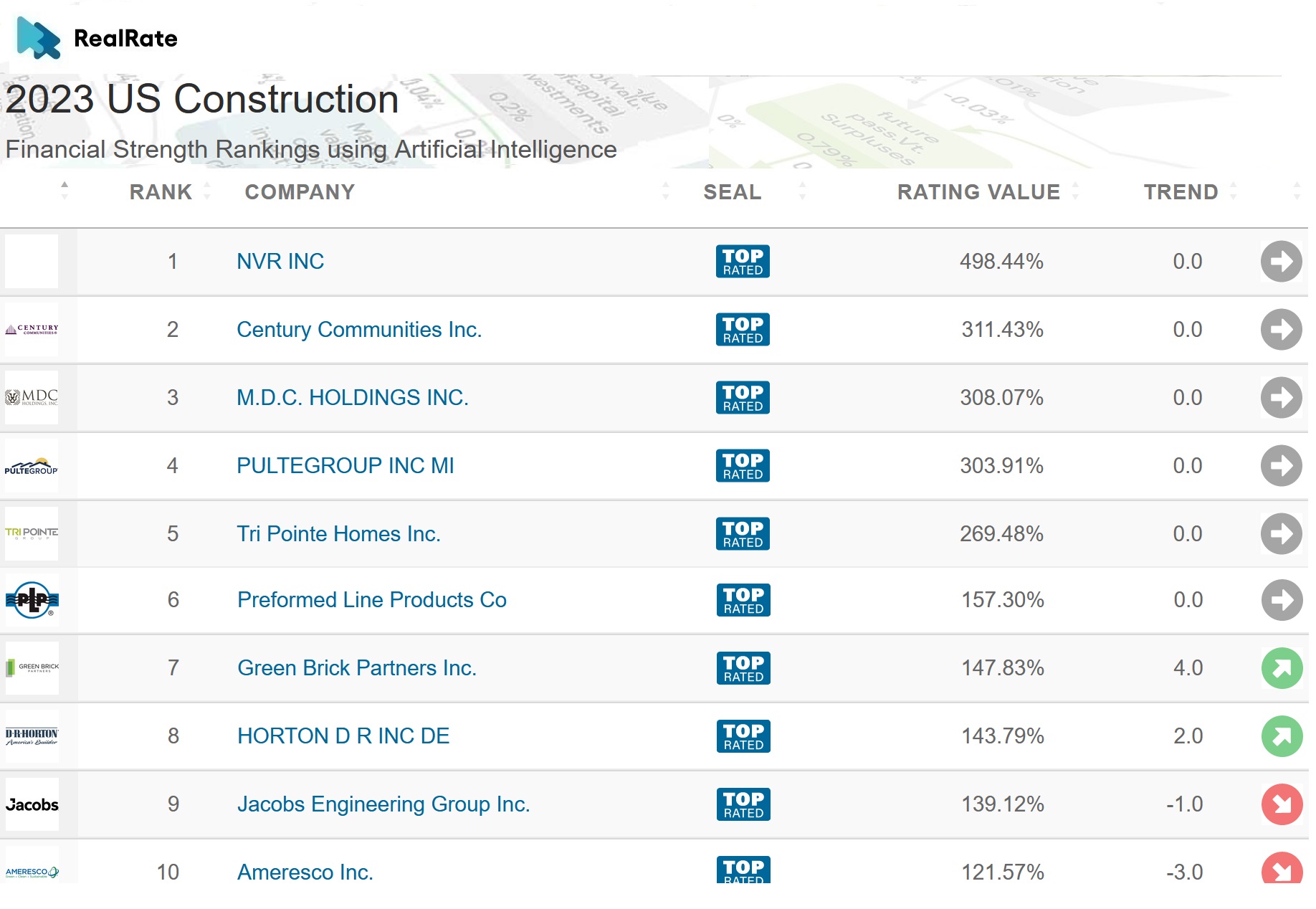
Hey, I'm curious about this list of top 50 construction companies in the USA I found online. Who are these giants, and how do they stack up? I mean, what's the deal with these big names in the industry? Let's explore and see what we can uncover!
Unveiling the Top 50: A Closer Look
When we talk about the top 50 construction companies in the USA, we're referring to the industry's heavyweights. These are the firms that have made a significant impact and left their mark on the construction landscape. But what sets them apart? Well, it's a combination of factors. These companies often have a long-standing reputation, a solid track record, and a diverse range of projects under their belt. They might specialize in certain areas, like commercial or residential construction, and have the resources to take on large-scale ventures.
One of the key aspects to consider is their reach. Many of these top companies operate nationwide, with a presence in multiple states. This allows them to tackle projects of all sizes and cater to a wide range of clients. It's also worth noting that their size often translates to a larger workforce, which can be an advantage when it comes to managing complex projects with tight deadlines.
Practical Insights for Construction Enthusiasts
So, why does this list matter to us? Well, for one, it can be a great resource when you're looking to hire a contractor or company for your own construction needs. These top companies often have a wealth of experience and can offer a certain level of assurance when it comes to quality and reliability. However, it's important to remember that just because a company is on this list, it doesn't mean they're the right fit for every project.
When hiring, it's crucial to assess your specific needs and compare quotes. Don't be afraid to ask questions and seek references. A good quote should provide a detailed breakdown of costs, including labor, materials, and any additional fees. It's also a good idea to check their licensing and insurance, especially for larger projects.
Naming and Branding: A Quick Note
Naming a construction company can be an art in itself. A great name should be memorable, reflect the company's values or services, and be unique enough to stand out. Some companies opt for a straightforward approach, using their founder's name or a simple description of their services. Others go for a more creative route, choosing a name that's catchy and easy to remember.
Here are a few original name ideas:
- BuildCraft
- Constructive Solutions
- Skyrise Builders
- Foundation First
- HomeCrafters
- BuildPro
Remember, before finalizing a name, check its availability for domains and local registration to avoid any legal hiccups.
A Glimpse into the Industry
The construction industry is a diverse and dynamic field, offering a range of roles and opportunities. From general contractors to estimators and project managers, there's a role for almost every skill set. Salaries can vary greatly depending on experience, location, and the specific role.
When it comes to finding construction jobs, online job boards and industry-specific websites are a great place to start. Many companies also post their openings on social media or their own websites, so it's worth keeping an eye out.
Tools of the Trade: A Brief Overview
In the construction world, tools like RSMeans are highly valued. RSMeans is a cost database that provides valuable insights and estimates for construction projects. It's a go-to resource for many in the industry, offering accurate data on material and labor costs.
Another important aspect is escalation, which refers to the potential increase in costs over time. This could be due to factors like inflation or changes in the market. Construction companies often use cost indexes to track and predict these escalations, helping them provide more accurate quotes and manage projects effectively.
Final Thoughts
So, there you have it! A quick dive into the world of the top 50 construction companies in the USA. While we can't delve into every detail or provide exact rankings, we've uncovered some practical insights and interesting aspects of the industry. Remember, when it comes to construction, it's always a good idea to do your research, compare quotes, and ensure you're getting the best fit for your specific needs. Happy building!
Related: What is the Igora Color Chart?
Many people struggle with understanding the Igora color chart and often make the mistake of overlooking its simplicity. It's not as complex as it may seem! The Igora color chart is a straightforward tool designed to guide you through the world of hair coloring. This handy reference offers a clear overview of hair dye shades and their corresponding numbers, making it easy to choose and mix colors.
Understanding the Igora Color Chart
The Igora color chart is your go-to guide for achieving perfect hair color results. It's a visual reference tool that displays a range of hair dye shades, offering a clear representation of what each color looks like when applied to hair. This chart is a hair stylist's best friend, providing a quick and easy way to choose and visualize colors.
Comparing Color Options: Standard Notation and Families
The Igora color chart follows a standard color notation system, typically using a combination of numbers and letters to represent different shades. For example, a shade might be labeled as "5.1" or "7N," where the number indicates the level of lightness or darkness, and the letter represents the tone or family of the color. This system ensures consistency and makes it easier to communicate and reproduce colors accurately.
Step-by-Step: Using the Igora Color Chart
To use the Igora color chart effectively, follow these simple steps:
Identify the desired color family or tone. The chart often groups similar colors together, making it easy to browse and compare shades within a specific family.
Look for the corresponding number or code. Each shade has a unique code, which is usually a combination of numbers and letters. This code provides essential information about the color's characteristics.
Assess the level of lightness or darkness. The number in the code indicates the level of lightness, with lower numbers representing darker shades and higher numbers indicating lighter ones. This helps you choose the right shade for your desired outcome.
Consider the tone or family. The letter in the code represents the tone or family of the color, such as natural (N), ash (A), or copper (C). This helps you achieve the desired warmth or coolness in the final result.
Refer to color swatches or models. Many charts include visual swatches or models to give a more accurate representation of how the color will look on hair. This step is crucial for ensuring you choose the right shade.
Avoiding Misreadings and Pitfalls
While the Igora color chart is straightforward, there are a few potential pitfalls to avoid:
Be mindful of lighting conditions. The appearance of colors can vary under different lighting, so it's essential to view the chart under similar lighting to the final application environment.
Understand color mixing. Some shades may require mixing, and the chart might not explicitly show the mixed result. In such cases, refer to a color mixing guide for accurate color combinations.
Consider hair type and condition. The final color result can vary depending on the hair's porosity, previous color treatments, and overall condition. Always conduct a strand test to ensure the desired outcome.
Factors Affecting Accuracy
Several key factors can influence the accuracy of the Igora color chart and the final hair color result:
Hair porosity: The ability of hair to absorb and retain color can vary, affecting the intensity and longevity of the chosen shade.
Previous color treatments: If the hair has been previously colored, the existing color and its condition can impact the final result.
Developer volume: The strength of the developer used can affect the lightness or darkness of the color. Always follow the recommended developer volume for the desired shade.
Processing time: The time the color mixture is left on the hair can impact the final result. Follow the recommended processing time for accurate results.
Adapting the Chart for Specific Needs
The Igora color chart is versatile and can be adapted to suit different needs and preferences. Here are a few ways to customize its use:
Choose the right format: Igora offers various chart formats, including digital versions and physical charts. Select the format that best suits your working style and environment.
Consider personal preferences: Some stylists prefer to work with a more extensive color palette, while others may focus on specific color families. Tailor your chart selection to your preferred color range.
Stay updated: Igora regularly updates its color charts to reflect new shades and trends. Ensure you have the latest version to access the most up-to-date color options.
By understanding the Igora color chart, following a simple step-by-step process, and considering key factors, you can achieve accurate and stunning hair color results.
Hey there, hope this guide has given you a good grasp of the Igora color chart and its uses. Remember, the exact details might differ slightly depending on the source or standard you're working with, so always double-check.
If you're keen to explore more, we've got a bunch of other guides on various topics that might interest you. Just take a casual scroll through our site and see what catches your eye! It's a great way to keep learning and stay informed.
Related: A Beginner's Guide to UCF Depth Chart
If you're here, you're likely seeking a straightforward guide to understanding the UCF depth chart. This essential tool provides a snapshot of the team's player positions and roles, offering a quick reference for fans and enthusiasts alike. The depth chart is a dynamic resource, and its format may vary, but its purpose remains consistent: to present a clear picture of UCF's roster and the players' positions.
Understanding the Chart: A Quick Overview
The ucf depth chart is a valuable tool for sports enthusiasts, providing an insightful look into a team's player lineup and their positions. It offers a clear visual representation of the team's depth and strategy, allowing fans and analysts to grasp the team's composition and potential.
Key Player Positions and Their Formats
The ucf depth chart typically features a standardized format, with columns representing different player positions and rows indicating the players' names or numbers. Common positions include quarterback (QB), running back (RB), wide receiver (WR), and more. Each position has its own set of skills and responsibilities, and the chart helps identify these roles.
Reading the Lineup: A Step-by-Step Guide
To read a ucf depth chart accurately, follow these steps:
Identify the position columns: Look for the labels or abbreviations indicating player positions. These columns provide an overview of the team's strategy and depth for each role.
Analyze the player rows: Each row represents a player, with their name, number, or both. This information helps identify individual contributors and their specific roles.
Note the depth: The depth chart often includes multiple rows for each position, indicating the team's depth and potential substitutions. The top row typically represents the starting lineup, while subsequent rows showcase backup players.
Understand the strategy: By comparing the depth for different positions, you can gain insights into the team's strategy and potential weaknesses or strengths. For example, a deep roster at running back suggests a strong running game, while a shallow roster at wide receiver may indicate a reliance on the passing game.
Common Misreadings and How to Avoid Them
While the ucf depth chart is a valuable tool, it's essential to avoid common misreadings:
Don't assume starting positions: The top row often represents the expected starting lineup, but coaches may make last-minute changes due to injuries, performance, or strategic decisions. Always confirm the official starting lineup before the game.
Understand positional flexibility: Some players may be listed under multiple positions, indicating their versatility. This flexibility can be an asset, allowing coaches to adapt their strategy during the game.
Consider injury reports: Injuries can significantly impact a team's depth chart. Always check the latest injury reports to understand which players may be unavailable and how that affects the lineup.
Factors Affecting Accuracy and Real-World Use
Several factors can influence the accuracy and real-world application of a ucf depth chart:
Coaching strategies: Coaches may choose to keep their strategies hidden, making depth charts less accurate as a predictive tool.
Injuries and performance: Player injuries or sudden drops in performance can quickly render a depth chart obsolete.
Player development: Young or developing players may quickly improve, challenging the depth chart's accuracy over time.
Opponent analysis: Depth charts are often used to counter an opponent's strategy, so understanding their lineup is crucial for effective game planning.
Remember, while the ucf depth chart provides valuable insights, it's just one tool in a sports analyst's arsenal. Always stay updated with the latest news and reports to ensure your analysis remains accurate and relevant.
Remember, while this depth chart offers a comprehensive guide, it's always wise to consider your unique circumstances. Exact values and details may vary, so a quick check ensures you're on the right track.
Feel free to explore our other resources for a deeper understanding. We've got plenty of guides to help you navigate and make informed decisions. Happy reading and best of luck with your project!