







Coloring Page Of A Caterpillar Overview
So, I was chatting with my neighbor about their plans to expand their living space, and it got me thinking about home addition contractors. Who do you call when you want to add a room or two to your house?
Understanding Home Additions
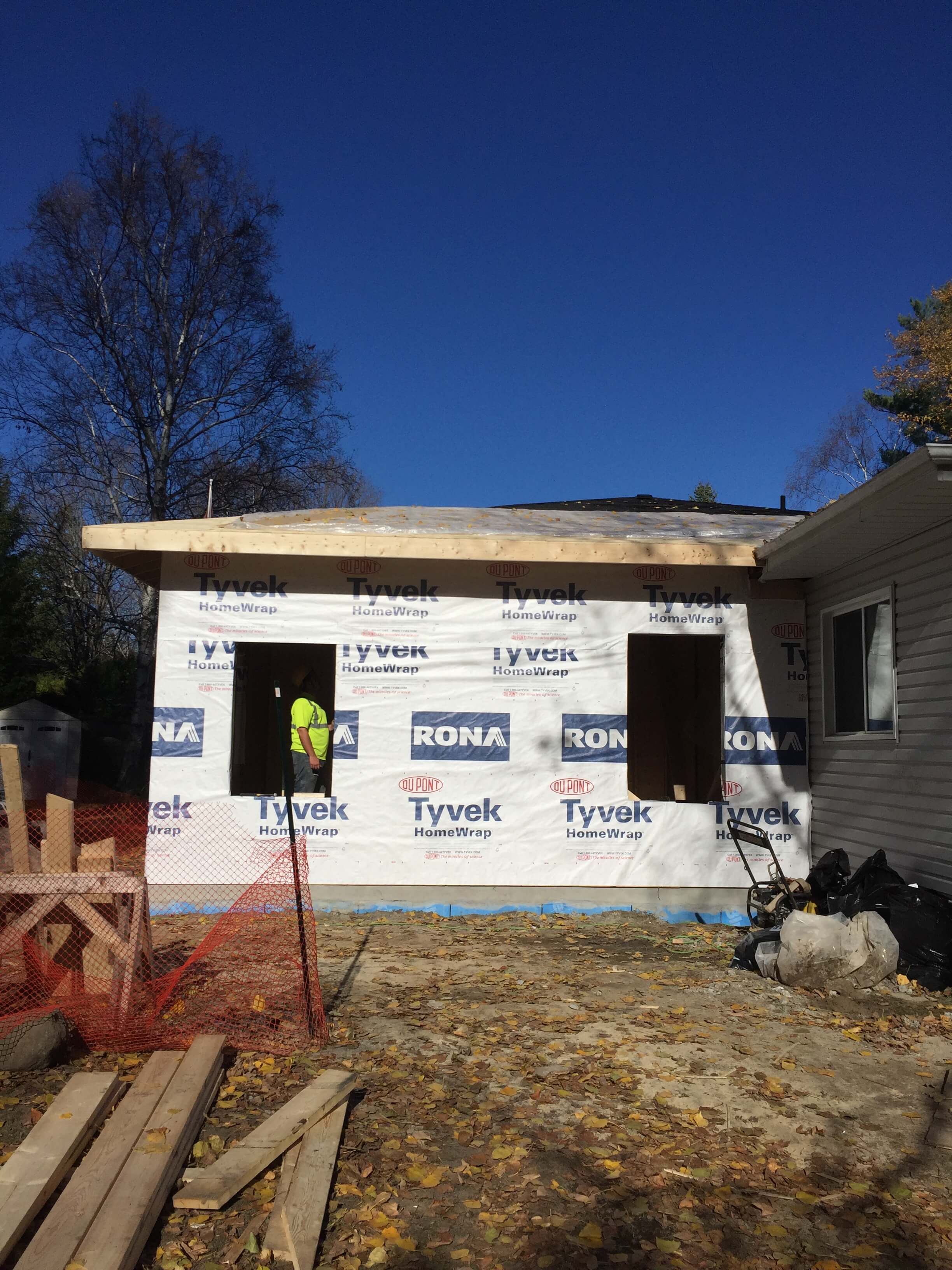
Home additions are a great way to gain more space without moving. It's an exciting project, but it can also be a bit daunting, especially when it comes to finding the right professionals. Home addition contractors are the experts who make these projects happen. They're responsible for the entire process, from planning and design to construction and finishing touches.
When you're considering a home addition, it's essential to find a reliable and experienced contractor. They'll guide you through the process, helping you navigate the various stages and ensuring your vision becomes a reality.
What to Look for in a Contractor
Finding the right home addition contractor is crucial. Here are some key factors to consider:
Experience: Look for contractors with a proven track record in home additions. Ask about their previous projects and, if possible, speak to their past clients about their experiences.
Licensing and Insurance: Ensure the contractor is licensed and insured. This protects you in case of any accidents or issues during the project.
Communication: Effective communication is key. Choose a contractor who listens to your ideas, provides clear explanations, and keeps you updated throughout the process.
Quotes and Pricing: Get multiple quotes to compare. While price is important, don't just go for the cheapest option. Consider the overall value and the contractor's reputation.
Naming Your Construction Business
If you're a contractor or thinking of starting a business, naming it is an important step. A good name should be memorable, reflect your services, and stand out in a crowded market. Some creative name ideas for construction businesses could include:
- BuildCraft
- HomeAdd
- Constructive Solutions
- Room Expansion Pros
- Space Creators
Remember to check the availability of these names and secure the relevant domains and local registrations.
The Construction Industry and You
The construction industry offers a range of roles, from estimators who calculate costs to project managers who oversee the entire process. If you're interested in a career in this field, you'll likely find opportunities in various specializations. Many construction jobs are advertised locally, so keep an eye on local job boards and networks.
Tools of the Trade
In the world of home addition contractors, tools like RSMeans are essential. RSMeans is a cost database that provides valuable information for estimating and planning projects. It helps contractors and estimators calculate material and labor costs accurately, ensuring projects stay on budget.
Large vs. Small Firms
The construction industry is diverse, with both large and small firms operating. Large firms often have more resources and can take on bigger projects, but they may not offer the same personalized service as smaller, local companies. It's a trade-off between scale and customization.
When choosing a home addition contractor, consider your specific needs and the scale of your project. Larger firms might be better suited to complex, multi-room additions, while smaller, local contractors could be ideal for more intimate projects.
Wrapping Up
Finding the right home addition contractor is all about research and due diligence. Take the time to explore your options, ask questions, and get multiple quotes. It's an exciting step towards expanding your living space, so enjoy the process and trust your instincts!
Related: Understand Thunder Depth Chart: A Simple Guide
A thunder depth chart is a valuable tool for basketball enthusiasts and analysts, offering a concise snapshot of a team's player lineup and their roles. This guide will navigate you through the ins and outs of reading and interpreting these charts, ensuring you can quickly grasp the information they present. From the thunder roster to the oklahoma city thunder lineup, these charts provide an essential overview, allowing you to understand player positions and the starting five with ease.
Understanding the Thunder Depth Chart
The Thunder depth chart is a valuable tool for basketball enthusiasts and analysts, offering a comprehensive overview of the Oklahoma City Thunder's roster and player positions. It provides a visual representation of the team's lineup, helping fans and experts grasp the strategic makeup of the team.
Key Details and Categories
This chart typically displays the Thunder's players in a hierarchical structure, with the starting five at the top and subsequent players in descending order of their roles. The positions are labeled clearly, such as point guard, shooting guard, small forward, power forward, and center. Alongside each player's name, you'll find their jersey number and sometimes additional stats or roles they excel in.
Reading the Lineup: A Step-by-Step Guide
Begin by identifying the starting five. These players are usually the team's top performers and the first choice for the coach. They are listed at the top of the chart, with their positions clearly marked.
Below the starting five, you'll find the bench players. These are the substitutes, often arranged in a way that reflects their potential impact or the strategies they might be used for. For instance, a player known for their defensive skills might be listed higher, indicating they are a preferred choice for defensive substitutions.
Pay attention to the player positions. The Thunder depth chart will typically use standard basketball positions, but it's essential to understand these roles: point guard (PG), shooting guard (SG), small forward (SF), power forward (PF), and center (C). Each position has unique responsibilities and skills.
Compare players within their positions. The chart allows you to quickly assess the depth and talent within each role. You can identify the team's strengths and weaknesses by comparing the stats or skills of players in the same position.
Note any special roles or skills listed. Some charts might include additional information, such as a player's ability to handle the ball, shoot three-pointers, or their defensive prowess. These details provide a more comprehensive understanding of the team's strategic options.
Variations and Differences
The Thunder depth chart, like any other sports lineup, can vary based on several factors. These include the coach's strategy, player injuries or suspensions, and even the specific opponent the Thunder are facing. Different coaches may have unique preferences for player rotations and substitutions, leading to variations in the depth chart's structure.
Common Mistakes and How to Avoid Them
One common mistake is assuming that the depth chart remains static throughout the season. It's crucial to keep an eye on updates, as player performances, injuries, and trades can lead to frequent changes. Another pitfall is overlooking the strategic intent behind the chart. While it provides a clear lineup, understanding the coach's reasoning behind certain player placements adds depth to your analysis.
Practical Tips for Accurate Results
To ensure you're working with the most accurate Thunder depth chart, consider the following:
- Check for recent updates, especially before each game.
- Compare multiple sources to verify the information.
- Understand the context; is the chart for a specific game, or does it represent a more general lineup?
- Keep an eye on player injuries or personal issues that might impact their availability.
- Stay informed about the team's overall strategy and goals for the season.
Double-Checking and Handling Exceptions
While the Thunder depth chart provides a valuable framework, it's essential to double-check specific details for critical games or when analyzing player performance. Some exceptions to consider:
- Player injuries or illnesses can lead to unexpected lineup changes.
- Strategic substitutions might be made based on the opponent's strengths or weaknesses.
- Certain players may excel in specific roles or against particular opponents, so their position on the chart might not always reflect their actual impact.
- Always refer to official sources or trusted media outlets for the latest and most accurate information.
Well, there you have it! A comprehensive guide to understanding and utilizing the thunder depth chart. Remember, while the fundamentals remain consistent, the specifics might shift slightly based on your unique context.
Feel free to explore our other guides; we've got a variety of practical resources to help you navigate different topics with ease. Happy learning, and stay organized!
Related: Public Listed Construction Company Essential Guide
I was walking past a busy construction site the other day, and it got me thinking about public listed construction companies. Who are these firms, and what do they do? Well, let's find out!
Understanding Public Listed Construction Companies
A public listed construction company is a business that builds and renovates structures, from homes to commercial buildings, and everything in between. These companies are often large-scale operations, with the resources to take on major projects. They might construct new buildings from the ground up or handle complex renovations and additions. The key here is that these companies are publicly listed, which means their shares are traded on a stock exchange and anyone can invest in them.
So, why does this matter? Well, for one, it means these companies are usually well-established and financially stable. They have the backing of investors and the public market, which can be a good sign of their long-term viability. This stability is important when you're considering hiring a contractor for a big project. You want to know they'll be around to honor their warranty and provide ongoing support.
Hiring a Contractor: What to Look For
When you're in the market for a contractor, whether it's for a home renovation or a new build, there are a few key things to consider. First, check their licensing and insurance. Make sure they're properly registered and insured for the work they do. This protects you in case of accidents or issues down the line. Next, ask for references and check their online reviews. Seeing what past clients have to say can give you a good idea of the company's reliability and quality of work.
It's also important to get multiple quotes. Prices can vary widely, and you want to make sure you're getting a fair deal. Compare apples to apples though; make sure the scope of work is the same across all quotes. And don't forget to ask about the timeline. A good contractor will give you a realistic estimate of how long the project will take, and they should be able to explain any potential delays.
Naming Your Construction Business
If you're in the construction business or thinking of starting one, you'll need a great name. A catchy, memorable name can help you stand out and make a good first impression. But what makes a good name? It should be unique, easy to remember, and reflect your business's personality or services. Avoid names that are too generic or could be confused with other businesses.
Here are a few original name ideas:
- BuildCraft
- Renova Solutions
- StructureWorks
- HomeRevamp
- ConstructoPros
- BuildTech
Remember to check the availability of these names and secure the relevant domains and local registrations before you finalize your choice.
The Construction Industry: A Quick Overview
The construction industry is a vast and diverse field, with roles ranging from general contractors to specialized tradespeople. Estimators, for example, play a crucial role in calculating costs and providing accurate quotes. Then there are project managers, who oversee the entire operation, ensuring it stays on track and within budget. These jobs can be found through various channels, including online job boards, industry-specific websites, and even word-of-mouth recommendations.
Data and Tools: RSMeans and More
In the construction world, tools like RSMeans are essential. RSMeans provides cost data and estimating tools, helping contractors and companies accurately price their work. It's a valuable resource for staying competitive and ensuring projects are financially viable. Similarly, cost databases and indexes are used to track and predict construction costs, helping businesses plan and budget effectively.
Large vs. Small Construction Firms
The construction industry is diverse, with a range of company sizes. Large firms often have the resources to take on big, complex projects and may have a national or even international presence. They can offer a wide range of services and have the manpower to handle multiple projects simultaneously. On the other hand, smaller firms might specialize in a particular area, like home renovations, and offer a more personalized service. They might be better suited to local projects and have a strong understanding of the specific market and its needs.
So, there you have it! A quick dive into the world of public listed construction companies. Whether you're looking to hire a contractor or just curious about the industry, I hope this gives you a better understanding of what these companies do and how they operate.