

Coloring Page Quilt Overview
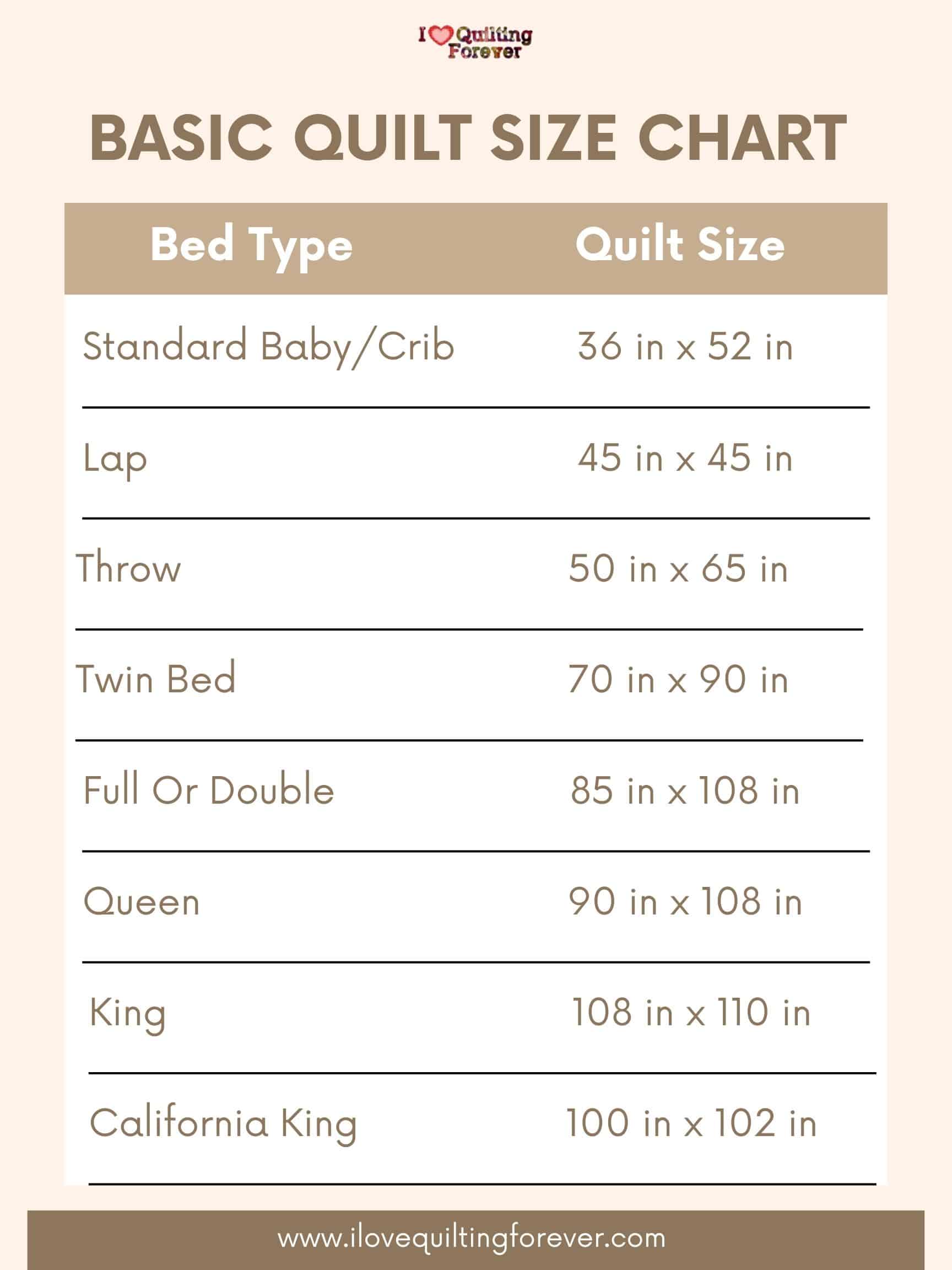
A quilt size chart is a handy tool for quilters and crafters, offering a quick guide to standard quilt dimensions. This simple reference ensures your projects turn out perfectly sized, every time.
The chart covers a range of common quilt sizes, from crib quilts to king-size creations. It's a useful resource, especially when you're working with different quilt patterns and want consistent results. Keep in mind that quilt sizes can vary slightly between regions and standards, so it's a good idea to check the chart's source for any specific details.
Quilt Size Chart: A Guide to Standard Sizes
Quilt size charts are a handy tool for quilters and crafters, providing a quick reference for the standard dimensions of quilts. These charts offer a practical guide to ensure your quilts fit the intended purpose, whether it's a cozy bed cover or a baby crib quilt. Let's dive into understanding this chart and how to use it effectively.
Key Details and Units
The quilt size chart typically includes a range of common quilt sizes, from crib quilts to king-size bed quilts. It provides the length and width measurements in inches, which are standard units for quilt sizes. Some charts may also include metric measurements for international use. The chart categories often cover crib, twin, full, queen, and king sizes, along with their respective dimensions.
Reading the Chart: A Step-by-Step Guide
Using the quilt size chart is straightforward. First, identify the purpose of your quilt. Are you making a baby quilt, a bed cover, or a unique size for a specific project? Once you know the intended use, locate the corresponding category on the chart. For instance, if you're making a queen-size bed quilt, find the "Queen" category. The chart will provide the recommended length and width measurements for that size. Simply follow these dimensions when cutting and assembling your quilt top, backing, and batting.
Variations and Differences
While the quilt size chart offers standard measurements, variations can occur due to different standards and contexts. For example, some regions may use metric measurements, leading to slight differences in dimensions. Additionally, quilt sizes can vary based on the intended use. A crib quilt for a baby might have different dimensions compared to a decorative wall hanging quilt. It's essential to consider the purpose and any specific requirements when using the chart.
Common Mistakes and How to Avoid Them
One common mistake is assuming that all quilts must adhere strictly to the chart's measurements. Remember, the quilt size chart provides guidelines, but your personal preferences and the project's needs may vary. Another mistake is overlooking the intended use. Always consider whether you're making a bed quilt, a throw, or a unique size for a specific purpose. Misinterpreting the chart's categories can also lead to errors. Ensure you understand the difference between crib, twin, and other sizes before selecting your measurements.
Practical Tips for Accurate Sizing
To ensure accurate sizing, double-check the specific requirements for your project. If you're making a quilt for a bed, measure the bed's dimensions and consider the desired overhang. For unique projects, measure the intended space and adjust the quilt size accordingly. It's also beneficial to have a basic understanding of fabric widths and yardage requirements. This knowledge will help you calculate the fabric needed for your quilt size accurately. Lastly, consider the quilt's purpose and any personal preferences for thickness or design elements that might impact the overall size.
By following these practical tips and understanding the quilt size chart, you'll be well-equipped to create quilts that fit perfectly for their intended use. Happy quilting!
Hey there, quilter! Now that we've covered the ins and outs of quilt sizes, remember that these details can shift a bit depending on your specific project and the resources you're using. So, keep an eye out for any variations and adapt as needed.
If you're new to quilting or just want a handy reference guide, be sure to bookmark this page for future use. It's a great way to ensure your quilts turn out perfectly sized every time!
Related: What's the deal with quilt sizes chart?
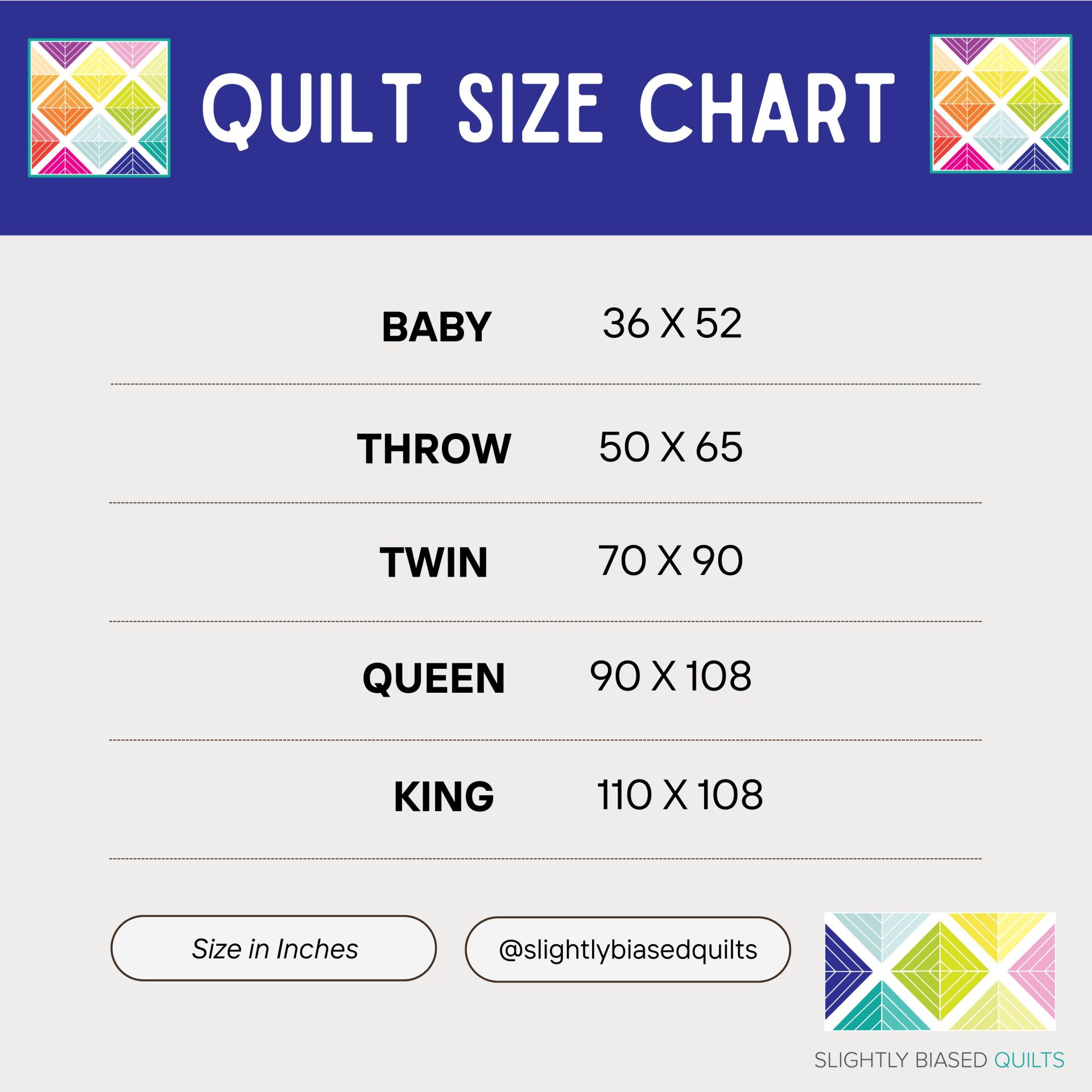
A quilt sizes chart can be a handy tool, but it's often misunderstood as a rigid, one-size-fits-all guide. In reality, these charts are flexible and adaptable, offering a range of standard sizes as a starting point for your quilting journey.
While the quilt sizes chart provides a great reference, it's important to remember that these dimensions can vary slightly depending on your region and personal preferences. Whether you're crafting a crib quilt size or aiming for a king-size masterpiece, understanding the chart is key to achieving your desired quilt measurements.
Understanding the Quilt Sizes Chart
The quilt sizes chart is your practical guide to creating quilts with precision and ease. It provides a clear overview of standard quilt dimensions, helping you choose the right size for your project and ensuring a perfect fit every time. This chart is a valuable resource for quilters, offering a quick reference to common quilt sizes and their measurements.
Comparing Quilt Size Categories
When exploring the quilt sizes chart, you'll notice a range of categories, each representing a specific quilt size. These categories are typically based on standard bed sizes, such as crib, twin, full, queen, and king. The chart provides the length and width measurements for each size, allowing you to select the right dimensions for your quilt. It's a simple and effective way to ensure your quilt fits its intended purpose.
Step-by-Step Guide to Using the Chart
Using the quilt sizes chart is straightforward. Here's a simple guide:
- Identify the intended use for your quilt. Are you making a crib quilt, a baby quilt, or a larger quilt for a bed?
- Refer to the chart and locate the relevant category.
- Take note of the length and width measurements provided. These are the standard dimensions for that particular quilt size.
- Measure your available space or the intended recipient's bed to ensure the quilt will fit perfectly.
- Use the chart's measurements as a guide to create your quilt pattern and ensure a comfortable and well-fitted result.
Avoiding Common Misreadings
While the quilt sizes chart is a reliable reference, it's essential to avoid common misreadings. Always double-check the units of measurement, as some charts may use imperial or metric units. Additionally, be aware that the chart provides standard measurements, and variations may exist based on personal preferences or specific projects. Always measure your space or the intended bed to ensure an accurate fit.
Factors Affecting Accuracy
Several factors can influence the accuracy of your quilt size selection. Firstly, the intended use of the quilt is crucial. A crib quilt will have different dimensions compared to a king-size bed quilt. Additionally, personal preferences and design choices can impact the final size. Some quilters may opt for a larger or smaller quilt, depending on their style and the recipient's needs. Always consider these factors when referring to the quilt sizes chart.
Adapting to Specific Needs
While the quilt sizes chart provides standard measurements, it's flexible enough to accommodate custom quilt dimensions. If you require a unique size, you can use the chart as a starting point and adjust the measurements to fit your specific needs. This adaptability allows quilters to create one-of-a-kind quilts that perfectly suit their vision and the intended recipient's preferences.
Keeping Your Reference Reliable
To ensure the continued reliability of your quilt sizes chart, it's essential to keep it updated and accessible. Regularly refer to reputable sources to verify the accuracy of the measurements, especially if you notice any significant changes in standard quilt sizes. Consider printing the chart or saving it digitally for easy reference during your quilting projects. By keeping your chart up-to-date, you'll always have a trusted guide for creating beautifully sized quilts.
Well, there you have it! A handy guide to quilt sizes, covering all the bases and giving you the tools to tackle any quilting project.
Remember, every quilter's needs are unique, so take a moment to ensure the sizes and standards you're using fit your specific project. With these tips and tricks, you'll be quilting like a pro in no time!
Feel free to explore our other guides and resources; we've got plenty of practical advice to offer, so you can keep crafting with confidence. Happy quilting!