






Coloring Pages Cute Overview
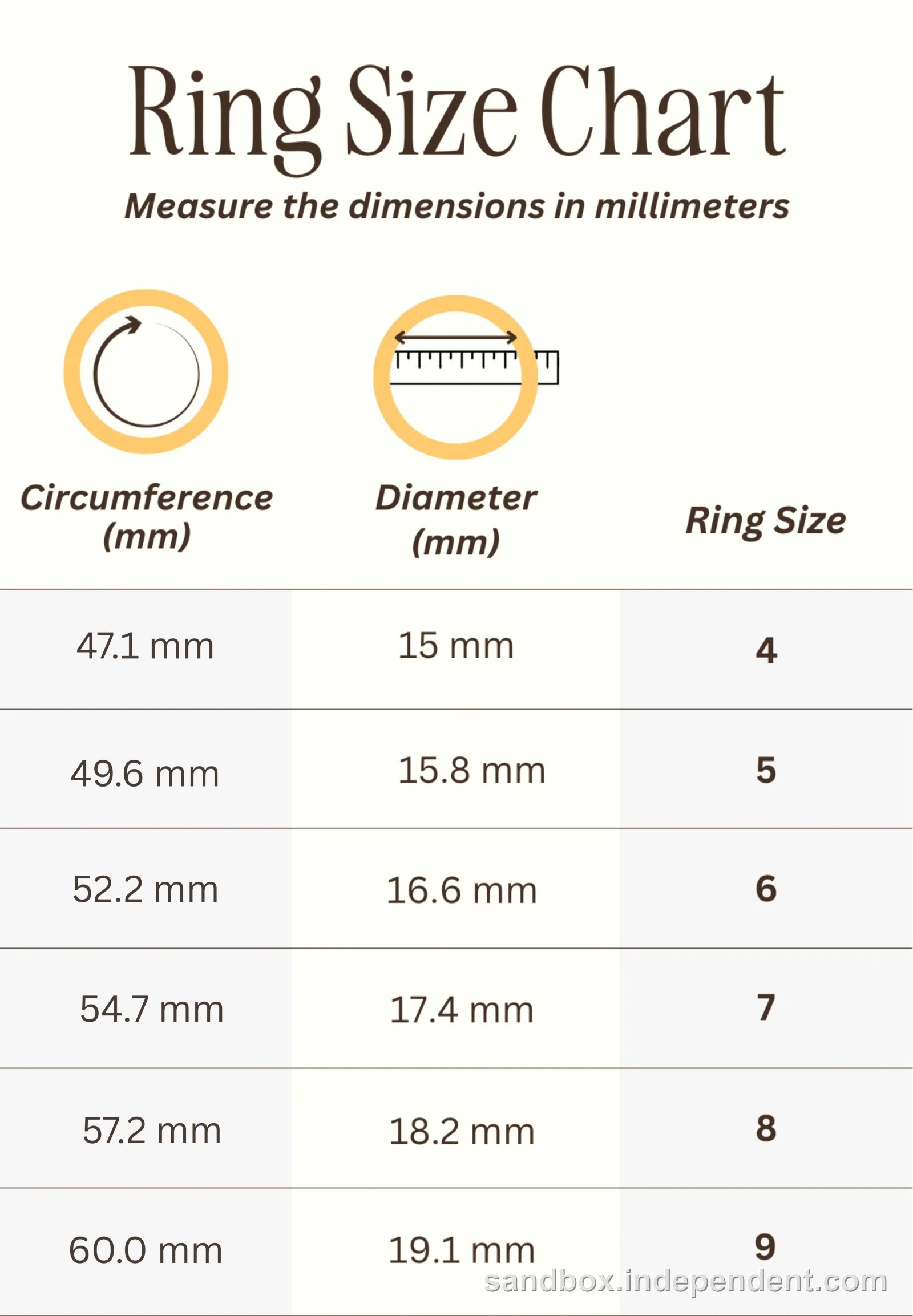
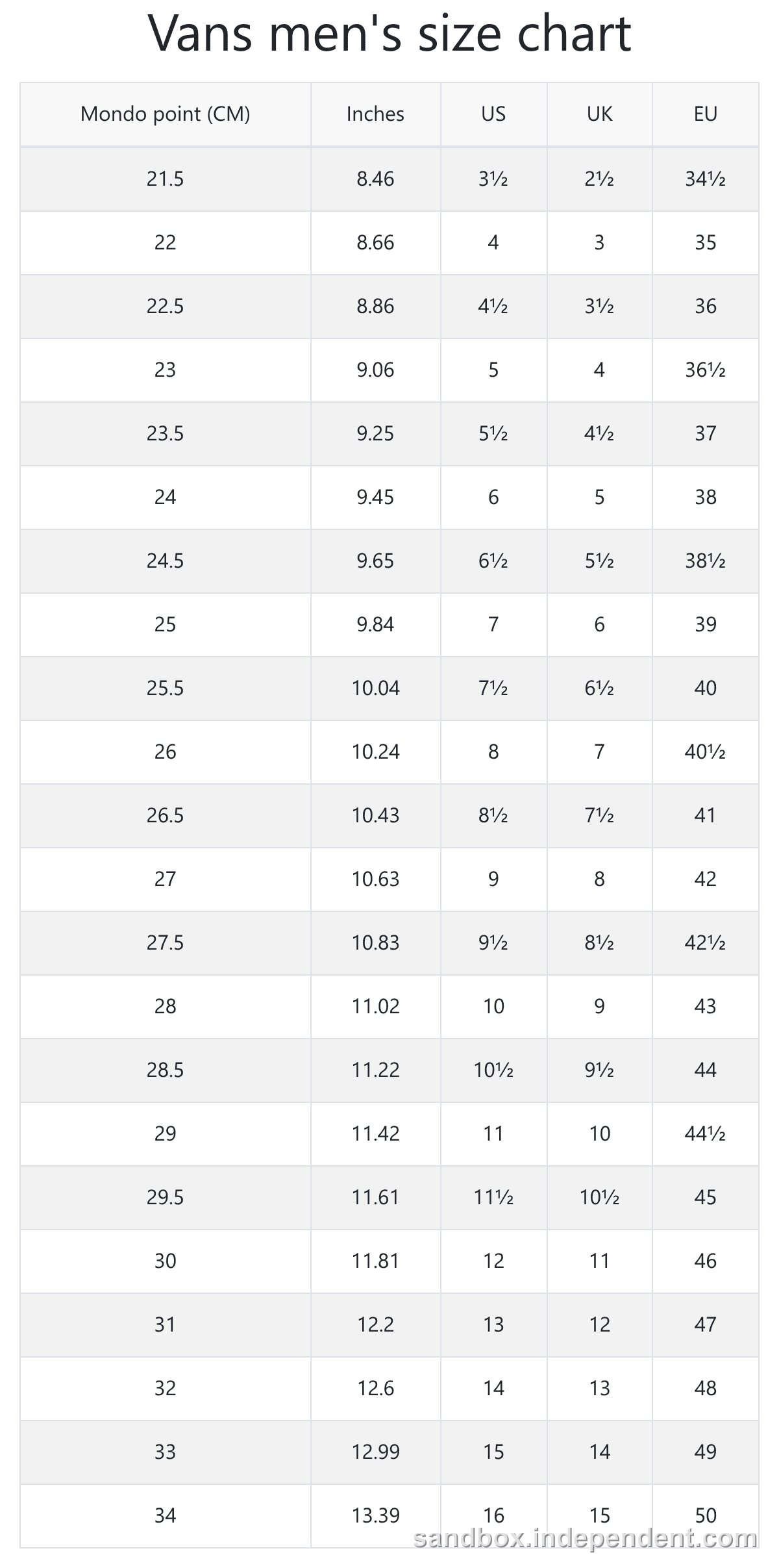
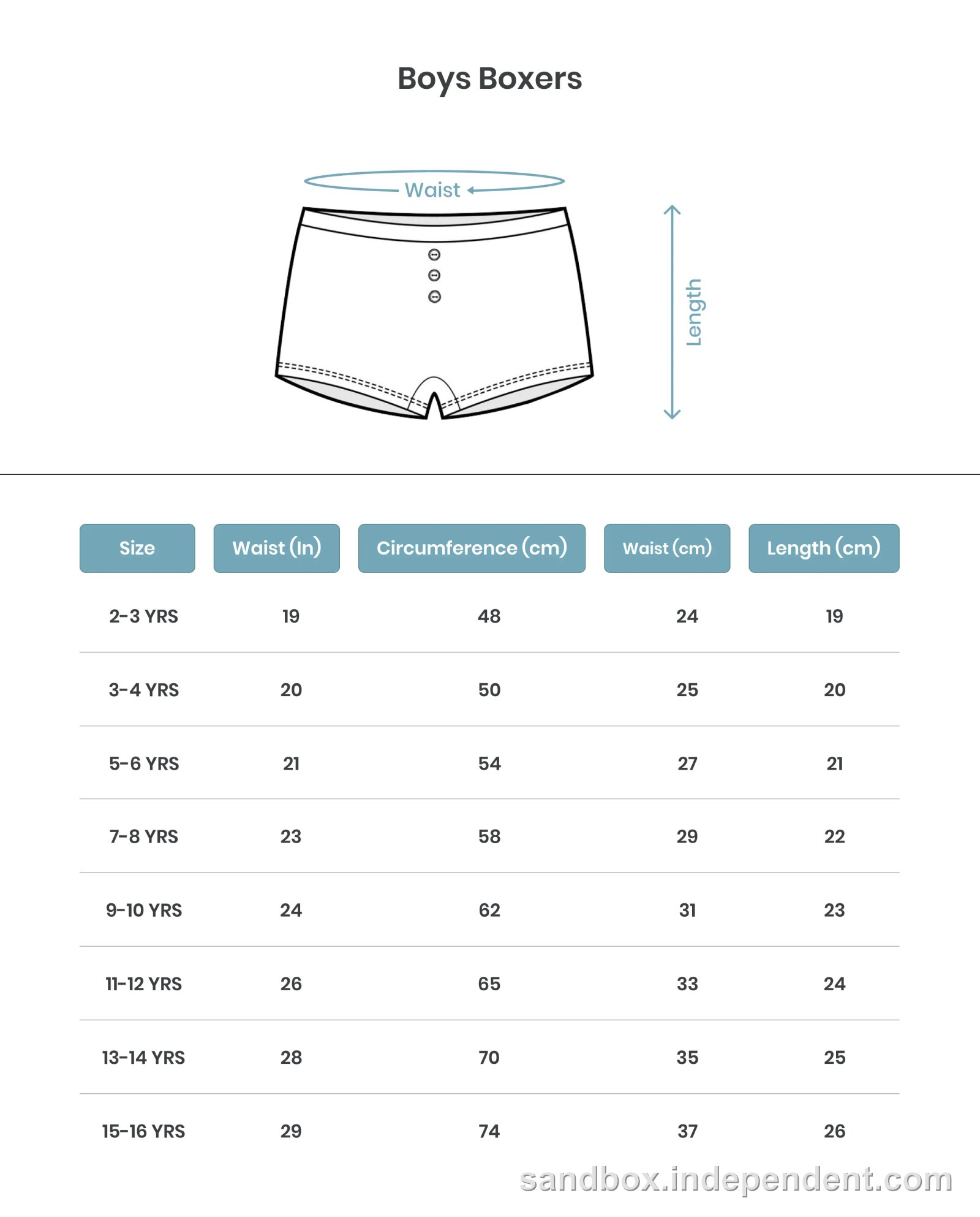
You're probably here because you need a quick fix, a reliable reference, or some clarity on that o ring size chart. It's a handy tool, a simple visual guide, and a real lifesaver when you need to get the right size for your project. The chart offers a quick solution, but it's worth noting that the values and formats can vary, so it's good to be aware of any specific standards or regions you're working with.
The o ring size chart is a straightforward reference, often including details like the inner diameter and cross-section, which are essential for an accurate fit. It's a simple process once you know how to read it, and it can make all the difference in getting your project right first time.
O-Ring Size Chart: A Practical Guide
The o-ring size chart is a handy reference tool for anyone working with o-rings. It provides a visual representation of the various dimensions and sizes these rings come in, making it easier to select the right one for your application. This chart is a valuable resource, offering a quick and accurate way to find the right fit.
Understanding the Key Details
Before diving into the chart, it's essential to know the basic terminology. O-rings have two critical dimensions: the inner diameter and the cross-section (thickness). These are usually measured in inches or millimeters, depending on the standard being used. The chart typically displays these dimensions in a grid format, with inner diameters along one axis and cross-sections along the other.
Reading the Measurements
Using the o-ring size chart is straightforward. First, identify the inner diameter you need. This is often determined by the size of the groove or channel where the o-ring will be seated. Then, locate the desired cross-section. The intersection of these two values on the chart will give you the corresponding size code or part number. This code is what you'll use to order or identify the correct o-ring.
Variations Across Standards
It's important to note that o-ring size charts can vary depending on the standard or region. For instance, a chart following the US customary system might use different units or have a different layout compared to a metric chart. Additionally, some charts may include extra information, such as material types or temperature ratings, which can influence your selection. Always double-check the specific standard and application to ensure accuracy.
Common Mistakes and How to Avoid Them
One frequent mistake is assuming that all charts are universal. Remember, there are different standards, and even within a standard, there can be variations. Always refer to the correct chart for your region and application. Another common error is measuring the outer diameter instead of the inner diameter. Ensure you're using the right measurement to avoid ordering the wrong size.
Practical Tips for Accurate Results
When using an o-ring size chart, consider the following:
- Always confirm the standard and application before referencing the chart.
- Take accurate measurements, especially for the inner diameter.
- If you're unsure, consult with a supplier or refer to the manufacturer's guidelines.
- Keep in mind that while the chart provides a guide, actual o-rings may have slight variations, so tolerances are important.
- For critical applications, consider ordering a sample to test fit and performance.
By following these tips and understanding the o-ring size chart, you'll be able to select the right o-ring for your needs with confidence.
Hey there! I hope this O-ring size chart guide has been helpful. Remember, while the basics are straightforward, exact values can vary slightly depending on the standard or source you use. So, it's always good to double-check and ensure you're using the right reference for your specific needs.
Feel free to bookmark this page for future reference, and don't forget to check out our other practical guides for more handy tips and tricks. We've got you covered!
Related: Collen Construction Data Centers Essential Guide
I was chatting with a friend the other day about the ever-growing need for reliable internet access, and the conversation led us to discuss Collen Construction Data Centers. I had heard the term before but never really delved into what it entailed. So, I decided to do some research and share my findings, as it's an interesting aspect of the construction and tech worlds.
What's the Deal with Collen Construction Data Centers?
Collen Construction Data Centers refers to the specialized building and design of structures that house and support the vast amounts of data and servers required for modern digital infrastructure. These centers are like the backbones of the internet, ensuring our online world runs smoothly. They're not your typical office or residential builds; they're highly technical and require precise planning and execution.
The construction of these data centers involves a unique set of considerations. For instance, the design must accommodate the heat generated by the servers, so efficient cooling systems are crucial. Additionally, these centers often require redundant power supplies and backup generators to ensure uninterrupted operation. The structural integrity of the building is also vital, as these centers house extremely sensitive and valuable equipment.
Hiring the Right Team
Given the complexity of Collen Construction Data Centers, hiring the right team is essential. You'll want to find a construction company with experience in this specific field, as the skills and knowledge required differ from traditional builds. Ask potential contractors about their past projects and the challenges they've faced. Ensure they have the necessary certifications and licenses for such specialized work.
When comparing quotes, remember that the lowest price isn't always the best option. Consider the scope of the project, the proposed timeline, and the reputation of the company. It's a good idea to get several written quotes to compare and ensure you're getting a fair deal.
Company Names and the Industry
In the construction industry, company names often reflect the nature of the business. For Collen Construction Data Centers, a name that conveys reliability, precision, and innovation could be a good fit. Here are a few ideas:
- Precision Data Builders
- Digital Infrastructure Solutions
- Tech-Construct
- Cool Server Homes
- Redundant Power Builders
Remember to check the availability of these names and secure the relevant domains and local registrations before finalizing your choice.
A Growing Industry
The demand for Collen Construction Data Centers is on the rise, creating a growing market for specialized construction companies. These centers are essential for the smooth operation of our digital world, and their construction offers a unique and challenging career path. From project managers to estimators and skilled laborers, there are various roles within this industry.
If you're considering a career in this field, it's worth researching the different positions and the skills required. You'll likely find job openings through specialized construction industry platforms and local job boards.
Wrapping Up
I hope this exploration of Collen Construction Data Centers has been informative and given you a better understanding of this specialized field. It's a fascinating aspect of the construction world, and I, for one, am glad there are experts out there ensuring our digital lives run smoothly!
If you're considering a project in this realm, I'd recommend doing your research and finding the right team for the job. It's an exciting and challenging field, and I wish you all the best in your endeavors!
Related: Understand the Hair Shade Chart: A Simple Guide
You're here because you need a quick fix, right? A simple, reliable reference for your hair color adventure. Well, the hair shade chart is your trusty guide, a visual map to navigate the world of hair colors. It's a handy tool, a quick-glance reference, offering a range of shades and tones to explore. From natural hues to bold, vibrant choices, the chart lays it all out. You'll find tone levels, hair dye shades, and even a color wheel to help you match and create your desired look.
Understanding the Hair Shade Chart: Your Guide to Hair Color
The hair shade chart is a handy tool that helps you navigate the world of hair color. It's a visual reference, often in the form of a color wheel or a detailed table, that displays a range of hair colors and their corresponding shades. This chart is your friend when you want to achieve a specific hair color or match a particular shade.
Comparing Hair Color Standards and Formats
There are different standards and formats for hair color charts, which can vary based on the region and the manufacturer. The most common ones are the hair dye shades charts, which use a numerical system to represent different tones. These charts often have a range of numbers, like 1 to 10 or 1 to 12, with each number representing a distinct shade. For instance, a level 1 might be the darkest black, while a level 10 could be a light blonde.
Using the Hair Shade Chart: A Step-by-Step Guide
Using the hair shade chart is simple once you know how. First, identify the standard or brand you're working with. This ensures you're using the right chart for your hair color products. Next, locate your current hair color on the chart. This gives you a starting point. Then, decide on your desired hair color. The chart will help you visualize the difference and choose the right shade.
For example, if you have dark brown hair (let's say a level 4) and want to go lighter, you might aim for a level 6 or 7, which could be a beautiful, warm medium brown. Always remember to consider your natural hair color and its condition. If your hair is very dark, achieving a light blonde might require multiple sessions and a professional's expertise.
Avoiding Missteps: Common Pitfalls and How to Avoid Them
One common mistake is not considering your natural hair color's base. The hair shade chart often shows the results on pre-lightened hair, so if your hair is darker, the result might be different. Always check the chart's instructions or consult a professional for guidance.
Another pitfall is not accounting for tone. The chart might show a single number for a shade, but in reality, there are often variations within that shade, like ash, golden, or warm tones. These subtle differences can make a big impact on the final result, so choose wisely!
Factors Affecting Accuracy: Key Considerations
- Hair tint: Your natural hair color and its condition play a significant role. Pre-lightened or bleached hair will react differently to dye compared to virgin hair.
- Tone levels: The tone of your desired shade matters. A warm tone, for instance, will look different on someone with cool undertones.
- Shade guide: Always refer to the specific shade guide provided by the dye manufacturer. These guides often offer more detailed information about the results on different hair types and tones.
Choosing the Right Chart: Adapting to Your Needs
There are various charts available, each with its own system and range. Some charts might use letters or even a combination of numbers and letters. It's essential to choose the right chart for your needs. If you're using a specific brand of hair dye, they often provide their own shade chart. Alternatively, you can find generic charts that offer a broader range of shades.
Keeping Your Reference Reliable for Future Use
To ensure you can rely on your hair shade chart in the future, it's important to keep it in a safe place. Consider making a digital copy or taking a photo of the chart for easy reference. This way, you can quickly access it whenever you need to choose or match a hair color. Additionally, stay updated with the latest charts and standards. Hair color trends and technologies evolve, so having the most current reference ensures accurate results.
Hey there! I hope this guide has been helpful in navigating the world of hair shade charts. Remember, these charts are a great tool, but the specifics can vary, so always double-check the source and standard you're using.
Feel free to explore other guides on our site to learn more about related topics and discover practical tips for your hair journey. We've got you covered with simple, straightforward advice!