


Coloring Pages Dinosaurs Printable Overview
Home renovation services can be a daunting prospect for many homeowners, but it's a necessary step for those wanting to upgrade their living space. Whether it's a bathroom remodel or an entire house addition, these services offer a way to transform your home into your dream space. So, let's break down what home renovation services entail and how to navigate this process effectively.
Understanding the Basics
Home renovation services cover a wide range of construction and remodeling projects. From simple installations like new kitchen cabinets to complex structural changes, these services cater to various needs. It's important to know that the cost of renovations can vary greatly depending on the scope of work. Factors like the size of the project, the materials used, and the labor required all influence the final price. When comparing quotes, ensure you're getting an accurate assessment of the work needed and the associated costs.
Hiring the Right Team
Finding the right contractor or company is crucial for a successful renovation. Research and recommendations are key here. Check online reviews, ask for references from past clients, and ensure the company is licensed and insured. When requesting quotes, be specific about your project and ask detailed questions about their process, timeline, and any potential challenges. A good quote should provide a clear breakdown of costs and a realistic timeline.
Company Names and Branding
For those in the construction business, choosing a name is an important step. A good name should be memorable, reflect the nature of your work, and be unique. It's a balance between creativity and practicality. Some example names could be:
- Build & Bloom
- Home Revampers
- Crafted Spaces
- Renovo
- Constructive Solutions
- Creative Renovations
Remember to check the availability of these names and secure the relevant domains and local registrations.
Jobs and Opportunities
The home renovation services industry offers a range of job roles, from general contractors to specialized estimators. These roles often involve managing projects, coordinating with clients, and ensuring the smooth execution of renovations. Many construction jobs are advertised through online job boards and local classifieds. It's a competitive field, so highlighting your skills and experience is key when applying.
Industry Tools and Data
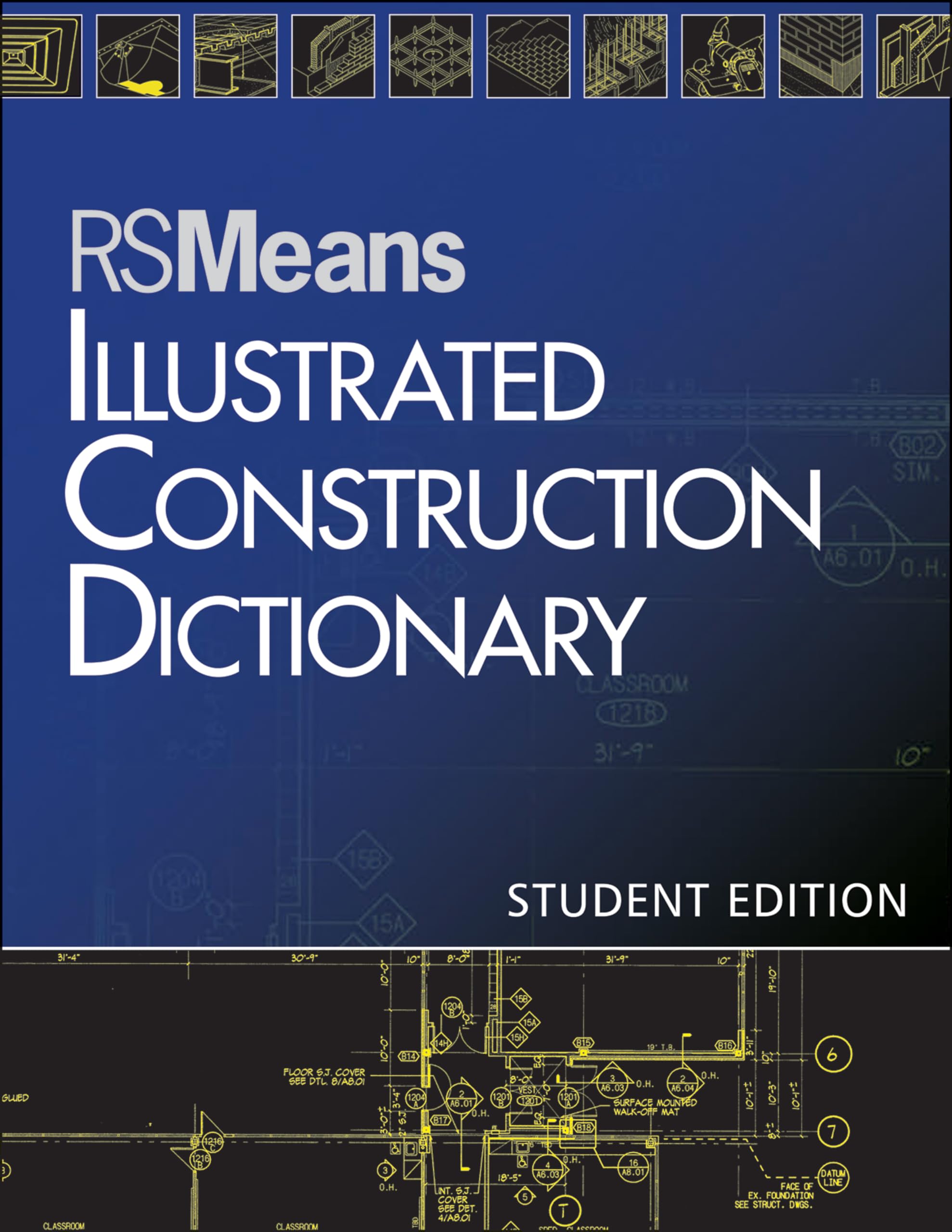
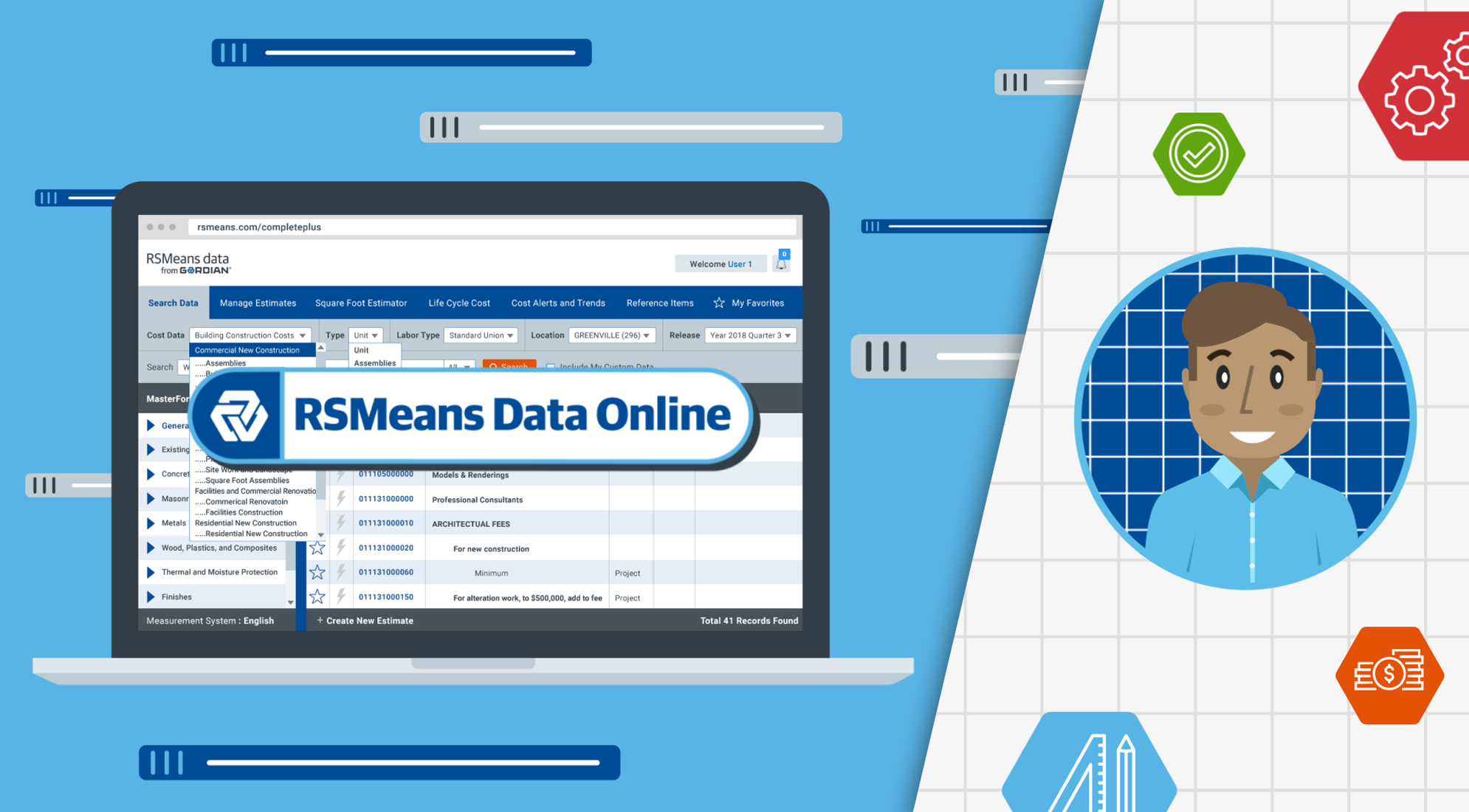
Tools like RSMeans provide valuable data for the construction industry. These databases offer cost information, helping contractors and businesses estimate project expenses accurately. They also provide insights into labor and material costs, which can be useful for budgeting and planning.
Large vs. Small Firms
The home renovation services industry caters to various scales of operations. Large firms often have the resources to take on extensive projects and may offer a wider range of services. They might have specialized teams for different aspects of construction. On the other hand, smaller firms can provide a more personalized approach, often with a focus on local projects.
Final Thoughts
Home renovation services can be a rewarding investment, but it's important to do your research and plan effectively. From choosing the right team to understanding the costs, each step is crucial. Remember, a well-planned renovation can transform your home and enhance your living experience. So, take the time to explore your options and create a space you'll love coming home to.
Related: How to Use the Bar Chart Creator?
You're here because you need a bar chart creator tool, and you're right to seek one out. These charts are a handy way to present data visually, and with a good bar chart creator, you can quickly turn your numbers into a clear, easy-to-read graph. Whether it's a simple vertical bar chart or a more complex stacked or grouped design, the right tool will ensure your data is accurately represented.
What is a Bar Chart Creator?
A bar chart creator is a powerful tool that allows you to visualize data in a simple and effective way. It's an essential resource for presenting information clearly, making it easy to compare and analyze different categories or values. With a bar chart, you can quickly grasp trends and patterns, making it a popular choice for data representation.
Key Details: Understanding the Basics
Before diving into the specifics, let's cover some fundamental aspects. A bar chart typically consists of a horizontal axis (x-axis) and a vertical axis (y-axis). The x-axis represents the categories or groups you are comparing, while the y-axis displays the corresponding values or measurements. The bars themselves are usually vertical, with their lengths indicating the magnitude of each value. It's crucial to ensure your chart has clear and accurate axis labels, as these provide context for your data.
Reading and Applying Bar Charts: A Step-by-Step Guide
- Start by identifying the categories or groups you want to compare. These could be different products, time periods, or any other relevant factors.
- Next, gather the corresponding data points for each category. Ensure your data is reliable and consistent, as this is key to accurate analysis.
- Create your bar chart by plotting the categories on the x-axis and their respective values on the y-axis. The bars should be evenly spaced and of appropriate width to ensure clarity.
- Consider using color coding to enhance the visual appeal and make specific categories stand out. However, be mindful of color blindness and use a limited color palette for better accessibility.
- Add axis labels and a title to provide context. Ensure the labels are descriptive and easy to understand.
- Interpret the chart by comparing the heights of the bars. Longer bars indicate higher values, while shorter bars represent lower values. Look for patterns or trends across categories.
- Use the bar chart to make informed decisions or draw conclusions. For example, you might identify the most popular product or the time period with the highest sales.
Variations and Differences: Understanding Context
Bar chart creators can vary depending on the specific context and industry standards. For instance, some charts may use a different scale or range of values, especially when dealing with large datasets. Additionally, the bar width and spacing can impact the visual representation, so it's essential to follow best practices or guidelines relevant to your field. Always refer to industry-specific standards or consult experts to ensure your bar chart accurately represents your data. While bar chart creator tools provide a standardized approach, it's crucial to adapt and customize them for your unique needs and data.
Hey there, chart enthusiasts! We hope you found this guide helpful in understanding the ins and outs of bar chart creation. Remember, while the basics remain the same, the exact details can vary slightly depending on the context and the tools you're using.
Feel free to explore our other guides to uncover more practical tips and tricks for creating effective visual representations of data. We've got a whole library of resources to help you on your data visualization journey, so dive in and discover more!
Related: RSMeans Construction Essential Guide For Builders
"rs means construction" is a phrase that might pop up when you're planning a home renovation or building project. It's a mouthful, but it's a useful tool for anyone wanting to understand construction costs. So, let's break it down and see what it's all about!
Understanding RSMeans and Construction Costs
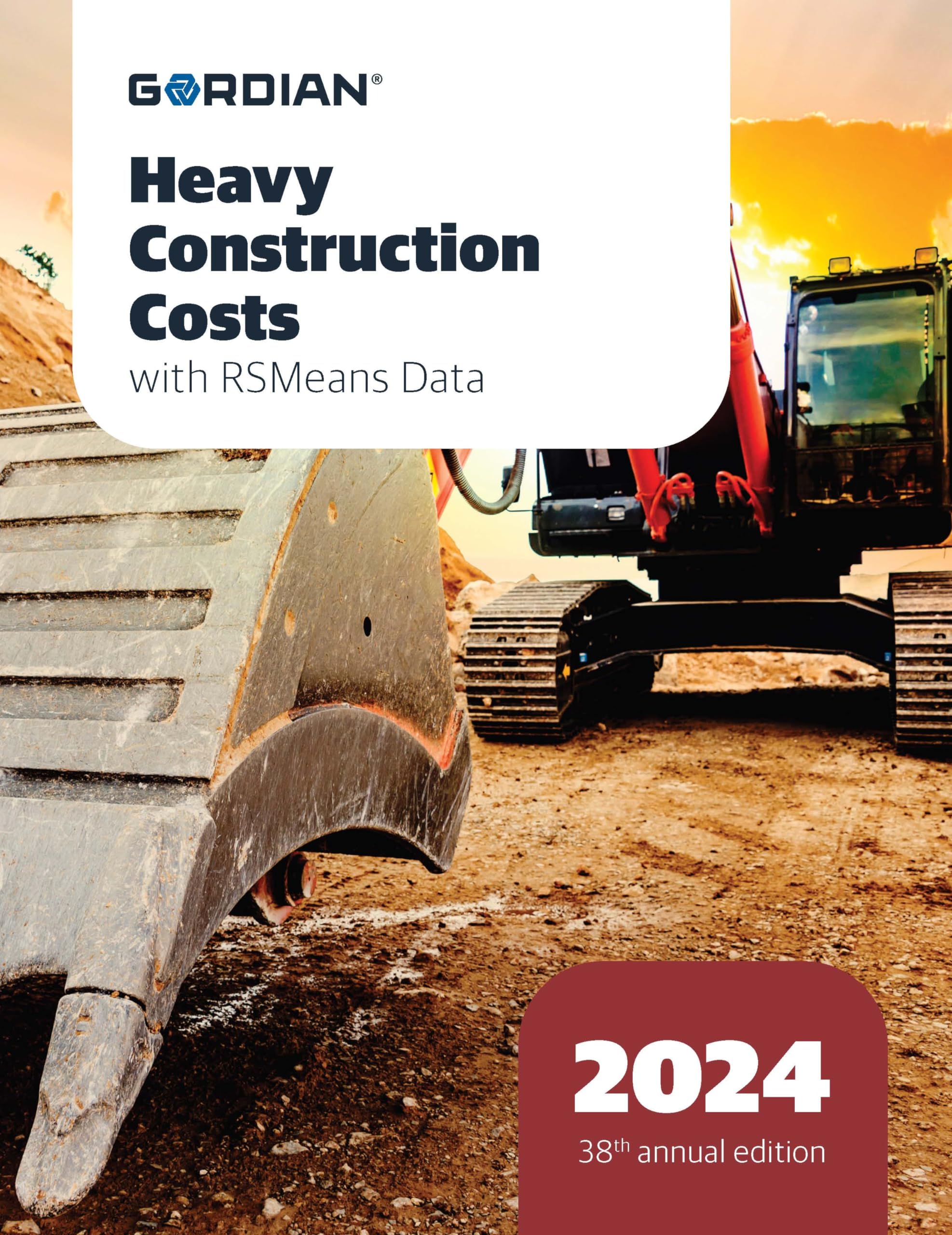
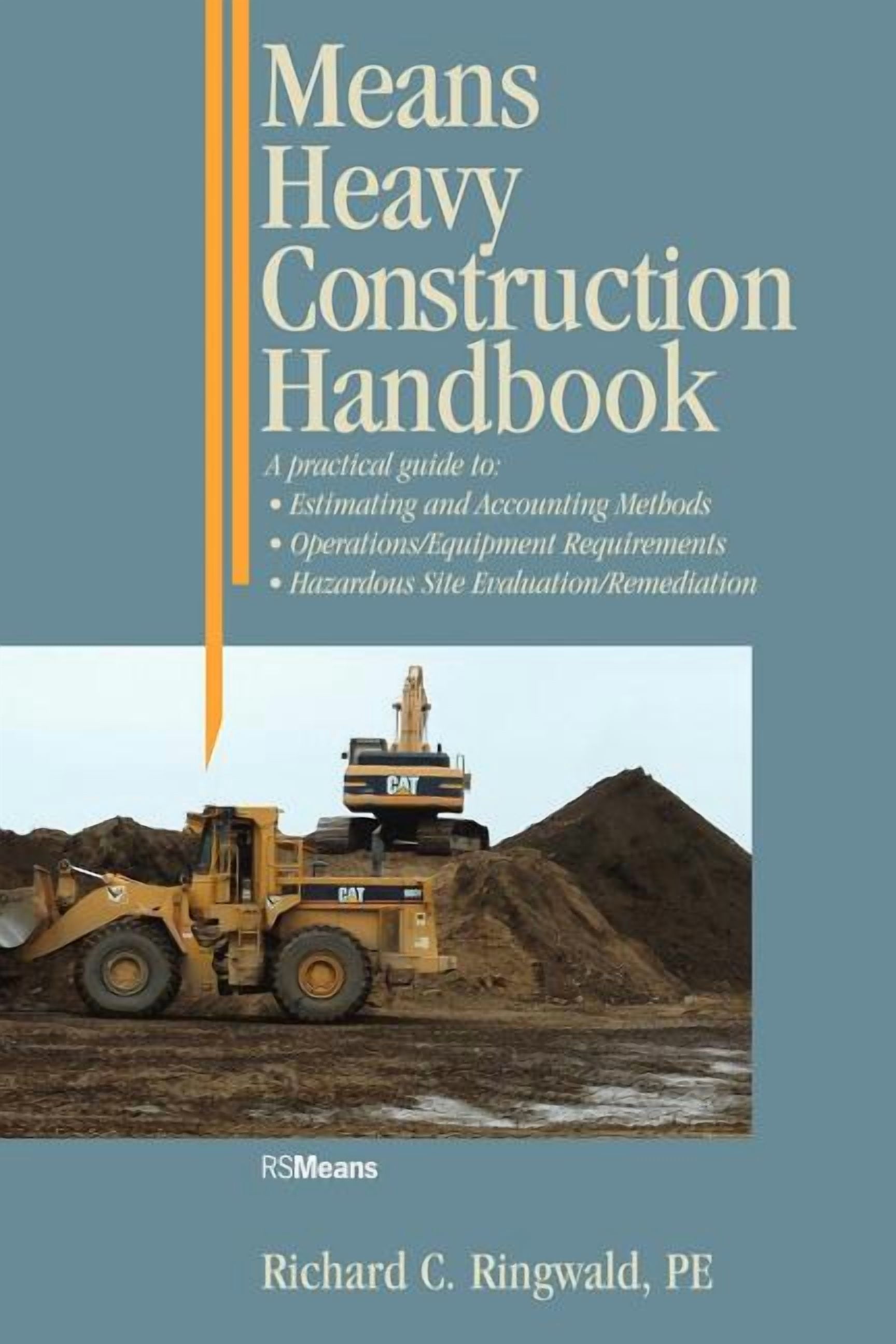
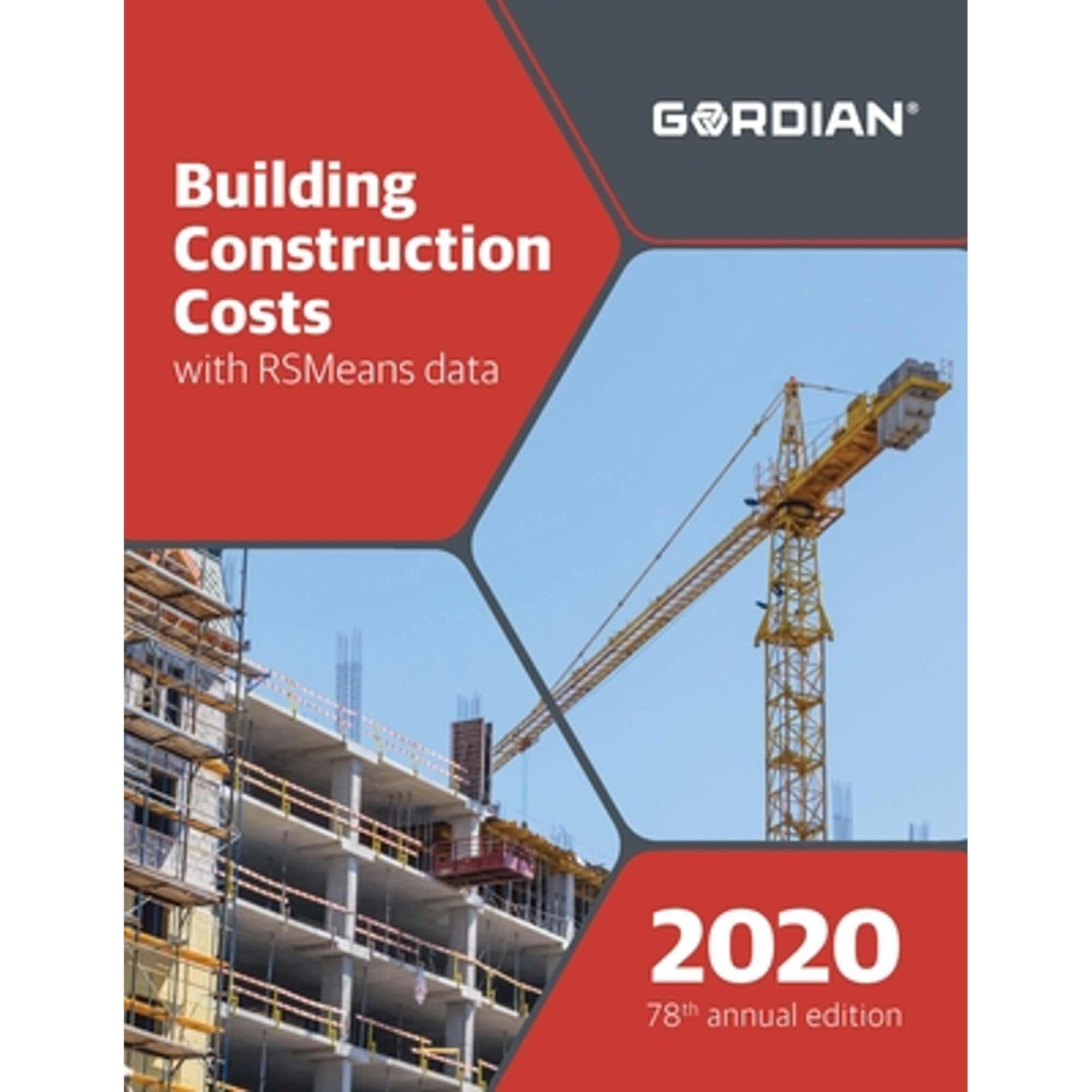
RSMeans is a database and resource for construction professionals and homeowners alike. It provides detailed information on construction costs, helping you estimate and plan your project's budget. This tool is a go-to for many in the industry, offering insights into labor, materials, and other expenses. It's especially handy for comparing quotes and ensuring you get a fair deal.
When using RSMeans, you can get a good idea of what your project might cost. It considers various factors like the size of the project, the materials you choose, and the local labor rates. This data helps you set a realistic budget and understand the costs involved. It's a great way to ensure you're not overspending or underestimating the expenses.
Hiring a Contractor: What to Look For
When it comes to hiring a contractor, RSMeans can be a valuable ally. It can help you understand the typical costs for your project, so you know if a quote is reasonable. Before hiring, always check the contractor's references and licenses. Ask for a detailed breakdown of the costs and what's included in the quote. A good contractor will be transparent and provide this information.
You should also consider the scope of the project and whether the contractor has experience with similar work. Don't be afraid to ask questions and get a clear picture of what you're paying for. It's your project, and you want to ensure it's done right!
Construction Company Names and Branding
Naming a construction company is an important step. It's the first impression you give to potential clients and should reflect your business's values and services. A good name is memorable, unique, and gives a hint at what you do. For example, "BuildStrong", "Renovate Right", or "HomeCrafters" are catchy and descriptive.
When choosing a name, consider registering it and checking domain availability. You want to ensure your online presence is secure and that your name isn't already taken locally. It's a small but crucial step in building your brand and standing out in a competitive industry.
Jobs and Opportunities in Construction
The construction industry offers a range of roles, from estimators who use tools like RSMeans to project managers and skilled laborers. These jobs are in demand, and you'll often find opportunities advertised online or through local trade associations. It's a varied industry, and you can specialize in different areas, whether it's residential construction, commercial projects, or specific trades like plumbing or electrical work.
Data and Tools for the Industry
RSMeans is just one of the many tools and resources available to construction professionals. These tools help manage projects, estimate costs, and keep track of industry trends. For example, cost indexes provide an overview of construction costs over time, helping businesses and homeowners plan and budget effectively. Escalation, another term for cost increases, is also an important factor to consider when planning long-term projects.
Big Companies and the Industry
In the construction world, you'll find a mix of small, local businesses and large, national firms. The size of the company often reflects the scale of projects it takes on. Big companies may have the resources to tackle large-scale developments, while smaller businesses might focus on local renovations and additions. It's a diverse industry, and both types of companies play a crucial role in building our communities.
So, there you have it! RSMeans construction is a useful tool for anyone involved in construction, whether you're a homeowner, a contractor, or a business owner. It's a great way to stay informed and ensure your projects are on track and within budget.