






Coloring Pages Of Kitty Cats Overview
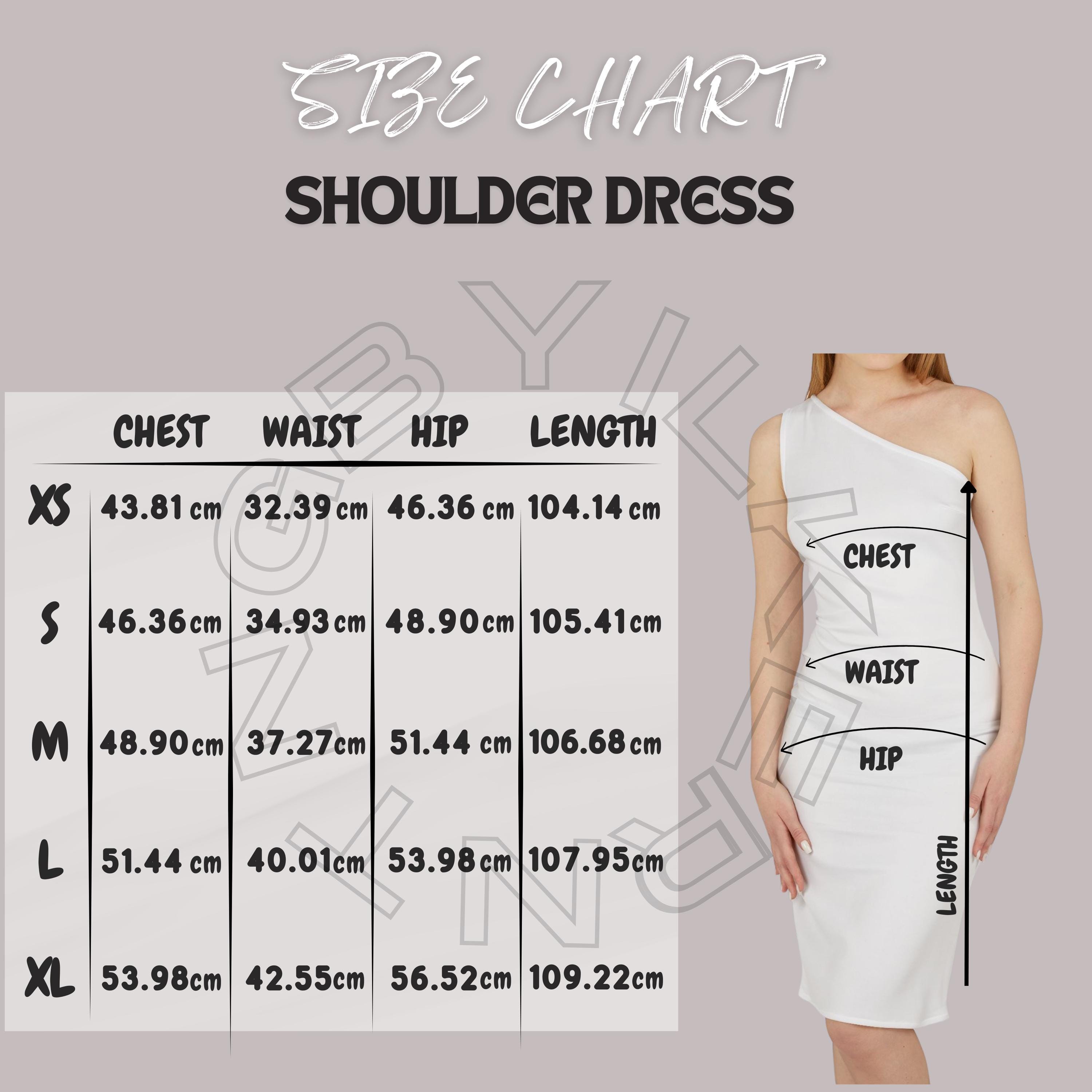
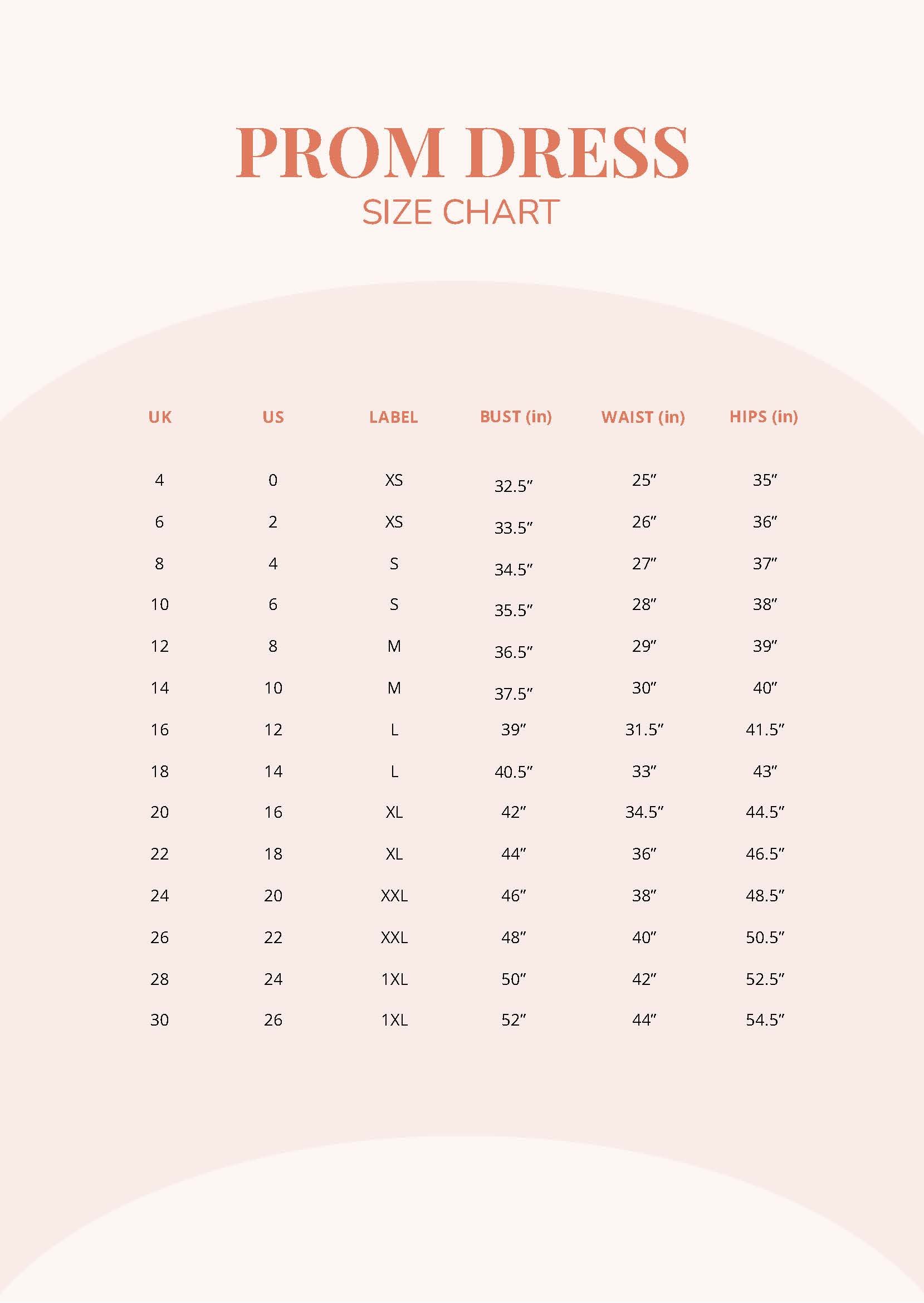
A common misconception about dress size charts is that they are a universal guide, providing an exact fit for every individual. However, it's important to understand that these charts are more like a starting point, offering a general size reference. While a dress size chart can be a valuable tool, it's not an exact science; variations exist due to different sizing standards and brand-specific fits.
Understanding Size Labels
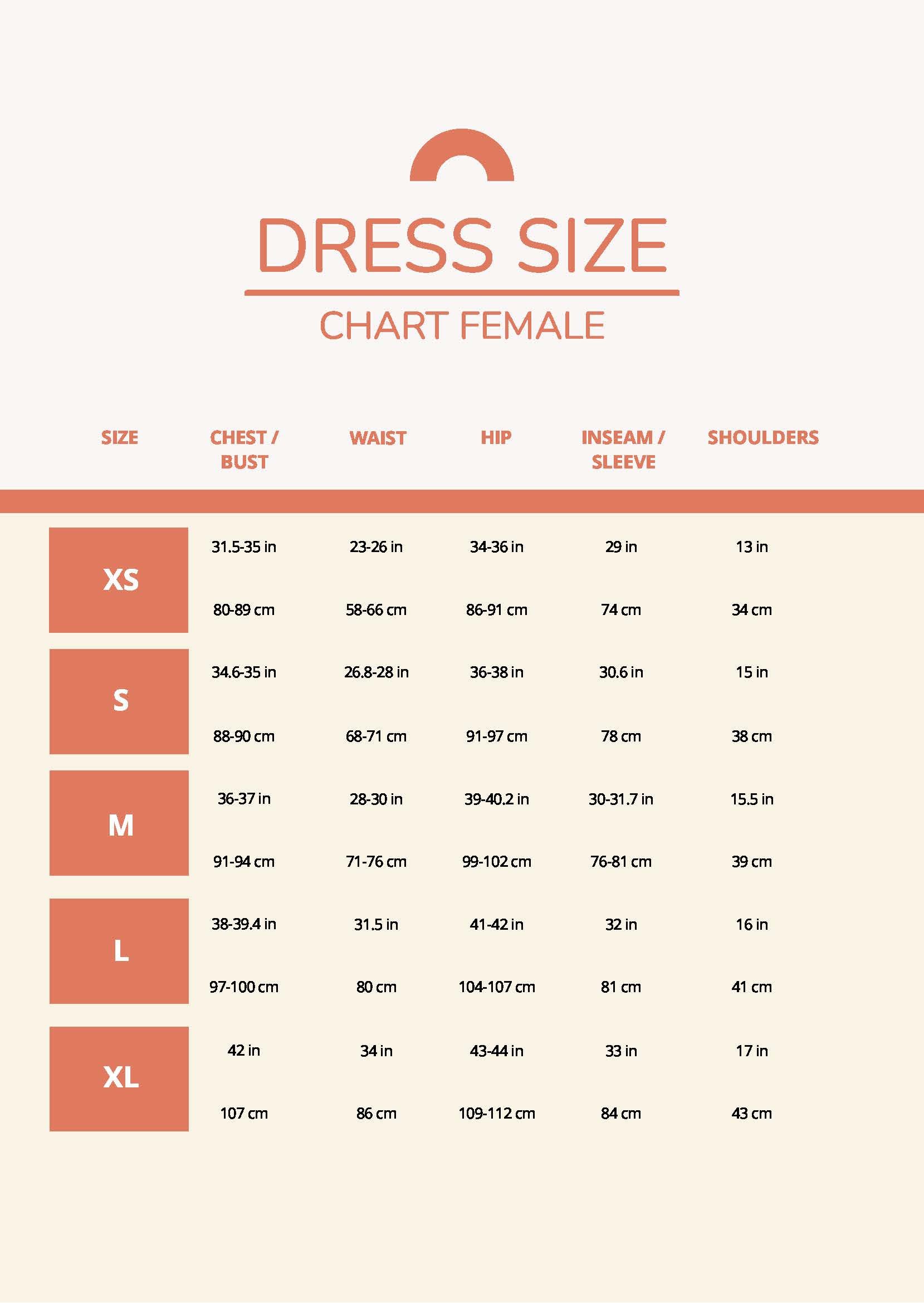
A dress size chart is an essential tool for anyone shopping for clothing, especially online. It provides a standardized guide to help you choose the right size based on your body measurements. This chart is a reference point, offering a clear and consistent way to understand clothing sizes across different brands and styles.
Comparing Standards and Formats
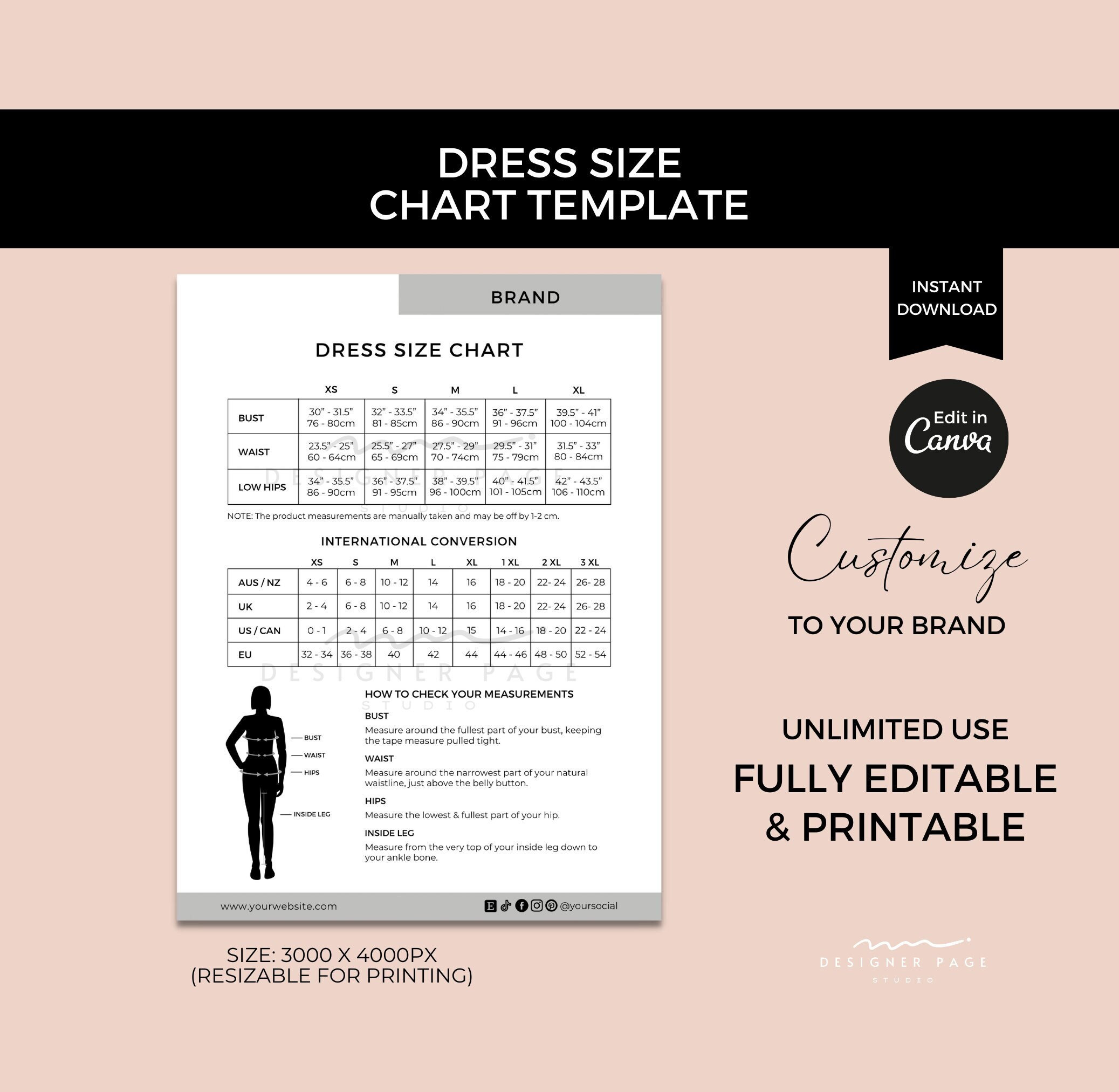
There are several size charts and standards used globally, with variations between regions and even brands. The most common ones are the US standard, UK standard, and international or metric size charts. These charts may differ in their measurement units, categories, and size ranges. For instance, the US standard typically uses inches, while the metric system employs centimeters. It's crucial to know which standard a chart follows to ensure accurate sizing.
Measuring for Accuracy: A Step-by-Step Guide
To use a dress size chart effectively, follow these steps:
Take your body measurements: Measure your bust, waist, and hip circumference using a flexible tape measure. Ensure the tape is not too tight or too loose, and keep it parallel to the floor for accuracy.
Find your size on the chart: Locate the column or row on the chart that corresponds to your measurement. For example, if you are measuring your bust, find the column with the heading "Bust" or "Chest." Look for the row that matches your measurement in inches or centimeters.
Check other measurements: Repeat this process for your waist and hip measurements. It's important to consider all three measurements to ensure a comfortable and flattering fit.
Choose the right size: Once you have your measurements, look for the size that aligns with all three measurements. If your bust, waist, and hip measurements fall into different size categories, it's best to choose the size that fits the largest of the three. This ensures a comfortable fit and prevents the garment from being too tight or restrictive.
Common Misreadings and How to Avoid Them
Misinterpreting a dress size chart can lead to incorrect sizing. Here are some common pitfalls:
Assuming one size fits all: Different brands and styles may have slight variations in their sizing. Always refer to the specific chart for the item you're interested in.
Relying solely on vanity sizing: Some brands use vanity sizing, where the labeled size may not reflect the actual measurements. Always double-check with the provided size chart.
Ignoring body shape: Dress size charts provide a general guide, but your body shape can impact the fit. Consider your body type and choose a size that accommodates your unique shape.
Key Factors Affecting Accuracy
Several factors can influence the accuracy of a dress size chart and your final fit:
Body measurements: Ensure your measurements are accurate and consistent. Small variations can make a difference in the size you choose.
Brand variations: Different brands may have slightly different sizing standards. Always check the brand's specific size chart, especially when shopping online.
Fabric and design: The fabric and design of a garment can impact its fit. Stretchy fabrics may provide more flexibility, while structured designs may require precise sizing.
Personal preference: Your comfort and style preferences play a role. Some may prefer a looser fit, while others opt for a more tailored look.
Adapting the Chart for Your Needs
While dress size charts provide a standardized guide, they may not always fit every individual's unique body shape. Here's how to adapt:
International size conversion: If you're shopping internationally, familiarize yourself with the conversion between different size standards. Online retailers often provide conversion charts to assist with this.
Custom sizing: Some brands offer custom sizing or made-to-measure options. This is especially useful for those with unique body shapes or specific fit requirements.
Size guides and reviews: Many online retailers provide detailed size guides and customer reviews. These can offer valuable insights into the fit and sizing of specific garments.
Remember, the dress size chart is a helpful tool, but it's not an exact science. Listen to your body and trust your instincts when choosing the right size. With a bit of practice and attention to detail, you'll become an expert at finding your perfect fit!
Well, there you have it, a comprehensive guide to dress size charts and their various aspects. Remember, while this guide offers a solid foundation, your unique body and personal preferences play a significant role. So, always double-check the specific requirements and context when applying these charts.
Consider bookmarking this page for future reference; it might come in handy the next time you need a quick reminder on dress sizes and their nuances. Until then, happy measuring and stay stylish!
Related: How to use the ski height chart?
You're probably here because you need a quick answer, a simple guide to help you choose the right skis. Well, you've come to the right place! The ski height chart is your go-to tool for ensuring you get the perfect ski length. It's a handy reference, offering a quick and reliable way to find your ideal ski size. These charts often provide a ski length guide, giving you a starting point for your search. While the exact values may vary depending on your skiing style and preferences, the ski height chart is a great starting point for your ski sizing journey.
Understanding Ski Height: A Quick Overview
The ski height chart is a handy tool that simplifies the process of choosing the right ski length for your height and skill level. It provides a visual guide, often in the form of a table or diagram, to help you select skis that offer the best performance and control.
Comparing Ski Height Standards and Formats
There are a few key standards and formats for ski size charts. The most common ones are based on height and skill level, with recommendations for ski lengths in both centimeters and inches. These charts typically offer a range of ski lengths suitable for your height, ensuring you find the right fit.
How to Use the Ski Height Chart: A Step-by-Step Guide
Start by identifying your height. This is a crucial piece of information for using the chart accurately.
Next, determine your skill level. Are you a beginner, intermediate, or advanced skier? This factor influences the recommended ski length, as it's tailored to your experience and ability.
Refer to the chart and locate your height range. You'll typically find a column or section dedicated to your height, with suggested ski lengths.
Choose the ski length that aligns with your skill level within that height range. For example, a beginner within a certain height range might be advised to choose a shorter ski length for better control, while an advanced skier might opt for a longer ski for more speed and stability.
If you're between two sizes, consider your personal preference and the terrain you typically ski on. Longer skis offer more speed and stability but can be harder to maneuver, while shorter skis are easier to control but may feel less stable at higher speeds.
Common Misreadings and How to Avoid Them
It's important to remember that ski height charts provide general recommendations. Your personal preferences, skiing style, and the specific terrain you ski on can influence your choice. Always consider these factors when selecting skis, and don't hesitate to seek advice from ski professionals if you're unsure.
Additionally, be mindful of the units used in the chart. Some charts use centimeters, while others use inches. Ensure you understand the units to make an accurate selection. If you're unsure, you can always use a cm to inches conversion tool to double-check.
Well, that's a wrap on our ski height chart adventure! We've covered a lot of ground, from understanding the basics to navigating the different options and avoiding common pitfalls.
Remember, when it comes to ski height, there's no one-size-fits-all approach. So, before you hit the slopes, take a moment to ensure you've considered your unique needs and preferences. With the right ski length, you'll be carving down the mountain like a pro in no time!
And if you're keen to explore more ski-related topics, feel free to browse our other guides. We've got plenty of practical tips and tricks to keep you informed and inspired. Happy trails!
Related: Find Your Perfect Nail Shape: A Clear Guide
A nail shapes chart is a handy tool for anyone wanting to explore different nail styles. It's a simple yet effective way to visualize and understand the various shapes and lengths available. This guide will cover the basics, offering a quick reference for those new to nail art and design.
The chart provides a clear overview, often with visual representations, to help you identify and choose the right shape. It's a great starting point for experimenting with your nail look, and you'll find it includes classic shapes like square and oval, as well as more unique styles.
Understanding the Nail Shapes Chart: A Quick Overview
The nail shapes chart is a handy reference tool for anyone interested in nail art and design. It's a simple guide that helps you choose the right nail shape for your style and preferences. This chart provides a visual representation of various nail shapes, making it easy to explore and decide on the perfect shape for your next manicure.
Comparing Popular Nail Shape Options
The nail shape guide typically includes a range of standard and trendy shapes. You'll find classic options like oval, square, and rounded shapes, as well as more unique styles such as coffin, stiletto, and almond. Each shape has its own charm and can create different effects on your nails. The chart often uses visual icons or illustrations to represent these shapes, making it fun and easy to browse through the options.
Creating Balance: Step-by-Step Guide to Using the Chart
Using the nail shapes chart is straightforward and can enhance your nail art experience. Here's a simple guide:
- Start by identifying your current nail shape. This helps you understand the transformation you're aiming for.
- Browse the chart and explore the various shapes. Consider the length and width of your nails and how each shape might complement them.
- Choose a shape that aligns with your personal style and the look you want to achieve. For instance, if you prefer a natural, elegant look, an oval or almond shape might be ideal.
- Discuss your choice with your nail technician, if applicable. They can offer expert advice and ensure the shape suits your nail type and lifestyle.
- Remember, the chart is a guide, and you can always customize and adapt shapes to your liking.
Common Misconceptions and How to Avoid Them
While the nail shapes chart is a valuable tool, it's essential to be aware of a few potential pitfalls:
- Nail length can influence the final appearance of a shape. Ensure you consider both the shape and length when making your choice.
- Different nail art trends may suit specific shapes better. Stay updated on trends to ensure your chosen shape aligns with your desired style.
- Individual nail care tips can impact the final result. Always ensure your nails are in good condition before shaping them.
- Remember, the chart provides a general guide. Your unique nail shape and structure may require slight adjustments to achieve the perfect fit.
The nail shapes chart is a fantastic resource for discovering and experimenting with different nail shapes. With a simple, visual approach, it empowers you to create beautiful and balanced nail designs.
Hey there! I hope this nail shapes chart has been a handy guide for you. It's a simple yet effective tool to explore and understand the different options available.
Remember, when applying this knowledge, always consider your personal preferences and the specific context. Exact values may vary slightly, so it's a good idea to double-check and adapt to your needs.
Feel free to bookmark this page; it's a quick and easy reference for whenever you need a reminder. Happy nailing!