Decode Your Child's Behavior with an ABC Chart
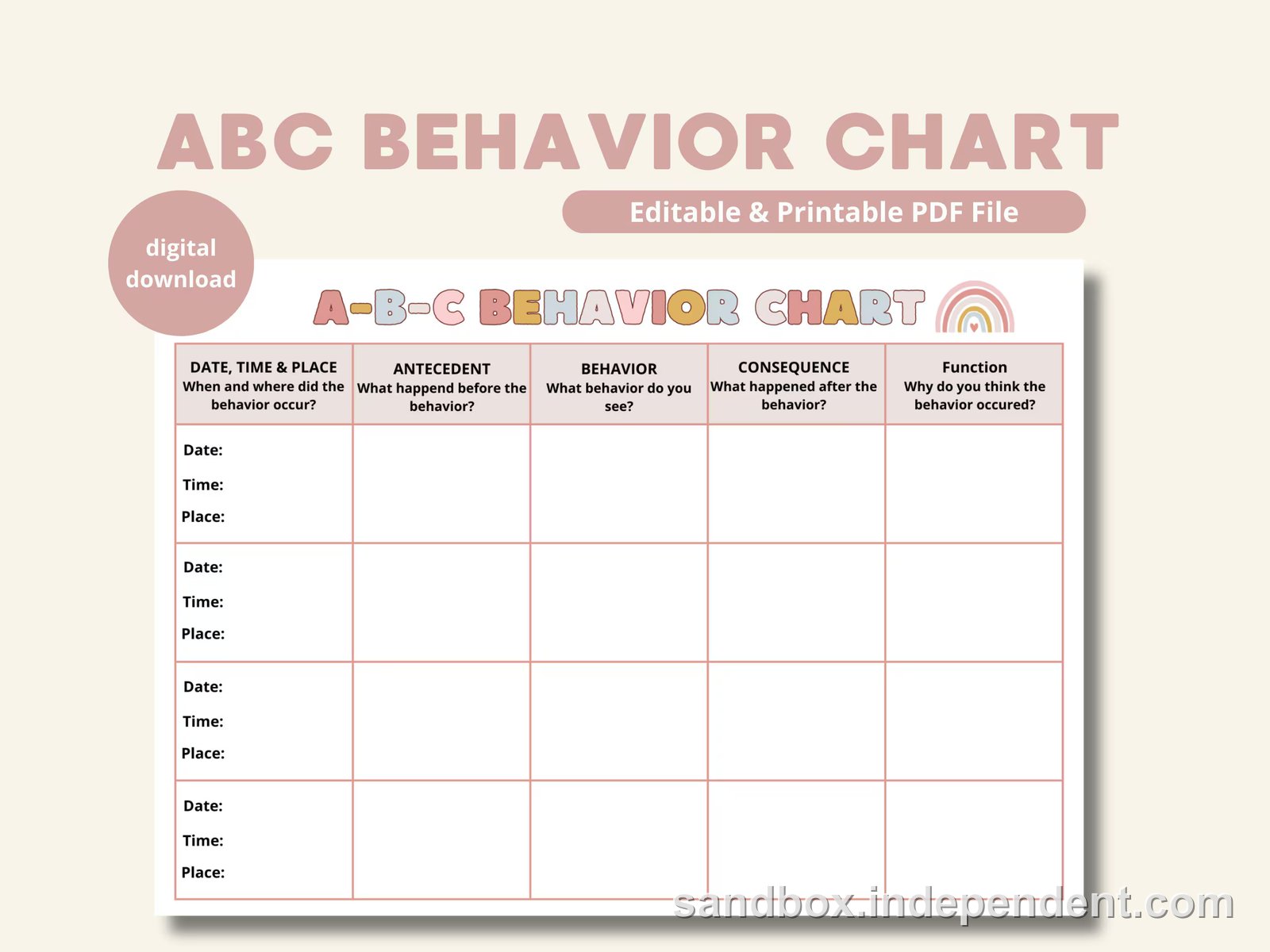
Discover the power of ABC behavior charts: clear reference values, easy-to-follow tips, and a practical guide to understanding your child's behavior.
Many people often assume that abc behavior charts are solely for teachers and classrooms, but they are so much more versatile and beneficial than that! While they are commonly used in educational settings, these charts are a powerful tool for anyone looking to track and improve behavior. The beauty of abc behavior charts lies in their simplicity and adaptability; they can be tailored to suit various contexts and goals.
Understanding the ABC Behavior Chart
The ABC Behavior Chart is a simple yet effective tool for tracking and managing behavior. It provides a visual representation of an individual's behavior patterns, helping to identify and address any issues or positive trends. This chart is a great way to encourage desired behaviors and set clear expectations.
Key Details and Categories
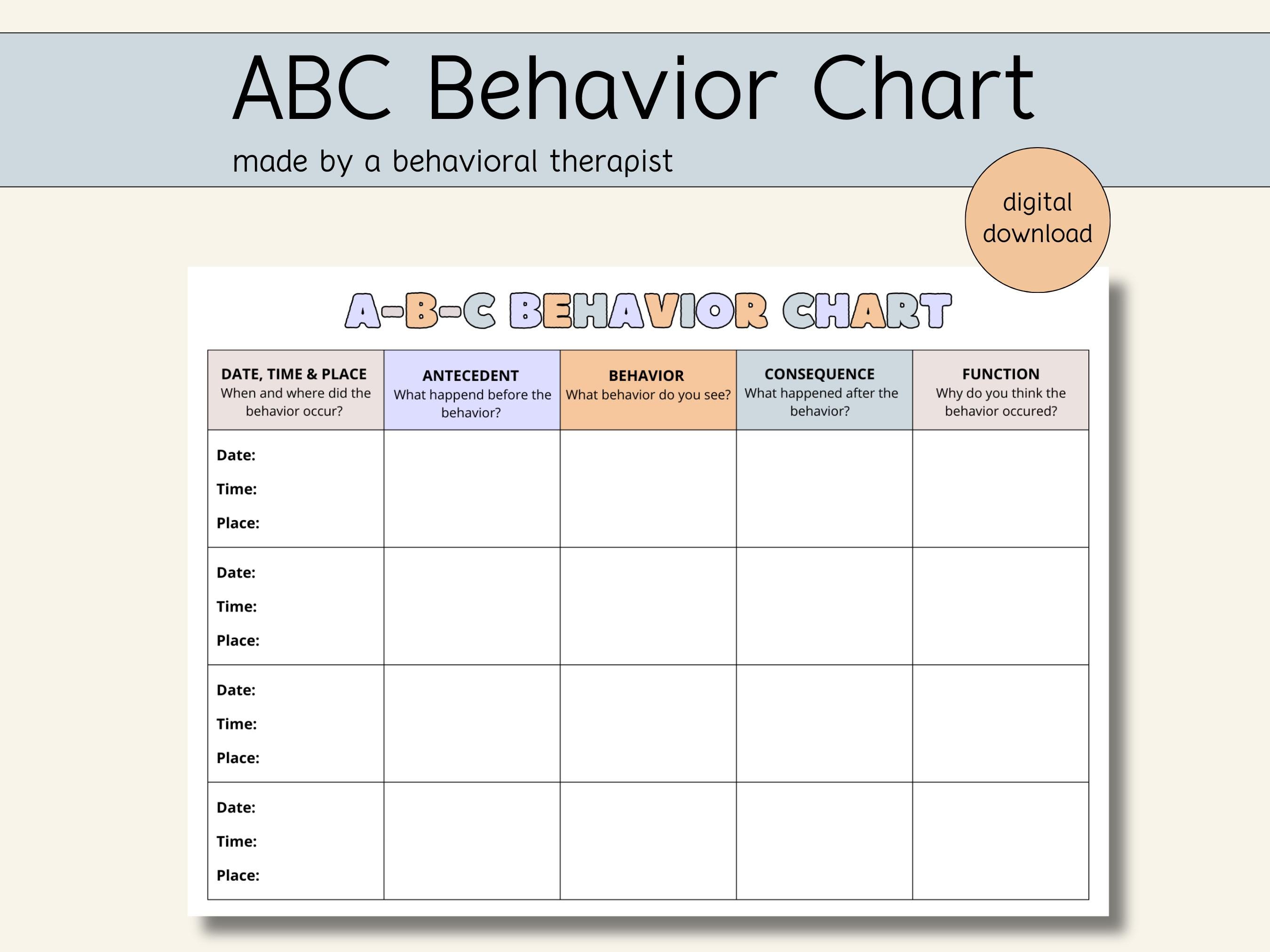
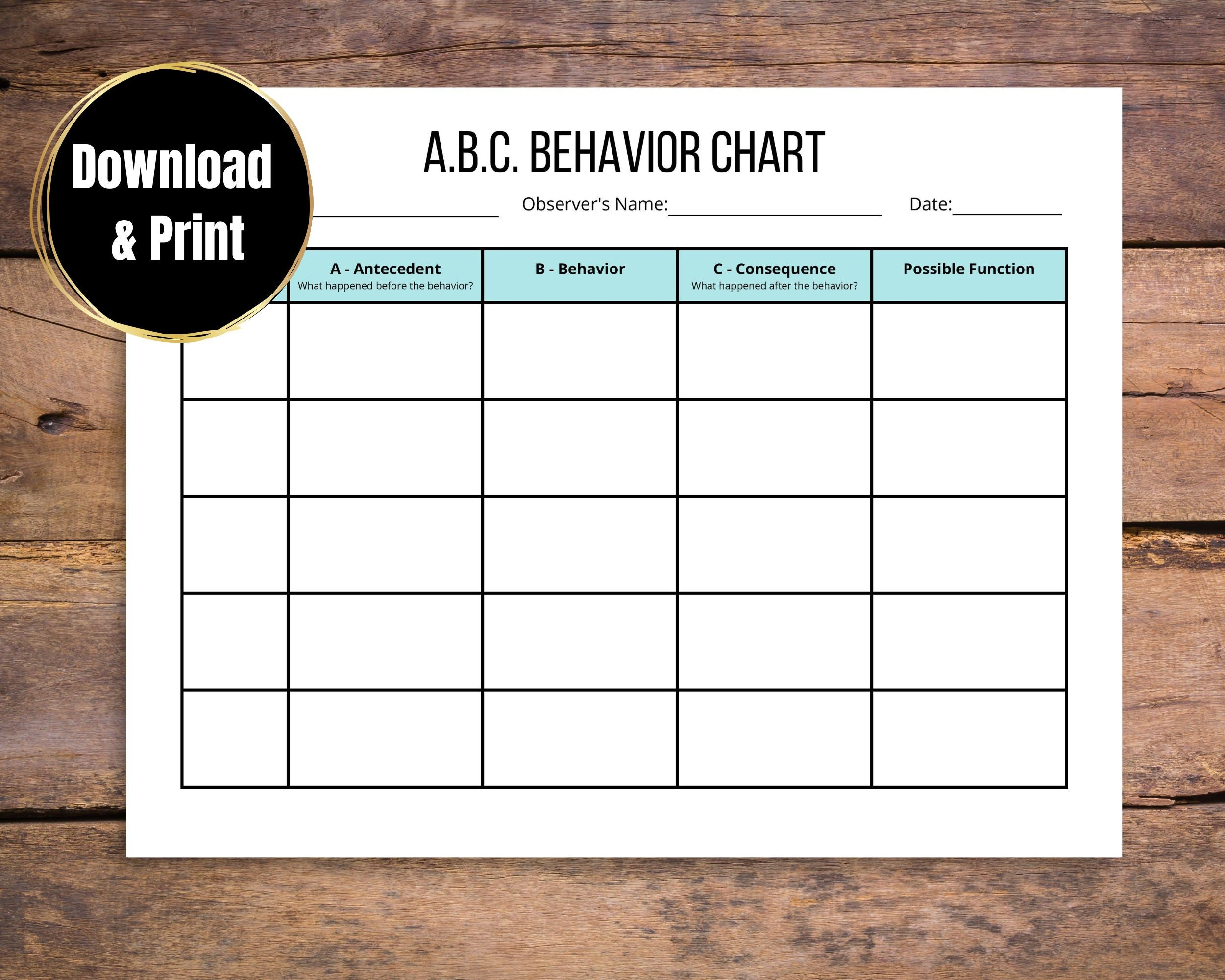
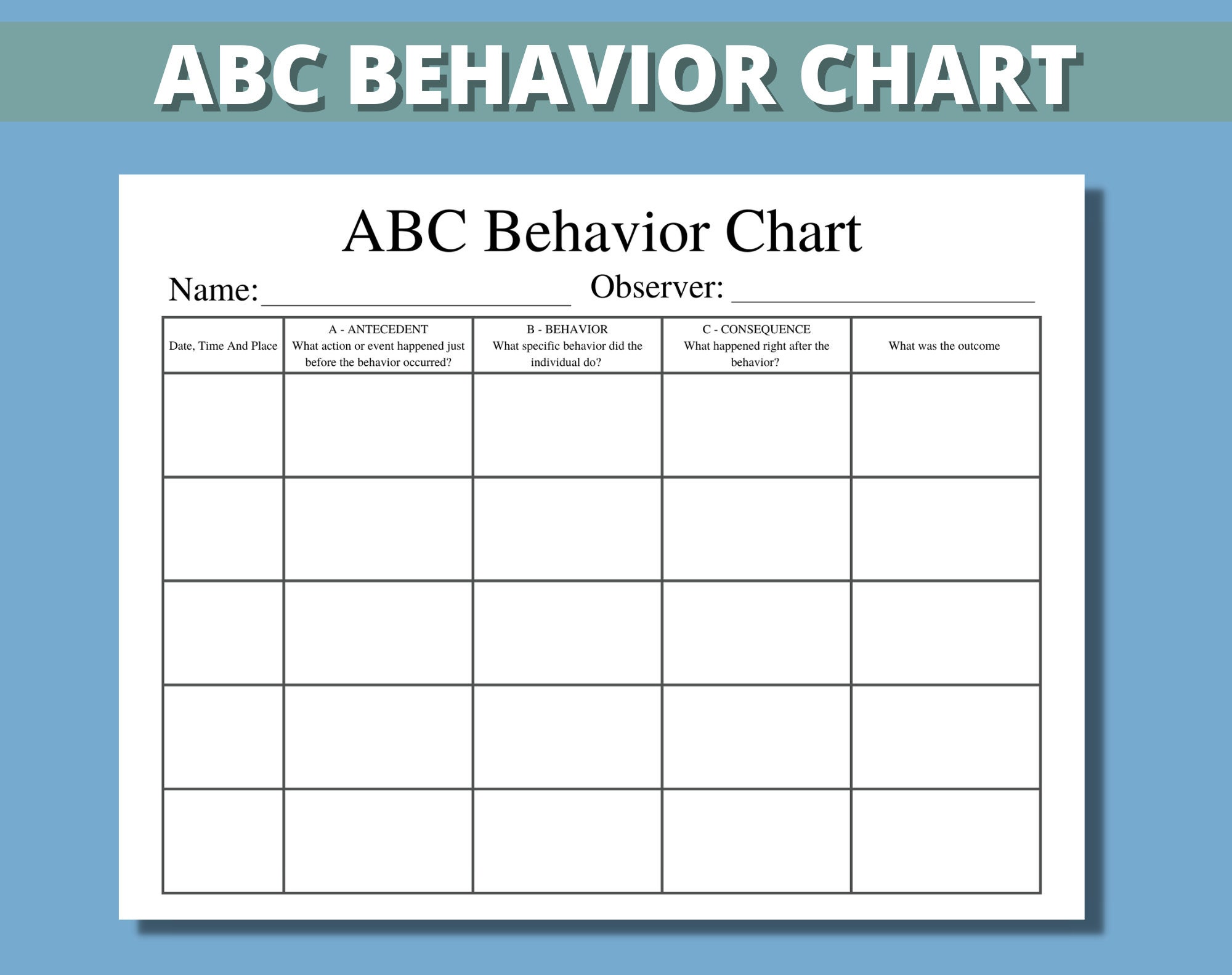
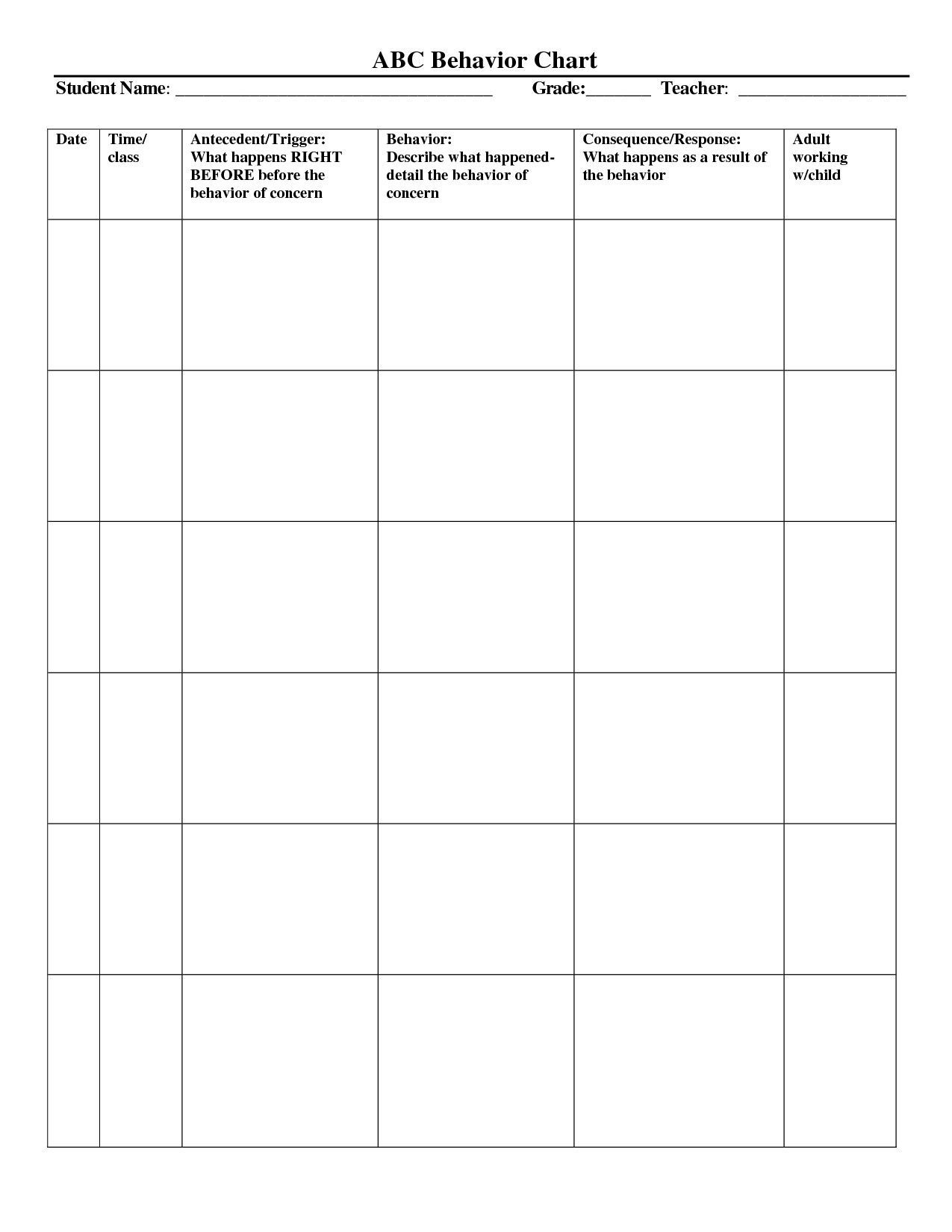
The ABC Behavior Chart consists of three main columns: Antecedent, Behavior, and Consequence. Each column represents a critical aspect of behavior analysis:
- Antecedent: This column notes the triggers or events that precede a behavior. It helps identify potential causes or situations that lead to certain behaviors.
- Behavior: Here, you record the actual behavior observed. It could be positive, negative, or neutral, depending on the context.
- Consequence: The final column details the outcome or response to the behavior. It could be a reward, a consequence, or simply a neutral reaction.
Additionally, the chart often includes a date and time column to track when behaviors occur. This provides a timeline for analysis and helps identify patterns.
Tracking Behavior: A Step-by-Step Guide
Using the ABC Behavior Chart is straightforward:
- Observe and Record: Start by noting the antecedent, the event or trigger that precedes the behavior. Be specific and descriptive.
- Describe the Behavior: Next, write down the behavior itself. Be objective and focus on the action, not judgments or interpretations.
- Note the Consequence: Finally, record the consequence or response to the behavior. This could be a reward, a redirection, or a neutral response.
- Analyze and Adjust: Regularly review the chart to identify patterns. Look for trends in behaviors and their antecedents. This analysis helps you understand what triggers certain behaviors and allows you to adjust your strategies accordingly.
Variations and Customizing the Chart
While the ABC Behavior Chart provides a standard framework, it can be customized to suit different needs and contexts. Here are some factors that may vary:
- Frequency: The chart can be used daily, weekly, or even monthly, depending on the behavior being tracked and the goals.
- Focus: The chart can be tailored to specific behaviors, such as focusing on positive behaviors or addressing challenging ones.
- Rewards and Consequences: The consequences or rewards listed can be adjusted based on individual preferences and the behavior intervention plan.
- Visual Design: The chart's design can be adapted to make it more engaging. Adding colors, icons, or even a point system can make it more appealing, especially for younger individuals.
Remember, the ABC Behavior Chart is a flexible tool. It's essential to review and adapt it to ensure it remains an effective behavior management strategy. By understanding the chart's core components and customizing it to your needs, you can create a powerful behavior tracking system.
Hey there! We've covered a lot of ground with the ABC behavior chart, and I hope it's given you a solid understanding of this practical tool. Remember, while the basics remain the same, the exact details might shift a little depending on your specific context or the source you're using. It's always a good idea to adapt and make it work for your unique situation.
So, the next time you need a quick refresh on this topic, be sure to bookmark this page for easy access. There's no need to scour the internet; you've got all the key info right here! Feel free to explore our other guides too; we've got plenty more practical tips and tricks to share. Happy learning!
Images