








Coloring Pages Only Overview
You're probably here because you need a quick fix, a go-to guide for your saxophone journey. Well, the sax finger chart is your reliable companion on this path. It's a simple yet powerful tool, a map that translates those mysterious finger positions into beautiful music. Whether you're a beginner or a pro, this chart is a must-have, offering a standard fingering system that can vary slightly but is universally understood.
Understanding the Sax Finger Chart
The sax finger chart is your go-to guide for mastering saxophone finger placement. It's a visual representation, often in the form of a table or diagram, that shows you which fingers to place where to produce specific notes. Think of it as a map for your fingers on the saxophone. This chart is an essential tool for any sax player, whether you're a beginner or a pro.
Comparing Chart Formats and Standards
There are a few different types of sax finger charts, but the most common is the standard fingering system. This system is widely used and is based on the layout of the saxophone's keys and pads. It provides a clear, universal guide for players. However, there can be slight variations depending on the type of saxophone, such as alto sax fingerings or tenor sax fingerings, as well as regional differences in notation.
Using the Chart: A Step-by-Step Guide
To use the sax finger chart, follow these steps:
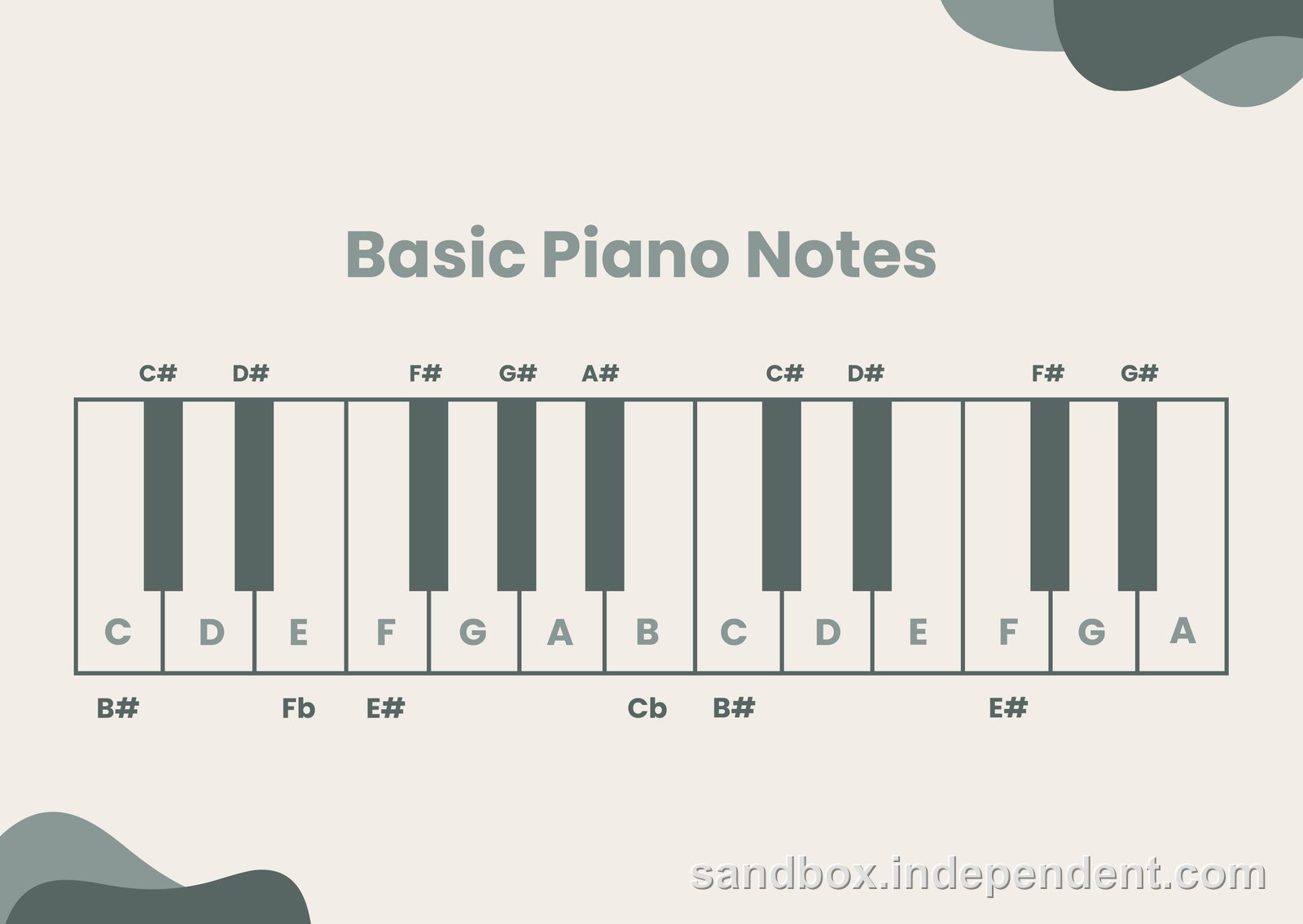
- Identify the note you want to play. This is usually indicated by a letter and an octave number, e.g., C4 or G#5.
- Locate the corresponding fingering on the chart. The chart will show you which keys to press and which fingers to use.
- Place your fingers on the saxophone according to the chart. Ensure a firm but relaxed grip, and pay attention to the positioning of each finger.
- Practice and memorize the fingerings for common notes. The more you practice, the more natural it will become.
- Explore alternative fingerings for advanced techniques. Some charts may include these, offering options for different sounds or easier playing.
Common Misreadings and How to Avoid Them
While the sax finger chart is a valuable tool, there are a few potential pitfalls to watch out for:
- Common Saxophone Fingerings can vary slightly between different sax models and manufacturers. Always double-check the specific fingerings for your instrument.
- Pay attention to octave indicators. Notes with the same letter but different octave numbers will have different fingerings.
- Some charts may use abbreviations or symbols. Familiarize yourself with these to avoid confusion.
- Remember that finger placement is just one aspect of playing. Breath control, embouchure, and technique also play crucial roles in producing the desired sound.
The sax finger chart is a powerful tool, but it's just one part of the learning process. With practice and patience, you'll master the art of finger placement and produce beautiful music on your saxophone.
Well, there you have it! A simple yet effective tool to keep at hand. The sax finger chart is a handy reference, offering a quick solution to those tricky finger placements.
Remember, while this guide provides a solid foundation, always consider your specific instrument and playing style. Exact values might vary, so it's worth double-checking to ensure you're covered.
Feel free to explore our other guides; we've got plenty of resources to enhance your musical journey!
Related: What is the Redken Color Chart?
You're likely here because you're seeking clarity on the Redken color chart, a valuable resource for anyone wanting to navigate hair color options effectively. This chart is your go-to guide, offering a simple yet comprehensive overview of Redken's color range. It provides an easy-to-understand visual representation, ensuring you can make informed choices about your hair color journey.
Understanding the Redken Color Chart
The Redken color chart is a comprehensive guide to their hair color range, offering a visual representation of the various shades and tones available. It provides a standardized way to choose and mix colors, ensuring consistent results. This chart is an essential tool for professionals and enthusiasts alike, offering a clear reference for achieving desired hair colors.
Standard Color Notation: Comparing Options
The Redken color chart follows a simple and intuitive system. Each color is represented by a unique code, typically a combination of letters and numbers. For example, the code "GG" represents a specific shade of golden blonde. This notation allows for easy identification and mixing of colors. The chart also displays the intensity and tone of each color, helping users choose the right shade for their desired look.
Practical Application Tips: Step-by-Step Guide
To use the Redken color chart effectively, follow these steps:
- Identify your desired color family. The chart is organized into sections, making it easy to navigate.
- Choose the specific shade within that family. Consider the natural hair color and the desired level of lift or deposit.
- Note the color code and intensity. This information is crucial for accurate mixing.
- Follow the recommended mixing ratios and application techniques provided by Redken.
- Test a small strand to ensure the desired result before full application.
Common Misreadings and Pitfalls
While the Redken color chart is straightforward, there are a few potential pitfalls to avoid:
- Ensure you are using the correct chart for your region or standard. Redken may offer different charts for various markets.
- Pay attention to the color intensity and tone. A slight variation in these can lead to significantly different results.
- Be aware of the natural hair color and its impact on the final result. Pre-lightening or pre-pigmentation may be necessary for certain shades.
- Always refer to the Redken color wheel or swatches for a more visual representation of the final color.
- Remember, practice and experience are key to mastering color application.
Remember, while this guide offers a comprehensive overview, it's always beneficial to cross-reference with your specific needs. The Redken color chart is a versatile tool, but its application may vary depending on your unique circumstances.
Feel free to explore our other guides for a deeper understanding of hair care and styling. We've got plenty of resources to help you navigate the world of hair coloring and beyond!
Related: Ten Construction Companies Essential Guide
I'm thinking of giving my kitchen a makeover, and it got me wondering about top ten construction companies. Who are the big players in the industry? What makes a construction company stand out? I decided to look into it and share some insights, so here's the lowdown on all things construction-related.
The Big Picture: Construction Industry Insights
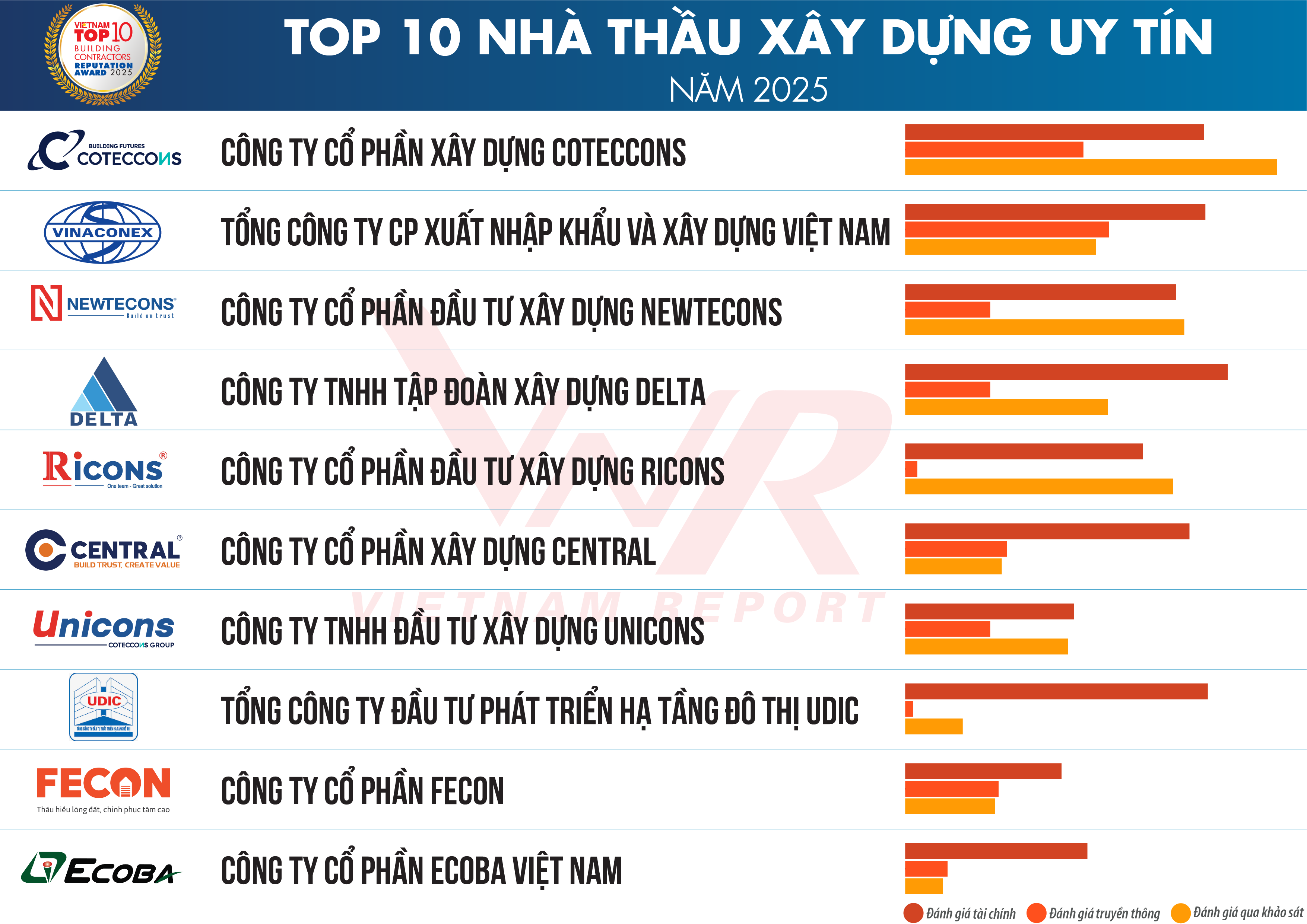
When we talk about the top ten construction companies, we're referring to the leading firms in the industry, those that have established a strong reputation and often work on large-scale projects. These companies have the resources, expertise, and experience to tackle a wide range of construction and remodeling jobs. They can handle everything from residential home renovations to commercial building projects.
So, what sets these companies apart? Well, it's a combination of factors. They often have a large, skilled workforce, which allows them to take on multiple projects simultaneously. They also tend to have strong relationships with suppliers, which can result in better deals on materials. Additionally, their size and reputation often mean they can attract and retain top talent, ensuring a consistent level of quality in their work.
Hiring a Top Construction Company: What to Consider
If you're in the market for a construction company, whether it's for a home remodel or a new build, there are a few key things to keep in mind. First, check their licensing and insurance. This is crucial to protect yourself and ensure they're legally allowed to operate. Next, look at their portfolio. Do they have experience with projects similar to yours? It's a good sign if they do.
Ask for references and check them. Speak to past clients about their experience. Were they happy with the work? Was the company responsive and professional? Also, get multiple quotes. Prices can vary, and it's a great way to compare services and find the best value.
Company Names: A Quick Tip
Choosing a name for your construction company is important. It should be memorable, reflect your business, and be unique. Avoid generic names; you want something that stands out. For example, "BuildStrong", "RenovateRight", or "Constructive Solutions" are all catchy and give a good indication of the services offered.
Before settling on a name, check its availability for registration and domain names. You don't want any legal issues or to miss out on an online presence because the name is taken.
The Construction Industry: A World of Opportunities
The construction industry offers a wide range of jobs, from skilled tradespeople to project managers and estimators. These roles can vary greatly in terms of responsibilities and salaries. For instance, an estimator's role involves calculating costs for projects, a crucial step in the construction process.
If you're looking for construction jobs, check online job boards and local classifieds. Many companies also advertise on their websites. It's a good idea to have a clear idea of the role you're interested in and the skills you can bring to the table.
Wrapping Up: Your Construction Journey
So, there you have it, a glimpse into the world of top ten construction companies and the construction industry as a whole. Whether you're hiring a company for a project or considering a career in construction, it's a fascinating and ever-evolving field. Remember, when it comes to construction, it's all about finding the right fit for your needs and ensuring a professional, skilled team is on board.