






Coloring Pages Vegetables Overview
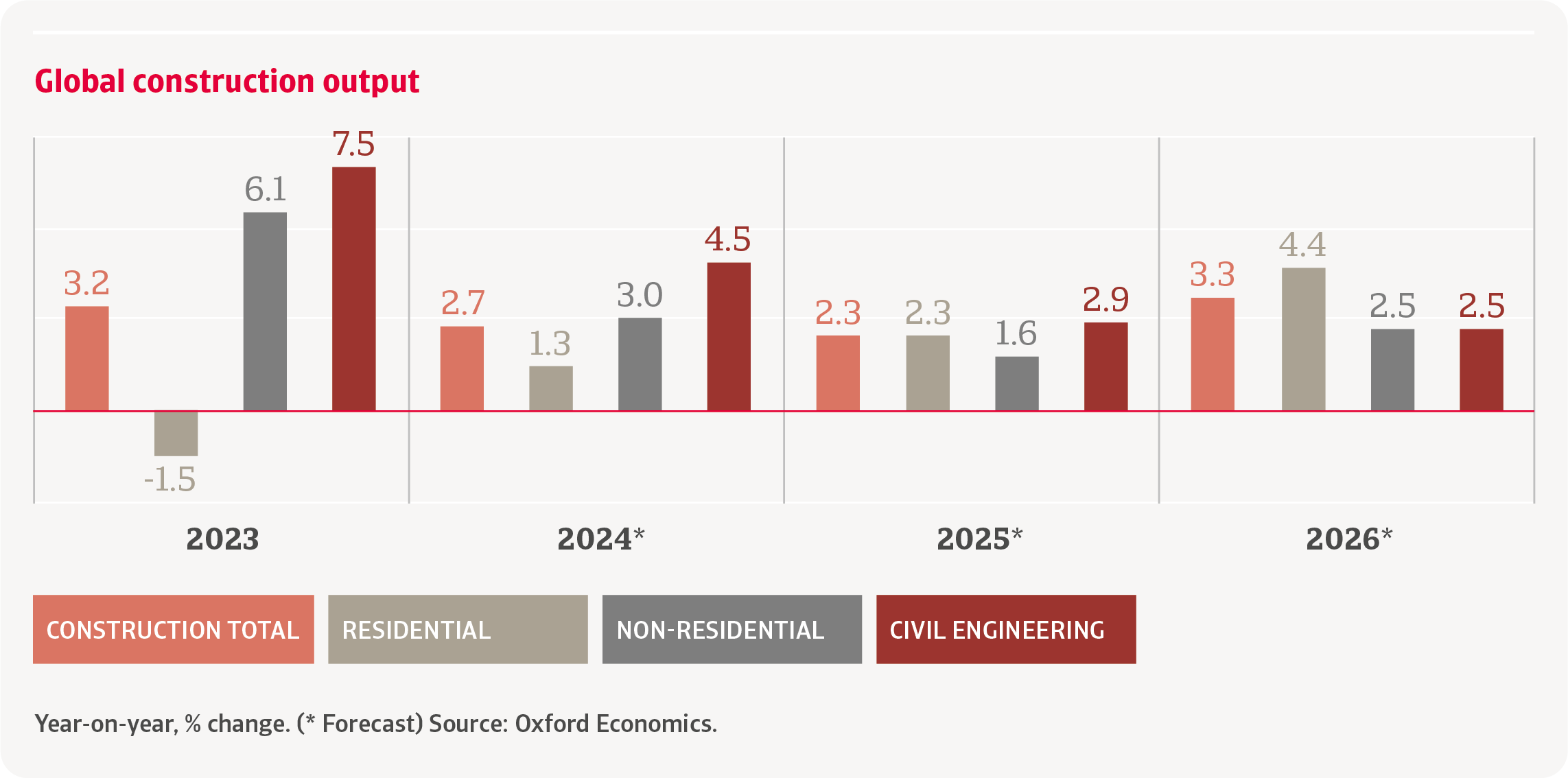
I was walking through my neighborhood the other day, and it struck me how many construction projects are underway. 2026 construction outlook might be on your mind too, whether you're a homeowner, a business owner, or just curious about the industry. So, let's break it down and see what's in store.
The Big Picture
When we talk about the "2026 construction outlook," we're looking at the future of building and remodeling. It's about understanding the trends and changes that will shape the industry in the coming years. This outlook is important for anyone planning a construction project, as it can impact costs, timelines, and the overall success of your venture.
One key aspect is the cost of materials and labor. These costs can fluctuate, and keeping an eye on the outlook helps you prepare for any potential price hikes or drops. It's also about the availability of skilled workers and the demand for certain types of construction. For example, the rise of eco-friendly building practices might influence the skills and materials needed for future projects.
Hiring and Costs
If you're planning a construction project, one of your main concerns will be finding the right contractor. It's important to do your research and compare quotes. When you're getting quotes, look for detailed breakdowns of costs. This should include materials, labor, and any additional fees. Be cautious of quotes that seem too good to be true; they might cut corners or leave out important costs.
Ask for references and check their past work. A good contractor will be happy to provide this information. It's also a good idea to get multiple quotes to compare. This way, you can ensure you're getting a fair price and the right skills for your project.
Business Names and the Industry
For those in the construction business, or thinking of starting a business, choosing a name is an important step. A good name should be memorable, reflect your business values, and stand out in a crowded market. It might be a play on words, a reference to your location, or a unique combination of words that captures your business's essence.
Here are a few examples:
- Build-it-Right Construction
- Eco-Friendly Builders
- Solid Foundations
- Skyward Solutions
- HomeCrafters
- The Building Blocks
Remember to check name availability and secure the right domains and local registrations to protect your business identity.
Jobs and Opportunities
The construction industry offers a wide range of job roles, from general contractors and estimators to specialized tradespeople. These jobs can be found through local job boards, construction company websites, and industry-specific job sites. It's a diverse industry, and the skills required can vary greatly depending on the role.
For those looking for a career in construction, it's a good idea to research the different roles and the qualifications needed. Many roles offer on-the-job training and apprenticeships, providing a great way to learn and earn at the same time.
Tools and Resources
Tools like RSMeans can be a great resource for construction professionals. RSMeans provides cost data and estimating tools, helping contractors and businesses plan and manage their projects effectively. It's a valuable tool for staying on top of industry trends and ensuring accurate cost estimates.
Other resources, like cost databases and industry reports, can also provide valuable insights. These tools can help you understand the market, plan your projects, and make informed decisions.
Wrapping Up
So, there you have it, a glimpse into the 2026 construction outlook. It's an exciting time in the industry, with new technologies, materials, and practices constantly emerging. Whether you're a homeowner, a business owner, or a construction professional, keeping an eye on these trends and changes can help you make informed decisions and stay ahead of the curve.
I hope this has given you some useful insights. Happy building!
Related: Find Your Perfect Fit: The Levi's Size Chart Guide
Many people approach the Levis size chart with a bit of trepidation, assuming it's a complex and confusing tool. However, it's actually a straightforward guide that can make finding your perfect fit a breeze. The chart, often accompanied by a sizing guide, provides a clear and visual representation of Levis' sizing system, ensuring you can easily navigate the brand's unique sizing standards. It's a simple reference, yet a powerful tool when you understand its layout and key measurements, such as waist size and inseam length.
Understanding the Levis Size Chart
The Levis size chart is a valuable tool for anyone looking to find their perfect fit in Levis jeans. It provides a clear and standardized guide to help you determine your size based on key body measurements. This chart ensures a consistent sizing experience across Levis products, making it easier to shop with confidence.
Key Details and Categories
The Levis size chart typically includes measurements for waist size, hip size, and inseam length. These measurements are crucial in determining the right fit for your body. The chart provides a range of sizes, usually in inches or centimeters, depending on the standard being used. For example, the waist size may be listed in inches, while the inseam length is given in centimeters. It's important to note that these measurements are specific to Levis products and may differ from other brands' sizing guides.
How to Read and Apply the Chart
To use the Levis size chart accurately, follow these steps:
- Measure your waist size: Use a measuring tape to find the circumference of your waist, ensuring the tape is parallel to the floor. This measurement should be taken at the point where you would normally wear your jeans.
- Determine your hip size: Measure the fullest part of your hips, again keeping the tape parallel to the floor. This measurement is crucial for a comfortable and flattering fit.
- Check your inseam length: Measure the length from your crotch to the point where you want your jeans to end. This measurement ensures the jeans have the desired length and fit.
- Refer to the Levis size chart: Locate your waist and hip measurements on the chart. The intersection of these measurements will give you your size. For example, if your waist is 32 inches and your hip measurement is 40 inches, you would look for the size that corresponds to these dimensions.
- Consider the style: Different Levis styles may have slightly different fits, so be sure to check the specific style guide for any variations. Some styles may have a slimmer or more relaxed fit, impacting the overall sizing.
Variations and Differences
It's important to note that sizing can vary across different standards and regions. Levis, like many clothing brands, may have slight variations in their size charts depending on the market. Additionally, individual body shapes and preferences can also impact the fit. Some people may prefer a looser or tighter fit, which can influence their size choice. It's always a good idea to refer to the brand's size guide and consider any style-specific notes.
Common Mistakes and How to Avoid Them
- Not measuring accurately: Ensure you follow the correct measuring techniques to get precise measurements. Inaccurate measurements can lead to an incorrect size choice.
- Ignoring style-specific guides: Different Levis styles may have unique fits. Always check the style guide to ensure you're choosing the right size for the style you want.
- Relying solely on past purchases: Sizing can change over time, and brands may update their size charts. It's best to measure yourself each time you shop to ensure an accurate fit.
- Assuming one size fits all: Levis offers a range of sizes to accommodate different body types. Don't be afraid to try different sizes to find the perfect fit.
- Neglecting care and maintenance: Proper care and maintenance of your jeans can impact their fit over time. Follow the care instructions to ensure your jeans maintain their shape and size.
Well, there you have it! A comprehensive guide to navigating the world of Levi's size charts. Remember, while this chart provides a solid foundation, exact values can vary, so always double-check your specific needs and requirements.
Consider bookmarking this page for future reference; it's a handy tool to have at your fingertips when you need to quickly find the right size. Stay stylish and confident, and happy sizing!
Related: What is the Lund Browder Chart and How to Use It?
So, you're here, searching for information on the Lund Browder chart, probably wanting a quick guide to understanding this essential tool. It's a handy reference, often used to assess burn injuries, and it's important to know how to interpret it correctly. The chart provides a visual representation, usually as a diagram or table, detailing the body's surface area and the percentage burned, which is crucial for medical professionals when treating burn victims.
The Lund Browder Chart: A Burn Assessment Tool
The Lund Browder chart is an essential tool for healthcare professionals, particularly those working in burn care. It provides a visual representation of the human body, divided into various regions, to help assess and calculate the extent of burns on a patient's body. This chart is widely used due to its accuracy and ability to provide a detailed analysis.
Understanding the Chart's Details
The Lund Browder chart displays the body as a series of regions, each with a specific percentage value. These values represent the proportion of the total body surface area (TBSA) that each region covers. The chart considers age-specific variations, as the body surface area distribution changes as we grow. You'll find different charts for adults and children, ensuring accurate assessments. The units used are percentages, and the chart provides a comprehensive guide to help healthcare professionals quickly estimate burn surface areas.
Reading and Applying the Lund Browder Chart
Using the Lund Browder chart involves a systematic approach. First, identify the burned areas on the patient's body and locate the corresponding regions on the chart. Then, estimate the percentage of each region affected by the burn. Add up these percentages to calculate the total burn surface area. For example, if a patient has a burn on their arm (9% of TBSA) and leg (18% of TBSA), the total burn surface area would be 27%. This calculation is crucial for determining the severity of the burn and the required treatment.
Variations and Differences
It's important to note that there can be variations in Lund Browder charts depending on the standard used. Different regions or organizations may have slight differences in the percentage values or the way the body is divided. These variations are usually minor and don't impact the overall assessment significantly. However, it's essential to use the appropriate chart for your region or follow the guidelines set by your healthcare facility.
Common Mistakes and How to Avoid Them
One common mistake is misinterpreting the chart's values. Remember, the percentages represent the relative size of each body region, not the absolute size. Another pitfall is neglecting to consider age-specific charts. Adults and children have different charts due to their varying body proportions. Using the wrong chart can lead to inaccurate assessments. Always ensure you're using the correct chart for the patient's age group.
Practical Tips for Accurate Results
To ensure accuracy, it's crucial to have a good understanding of the human body's anatomy and how it relates to the chart. Familiarize yourself with the different body regions and their corresponding percentages. Practice estimating burn surface areas using the chart to improve your skills. Additionally, consider using other burn assessment tools, like the rule of nines or the parkland formula, to cross-reference your calculations and enhance accuracy.
Handling Edge Cases and Exceptions
While the Lund Browder chart is a valuable tool, it's not without its limitations. In certain cases, such as burns affecting multiple body regions or unusual body proportions, the chart may not provide an accurate representation. In such situations, it's essential to consult with experienced burn care specialists or use advanced imaging techniques to get a more precise assessment. Always prioritize accuracy and seek expert advice when needed.
Hey there, we've covered a lot of ground with the Lund Browder Chart and its applications. Remember, while the fundamentals remain the same, the exact details can vary slightly depending on the specific context and standards you're working with.
Feel free to explore our other guides and resources to dive deeper into related topics and discover more practical tools and insights. Keep learning, keep growing, and stay curious!