










Coloring Sheet Queen Overview
A common misconception about CNA POC charting is that it's a complex and overwhelming task, but it's actually a straightforward and essential practice for healthcare professionals. This type of charting, often referred to as point-of-care documentation, is a vital tool for CNAs and other healthcare providers to record and track patient observations and vital signs efficiently. It's a simple yet powerful way to ensure accurate and timely patient care planning. While the format and specifics may vary, the purpose remains the same: to provide a clear and concise snapshot of a patient's condition.
Understanding CNA POC Charting
CNA POC charting is a vital tool for healthcare professionals, particularly Certified Nursing Assistants (CNAs), to record and track patient observations and vital signs. This charting method provides a structured and organized way to document patient care, ensuring accurate and consistent records.
Key Details and Categories
The CNA POC charting system typically includes various categories and sections to capture essential patient information. These may include:
- Patient Identification: Name, age, gender, and unique identifiers.
- Date and Time: Precise recording of observations to track progress and changes.
- Vital Signs: Temperature, blood pressure, pulse rate, and respiratory rate.
- Patient Observations: Notes on behavior, mood, pain levels, and any significant changes.
- Interventions and Care: Details of nursing care provided, treatments, and medications.
- Physician Orders: Instructions and prescriptions from doctors.
Step-by-Step Guide to Reading and Applying CNA POC Charts
- Start by locating the patient's record in the chart. Ensure it is correctly identified with the patient's name and other details.
- Check the date and time of the previous entry to understand the context and any recent changes.
- Record vital signs accurately using the appropriate units (e.g., °F or °C for temperature, mmHg for blood pressure).
- Observe and document any changes in the patient's condition, behavior, or mood. Use clear and concise language to describe these observations.
- Note any interventions, treatments, or medications administered, including the time and dosage.
- Refer to physician orders and ensure they are followed accurately. Document any deviations or additional instructions.
- Sign and date the chart to maintain accountability and track changes over time.
Variations and Differences in Charting Standards
While the core structure of CNA POC charting remains consistent, variations may occur due to different healthcare settings, regions, and specific patient needs. For instance, some charts may include additional sections for specialized care, such as wound care or diabetic management. It is essential to be familiar with the specific charting standards and guidelines in your facility or region. Always refer to the latest protocols and ensure you are using the correct chart format.
Common Mistakes and How to Avoid Them
- Inaccurate or incomplete vital sign recordings: Always double-check your measurements and ensure they are within the normal range for the patient's age and condition.
- Forgetting to record the date and time: This basic step is crucial for tracking changes and ensuring continuity of care.
- Inadequate patient observations: Take time to observe and document any changes, even if they seem minor. These details can be vital for patient care planning.
- Omitting or misinterpreting physician orders: Always clarify and understand instructions before acting on them.
- Failing to sign and date the chart: This simple step ensures accountability and helps track changes made by different healthcare professionals.
Best Practices for Accurate and Effective Charting
- Familiarize yourself with the charting standards and guidelines specific to your facility and region.
- Use clear and concise language when recording observations and notes. Avoid abbreviations that may be unclear to others.
- Stay updated with any changes or additions to the charting system to ensure your records are accurate and complete.
- Regularly review and analyze patient charts to identify trends, progress, or areas of concern.
- Collaborate with other healthcare professionals to ensure consistent and accurate charting practices.
CNA POC charting is a valuable tool that, when used correctly, provides a comprehensive overview of patient care and facilitates effective communication among the healthcare team. By following these guidelines and best practices, you can ensure accurate and reliable patient records, contributing to high-quality patient care.
Well, I hope this guide has provided a clear and concise overview of CNA POC charting. Remember, it's always best to refer to the specific guidelines and standards relevant to your context, as exact values and procedures may vary slightly.
Consider bookmarking this page for future reference; it might just save you some time and effort the next time you need a quick refresher on CNA POC charting. Until then, happy charting!
Related: What's the Right Bolt Size? A Quick Chart Guide
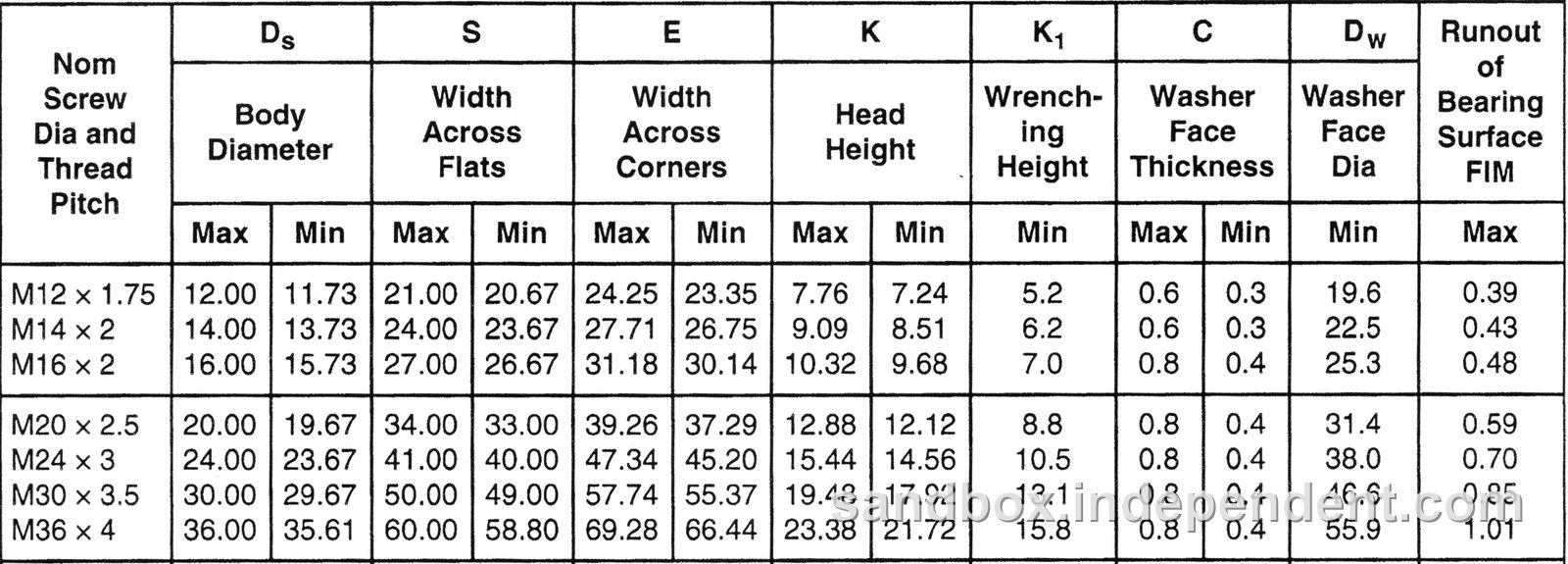
A bolt size chart is a handy tool for anyone working with bolts and fasteners. It's a simple yet effective way to ensure you're using the right size and type of bolt for your project. This guide will cover the basics of reading and using a bolt size chart, so you can tackle any fastening task with confidence.
These charts provide a quick reference for bolt dimensions, including length, diameter, and thread pitch. While the values may vary depending on the standard and region, a good chart will offer a clear and organized layout, making it easy to identify the bolt you need.
Understanding Bolt Size Charts
Bolt size charts are your practical guide to choosing the right bolt for any project. These charts provide a quick reference to help you match the bolt's size and specifications to your needs. It's like having a map to navigate the world of fasteners!
Key Details and Units
A bolt size chart typically includes essential information such as the bolt's diameter, length, thread pitch, and head type. These charts often follow specific standards, like the metric or imperial systems, so you'll find different charts for different regions and industries. The units used can vary, so it's crucial to know whether you're dealing with millimeters or inches.
Reading and Applying the Chart: A Step-by-Step Guide
- Start by identifying the bolt's primary purpose and the material it will fasten. This helps narrow down the options.
- Locate the diameter column on the chart. This is usually the first critical factor. Match the required diameter with the chart's values.
- Next, consider the length. The chart will provide a range of lengths for each diameter. Choose the length that best suits your project's needs.
- Thread pitch is the distance between threads. Different materials and applications may require specific thread pitches. Refer to the chart to select the appropriate pitch.
- Finally, identify the head type. Common head types include hex, socket cap, and flat. The chart will guide you on the available head types for your chosen diameter and length.
Variations and Differences
Bolt size charts can vary depending on the standard and the intended use. For instance, metric bolt sizes may have different thread pitches compared to imperial bolt standards. Additionally, specialized bolts for unique applications might have custom dimensions not found on standard charts. Always refer to the specific chart relevant to your project's needs.
Common Mistakes and How to Avoid Them
One common mistake is assuming all bolts are created equal. Different materials and applications require specific bolt dimensions. Always refer to the bolt size chart for the correct specifications. Another pitfall is ignoring the thread pitch. Using the wrong thread pitch can lead to stripped threads or poor fastening. Take the time to understand and select the right pitch.
Practical Tips for Accurate Results
When using a bolt size chart, always double-check the units. Mistakes can happen when converting between metric and imperial systems. Additionally, pay attention to the thread class, which indicates the thread's tolerance and fit. Using the wrong class can impact the bolt's performance and durability.
Double-Checking and Handling Exceptions
While bolt size charts are incredibly useful, they might not cover every edge case. For unique or specialized applications, it's best to consult the manufacturer's specifications. These can provide precise details and tolerances to ensure the bolt's performance and safety. Always err on the side of caution and double-check when dealing with critical applications.
Hey there! We've covered a lot of ground with this bolt size chart, and I hope it's given you a clear understanding of the basics. Remember, while the fundamentals remain the same, exact details might shift a little based on your specific situation or the standard you're working with.
So, the next time you're tackling a project and need a quick reference, feel free to bookmark this page. It's a handy tool to have in your back pocket, and you never know when you might need to size up those bolts!
Related: Atlanta Construction Jobs Essential Guide
Atlanta construction jobs is a phrase that might pop up in your search bar when you're looking to hire someone to build or remodel your home. It's a pretty straightforward term, but there's a lot to unpack when it comes to finding the right people for the job and understanding the costs involved. So, let's dive in and explore what Atlanta construction jobs really means and how to navigate this world effectively.
Understanding the Scope
When you search for Atlanta construction jobs, you're essentially looking for professionals who can help you with various construction projects, from building a new home to remodeling an existing one. This could involve hiring general contractors, specialized tradespeople, or even companies that offer a range of construction services. It's important to define your project's scope before diving into the search, as this will guide your choices and help you find the right fit.
Hiring the Right Team
Finding the right construction team for your project is crucial. You'll want to do your research and ask around for recommendations. Check online reviews and ask friends or family who have recently undergone similar projects. Once you have a few potential contractors or companies in mind, reach out and ask for quotes. Compare these quotes, but remember that the cheapest option isn't always the best. Look for detailed quotes that cover all aspects of the job, including materials, labor, and any potential extras.
Company Names and Reputation
Many construction businesses in Atlanta have creative names that reflect their services or location. A good business name should be memorable, unique, and give a hint about what they do. For instance, names like "Atlanta Build & Remodel" or "The Home Renovators" are straightforward and descriptive. When choosing a name for your construction business, it's essential to check its availability for registration and domain names to avoid any legal issues or confusion. Here are a few original name ideas:
- "Craftsman's Corner"
- "Build-It-Right"
- "Atlanta Home Makeovers"
- "Renovation Revolution"
- "The Construction Crew"
Construction Roles and Salaries
Atlanta construction jobs encompass a wide range of roles, from general contractors who oversee the entire project to specialized tradespeople like plumbers, electricians, and carpenters. The salaries for these roles can vary greatly depending on experience, the scope of the project, and the company's size. It's always a good idea to check online job boards and construction-specific websites to get an idea of the going rates for different roles in your area.
Industry Tools and Data
In the world of construction, tools like RSMeans can be incredibly useful. RSMeans is a cost database that provides accurate and up-to-date information on construction costs, helping contractors and clients understand the financial aspects of a project. It takes into account various factors, such as materials, labor, and escalation, which refers to the potential increase in costs over time. Using tools like RSMeans can help ensure that quotes and estimates are fair and realistic.
Big Companies vs. Small Businesses
The construction industry in Atlanta, like many places, has a mix of large companies and smaller, independent businesses. Large firms often have the resources to take on bigger projects and may have a broader range of services. They might also have more specialized equipment and a larger team. On the other hand, smaller businesses can offer a more personalized experience and may be more flexible in their approach. It's a matter of finding the right balance for your specific project and preferences.
Final Thoughts
Navigating the world of Atlanta construction jobs can seem daunting, but with the right approach and some research, you can find the perfect team for your project. Remember to define your needs, compare quotes, and don't be afraid to ask questions. Whether you're building a dream home or remodeling your bathroom, the right construction crew can make all the difference. So, take your time, do your due diligence, and you'll be on your way to a successful construction project.