









Coloring Sheets Of Sharks Overview
I've got a whole house to remodel. From top to bottom, I want to give it a fresh look and feel. Whole home remodeling is a big project, but I'm ready to dive in and make it happen.
What's Involved in a Whole Home Remodel?
Whole home remodeling is a comprehensive process, transforming your entire living space. It's more than just a room refresh; it's about updating and modernizing your entire home. This could mean new kitchens and bathrooms, updated flooring, fresh paint, and even structural changes to create an open-plan layout. It's a chance to personalize your space and make it truly yours.
When you embark on a whole home remodel, you're likely to encounter various professionals. From general contractors who oversee the project to specialized tradespeople like plumbers, electricians, and carpenters, there's a whole team involved. They'll work together to bring your vision to life, ensuring everything is up to code and meets your expectations.
Finding the Right Contractor
Hiring the right contractor is crucial for a successful whole home remodeling project. You want someone reliable, experienced, and with a good reputation. Check their references and previous work. Ask about their process, timeline, and how they handle unexpected issues. A good contractor will provide a detailed quote, outlining the scope of work and any potential additional costs.
Get multiple quotes to compare. While price is important, it's not the only factor. Consider their expertise, communication style, and how well they understand your vision. Remember, a whole home remodel is a significant investment, so take your time to find the right fit.
Construction Company Names
Choosing a name for your construction business is an important step. It should be memorable, reflect your services, and stand out. Some unique and catchy names could be:
- BuildPro
- HomeCrafters
- Constructive Creations
- Renova
- BuildSmart
- HouseWorks
Before settling on a name, check its availability for registration and domain purchase. You want to ensure your business name is unique and can be easily found online.
Jobs in the Industry
The construction and remodeling industry offers a range of roles. From project managers who oversee the entire process to estimators who calculate costs, there are various specialized positions. Tradespeople like carpenters, plumbers, and electricians are also in high demand.
If you're looking for a career in this field, consider your skills and interests. Many professionals start as apprentices, learning on the job, while others pursue formal education or training programs. The industry offers great opportunities for growth and specialization.
Industry Tools and Data
Tools like RSMeans provide valuable data for construction professionals. They offer cost databases and escalation tools, helping contractors and estimators accurately price projects. These resources are essential for creating detailed quotes and managing costs throughout a project.
While the data is useful, it's important to remember that costs can vary. Factors like location, materials, and labor rates can impact the final price. Always get multiple quotes and compare them to ensure you're getting a fair deal.
Large vs. Small Companies
The construction industry has a mix of large and small companies. Larger firms often have more resources and can take on bigger projects. They may have specialized departments and a broader range of services. However, smaller companies can offer personalized attention and a more tailored approach.
When choosing, consider the size and scope of your project. Larger companies might be better equipped for extensive renovations, while smaller firms can provide a more intimate and focused service.
Final Thoughts
Whole home remodeling is an exciting journey, transforming your space into a home that reflects your style and needs. It's a significant undertaking, but with the right team and a well-planned approach, you can achieve amazing results. Remember, it's all about finding the right fit for your vision and budget. So, take your time, do your research, and enjoy the process!
Related: Find Your Perfect Belt Size: A Comprehensive Guide
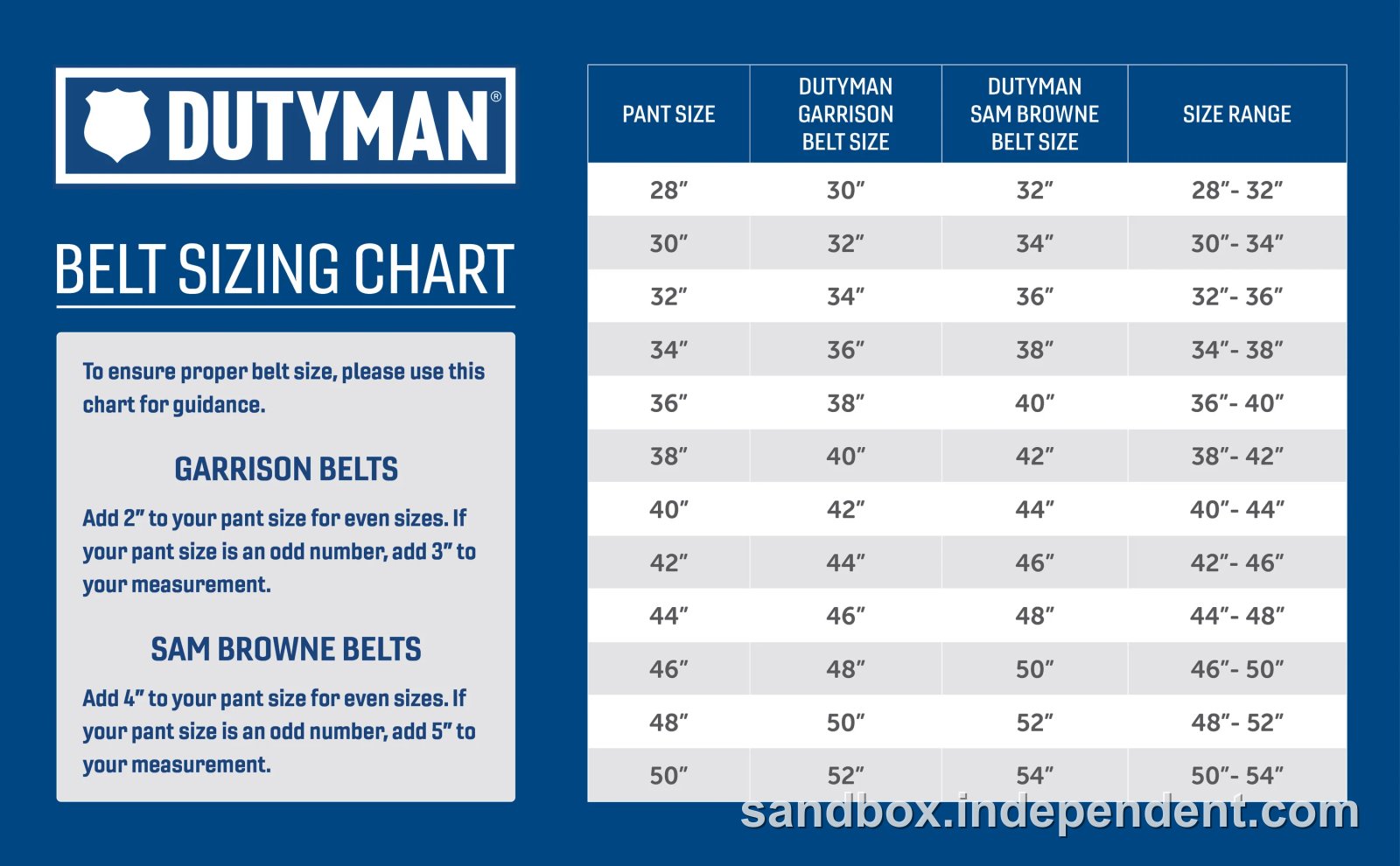
A common misconception about belt size charts is that they are one-size-fits-all, but this couldn't be further from the truth. While these charts provide a valuable reference, they can vary depending on various factors. So, it's essential to understand how to interpret them accurately. A belt size chart is a handy tool, offering a simple guide to finding the right belt length and size. It can include different measurements, such as waist size and pant size conversion, ensuring a perfect fit.
Understanding the Belt Size Chart
The belt size chart is a valuable tool for anyone looking to find the perfect belt fit. It provides a standardized way to determine your belt size, ensuring a comfortable and secure fit for your waist. This chart is an essential guide, especially when shopping for belts, as it simplifies the sizing process and helps you make an informed choice.
Key Details and Categories
The belt size chart typically displays two main categories: waist size and belt length. Waist size is measured in inches or centimeters, depending on the standard used. It represents the circumference of your waist, which is a critical factor in belt sizing. Belt length, on the other hand, is the actual length of the belt, excluding the buckle. This measurement is crucial as it determines how much the belt can be adjusted to fit your waist comfortably.
Reading and Applying the Chart
To use the belt size chart, follow these steps:
- Measure your waist: Use a flexible tape measure to find your waist size. Place the tape measure around your waist, ensuring it sits comfortably above your hip bones. Take the measurement in inches or centimeters, depending on the standard you're using.
- Find your waist size on the chart: Look for the column or row that corresponds to your waist size. This will give you a range of belt lengths suitable for your waist circumference.
- Consider your belt style: Different belt styles have varying levels of adjustment. For example, a casual leather belt with a simple buckle may offer more adjustment than a dress belt with a fixed, decorative buckle. Ensure you choose a belt length that provides enough flexibility for your preferred style.
- Adjust for comfort: The belt should fit comfortably around your waist, allowing for a couple of inches of adjustment. This ensures you can wear the belt with different outfits and still have a secure fit.
Variations and Differences
It's important to note that belt size charts may vary slightly depending on the standard used. For instance, the metric belt sizing system, often used internationally, may have slightly different measurements compared to the standard belt dimensions in the US. Additionally, manufacturers may have their own variations, so it's always a good idea to refer to the specific brand's sizing guide or consult their customer support for accurate information.
- Key factors that can cause variations include:
- Different measurement units (inches vs. centimeters)
- Brand-specific sizing standards
- Belt style and design (e.g., decorative buckles)
- Personal preference for a looser or tighter fit
Common Mistakes and How to Avoid Them
When using a belt size chart, avoid these common mistakes:
- Relying solely on pant size: Your pant size is not always an accurate indicator of your belt size. It's best to measure your waist directly for an accurate fit.
- Ignoring the belt style: Different belt styles offer varying levels of adjustment. Ensure you consider the belt's design and your personal preference for a comfortable fit.
- Overlooking the chart's limitations: While the chart provides a great starting point, it may not account for all body types or unique situations. If you have a unique waist shape or size, it's wise to double-check with the brand's specific sizing guide or seek advice from a professional.
Hey there! We hope this belt size chart and guide has been helpful in your quest for the perfect fit. Remember, while we've covered the basics, the exact details can vary slightly, so it's always a good idea to double-check with your preferred brand or standard for the most accurate information.
Feel free to bookmark this page for future reference; it's always handy to have a quick guide like this at your fingertips. We've got more practical guides like this one, so be sure to check them out if you're interested in learning more about similar topics. Happy measuring!
Related: How to Read the Gallon Man Chart
Hey there! Let's talk about the gallon man chart, a clever visual tool that simplifies liquid measurements. This guide will give you a quick rundown on how to use this chart like a pro.
The gallon man chart is a handy reference, often used in cooking and baking, to convert and understand different liquid measurements. It's a simple diagram, but it can vary slightly depending on your region and the standards you follow. So, let's explore how to read and apply it accurately!
Understanding Gallon Man: A Visual Guide
The gallon man chart is a clever visual tool that helps us understand and convert liquid measurements easily. It's like having a handy reference guide for all your cooking and baking needs! This chart is especially useful when you're working with recipes that call for different units of measurement, like cups, pints, quarts, and gallons.
Key Details and Units
The gallon man chart typically displays a visual representation of a person, often a stick figure, with different body parts labeled to indicate liquid measurements. The head might represent a cup, the torso a pint, and so on. Each body part is labeled with its corresponding volume, making it easy to visualize and remember. The chart usually covers common liquid measurements in the imperial system, such as cups, pints, quarts, and gallons. It's a great way to quickly convert between these units.
Reading the Chart and Converting Measurements
Using the gallon man chart is simple and practical. Here's a step-by-step guide:
Identify the unit you want to convert. Let's say you have a recipe that calls for 2 cups of milk, but you only have a measuring jug that measures in pints.
Locate the "cup" on the gallon man chart. It's usually the head or a part of the head.
Follow the visual guide to see how many cups are equivalent to a pint. You'll see that 2 cups are equal to 1 pint.
Now, you know that 2 cups of milk are the same as 1 pint. So, you can easily measure out the right amount for your recipe.
It's as simple as that! The gallon man chart provides a quick and visual way to convert liquid measurements, making your cooking and baking adventures smoother.
Variations and Differences
While the gallon man chart is a fantastic tool, it's important to note that variations exist. Different charts might use slightly different visuals or have additional measurements included. For example, some charts might include half-cup or quarter-cup measurements, providing even more precision. Additionally, the chart's design and layout can vary, so it's always a good idea to familiarize yourself with the specific chart you're using.
Common Mistakes and How to Avoid Them
Here are a few common pitfalls to watch out for when using the gallon man chart:
Misinterpreting the visual cues: Always double-check the labels and ensure you're following the correct path of measurement.
Assuming precision: Remember, the chart provides a general guide. For precise measurements, especially in baking, it's best to use a scale for dry ingredients and a liquid measuring cup for liquids.
Mixing up imperial and metric: If you're working with recipes from different regions, be mindful of the measurement system used. The gallon man chart typically represents imperial measurements, so conversions might be needed for metric recipes.
By being aware of these potential mistakes, you can ensure accurate measurements and delicious results!
Well, there you have it! The Gallon Man Chart is a handy tool with a simple concept, but as we've seen, it's important to be aware of the variations and potential mistakes. Remember, the exact details might shift a little depending on your context, so always double-check your sources.
Feel free to explore our other guides; we've got plenty of practical tips and tricks to offer, and who knows, you might just discover a new favorite reference tool!