Colouring Pages Iron Man Overview
You're likely here because you're seeking a straightforward answer, a quick glimpse at the eso steam charts, or perhaps you're curious about the data behind Elder Scrolls Online's popularity. These charts offer a snapshot of player activity and can provide valuable insights into the game's health and community engagement. While the exact values may vary depending on your region and the specific metrics you're interested in, eso steam charts serve as a reliable reference point, offering a clear overview of the game's performance and player base.
Understanding Eso Steam Charts: A Practical Guide
Eso Steam Charts provide a visual representation of player activity and engagement within Elder Scrolls Online (ESO). These charts offer valuable insights into the game's popularity, player base, and trends over time. By analyzing these charts, gamers, developers, and enthusiasts can make informed decisions and understand the game's performance.
Key Details and Metrics
The Eso Steam Charts typically display player count data, which is a critical metric. This data represents the number of active players on the Steam platform at a given time. The charts often present this information as a graph, showing the player count over a specific period, such as hours, days, or weeks. Other relevant metrics may include peak player counts, average concurrent players, and historical trends.
Interpreting Steam Charts: A Step-by-Step Guide
To read and interpret Eso Steam Charts accurately:
Start by identifying the time frame represented on the chart. This could be a specific date range or a real-time snapshot.
Observe the vertical axis, which typically displays the player count. Note the scale and any labels indicating the range of values.
Analyze the graph's shape and trends. Look for peaks and valleys, which indicate periods of high and low player activity.
Compare different time frames to identify seasonal variations, event impacts, or long-term trends.
Consider the context. Factors like new game releases, updates, or in-game events can influence player counts.
Use the data to make informed decisions. For example, developers might use these charts to plan future content or balance game mechanics, while players can gauge server population and activity levels.
Common Chart Variations and Factors
Eso Steam Charts may vary based on the region or server, as player demographics and preferences can differ.
Seasonal trends, such as holiday periods or school breaks, can significantly impact player counts.
Major game updates or expansions often result in temporary spikes in player activity.
External factors like real-life events or platform-specific promotions can also influence player engagement.
It's essential to consider the chart's time frame and compare it to relevant events or announcements to understand the context fully.
Remember, while Eso Steam Charts provide valuable insights, they represent a specific platform and may not capture the game's entire player base. Cross-referencing data from other sources can offer a more comprehensive view of ESO's performance and player engagement.
Well, there you have it, a comprehensive guide to navigating the ESO Steam charts. Remember, while this article provides a solid foundation, it's always wise to refer to the specific context and requirements of your project.
These charts are a handy reference, but like any tool, they can have slight variations across different sources and standards. So, keep this page bookmarked for a quick refresh, and you'll be equipped to make informed decisions the next time you need to consult the ESO Steam charts.
Related: Find Your Perfect Fit: The AE Size Chart Guide
Frustrated by the endless search for the right size? You're not alone. That's why having a reliable ae size chart at your fingertips can be a game-changer. It's a simple yet effective tool, offering a quick solution to a common dilemma. This chart provides a clear and concise guide, helping you navigate the world of apparel sizing with ease. Whether you're an online shopper or prefer in-store browsing, understanding ae size charts and apparel size guides is key to ensuring a perfect fit every time.
Understanding the AE Size Chart: A Quick Overview
The ae size chart is a handy tool for anyone shopping for apparel, especially online. It provides a standardized guide to help you choose the right size for your body measurements. This chart is particularly useful for the AE (American Eagle) brand, ensuring a perfect fit for their clothing range.
Comparing Size Chart Standards and Formats
Size charts can vary depending on the brand and region. The AE size chart follows the US sizing standard, which is different from international or metric sizing. It's important to note that even within the US, some brands may have slightly different size guides, so always refer to the specific brand's chart for accuracy.
Step-by-Step Guide to Using the AE Size Chart
Using the AE size chart is straightforward:
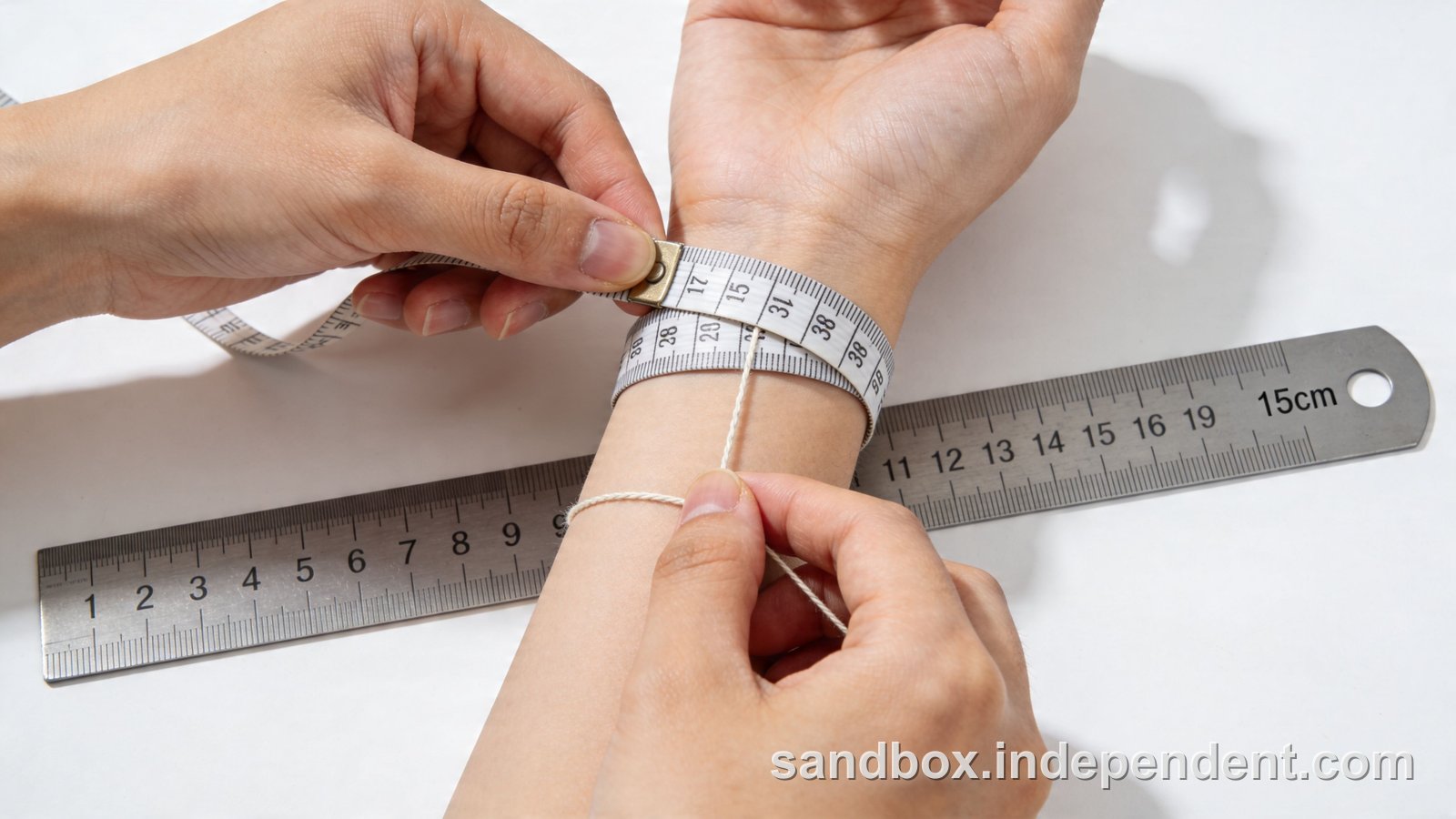
Take your body measurements: bust, waist, and hip. These are the key measurements for most apparel items. Ensure you measure accurately and consistently.
Locate your measurements on the chart. The chart will typically have a column for each measurement type (bust, waist, hip) and rows for different sizes.
Find the size where your measurements intersect. For example, if your bust measurement corresponds to a size 6 and your waist and hip measurements align with size 8, you might want to opt for a size 8 to ensure a comfortable fit.
Consider the garment type. Different clothing items may fit differently, so always check the product description for any specific fitting notes or recommendations.
If you're still unsure, refer to the brand's size guide, which often provides additional fitting tips and advice.
Common Misreadings and How to Avoid Them
One common mistake is assuming that all brands use the same size chart. Always double-check the brand's specific size guide, as even within the US, there can be slight variations.
Another pitfall is relying solely on your usual size without considering your actual measurements. Remember, size charts are guidelines, and your body measurements are unique. Always measure yourself and refer to the chart for the best fit.
Factors Affecting Accuracy and Real-World Use
Several factors can impact the accuracy of size charts and your real-world experience:
Fabric type and stretchiness: Some fabrics have more give, so a garment might fit differently depending on the material.
Style and cut: Different clothing styles can have varying fits, even within the same size. For example, a loose-fit top might feel more comfortable than a fitted one, even if they are the same size.
Personal preference: Some people prefer a tighter or looser fit. Consider your personal style and comfort when choosing a size.
Body shape variations: Size charts provide a general guide, but everyone's body is unique. If you have a unique body shape, you might need to size up or down to achieve the desired fit.
Remember, the ae size chart is a helpful tool, but it's not an exact science. Always trust your measurements and consider the specific garment's style and fabric when making your size choice.
Well, there you have it! A quick and easy guide to navigating the world of AE size charts. Remember, these charts are a handy tool, but it's always wise to double-check the specific context and requirements for your project.
Consider bookmarking this page for future reference; it's a simple way to ensure you always have the right information at your fingertips. Happy measuring, and may your creations fit perfectly!
Related: How to use a youth sizing chart?
A youth sizing chart is a handy tool to have when shopping for kids' clothes and shoes. This guide will show you how to navigate these charts with ease, ensuring you get the right fit every time.
These charts are a quick reference, offering standard youth measurements to help you find the perfect size. While values may vary slightly by brand and region, they provide a reliable starting point. You'll find clothing size charts, shoe size guides, and even a head circumference guide, all designed to make sizing a breeze!
Understanding the Youth Sizing Chart
The youth sizing chart is your go-to guide for finding the perfect fit for kids' clothing and shoes. It's a simple yet powerful tool that helps you navigate the world of sizing, ensuring your little ones look and feel their best.
Key Details and Categories
This chart typically includes measurements for height, weight, and sometimes even age. These measurements are divided into categories, often based on age groups or specific size ranges. You'll find units in both centimeters (cm) and inches, so it's essential to know which system you're using. For instance, a child's height might be listed as 122 cm or 48 inches, depending on the standard.
How to Read and Apply the Chart
Using the youth sizing chart is straightforward:
Start by measuring your child's height and weight. If you're unsure, ask a friend or family member to help. It's best to measure in the morning, before any major activities, to get an accurate reading.
Locate the height and weight categories on the chart that match your child's measurements. These categories will often have a range, so find the one that best fits your child's size.
Once you've identified the right category, you'll see a recommended size or a range of sizes. This is the size you should choose when shopping for clothing or shoes.
For clothing, you might see a letter (e.g., S, M, L) or a number (e.g., 6, 8, 10) indicating the size. For shoes, you'll often find a number followed by a width indicator (e.g., 13 M, 1 M).
Variations and Differences
It's important to note that youth sizing charts can vary depending on the standard being used. For instance, a clothing size chart from one brand might not align perfectly with another brand's chart. This is especially true when comparing international sizing standards. Additionally, some charts might be more detailed, including measurements for head circumference or chest size, which can further refine the fit.
Common Mistakes and How to Avoid Them
One of the most common mistakes is not measuring accurately. Always take precise measurements, especially if your child is on the border of two size categories. Another pitfall is assuming that all brands or manufacturers use the same sizing standards. Always double-check the specific kids sizing guide or standard youth measurements provided by the brand or retailer. Lastly, don't forget to consider the material and design of the clothing or shoes. Some items might run larger or smaller than expected, so it's always a good idea to check reviews or ask for recommendations.
Well, that's the lowdown on youth sizing charts! You now have the tools to navigate these charts with ease and ensure a perfect fit for your little ones. Remember, while these charts are a fantastic guide, it's always wise to double-check the specific requirements or standards you're working with.
Feel free to explore our other resources; we've got a range of practical guides to help you tackle various tasks with confidence. Happy sizing and see you around!